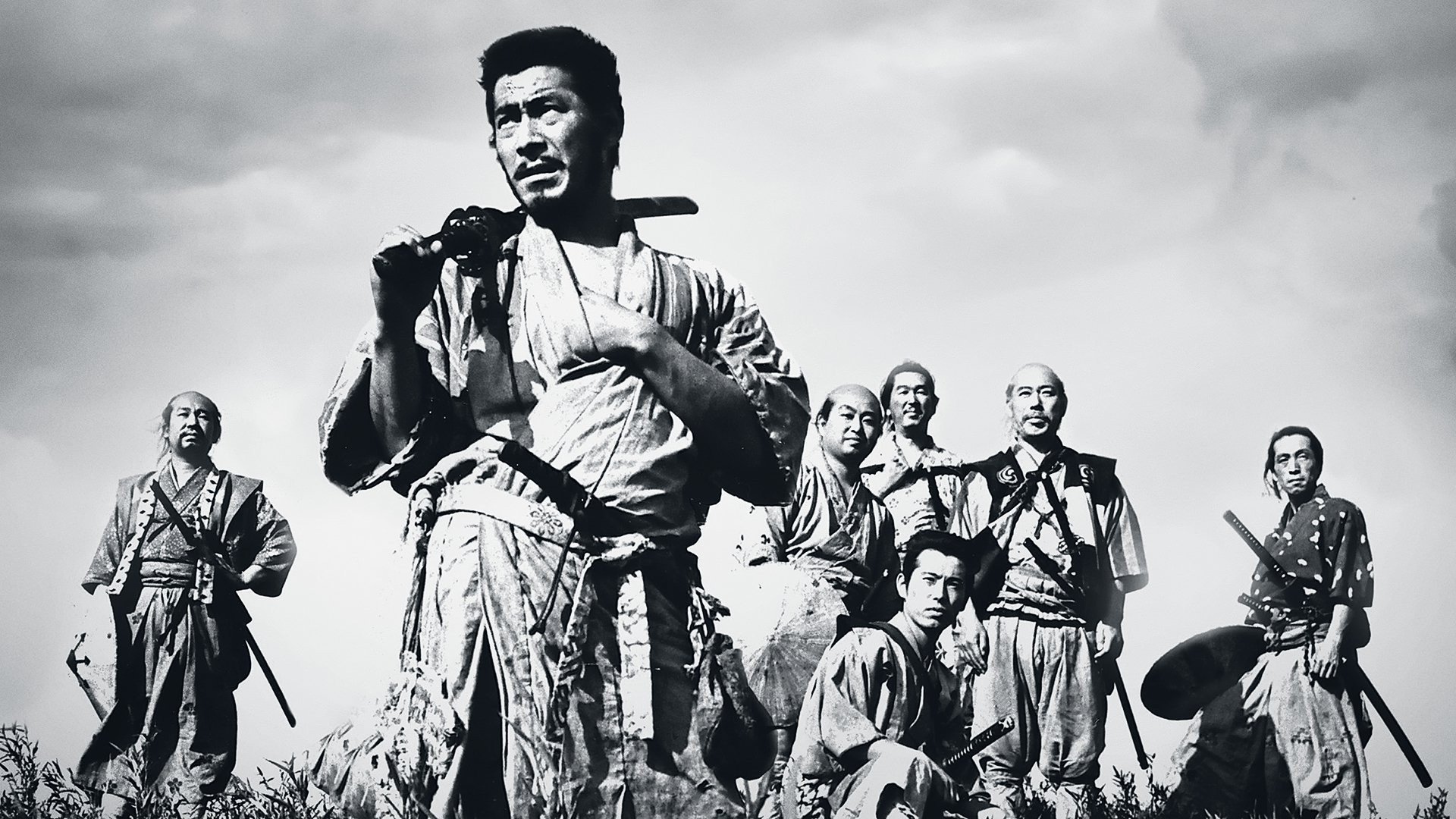

Akira Kurosawa spent 1954 perfecting a deceptively simple premise: a farming village, terrorized by bandits, scrapes together enough rice to hire seven wandering samurai. What follows is three and a half hours of character, weather, mud, and moral weight. The fan who loves Seven Samurai is chasing a specific thing: the slow accumulation of trust between people thrown together by necessity, the gap between the warrior class and the people they serve, and a climax where victory and loss arrive at the same moment. That feeling travels across media remarkably well.
Essential Seven Samurai
The film and its closest kin from Kurosawa's own hand

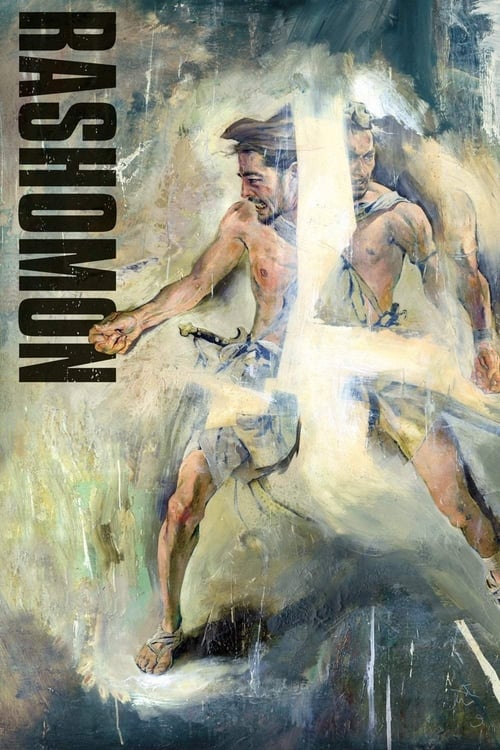
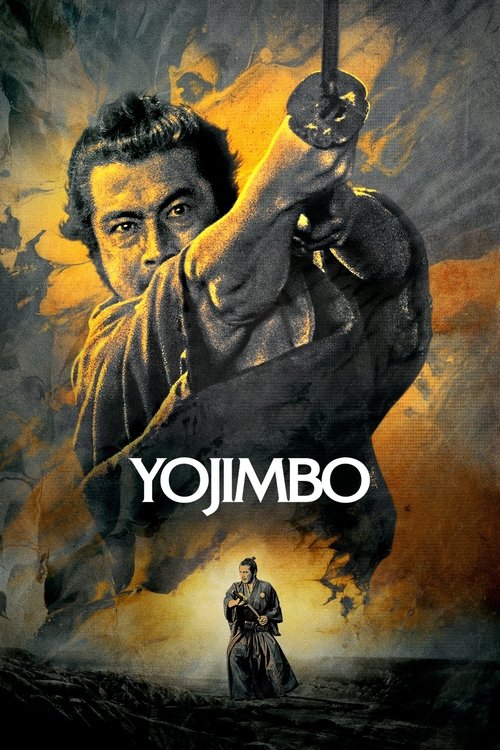
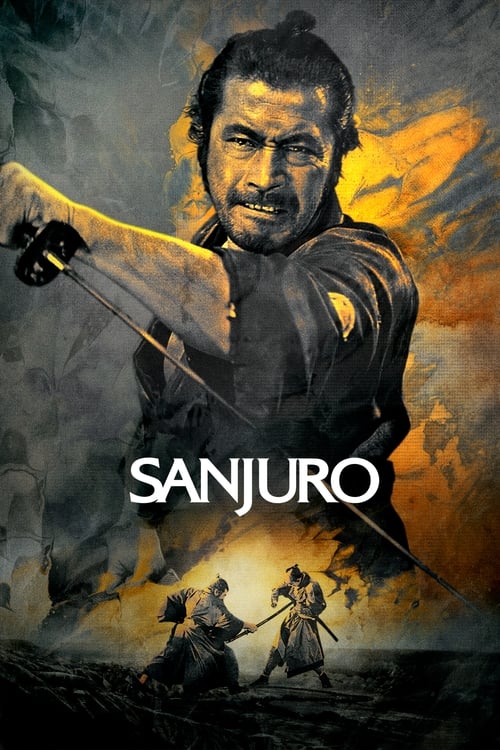
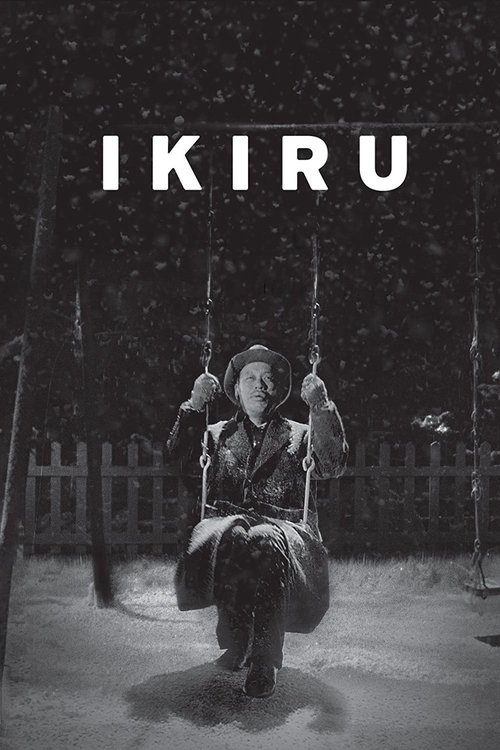
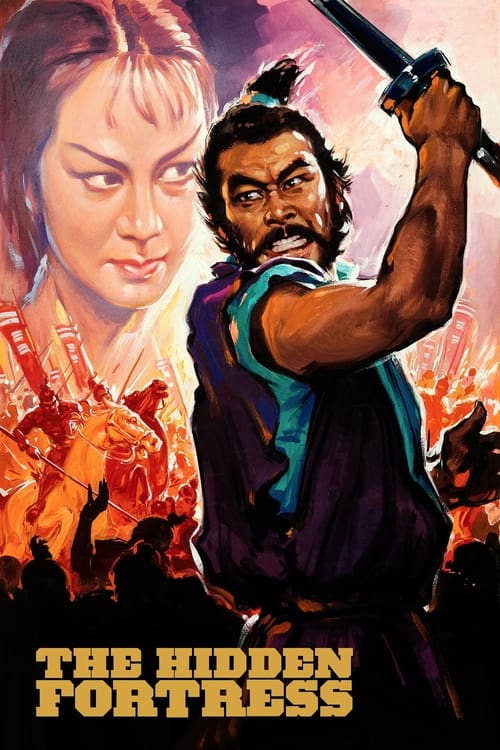
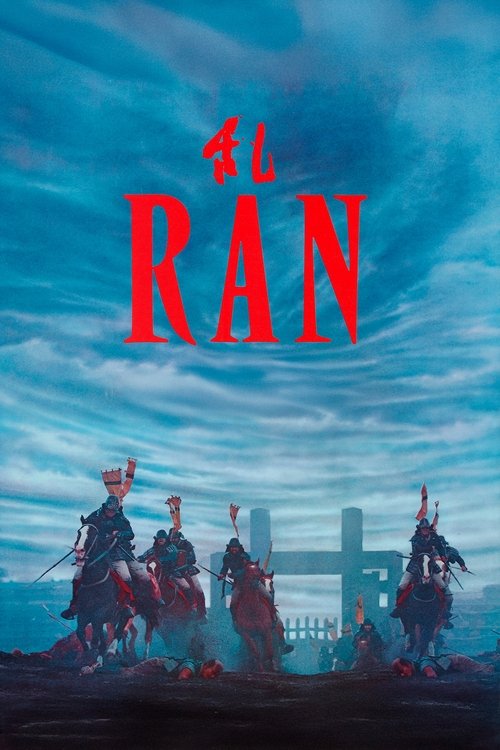
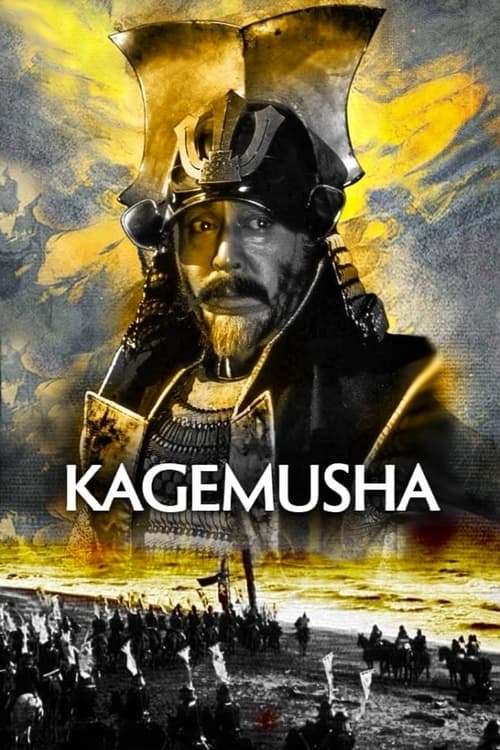
The film that made ensemble action a genre
Before Seven Samurai, action cinema was largely built around lone heroes. Kurosawa insisted on seven distinct personalities, giving each one a clear social role and a moment of private doubt. The structure, recruit the team, train the villagers, face the assault, has been copied so often it feels like nature. Watching the original is a reminder that the template was built on grief as much as spectacle.
Same vibe, different worlds: films that follow the pattern
Ensemble defense stories and films with Kurosawa's moral weight



Series that carry the same spirit
TV that builds teams, tests loyalty, and earns its endings



Books that share the DNA
Novels with honor, sacrifice, and the cost of defending others


![The Count of Monte-Cristo [3/5]](https://is1-ssl.mzstatic.com/image/thumb/Publication123/v4/8b/b0/b0/8bb0b03a-3f80-e6cb-de7f-c74e0aaa4f7f/PD-The_Count_of_Monte_Cristo-Adj.jpg/1400x1400bb.jpg)


Games sharing its DNA
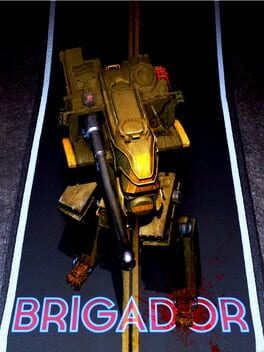
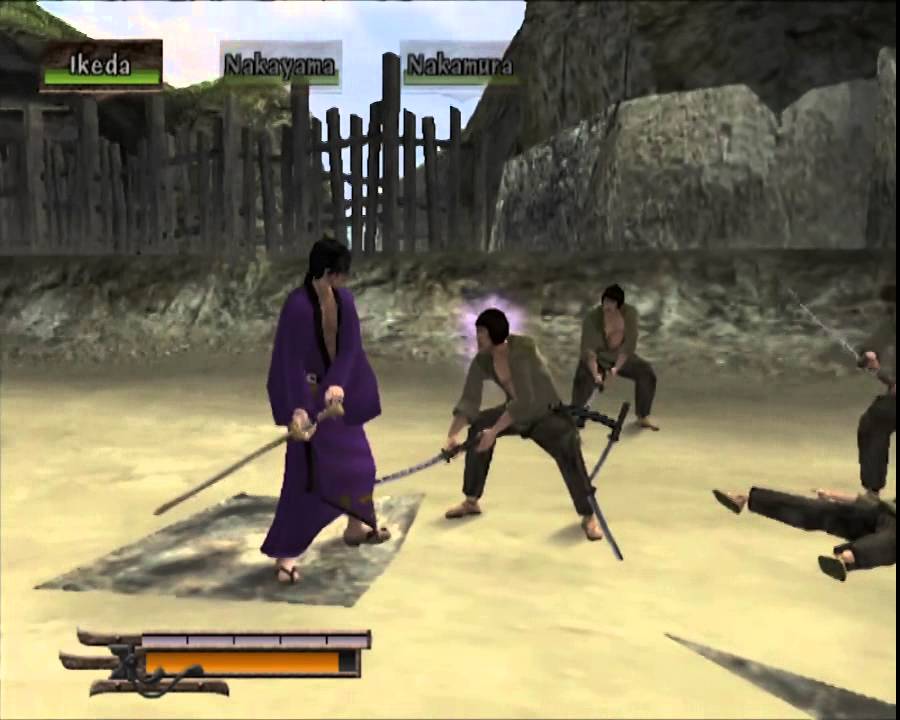
Games about duty, samurai, and tactical fellowship under pressure
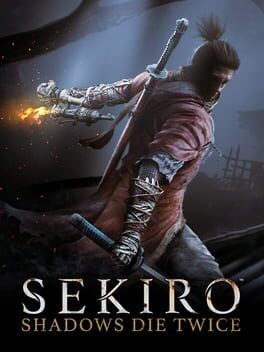
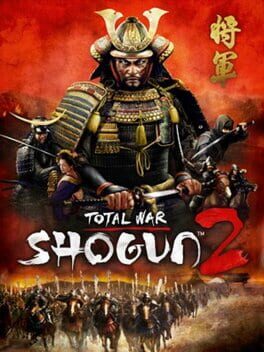
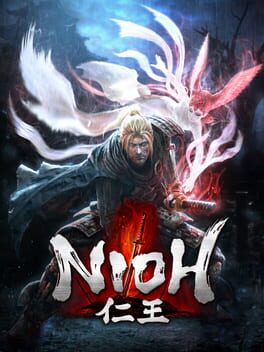
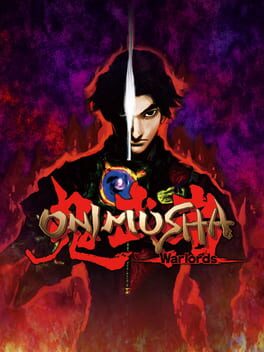
The score and its heirs
Music that channels the gravity, drums, and resolve of feudal Japan
Kikuchiyo is the whole film in one character
Toshiro Mifune's Kikuchiyo is the character who holds the film's argument together. He is the peasant pretending to be samurai, the outsider who understands both worlds and belongs fully to neither. His rage at the samurai's contempt for farmers, delivered in a scene of raw fury midway through the film, is the moral center. Every ensemble film since has needed a version of him.
The rain was not a metaphor. It was a budget.
Kurosawa shot the climactic battle in winter rain because the summer shoot ran over schedule. He pointed cameras into the downpour and the result is one of the most viscerally exhausting action sequences in cinema history. What looks like a stylistic masterstroke began as a practical problem. The film's lesson about human ingenuity under constraint mirrors the story it is telling.
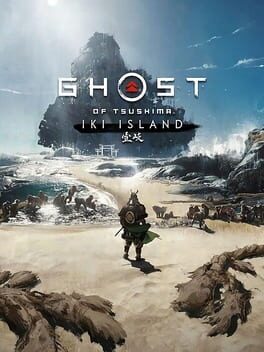
Ghost of Tsushima is the game Seven Samurai deserves
Ghost of Tsushima does not adapt Seven Samurai, but it is built from the same convictions: the samurai code as both shield and prison, the gap between what warriors are trained to be and what the people around them actually need, and open countryside that makes every journey feel like it matters. The wind mechanic, the spare score, the deliberate pace all owe a debt Sucker Punch has been open about.
The long shadow of Seven Samurai
- 1954Seven Samurai premieres at Toho, running 207 minutes Seven Samurai
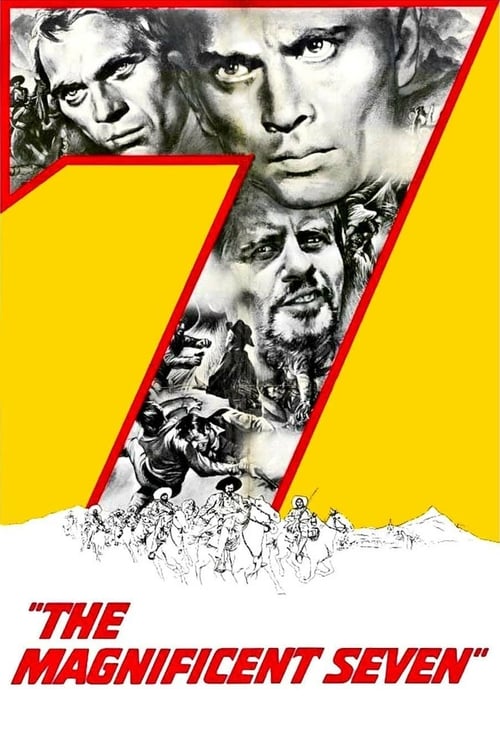
- 1960John Sturges remakes it as a Western The Magnificent Seven
- 1961Kurosawa's lone-wolf variant distills the archetype Yojimbo
- 1980Clavell's novel becomes a landmark TV event GoShogun
- 1981Yoshikawa's samurai epic finally reaches English readers Musashi
- 1985Kurosawa's final samurai epic arrives in color Ran
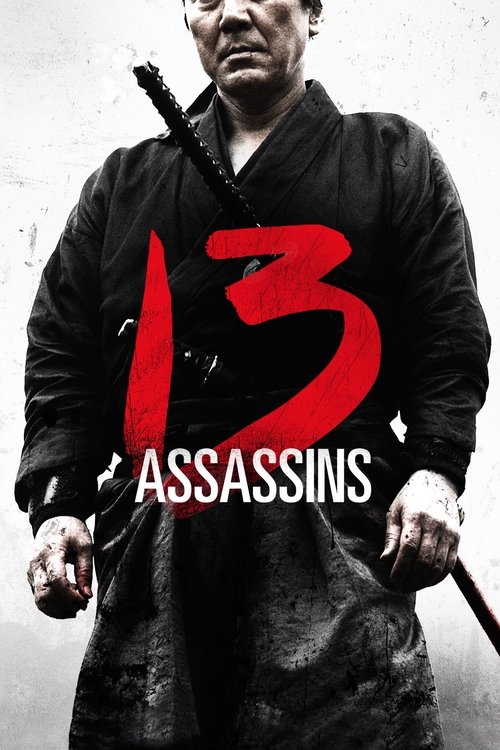
- 2010Miike delivers the definitive modern jidaigeki action film 13 Assassins
- 2020Sucker Punch delivers the open-world samurai game fans had waited for Ghost of Tsushima: Iki Island
- 2024FX's remake brings the story to a new generation with renewed gravity GoShogun
Samurai epics and gathered warriors
Samurai & Feudal Japan
Explore the Samurai & Feudal Japan guide →The victories do not belong to us. The villagers won. Not us.Kambei Shimada, Seven Samurai (1954)