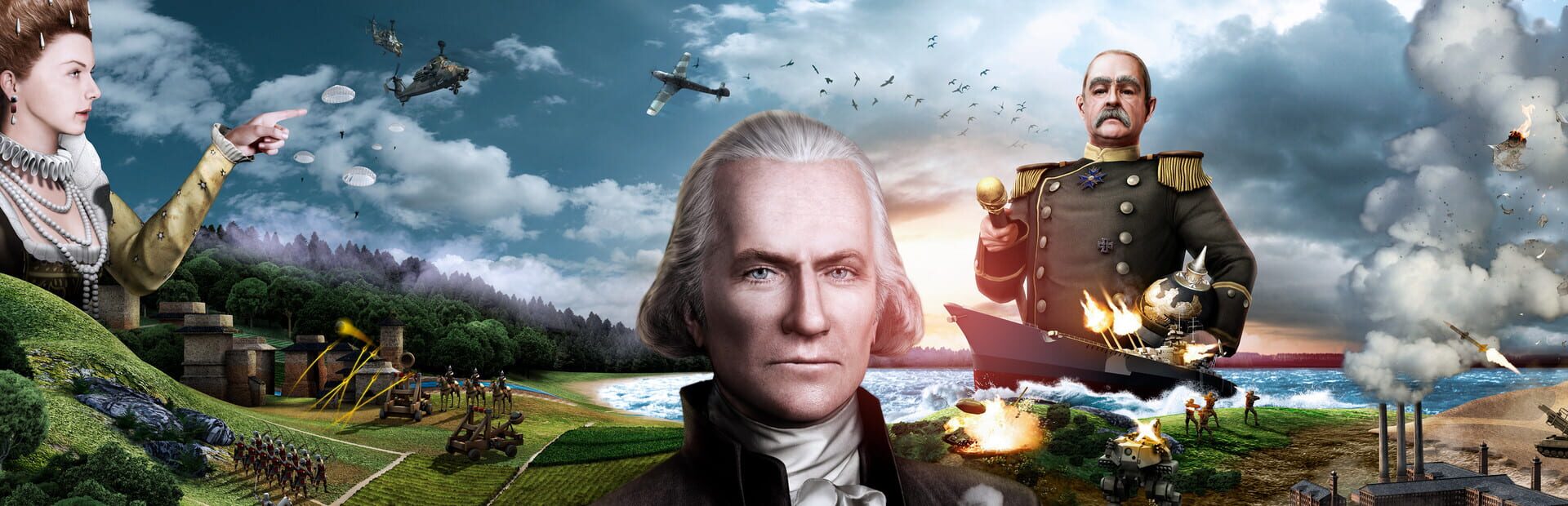

There is a moment every Sid Meier player knows: you meant to play for an hour and it is now 3am, your empire spans three continents, and the next turn is absolutely, non-negotiably the last one. Since his first title in 1982, Meier has built games around one deceptively simple idea: give a player a complex, historical world and a meaningful decision every thirty seconds. Civilization crystallized that philosophy into a genre-defining formula, but Railroad Tycoon, Pirates!, Alpha Centauri and a dozen more show a designer who kept reinventing what a strategy game could feel, sound and think like. Fans love the texture of history rendered as a system, the pleasure of a well-optimized empire, and the strange intimacy of watching centuries compress into an evening.
Essential Sid Meier
The core catalogue, from railroads to the stars

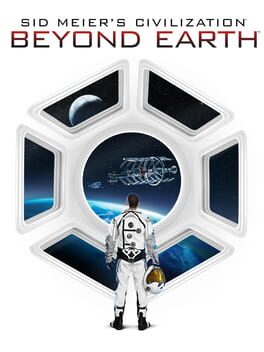

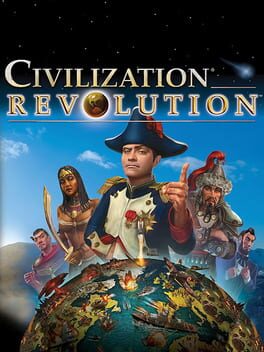
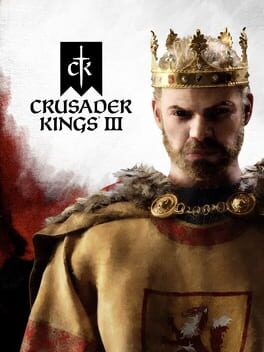
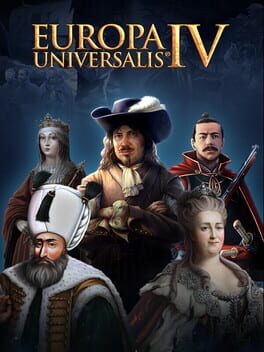
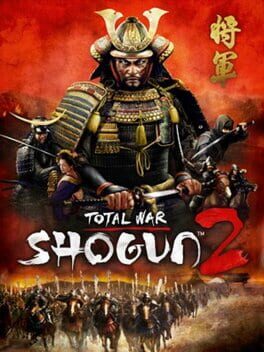
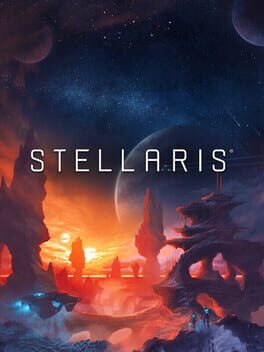
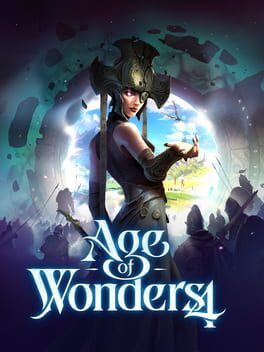
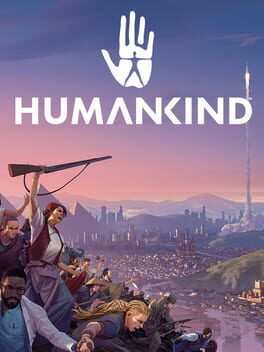
If You Love the 4X Grand Strategy Feel
Games that share the same DNA: empires, decisions, centuries
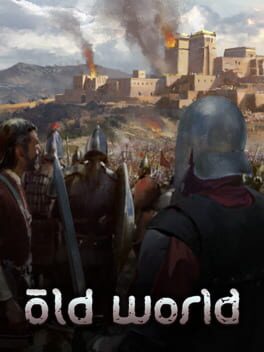
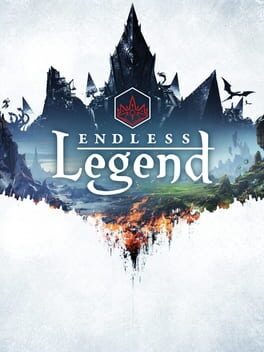
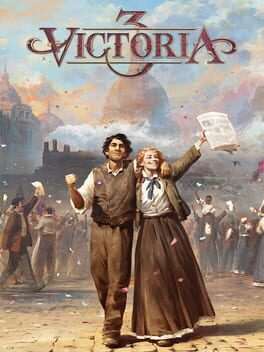
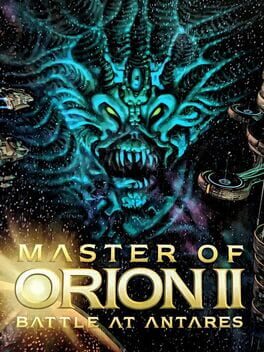
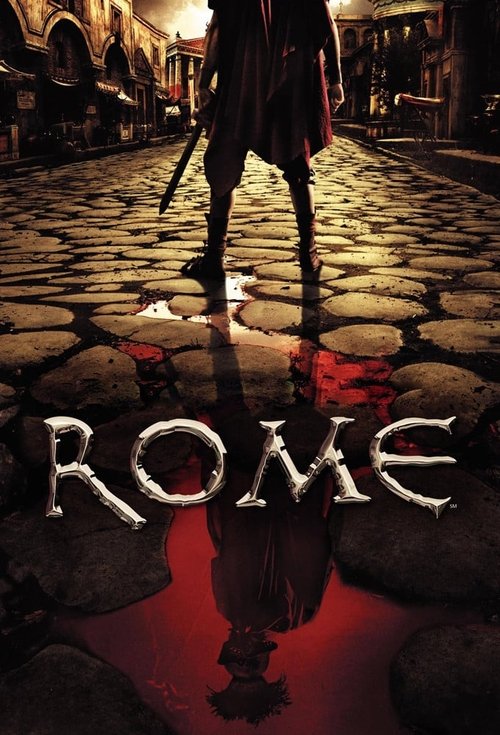
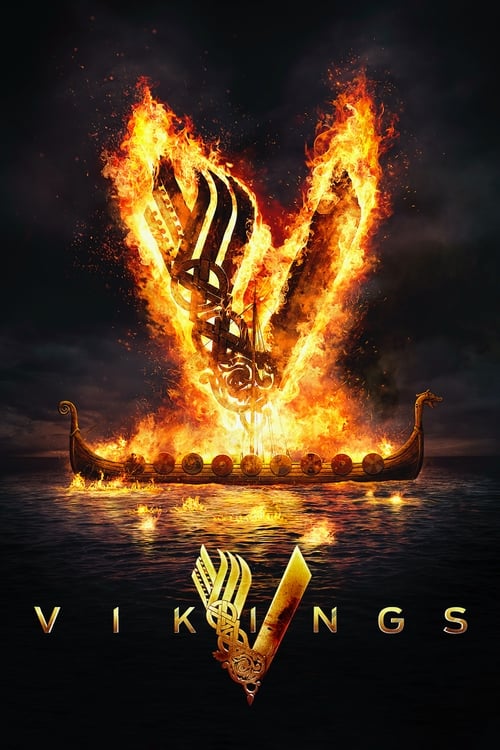
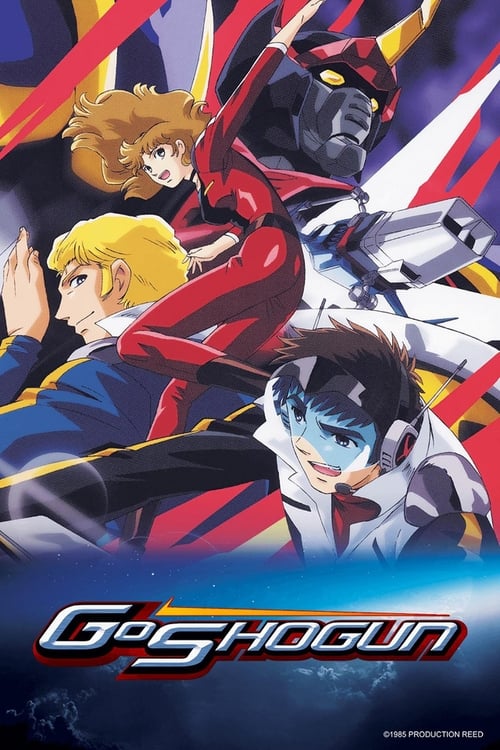
Epic History on Screen
Films and series that share Civ's sweeping view of civilization, conquest and collapse
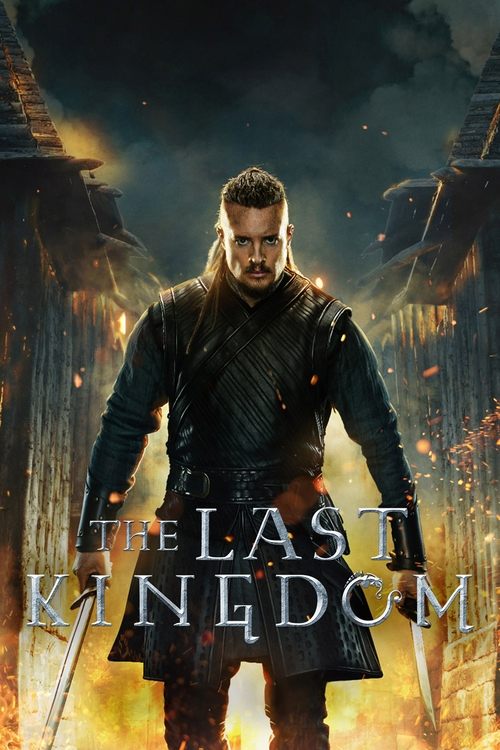

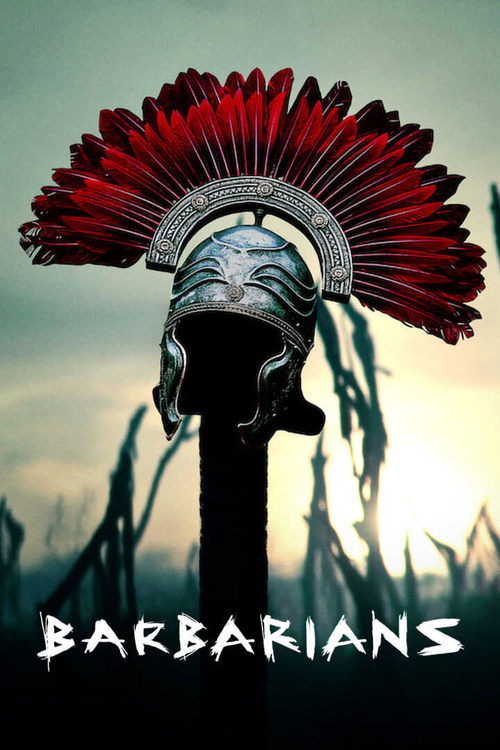
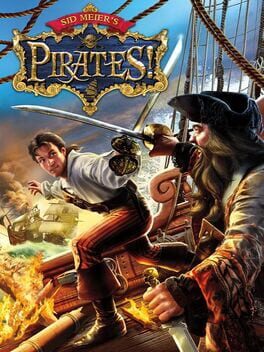
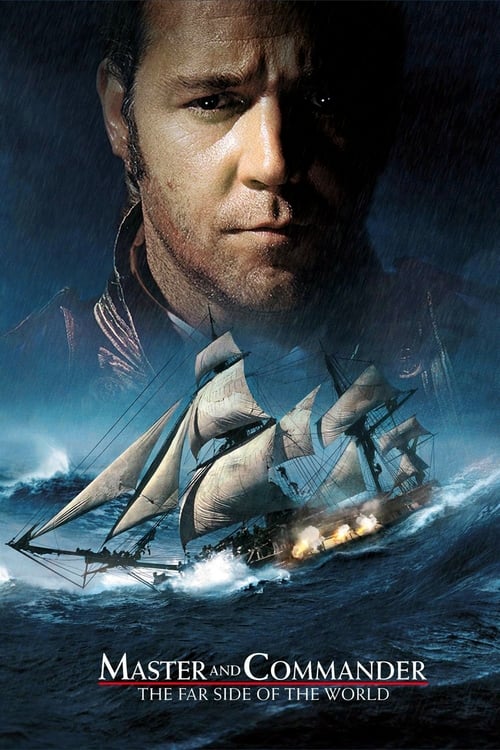
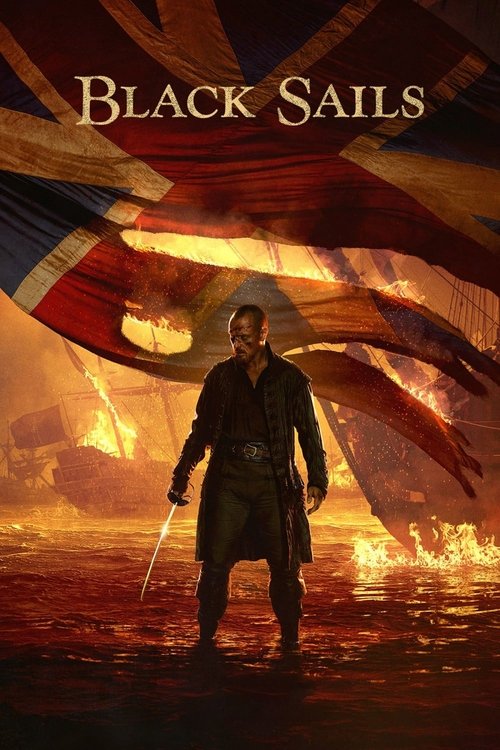
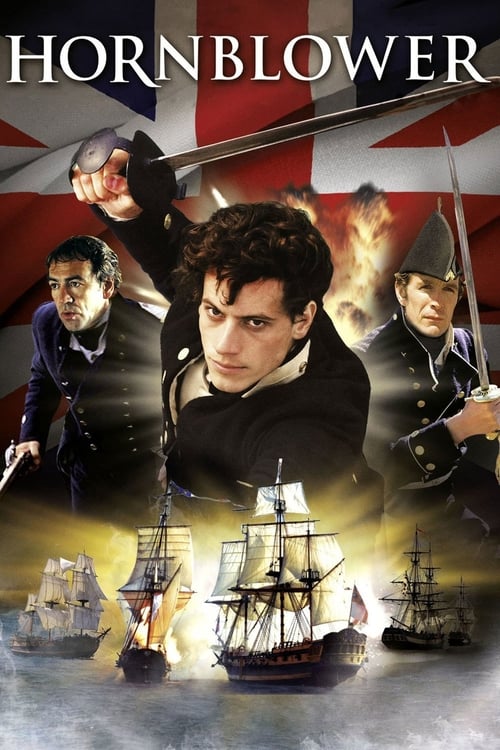
The Age of Exploration and Pirates
Adventure on the high seas, new worlds and swashbuckling, from screen to page





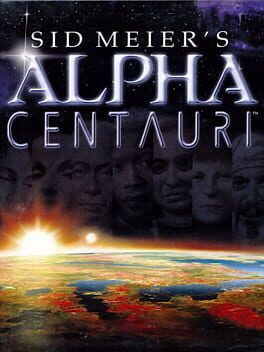
Alpha Centauri Is Still the Deepest Sci-Fi Strategy Ever Made
Civilization's future sibling never got the sequel it deserved, yet its world-building depth has never been matched. The seven faction leaders are fully realised ideological visions, each with their own philosophical agenda encoded in the game mechanics. The technology tree reads like a graduate syllabus in futurism. Planet is a character. Twenty-five years on, it remains the benchmark for narrative strategy.
The Railroad Tycoon Template Changed Business Games Forever
Before Meier built empires of culture and science, he built empires of steel and coal. Railroad Tycoon introduced layered economic simulation to a mainstream audience in 1990, weaving stock markets, commodity prices and geography into a game that felt genuinely adult. Every management and tycoon game that followed owes a structural debt to its blueprint.

Why One More Turn Is the Most Dangerous Phrase in Gaming
Meier cracked a design problem that still baffles most developers: making the future feel perpetually reachable. Every Civilization game is engineered around the near-term promise. The next technology is two turns away. The next city is almost large enough. The wonder is almost built. That rhythm of near-completion creates a loop that outlasts any dopamine system in film, TV or music, because it puts the player in control of the pace.
The Films That Civ Players Already Love Without Knowing Why
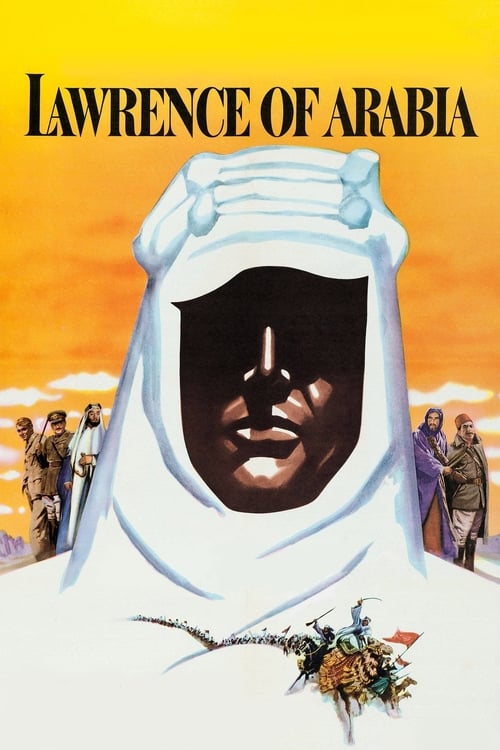
Lawrence of Arabia, Rome and Shogun are not historical entertainments Civ players happen to like. They are the emotional territory the games are trying to map. The pleasure of watching a single figure reshape an era, of seeing geography and culture collide, of rooting for a civilization rather than a character, is the same pleasure Meier engineered into his systems. Watching them pairs perfectly with a fresh game start.
A Designer's Arc: Four Decades of One More Turn
- 1982Meier co-founds MicroProse; Floyd of the Jungle is his first published game
- 1984Spitfire Ace and solo flight sims establish the studio's reputation for realism
- 1987Sid Meier's Pirates! invents the open-world adventure-strategy hybrid Sid Meier's Pirates!
- 1990Railroad Tycoon launches the tycoon genre and reaches mainstream audiences Railroad Tycoon 3
- 1991Civilization redefines turn-based strategy; the 4X genre is born Age of Civilizations II
- 1996Civilization II sells millions; the franchise becomes a cultural touchstone
- 1999Sid Meier's Alpha Centauri becomes the most praised sci-fi strategy game ever Sid Meier's Alpha Centauri
- 2001Civilization III introduces culture mechanics, broadening what winning means
- 2005Civilization IV adds religion, corporations and a landmark soundtrack Sid Meier's Civilization IV
- 2010Civilization V overhauls combat with hex tiles; a new generation discovers the series Sid Meier's Civilization V
- 2014Meier publishes his memoir Sid Meier's Memoir: A Life in Computer Games
- 2016Civilization VI ships with its signature unstacked cities and dramatic art style Sid Meier's Civilization VI
Grand strategy, empires, exploration
For Fans of Civilization
Explore the For Fans of Civilization guide →A game is a series of interesting decisions.Sid Meier