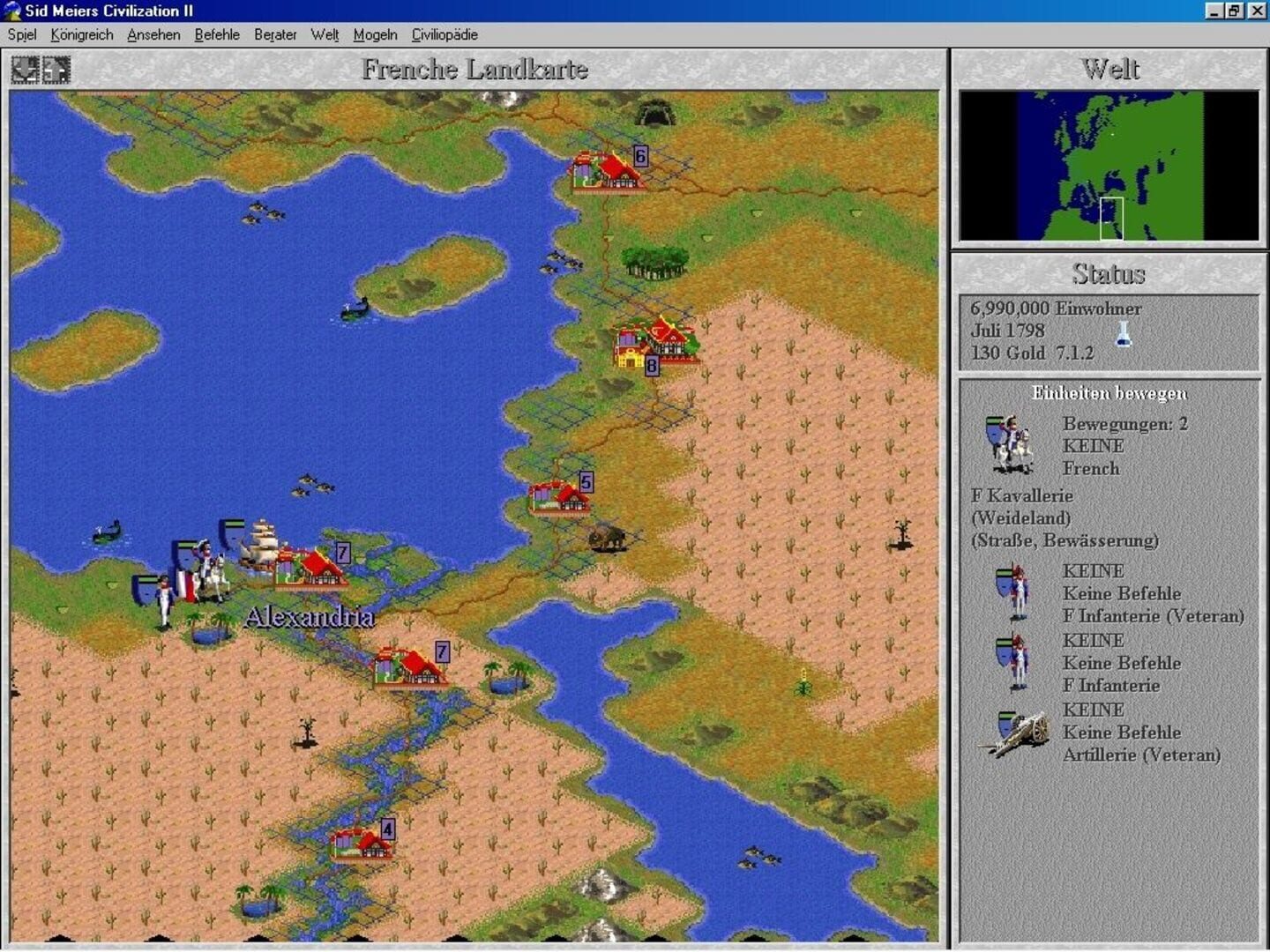

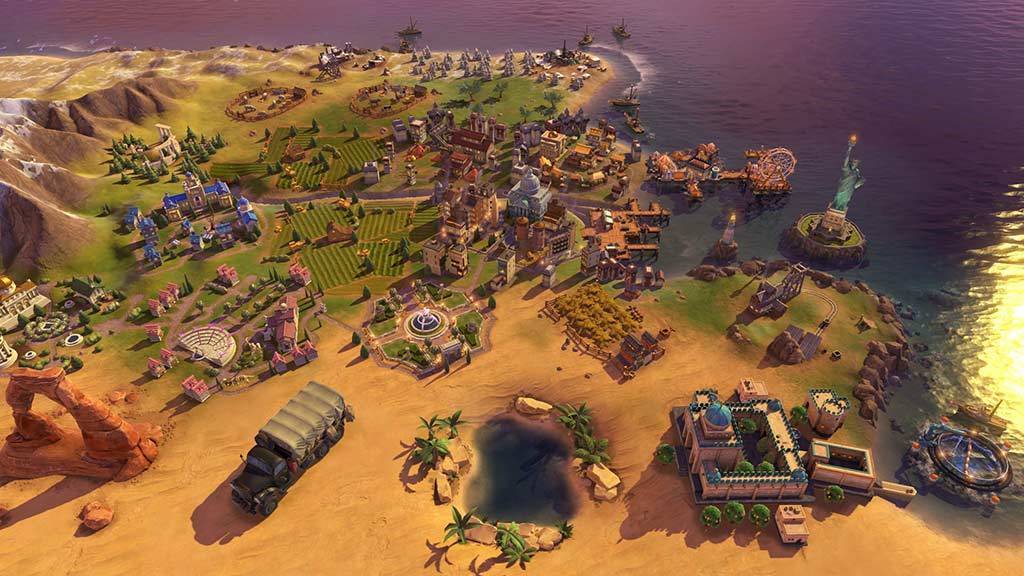
Sid Meier's Civilization didn't invent the strategy game, but it rewired the brain of everyone who played it. The loop is deceptively simple: settle a city, grow it, research bronze-working, meet a neighbor, make a friend or an enemy, watch the centuries blur. What keeps players returning through six mainline entries and dozens of expansions is the feeling that history is not fixed. Gandhi can go nuclear. Rome can fall to a culture victory. You can win on a map where Napoleon never made it past the iron age. Civilization is a machine for generating alternate histories, and the itch it scratches, that craving for scope, consequence, and the long arc, runs through some of the best films, books, games, and series ever made.
Essential Civilization
The core games and their best expansions, in order of influence

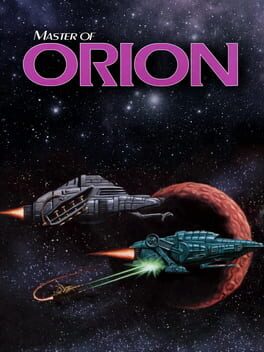
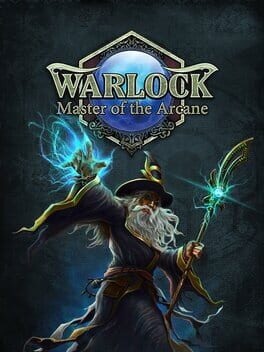
If You Love Civ: More 4X and Grand-Strategy Games
Games built on the same hunger for empire, expansion, and one-more-turn

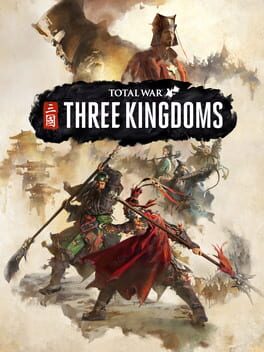
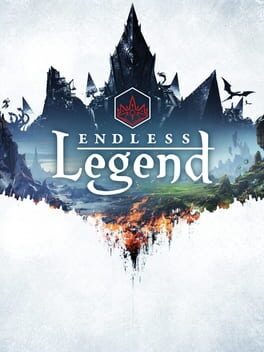
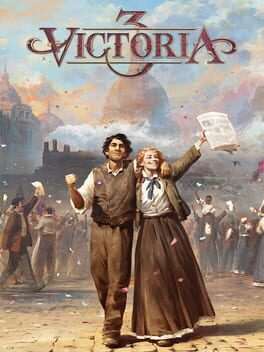
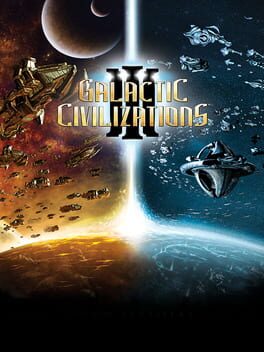
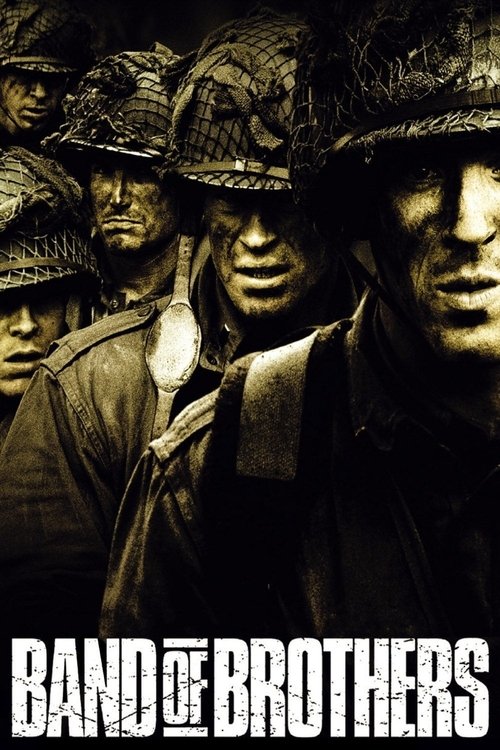
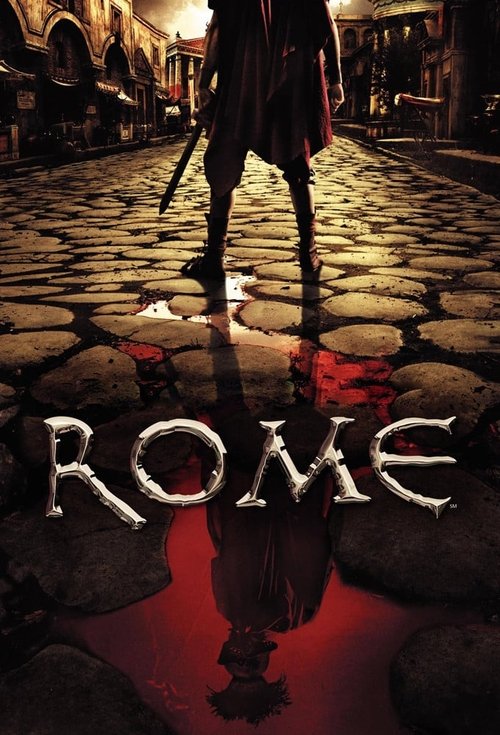
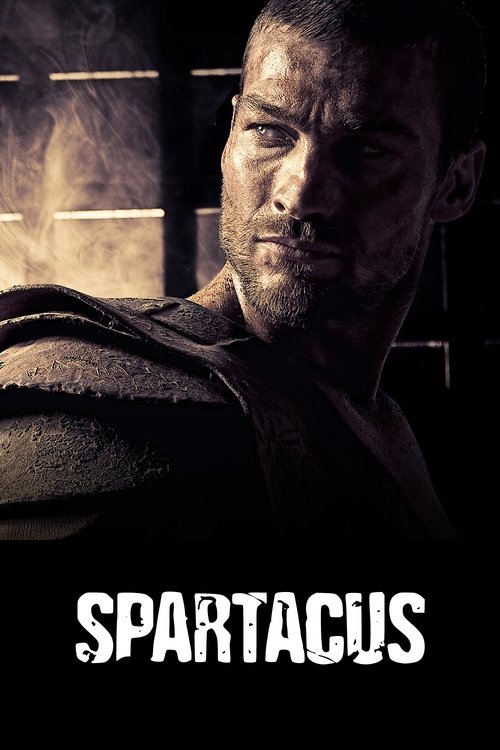
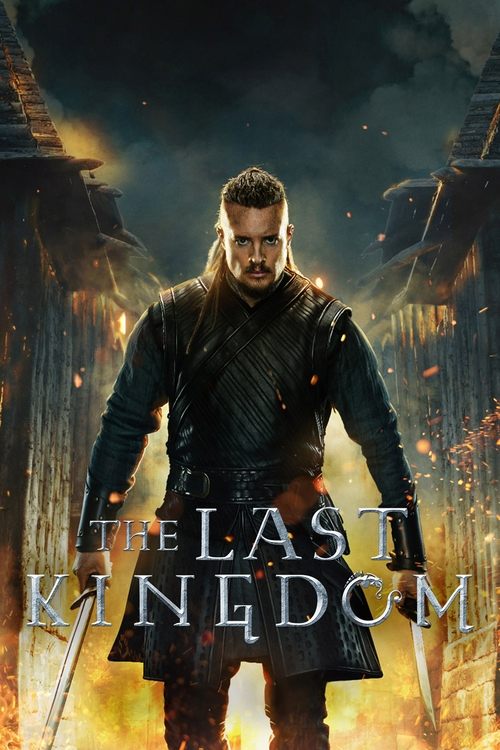
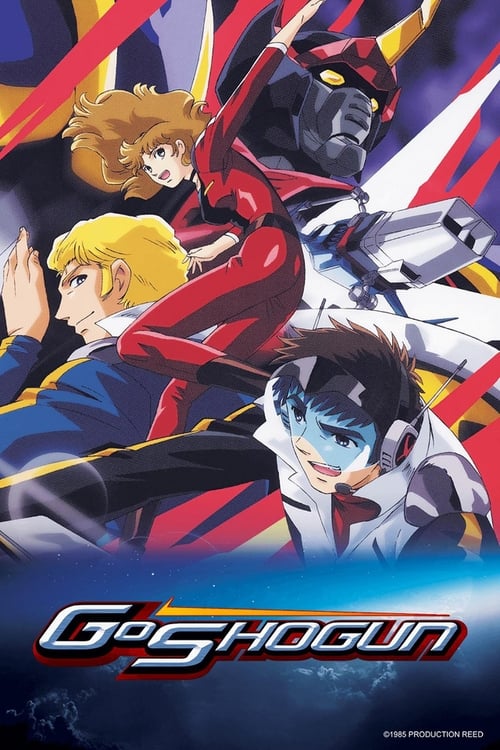
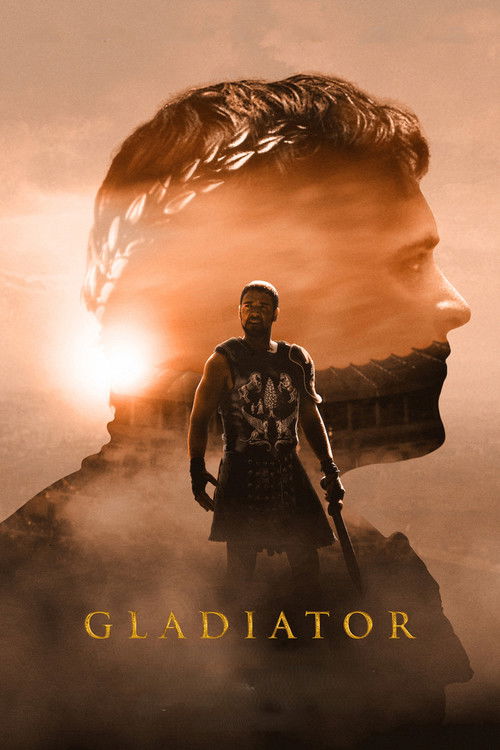
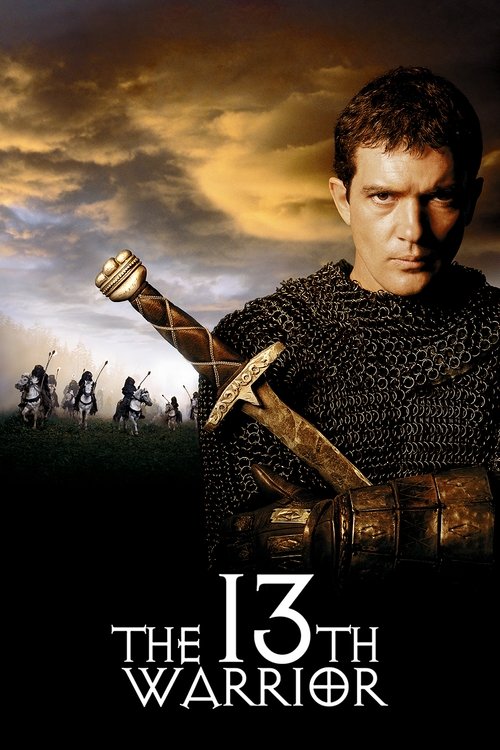
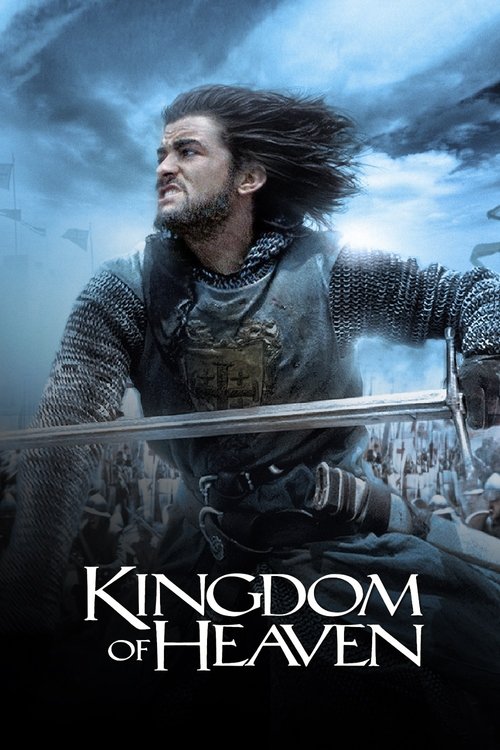
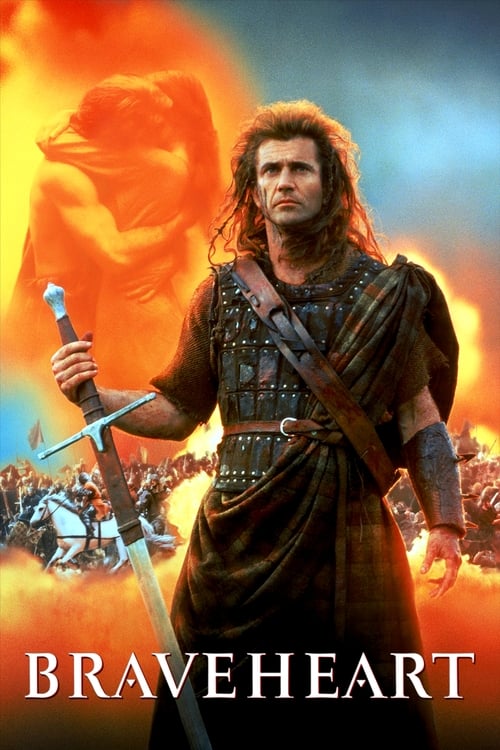
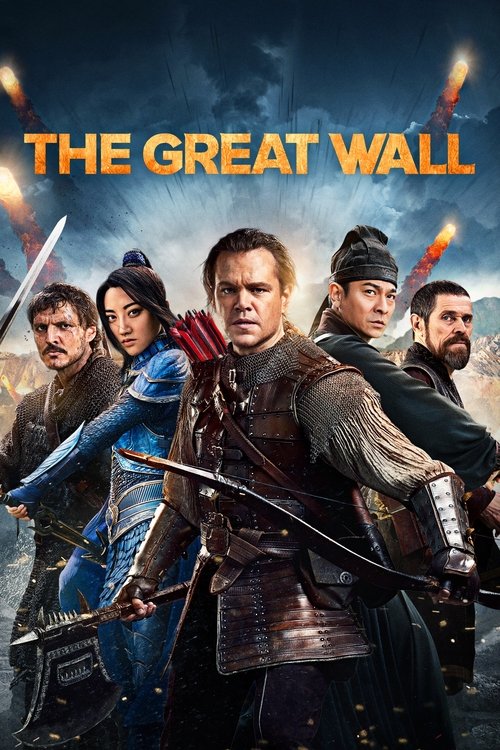
If You Love Civ: Epic History on Screen
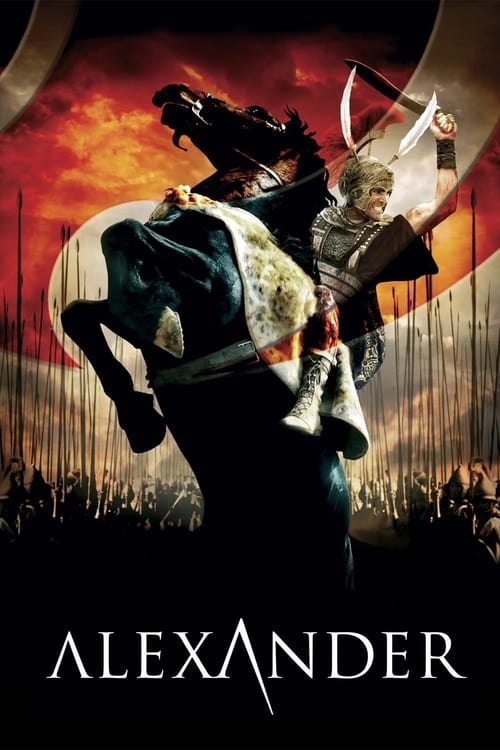
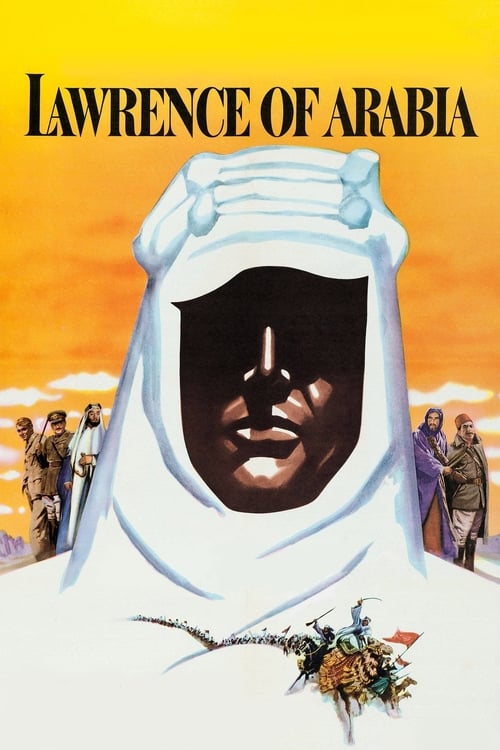
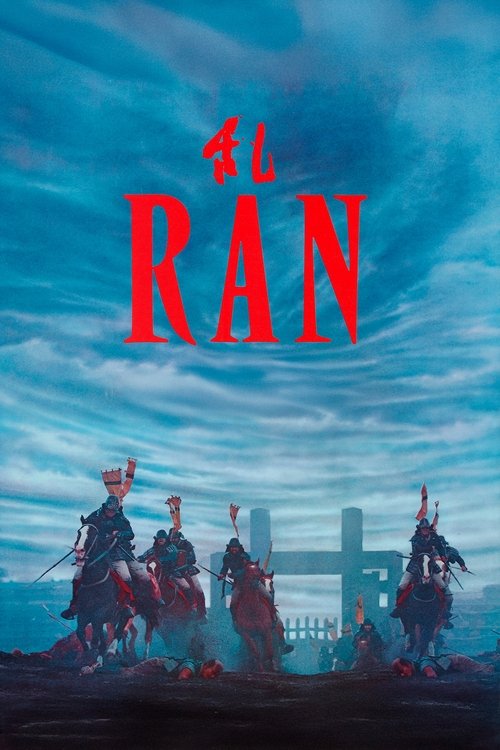
Films and series that match Civ's sweep of civilizations rising, clashing, and falling

If You Love Civ: Historical Fiction and Strategy Novels
Books where a single decision reshapes the world, just like your late-game pivots


Civilization IV Is Still the Peak
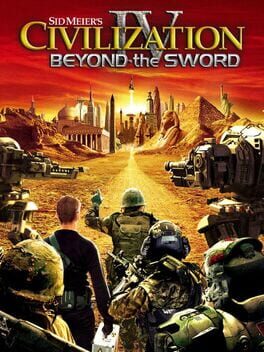
The debate never ends, but Civilization IV made the strongest case that a strategy game could be genuinely wise. Its tech tree framed scientific progress as a moral question. Its civics system rewarded thinking about governance, not just production. And Leonard Nimoy reading real historical quotes as you unlocked each technology gave the whole thing a strange dignity. Civ V smoothed out the rough edges and added hexes; Civ VI introduced the breathtaking district system. But Civ IV, at its peak with the Beyond the Sword expansion, remains the one where the game felt like it was thinking back.
Crusader Kings III Is What Happens When You Follow One Dynasty
Civilization zooms out to the sweep of civilizations; Crusader Kings III zooms back in to the dynastic soap opera inside them. Your ruler is mortal, your heir is suspicious, your chancellor is possibly poisoning your wine. What the two games share is the same terrifying sense that history is a machine nobody controls, and that one bad marriage can undo five generations of careful expansion. CK3 is the natural companion for any Civ fan who has ever wondered what the people inside those cities actually felt.
Sapiens Explains Every Tech Tree You Ever Clicked Through
Yuval Noah Harari's Sapiens is the closest thing in print to a Civilization tech tree with editorial commentary. It asks why some civilizations dominated others, why money is a shared fiction that actually works, and how agriculture, while arguably a disaster for individual humans, produced everything that followed. Reading it after a long Civ session is disorienting in the best way: the game's clean progress bars suddenly look like a very optimistic model of something far messier and stranger.

Shogun (2024) Puts the Diplomatic Screen in High Relief
Every Civ player knows the diplomatic screen: a foreign leader whose face reveals nothing, an offer that might be fair or might be a stall while their troops reposition. The 2024 FX Shogun series makes that scene visceral. Lord Toranaga operates three moves ahead of every room he enters, and the English navigator Blackthorne is forever learning that the rules he thought he understood were the wrong rules. It is grand strategy as human drama, and it is one of the finest historical series ever made.

Civilization Through the Ages
- 1991Sid Meier releases the original Civilization for PC, establishing the 4X genre. Sid Meier's Civilization
- 1994Civilization II arrives, adding advisors, video clips, and the advisor council that became iconic.
- 1999Sid Meier's Alpha Centauri spins the engine into science fiction, still considered a design masterpiece. Sid Meier's Alpha Centauri
- 2001Civilization III introduces culture as a territorial force, reshaping how players think about soft power.
- 2005Civilization IV adds religion, great people, and Leonard Nimoy. Beyond the Sword expansion follows in 2007.
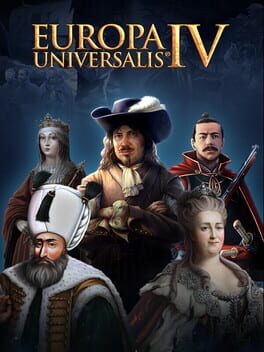
- 2007Europa Universalis III and later EU4 (2013) extend the formula into the early modern period with granular realism. Europa Universalis IV
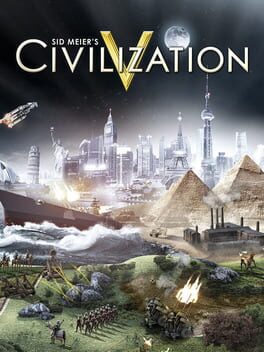
- 2010Civilization V adopts one unit per tile and hex grids, overhauling the combat layer entirely. Sid Meier's Civilization V
- 2012Crusader Kings II launches a dynasty-driven take on the medieval world, spawning a cult following. Crusader Kings II
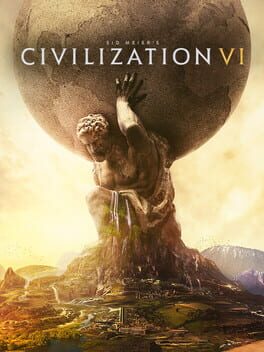
- 2016Civilization VI ships with district placement and a new art style, becoming the series' best-selling entry. Sid Meier's Civilization VI
- 2019Crusader Kings III arrives with an overhauled character system and reaches mainstream audiences. Crusader Kings III
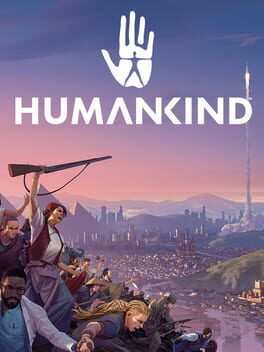
- 2020Humankind from Amplitude offers a culture-mixing alternative to the single-civilization model. Humankind
More empire-building across history
For Fans of Sid Meier
Explore the For Fans of Sid Meier guide →Civilization is a machine for one-more-turn insomnia and accidental history lessons. The only way to stop playing is to win, and even then you wonder how it went differently on the next map.CrossBinge