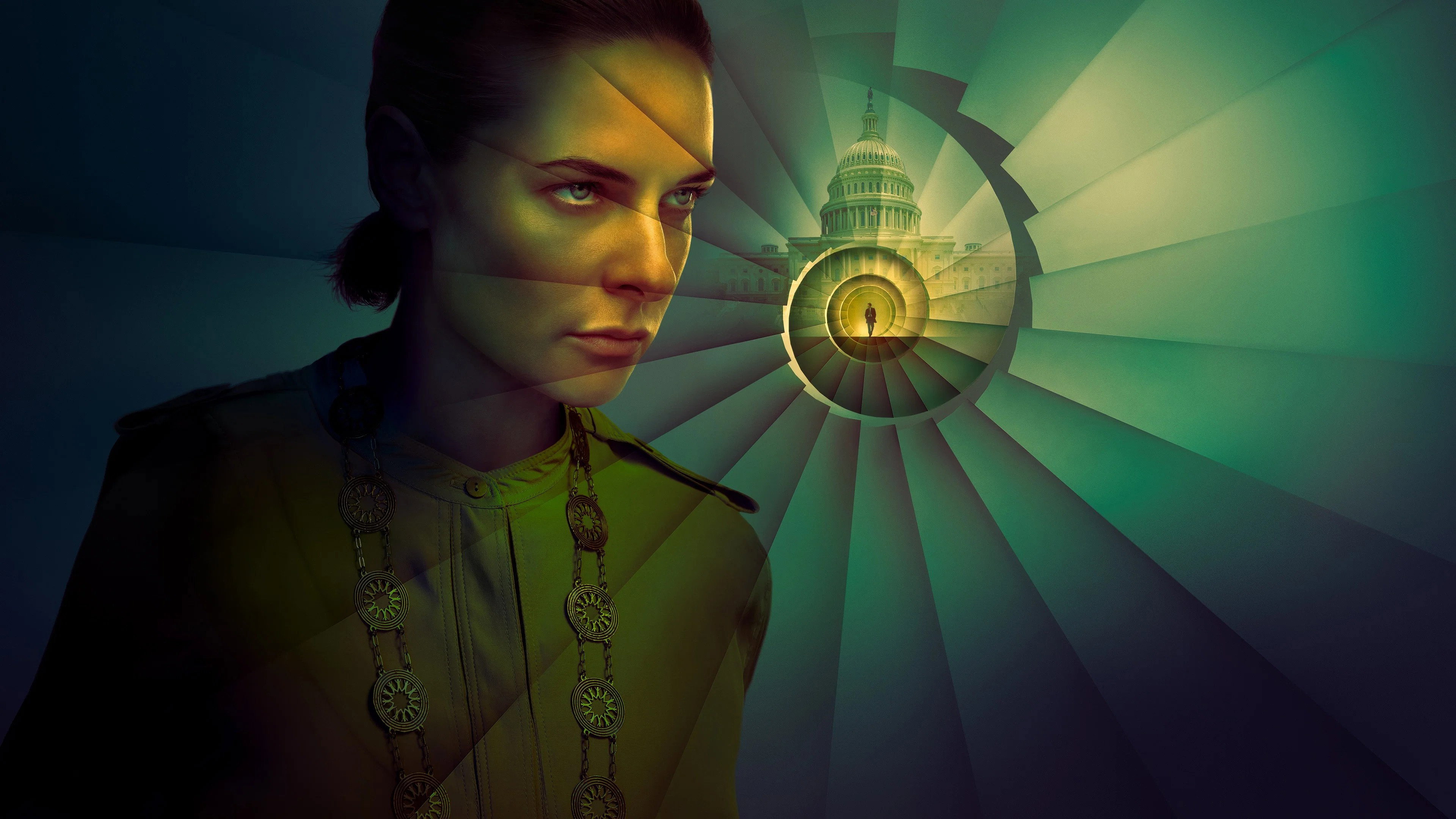

Silo begins with a question: what happens when the world outside is lethal and the only safe place is a lie? Hugh Howey's Wool trilogy (Wool, Shift, Dust) planted that seed in self-published serialized fiction, and Apple TV+'s Silo adaptation brought it to a global audience with a committed cast and an aesthetic that makes concrete feel like fate. The appeal is not the mystery itself but the texture around it: strict social stratification, rationed information, the terror of asking the wrong question. If that pull speaks to you, the titles below share the same marrow.
Essential Silo
Start with the source and its screen adaptation


Series That Build Their Own Cages
TV shows where the setting is as oppressive as the plot


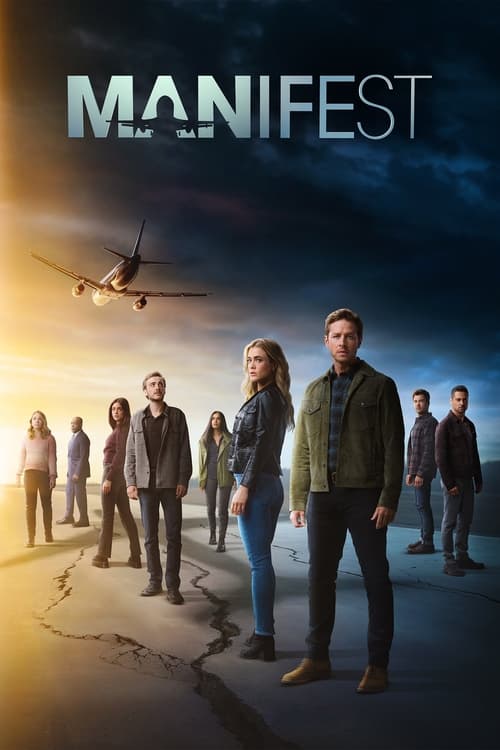
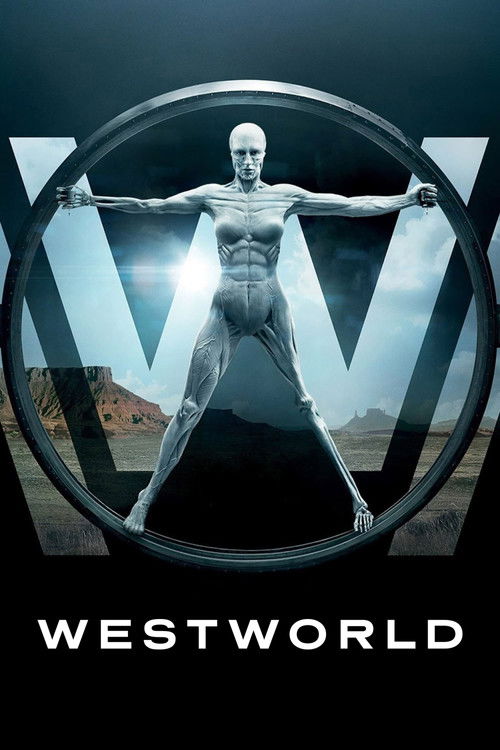
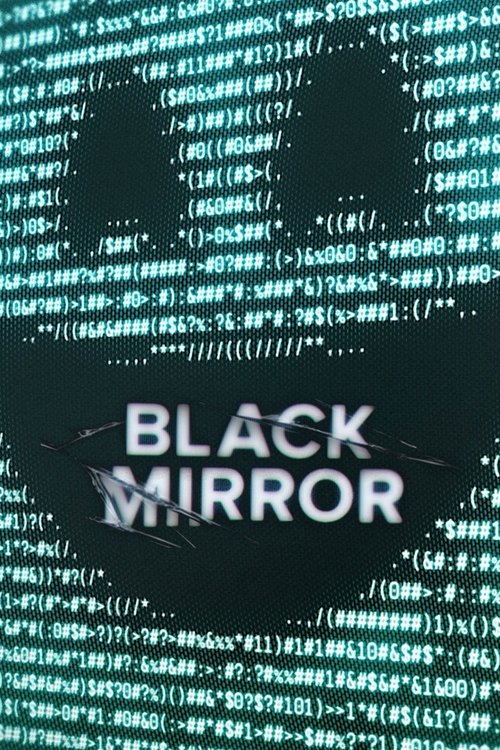
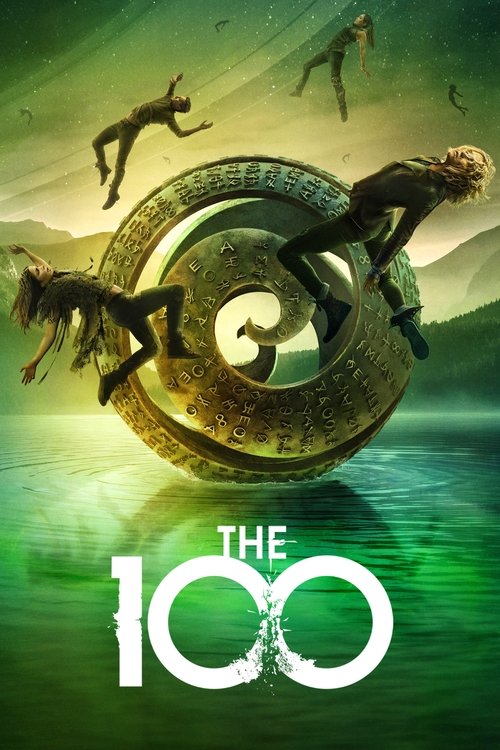
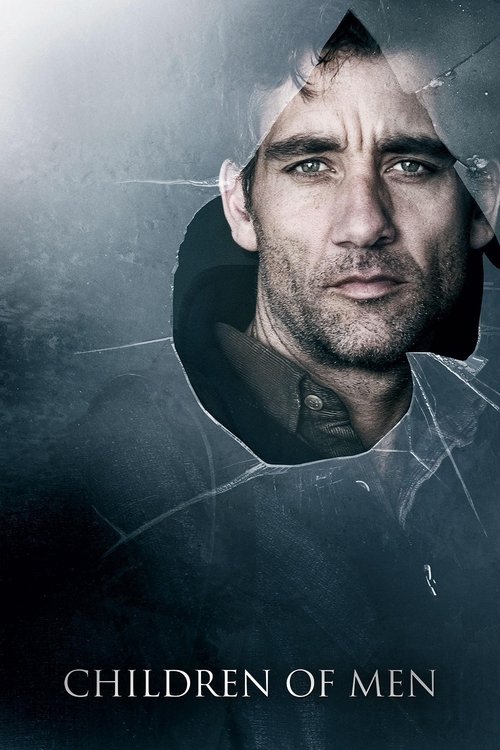
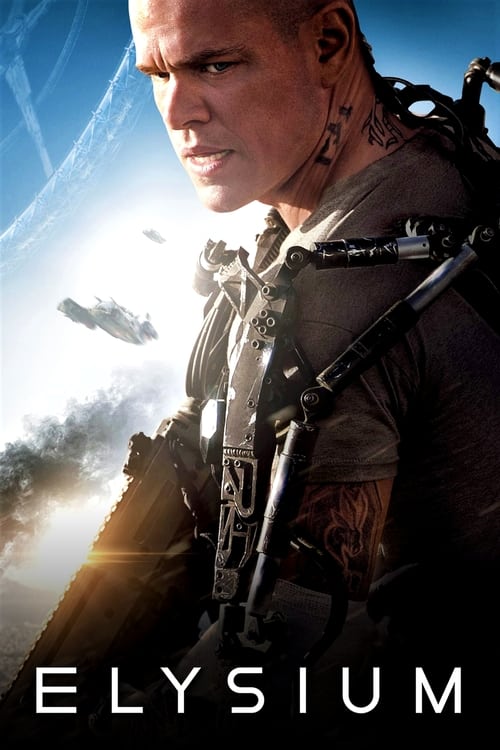
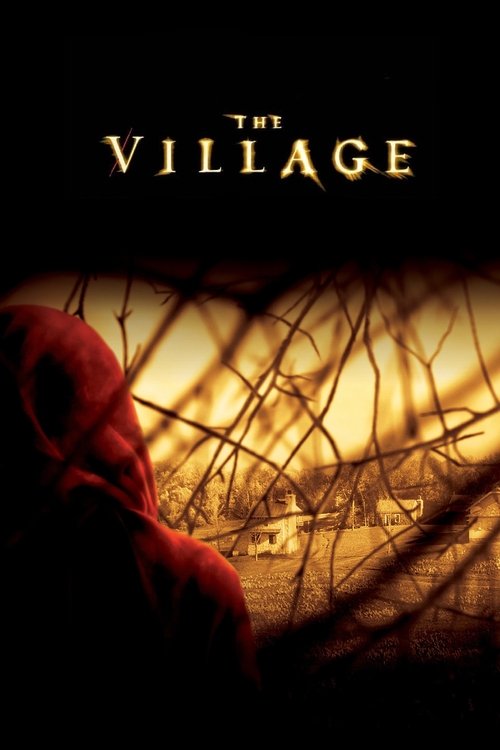
Films About the World They Won't Show You
Movies where the lie about outside is the whole engine

Novels of Controlled Societies and Hidden Truths
Books that share Silo's obsession with institutional secrecy and survival


Games Where Survival Comes With Rules You Didn't Write
Games that share the oppressive logic and underground claustrophobia of Silo
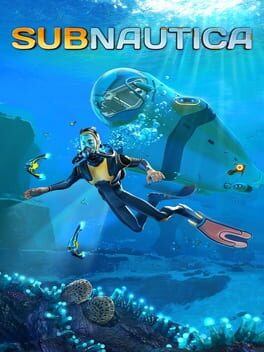
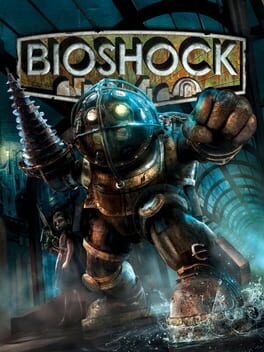
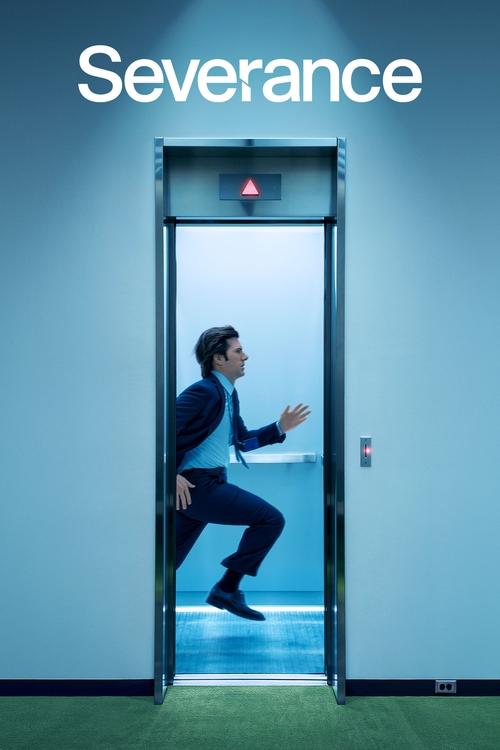
Severance Is Silo's Corporate Twin
Both shows ask what institutions do to people when information is the currency of control. Severance keeps its horror inside the head; Silo keeps it inside a stairwell. The visual language differs but the dread is identical: cheerful compliance covering something catastrophic. Watch one, and the other will feel like the same show wearing a different uniform.
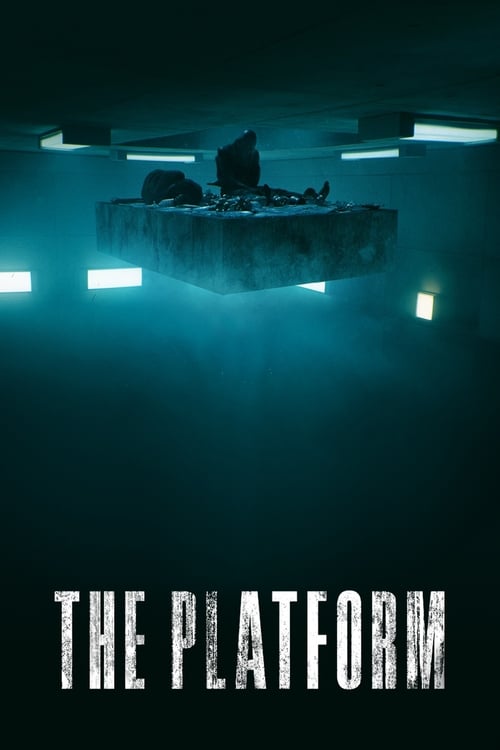
The Platform Goes Further Underground
Where Silo distributes suffering across floors with careful social engineering, The Platform drops it vertically and raw. Both are about who gets to eat, who gets to know, and what the system does to the people who figure out the mechanism. The Platform is shorter, angrier, and less interested in being polite about its conclusions.
Wool Is a Better Book Than the Show Lets On
Hugh Howey's original self-published Wool is a leaner, darker object than the Apple series. The show smooths some of the structural strangeness that makes the novel work. Reading Shift in particular reframes everything you thought you understood about the silo's origin in ways the series has not yet attempted. The trilogy rewards the reader who wants the full architecture.
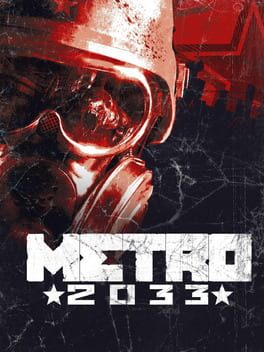
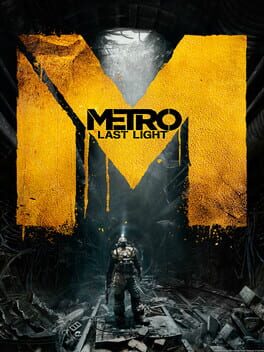
Metro 2033 Lives the Same Premise in First Person
Dmitry Glukhovsky's novel (and the games it inspired) put you in the Moscow Metro after nuclear catastrophe: factions, tunnels, rationed light, a surface that will kill you. The Metro games make you feel the silo's claustrophobia instead of watching it from above. If Silo's vertical confinement is what gets under your skin, Metro makes it horizontal and personal.
The Silo Story, in Order
Dystopia, secrets, surviving the end
For Fans of Dystopia
Explore the For Fans of Dystopia guide →The cleaning is not a punishment. It is a gift. And yet no one who goes out survives it.Hugh Howey, Wool