
The story that started on paper and stayed there
Cormac McCarthy published The Road in 2006, after a decade of relative quiet. He wrote it for his son, John Francis McCarthy, born when McCarthy was in his seventies, and the book carries that origin in every sentence: a father and a son, walking south through a dead America, carrying what the father calls "the fire." It won the Pulitzer Prize in 2007 and became an Oprah's Book Club selection, two things that seemed almost contradictory for a book this deliberately stripped of consolation.
Unlike No Country for Old Men or All the Pretty Horses, The Road traveled to only one other medium with any authority: the 2009 film directed by John Hillcoat, scripted by Joe Penhall, starring Viggo Mortensen and Kodi Smit-McPhee. That film is faithful, harrowing in its own right, and divisive. The novel itself has never been adapted for the stage in any widely seen production, and no game, comic, or television version exists. The story has a singular, brutal simplicity that resists expansion.
What does exist is a wide field of work across every medium that shares its obsessions: the end of the world as a crucible for love, the body as a measure of how much meaning costs, the question of whether hope is something you carry or something you find.
The Road across time
The novel is the version. Full stop.
Viggo Mortensen is extraordinary in the film. The cinematography by Javier Aguirresarobe is genuinely harrowing. But McCarthy's prose does something no camera can: it strips language itself down to survival conditions, until even the punctuation feels like rationing. The Road is not a story that benefits from being shown. It is a story about what you hold in your mind when everything outside has gone dark.

The film earns its place, even if it cannot match the source
Hillcoat's film was received with a kind of respectful distance at the time, and has been quietly reassessed since. The casting is right: Mortensen's hollowed face, Smit-McPhee's strange gravity, Charlize Theron in the flashback sequences. Joe Penhall's script makes one real compromise, softening the ending just enough to feel like a concession. That choice matters. But the film as a whole is not a failure. It is a careful, serious piece of work that knows what it cannot replace.
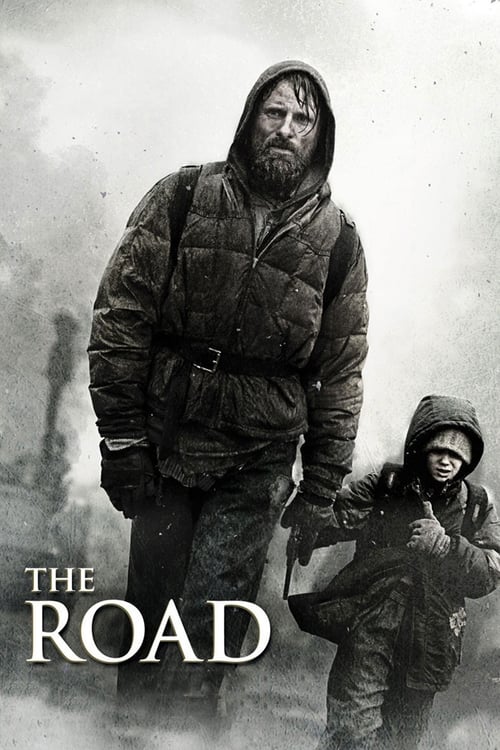
Post-apocalyptic film
Survival, loss, and the world after
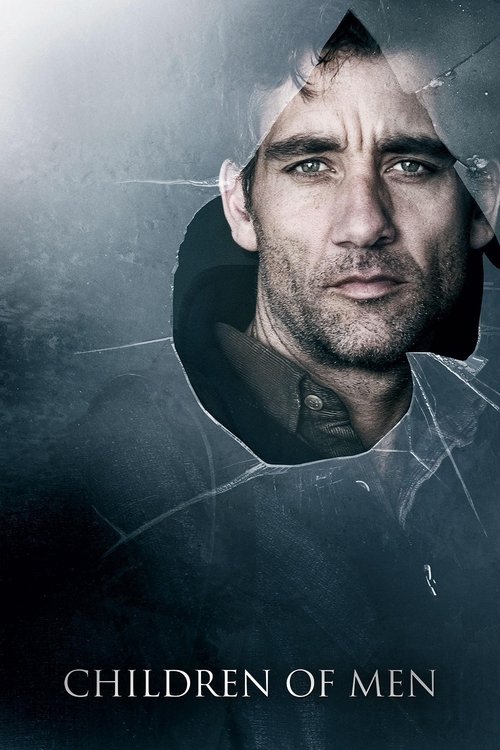
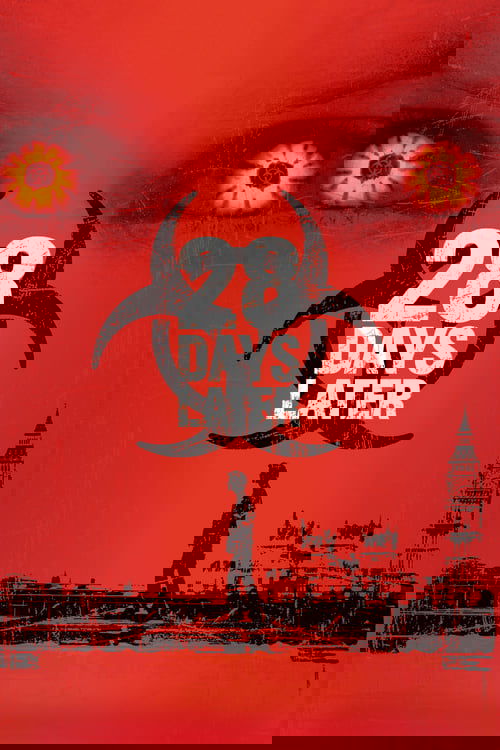
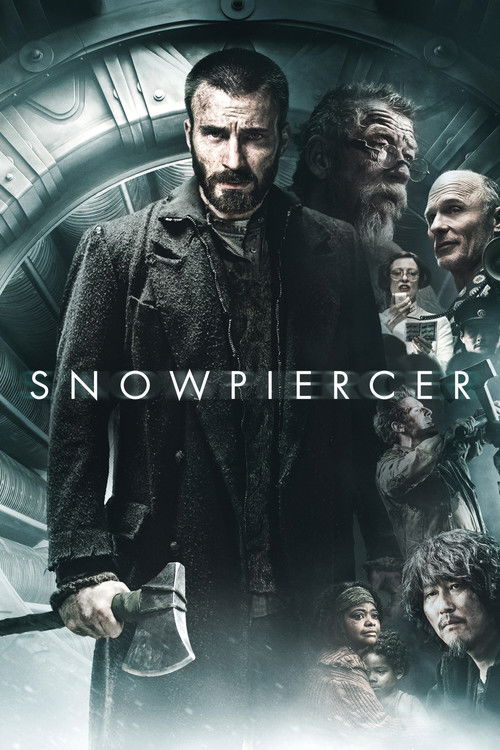
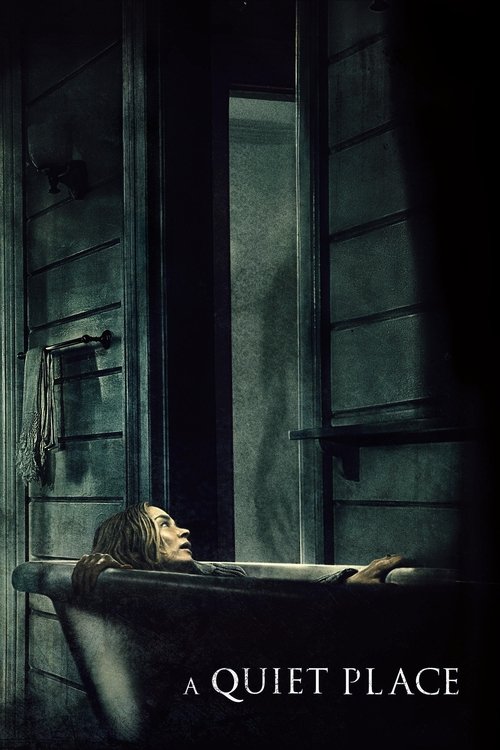
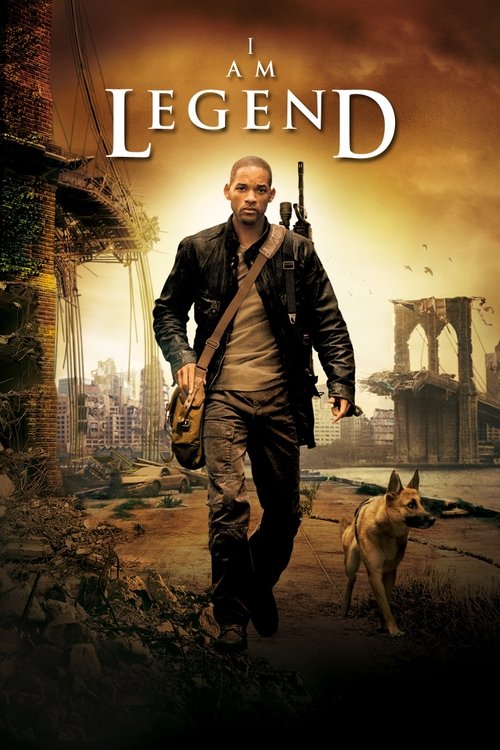
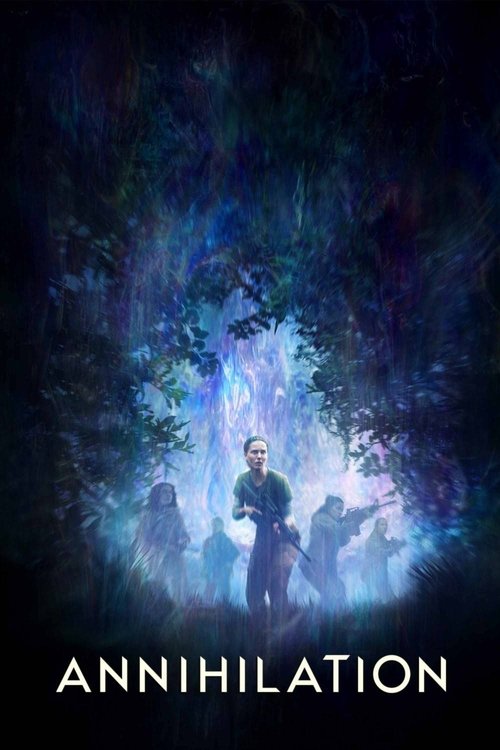
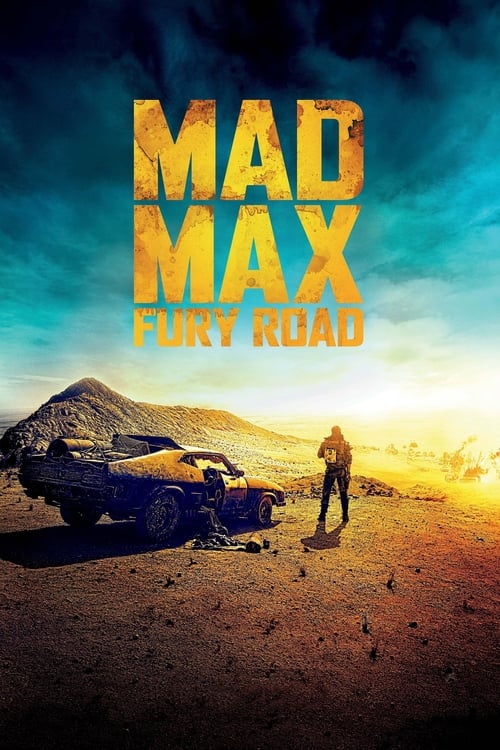
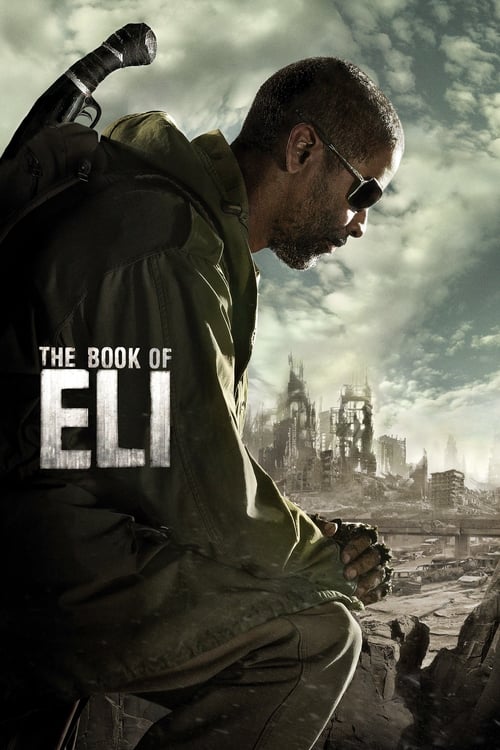
He knew only that the child was his warrant. He said: If he is not the word of God God never spoke.Cormac McCarthy, The Road (2006)
The novel shelf
Books that inhabit the same cold, unsparing territory


What the film gets right that almost no one credits
The score is the secret weapon. Nick Cave and Warren Ellis refuse the swelling emotional cues that post-apocalyptic films usually reach for. The silences run longer than expected. The music enters like weather, not announcement. Combined with production design that found locations in Pennsylvania, Oregon, and Louisiana that look genuinely forsaken, the film's texture is its real achievement. Watch it with the volume up, in a dark room, and it does something that is hard to argue away.
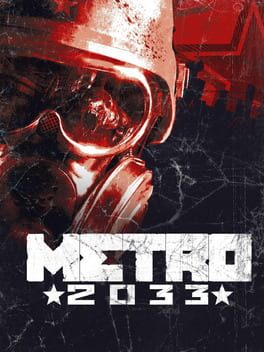
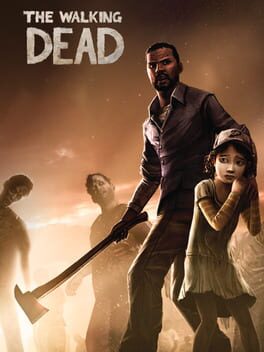
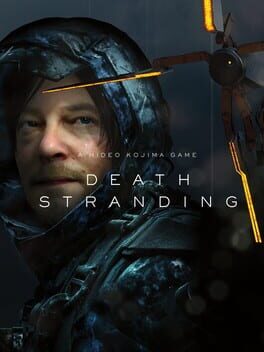
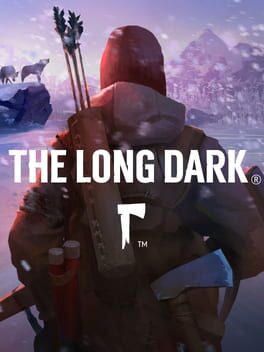
Games about endurance and loss
Playing through the end of the world
Television in the wreckage
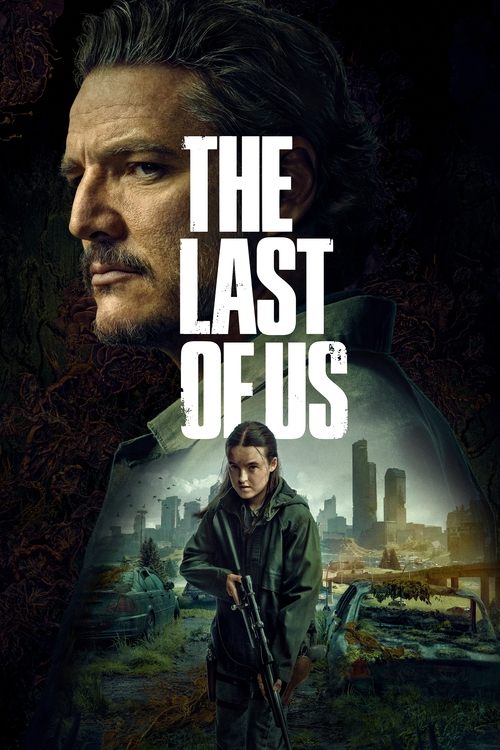
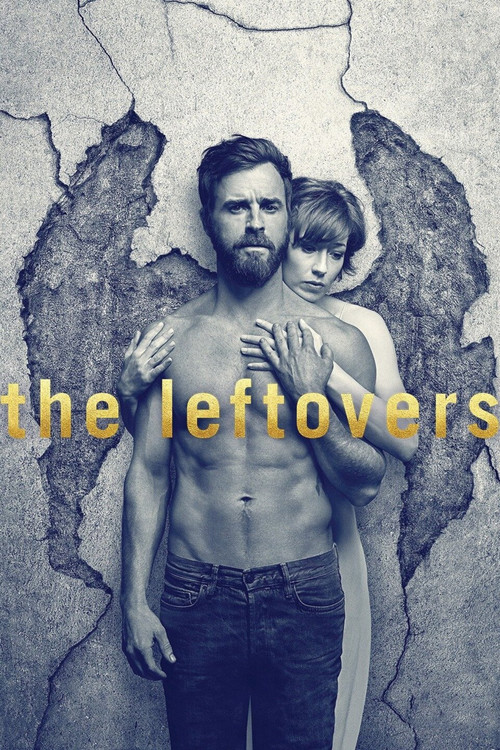
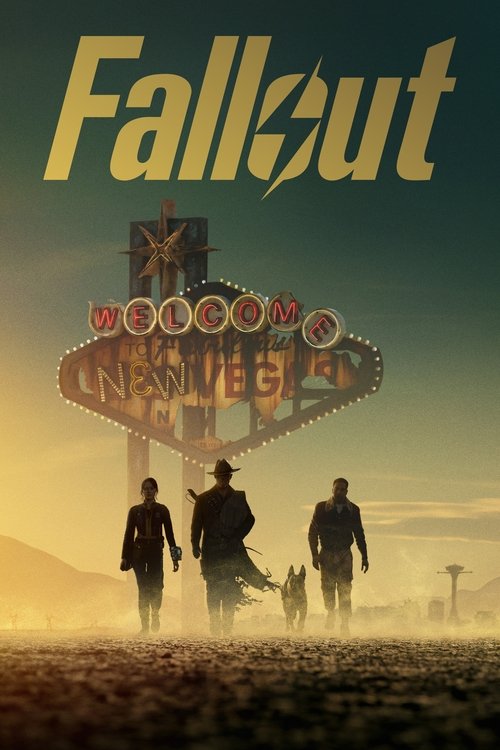
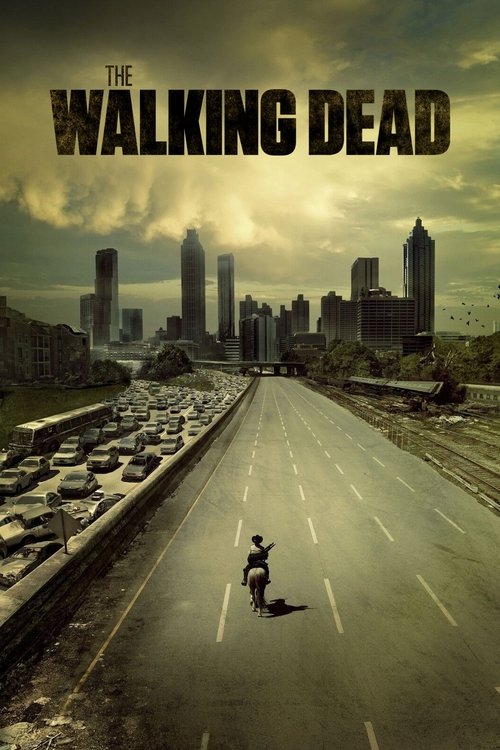
Series that ask what survives the end