
Suzanne Collins wrote three novels that sold more than 100 million copies and redrew the map of young-adult fiction. Her secret was not the love triangle or the dystopian set-dressing -- it was the moral weight. Katniss Everdeen does not want to be a symbol; she wants her sister to live. That gap between what the system needs from a person and what that person actually is drives every page Collins has written, from the underground tunnels of Gregor the Overlander to the propaganda broadcasts of Panem. Fans of her work tend to share a particular hunger: stories where the stakes are political and personal at the same time, where survival costs something real, and where the teenager at the centre is allowed to be complicated, exhausted, and right.
Essential Suzanne Collins
Her own books, ranked by fans


The Films: Panem on Screen
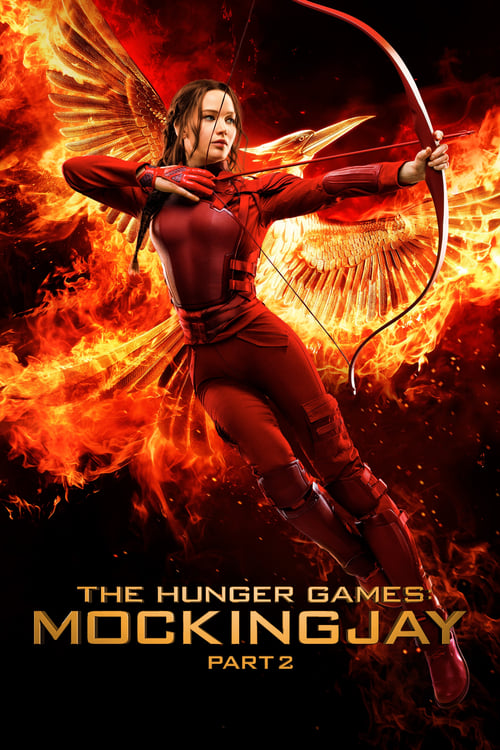
Every adaptation of Collins' Panem, from Katniss to Snow
If You Love the Panem Trilogy: Dystopian YA on Page
Books with the same political fury and personal cost


If You Love the Films: Dystopian Cinema and Series
Screens that share Panem's DNA -- rebellion, spectacle, survival
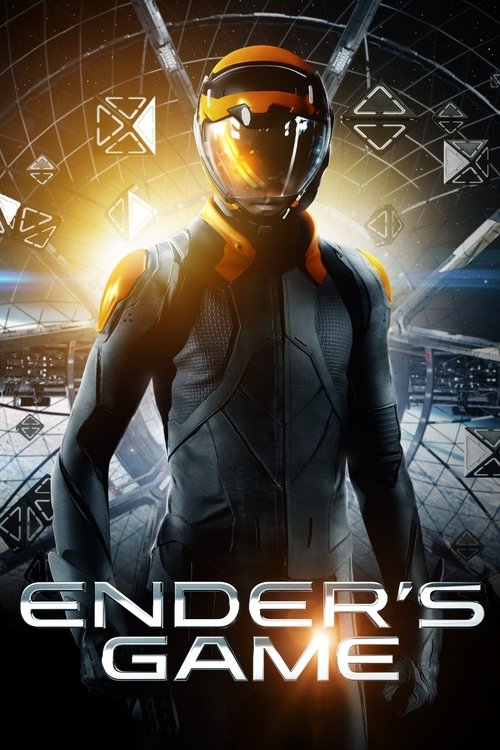
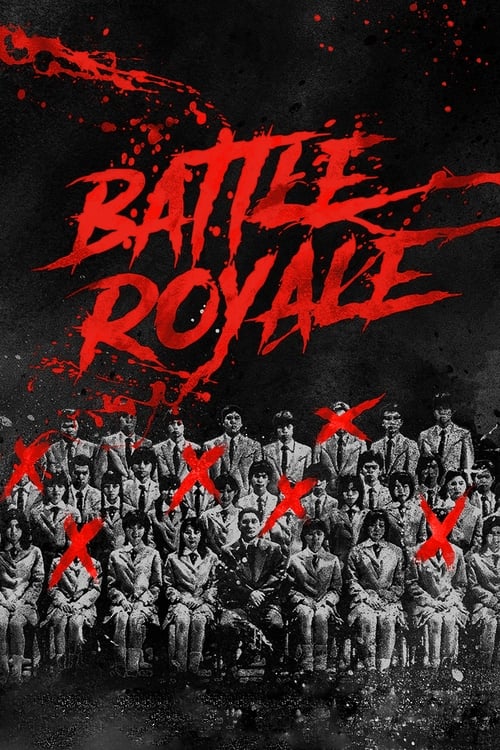
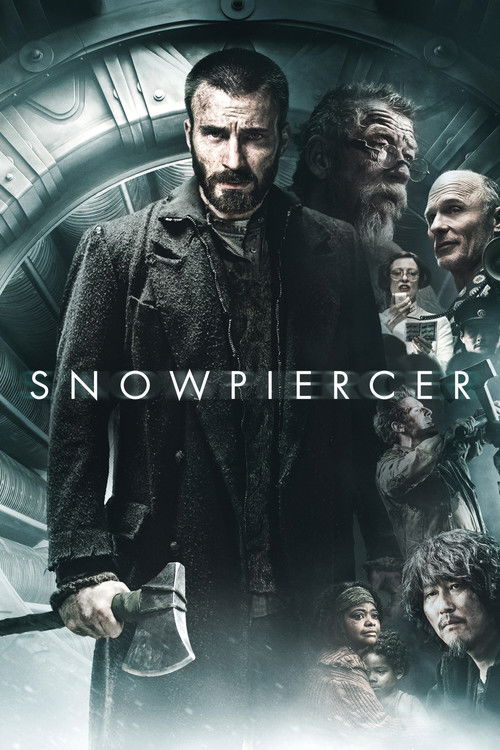
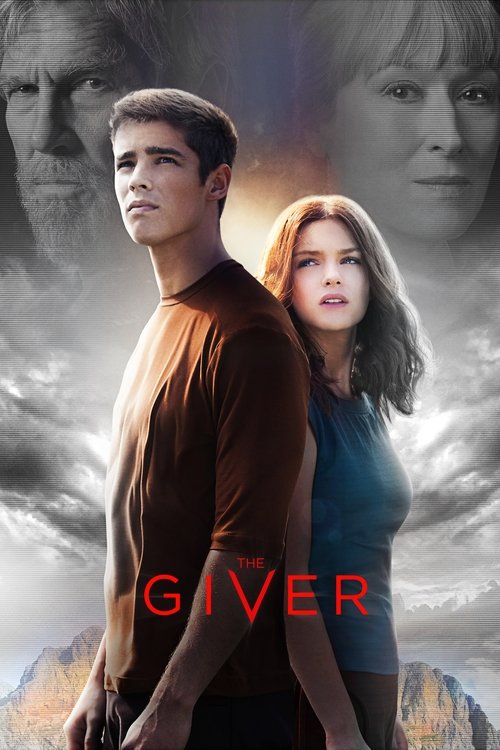



If You Love the Survival Stakes: Games That Demand Everything
Games where the system is the enemy and every choice is a cost
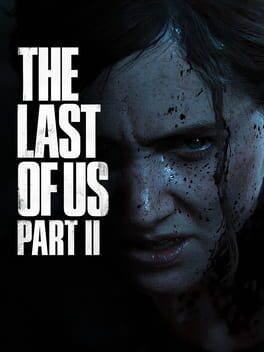
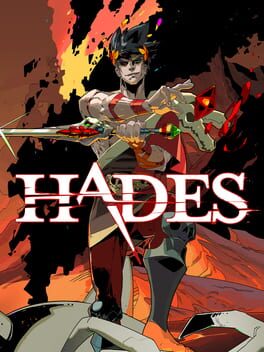
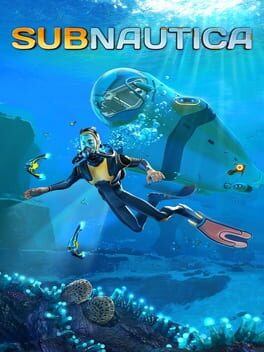
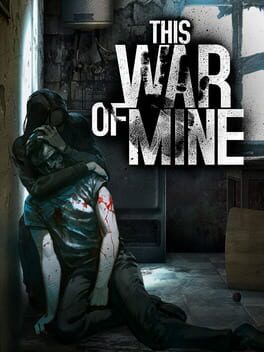
The Arena Is Always Political
Critics who called the Hunger Games trilogy a love story missed the point by roughly a mile. The arena is a television show. The Capitol watches. The rebellion only becomes possible when Katniss breaks the fourth wall and refuses to give the audience the ending they paid for. Collins' real subject is the relationship between spectacle and power -- how a society that turns suffering into entertainment loses the ability to recognize cruelty when it sees it. Every YA dystopia that followed owes something to the clarity of that insight.
Katniss Is Not a Hero -- She Is a Witness
Most action-franchise protagonists become more confident and capable as the series progresses. Katniss becomes more broken. Mockingjay is a book about PTSD before many mainstream readers had a vocabulary for it, and Collins refuses to let the victory feel clean. That willingness to damage her heroine permanently -- to show what it actually costs to survive a war -- is what separates Collins from every author who put a girl with a bow on a cover and called it a revolution.
Snow Was Never a Villain -- He Was a Warning
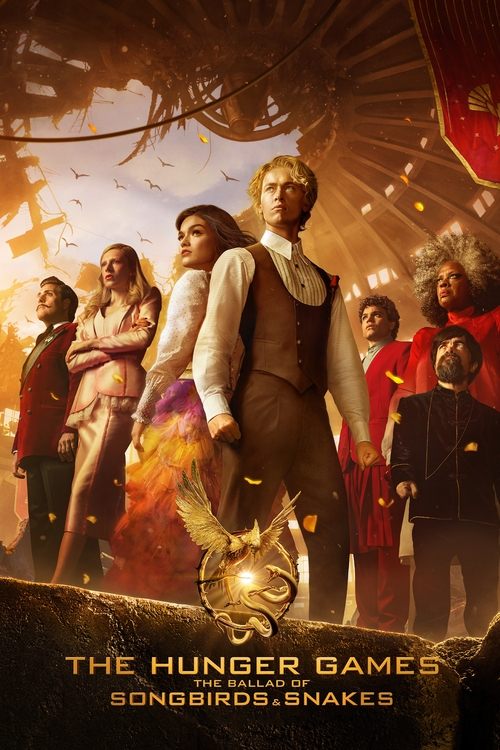
The Ballad of Songbirds and Snakes is the book that divided Collins' fanbase and also the most ambitious thing she has written. A prequel following the young Coriolanus Snow as he invents the logic of Panem -- not because he is evil but because he is desperate and clever -- is a structural argument about how authoritarians are made rather than born. Collins gives him every reason she can and then shows, exactly, the moment he chose cruelty over compassion. It is uncomfortable reading. That is the point.
The Underground Was Always There
Before Panem, Collins wrote five books about Gregor, an eleven-year-old New Yorker who falls into an underground civilization beneath Manhattan populated by giant rats, bats, cockroaches, and humans who have lived in exile for centuries. The Underland Chronicles are darker than their middle-grade label suggests -- a war narrative with genuine casualties, prophecy as propaganda, and a child forced to act as a soldier. They reward revisiting as an adult; the bones of everything Collins built in the Hunger Games are already there.
Suzanne Collins: A Chronology
- 2003Gregor the Overlander published -- the Underland Chronicles begin Gregor the Overlander
- 2007Final Underland Chronicles book published
- 2008The Hunger Games published, redefining YA fiction The Hunger Games
- 2009Catching Fire deepens the rebellion arc
- 2010Mockingjay concludes the trilogy with unsparing honesty Mockingjay
- 2012The Hunger Games film opens; Jennifer Lawrence becomes Katniss The Hunger Games
- 2013Catching Fire film widely considered the best in the series The Hunger Games: Catching Fire
- 2014Mockingjay split into two films across 2014 and 2015
- 2020The Ballad of Songbirds and Snakes published, recontextualising the whole saga The Ballad of Songbirds and Snakes
- 2023Ballad film adaptation released The Hunger Games: The Ballad of Songbirds & Snakes
- 2025Sunrise on the Reaping published, set on the day of the 50th Hunger Games
Deadly games and teen rebellion
Deadly Games & Death Tournaments
Explore the Deadly Games & Death Tournaments guide →You don't forget the face of the person who was your last hope.Katniss Everdeen, The Hunger Games