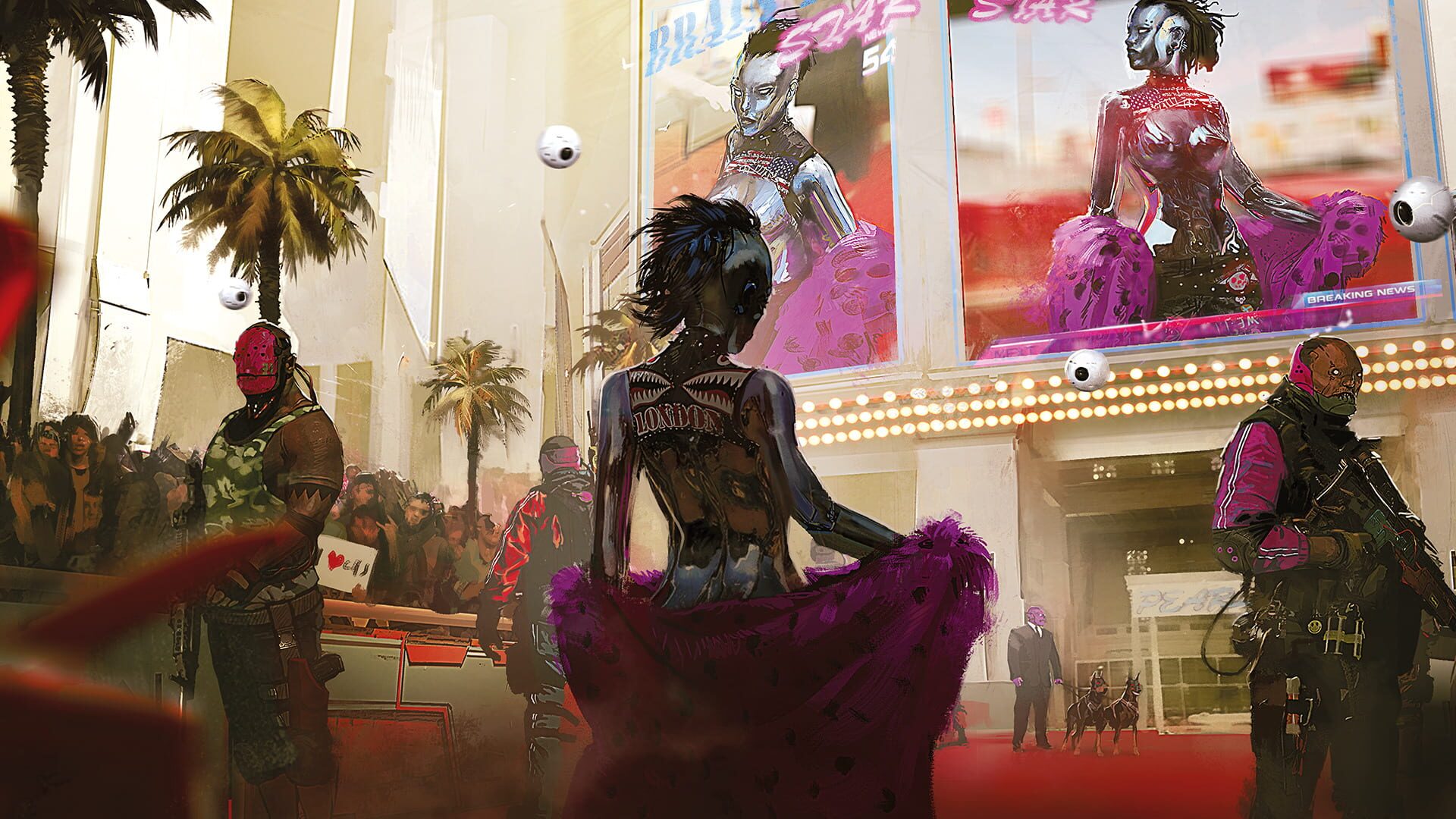

Night City does not care about you. That is the first thing Cyberpunk 2077 teaches you and the last thing you forget. CD Projekt RED's massive open-world RPG drops you into a sun-bleached, rain-soaked California megalopolis where corporations own the government, body modification is as routine as a haircut, and death is just another transaction. You play V, a mercenary trying to carve out a legend in a city that chews up legends for breakfast. What lingers long after the credits is not the gunplay or the gigs but the texture of a world where every neon sign sells something and nothing is free, where the line between human and machine has been crossed so many times nobody can find it anymore. That feeling, equal parts seductive and suffocating, is the thread that runs through everything on this page.
Essential Cyberpunk 2077
The game and its expanded universe

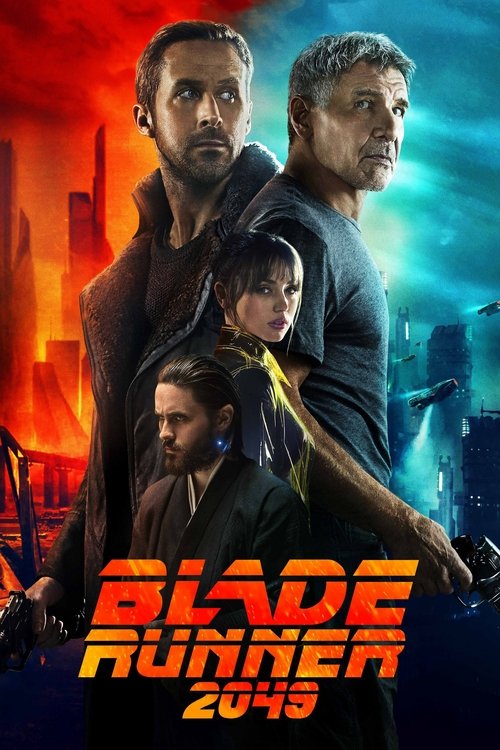
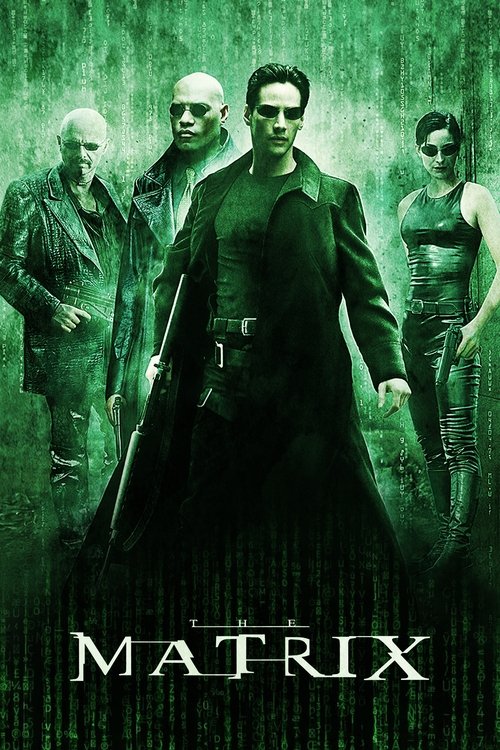
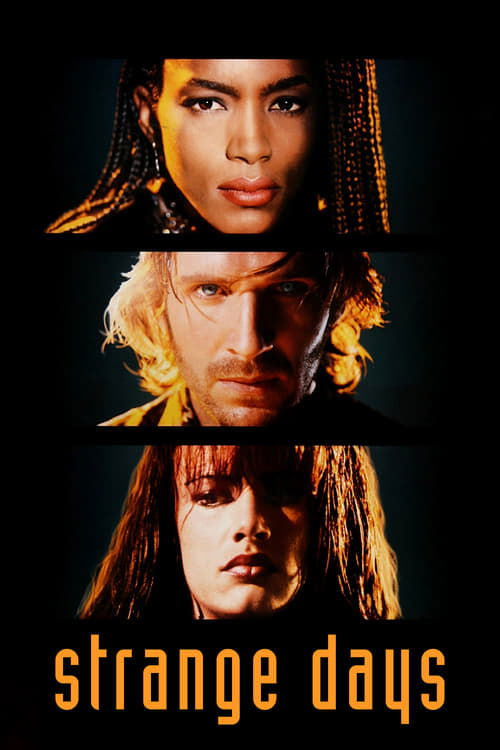
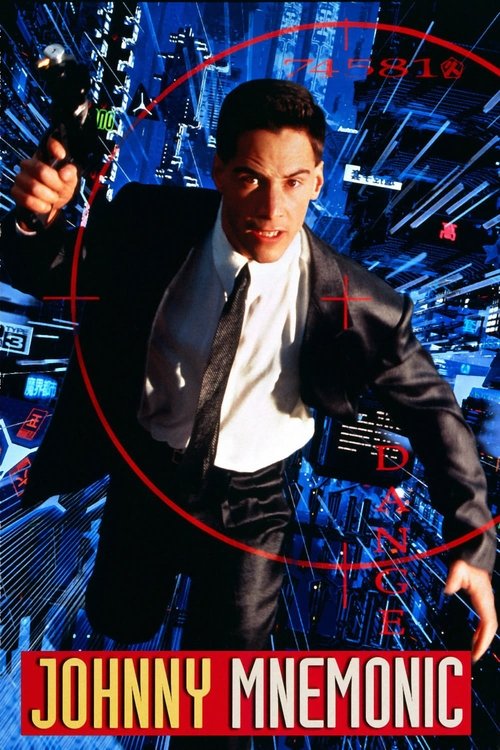
If You Love the Neon Megacity: Essential Cyberpunk Films
The cinematic canon that built the aesthetic


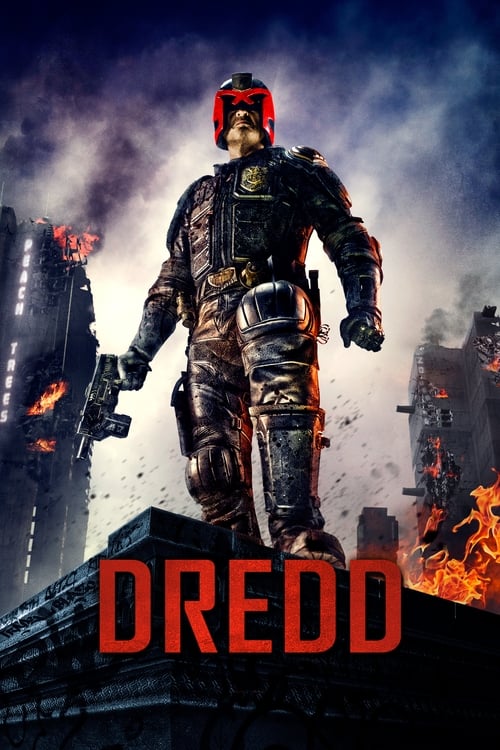
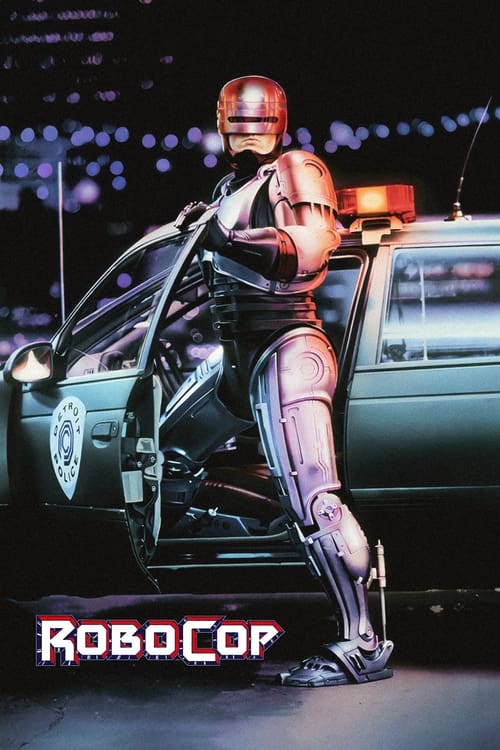
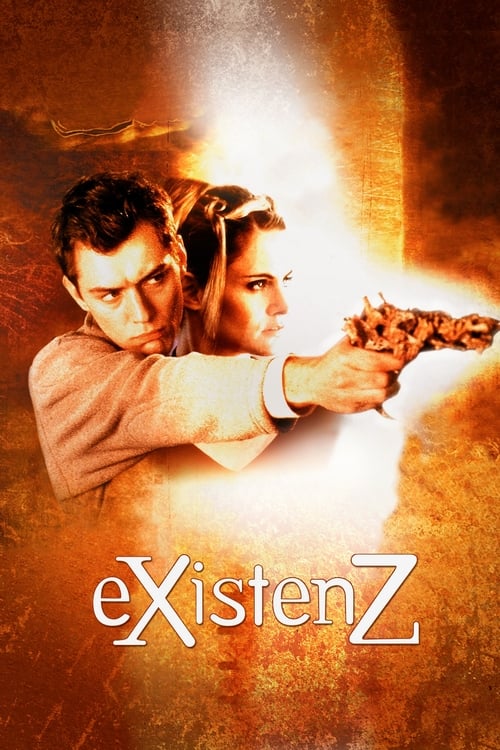
If You Love the Corporate Dystopia: Cyberpunk and Sci-Fi Series
TV and anime that live in the same moral fog




If You Love the Open-World RPG: Games That Fill the Same Void
Massive, morally complex worlds with agency at every turn
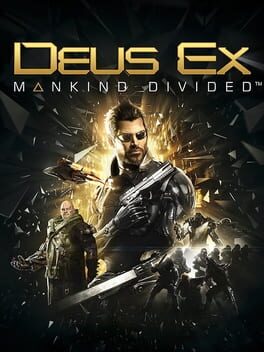

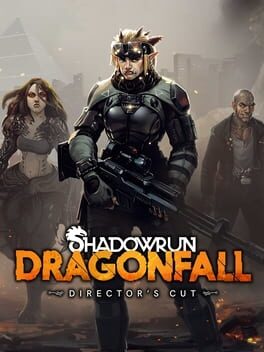
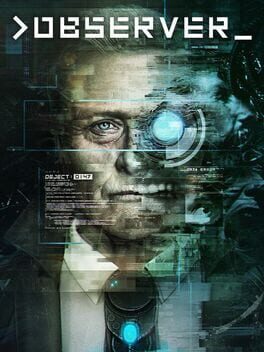
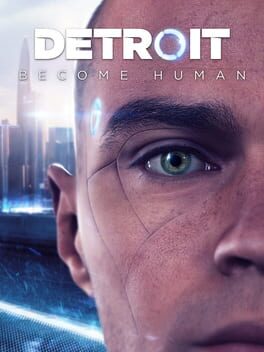
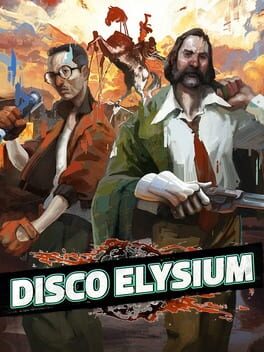
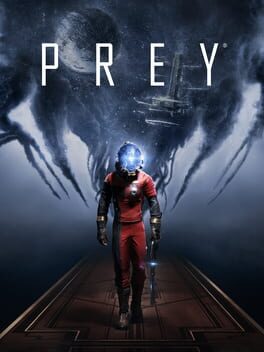



If You Love the Literary Roots: Cyberpunk and Near-Future Novels
The books that invented the genre and its sharpest successors



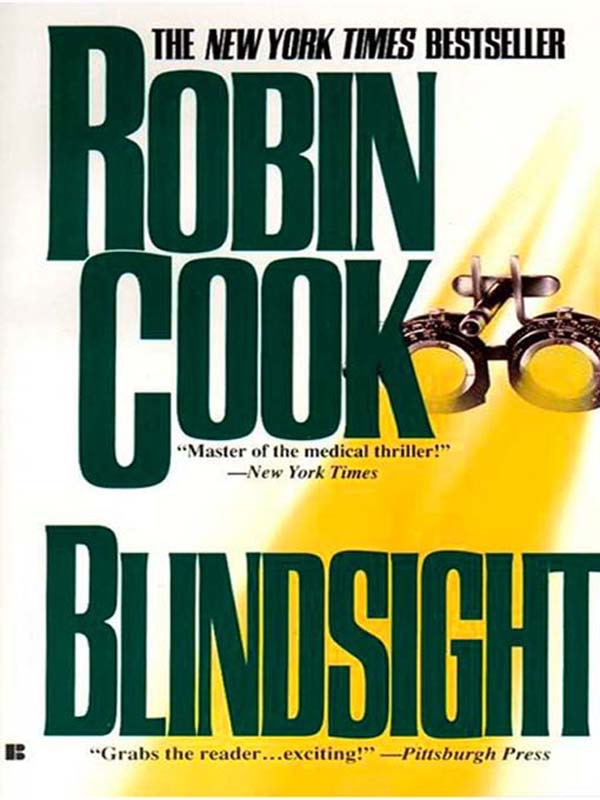

If You Love the Soundtrack: Music That Sounds Like Night City
Industrial synth, dark electronica, and the artists who scored the void
Edgerunners Understood V Better Than Most Players Did
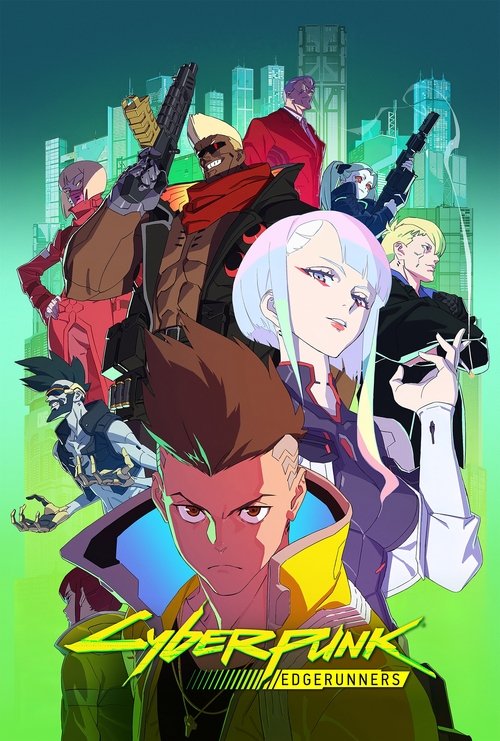
The Cyberpunk: Edgerunners anime arrived after the game's rocky launch and did something remarkable: it told a tighter, sadder version of the same story. David Martinez's ten-episode arc compresses Night City's central argument, that the city will let you dream exactly as big as it needs you to in order to consume you, into something almost unbearably efficient. Where the game gives you agency and lets you survive, Edgerunners commits to the tragedy. The result is the purest distillation of what the Cyberpunk setting is actually about.
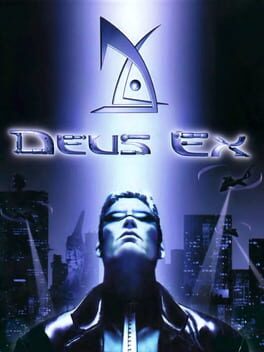
Deus Ex Did the Transhumanist Argument First and Best
The Deus Ex series spent three games asking whether augmenting the human body is liberation or the next phase of class exploitation, and it never settled on a clean answer. Human Revolution in particular is structurally almost identical to Cyberpunk 2077: augmented protagonist, corporate conspiracy, morally compromised allies, and a city that looks better from a distance. Play it as a companion piece and you will notice how many of Night City's debates Warren Spector's team had already mapped in 2000.
Neuromancer is the Founding Text, Not Just an Influence
William Gibson wrote Neuromancer on a typewriter in 1984 and inadvertently described the internet before it existed, invented the word cyberspace, and gave the genre its defining emotional posture: world-weary competence in the face of systems too large and corrupt to fight directly. Mike Pondsmith, who designed the original Cyberpunk tabletop RPG that Cyberpunk 2077 is based on, has cited Gibson repeatedly as a primary influence. Reading Neuromancer now is less like reading an ancestor and more like reading the manual.
Altered Carbon Asked the Same Question as Johnny Silverhand
Richard Morgan's Altered Carbon (and the Netflix adaptation that followed it) centers on a society where human consciousness can be digitized, backed up, and sleeved into new bodies, making death almost optional for the wealthy. The horror Morgan surfaces is identical to what Cyberpunk 2077 explores with the Relic chip and Johnny Silverhand's engram: if you can copy a mind, what exactly are you preserving, and who owns the copy? Both stories answer: whoever has the most money.
Cyberpunk on Screen and Page: Key Moments
- 1968Philip K. Dick asks what androids dream about Do Androids Dream of Electric Sheep?
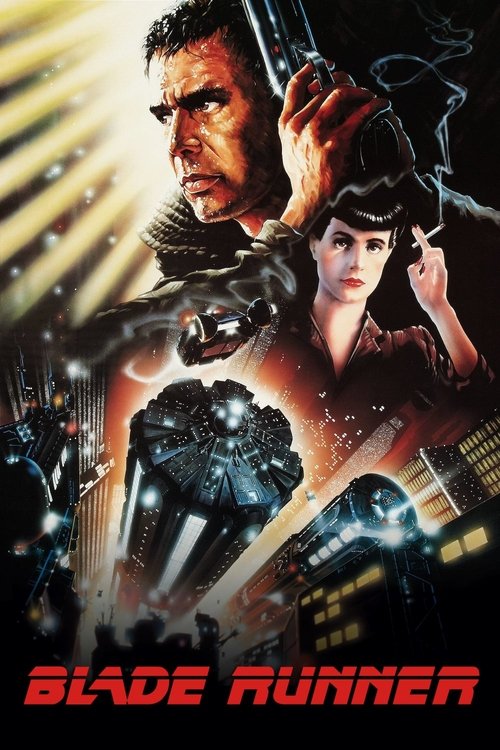
- 1982Blade Runner defines the aesthetic for 40 years Blade Runner
- 1984Gibson coins cyberspace in his debut novel Neuromancer
- 1988Akira brings the megacity to animation Akira
- 1988Mike Pondsmith releases the tabletop RPG Cyberpunk 2077
- 1992Snow Crash invents the Metaverse as satire Snow Crash
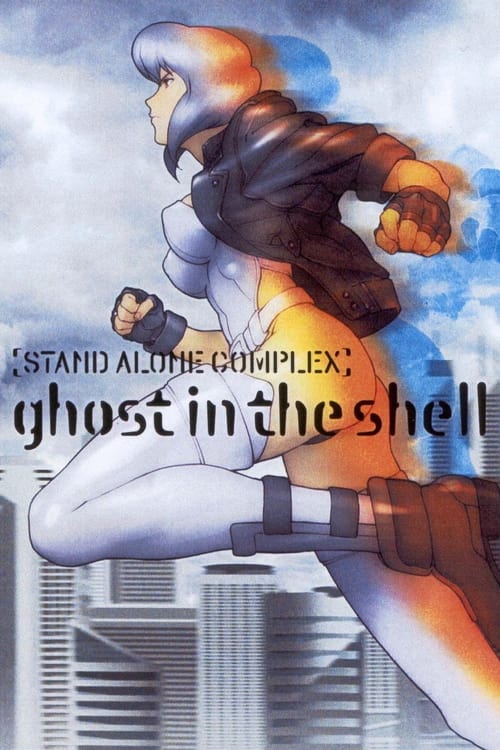
- 1995Ghost in the Shell asks where personhood ends Ghost in the Shell
- 1999The Matrix takes the simulation mainstream The Matrix
- 2000Deus Ex lets you play the conspiracy from inside Deus Ex
- 2002Stand Alone Complex expands the Ghost in the Shell universe Ghost in the Shell: Stand Alone Complex
- 2002Morgan's debut rewrites noir as transhumanist thriller Altered
- 2011Human Revolution revives augmentation ethics in games
- 2017Blade Runner 2049 proves the world still had more to say Blade Runner 2049
- 2018Altered Carbon becomes a Netflix series Altered Carbon
- 2020CD Projekt RED announces a night city with no limits Cyberpunk 2077
- 2022Edgerunners tells the definitive tragic Night City story Cyberpunk: Edgerunners
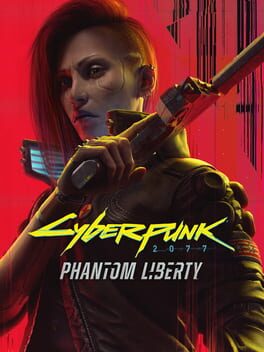
- 2023Phantom Liberty expands the game's moral universe Cyberpunk 2077: Phantom Liberty
More Neon Dystopias and Augmented Minds
Cyberpunk & Dystopia
Explore the Cyberpunk & Dystopia guide →Night City is a place where dreams go to get monetized. The only question is whether you get a cut.CrossBinge editors