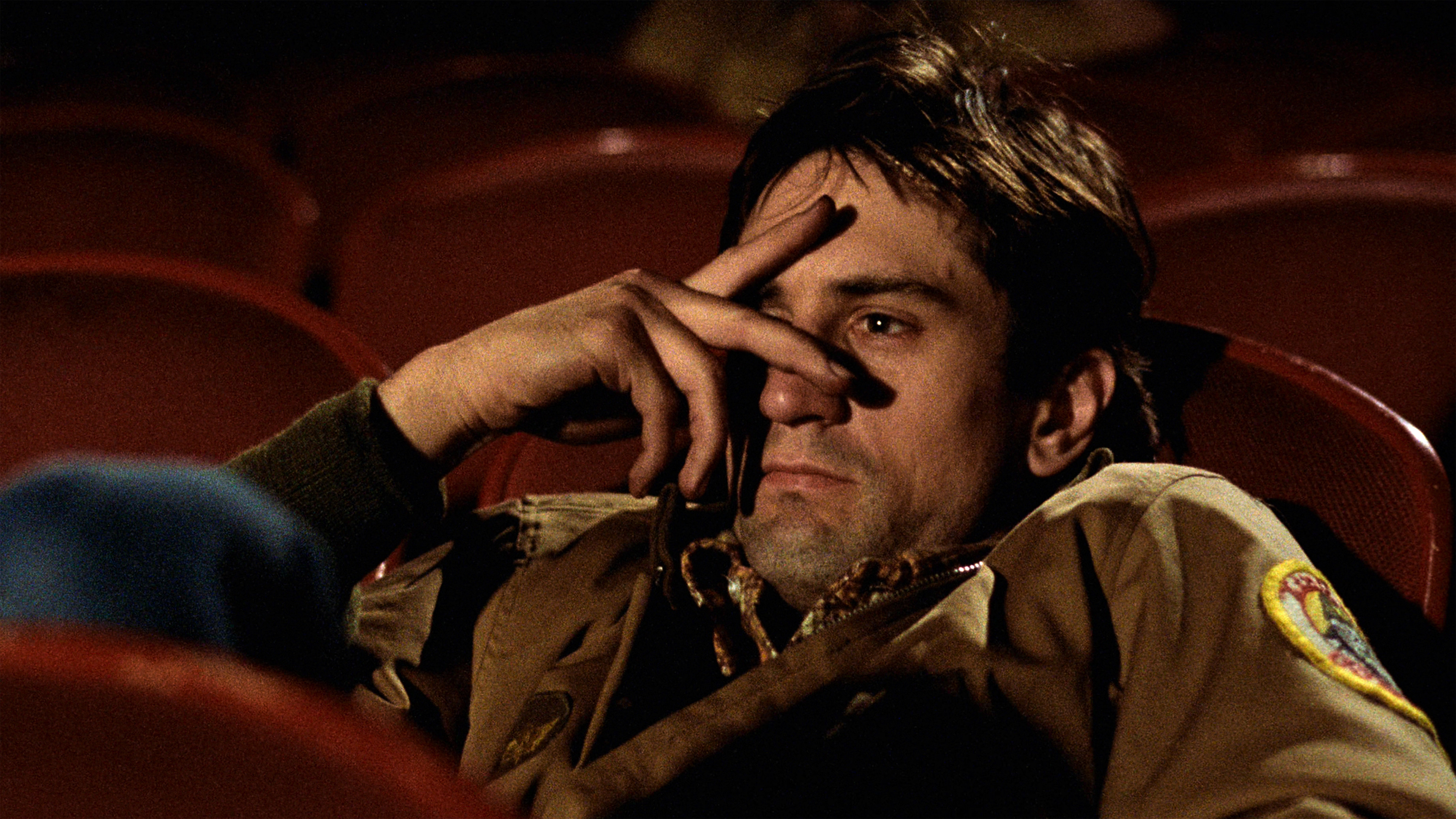

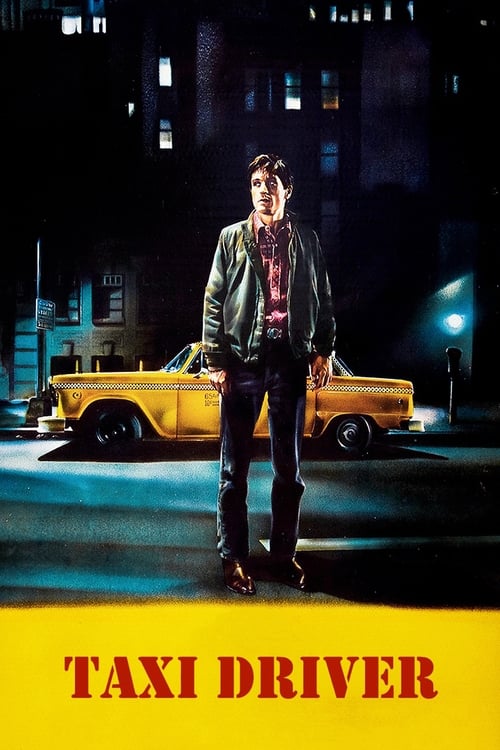
Taxi Driver works on you the way a fever does. Travis Bickle is not a hero and not quite a villain: he is a man whose interior monologue has nowhere to go but inward, a vet drifting through nocturnal Manhattan convinced the city is filth that only he can see clearly. What Scorsese and screenwriter Paul Schrader captured was something specific to 1970s New York and something permanently human: the loneliness that curdles into righteousness, the romantic fantasy of cleansing violence. Bernard Herrmann's score (his last) keeps everything on the edge of collapse. Fans of this film are usually chasing a particular combination: slow-burn menace, unreliable interiority, cities as psychological landscapes, and protagonists whose certainty is the most frightening thing about them.
Essential Taxi Driver
The film's own closest companions in Scorsese's filmography and the work that shaped it

Same Vibe, Different Directors
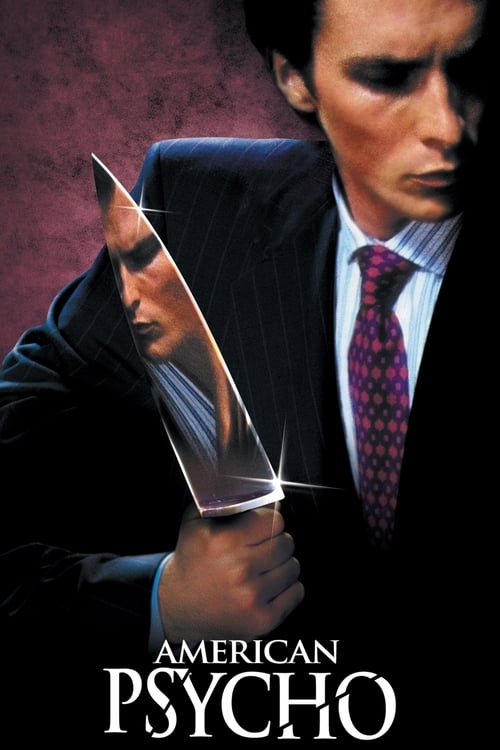
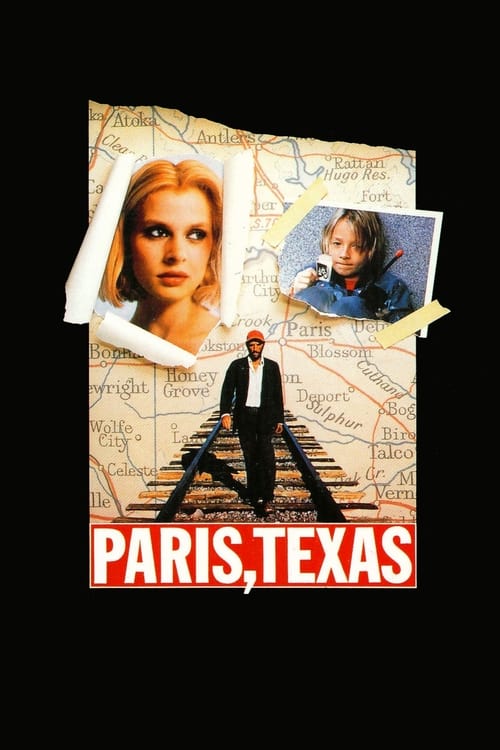
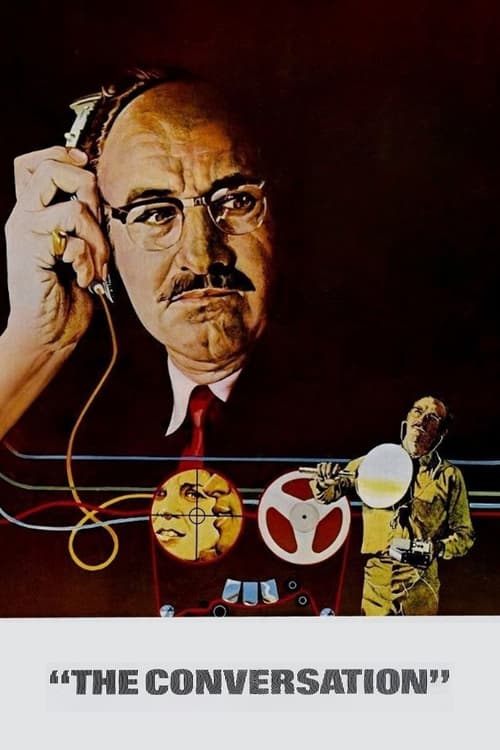
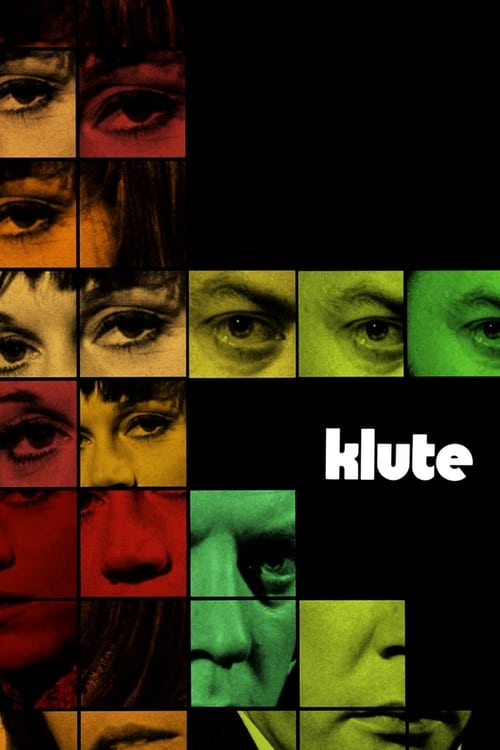
Films that share Taxi Driver's nocturnal dread, unreliable protagonist, or urban alienation

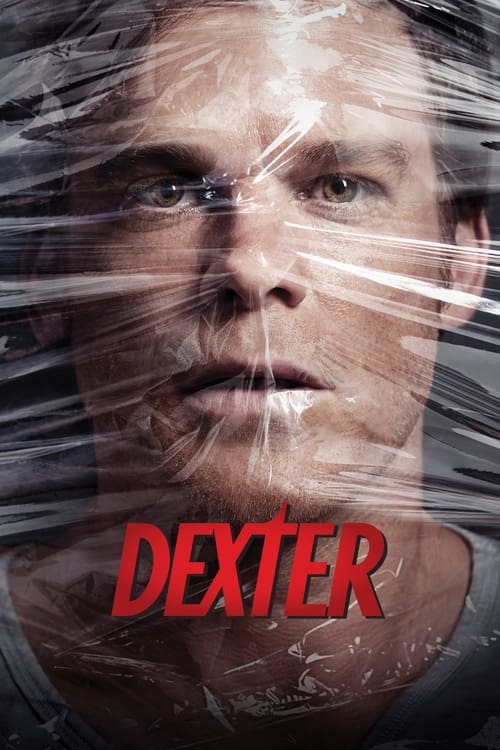
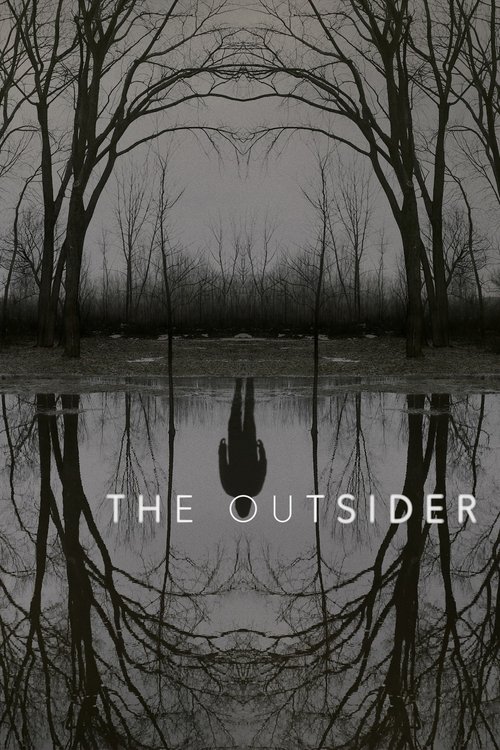
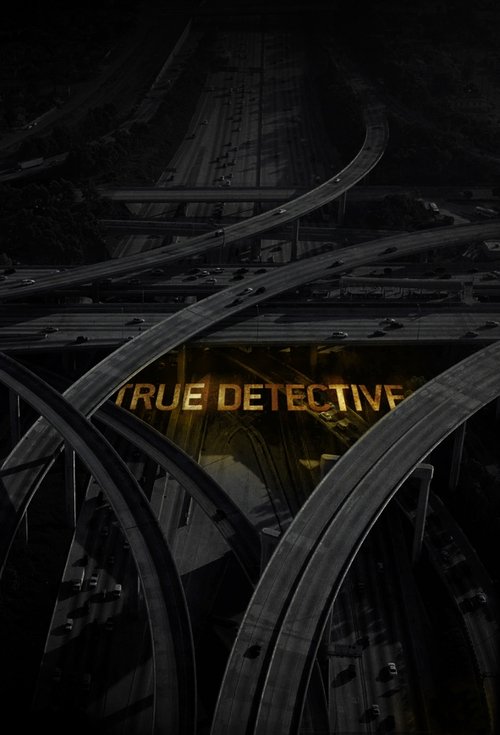
Series That Inhabit the Same Dark City
Television that puts you inside the mind of someone on the edge, or inside a city that feels like a pressure cooker

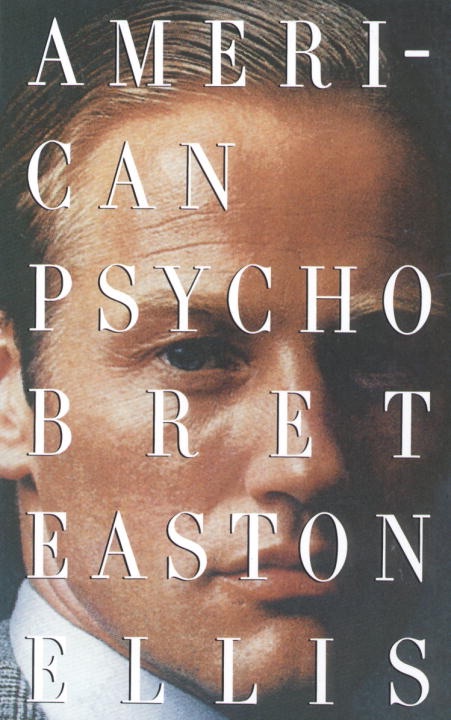
The Books Behind the Obsession
Novels and source material that share Taxi Driver's interior monologue, urban rot, or vigilante psychology



Games With the Same Psychological Weight
Games that place you inside a fractured or morally compromised mind, or let a city become the antagonist

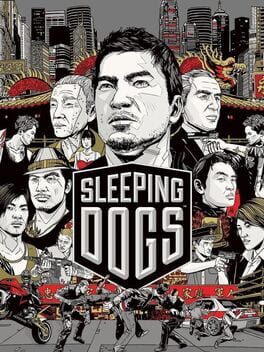
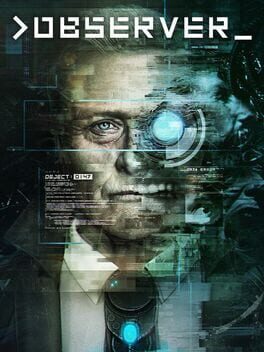
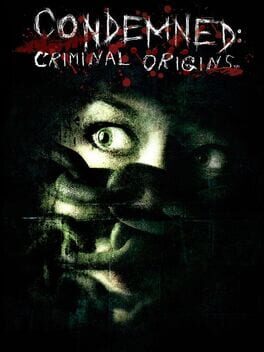
The Score and Its Children
Bernard Herrmann's last work, and music that carries the same low-grade menace
Joker Is the Spiritual Sequel Nobody Asked For
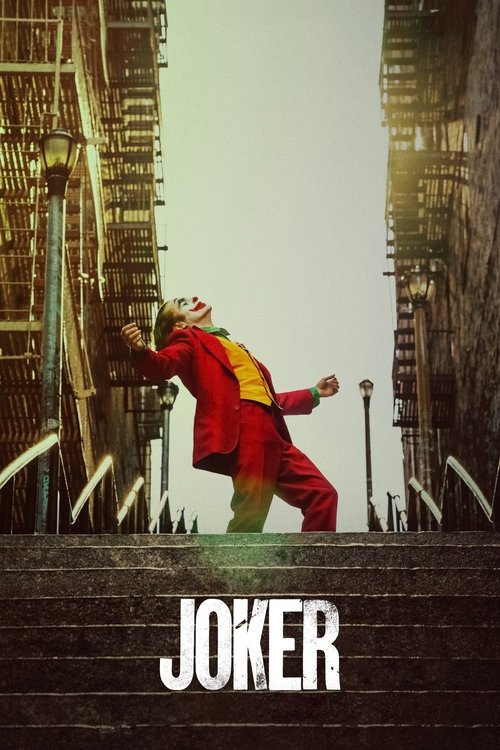
Todd Phillips' 2019 Joker is not a superhero film: it is a Travis Bickle remake wearing clown makeup. Arthur Fleck shares nearly every beat with Travis, down to the fantasy of violent recognition, the journal entries, the city as a seething mass of cruelty that singles him out. The difference is that Joker gives Arthur a cause and a crowd. Whether that makes it more or less disturbing than Taxi Driver is the argument worth having.
Disco Elysium Is the Closest a Game Has Come to This Film's Interior
Disco Elysium puts you inside a detective's fractured, self-narrating mind in a way that recalls Schrader's Taxi Driver screenplay more than almost any other game. The protagonist is unreliable in the same grandiose, self-pitying, and occasionally perceptive way Travis is. The city resists him. His certainty keeps shifting. The game trusts you to sit with discomfort instead of resolving it neatly.
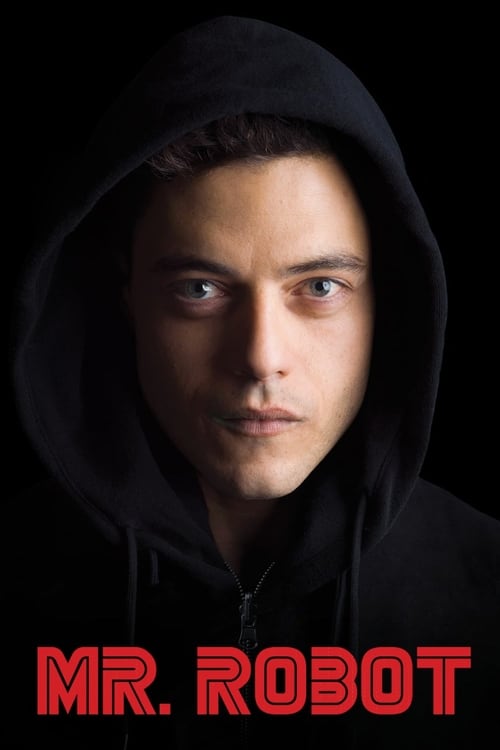
Mr. Robot Pulled the Same Trick on Television
Elliot Alderson and Travis Bickle share the same unreliable first-person narration, the same conviction that they alone perceive what others miss, the same capacity for violence dressed as justice. Mr. Robot is savvier about technology and more formally playful, but the emotional root is identical: a man whose isolation becomes a worldview, and whose worldview becomes a plan. Sam Esmail has cited Scorsese as an influence, and the debt is clear.
Taxi Driver in Context
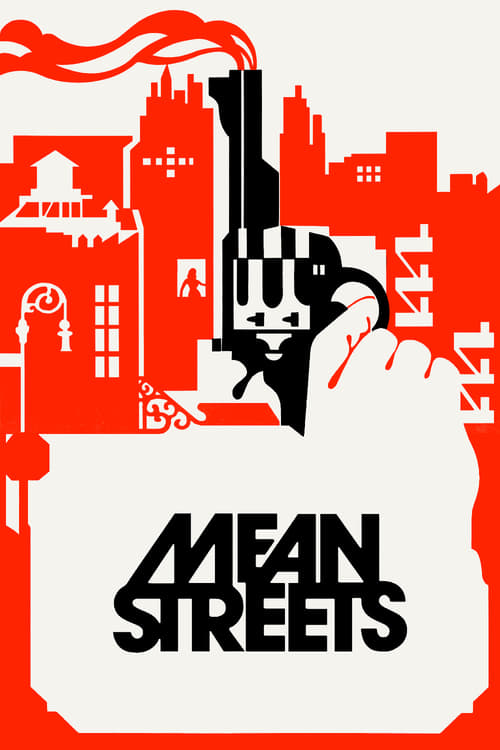
- 1971Mean Streets begins Scorsese's New York portraits Mean Streets
- 1974Paul Schrader writes the Taxi Driver script during his own period of isolation Taxi Driver
- 1975Herrmann scores the film weeks before his death
- 1976Taxi Driver wins the Palme d'Or at Cannes Taxi Driver
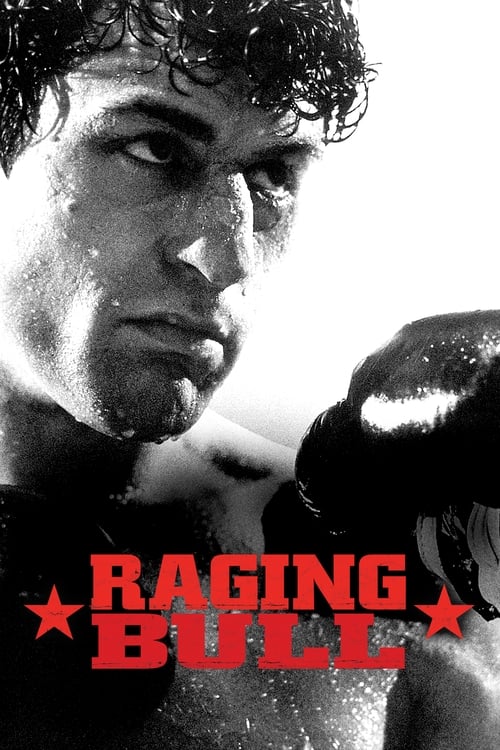
- 1980Scorsese and De Niro push further inward with Raging Bull Raging Bull
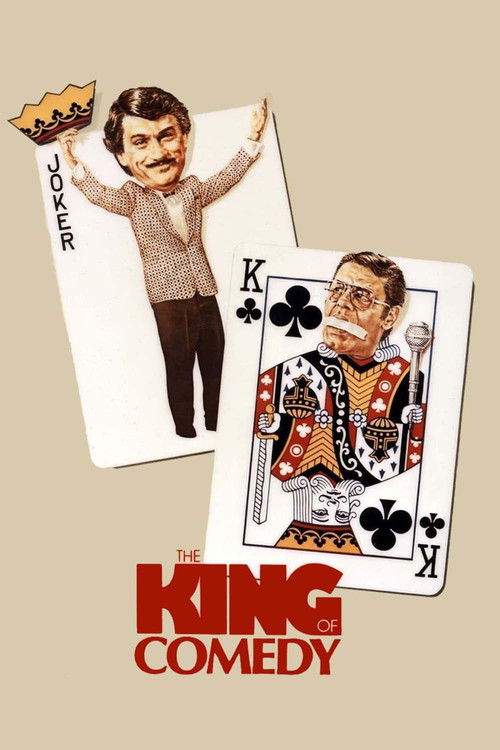
- 1982The King of Comedy extends the delusional-loner portrait into satire The King of Comedy
- 1992Schrader revisits his themes explicitly in Light Sleeper Light Sleeper
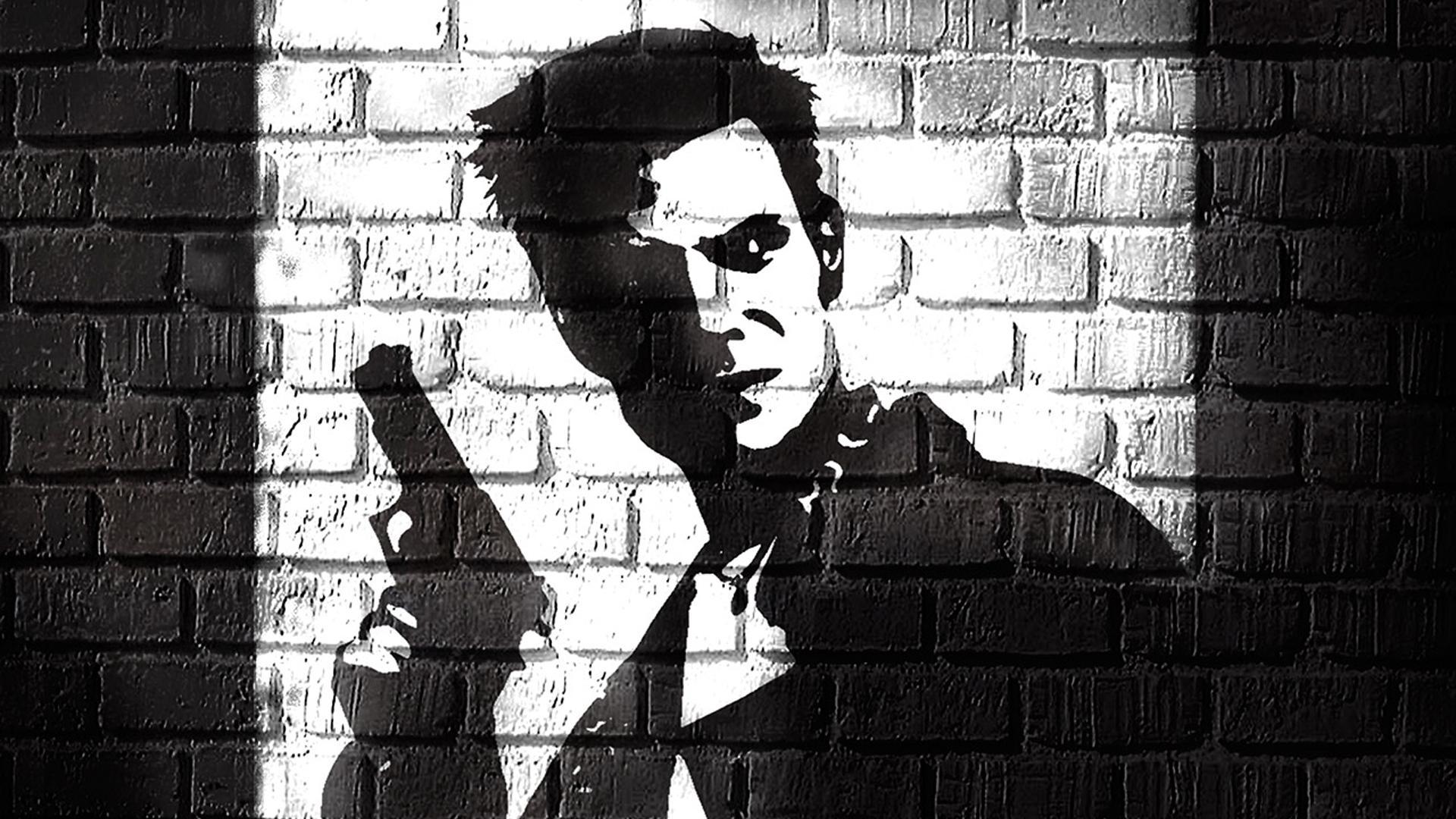
- 2001Max Payne brings the noir loner monologue into gaming Max Payne
- 2019Joker remakes the Bickle archetype for a new audience Joker
Urban alienation and street justice
For Fans of Paul Schrader
Explore the For Fans of Paul Schrader guide →The great movies about isolation are not about people who want to be alone. They are about people who cannot stop being alone, no matter what they do.CrossBinge