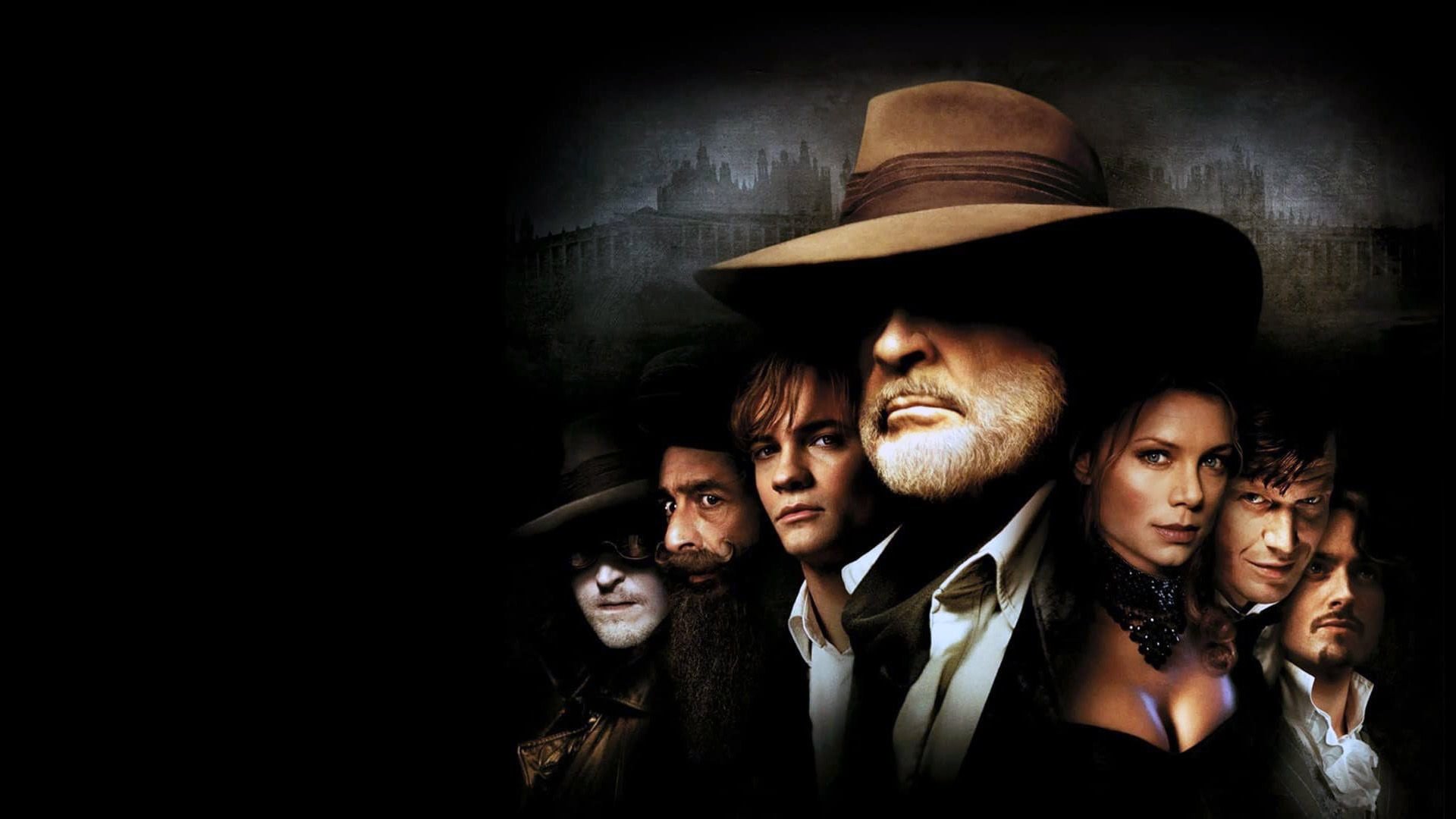

Alan Moore and Kevin O'Neill's The League of Extraordinary Gentlemen (1999-ongoing) does something no superhero team book had managed before: it treats Victorian pulp fiction as a shared universe with genuine weight. Mina Murray, Allan Quatermain, Captain Nemo, Dr. Jekyll and Mr. Hyde, the Invisible Man, and a rotating cast of literary figures are not costumes worn over blank characters; they carry the full freight of their source texts, contradictions and all. The pleasure is layered. On the surface it is a rollicking adventure across a Britain teeming with secret menace. Underneath, it is a sustained argument about what popular fiction does to collective imagination, how myths accumulate and corrupt, and what happens when you follow the logic of genre all the way to its darkest corners. Moore's annotations (especially in the Black Dossier and Century volumes) reward readers who chase the footnotes as much as the story. If what you love here is the intertextual density, the Gothic atmosphere, the retrofuturist world-building, or the deconstruction of heroism, the recommendations below are tuned precisely to that appetite.
The Source Library
The Victorian and Edwardian novels Moore pillaged, annotated, and transformed


![The picture of Dorian Gray [adaptation]](https://covers.openlibrary.org/b/id/14314474-L.jpg)

If You Love the Deconstruction: Graphic Novels That Interrogate Genre
Comics and graphic novels that pull apart genre conventions with the same surgical care


Victorian Noir and Gothic Unease on Screen
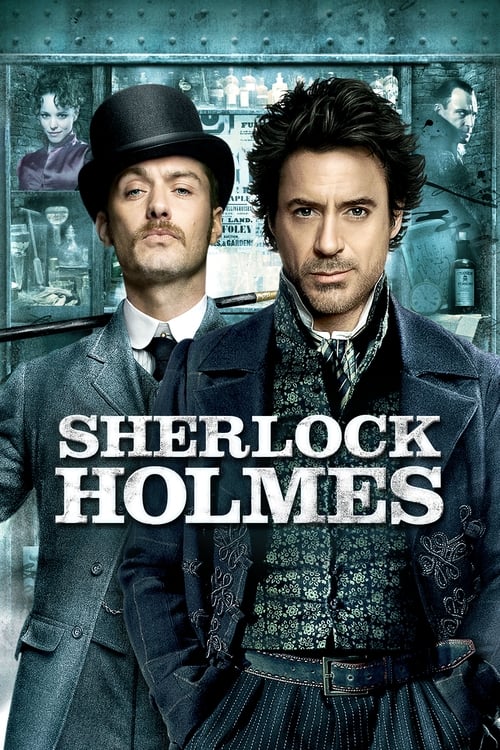
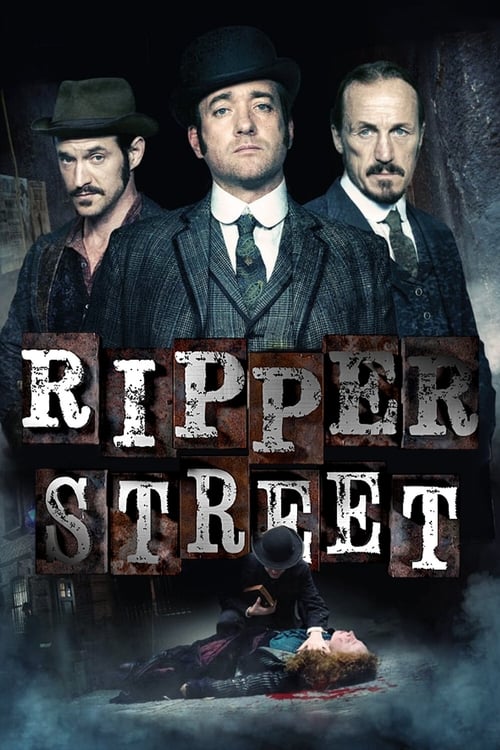
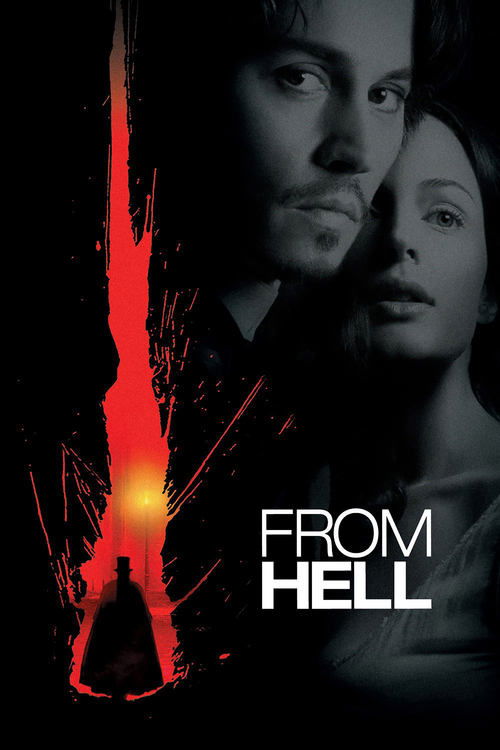
Films and series that breathe the same fog-thick, morally complicated Victorian air




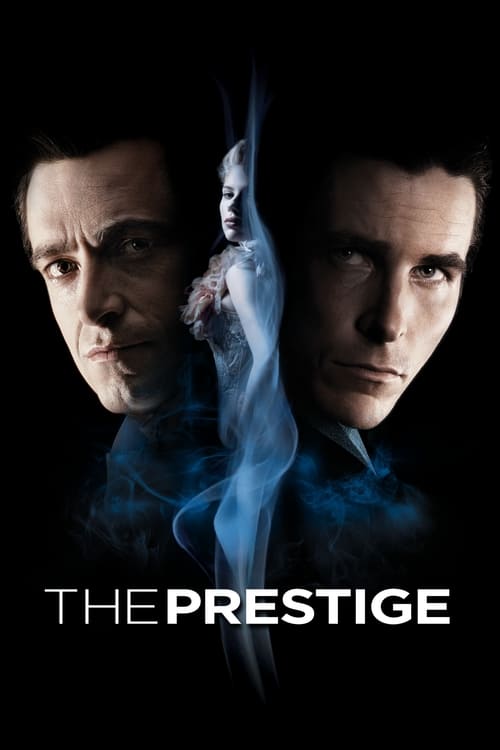
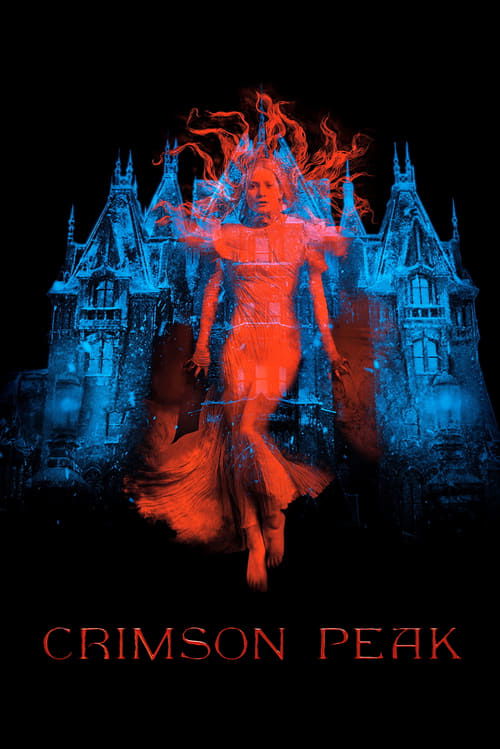
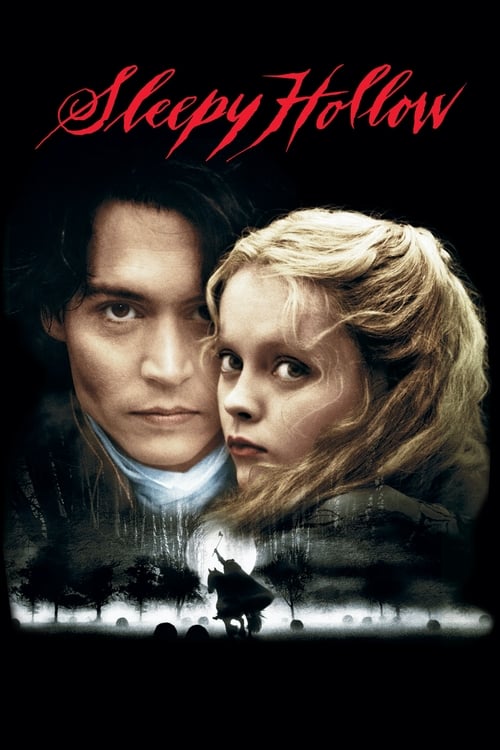
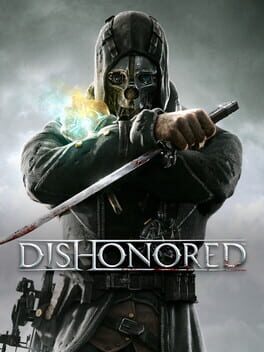
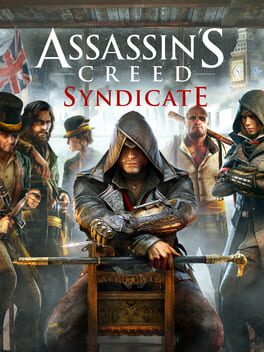
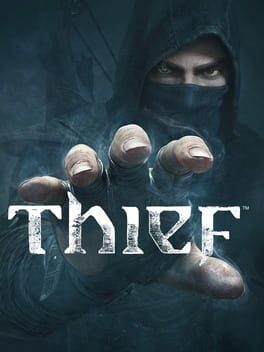
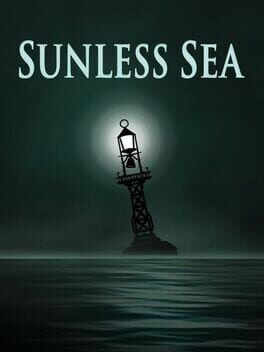
Retrofuturism and Steampunk Worlds in Games
Games that build the same ornate alternate-history machinery and moral ambiguity

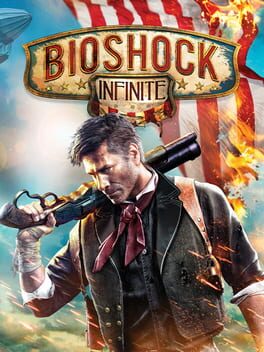
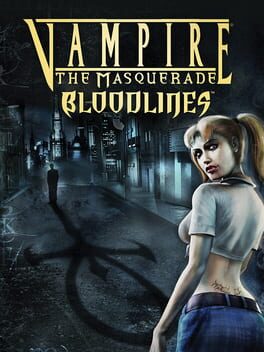
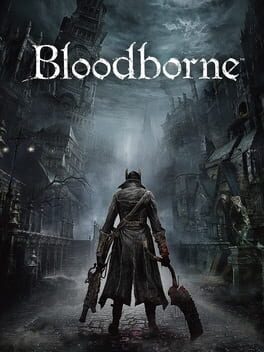
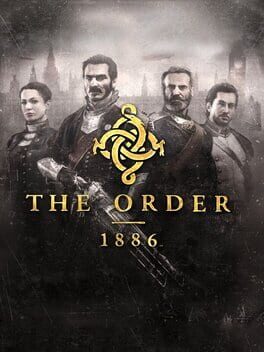
Moore Hated the Film. The Film Still Matters.
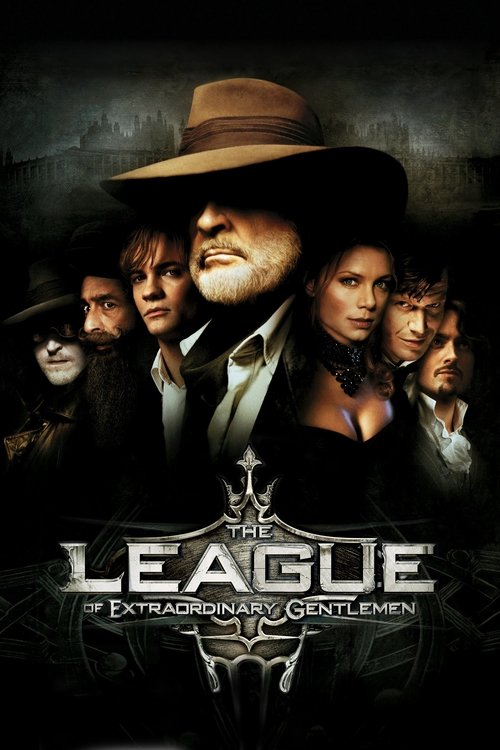
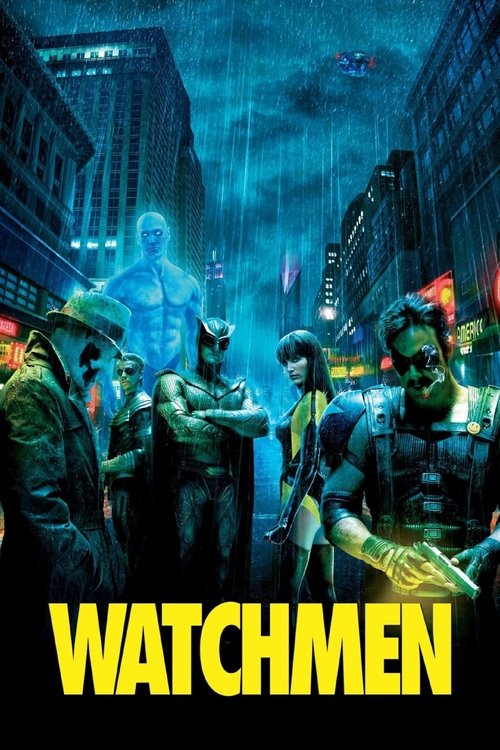
Alan Moore's relationship with Hollywood adaptations of his work is well-documented and uniformly negative. The 2003 League of Extraordinary Gentlemen film stripped out the intertextual commentary, added an American hero (Tom Sawyer), and delivered a straightforward action blockbuster. Moore publicly disavowed it and eventually removed his name from all adaptations. The irony is that the film failure clarified what the comics do that no adaptation had managed: the books work because they reward close reading, because the footnotes matter, because the density is the point. A film has to choose one layer. The comics keep all of them simultaneously. That gap between the two explains exactly why Moore's work resists screen translation, and why the source material remains so much more interesting than any version that tries to streamline it.

Same-DNA Novels: Secret Histories and Literary Mashups
Fiction that builds alternate worlds out of existing mythology, history, and genre tropes


The Black Dossier Is a Different Kind of Comic
Most readers encounter League through the first two volumes, which are structured as genre adventure with layers underneath. The Black Dossier (2007) removes the safety net entirely. It is a prop as much as a comic: a classified MI5 document containing a fictional 1950s Tijuana Bible, a fake Shakespeare First Folio play, a Kerouac parody, a Jeeves and Wooster pastiche, and fragments of a secret history of the British Empire stitched together with brief comics sequences. Moore is not making it easy. He is assuming readers who know the texts being parodied, who find pleasure in pastiche as an end in itself, who treat the footnotes as the main event. It is the most complete expression of what the series is actually about, and the one volume that most readers either abandon or regard as the best thing Moore has written.
The League of Extraordinary Gentlemen: Publication History
- 1999Volume I begins serialization at Wildstorm/DC (6 issues, collected 2000)
- 2002Volume II: the Martian invasion of Wells' War of the Worlds tears through the cast
- 2003Hollywood adaptation released; Moore disowns it; the film underperforms critically The League of Extraordinary Gentlemen
- 2007Black Dossier published as standalone graphic novel at Wildstorm; most formally experimental entry
- 2009Century begins at Top Shelf/Knockabout (three volumes across 2009-2012)
- 2013Nemo trilogy begins: spinoff focusing on Captain Nemo's daughter Janni
- 2019The Tempest (final League volume published) brings the metafictional arc to a close
Victorian icons, genre dismantled
For Fans of From Hell
Explore the For Fans of From Hell guide →Moore does not write fan-fiction. He writes about what fiction does to the people who consume it and the culture that produces it, using public-domain characters as the vehicle because they already carry a hundred years of accumulated meaning.CrossBinge