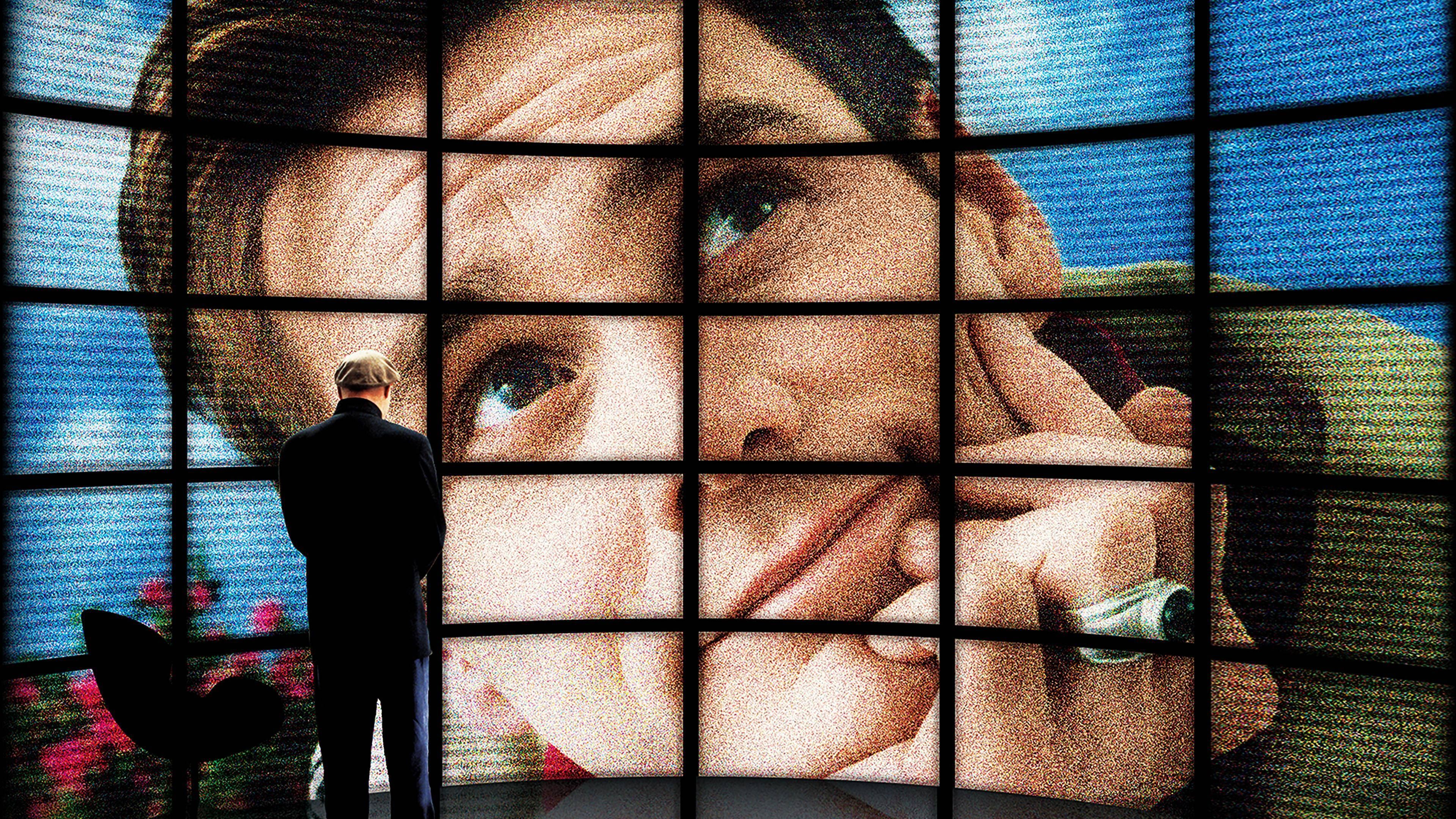

Peter Weir's 1998 film gave a name to a feeling many people already had: that the world around them was curated, the smiles too consistent, the coincidences too neat. Truman Burbank lives inside a television production he was never told about, and what a fan chases in his story is not the twist but the texture. The creeping wrongness of a life that fits too perfectly. The courage it takes to walk toward the edge of the known world. If you felt something watching Truman sail toward that curved horizon, the works below carry the same charge across every medium.
Essential The Truman Show
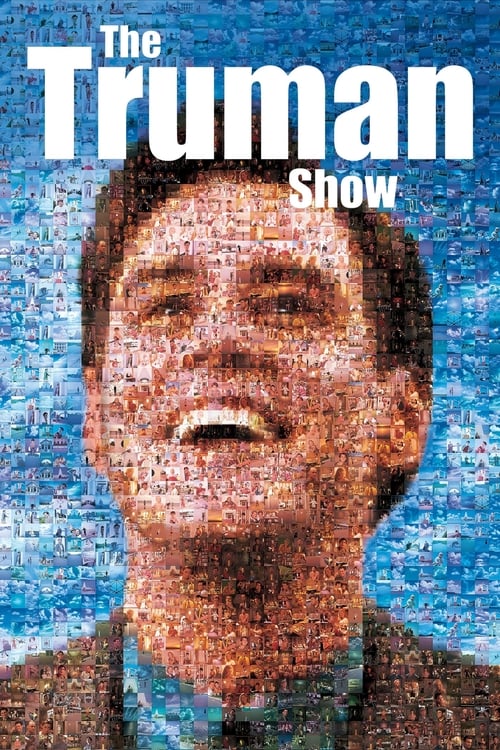
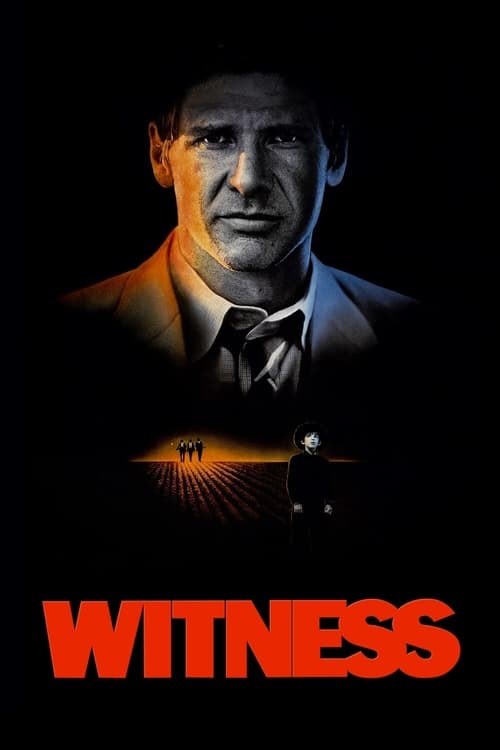
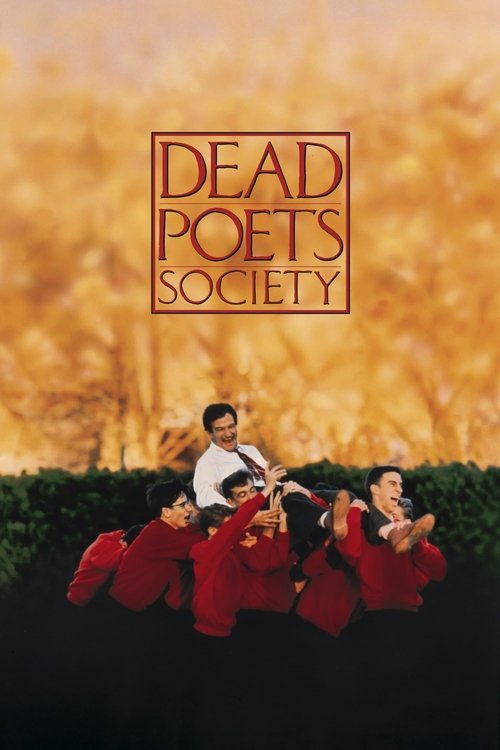
The film itself and Peter Weir's closest companions in his catalog
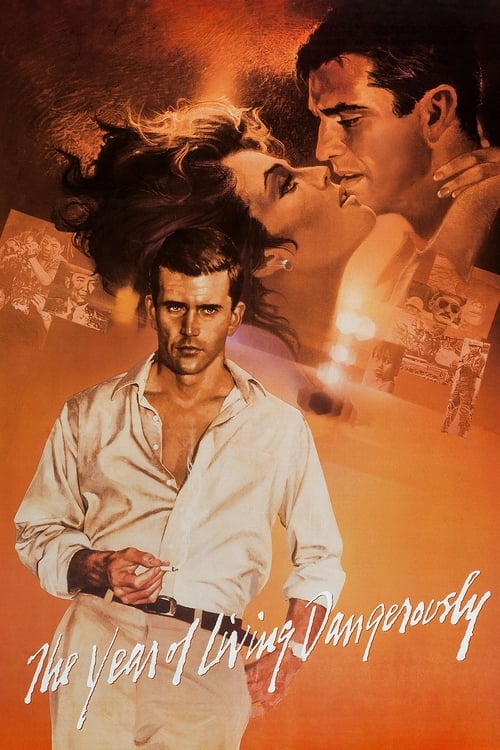



If Reality Might Be a Set
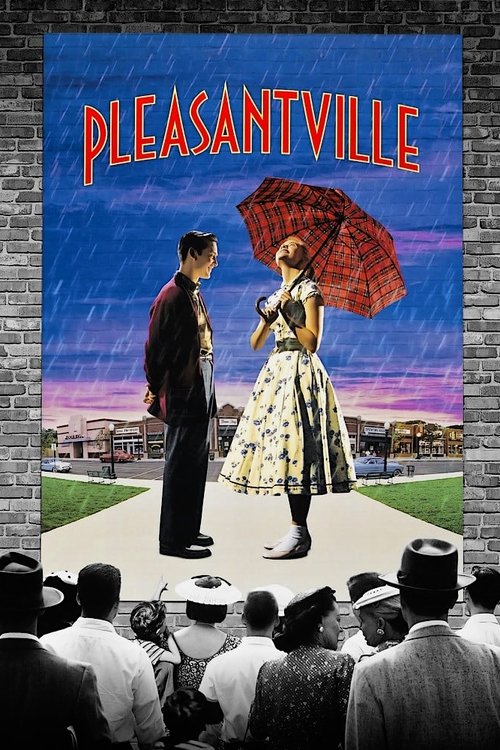
Films and series where the world turns out to be constructed or controlled

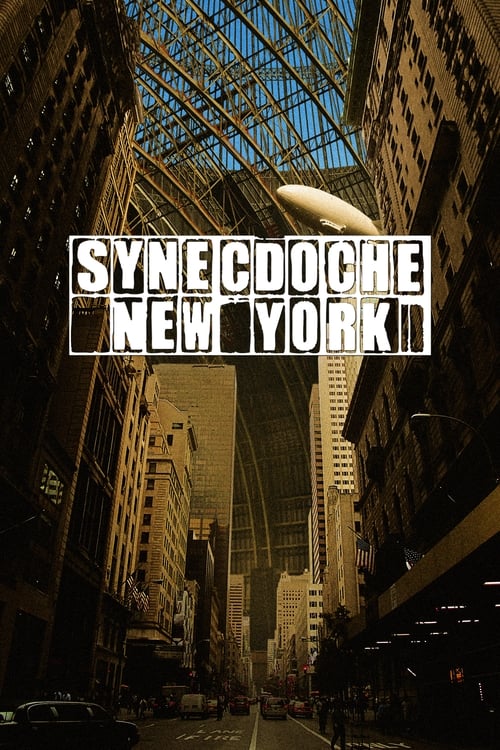
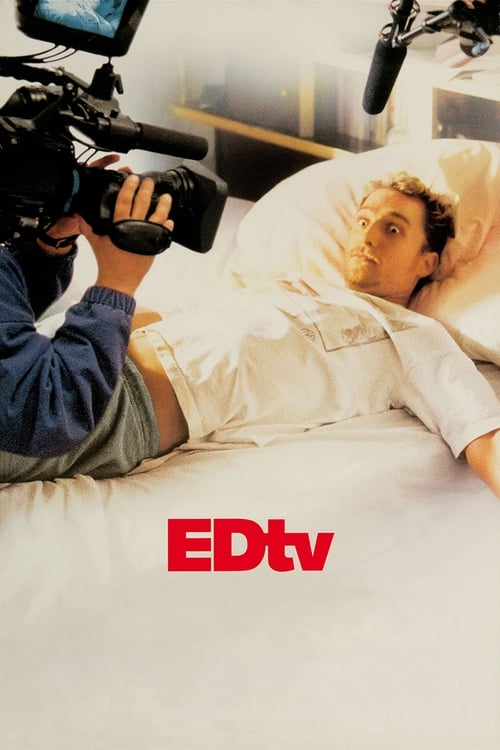

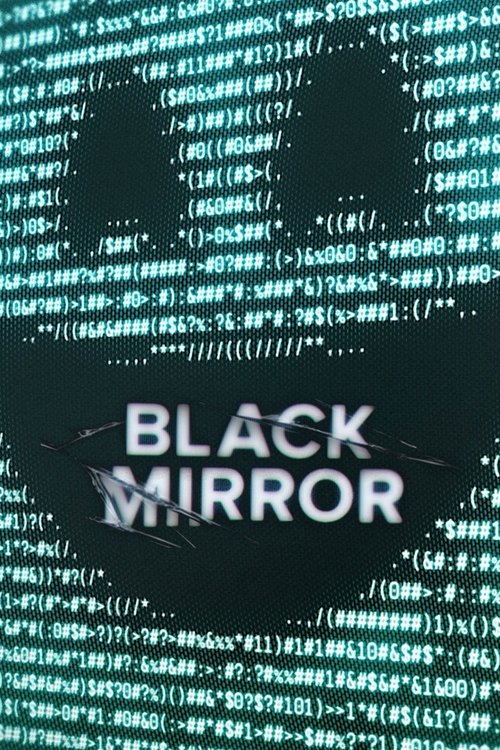
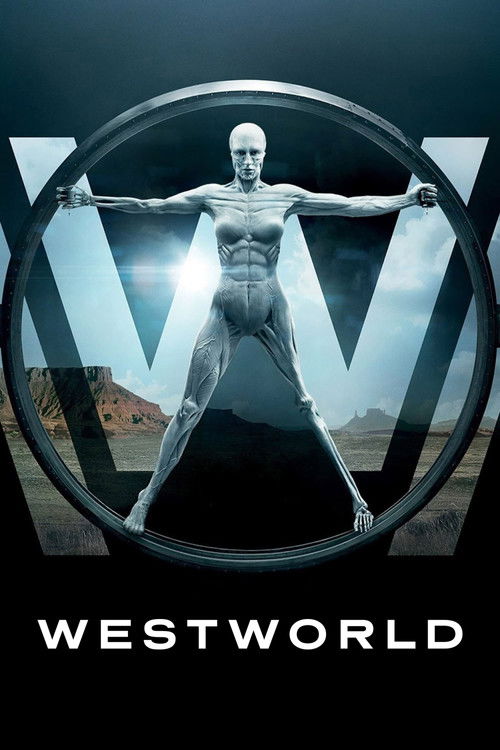
Surveillance, Spectacle and the Watched Life
Films and series about observation, control, and what we perform for the camera
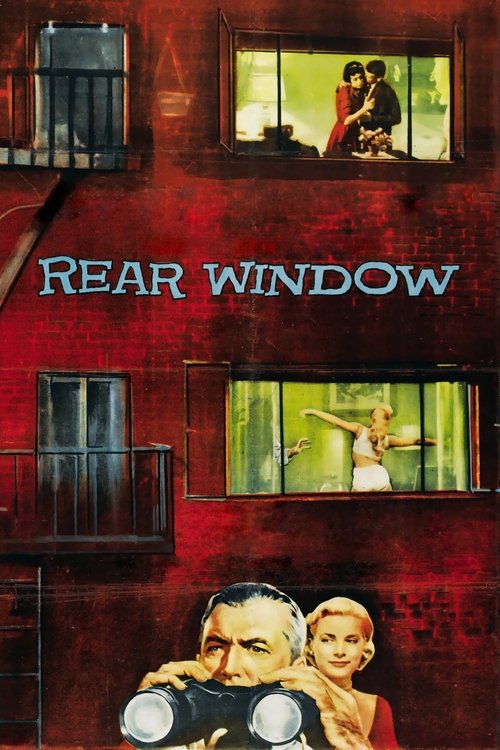
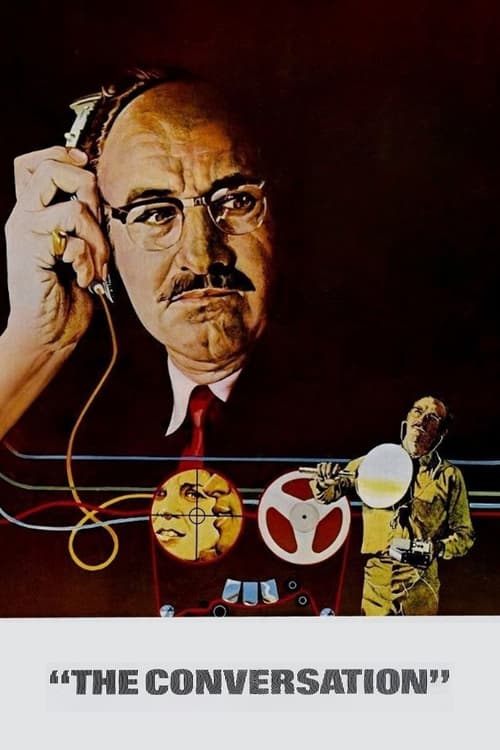
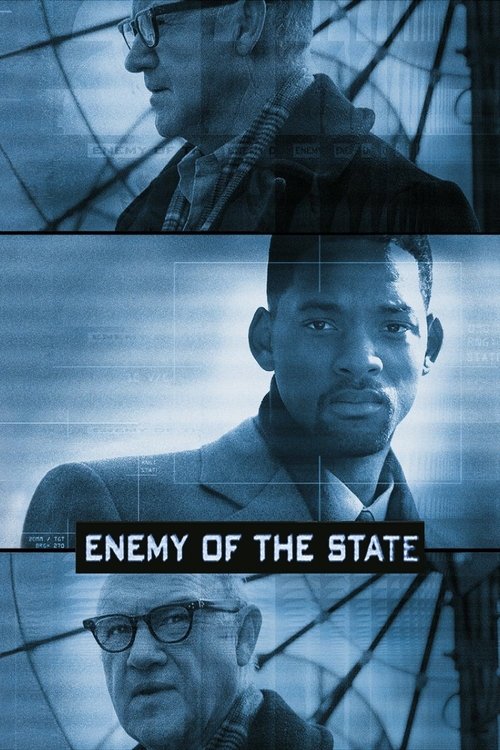

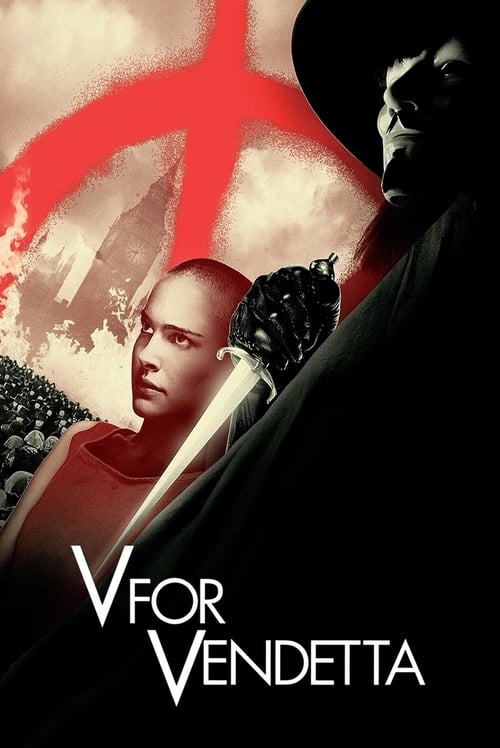
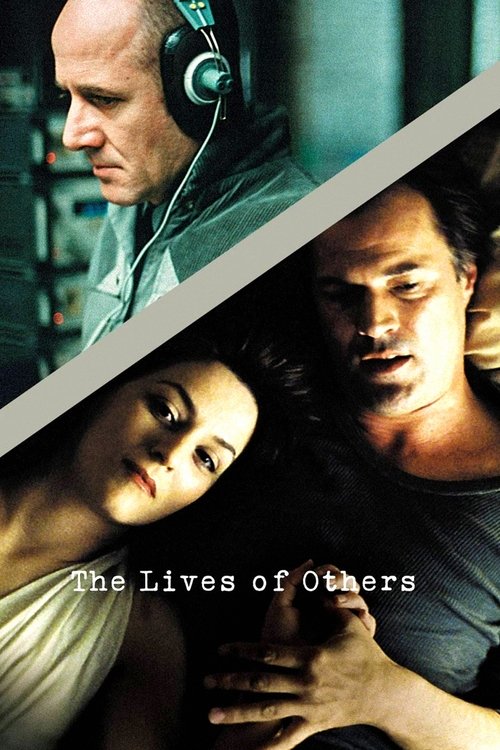
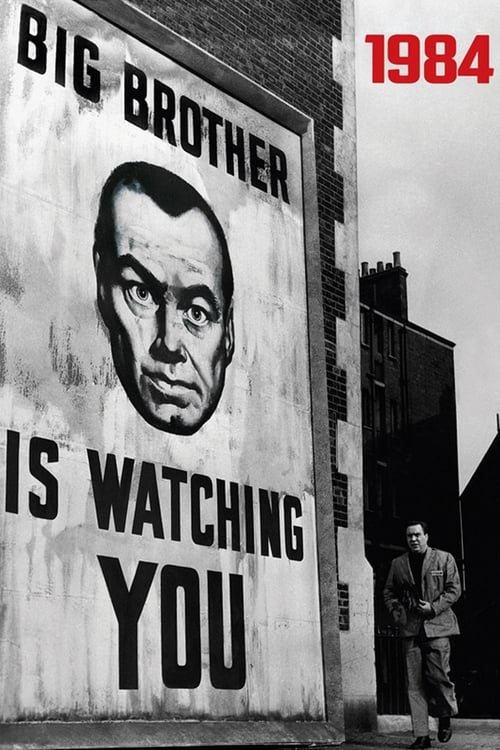

The Novels That Built This Feeling
Books that put you inside a reality you cannot fully trust


Games Where the World Lies to You
Games that put you inside systems of control, constructed realities, or slow revelation
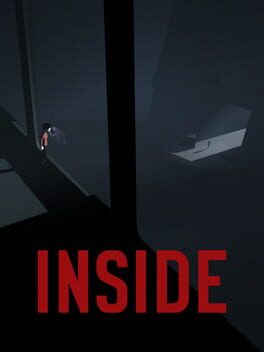
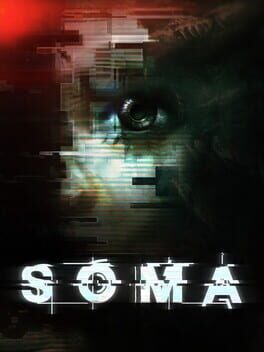
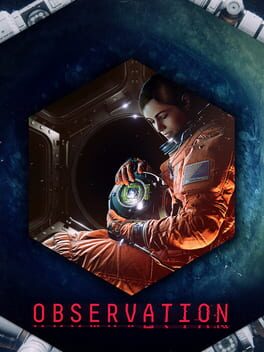
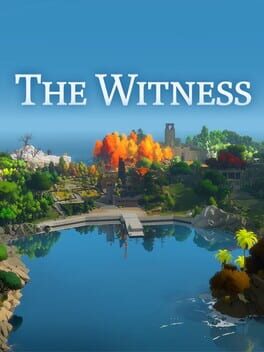
The Score and the Silence
Albums and soundtracks that carry the same delicate unease as Burkhart's and Glass's compositions for the film
Weir Was Always Making This Film
Before Truman, Peter Weir spent two decades making films about outsiders who discover the world they live in is a performance. The hippie commune in The Wave (Picnic at Hanging Rock's cousin), the Amish enclosure in Witness, the closed world of a ship at sea in Master and Commander. The Truman Show was not a departure. It was the thesis made literal. Weir's recurring protagonist is someone who senses the frame before they can name it.
Reality TV Caught Up Faster Than Anyone Expected
The Truman Show arrived in 1998, one year before Big Brother launched and two before Survivor. It was a satire of something that did not yet fully exist. Within a decade, people were competing to live inside Truman's premise voluntarily. The film's unease has only sharpened since: we now share our lives in curated feeds watched by strangers, and the line between performance and living is something each person negotiates daily.
Jim Carrey Playing It Straight Was the Whole Gamble
Carrey's performance only works because he never winks. Truman is not in on the joke, and neither is the actor. The comedy comes from the gap between the world's artificiality and Truman's complete sincerity. A mugging, rubber-faced performance would have collapsed the film into farce. Weir trusted Carrey to stay earnest, and Carrey delivered the most controlled work of his career.
Christof Is the Villain You Understand Completely
Ed Harris's Christof does not believe he is doing harm. He believes he has given Truman the safest, happiest, most watched-over life available, and his grief when Truman leaves is genuine. That is what makes him frightening. The most dangerous controllers are the ones who love what they control. Severance's bosses, Westworld's architects, the designers in Bioshock all inherit this blueprint.
Constructed Realities: A Timeline
- 1932Aldous Huxley publishes the original designed-happiness dystopia Brave New World
- 1949Orwell names the surveillance state that watches everything
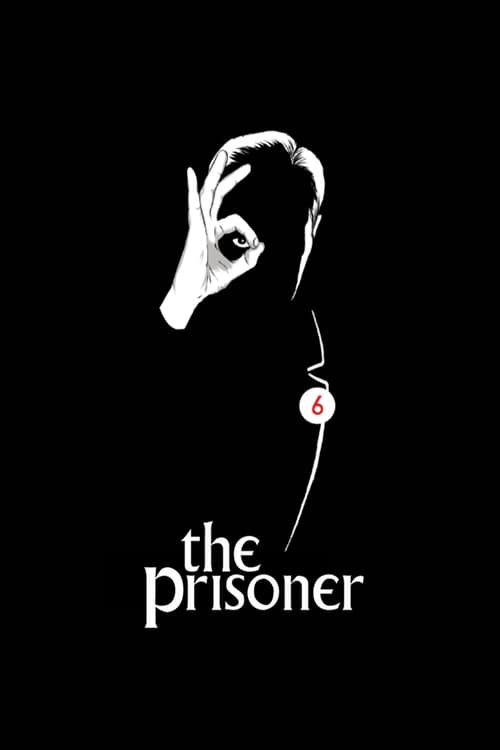
- 1960The Prisoner puts a man inside a village he cannot escape The Prisoner
- 1974Coppola's paranoia thriller makes listening itself sinister The Conversation
- 1977Glass's minimalist loops begin soundtracking interior unease Glassworks
- 1994Aphex Twin releases ambient music that feels like a watched room Selected Ambient Works, Volume II
- 1998Truman Burbank walks toward the edge of the world The Truman Show
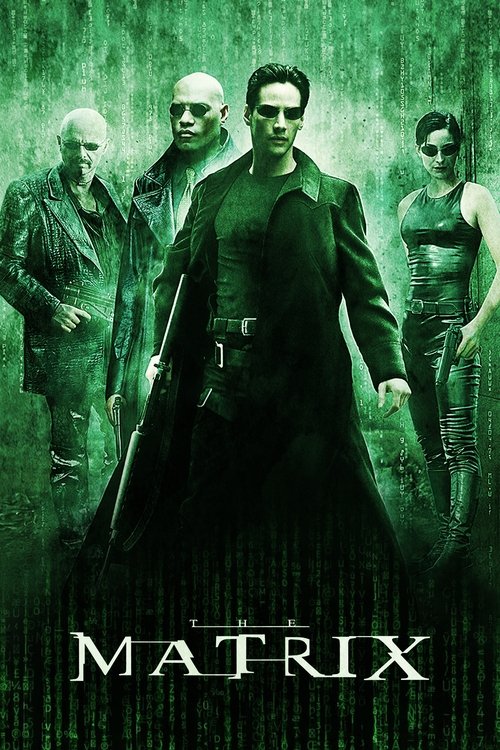
- 1999The Matrix makes constructed reality a blockbuster premise The Matrix
- 2000Big Brother launches; the audience becomes the show
- 2013The Stanley Parable asks what choice means inside a designed system The Stanley Parable
- 2015Dave Eggers's novel names the social-media surveillance apparatus The Circle series
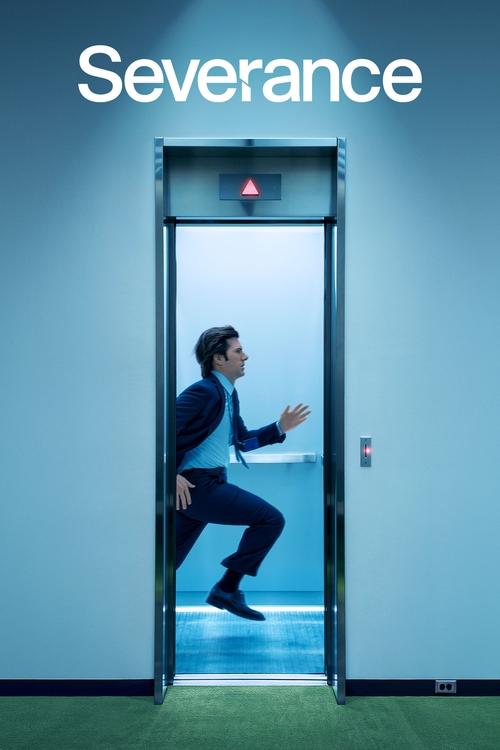
- 2022Severance literalizes the partition between performed and private self Severance
Constructed realities and watched lives
Dystopian Societies
Explore the Dystopian Societies guide →Good morning, and in case I don't see you: good afternoon, good evening, and good night.Truman Burbank, The Truman Show (1998)