
What The Wicker Man does is almost impossible to describe to someone who hasn't seen it: a procedural mystery that becomes a folk ritual, a clash of faiths that refuses to position either side as simply wrong, and a finale that remains one of cinema's most genuinely shocking. Sergeant Howie arrives on Summerisle looking for a missing girl; what he finds is a community where sex, death, and harvest are woven together without shame. Director Robin Hardy and writer Anthony Shaffer built the film around that collision of worldviews, so the horror doesn't come from a monster or a villain, it comes from the logic of a belief system taken to its conclusion. The feeling fans chase: that slow-burn certainty that something is fundamentally off, that you are the outsider and the world around you knows something you don't.
Folk Horror: The Same Dread
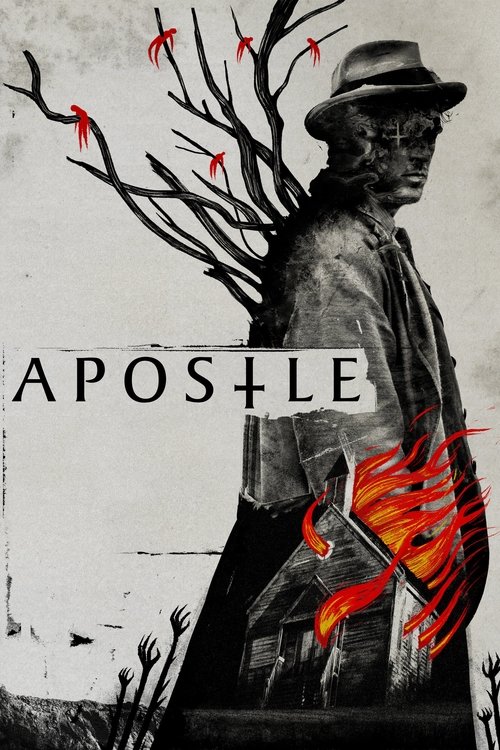
Films that share the rural isolation, pagan unease, and outsider-in-danger premise

British Horror and Rural Unease on Screen
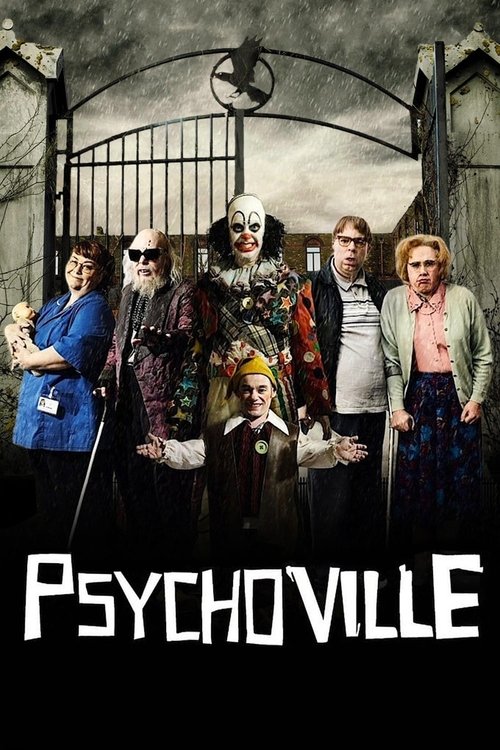
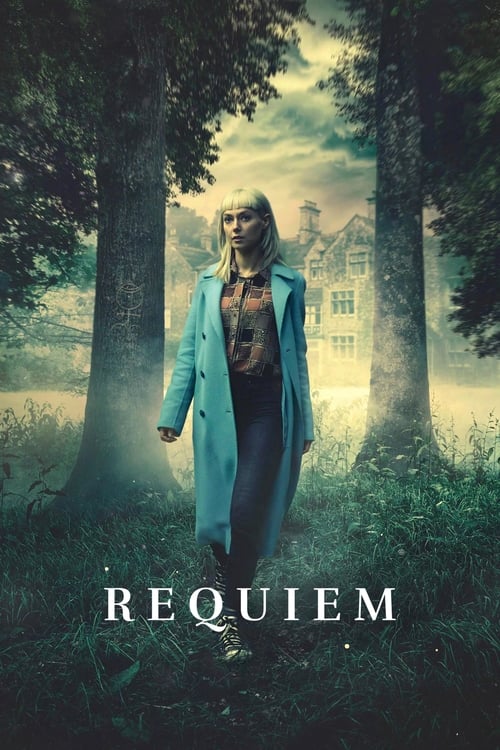
Series that bring the same slow dread, hidden communities, and uncanny countryside
Pagan Roots and Folk Ritual: Books
Novels and source texts for the folk horror imagination


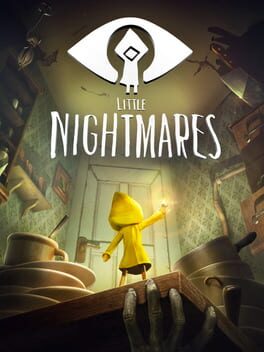
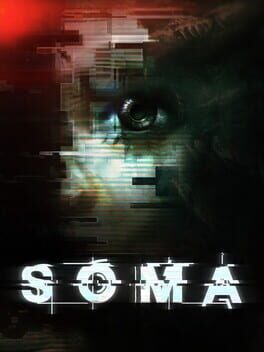
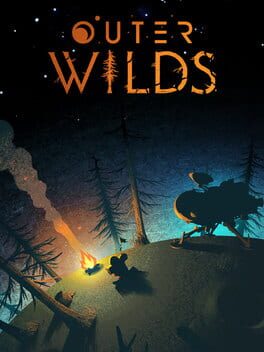
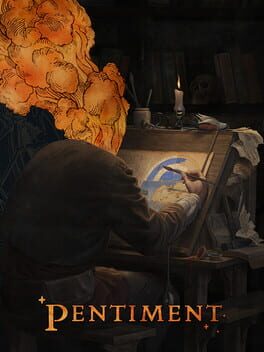
Isolated Communities and Hidden Rules: Games
Games where you are the outsider, the world has its own logic, and trust is earned slowly
The Score and the Songs: Music
The Wicker Man's folk songs, the composers who defined British folk horror, and albums that carry the same uncanny pastoral feeling
Anthony Shaffer Knew Exactly What He Was Doing
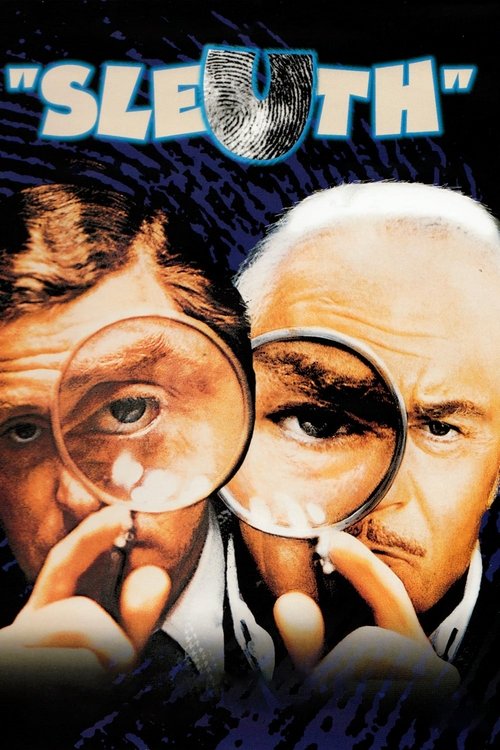
The screenplay for The Wicker Man is the work of a writer who also wrote Sleuth, and the DNA is identical: two ideological opponents locked in a game where the rules are hidden from one player. Shaffer structures the film so that everything Howie finds seems strange but explicable, right until the moment it isn't. The horror depends entirely on the script's architecture. Watch it twice and the whole thing is a trap laid in plain sight from the first frame.
Midsommar Is the Direct Heir
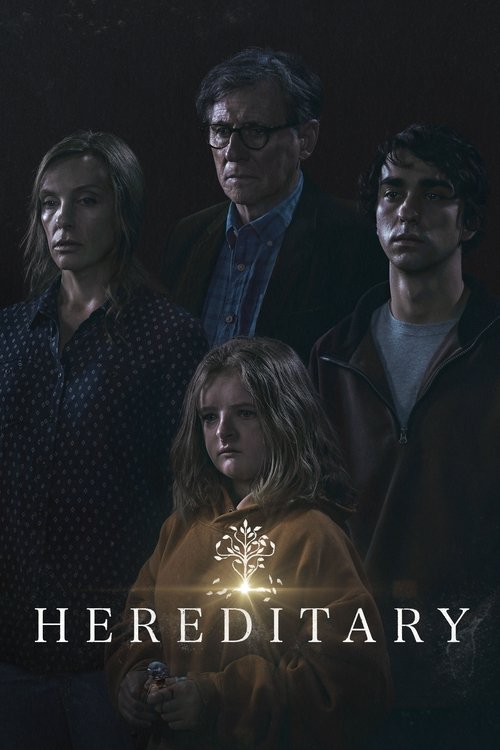
Ari Aster has been open about The Wicker Man's influence on Midsommar, and the comparison is instructive. Both films send emotionally isolated outsiders into a community that operates by pre-Christian rules. Both film the horror in full daylight, refusing the shorthand of darkness. Where Hardy's film is a mystery procedural at heart, Aster's is a grief story, but the structure of dread, the communal singing, the outsider who can't leave because they don't understand why they should, is lifted almost whole.
The British Folk Horror Revival Was Always Latent
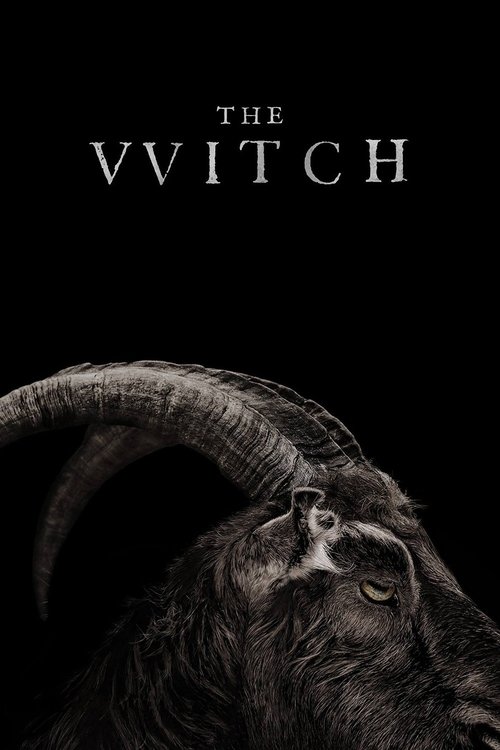
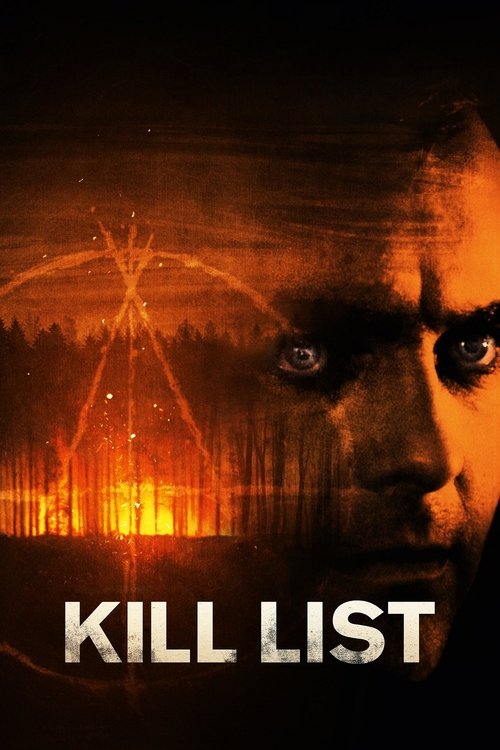
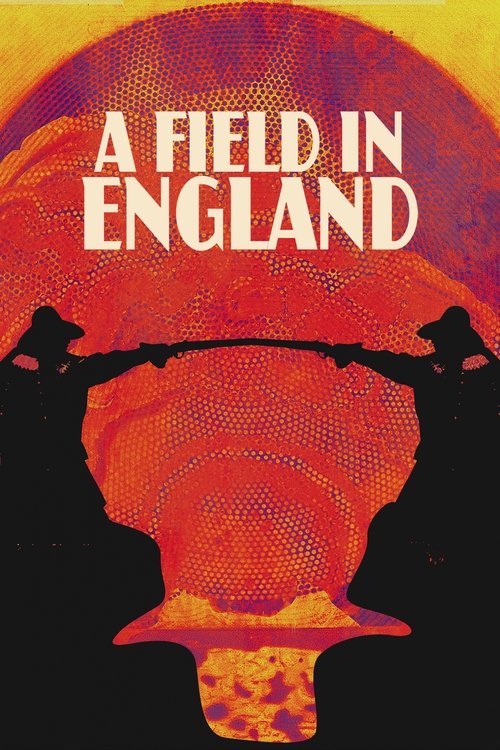
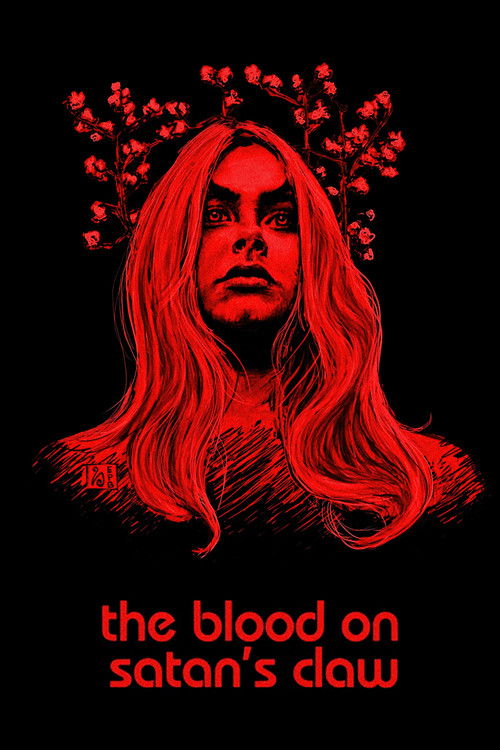
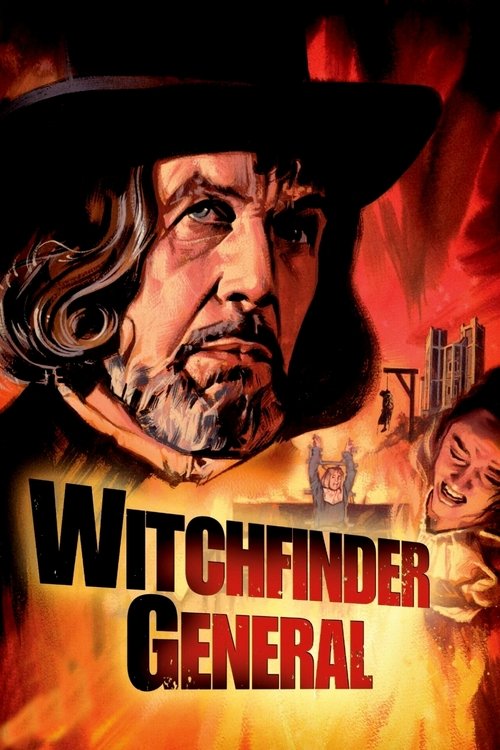
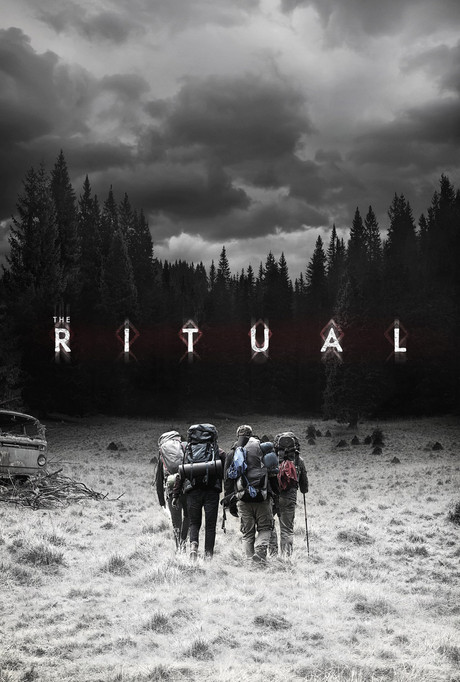
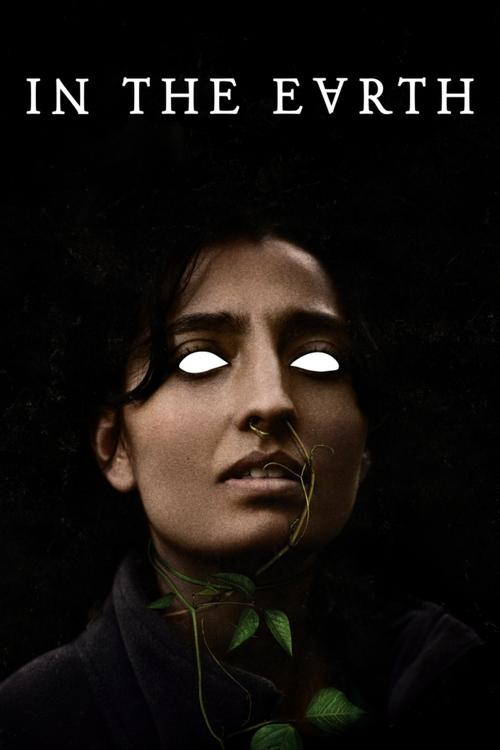
The 'Folk Horror Revival' label was coined decades after The Wicker Man, Blood on Satan's Claw, and Witchfinder General came out, but those three films defined the grammar. Countryside as threat rather than refuge. Old belief systems as coherent and internally logical rather than simply evil. Communities that function perfectly well without the protagonist's moral framework. The BBC series Folk Horror Revival: Field of Screams documents how deeply that grammar has seeded British culture. The Ritual, Kill List, and In the Earth all draw from the same well.
Key Dates in the Wicker Man Story
- 1967David Pinner publishes 'Ritual', the novel that Anthony Shaffer adapted into the screenplay
- 1973The Wicker Man released in UK cinemas, initially as a support feature; Christopher Lee later called it his finest work
- 1977First US theatrical release helps the film find a wider cult audience
- 1979Theatrical cut re-released; the longer original assembly remains disputed and partially lost
- 2006Neil LaBute remake released, starring Nicolas Cage; critical response is largely negative
- 2011Robin Hardy directs The Wicker Tree, a loose sequel set in Scotland
- 2013BFI Flipside releases a restored director's cut on Blu-ray, renewing critical interest
More folk horror and pagan dread
Folk Horror
Explore the Folk Horror guide →I think The Wicker Man is the best British film ever made. It is a piece of art, a genuine piece of art.Christopher Lee