
The Maestro of Erotic Baroque
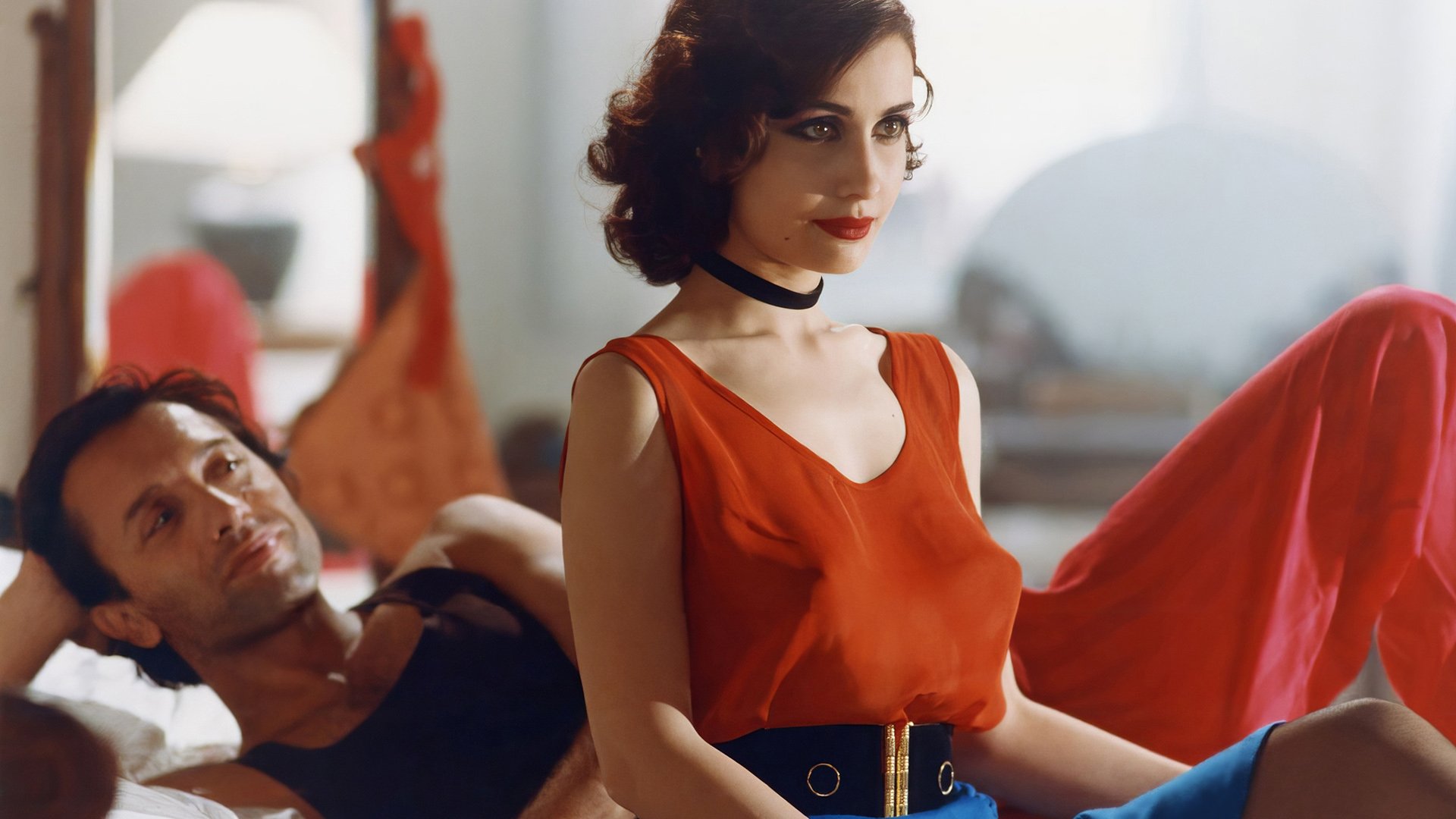
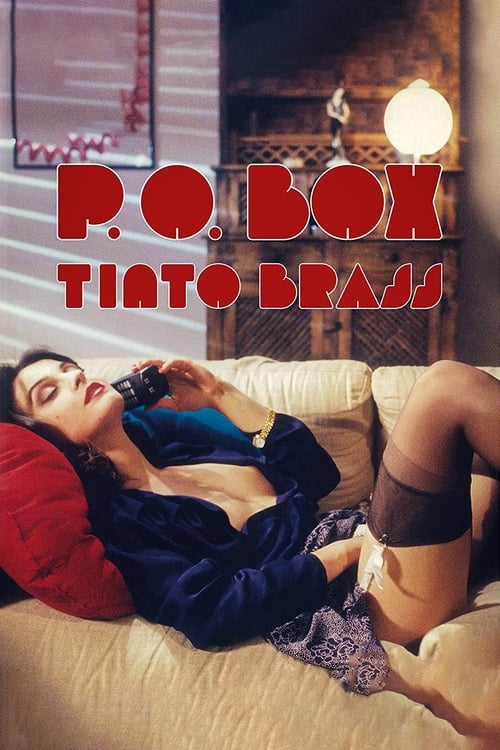
Tinto Brass arrived at his signature style the long way around. Before he became synonymous with sun-drenched Italian sensuality, he was a restless avant-garde filmmaker cutting his teeth on experimental shorts and political allegory in the 1960s. The turn toward erotica was never a retreat into vulgarity; it was a deliberate aesthetic and philosophical position. Brass believes the erotic gaze, when handled with warmth and wit, is fundamentally humanist. His films are full of bodies, yes, but also full of light: Venetian canals catching the afternoon, the textures of silk and lace, the specific weight of a glance across a crowded room.
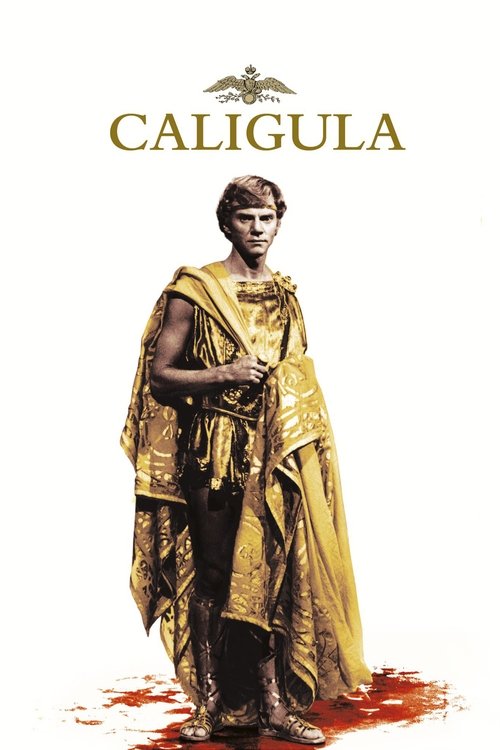
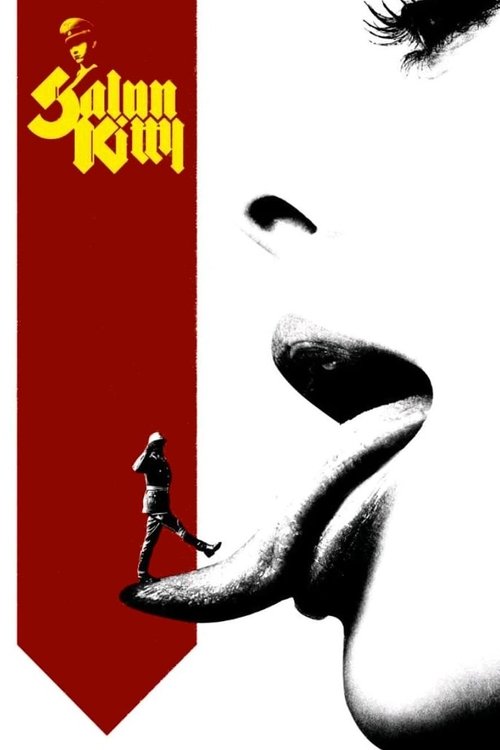
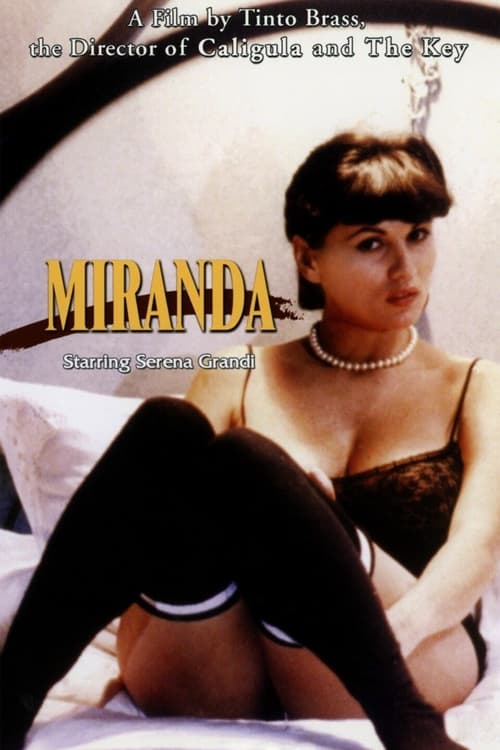
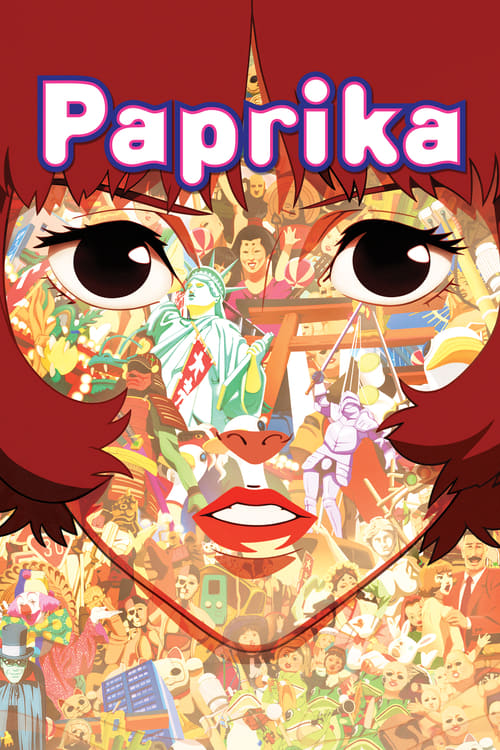
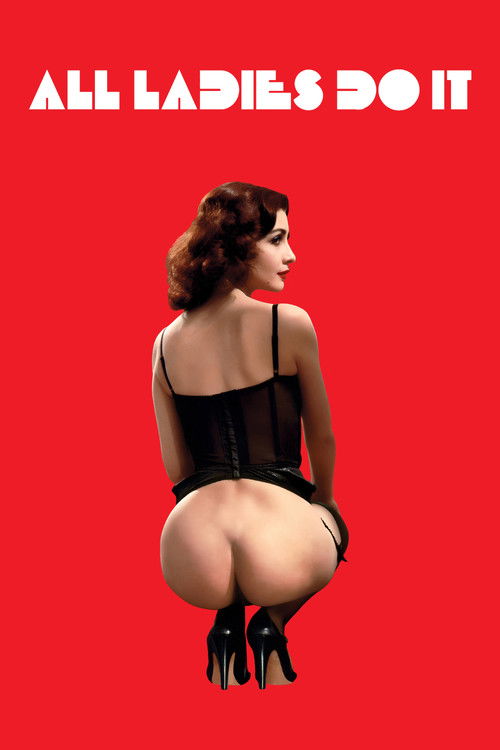
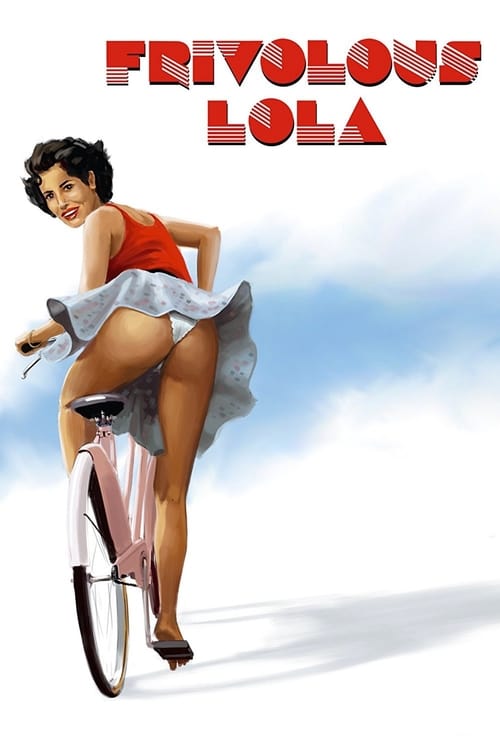
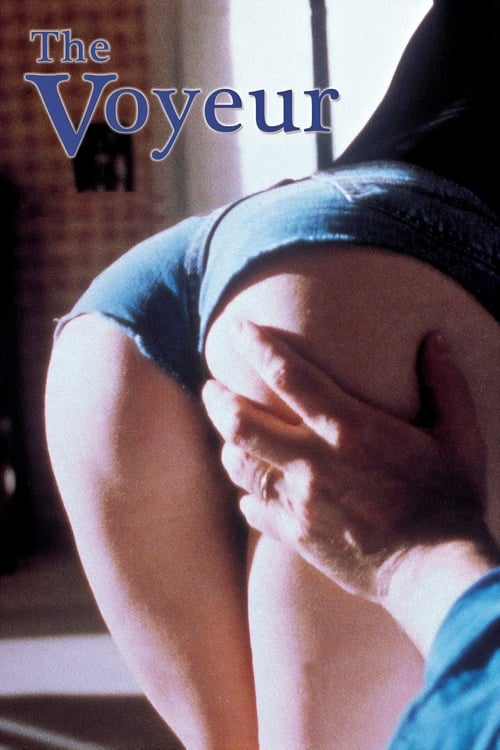
His international breakthrough, the scandalous Roman epic Caligula (1979), was a collision between his artistic ambitions and the more explicit interests of producer Bob Guccione, and Brass famously disowned the final cut. The films that followed, made entirely on his own terms, are where the real Tinto Brass lives: Salon Kitty, Miranda, Paprika, Frivolous Lola, All Ladies Do It. These are comedies of desire, set in carefully reconstructed versions of mid-century Italy, where the women are clever, the men are more or less ridiculous, and the camera treats every subject with genuine affection.
A Brass fan loves a particular combination of things: lush, meticulous production design; an almost musical sense of pacing; a politics of pleasure that refuses to moralize; and a very specific strand of Italian comedy rooted in the commedia dell'arte tradition, where sex is farcical and tender at once. If any of that resonates, the recommendations below follow that thread across five different media.
Essential Tinto Brass
The core filmography, from baroque provocation to sun-drenched comedy
Italian Desire: The Erotic Comedy Tradition
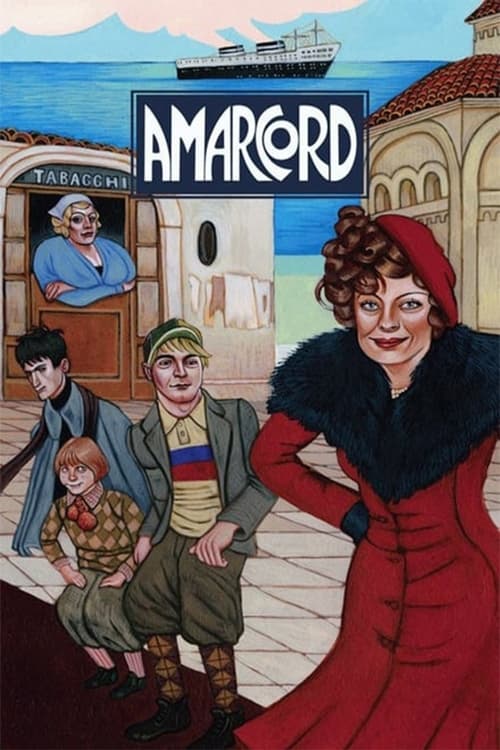
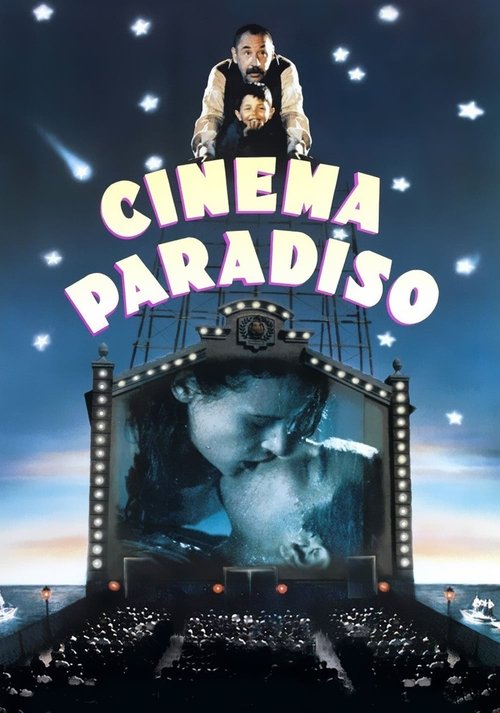
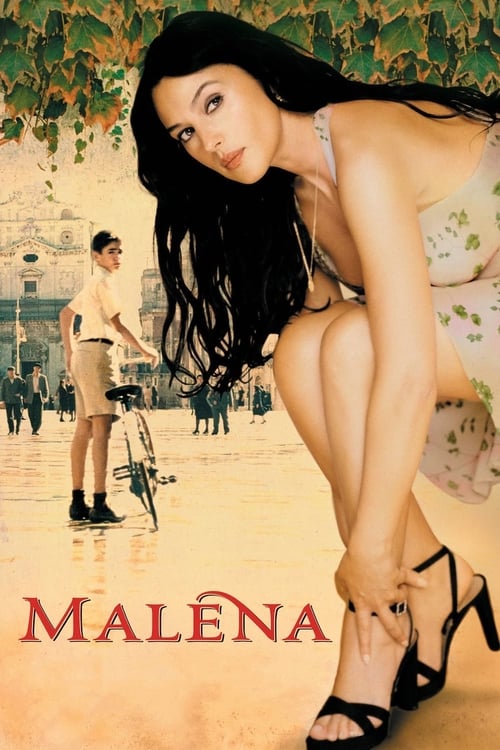
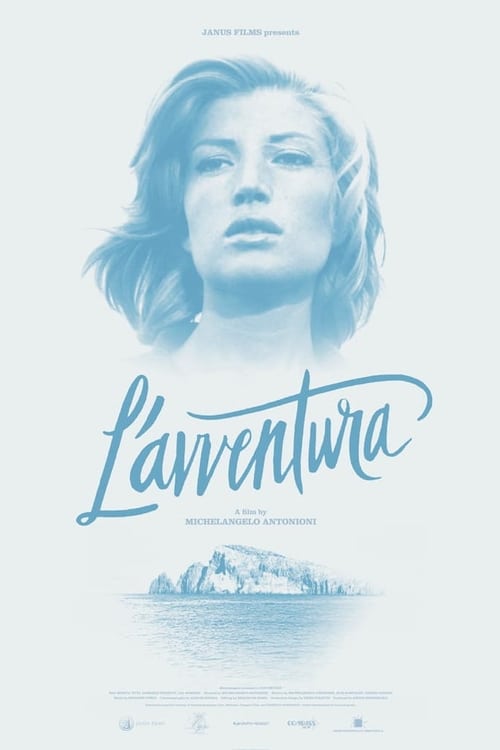
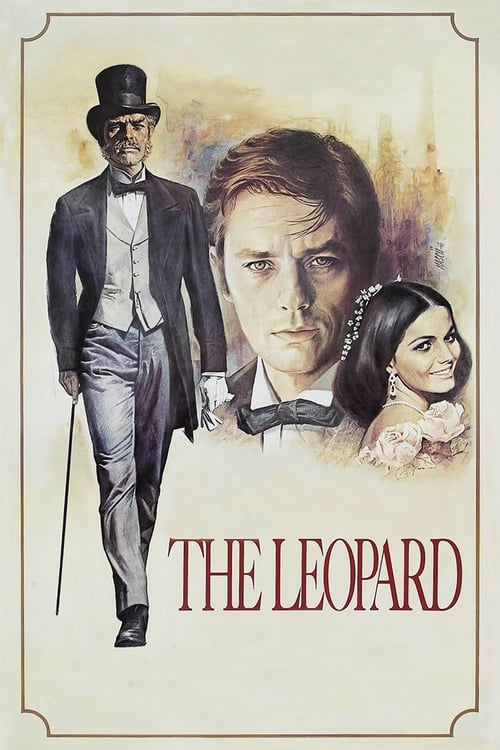
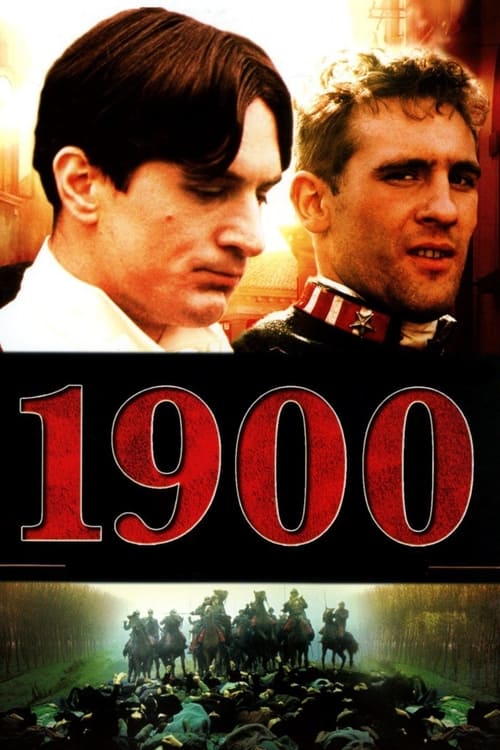
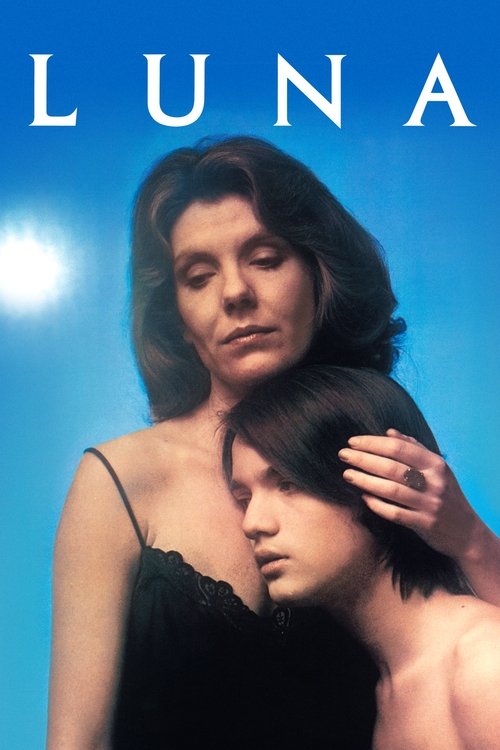
The broader Italian cinematic world Brass belongs to

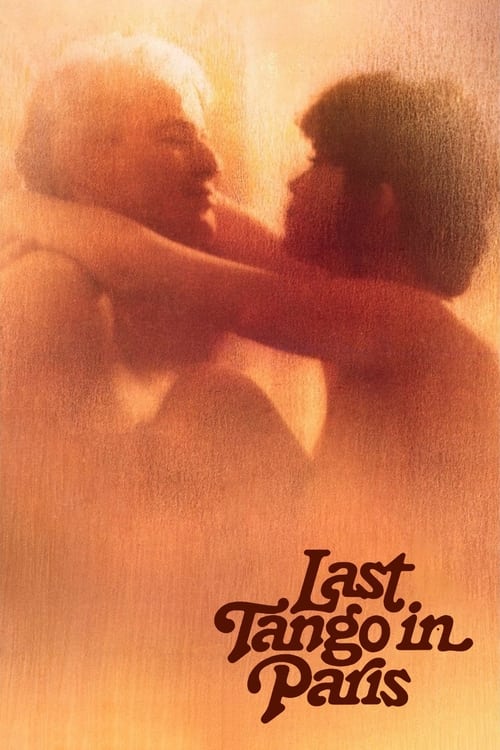
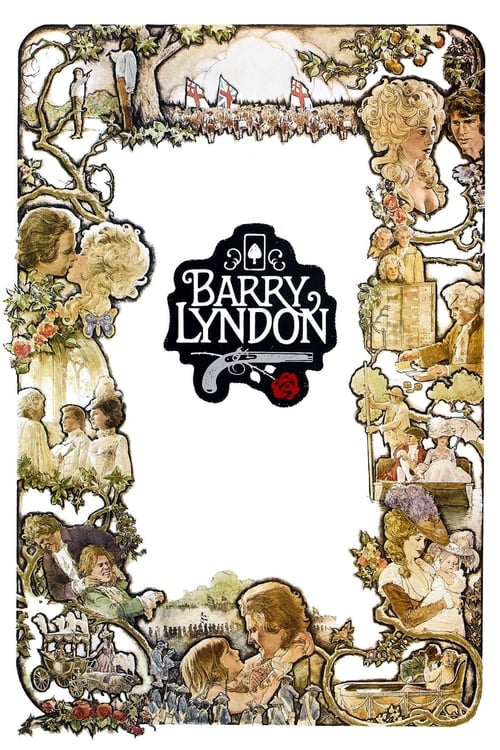
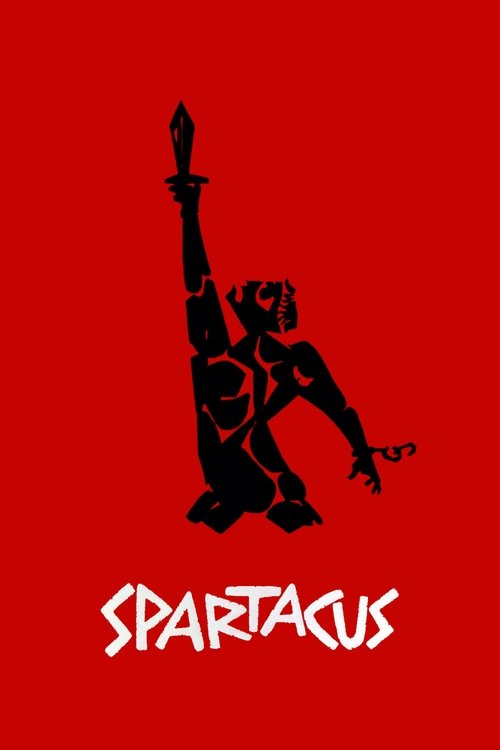
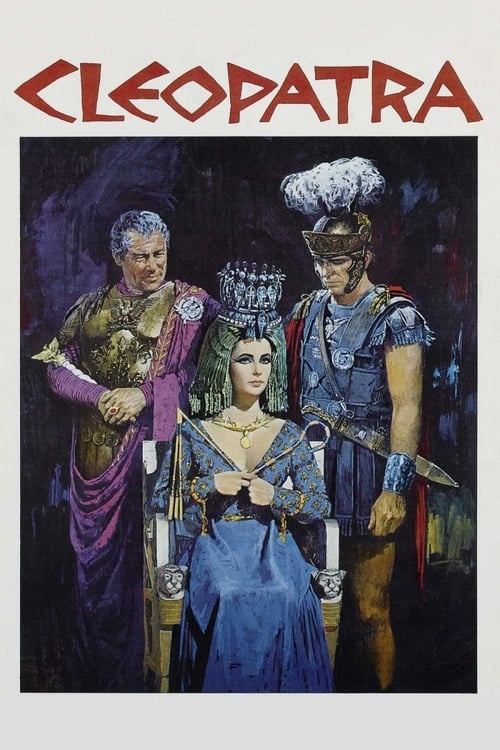
Power, Corruption, and Spectacle
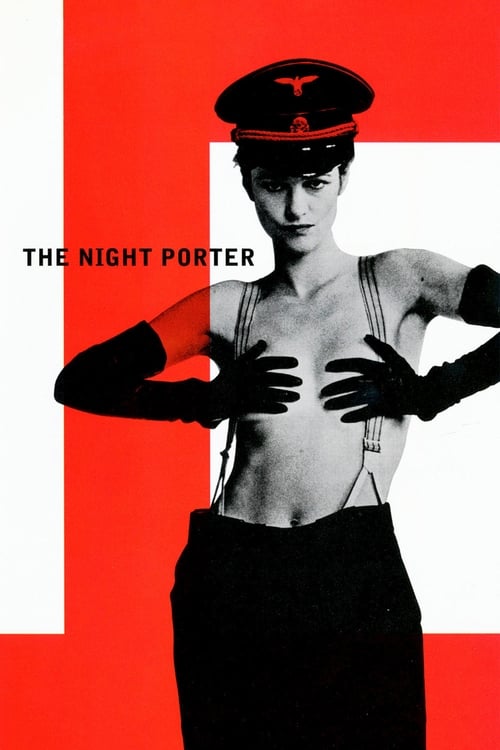
Films that share Caligula's appetite for excess, imperial rot, and dangerous beauty



The Liberated Body in Literature
Books that share his warmth toward desire, the body, and the comedy of human want


Start with Miranda, not Caligula
Caligula is the film everyone associates with Brass, but it is an unreliable introduction: he disowned that cut, and the Guccione inserts muddy what he was actually doing. Miranda (1985), a breezy Venetian comedy about a tavern-keeper who takes lovers as she pleases and suffers no consequences for it, is the purest distillation of his sensibility. It is warm, funny, formally confident, and entirely his own. Watch Miranda first, then go backward to Salon Kitty and forward to Paprika.
Salon Kitty is the underrated peak
Salon Kitty (1976) is where Brass proved he could hold real moral weight alongside the eroticism. Set in a Nazi-era Berlin brothel used as a surveillance operation, it is genuinely disturbing in places and genuinely beautiful in others, and those two registers coexist without flinching. It is the film that most rewards the viewer who wants to take Brass seriously as a director rather than as a provocateur. Most of his reputation rests on the lighter later work; this is the one that earns it.
The Fellini comparison is earned, not just convenient
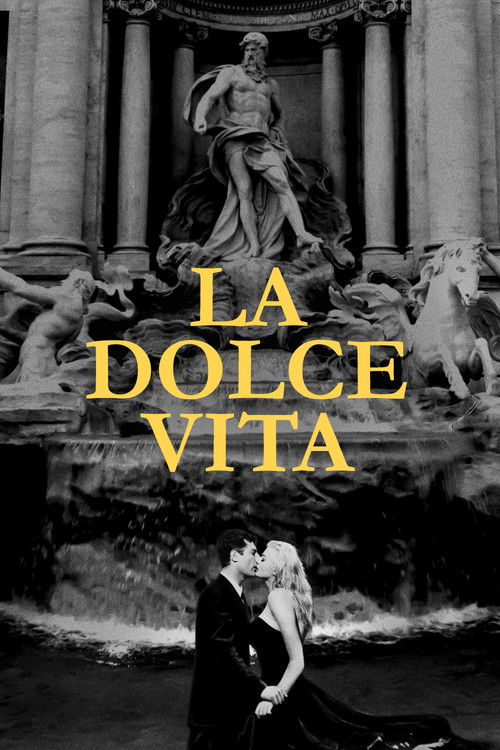
Critics reach for Fellini when discussing Brass because the comparison is genuinely apt: both directors built private mythologies around the Italian female body as a site of abundance and vitality rather than danger. But Brass is less solipsistic than Fellini and more classically comic. Where Fellini spirals inward toward his own anxieties and dreams, Brass stays resolutely outward-looking, engaged with his characters' pleasure rather than his own nostalgia. Amarcord and La Dolce Vita are the Fellini films where that comparison runs closest.
Venus in Furs is his literary ancestor
If Brass has a literary ancestor it is Leopold von Sacher-Masoch. Venus in Furs (1870) shares his precise attention to texture, fabric, and the theatricality of desire, and the same refusal to treat the body as a site of shame. Both artists understood that erotic attention, when it is specific and observant rather than mechanical, is a form of respect for another person. Madame Bovary, for different reasons, fits the same groove: Flaubert's obsessive rendering of surfaces, of what Emma wears and how rooms smell, is the novelistic equivalent of what Brass does with a camera.
A Career in Provocations
- 1963Experimental debut with Chi lavora è perduto
- 1967Col cuore in gola brings international arthouse attention
- 1976Salon Kitty, the erotic historical drama that established his reputation Salon Kitty
- 1979Caligula, the controversial Roman epic he would later disown Caligula
- 1985Miranda, the first and best of his Venetian comedies Miranda
- 1991Paprika, widely seen as his most purely enjoyable film Paprika
- 1992All Ladies Do It All Ladies Do It
- 1998Frivolous Lola, his most successful late-period work Frivolous Lola
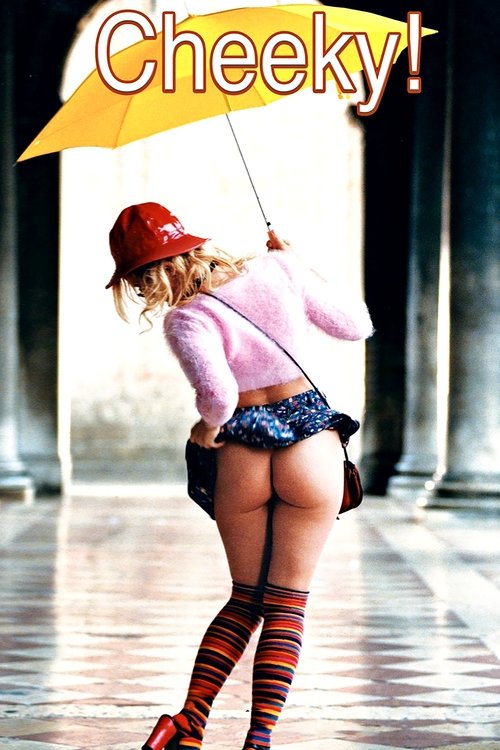
- 2000Cheeky marks a turn toward a more introspective mode Cheeky
More sensual Italian cinema
Italian Cinema
Explore the Italian Cinema guide →Brass does not film desire as threat or transgression. He films it the way a good cook thinks about food: as something natural, worth doing well, and worth sharing.CrossBinge editorial