
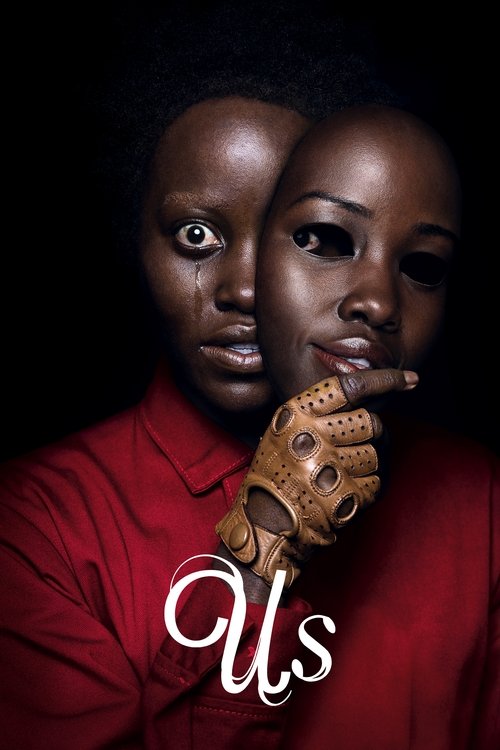
Jordan Peele's 2019 film follows the Wilson family to their Santa Cruz vacation home, where four strangers in red jumpsuits appear in the driveway at night. Those strangers are them. Us works on at least three levels at once: a relentless home-invasion thriller, a layered allegory about the parts of American society left in the dark, and a family portrait where every relationship is pushed to a breaking point. The horror Peele conjures is not the monster in the closet but the version of yourself you chose not to look at. That particular dread, and the formal intelligence Peele brings to it, connects to a wide range of films, series, novels, and games that do the same thing.
Essential Jordan Peele
His feature films as director, where social tension becomes physical terror
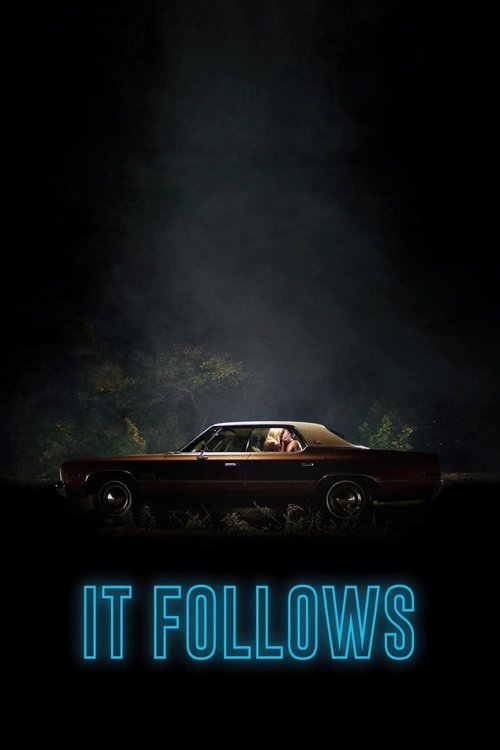
Same-Vibe Films: The Dread Beneath the Surface
Films that weaponize the familiar, build slow dread, and earn their gut-punch endings
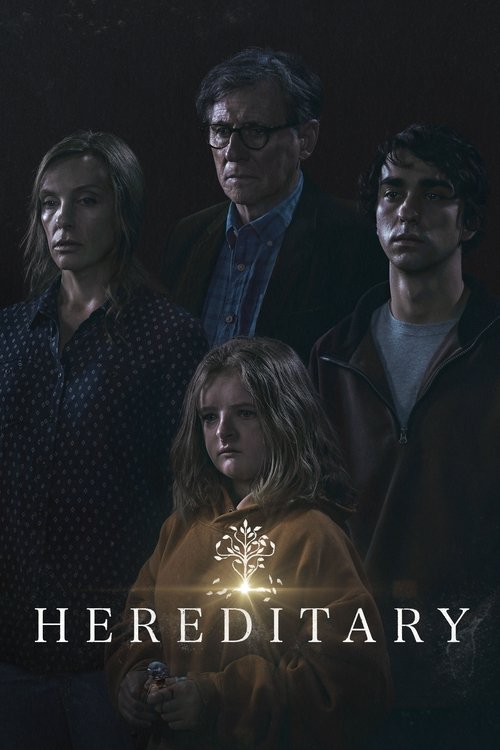

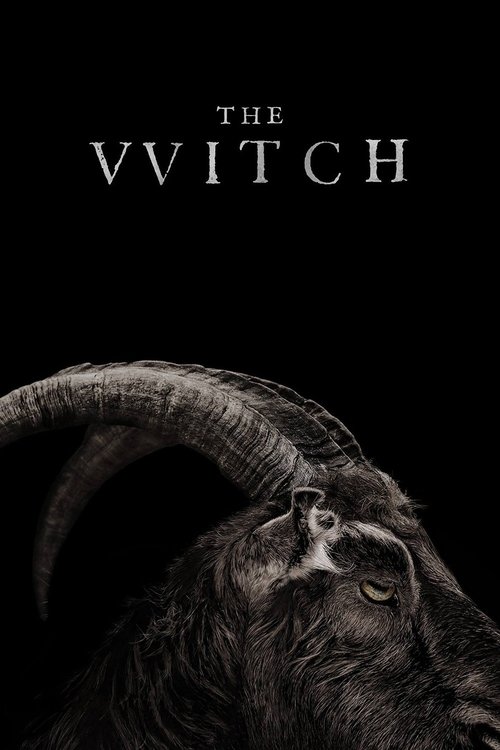
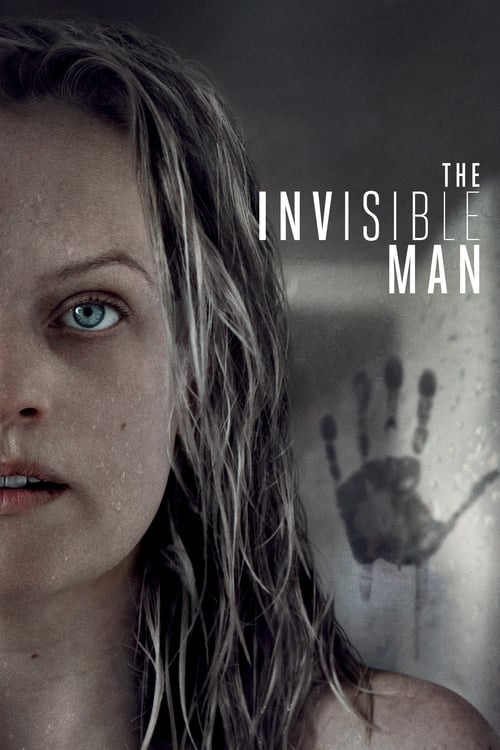
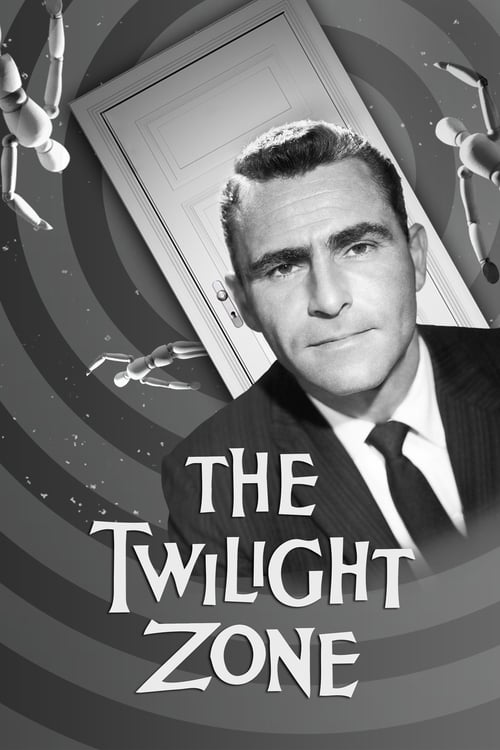
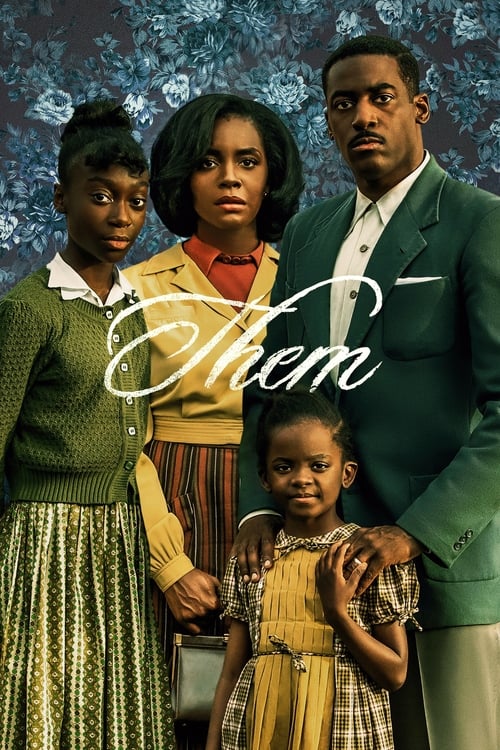
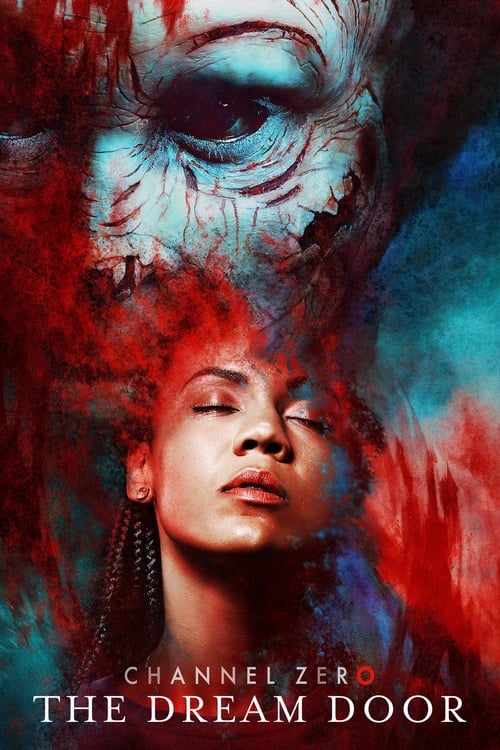
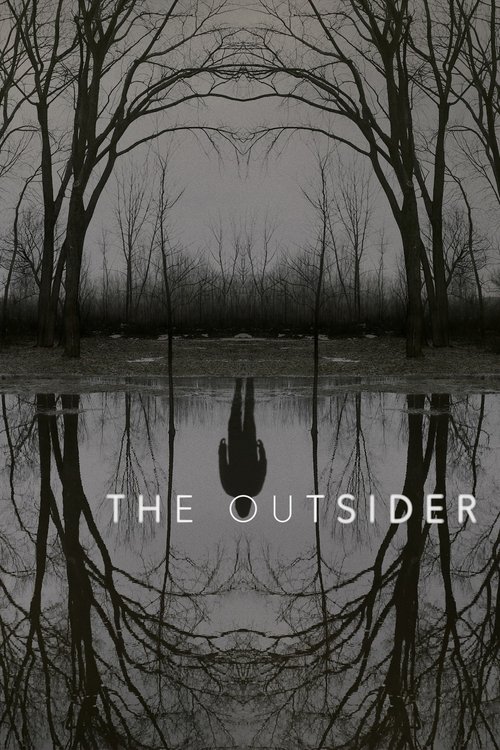
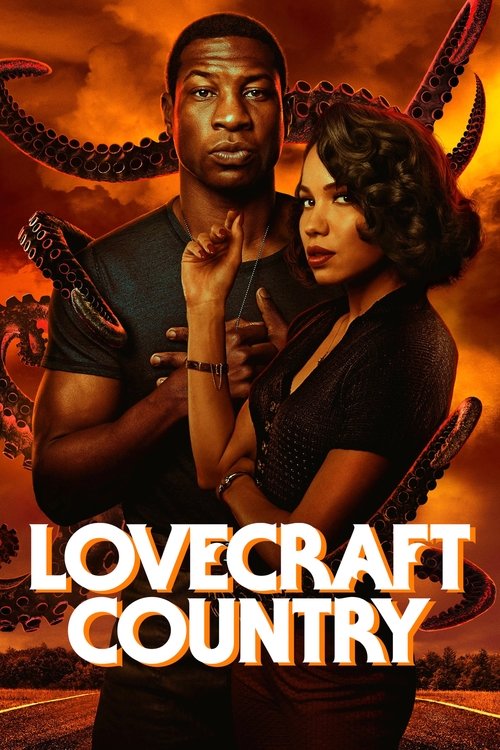
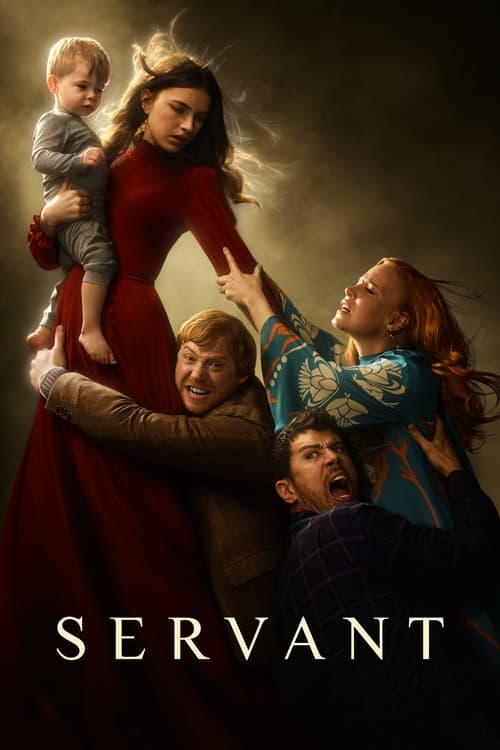
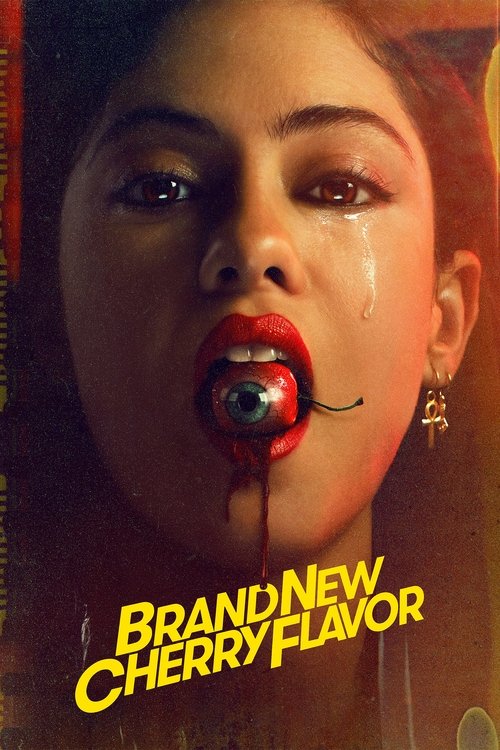
Series That Sit in the Same Unease
TV that holds social horror and psychological dread in the same frame

Novels: Doubles, Shadows, and the Self You Deny
Books that explore identity fracture, doppelgangers, and the horror of reflection




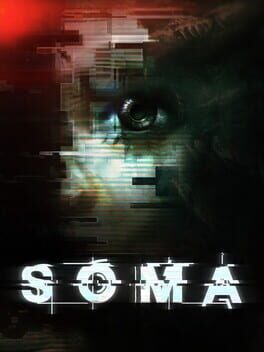
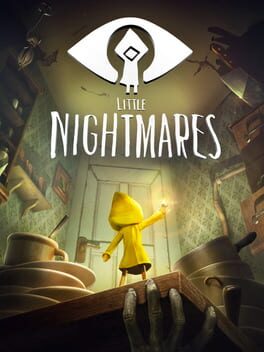
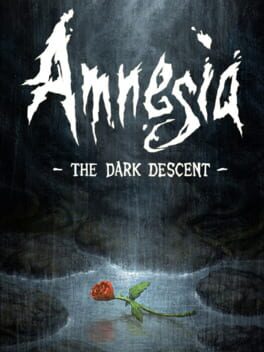
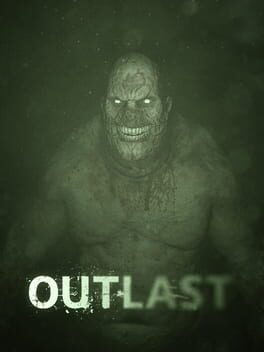
Games That Share the DNA
Games built on paranoia, identity collapse, and horror that uses the familiar as a weapon
The Score and the Needle-Drops
Michael Abels' music for Us, plus the album and tracks that haunt the film
Peele Turned the Home-Invasion Film Into a Political Act
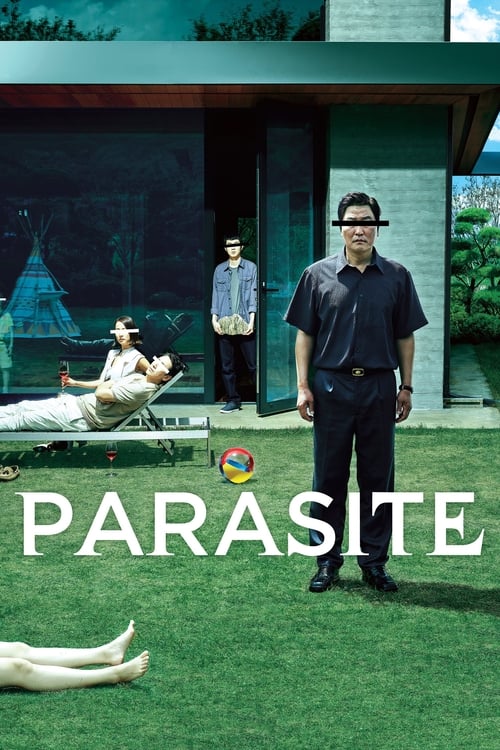
The home-invasion genre has a long history of using the threat at the door to tap middle-class anxiety. Peele pushed that premise somewhere it had rarely gone: the threat is you, and the house you are defending is built on something you would rather not examine. Films like Parasite and Get Out do a version of the same thing, using genre mechanics to make the audience sit with ideas they might otherwise deflect. That combination of formal craft and layered allegory is what keeps Us rewatchable and debated.
Lupita Nyong'o Carries Two Characters at Once
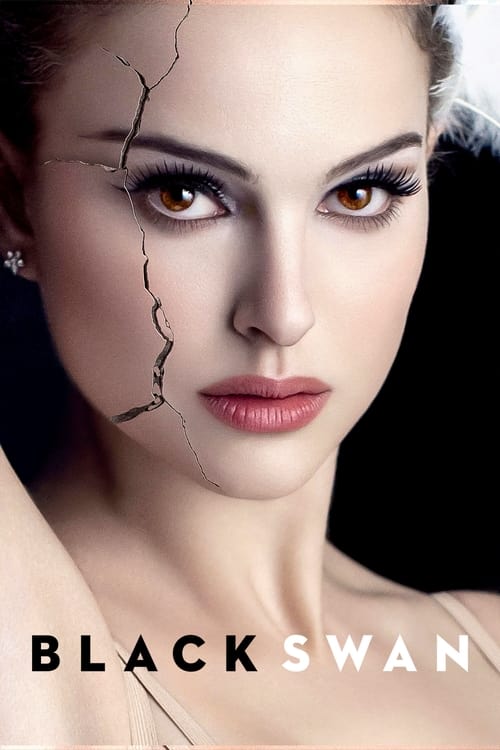
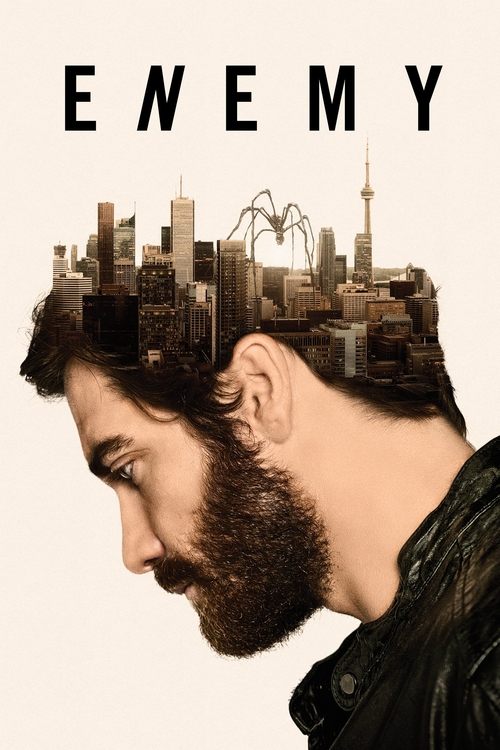
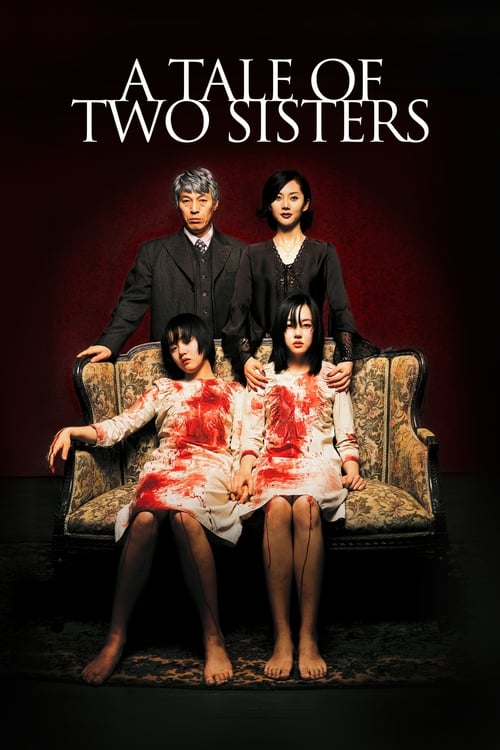
Lupita Nyong'o's performance as Adelaide and Red required her to build two fully realized people who are mirrors of each other in every physical and emotional register. Red's vocal delivery became one of the most discussed performance choices in recent horror. The kind of dual-role work that asks this of an actor is rare, and the films that come closest, Enemy, Black Swan, A Tale of Two Sisters, are worth seeking out for the same reason.
The Tethered as American Allegory
Peele has spoken about the Tethered as a metaphor for the parts of America that were created to sustain a certain kind of life above ground and then abandoned. That reading does not close off the film; it opens it. Beloved, White Noise, and Lovecraft Country (the novel and the series) all work in a similar mode: using fantastic or horror elements to make visible what realist fiction tends to leave in the periphery.
Horror Games That Make You the Uncanny Thing
The best horror games borrowed from film the idea that the most terrifying entity is the one you cannot fully understand, including yourself. Control and Soma both put the player in positions where their own identity and agency become the source of dread. Alan Wake wraps authorial control and shadow-self themes in a thriller structure that shares more with Peele than it might seem.
Key Moments in the Doppelganger Horror Tradition
- 1886Stevenson publishes the ur-text of the double The Strange Case of Dr. Jekyll and Mr. Hyde
- 1960Hitchcock makes the fractured self cinematic Psycho
- 1980Kubrick's haunted hotel and fractured family The Shining
- 2010Aronofsky's dancer loses herself in the mirror Black Swan
- 2013Villeneuve's double thriller quietly breaks its lead Enemy
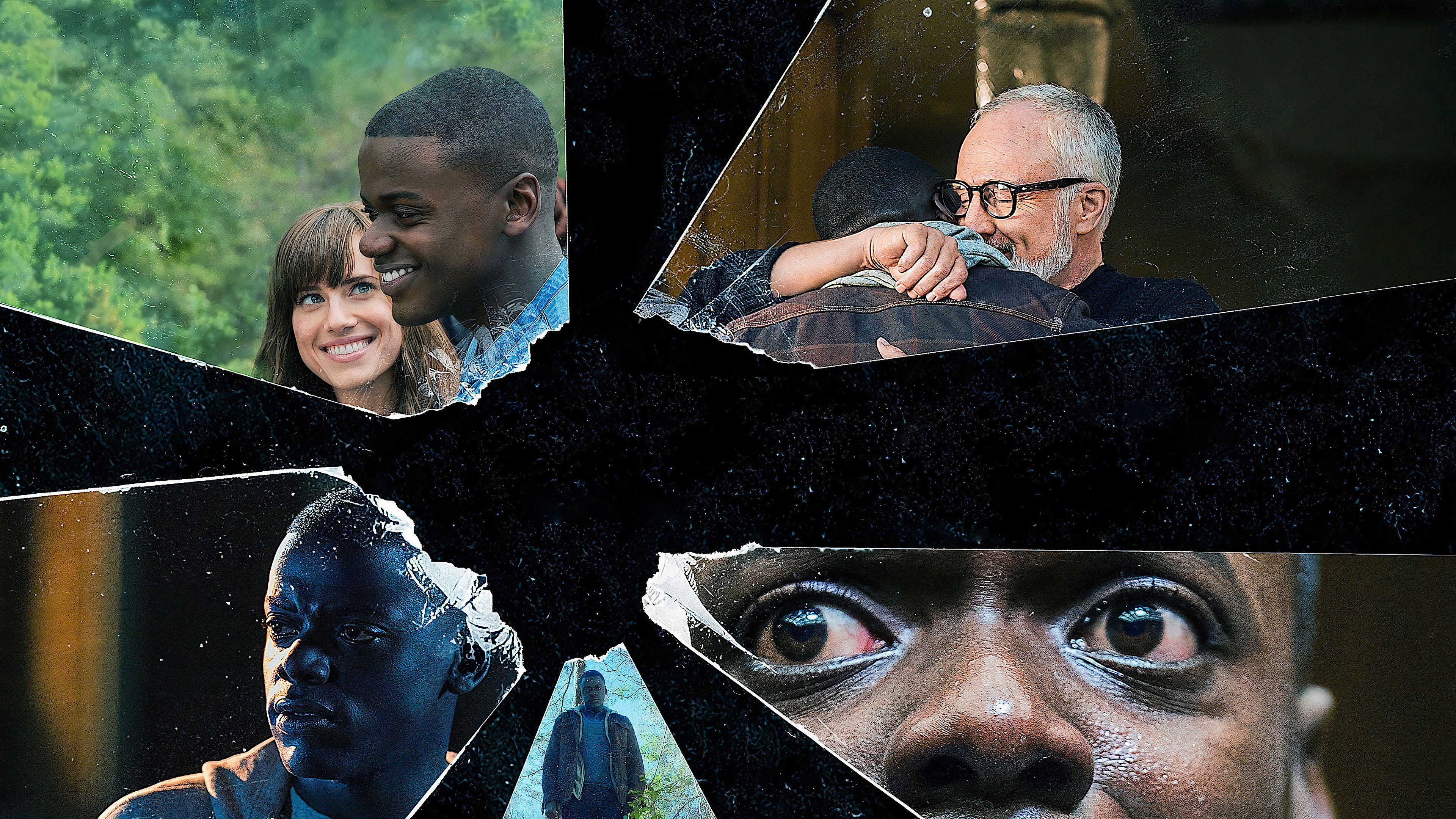
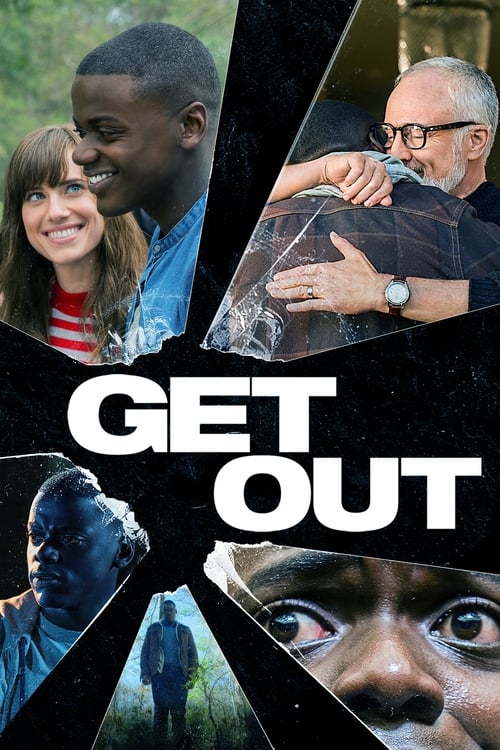
- 2017Peele's debut reframes the sunken place as American horror Get Out
- 2019The Wilsons meet themselves in the driveway Us
- 2019Bong Joon-ho's class allegory wins the Palme d'Or Parasite
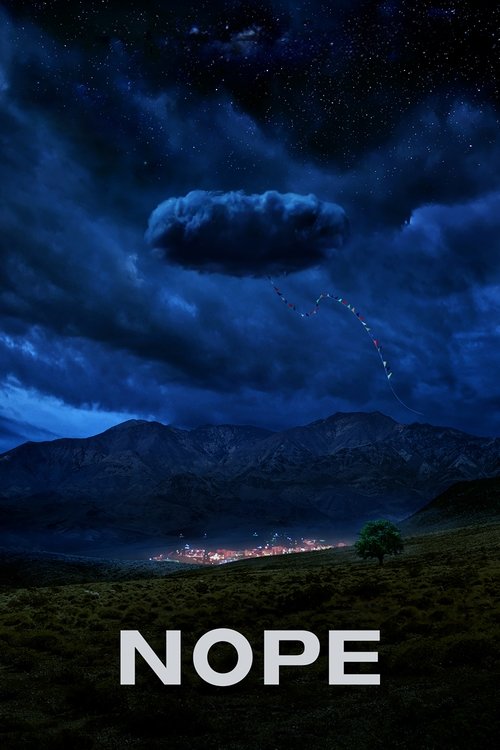
- 2022Peele returns with a sky full of something wrong Nope
More mind bending horror
For Fans of Jordan Peele
Explore the For Fans of Jordan Peele guide →The scariest monster is the one with your face.Jordan Peele, on the core idea behind Us