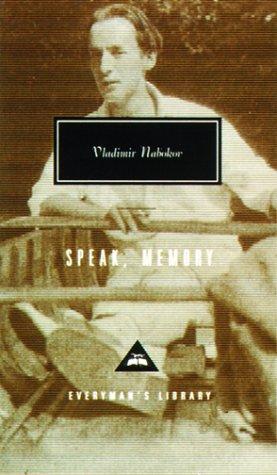

Vladimir Nabokov built a body of work held together by one obsession: the way consciousness traps itself. Whether he was writing in Russian (Invitation to a Beheading, The Gift) or English (Lolita, Pale Fire, Ada), the pleasure was never just the story but the narrator performing the story, often lying, always dazzling. His chess-problem plots reward re-reading; his sentences reward slow reading. Fans come for Humbert Humbert's horrible seductiveness and stay for John Shade's heartbreaking poem and Kinbote's magnificent madness. What unites the readers who love him is a taste for fiction that respects their intelligence to the point of demanding it.
Essential Nabokov
The novels and stories that define his range, from scandalous debut to late experimental peak


Screen Adaptations of Nabokov
Films that wrestled with his prose, from Kubrick's dark comedy to quieter literary takes

Other Masters of the Unreliable Narrator
Authors who share Nabokov's appetite for consciousness that deceives itself and the reader


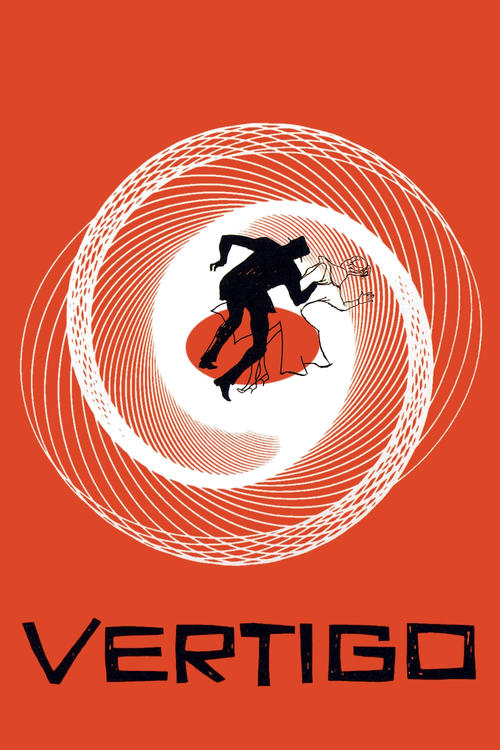
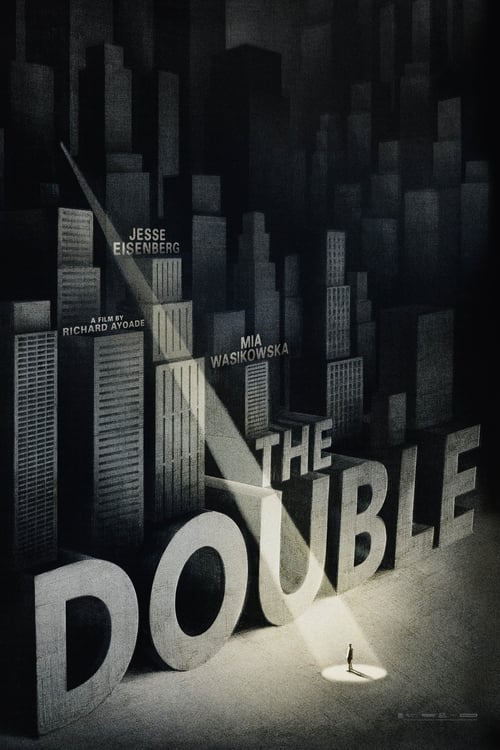
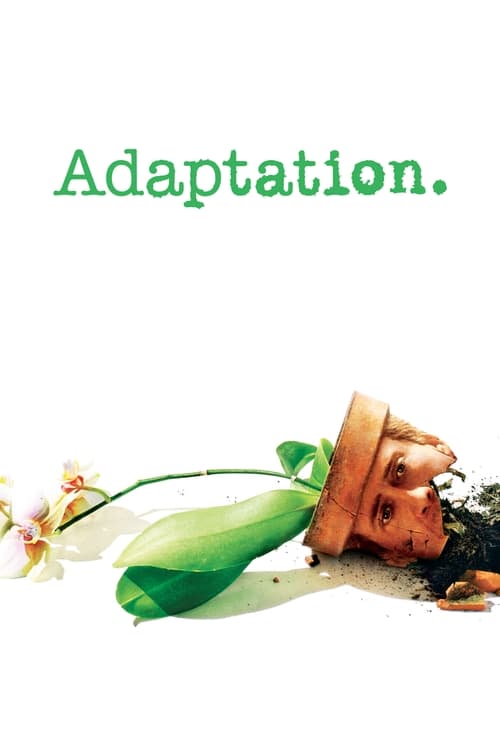
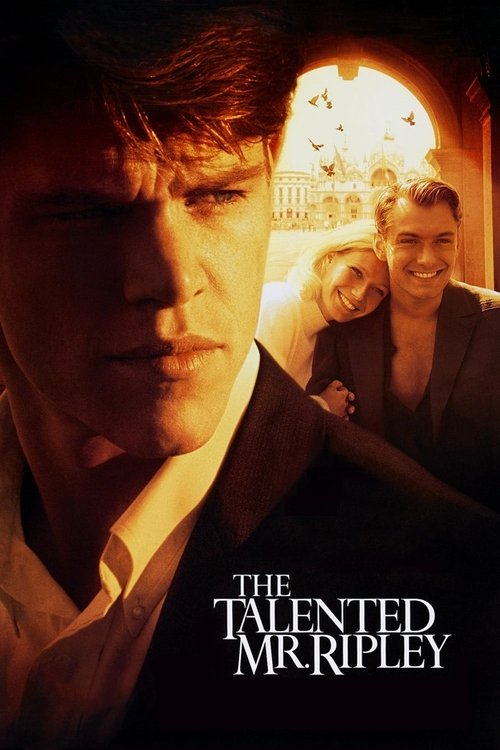
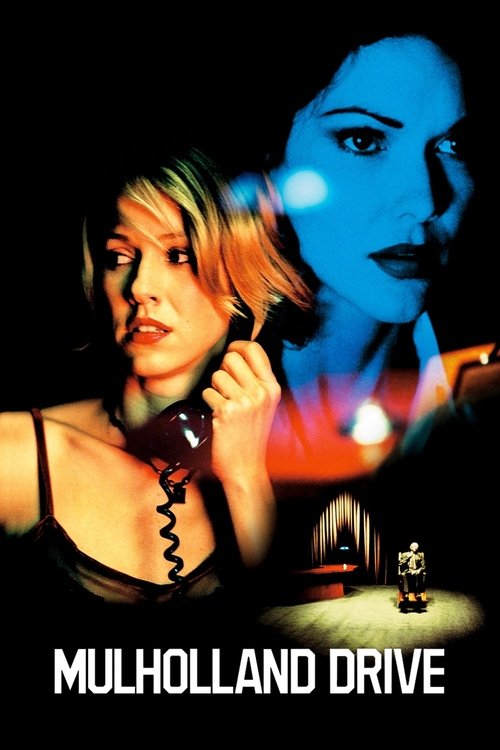
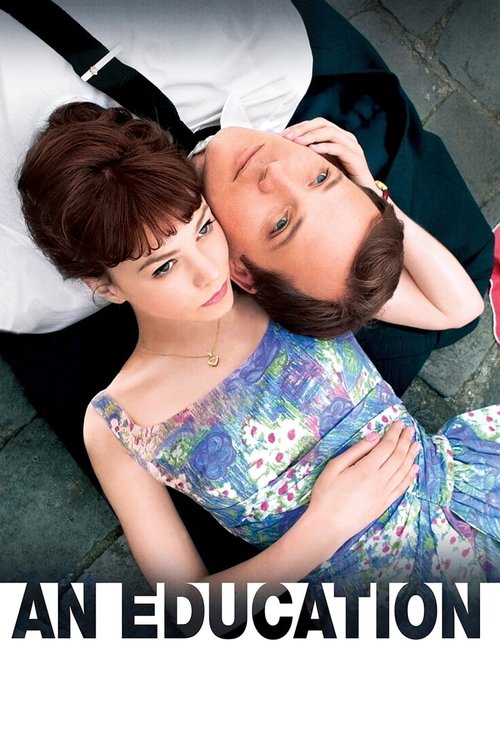
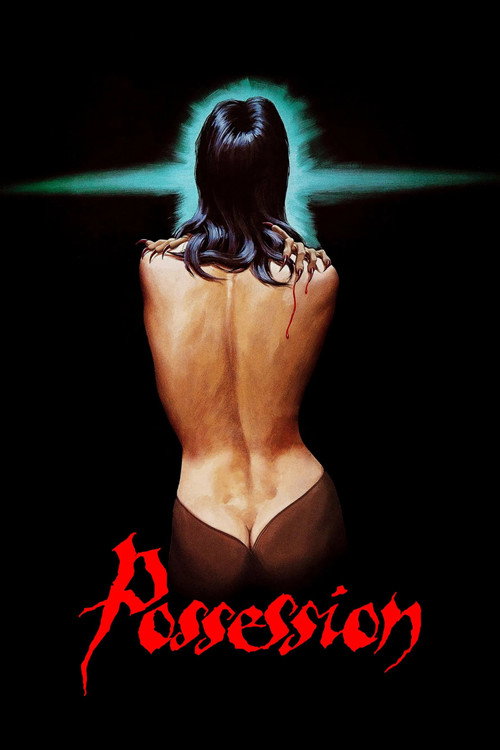
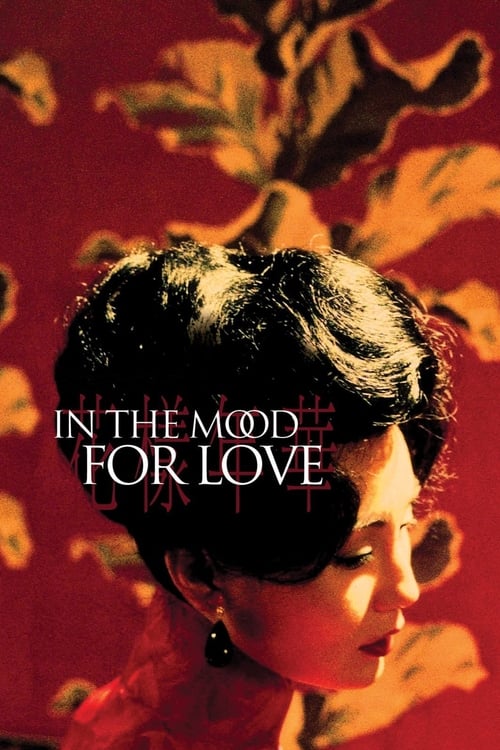
Films and Series That Share His Obsessive, Aestheticized Vision
Cinema that prizes style as meaning, unreliable point of view, and beauty used as a moral weapon

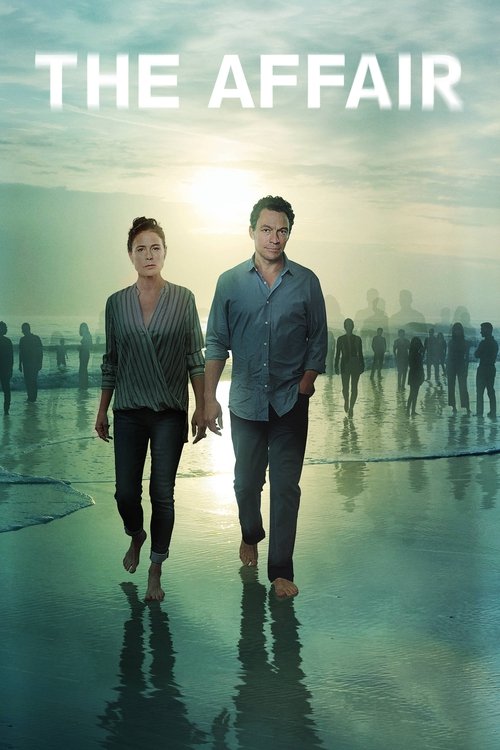
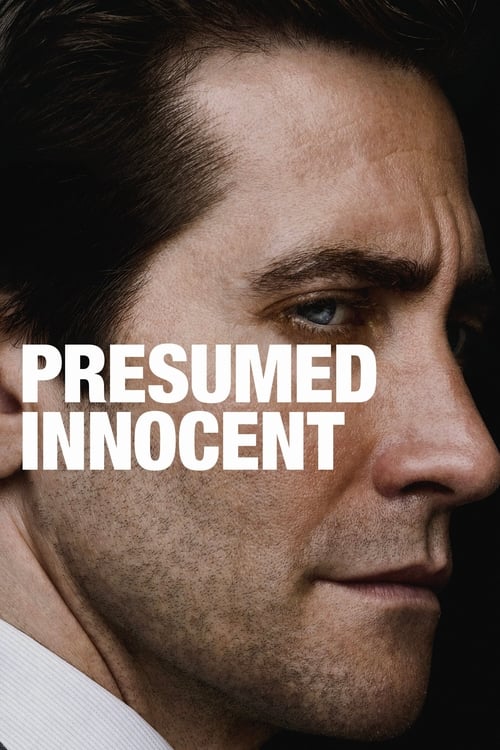
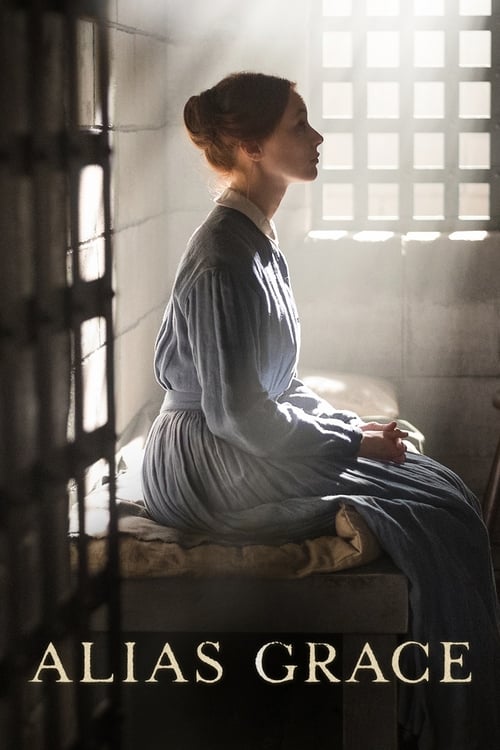
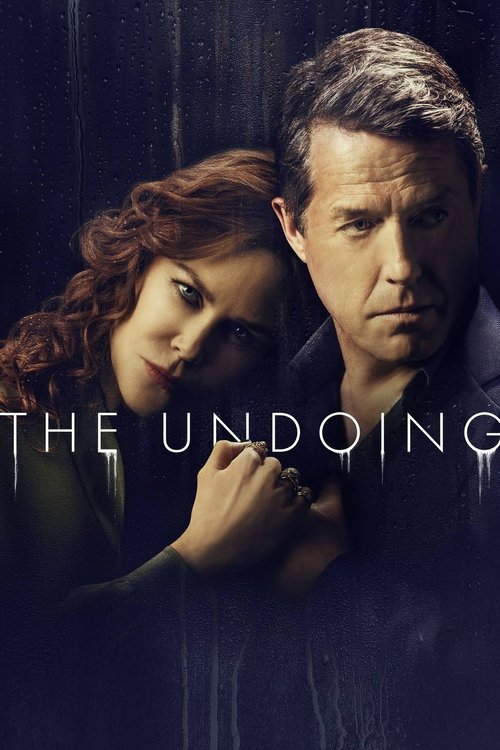
Television Built on Artifice and Hidden Truth
Series that use layered narration, unreliable memory, or elaborate metafictional structure

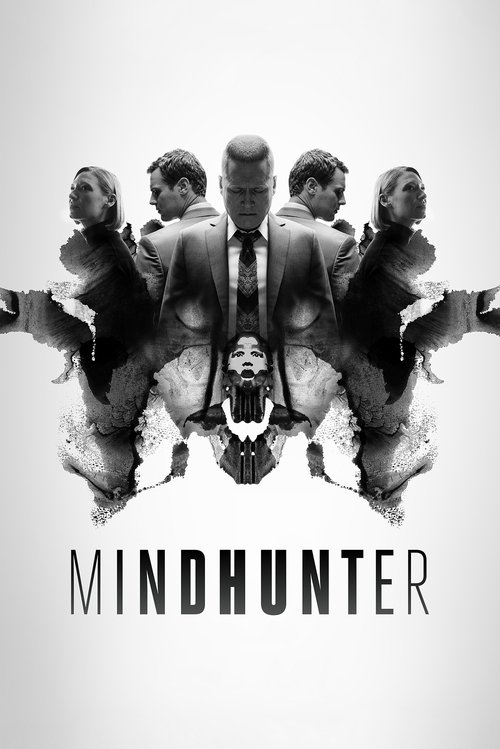
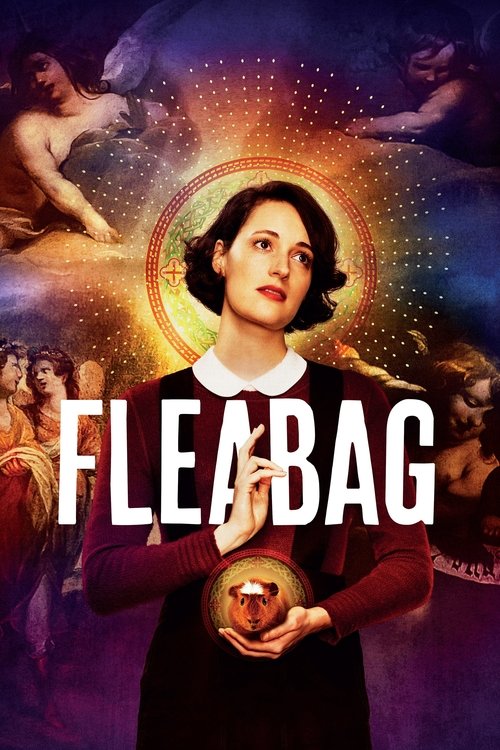
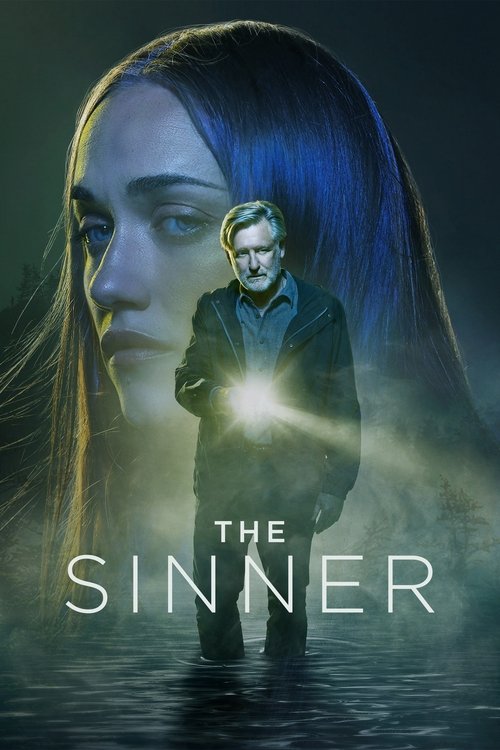
Games With Nabokovian Depth: Puzzles, Labyrinths, and Deceptive Narrators
Games that reward re-reading their own logic, hide the real story inside an unreliable surface

Kubrick Understood That Lolita Is a Comedy
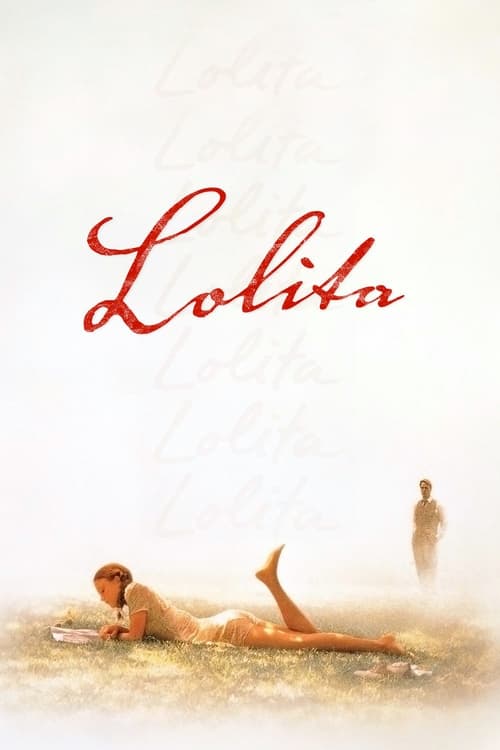
Stanley Kubrick's 1962 adaptation cannot reproduce the novel's prose, which is the whole point of the novel. What it does instead is follow Nabokov's own instinct that Humbert is a buffoon as much as a monster. Peter Sellers' Quilty steals every scene and unmasks the film as dark farce. Adrian Lyne's 1997 version is more faithful to the plot and more uncomfortable to sit through. Both are worth watching back to back: together they map the impossible range of tones the source contains.
Kazuo Ishiguro Inherited the Unreliable First Person
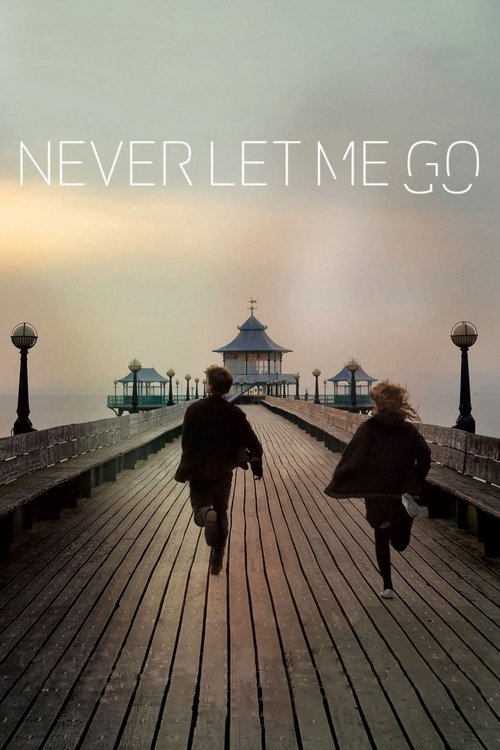
The Remains of the Day is the novel most clearly in dialogue with Nabokov's project: a narrator of exquisite verbal precision who is entirely blind to his own emotional catastrophe. Stevens does not lie the way Humbert lies; he simply cannot see himself. Ishiguro extends the method into Never Let Me Go, which uses the same suppressed dread Nabokov used to make Invitation to a Beheading so disorienting. The Never Let Me Go film is quieter than the book but captures the tone.

Nabokov: A Life in Languages and Forms
- 1899Born in St. Petersburg into an aristocratic Russian family.
- 1922Father assassinated in Berlin; Nabokov continues writing in Russian as an emigre.
- 1930The Defense published in Russian, introducing his chess-master protagonist Luzhin.
- 1938Invitation to a Beheading completed, his most Kafka-adjacent Russian novel.
- 1941Moves to the United States; begins teaching at Wellesley and Cornell; begins writing in English.
- 1947Bend Sinister, his first major English-language novel, published.
- 1955Lolita published in Paris by Olympia Press after rejection by American publishers. Being Lolita
- 1962Pale Fire published; Kubrick's Lolita released.
- 1969Ada, or Ardor: his most ambitious and most difficult novel.
- 1977Dies in Montreux, Switzerland, leaving The Original of Laura unfinished.
Unreliable narrators and literary games
For Fans of Haruki Murakami
Explore the For Fans of Haruki Murakami guide →Literature was born not the day when a boy crying wolf, wolf came running out of the Neanderthal valley with a big gray wolf at his heels: literature was born on the day when a boy came crying wolf, wolf and there was no wolf behind him.Vladimir Nabokov, Lectures on Literature