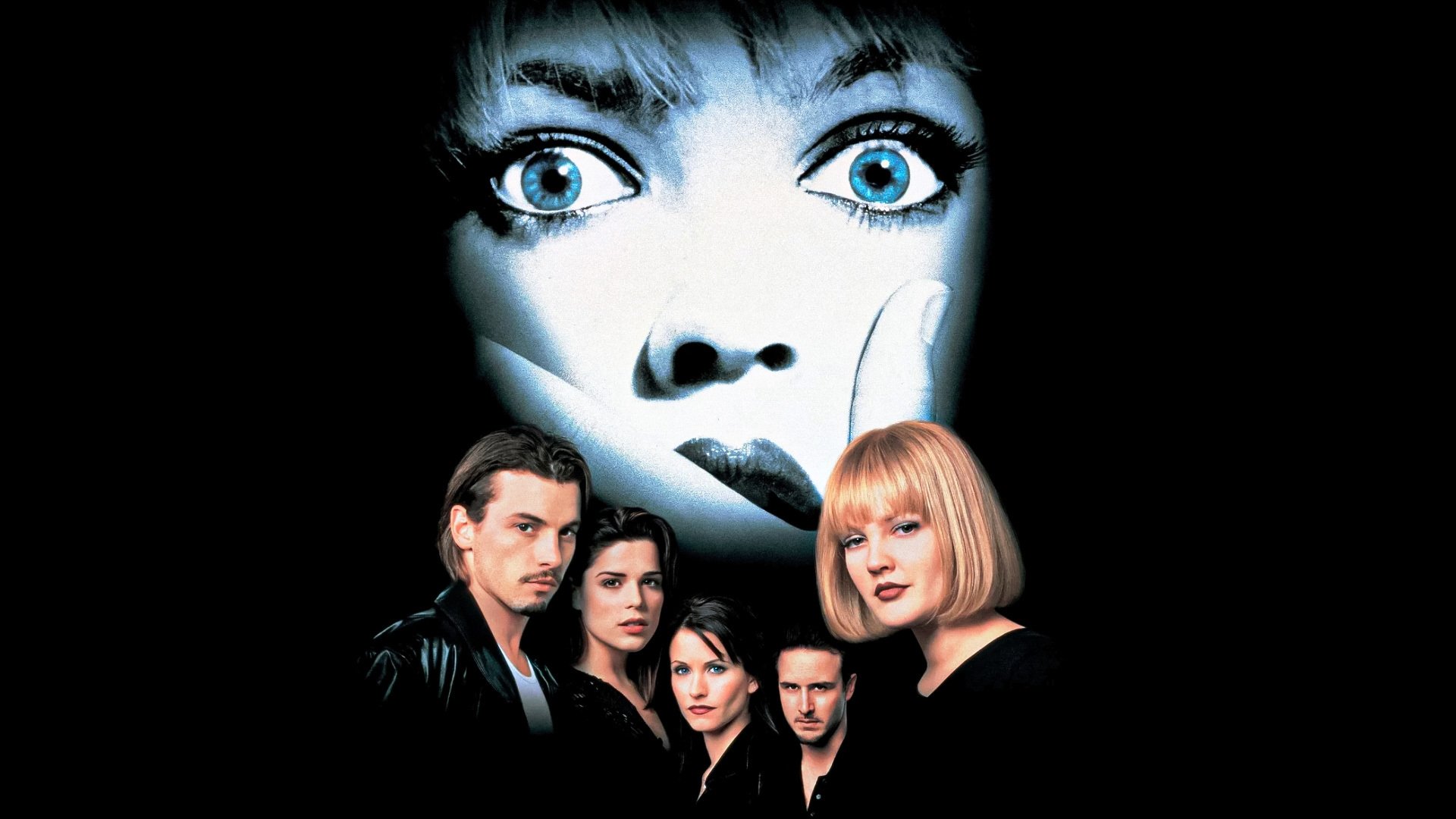

The Man Who Made Suburbia Terrifying
Wes Craven spent fifty years proving that the safest-looking places harbor the worst things. His films are not about monsters crawling out of swamps. They are about the violence underneath ordinary American life: the manicured lawn, the split-level house, the friendly neighborhood where no one asks too many questions. From the confrontational rawness of The Last House on the Left to the gleefully self-aware intelligence of Scream, he never stopped believing that horror was the most honest genre, the one that told the truth about fear and repression and the things polite society pretended were not there.
Craven directed with a painter's eye for dread. A boiler room's red light. A striped sweater glimpsed at the edge of a dream. A phone ringing in an empty hallway. He understood that the imagination amplifies terror that imagery alone cannot produce, so he gave you the doorway and let your mind fill in what stood behind it. His great achievement was not a single film but a sensibility: horror that was smart about itself, that respected the audience enough to play games with them, that could make you laugh and make you genuinely scared in the same breath.
Essential Wes Craven
The core of the canon, from early brutalism to late-career wit
The Dream Logic Runs Deep
Horror and psychological terror that blurs the line between waking and nightmare



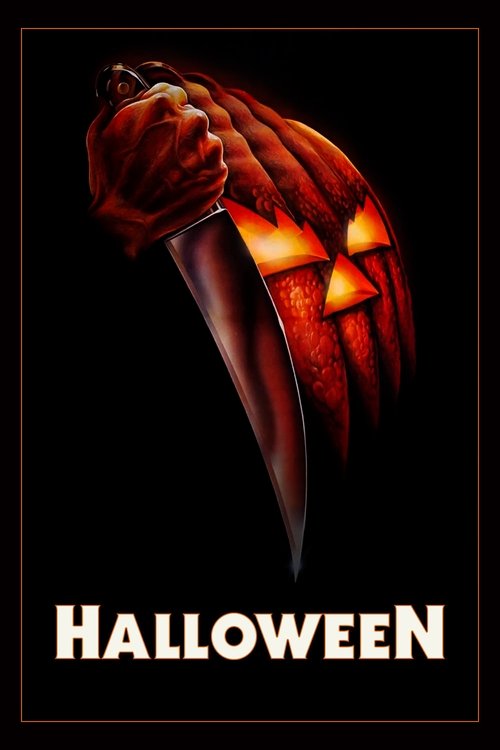
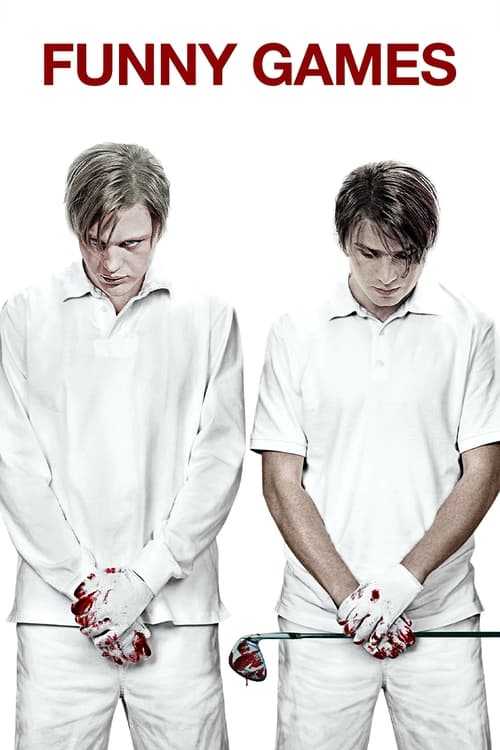
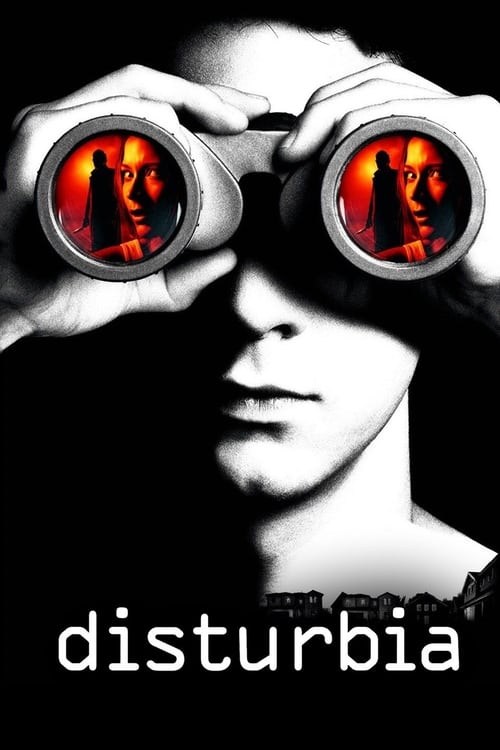
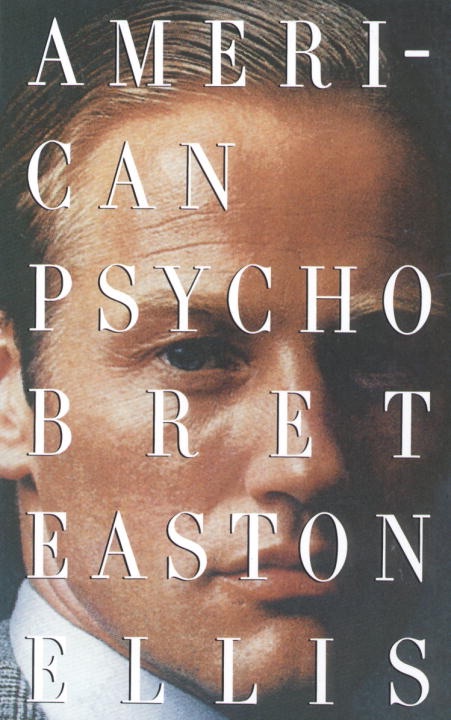
Suburbia as a Crime Scene
The horror of ordinary places and the violence beneath respectable surfaces



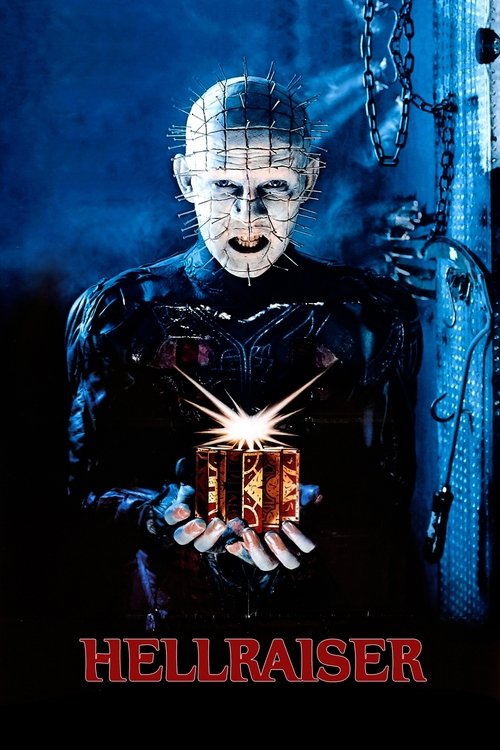
Meta-Horror: When the Genre Knows It Is a Genre
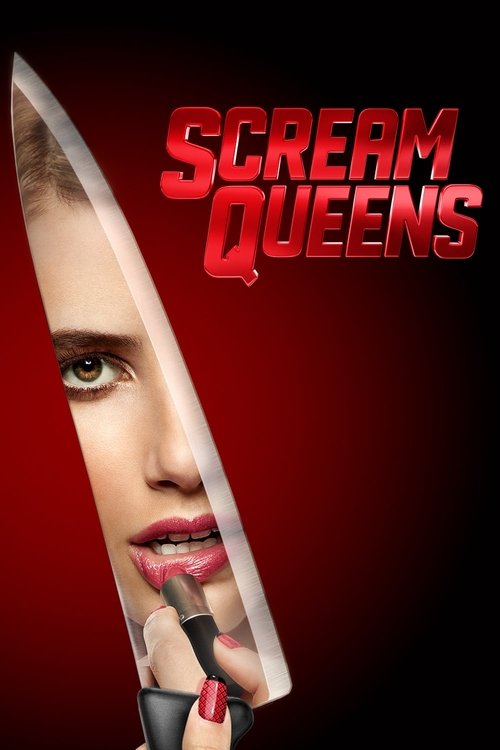
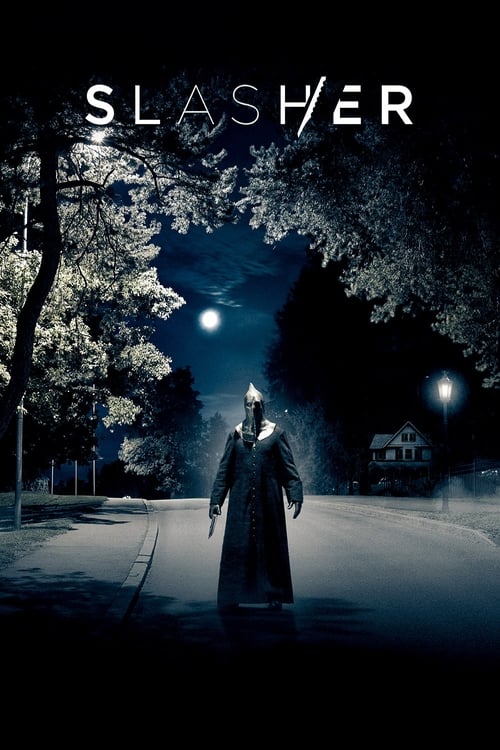
Films and games that pull back the curtain on their own conventions




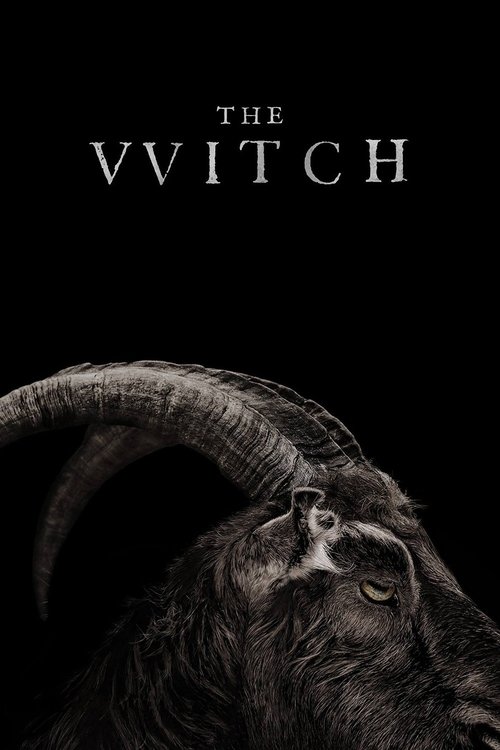
The Folklore of Fear
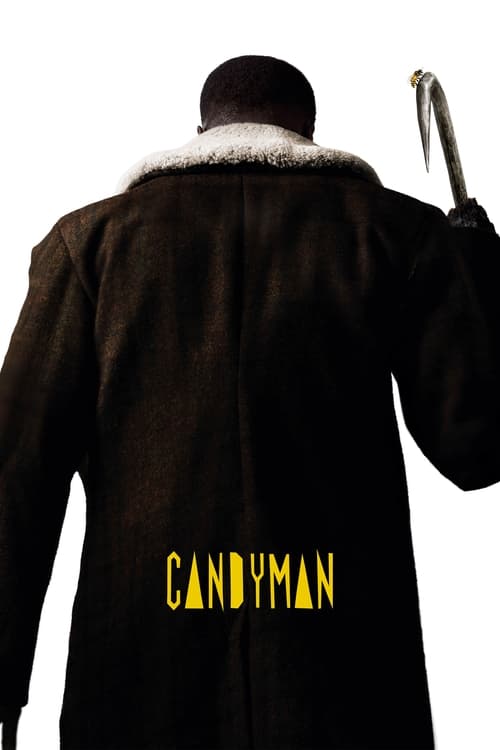
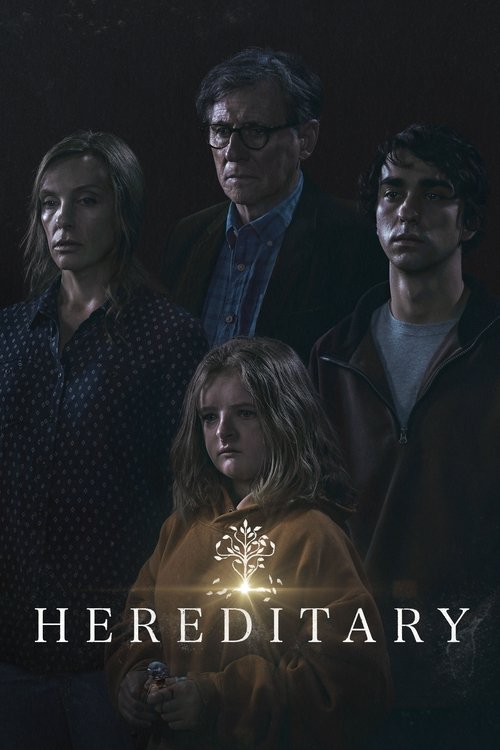
Stories rooted in folk horror, urban legend, and cultural dread




The Sound of Dread
Scores that are themselves instruments of fear
Start with Scream, not Elm Street
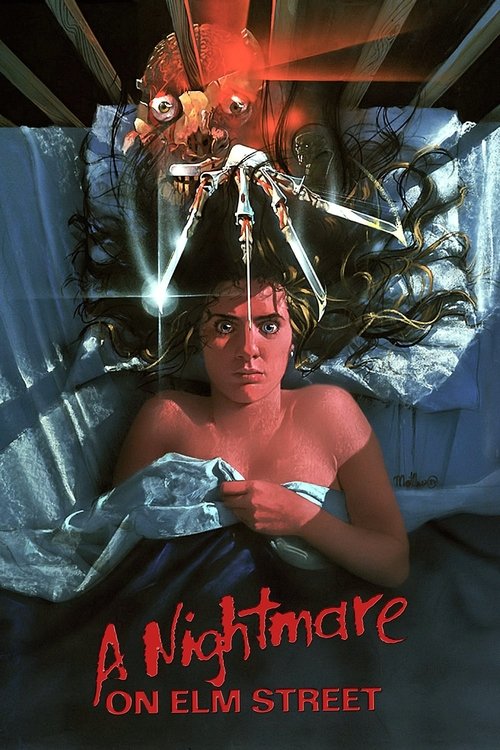
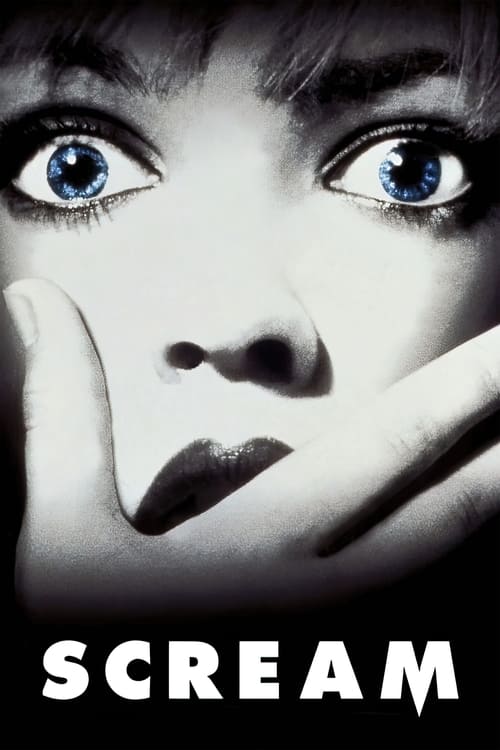
Every instinct says the entry point is Freddy Krueger, and Freddy is genuinely great. But Scream is the film that crystallizes everything Craven was about. It is scary, funny, and intellectually honest about what it is doing. It assumes you are smart. Newcomers who start there get Craven at full power and with a sense of play that makes the deeper catalog feel earned rather than obligatory. Elm Street is where you go after you understand why Scream works.
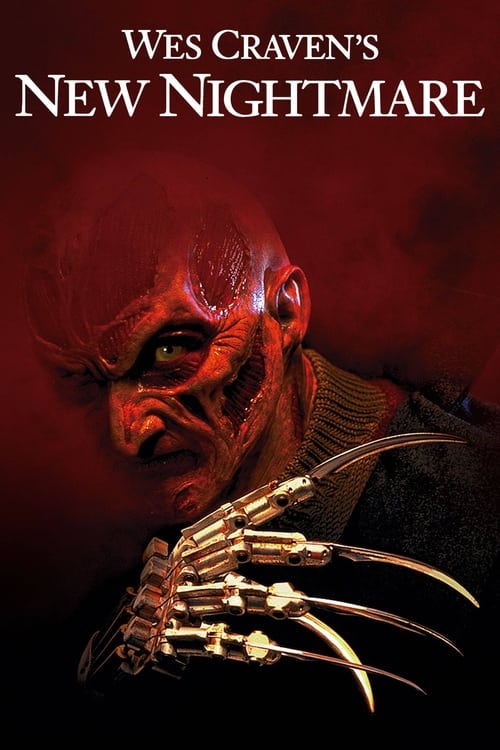
New Nightmare is the boldest film he ever made
Wes Craven's New Nightmare arrived two years before Scream and did the same meta-trick more strangely and with more genuine menace. It cast Craven as himself, Heather Langenkamp as herself, and argued that Freddy was an ancient evil that needed fiction to contain it. No one knew what to do with it in 1994. It still does not fit neatly into anything. That is precisely the point: the film is stranger than the franchise it belongs to, and stranger than the genre it helped define.
The spiritual successor is It Follows
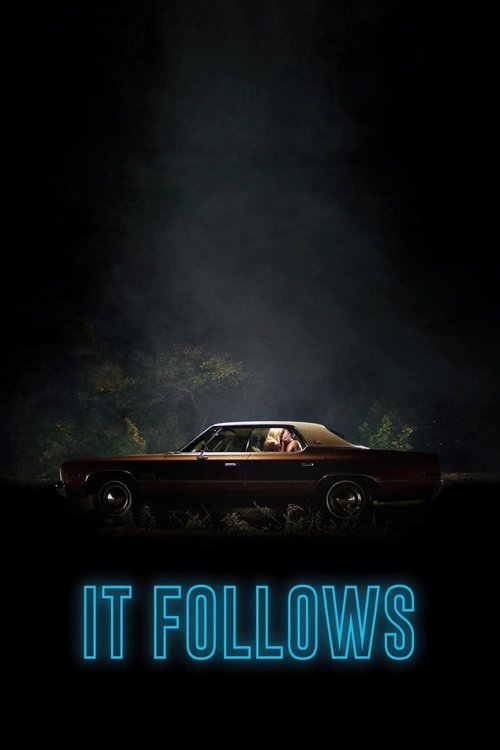
David Robert Mitchell's It Follows does exactly what Craven did: takes a concept that sounds absurd in a pitch meeting (a curse transmitted like an STD, the threat is someone always walking toward you) and makes it oppressive through mood rather than gore. It trusts atmosphere over explanation. It is set in the same ambiguous American nowhere that Elm Street colonized. The debt is obvious and the film is strong enough that calling it derivative feels wrong.
House of Leaves is the novel Craven never adapted but should have
Mark Z. Danielewski's novel is a horror story about a house whose interior is physically larger than its exterior, buried inside an academic apparatus of footnotes and competing narrators. It is about form and fear and the way documenting something can make it more terrifying rather than less. Craven would have recognized every move. The book rewards exactly the kind of reader who goes back to watch Elm Street again to catch what they missed the first time.
A Career in Nightmares
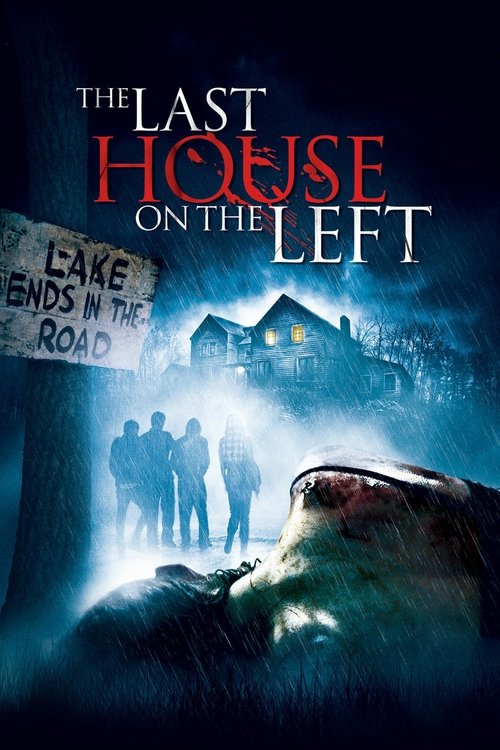
- 1972The Last House on the Left The Last House on the Left
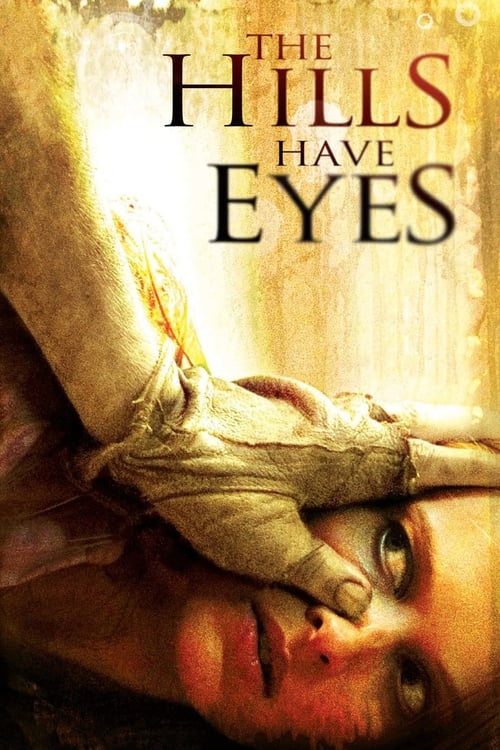
- 1977The Hills Have Eyes The Hills Have Eyes
- 1984A Nightmare on Elm Street A Nightmare on Elm Street
- 1994New Nightmare redefines meta-horror Wes Craven's New Nightmare
- 1996Scream reinvents slasher cinema Scream
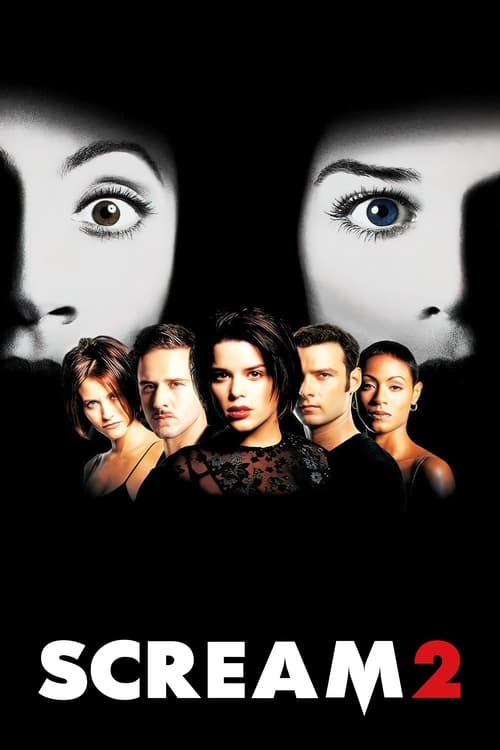
- 1997Scream 2 Scream 2
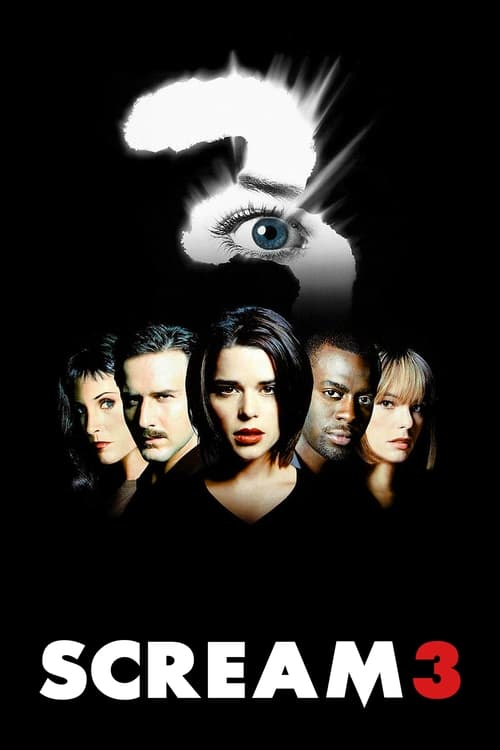
- 2000Scream 3 Scream 3
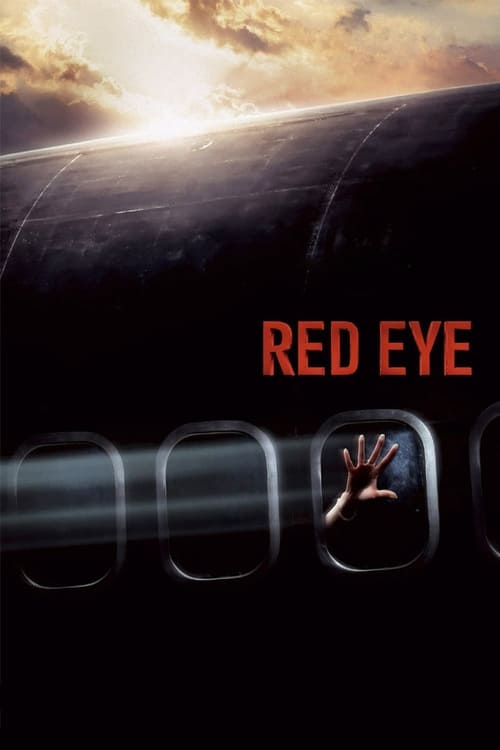
- 2005Red Eye shows his thriller range Red Eye
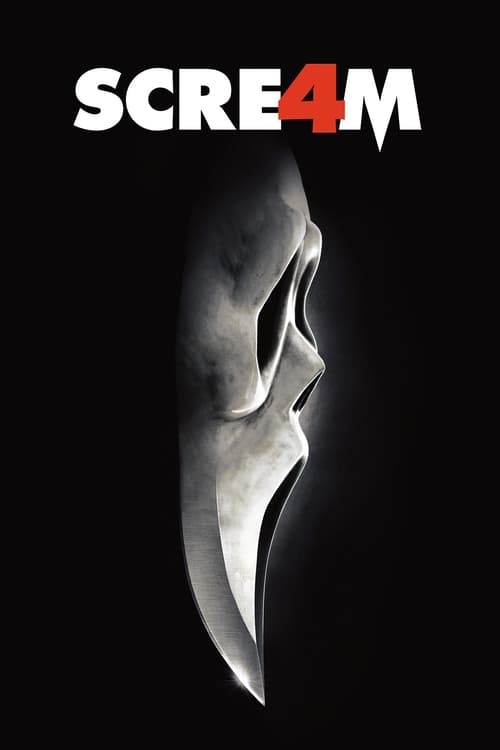
- 2011Scream 4 Scream 4
- 2015Craven passes, August 30
More nightmares and slashers
For Fans of A Nightmare on Elm Street
Explore the For Fans of A Nightmare on Elm Street guide →Horror films don't create fear. They release it.Wes Craven