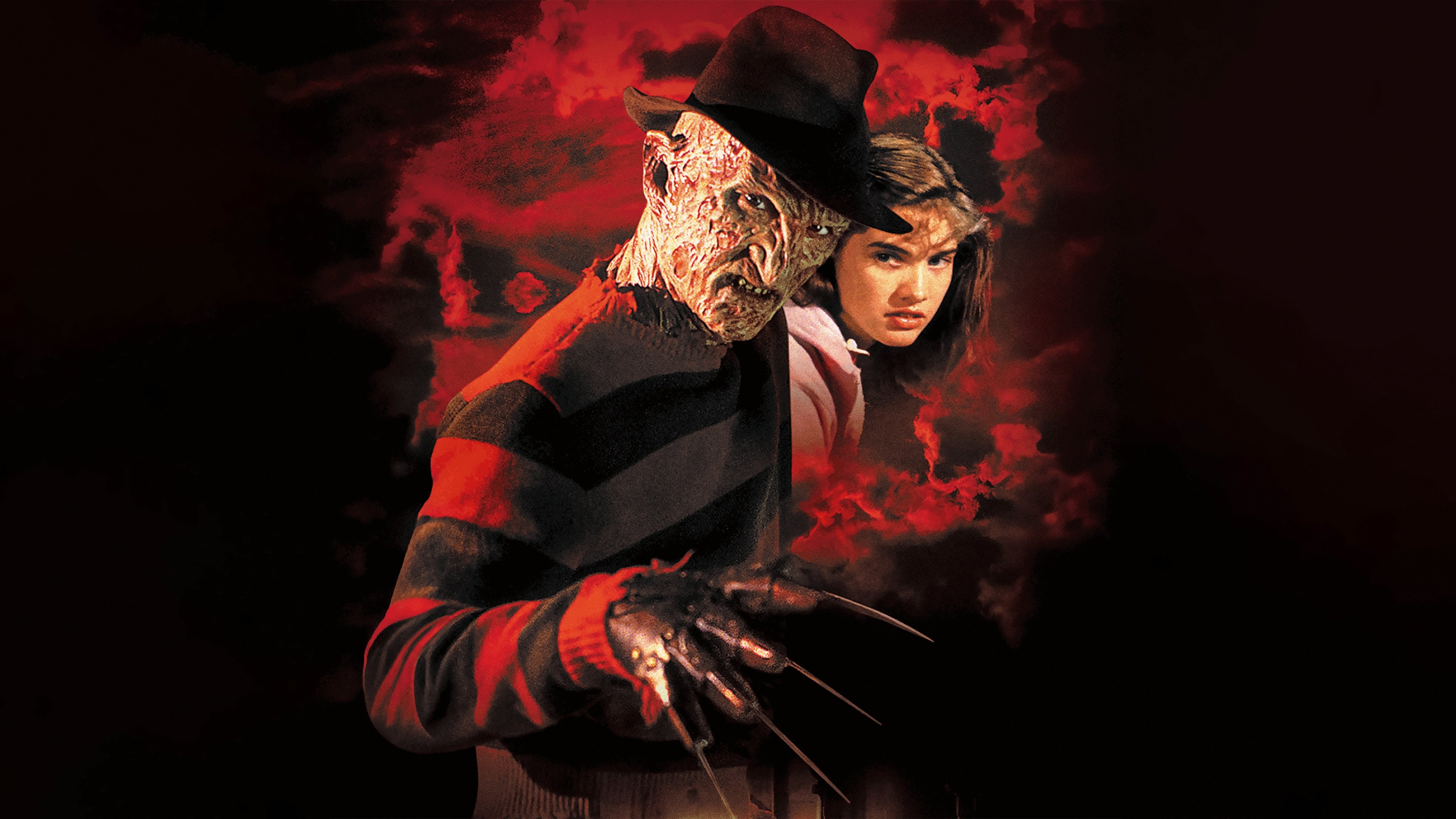

Wes Craven's 1984 original did something most horror films never manage: it made the one place you cannot escape, sleep itself, into a killing ground. Freddy Krueger is not a masked stranger you can outrun. He waits where your guard is completely down, in the logic-defying space between waking and dreaming. What fans chase in A Nightmare on Elm Street is that specific dread, the way the film blurs reality and hallucination until you cannot trust what is real, wrapped in a suburban setting that is deceptively ordinary by day and monstrous by night. The kills are surreal, almost operatic. The mythology grows stranger with each entry. And at the center is one of horror cinema's most theatrical and quotable antagonists.
Essential A Nightmare on Elm Street
The franchise from its nightmarish debut to its sharpest sequels
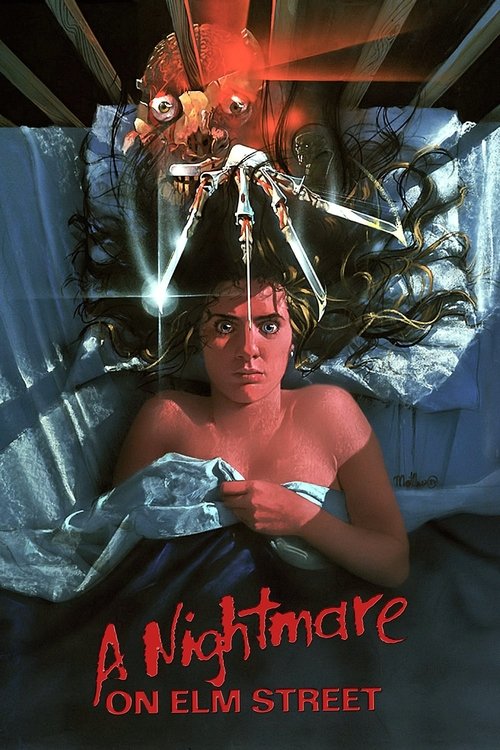
Same-Vibe Horror Films
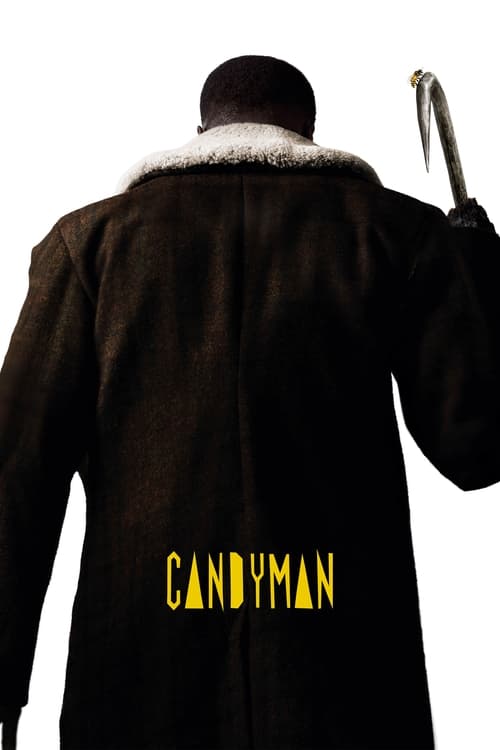
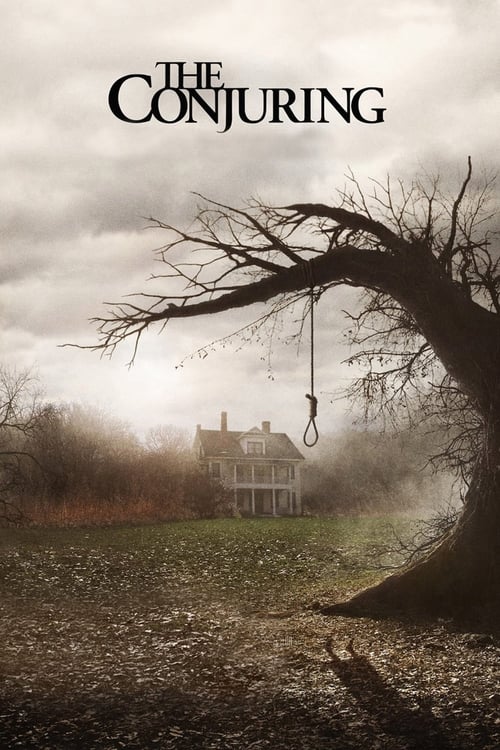
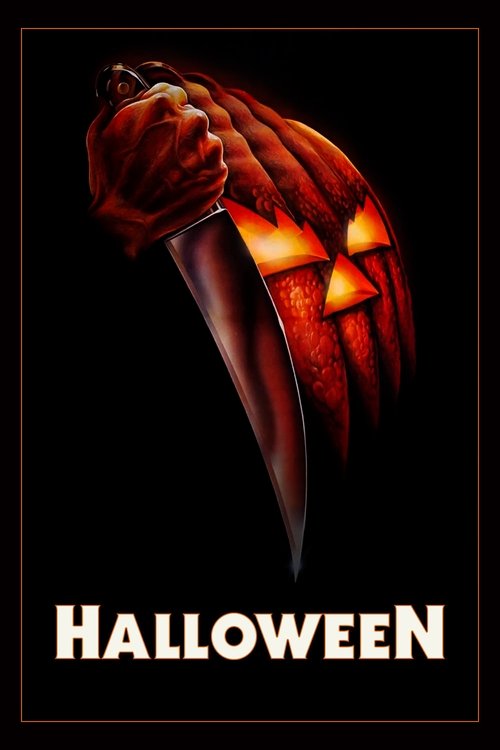
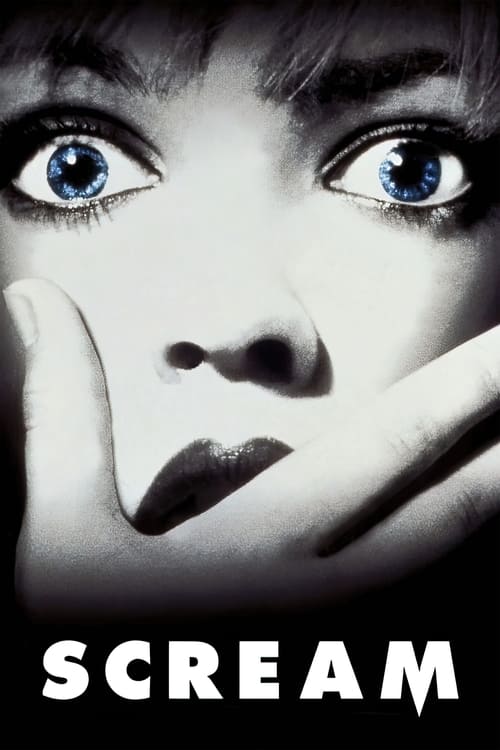
Films that weaponize the subconscious, suburban dread, and the uncanny


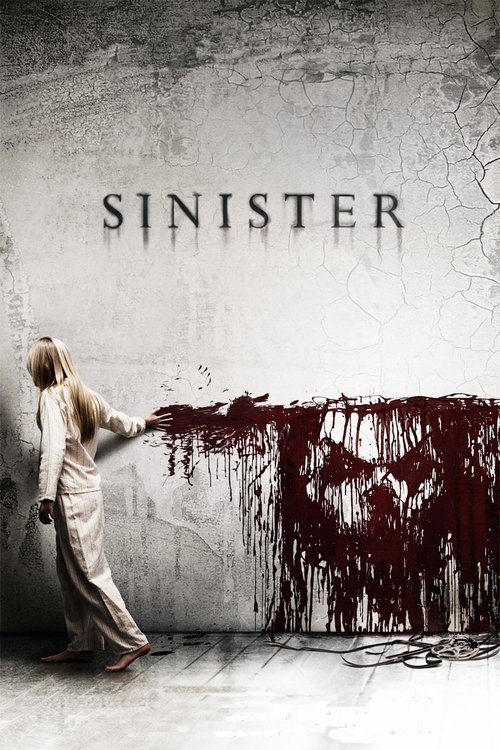
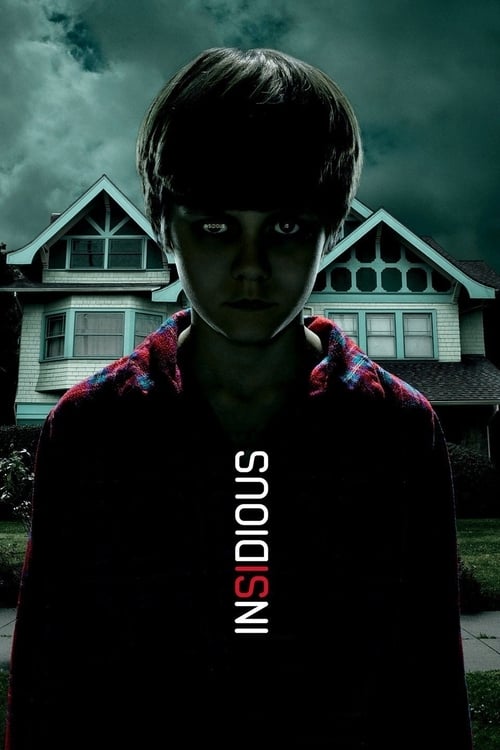
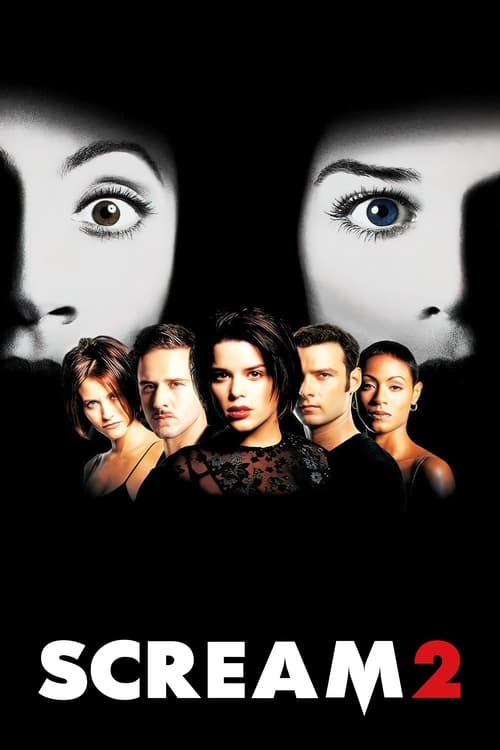
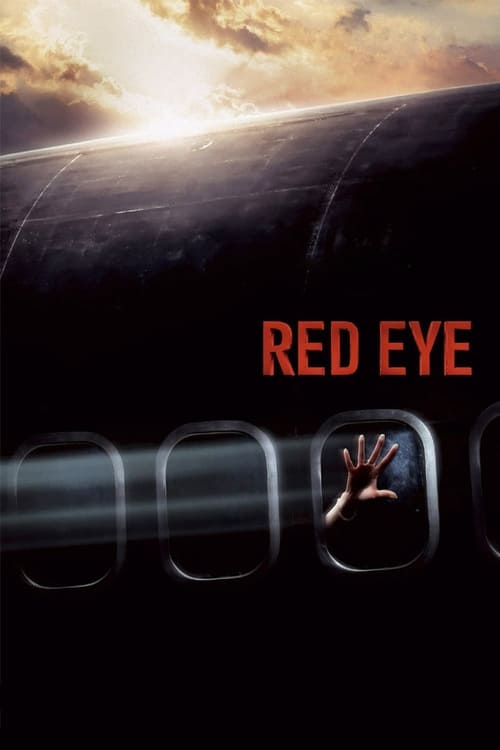
If You Love the Dream Logic: Wes Craven's Other Films
The director's broader filmography, from raw slashers to meta-horror
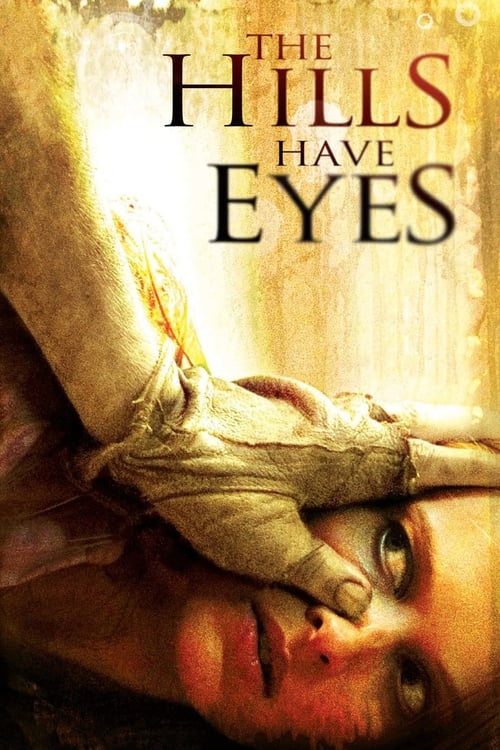

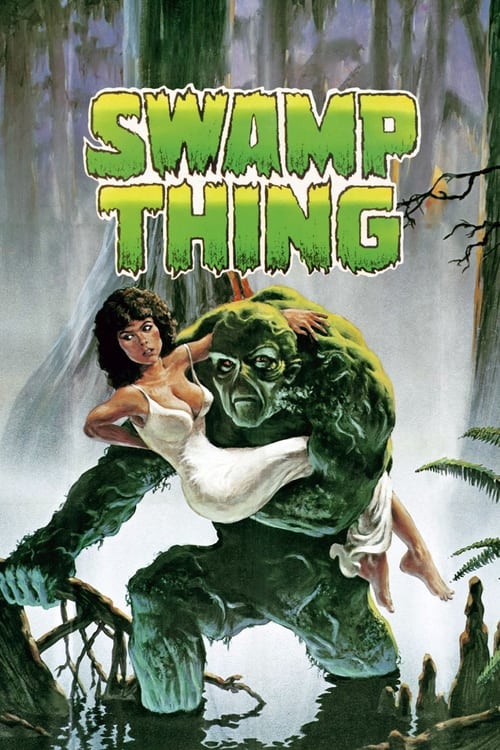
Series That Live in the Same Dread
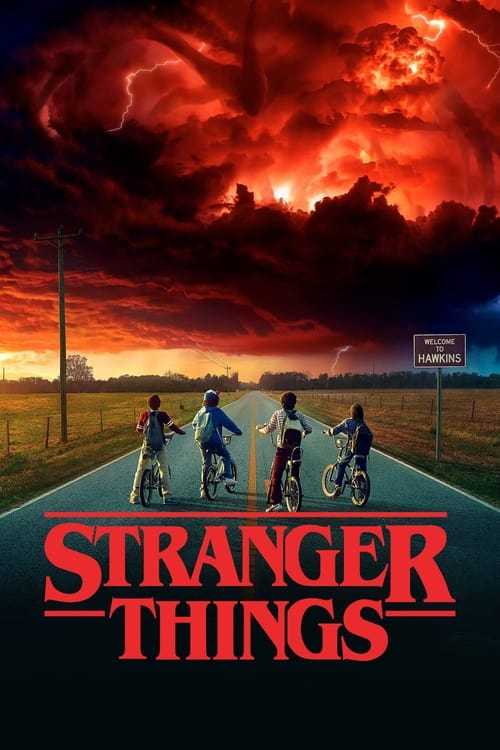
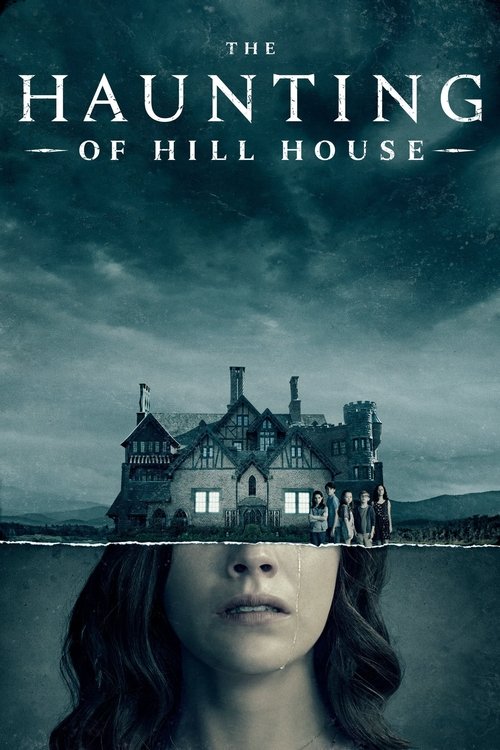
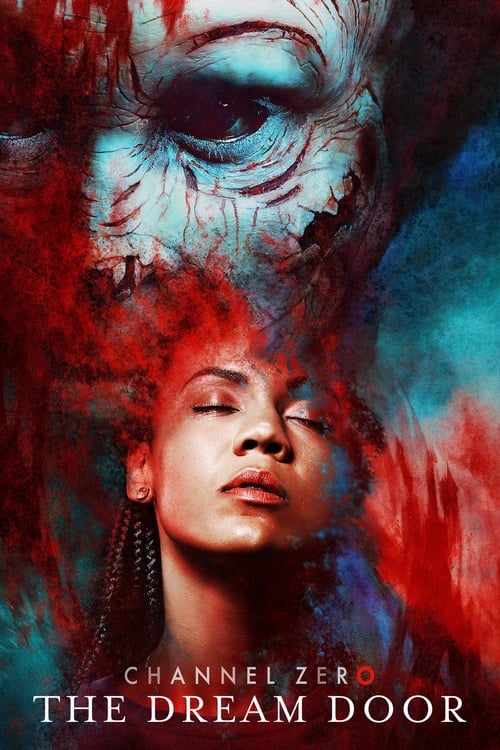
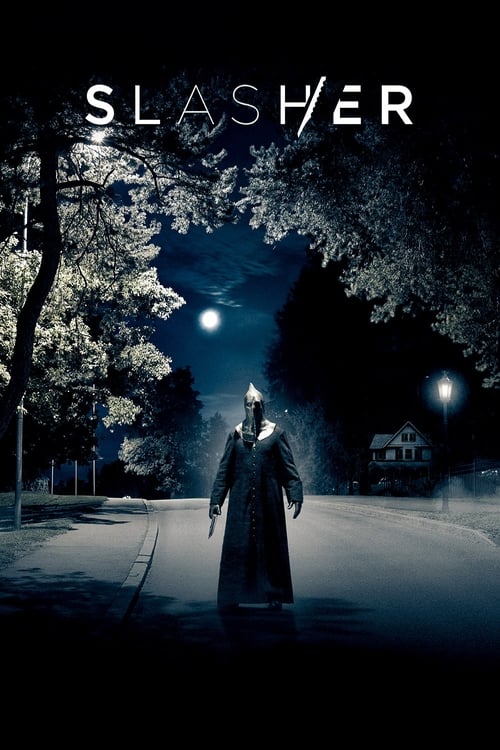
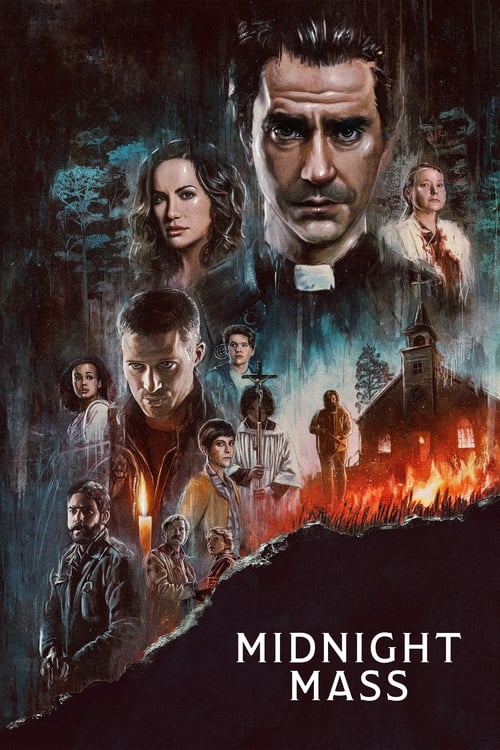
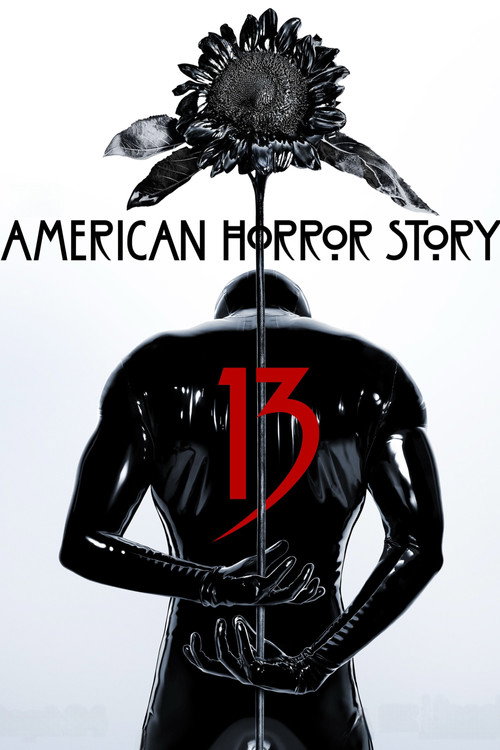
TV that plays with supernatural threat, suburban horror, and sleep-disrupting unease
Books for Fans of Suburban Horror and the Uncanny
Novels where ordinary settings crack open into something monstrous


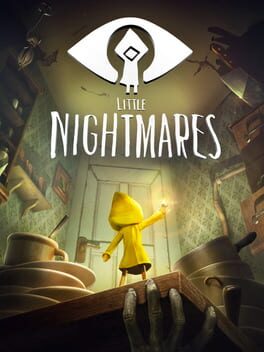
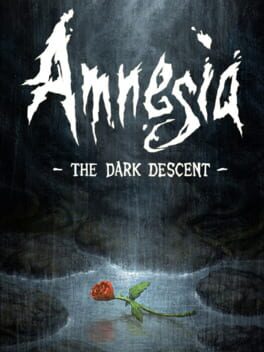
Games That Share the DNA
Games built on dream logic, stalking supernatural threats, and survival horror atmospherics
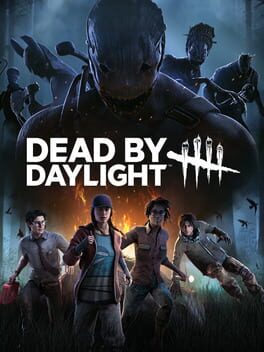
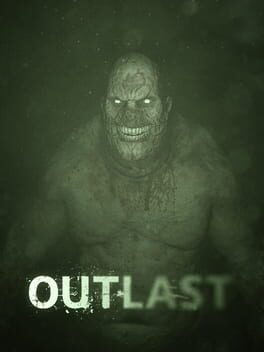
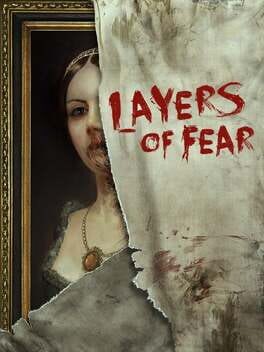
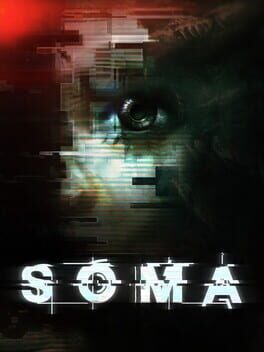
The Score and the Soundtrack
Music that mirrors Elm Street's creeping dread, from synth horror to metal anthems
Dream Warriors Perfected the Formula
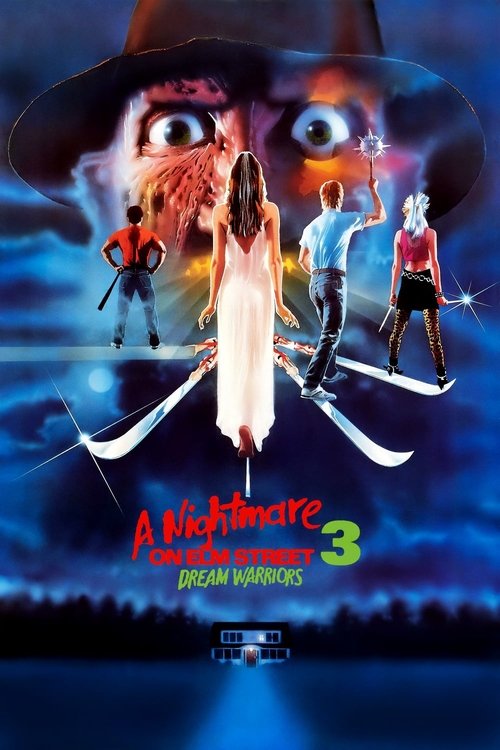
The third film, Dream Warriors, is where the franchise hit its stride. It took the series' central idea, that dreamers could fight back if they claimed their own subconscious as territory, and built a proper ensemble around it. The hospital setting gave the nightmare logic a grounding framework, and the kills became genuinely inventive set-pieces rather than simple stalk-and-slash. For fans who want the franchise at its most imaginative, this is the entry.
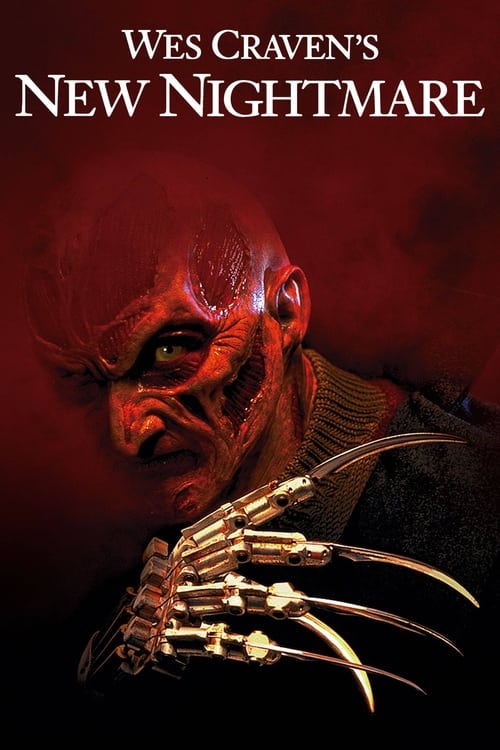
Wes Craven's New Nightmare Went Meta Before Meta Was a Genre
A decade before Scream, Craven made a film where the cast and crew of Elm Street are stalked by the force they invented. It should not work. It absolutely works. New Nightmare is a film about the psychological cost of making horror, and Freddy's appearance here, stripped of the quips, is the most frightening he ever looks. If you want to understand where Craven's head was before the meta-horror renaissance of the 1990s, this is the text.
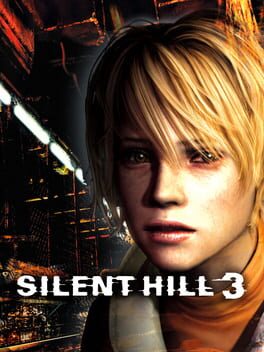
Silent Hill Understands Dream Logic Better Than Most Horror Films
Elm Street's core power is architectural: the nightmare is a place with its own rules, its own geography. Silent Hill operates from the same premise. The town shifts between a foggy mundane version and a hellish industrial underworld, responding to the psyche of whoever enters it. The original games are the horror medium's best argument that interactive dream logic produces a specific, unreproducible dread.
House of Leaves Is What Elm Street Would Be as a Novel
Mark Z. Danielewski's novel is not about Freddy Krueger. It is about a house that is larger on the inside than the outside, and the academic apparatus assembled to analyze the footage of a family living inside it. What connects it to Elm Street is the tactic: the domestic space becomes the source of terror, and the rules of physical reality stop applying in ways that feel personal, specific, and inescapable. It is the most Elm Street a book can be without a burned man in a sweater.
Freddy's Timeline
- 1984Wes Craven introduces Freddy Krueger to suburban Springwood in the original film A Nightmare on Elm Street
- 1985Freddy's Revenge pushes into body-horror and possession territory A Nightmare on Elm Street
- 1987Dream Warriors expands the mythology and introduces the dream-power concept A Nightmare on Elm Street 3: Dream Warriors
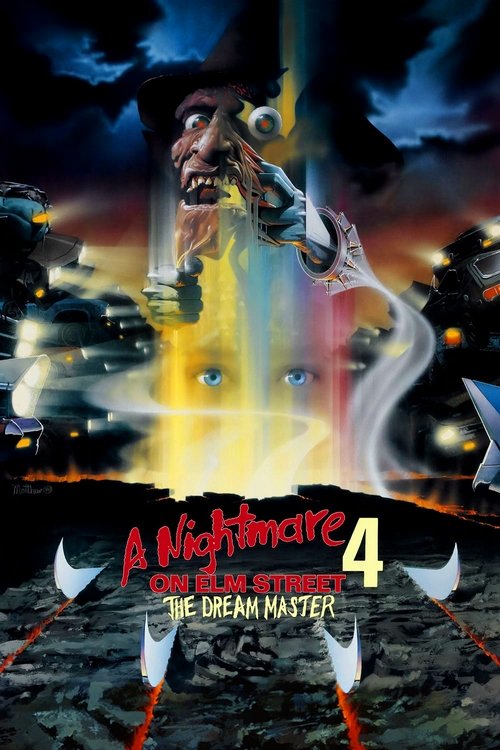
- 1988The Dream Master becomes the highest-grossing entry in the franchise A Nightmare on Elm Street 4: The Dream Master
- 1988Freddy's Nightmares anthology series debuts on syndicated TV Freddy's Nightmares
- 1994Craven returns to reclaim and deconstruct his own creation Wes Craven's New Nightmare
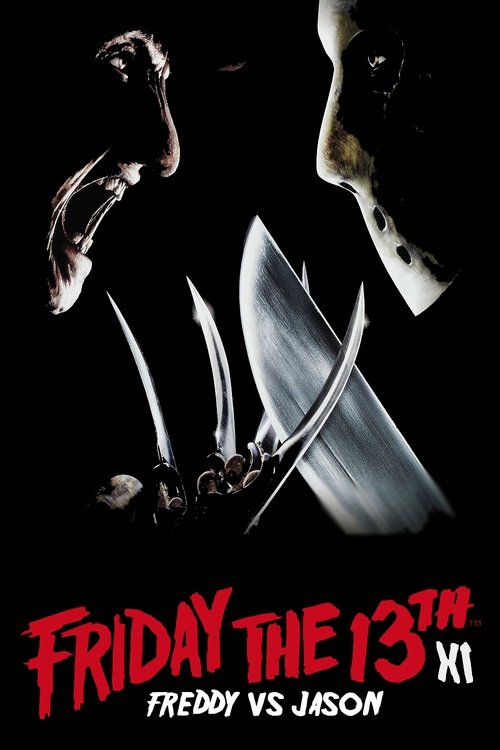
- 2003Freddy and Jason share a screen in a slasher crossover event Freddy vs. Jason
- 2010A reboot attempts a grimmer, more psychologically grounded take A Nightmare on Elm Street
Slashers and the dreaming mind
For Fans of Wes Craven
Explore the For Fans of Wes Craven guide →Whatever you do, don't fall asleep.A Nightmare on Elm Street (1984)