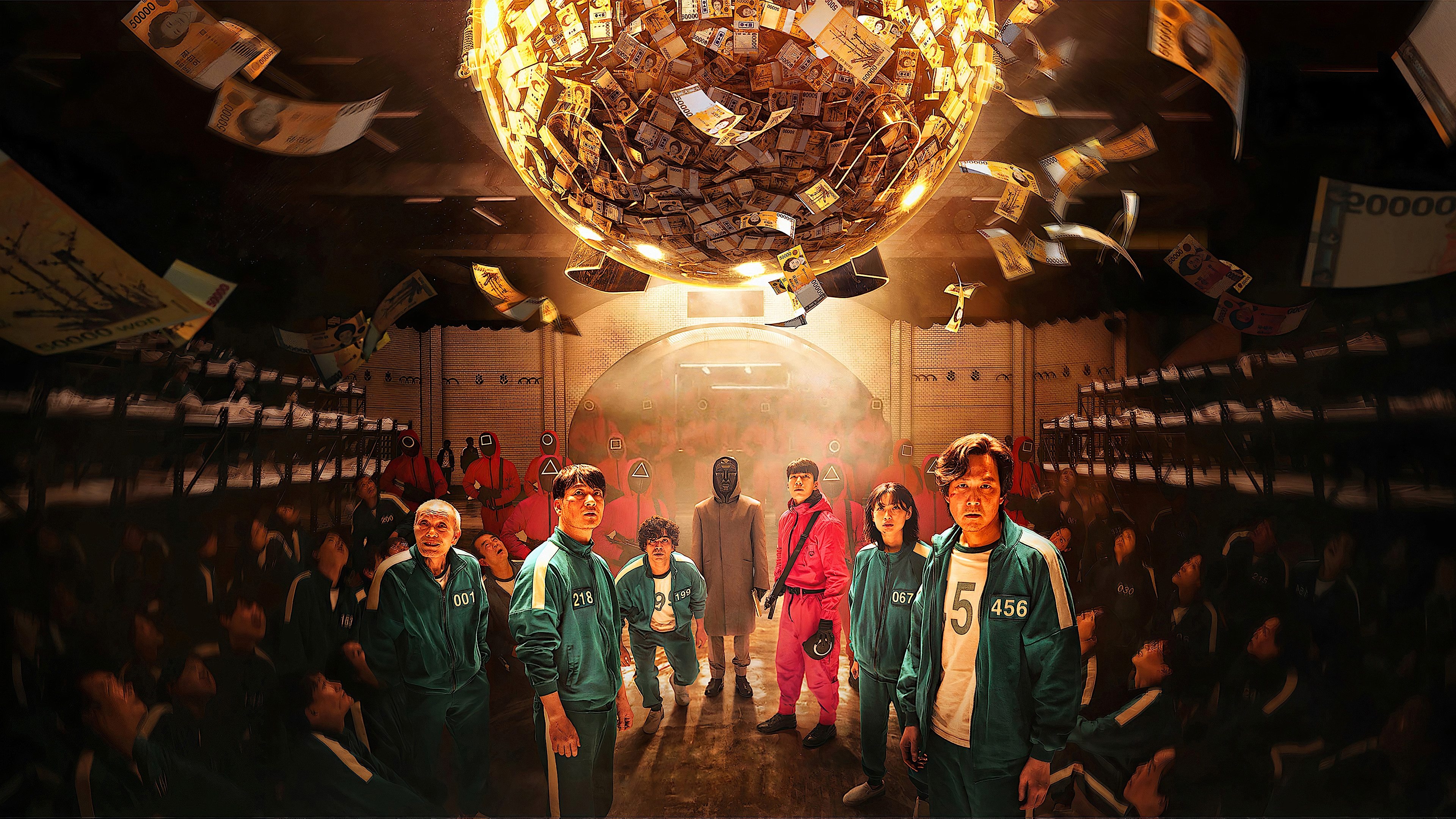

Hwang Dong-hyuk spent a decade trying to get Squid Game made. When it finally arrived on Netflix in September 2021, it became the platform's most-watched series of all time within weeks. The premise is deceptively simple: 456 people crushed by debt agree to play a series of children's games for a prize of 45.6 billion won. The loser dies. What the show does with that premise is anything but simple. Squid Game is a precise, furious critique of late-stage capitalism, a portrait of how financial desperation strips people of dignity and choice, and a study in how ordinary people behave when the rules of polite society are stripped away. The games themselves, drawn from Korean childhood (Red Light, Green Light; the honeycomb dalgona candy challenge; tug of war; marbles), carry a brutal irony: the players are reduced to children again, except the stakes are their lives. If you love the show's combination of visceral tension, dark social commentary, and genuine emotional investment in its characters, this guide maps the territory across every medium.
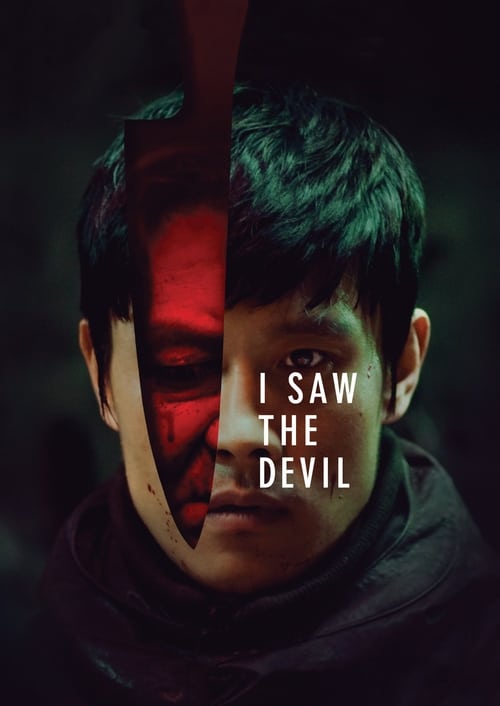
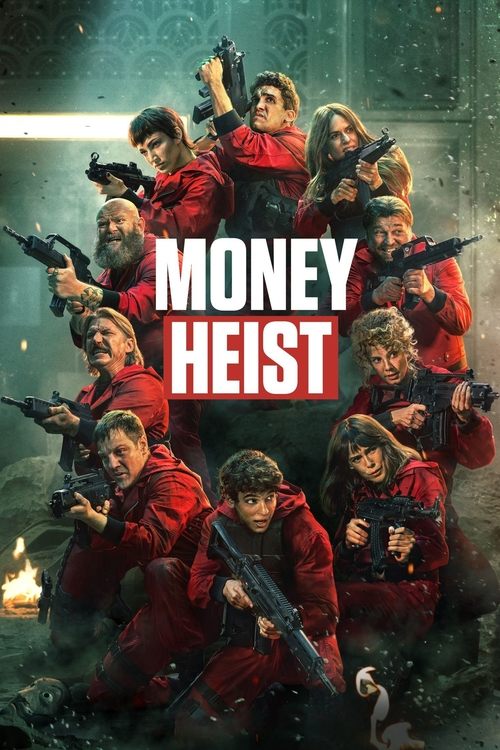
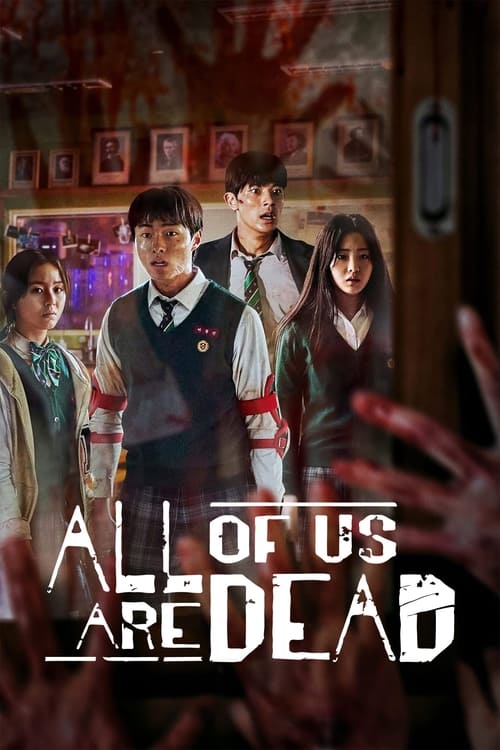
Survival Games on Screen
Series where the stakes are life, death, and social collapse
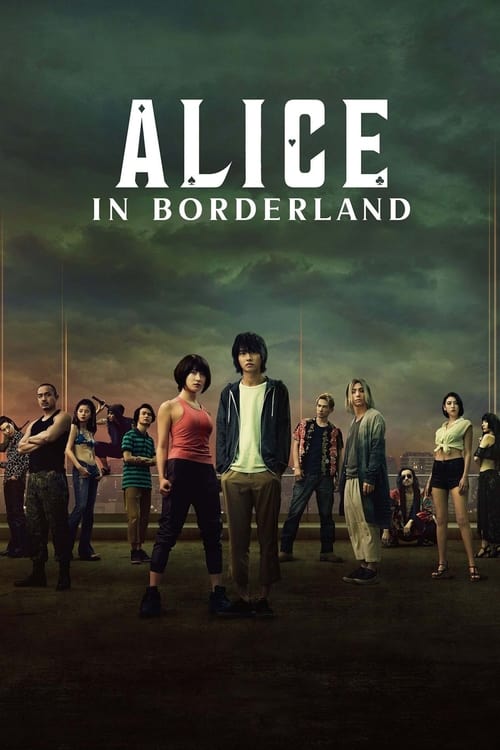
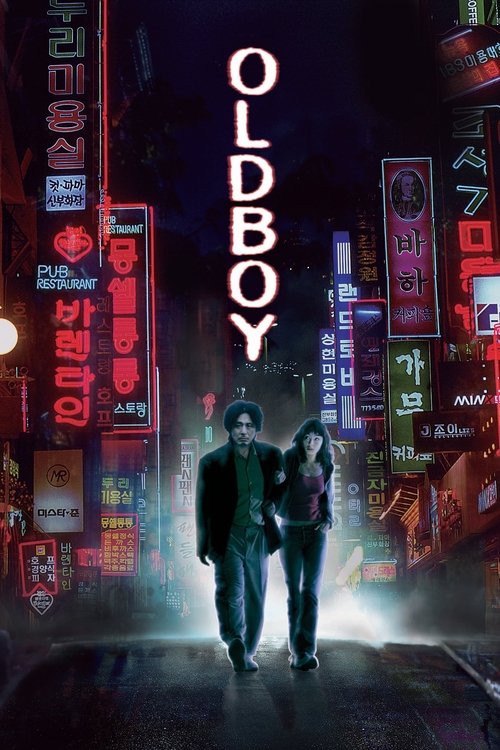
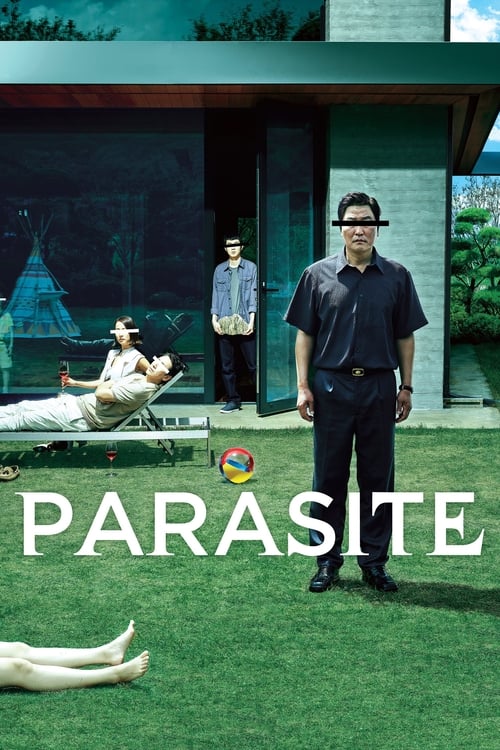
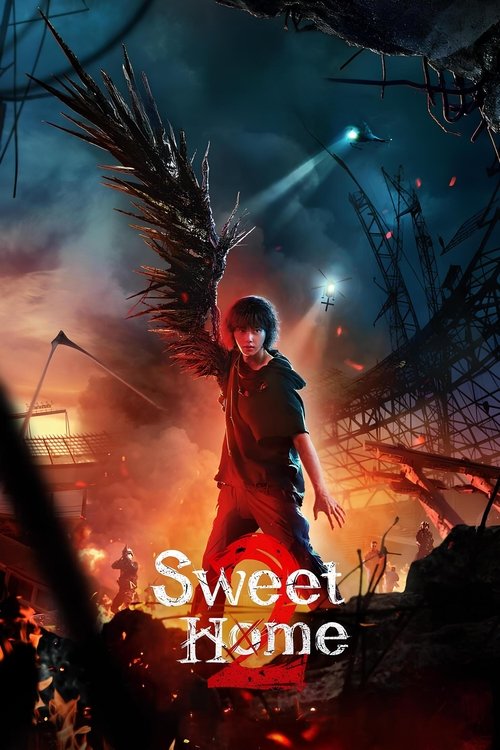
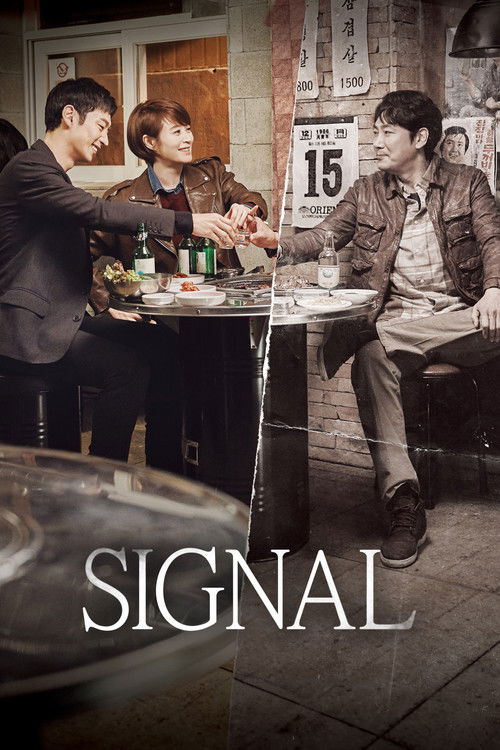
Korean Cinema and Television Worth Knowing
The creative world that made Squid Game possible





Systems That Trap: Novels About Inequality and Desperation
Books that share the show's anger at economic violence


Games Where You Play Under Pressure
Games that weaponize familiar rules or put survival at the center



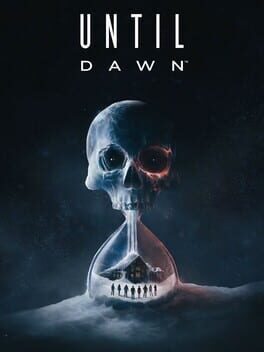


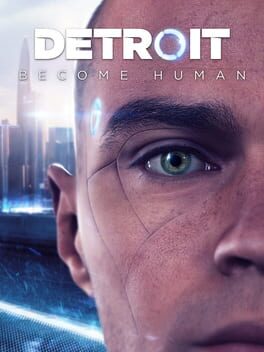
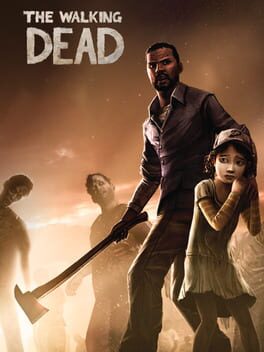

The Games Are Not the Point
Every conversation about Squid Game eventually focuses on the games, and that is understandable. Red Light, Green Light is one of the most effective suspense sequences in recent TV history. But Hwang Dong-hyuk designed the games as delivery vehicles for something else: the revelation that the players already lived in a deadly game before they arrived. The VIP viewers watching from luxury suites are not a metaphor. They are a description. The show argues that the conditions of extreme debt, exploited labor, and disposable humanity that put 456 people in that arena are the real violence, and they are everywhere. The games just make it visible.
On the Morality of Watching
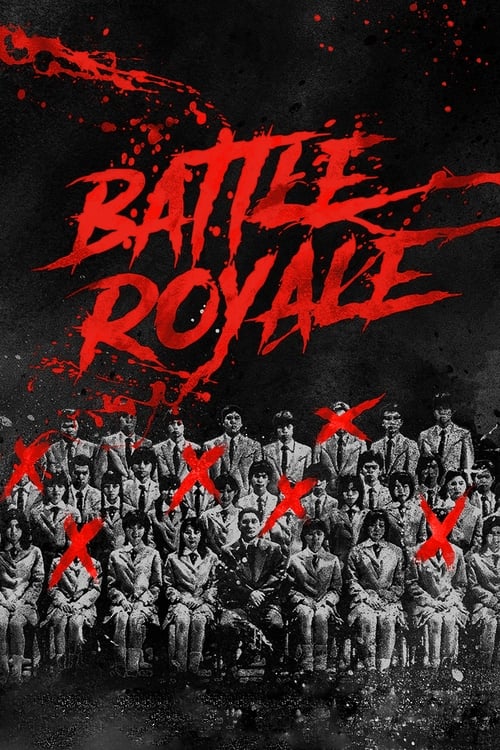
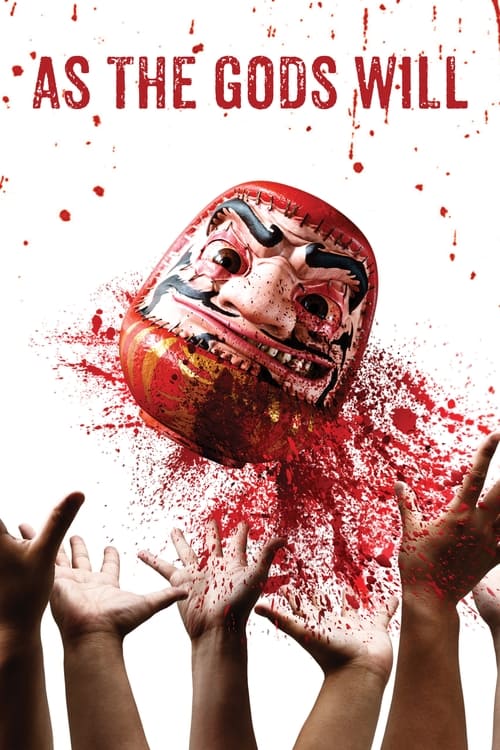
One of Squid Game's sharpest moves is making the audience identify with the VIPs: people who watch desperate strangers die for entertainment. The show never lets you forget that you are also watching. This recursive discomfort connects it to a broader tradition of stories that implicate their own audience. Battle Royale did it in 2000 with Japanese schoolchildren. The Hunger Games put a name and a face on the spectators. Running Man, the Stephen King novel, asked in 1982 what television and poverty would produce together. Squid Game asks the same question and gives it a streaming platform to live on.
Gi-hun and the Weight of Surviving
Seong Gi-hun (Lee Jung-jae) is not a hero in the conventional sense. He is irresponsible, impulsive, sometimes selfish, and his gambling habit is the engine of his ruin. The show refuses to simplify him. His survival is not triumphant: it is haunted, guilt-ridden, and, by the end of Season 1, directionless. This portrait of a survivor who cannot simply move on and rebuild connects Squid Game to a serious tradition of Korean cinema and literature that treats trauma not as something to overcome but as something that changes the shape of a person permanently.
Why the Games Are Korean Childhood Games
The choice to anchor the lethal games in Korean childhood playground traditions is one of the show's most deliberate decisions. These are games every Korean viewer of a certain age played: simple, physical, democratic. Placing them in an arena of death creates a specific dissonance between innocence and violence that generic gladiatorial spectacle could never achieve. It also roots the show's critique in something culturally particular rather than universal, which is partly why it traveled so well internationally: specificity translates. The show is not trying to tell a story about humanity in general. It is telling a story about Korean society under particular economic pressures, and that precision is what gives it weight.
Squid Game: Key Moments
- 2008Hwang Dong-hyuk begins developing the concept during the global financial crisis, drawing on manhwa (Korean comics) about survival games
- 2009Battle Royale influence acknowledged; the script sits unpublished for years as studios pass on it
- 2019Netflix acquires the project after Hwang's films The Wailing-era peers bring Korean content to international attention
- 2021Squid Game premieres on Netflix (September 17); reaches 111 million households in 28 days, becoming the platform's biggest series ever Squid Game
- 2021Red Light, Green Light becomes a cultural shorthand worldwide; fan-made recreations appear across social media
- 2022Squid Game wins six Emmy Awards including Outstanding Drama Series, the first non-English-language series to do so
- 2023Squid Game: The Challenge, a non-lethal reality competition series, premieres on Netflix with 456 real contestants Squid Game: The Challenge
- 2024Season 2 premieres (December 26); introduces new games, new players, and picks up directly from Gi-hun's Season 1 decision at the airport Squid Game
- 2025Season 3, the concluding season, confirmed for release; Hwang Dong-hyuk signals it will close the story
Deadly games and dystopian inequality
Deadly Games & Death Tournaments
Explore the Deadly Games & Death Tournaments guide →I wanted to write a story about people in modern capitalist society, people who are in extreme competition. And I used the children's games as a metaphor for the competition.Hwang Dong-hyuk, creator of Squid Game