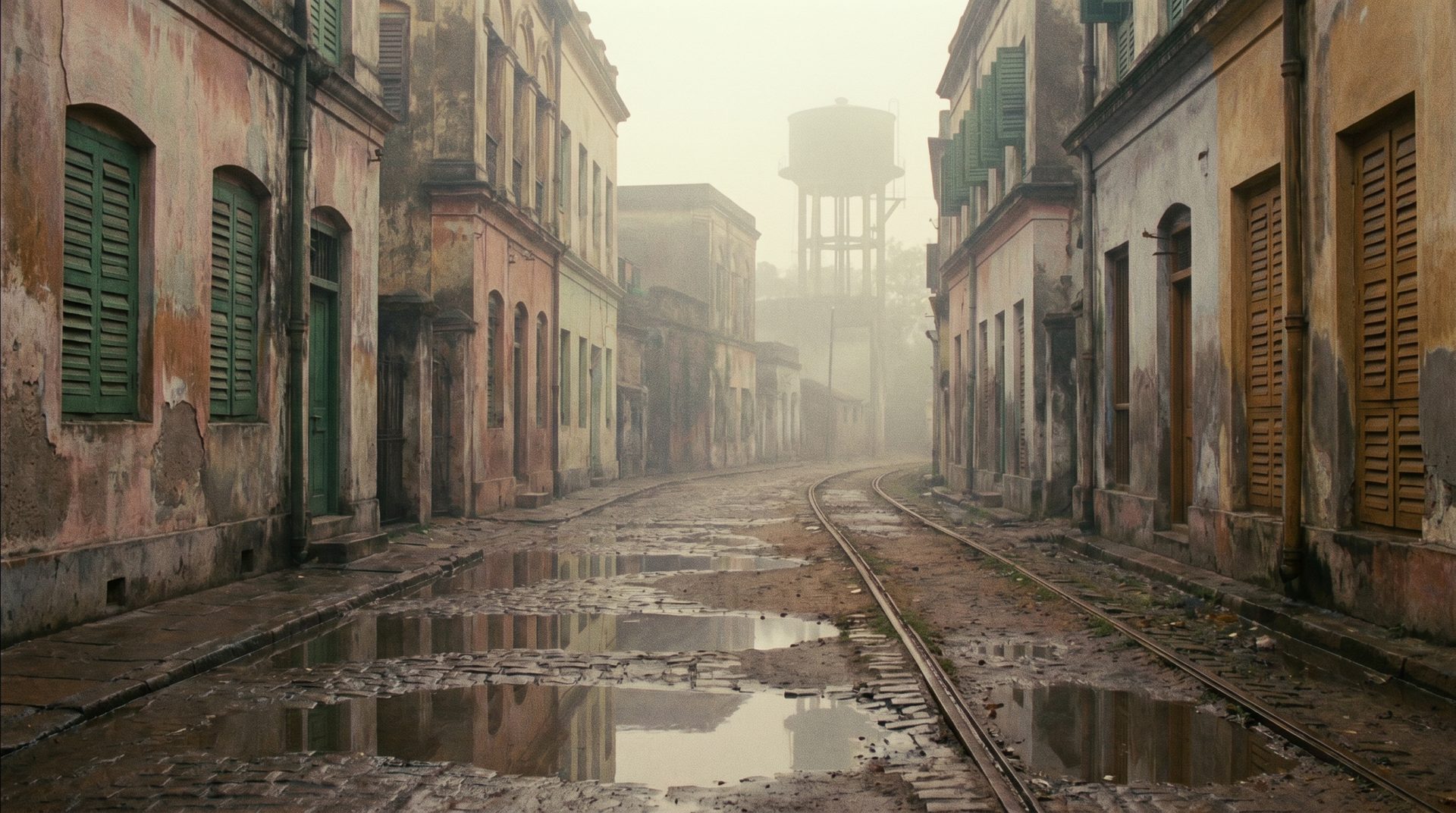

The cinema that taught India to look
When Satyajit Ray finished Pather Panchali in 1955, broke and shooting on weekends with a borrowed camera, he did not just make a film. He relocated the center of serious Indian cinema from Bombay's song-and-dance economy to a flooded Bengal village, where a boy and his sister run through a field of feathery kaash grass to watch a train pass. The image went around the world. The film took a prize at Cannes. Akira Kurosawa said that not to have seen Ray's cinema was to live without seeing the sun and the moon.
Bengali cinema, centered in the Tollygunge studios of Kolkata (the industry nicknamed Tollywood), produced something rare: a popular film culture and a world-class art cinema sharing the same language and the same audience. Behind Ray stood two other giants who pulled in different directions. Ritwik Ghatak turned the trauma of Partition, which split Bengal in two, into operatic, ferociously political melodrama. Mrinal Sen brought a restless Marxist modernism, jump cuts and direct address, into the heart of Calcutta's political fever of the 1970s. Together this trio gave the world one of its great cinematic conversations.
The tradition is also genuinely two countries. After 1971, Bangladesh built its own Bengali-language cinema in Dhaka, with Zahir Raihan, Tareque Masud, and a fierce documentary impulse rooted in the Liberation War. The language is shared; the histories diverge. This guide covers both shores.
Satyajit Ray: the essential canon
Start with the Apu Trilogy, then follow him into chamber drama, detective fiction, and fable.
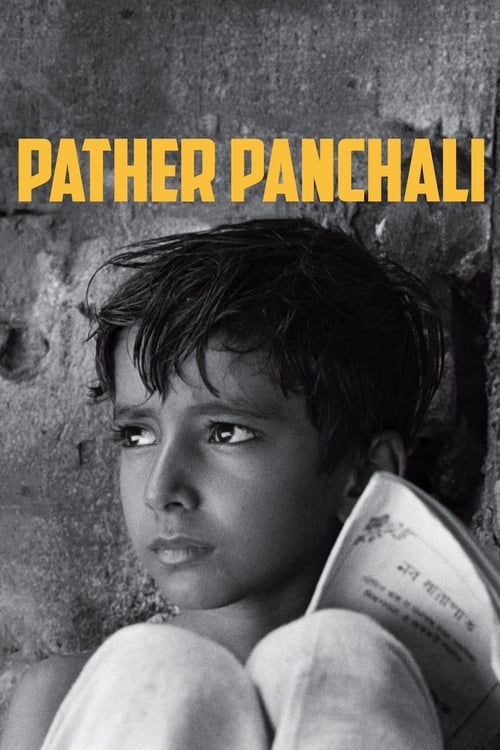
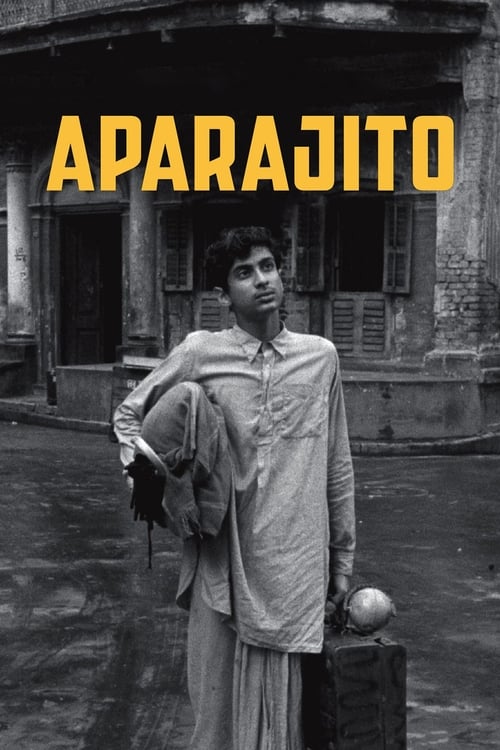
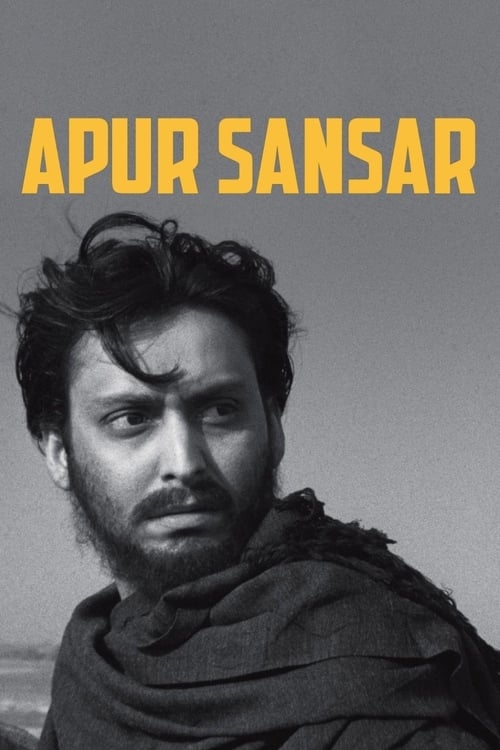

Ray showed that a flooded village and a Brahms-quiet camera could carry more truth than a hundred Bombay musicals. The rest of Indian cinema spent decades catching up to that bet.CrossBinge editors
A chronology of Bengali film
- 1919Bilwamangal, often cited as the first Bengali feature, launches a Calcutta film industry.
- 1935P.C. Barua's Bengali Devdas, with Barua himself in the lead, codifies the doomed-romantic archetype; his Hindi remake the next year makes K.L. Saigal a national star. Devdas
- 1955Satyajit Ray's Pather Panchali wins at Cannes and reorders Indian art cinema. Pather Panchali
- 1960Ritwik Ghatak's Meghe Dhaka Tara turns Partition refugee grief into high tragedy.
- 1969Mrinal Sen's Bhuvan Shome jolts the New Indian Cinema movement into life.
- 1971Bangladesh's independence; Zahir Raihan documents the war in Stop Genocide before disappearing.
- 1992Ray receives an honorary Academy Award shortly before his death.
- 2002Tareque Masud's The Clay Bird becomes Bangladesh's first Cannes selection.
- 2015Bengali commercial cinema's revival peaks; Rituparno Ghosh's legacy and a new thriller wave reshape Tollywood.
After the masters: Tollywood reinvents itself
The generation after Ray did not coast on his prestige. Rituparno Ghosh became the defining auteur of the 1990s and 2000s, making literate, female-centered dramas like Unishe April and Chokher Bali that revived the serious Bengali film as a commercial proposition, while openly queering the industry's idea of who could be a star. Aparna Sen, an actress turned director, made the bilingual 36 Chowringhee Lane and the communal-violence drama Mr. and Mrs. Iyer, work as humane as it is sharp.
The modern scene runs on genre. Srijit Mukherji (Autograph, Baishe Srabon) and Kaushik Ganguly (Nagarkirtan) proved that thrillers, period pieces, and tender social dramas could fill Kolkata multiplexes. The most internationally celebrated newcomer is Aditya Vikram Sengupta, whose near-silent Asha Jaoar Majhe (Labour of Love) showed the festival circuit that the old Bengali patience with everyday life was alive. This is no longer a heritage cinema; it argues with itself in the present tense.
Read the source: Bengali literature behind the films
Bengali cinema is unusually bookish. These are the novels and stories its great films adapt.


The sound of Bengal
You cannot separate this cinema from its music. Rabindra Sangeet, the songs of Nobel laureate Rabindranath Tagore, runs through the soundtracks like a second language; Ray, himself a composer, scored much of his own later work. The studio era leaned on the soaring Adhunik (modern Bengali song) tradition and playback singers whose voices defined a generation. To listen to Bengali film music is to hear the same literary, melancholic, monsoon-soaked sensibility that shapes the images.