
A nation projected onto a screen
Indonesian cinema was born with the country itself. When Usmar Ismail shot Darah dan Doa (The Long March) in 1950, the camera was barely younger than the Republic, and the date he started filming, March 30, is still celebrated as National Film Day. The early decades were nation-building work: films about independence, sacrifice, and the awkward business of becoming modern, made by a small circle of state-aligned and studio directors who treated the screen as a civic instrument.
Then came the long freeze. Under Suharto's New Order, censorship and a flood of imported Hollywood and Hong Kong product hollowed out the local industry. By the late 1990s production had collapsed to a handful of features a year, propped up by exploitation horror and softcore. What revived the cinema was not a studio but a crash: the fall of Suharto in 1998 reopened the culture, and a new generation of urban, festival-literate filmmakers walked in. Riri Riza and Mira Lesmana's youth films, then Garin Nugroho's art-house experiments, rebuilt an audience that had been told for a generation that Indonesian film was something to be embarrassed by.
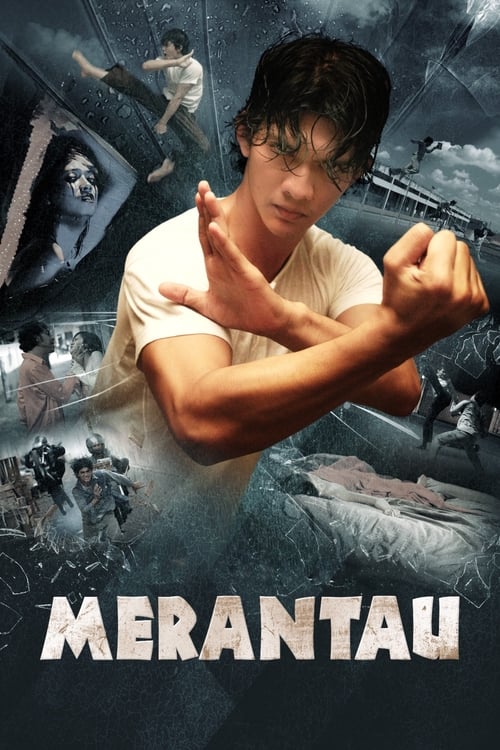
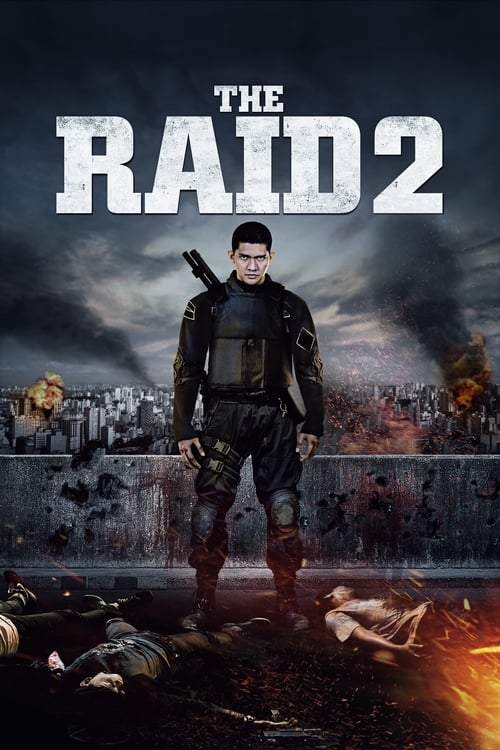
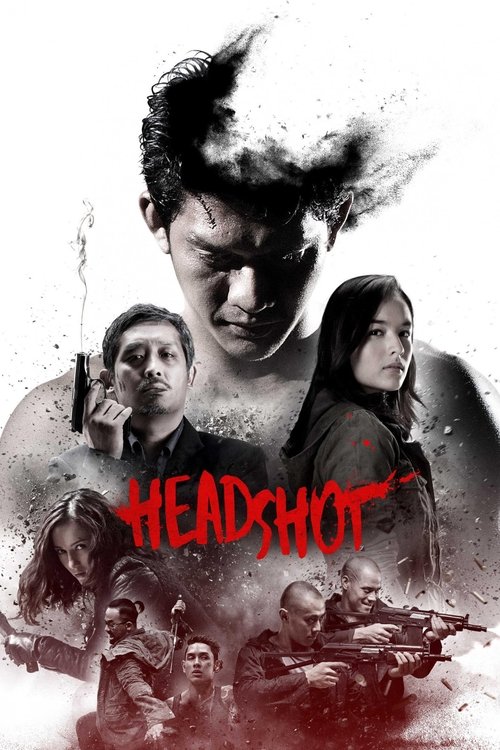
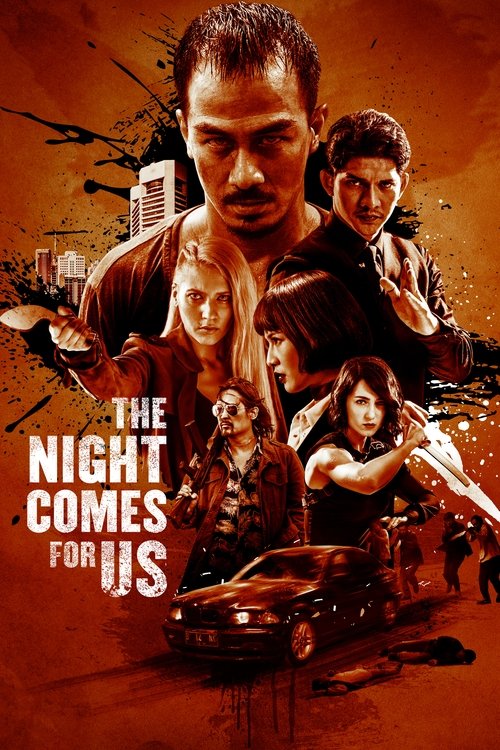
Two engines drive the modern industry. One is horror, the most reliable box-office force in the country, rooted in Javanese and Sundanese folk belief: the kuntilanak, the pocong, the santet curse. The other is genre muscle, exported worldwide when Welsh director Gareth Evans and martial artist Iko Uwais turned the Indonesian fighting art pencak silat into the most influential action choreography of the 2010s. Between those poles sits a quietly ambitious art cinema that keeps reaching Cannes and Venice.
Garin Nugroho and the art-house line
If the popular industry runs on screams and kicks, Indonesia's festival reputation rests largely on Garin Nugroho. Daun di Atas Bantal (Leaf on a Pillow, 1998) put Yogyakarta's street children on the Cannes screen, and Opera Jawa (2006) reimagined the Ramayana as a gamelan-scored dance-musical that travelled the world. His Memories of My Body (2018) traced a male dancer through Indonesia's history of religious and political violence with a frankness that drew protests and screening bans in several regions at home.
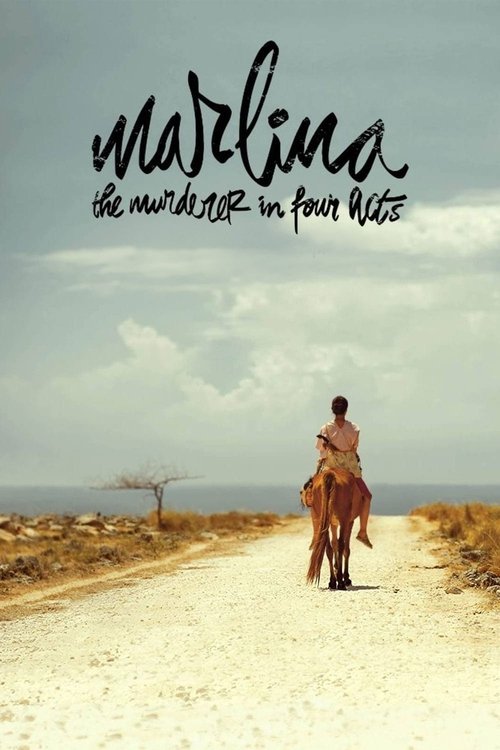
A younger art cinema has since gone further afield. Mouly Surya's Marlina the Murderer in Four Acts (2017), a Sumbanese revenge Western, premiered at Cannes and gave the country a genuine auteur signature. Kamila Andini works in a gentler, more interior register: The Seen and Unseen (2017) and Yuni (2021) are coming-of-age films attentive to ritual, gender, and the textures of regional life. This is a cinema comfortable in Balinese, Javanese, and Sumbanese as readily as in standard Indonesian.
No other national cinema has so completely fused its action and its horror to a single source: the body, trained as a weapon or invaded by a ghost.CrossBinge editors
Silat and the bone-snapping new wave
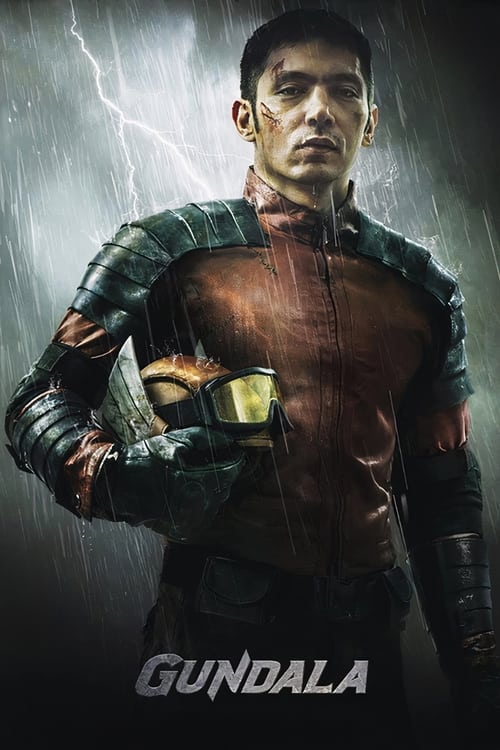
Gareth Evans, Iko Uwais and the action films that conquered the world
Horror as the national genre
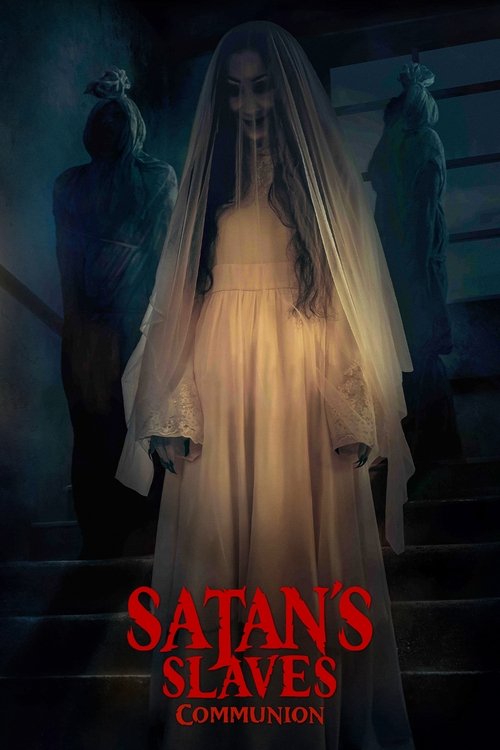
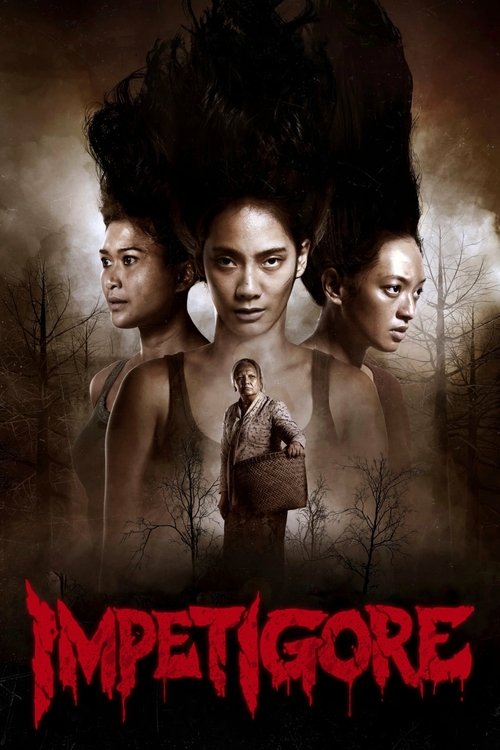
Indonesia is one of the few countries where horror is the default commercial cinema, not a niche. The exploitation era had its queen in Suzzanna, whose 1980s vehicles Sundel Bolong and Nyi Blorong turned local legends into stardom. The modern boom belongs to Joko Anwar, whose Pengabdi Setan (Satan's Slaves, 2017), a remake of a 1980 cult film, became a domestic phenomenon and spawned a franchise. His Impetigore (2019) and the Joko Anwar's Nightmares and Daydreams series pushed Indonesian dread onto streaming worldwide.
The deeper vein is folk-religious. KKN di Desa Penari (2022), drawn from a viral Twitter thread, became one of the highest-grossing Indonesian films ever by tapping the same village-supernatural anxieties that have always sold tickets here. Awi Suryadi's Danur series mined a similar seam. The pleasure of this cinema is its specificity: these are not generic jump-scares but the pocong wrapped in its burial shroud, the kuntilanak in white, the dangdut singer who dances with the dead.
Ghosts, curses and the horror box office
From Suzzanna's exploitation classics to Joko Anwar's franchise


A century of Indonesian film
- 1950Usmar Ismail shoots The Long March, dated to National Film Day
- 1954Usmar Ismail's Lewat Djam Malam captures post-revolution disillusion
- 1981Suzzanna stars in Sundel Bolong, defining the exploitation-horror era
- 1998Reformasi ends the New Order; Garin Nugroho's Leaf on a Pillow reaches Cannes
- 2002Ada Apa dengan Cinta? revives a mainstream youth audience
- 2008Laskar Pelangi becomes a record-breaking national hit
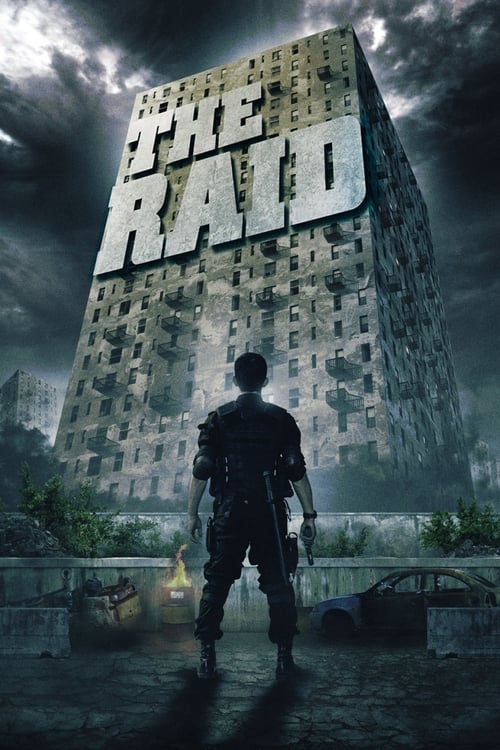
- 2011The Raid exports pencak silat action worldwide The Raid
- 2017Marlina premieres at Cannes; Satan's Slaves ignites the horror boom Marlina the Murderer in Four Acts
- 2022KKN di Desa Penari becomes one of the highest-grossing Indonesian films ever
The Raid is overrated as Indonesian cinema, and that is fine
The Raid is a masterpiece of fight choreography and a slightly thin film, directed by a Welshman, shaped for an export audience that mostly did not care it was Indonesian. Treating it as the face of the national cinema flatters the rest of the world's attention span and shortchanges the actual achievement, which is pencak silat itself and the performers, Iko Uwais, Yayan Ruhian, Cecep Arif Rahman, who carried it. The films that tell you more about Indonesia are quieter and stranger: Mouly Surya's Sumbanese revenge, Garin Nugroho's gamelan operas, the village dread of KKN di Desa Penari. Love The Raid for what it is, a perfect action machine, but do not mistake the calling card for the country.