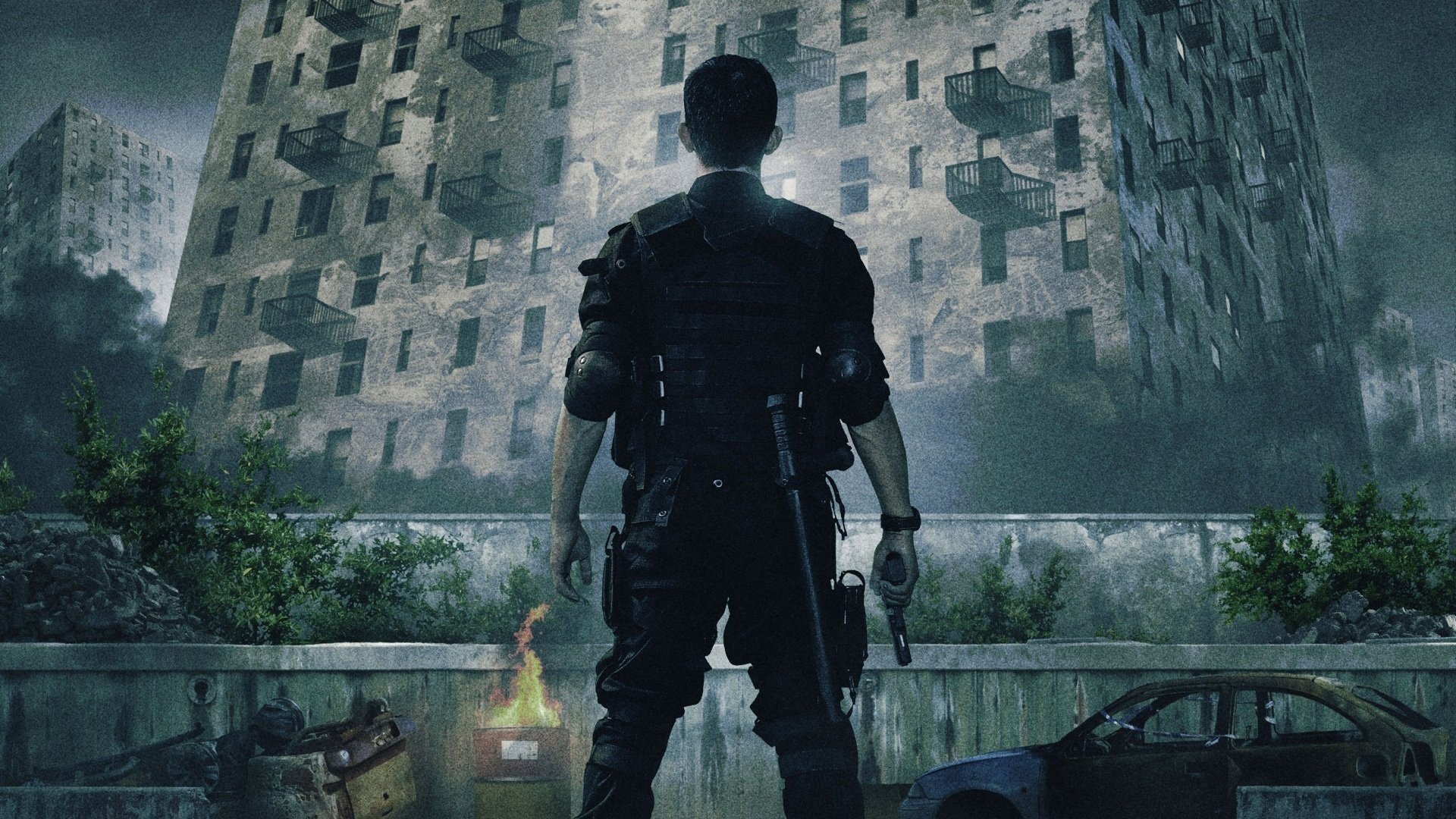

Gareth Evans and Iko Uwais walked into a Jakarta apartment block and walked out with one of the most influential action films ever made. The Raid (2011) strips the premise to bone: a rookie cop trapped in a building run by a drug lord, surrounded by killers, with no backup coming. What follows is not so much a film as a sustained demonstration of what the human body can do when choreographed by pencak silat masters. Every room is a problem. Every corridor is a gauntlet. The fan of The Raid is chasing a specific feeling: action so precise and so physical that it crosses into something close to awe.
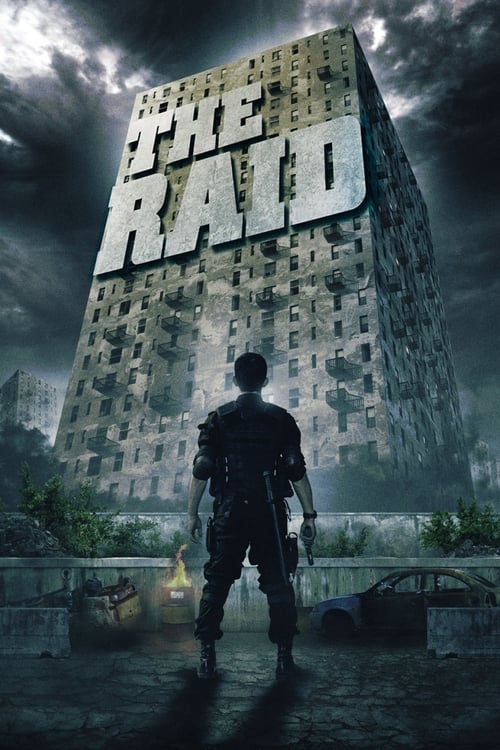
Essential The Raid
The film itself and its sequel, plus the director's wider work
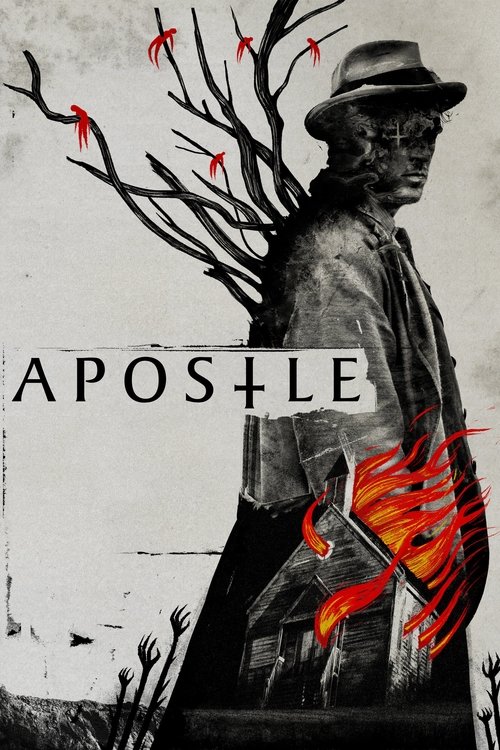
Corridor and Room: Films That Go Scene by Scene
Movies built on sustained physical action and single-location escalation
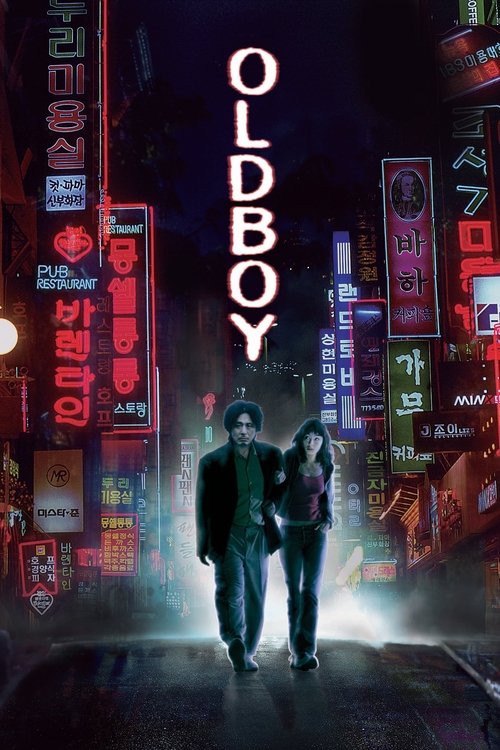
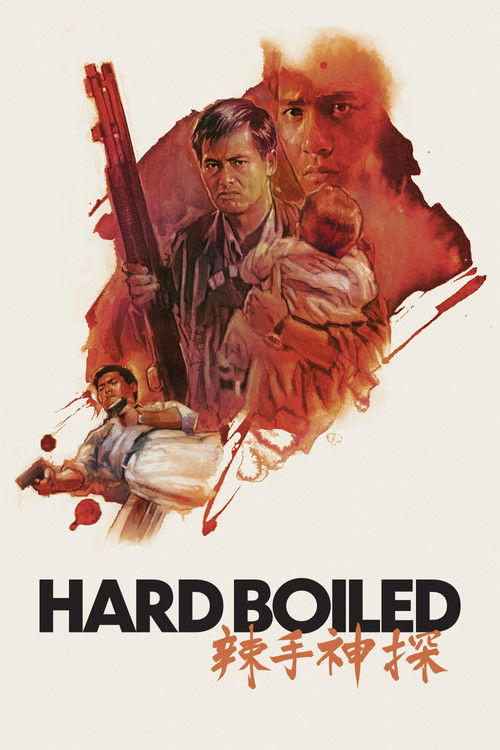
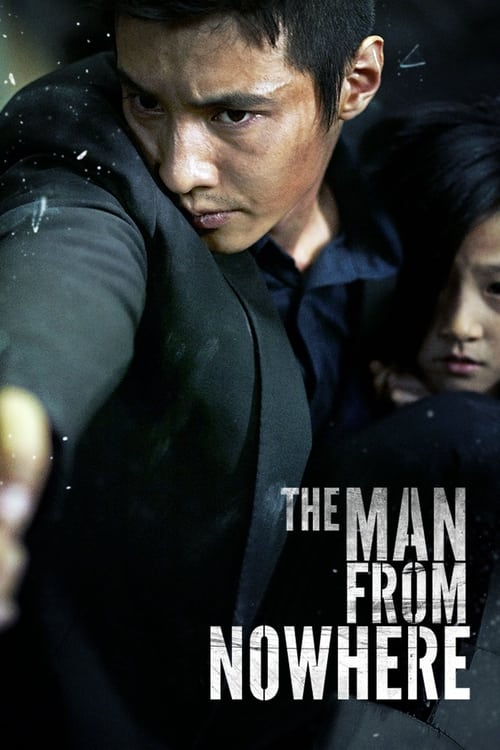
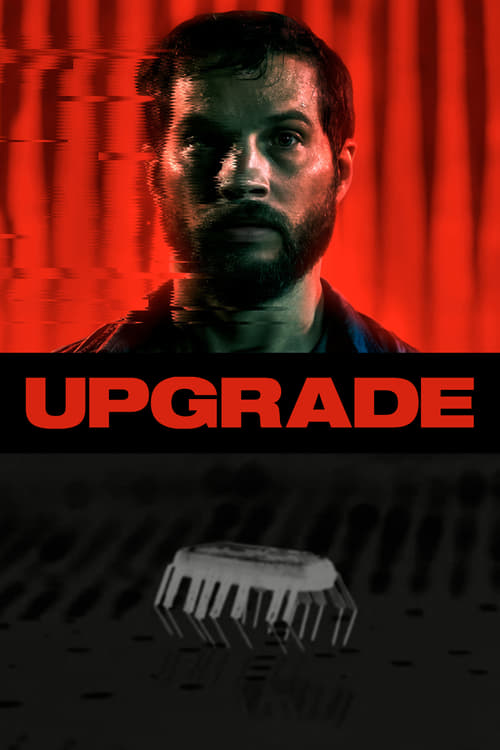
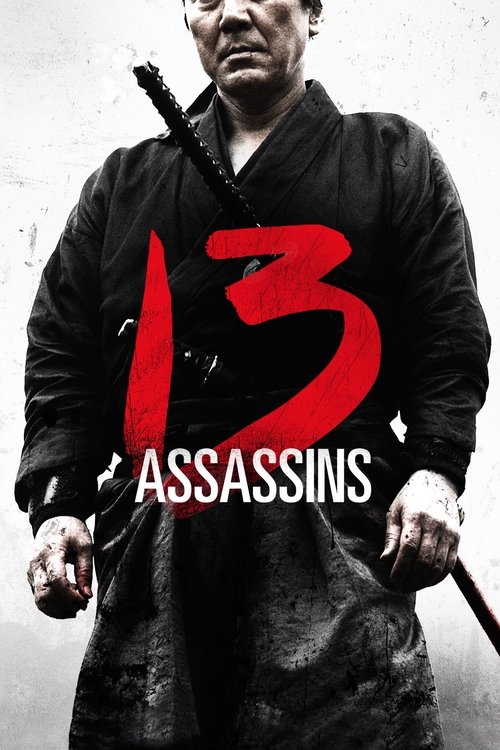
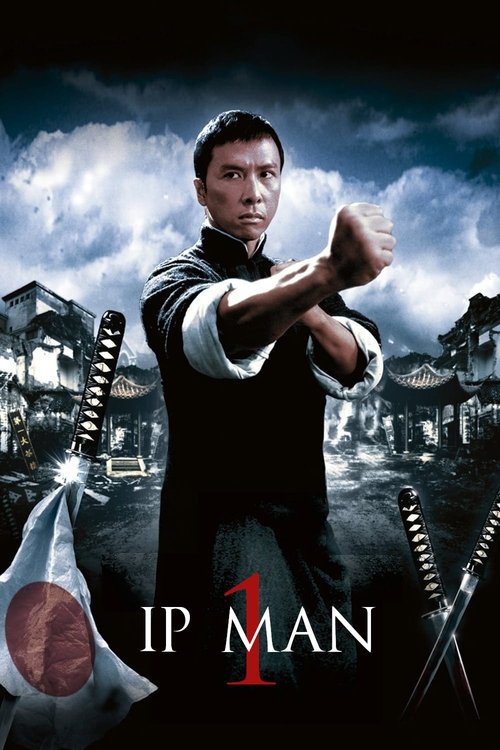

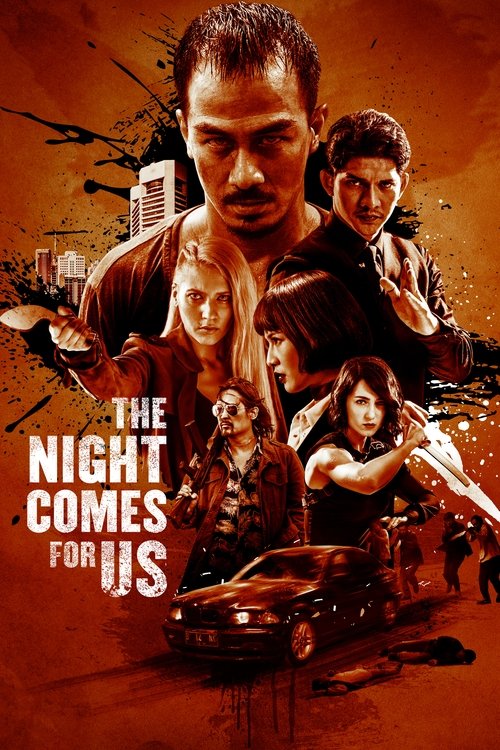
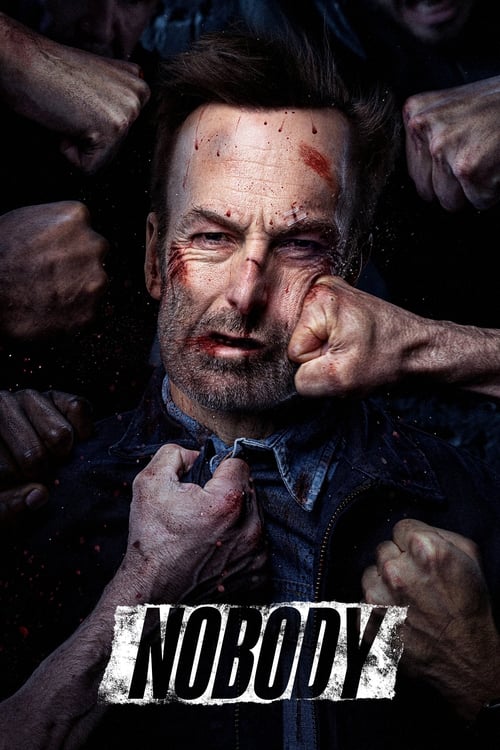
Same DNA on Screen: Series That Deliver Relentless Action
Television that understands choreography, stakes, and the art of the set piece

Lock, Stock, and Survive: Books with the Same Pressure
Novels that trap characters in brutal systems with no exit


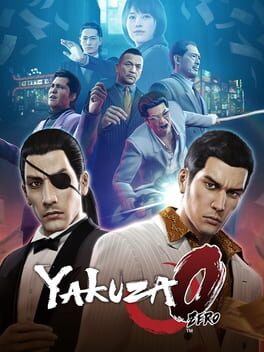
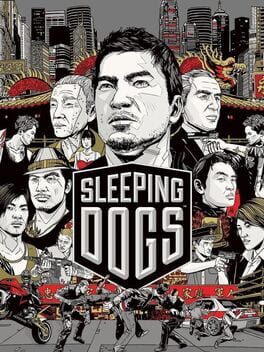
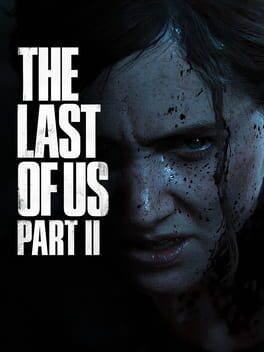
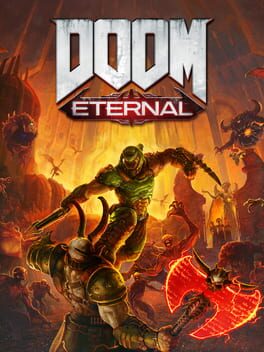
One Room, One Mission: Games That Share the Claustrophobia
Games where tension is architectural and every encounter is a fight for survival

Pencak Silat Changed Action Cinema
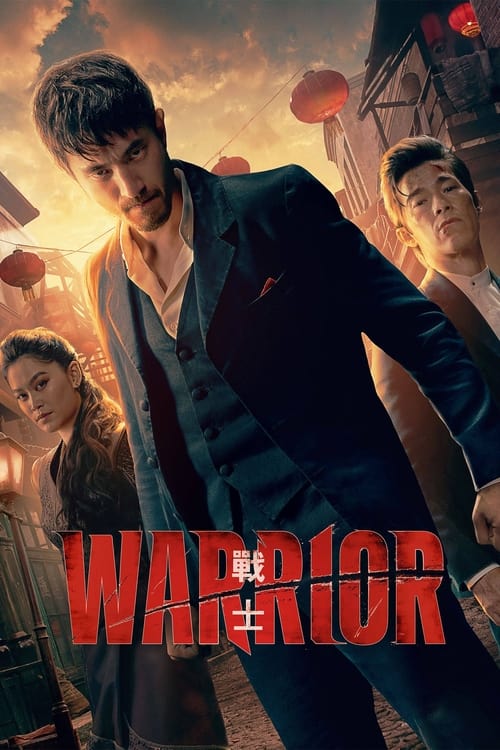
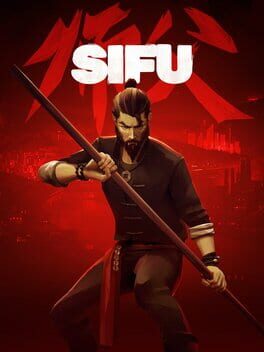
Before The Raid, Hollywood action had settled into a grammar of quick cuts and shaky cameras that disguised what bodies were actually doing. Evans and Uwais refused that grammar. Every strike in The Raid is visible, every lock and break legible. Pencak silat, the Indonesian martial art at the film's core, is angular and economical: it assumes multiple attackers, prioritises efficiency over spectacle. The result is action choreography that is also, quietly, a kind of argument about human movement. Films like Sifu (the game) and Warrior (the series) would not look the way they do without it.
The Building is the Story
The apartment block in The Raid is not a backdrop. Each floor is a distinct environment with its own tactical logic: the open stairwells, the narrow corridors, the locked rooms. Evans uses the architecture to structure the film's rhythm, alternating between the vertical (the climb) and the horizontal (the ambush). It is a design principle that game designers have borrowed deliberately. Hotline Miami's floor-plan layouts and Sifu's ascending building both carry the same grammar: the building is the antagonist as much as any individual inside it.
The Sequel Did What Sequels Never Do
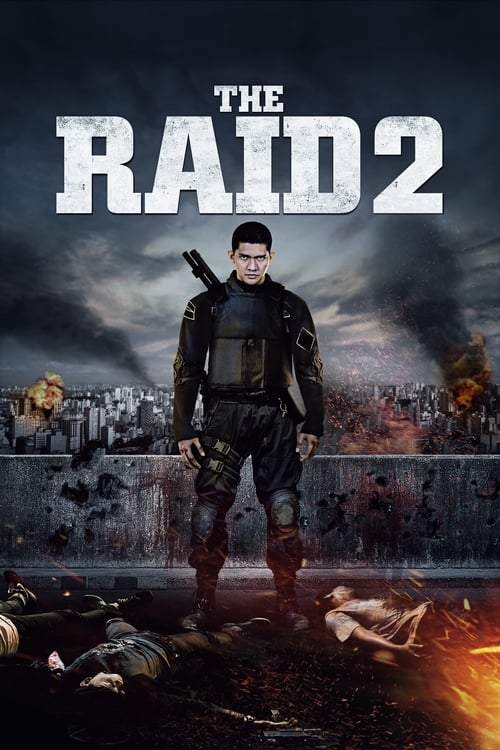
The Raid 2 is a rare sequel that does not simply repeat its predecessor at larger scale. It expands into a sprawling crime epic across years and factions, closer in spirit to Infernal Affairs or The Godfather than to the original film. Where the first Raid is a pressure cooker, the sequel is a slow burn that earns its extraordinary set pieces, including a mud-covered prison yard brawl and a kitchen fight that belongs among the finest action sequences ever put to film. They are companion pieces, not a diluted franchise.
The Raid in Context
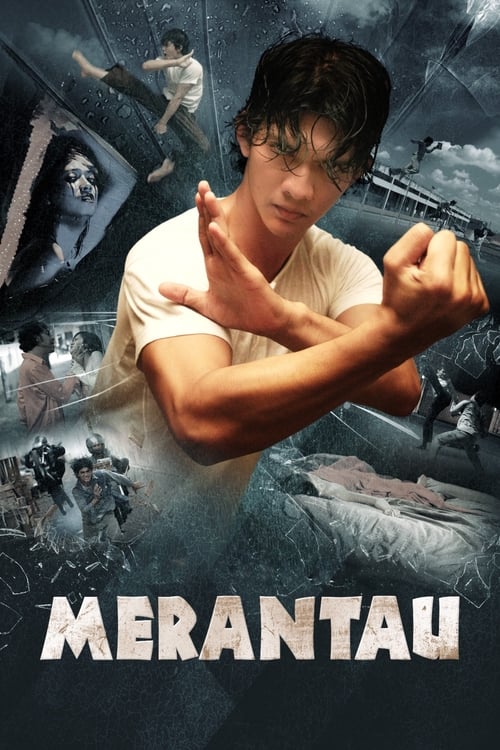
- 2009Merantau: Evans and Uwais introduce pencak silat to international audiences Merantau
- 2011The Raid premieres at Toronto International Film Festival and resets global action cinema The Raid
- 2012Hotline Miami arrives: a game built on the same top-down corridor-clearing intensity Hotline Miami
- 2014The Raid 2 expands the world into full crime epic territory The Raid 2
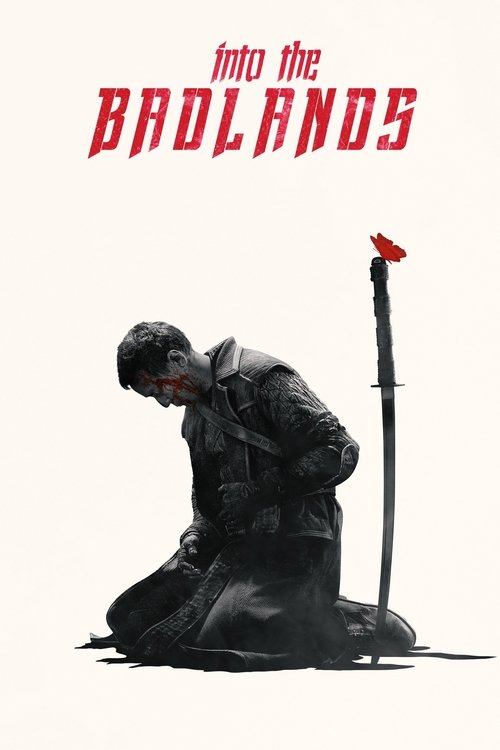
- 2014Into the Badlands is greenlit partly on the appetite The Raid created for serious fight choreography on screen Into the Badlands
- 2018The Night Comes for Us: Evans produces the Indonesian martial arts film that takes The Raid's brutality further The Night Comes For Us
- 2022Sifu: the game that most directly models its combat and building structure on The Raid's template Sifu
More bone-crunching martial arts
Martial Arts
Explore the Martial Arts guide →Evans found a martial art that had never been properly filmed and filmed it properly. Everything after is response.CrossBinge