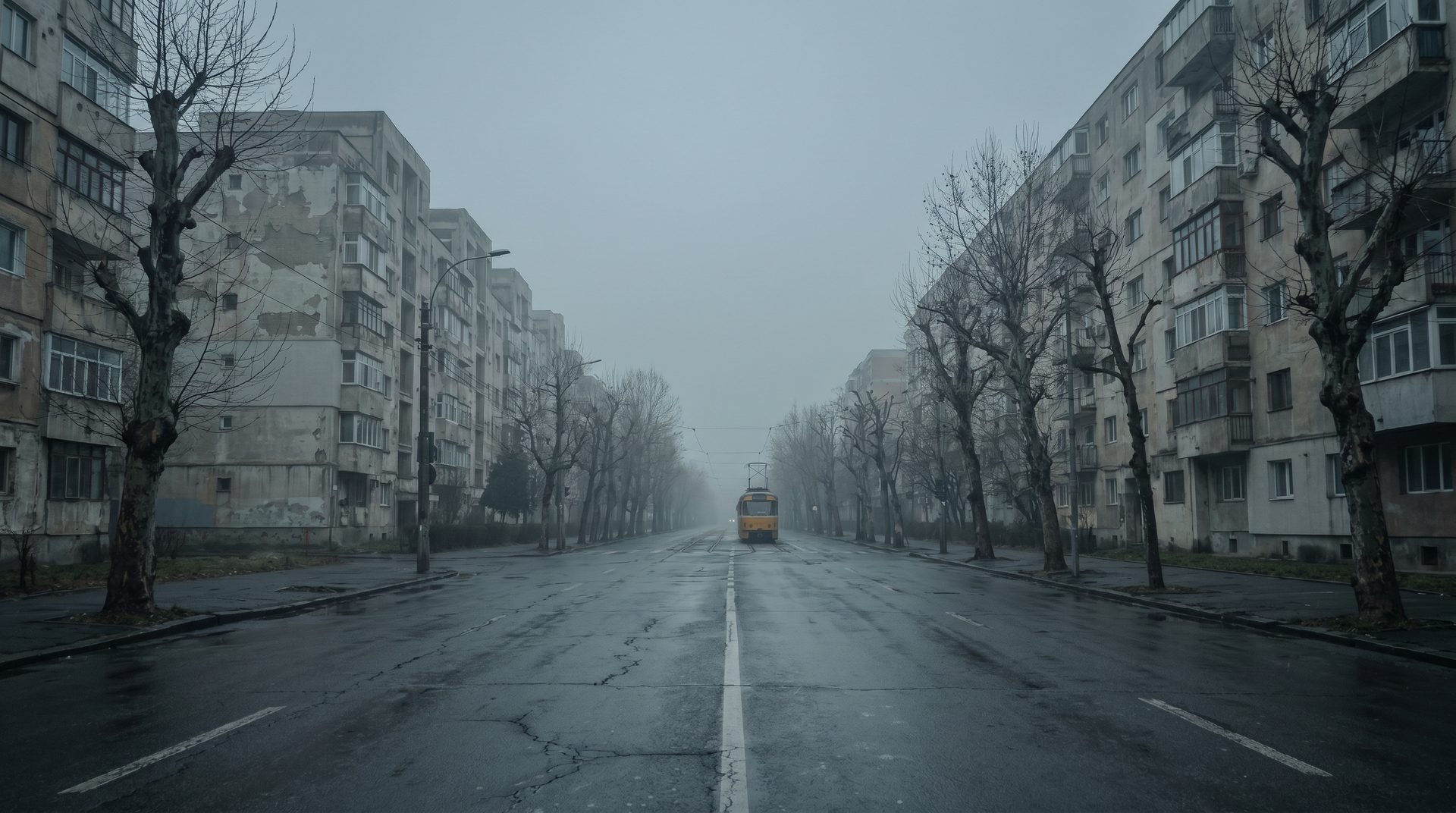

The country that learned to wait
For most of the 20th century Romanian cinema was a footnote: state-funded historical epics, careful comedies, the occasional smuggled gesture of dissent. Then, in the space of a few years in the mid-2000s, it became one of the most respected national cinemas on earth. The films that did it share a method more than a manifesto. Long takes. Natural light. No score, or almost none. A camera that refuses to cut away from the awkward, the bureaucratic, the humiliating. The Romanian New Wave does not dramatize. It waits, and the waiting is the drama.
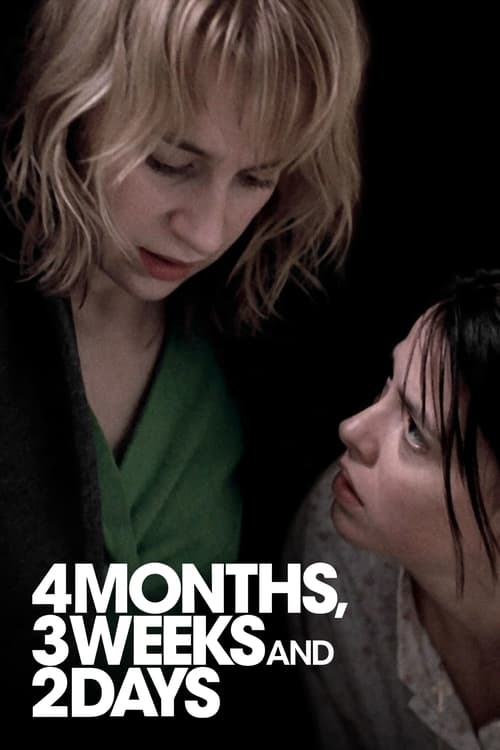
The two pillars are Cristi Puiu and Cristian Mungiu. Puiu's The Death of Mr. Lazarescu (2005) followed a dying old man shuttled between Bucharest hospitals across one endless night, a portrait of a system rotted from inside, and it announced the whole movement to the festival world. Two years later Mungiu won the Palme d'Or with 4 Months, 3 Weeks and 2 Days (2007), a clenched, near-real-time account of an illegal abortion in the final years of Ceausescu. Suddenly Cannes had a Romanian section every May.
What unites these directors is a suspicion of the heroic. Their characters are not rebels. They are people negotiating a corrupt counter, a doctor's indifference, a relative's favor. The politics are in the texture, not the speeches.
The New Wave canon
The films that put Romania on the festival map, from Lazarescu onward

Romanian realism is not about showing you misery. It is about making you sit in a waiting room until the camera and the bureaucracy both run out of patience before you do.CrossBinge editors
The auteurs after the wave
The movement did not freeze in 2007. Corneliu Porumboiu turned its deadpan into something almost philosophical: 12:08 East of Bucharest (2006) interrogates whether the 1989 revolution even reached a provincial town, and Police, Adjective (2009) stages a literal dictionary argument about the meaning of conscience. Radu Jude pushed the style toward provocation and collage, winning the Berlin Golden Bear for Bad Luck Banging or Loony Porn (2021), a furious pandemic-era satire, after the harder historical reckoning of Aferim! (2015), a black-and-white period film set in the era of Roma enslavement.
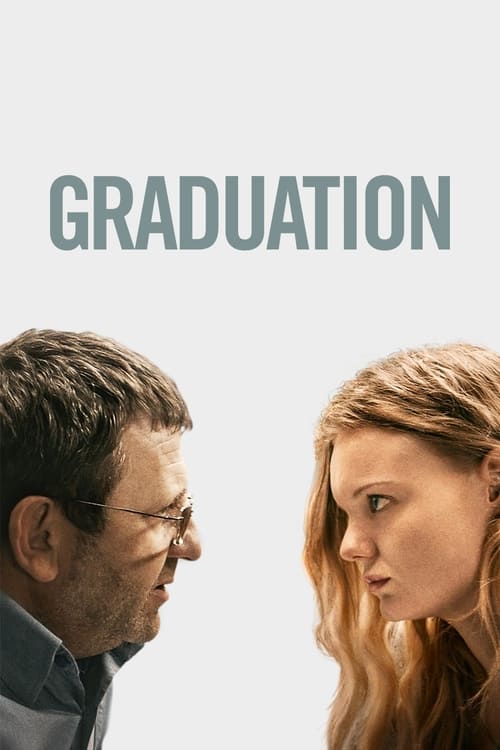
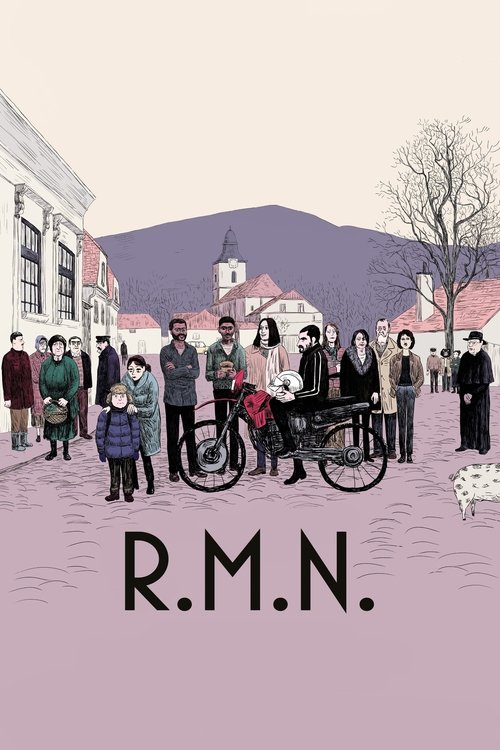
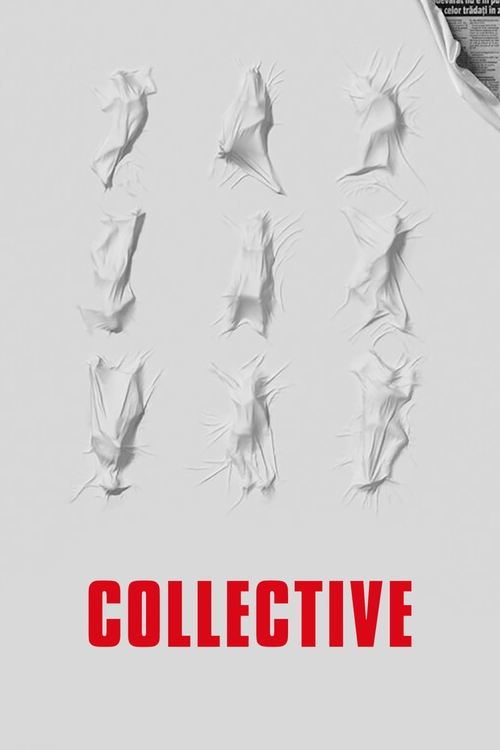
Cristian Mungiu kept refining the moral pressure cooker, with Graduation (2016) and the ensemble xenophobia of R.M.N. (2022). Cristi Puiu went longer and stranger: the three-hour family inquisition Sieranevada (2016) and the talky Malmkrog (2020). Younger directors widened the palette. Adina Pintilie's Touch Me Not (2018) took the Golden Bear into experimental territory, and Alexander Nanau's documentary Collective (2019) exposed a hospital-corruption scandal so cleanly it earned a double Oscar nomination.
Porumboiu, Jude, and the second generation
Where the New Wave went after the Palme: satire, history, documentary

A chronology of Romanian film
- 1967Sergiu Nicolaescu's historical epic Dacii establishes state-cinema spectacle under the communist studio system.
- 1992Lucian Pintilie's The Oak signals a darker, post-revolution sensibility. Simon & the Oaks
- 2001Cristi Puiu's debut Stuff and Dough is later seen as the New Wave's quiet starting gun.
- 2005The Death of Mr. Lazarescu wins the Un Certain Regard prize at Cannes.
- 20074 Months, 3 Weeks and 2 Days wins the Palme d'Or, the movement's global breakthrough. 4 Months, 3 Weeks and 2 Days
- 2013Child's Pose wins the Golden Bear in Berlin.
- 2019Collective earns a double Oscar nomination, a first for a Romanian film. Collective
- 2021Radu Jude's Bad Luck Banging or Loony Porn wins the Golden Bear.
Before the wave, and the page
The New Wave did not arrive from nowhere. Lucian Pintilie, exiled and returned, made The Oak (1992) and An Unforgettable Summer (1994), bridging the communist era and what followed, and he mentored half the directors who came after. Go further back and you find the dissident currents the state tolerated only barely.
Romania's literary canon is large, and much of it is shadowed by the same history. Mihail Sadoveanu and the poetry of Mihai Eminescu anchor the 19th-century tradition. The 20th century is dominated by exiles writing in Romanian and beyond: Mircea Eliade, Emil Cioran, and the playwright Eugen Ionescu (Eugene Ionesco), whose absurdism shares DNA with the New Wave's flat comedy of the inexplicable. Mircea Cartarescu is the living giant, his Blinding and Solenoid among the most ambitious novels in contemporary European fiction.
Romania on the page
The literary tradition behind the films, from Eminescu to Cartarescu


The slow cinema is the point, not a problem
People bounce off Romanian films for the same reason they are great: nothing is hurried, and nobody is letting you off the hook. Sieranevada spends three hours mostly in one apartment waiting for a memorial meal. Police, Adjective climaxes with a man reading a dictionary aloud. This is not arthouse hazing. The duration is the argument. Corruption, grief, and bureaucracy are not events, they are conditions you endure in real time. Watch one of these films at the speed it asks for and the payoff is a kind of moral clarity no twist could deliver. Start with 4 Months if you want the masterpiece, Collective if you want it to feel like a thriller.