

In the early 1970s, a wave of low-budget, Black-led films tore through American cinemas and briefly saved a struggling Hollywood. Blaxploitation put Black heroes at the center of their own stories for the first time: private eyes, drug dealers, nurses out for revenge, kung-fu avengers. The films were pulpy and uneven, sometimes reckless with their politics, but they were electric, and their funk and soul soundtracks are among the greatest music ever recorded for the screen.
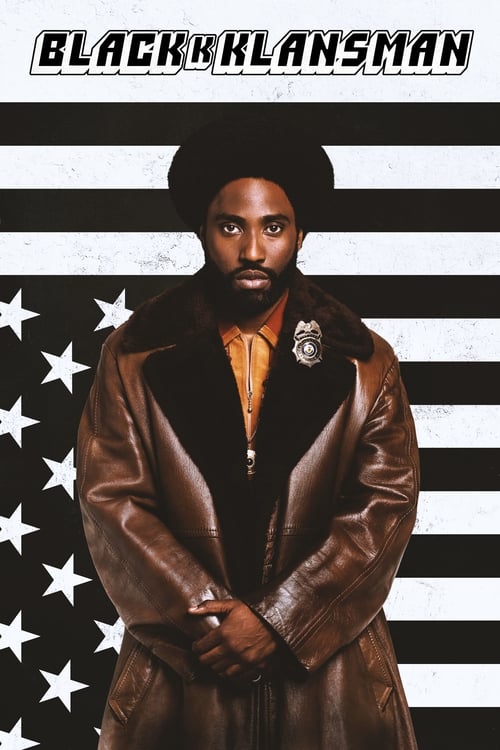
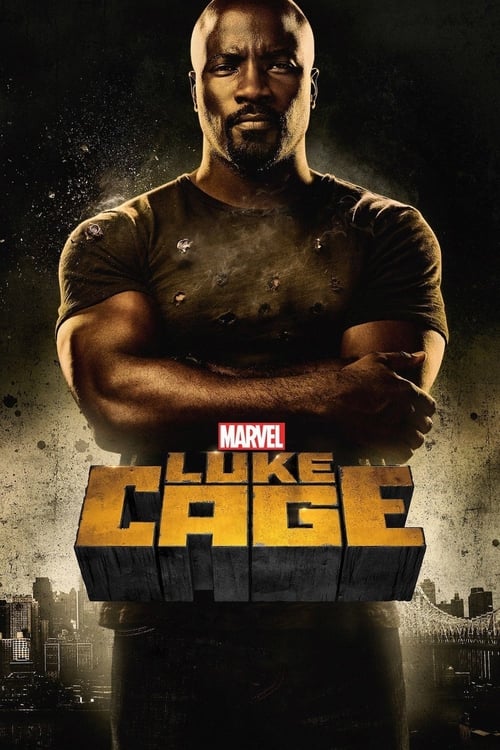
The movement burned bright and fast, from Sweet Sweetback and Shaft in 1971 to a mid-decade decline, but its DNA is everywhere: in Quentin Tarantino's Jackie Brown, in the comedy of Black Dynamite, in Luke Cage, in hip-hop that sampled Curtis Mayfield and Isaac Hayes for decades. Here is the whole scene: the essential films, the icons, the loving homages, and the funk that made it move.
Essential blaxploitation

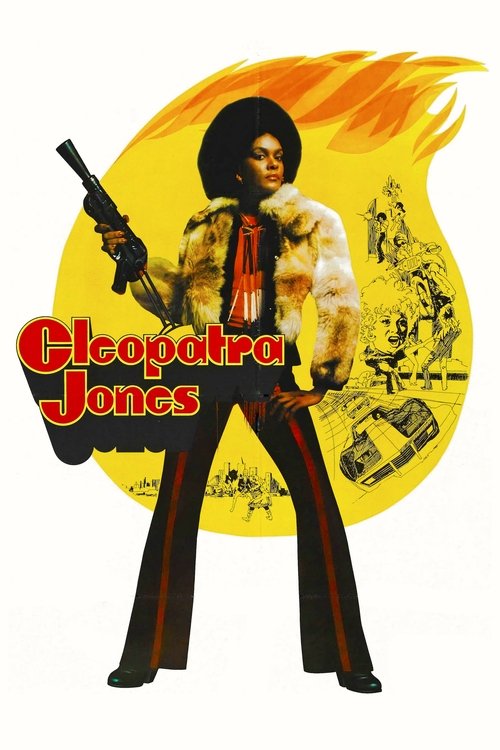
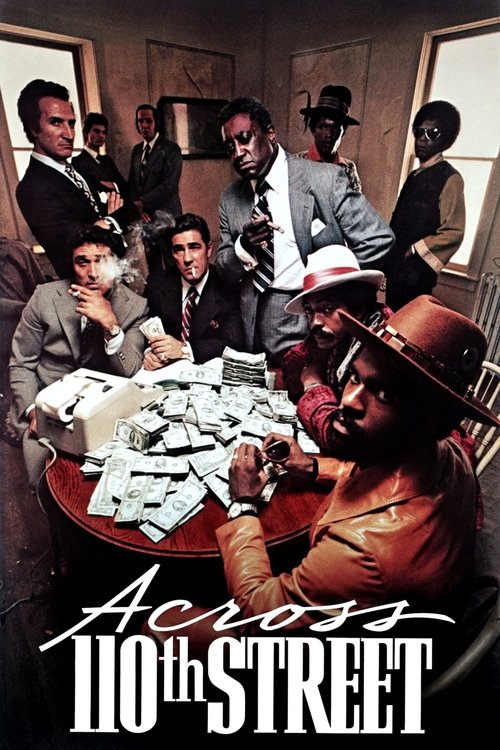
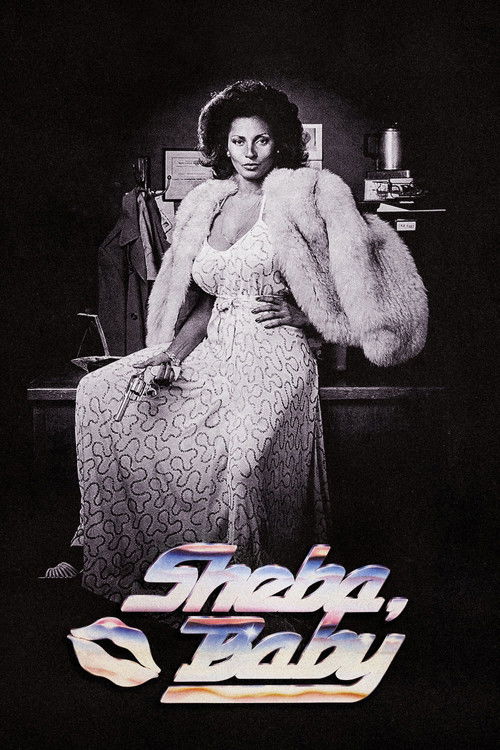
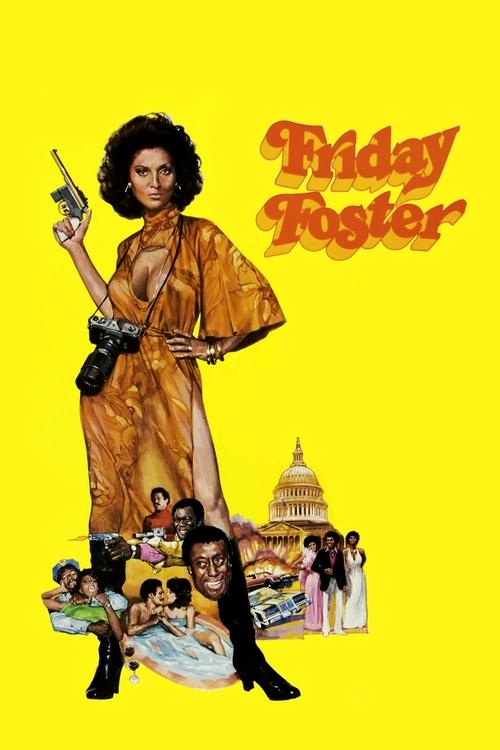
The icons: Pam Grier, Richard Roundtree and Fred Williamson
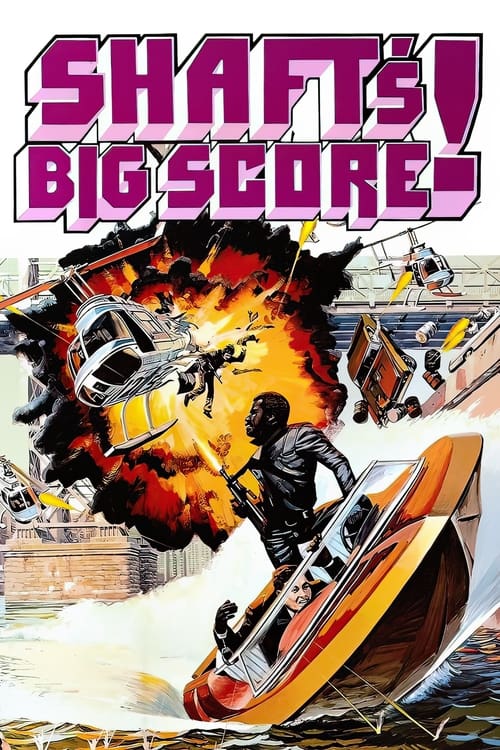
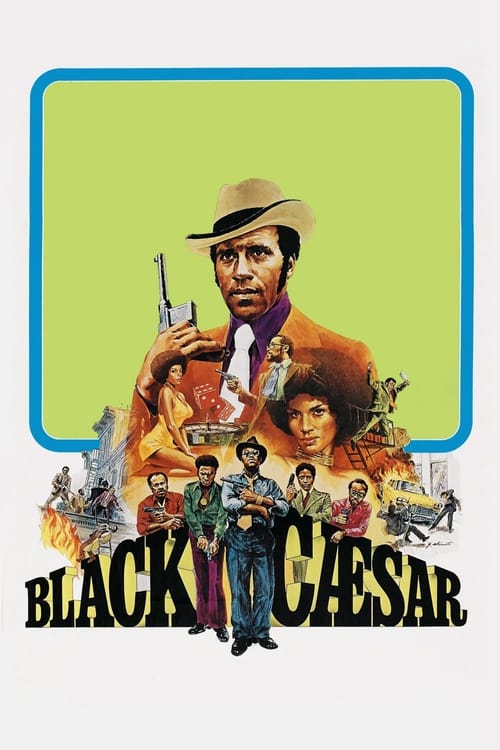
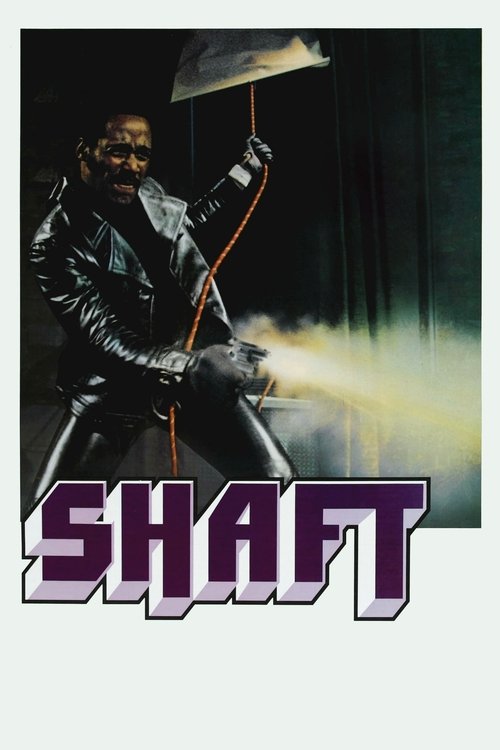
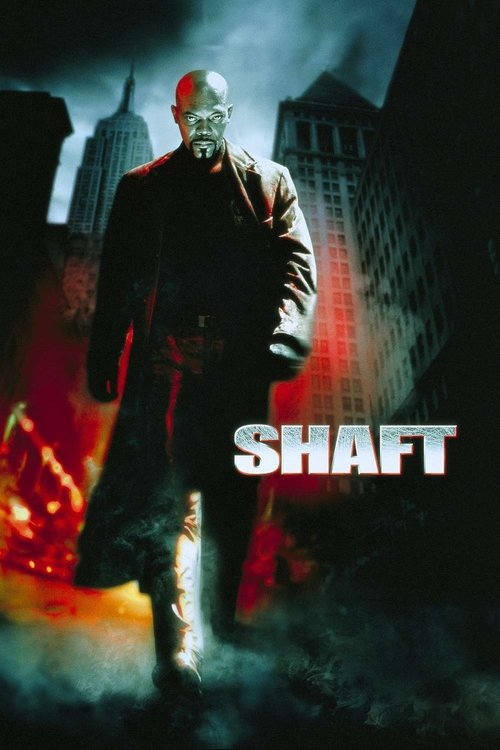
Shaft is the film that started it all
Gordon Parks put a Black private detective at the center of a slick, confident thriller, and Isaac Hayes wrapped it in a theme so good it won an Oscar. Richard Roundtree's John Shaft walks through Harlem like he owns it, and for a couple of hours in 1971, Black audiences finally saw a hero who did.
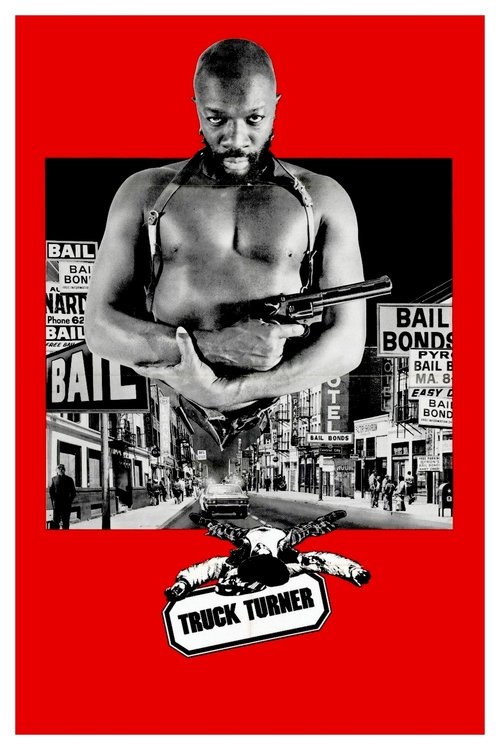
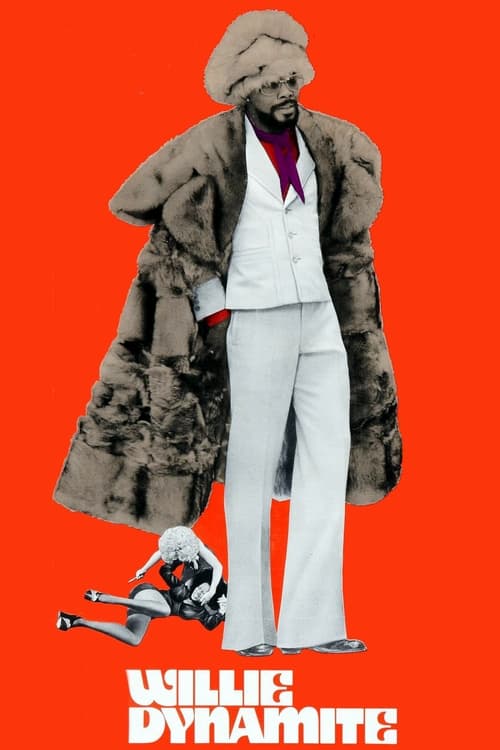
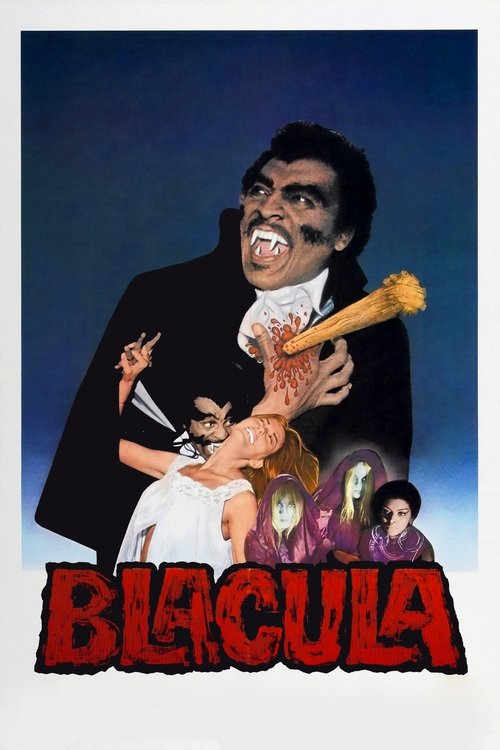
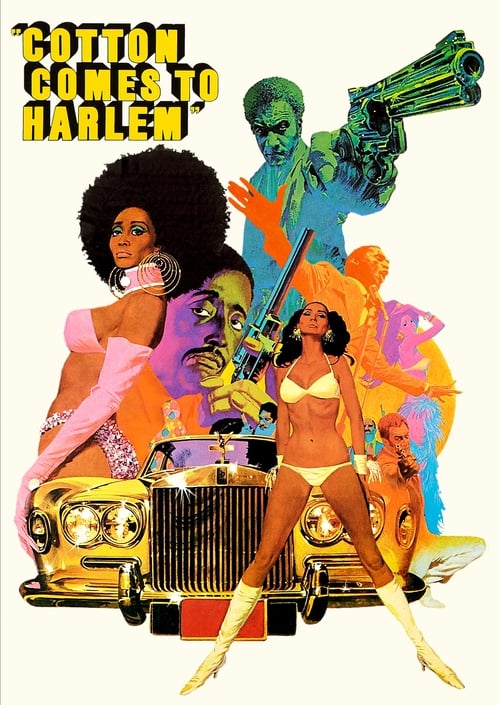
Crime, kung-fu and horror
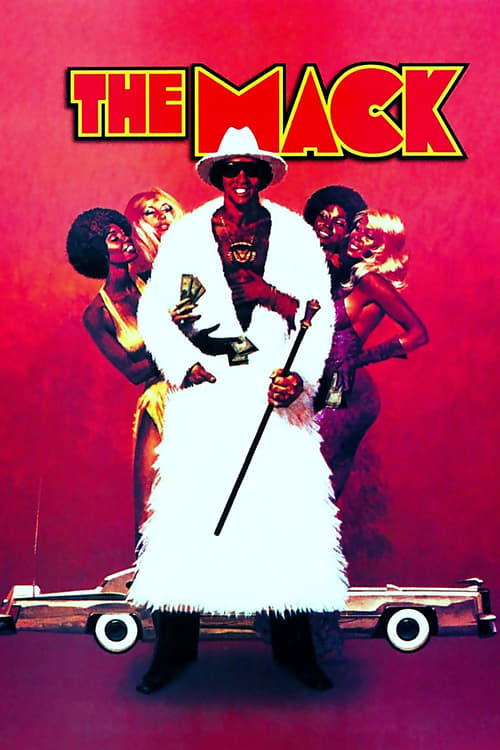

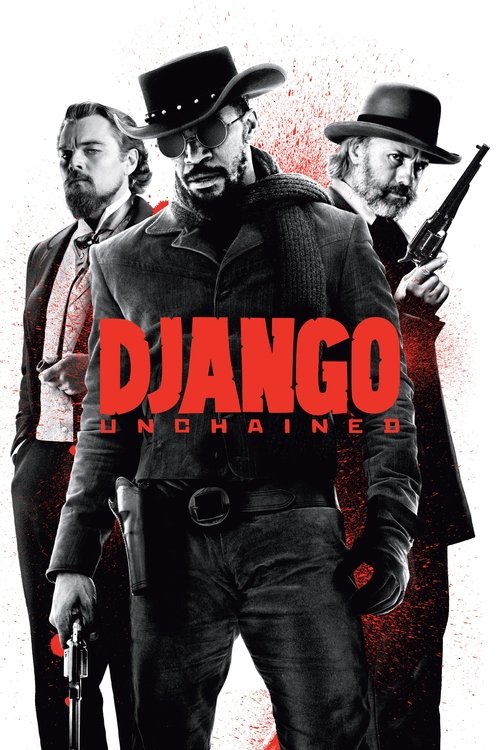
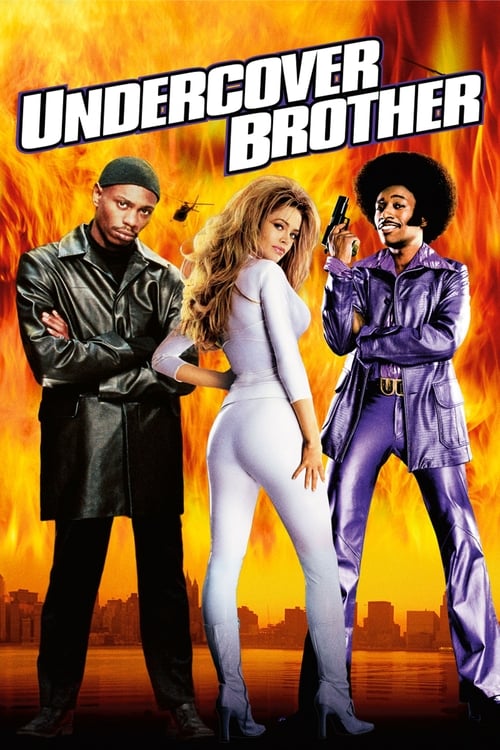
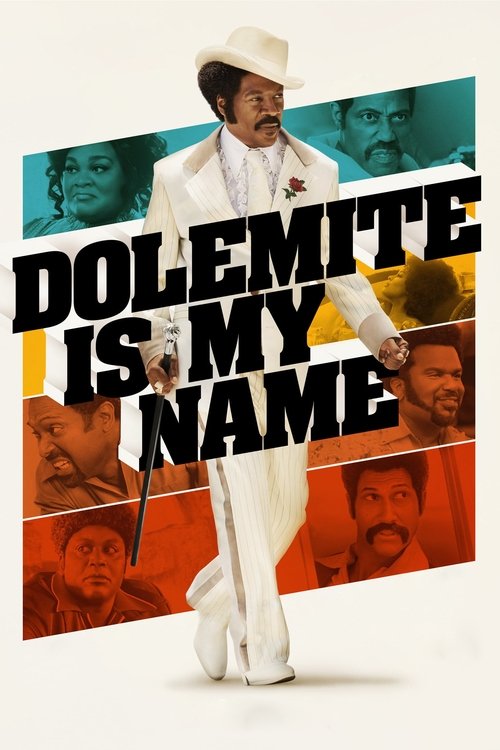
Homages and screen heirs


The timeline
- 1971Sweet Sweetback's Baadasssss Song ignites the movement Sweet Sweetback's Baadasssss Song
- 1971Shaft becomes the genre's breakout hit Shaft
- 1972Super Fly and its Curtis Mayfield score define the era Super Fly
- 1973Coffy makes Pam Grier an action star Coffy
- 1974Foxy Brown cements the avenging-heroine template Foxy Brown
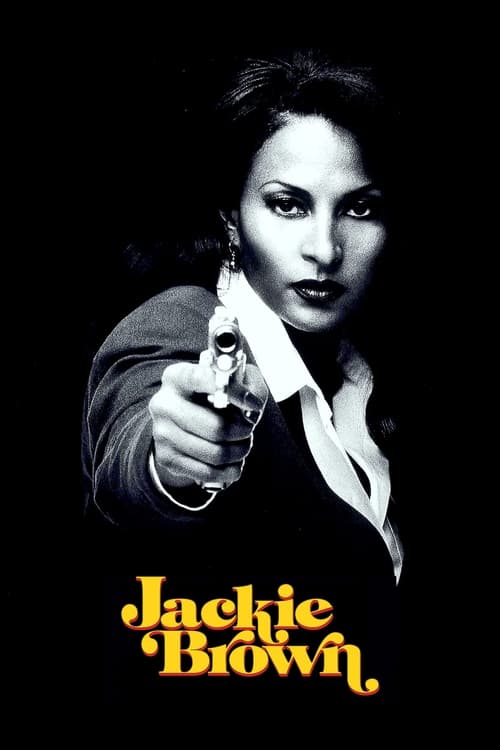
- 1997Jackie Brown revives the genre's stars and style Jackie Brown
- 2009Black Dynamite turns homage into an art form Black Dynamite
- 2016Luke Cage brings blaxploitation to Marvel television Marvel's Luke Cage
Pam Grier is the genre's greatest star
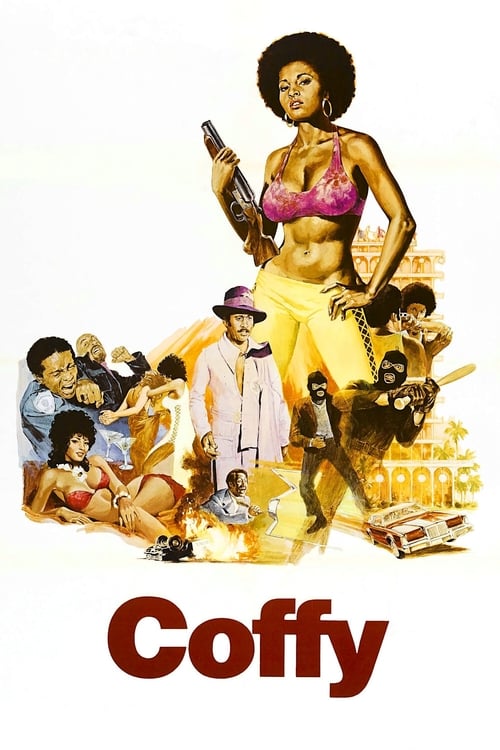
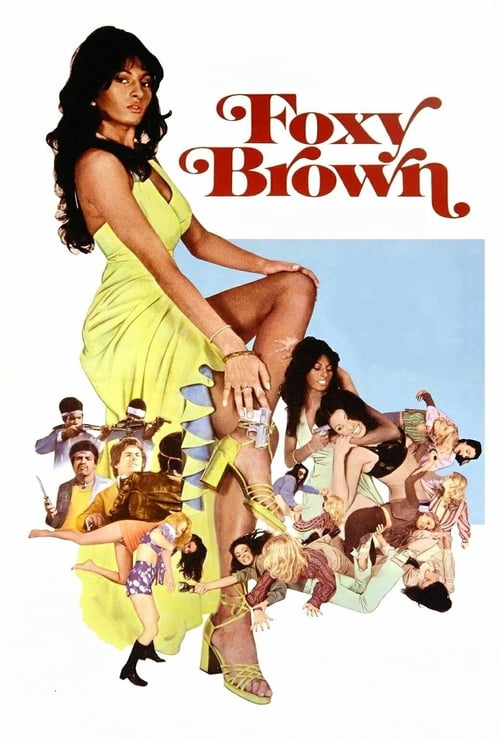
In Coffy and Foxy Brown, Pam Grier played women who were sensual, furious, and completely in control, avenging enemies with a shotgun and a switchblade. She was an action lead a decade before Hollywood admitted women could carry action films. Tarantino built Jackie Brown around her for a reason.
Super Fly's soundtrack outlived the movie
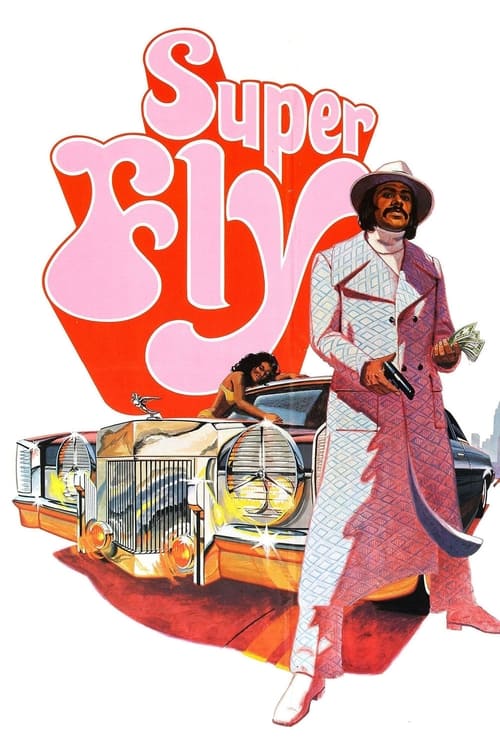
Curtis Mayfield's score for Super Fly is a quiet masterpiece that critiques the very drug-dealer lifestyle the film glamorizes. Freddie's Dead and Pusherman turned a modest crime picture into a landmark album that sold more than the movie made. Blaxploitation's soundtracks were often better than the films, and this is the proof.
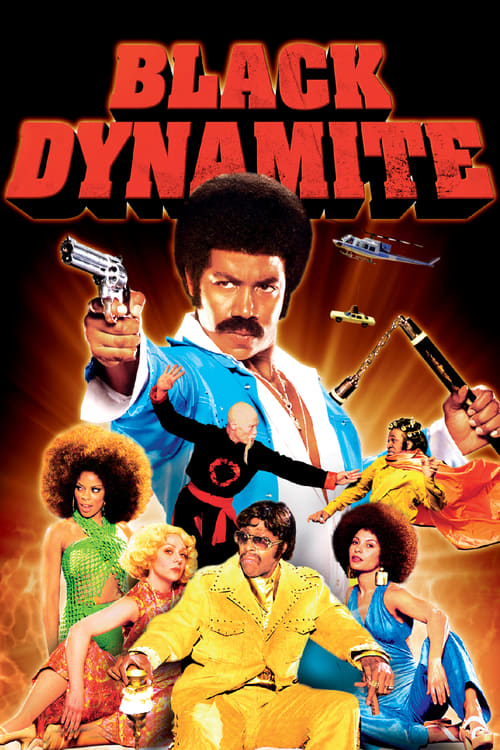
Black Dynamite is the perfect love letter
Michael Jai White's 2009 spoof nails every convention of the genre, the boom mics in frame, the funk stings, the righteous fury, while genuinely loving the thing it parodies. It became a cult film and an animated series, proof that blaxploitation's style is immortal even when the movement is long over.
Keep exploring
Buddy Cop: The Complete Guide to Mismatched Partners
Explore the Buddy Cop: The Complete Guide to Mismatched Partners guide →Frequently asked
What is blaxploitation?
Blaxploitation is a film movement of the early-to-mid 1970s featuring Black actors in lead roles, aimed primarily at Black urban audiences. The films spanned crime, action, horror, and comedy, and were known for streetwise heroes, gritty urban settings, and iconic funk and soul soundtracks. Shaft, Super Fly, and Coffy are defining examples. The name combines Black and exploitation.
Why were blaxploitation soundtracks so important?
The genre's soundtracks, by artists like Isaac Hayes (Shaft), Curtis Mayfield (Super Fly), and Marvin Gaye (Trouble Man), often outshone the films and became landmark albums in their own right. They defined the sound of 1970s funk and soul, and were sampled extensively by hip-hop artists for decades, giving blaxploitation a musical legacy far larger than its box-office footprint.
Where should I start with blaxploitation?
Start with Shaft (1971), the genre's breakout, and Super Fly (1972) for its extraordinary Curtis Mayfield score. Then watch Coffy and Foxy Brown to see Pam Grier at her best. For a modern entry point, Black Dynamite is a loving spoof, and Tarantino's Jackie Brown is a heartfelt tribute to the era's stars.