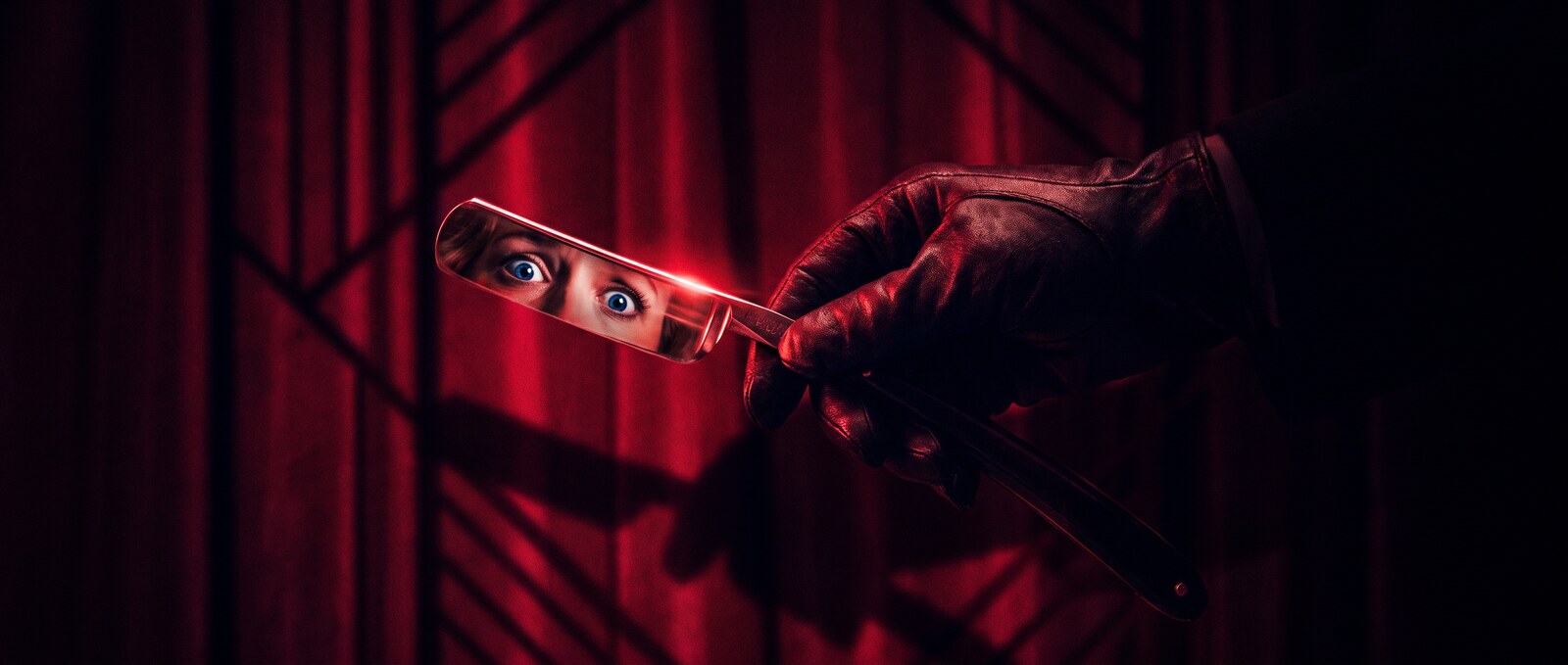

Giallo, Italian for yellow, is named after the lurid yellow-covered pulp mysteries that inspired it, but it became something far stranger and more beautiful: a genre of murder mysteries drenched in style, where a black-gloved killer stalks glamorous victims through impossibly colored rooms, and the plot matters far less than the mood, the music and the kill. Mario Bava invented it, Dario Argento perfected it, and Lucio Fulci pushed it toward pure nightmare.
This is the complete guide: Bava's founding films, Argento's masterpieces, Fulci's descents into horror, the fertile golden age of the early 1970s, the American directors who borrowed its grammar, and the modern neo-giallo that keeps the black glove alive.
The essential giallo

Dario Argento's murders

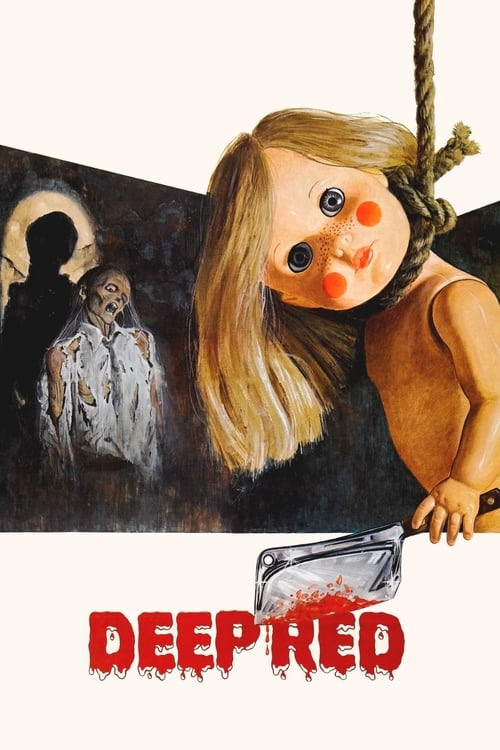
Deep Red is the giallo raised to the level of art
Dario Argento's Profondo Rosso is the genre's masterpiece: a murder mystery whose solution is hidden in plain sight in its very first scene, wrapped in David Hemmings's paranoid investigation, Goblin's pounding prog-rock score, and set pieces of almost unbearable, beautiful tension. Every element that makes giallo great, the black gloves, the childhood trauma, the architecture, the color, is here at its most refined. It is the film the whole genre is measured against.
Mario Bava, the architect
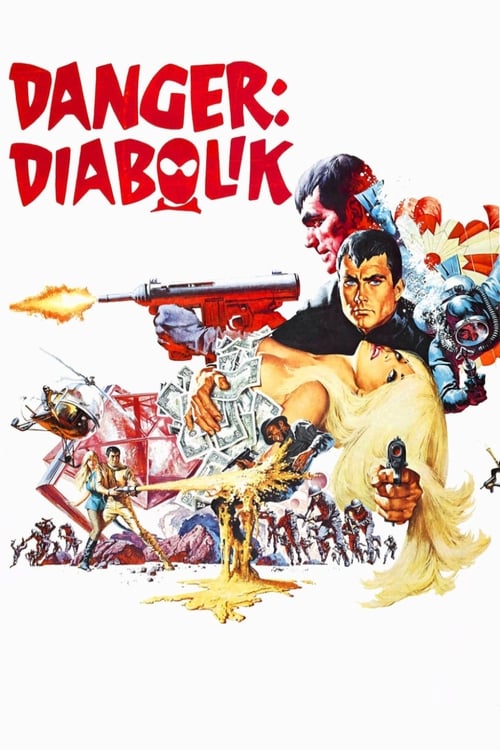
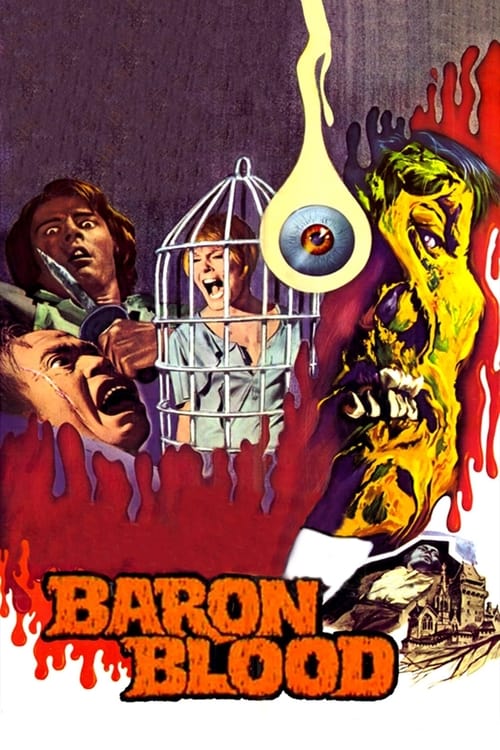

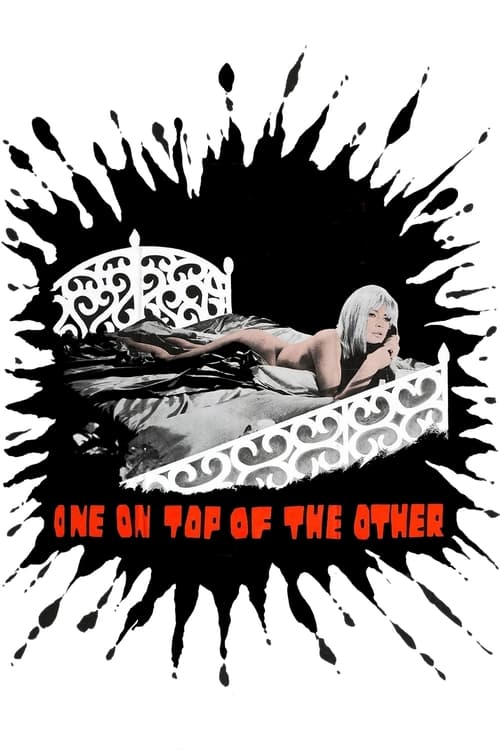
The golden age gialli
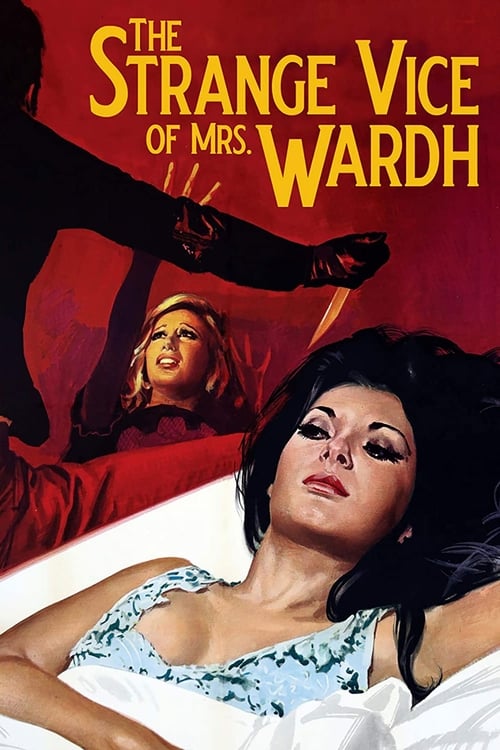

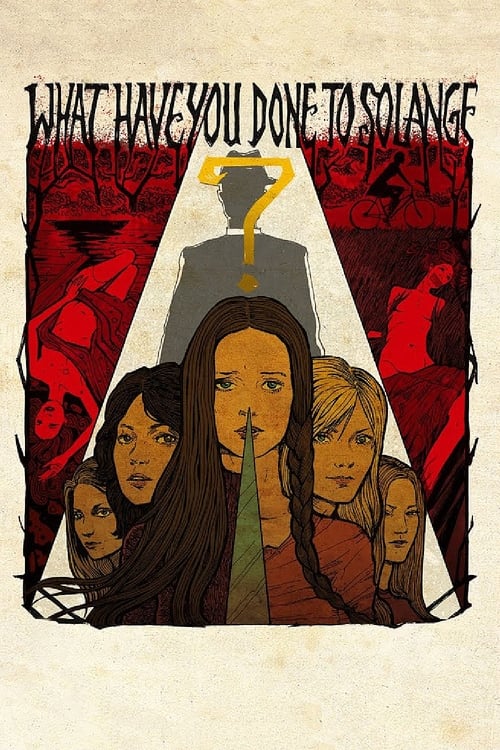
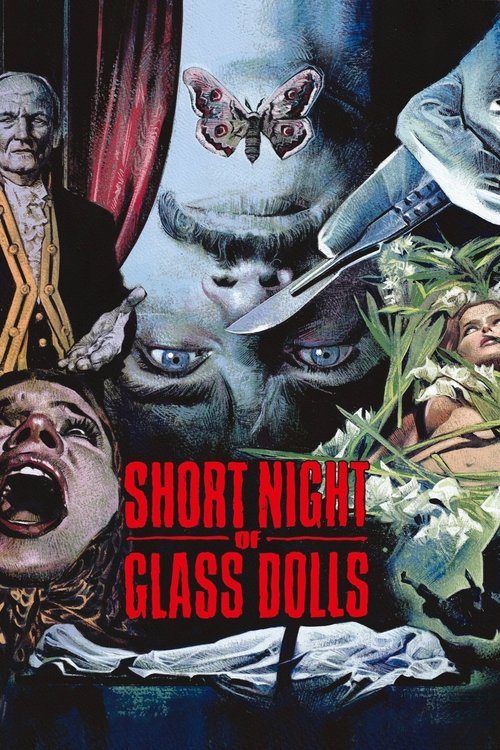
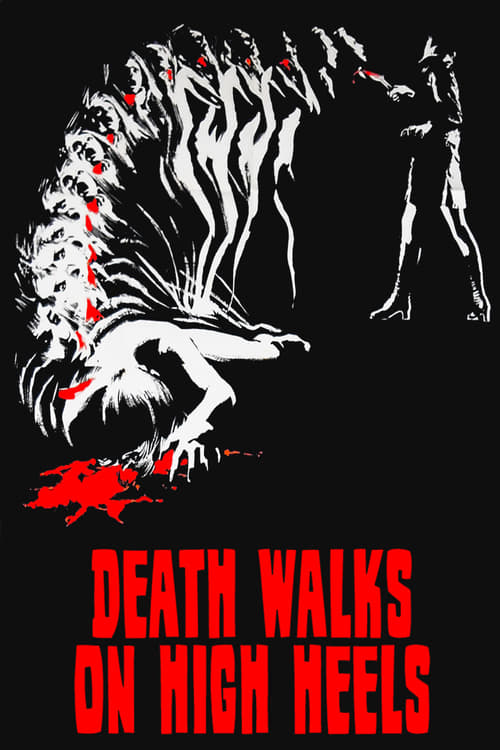
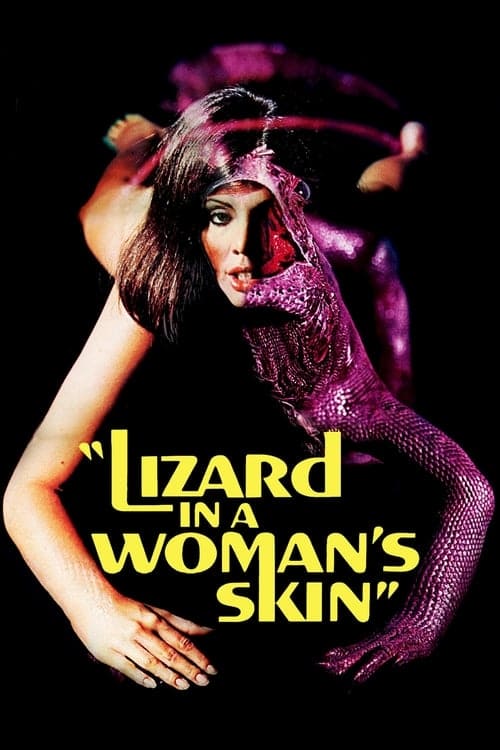
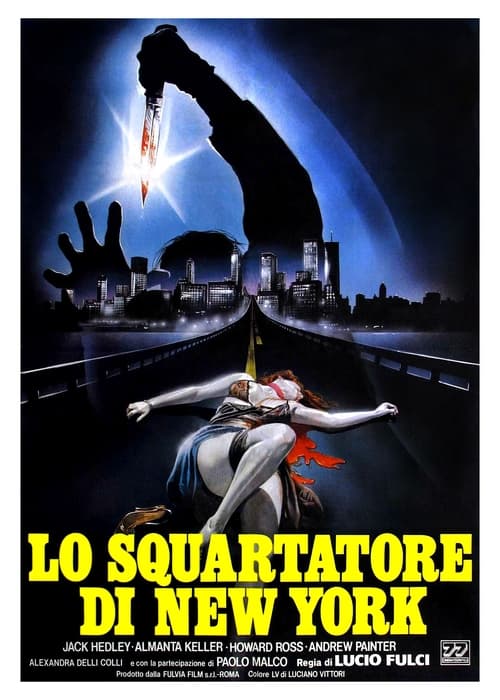
Lucio Fulci's nightmares
Blood and Black Lace wrote the rulebook
Mario Bava's 1964 film is where the giallo becomes itself: a faceless, black-clad killer in a mannequin-filled fashion house, a body count structured like a countdown, and lighting so lush and unnatural it turns murder into painting. There is barely a hero, because the film understands that the killer, the color and the set pieces are the real stars. Every giallo that followed, and every slasher after that, is working from its blueprint.
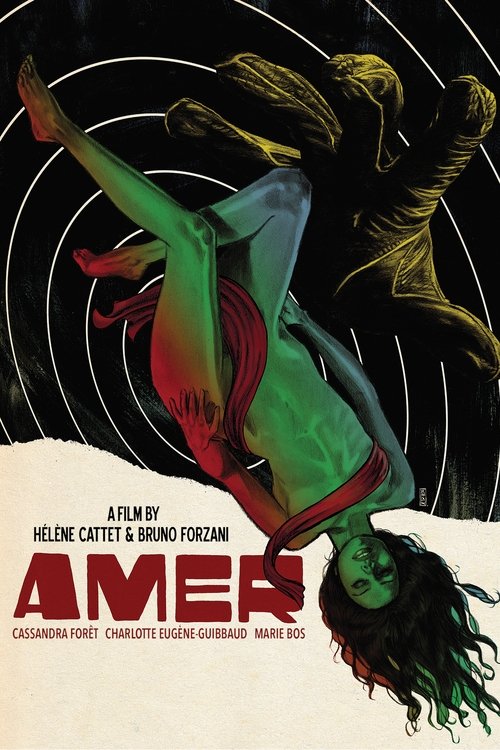
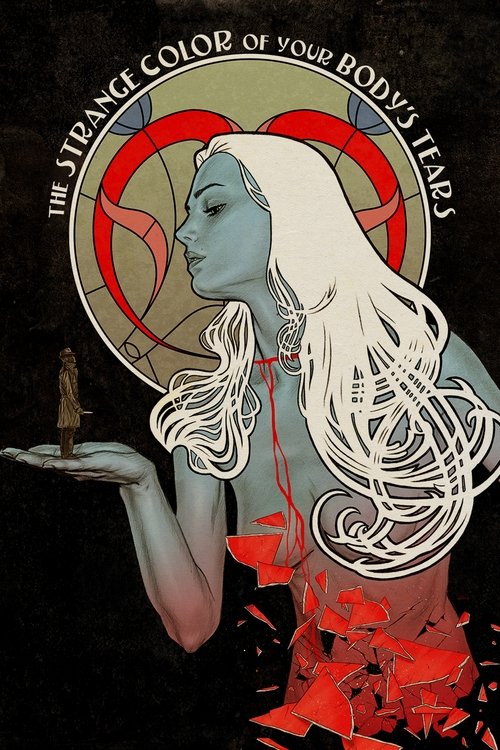
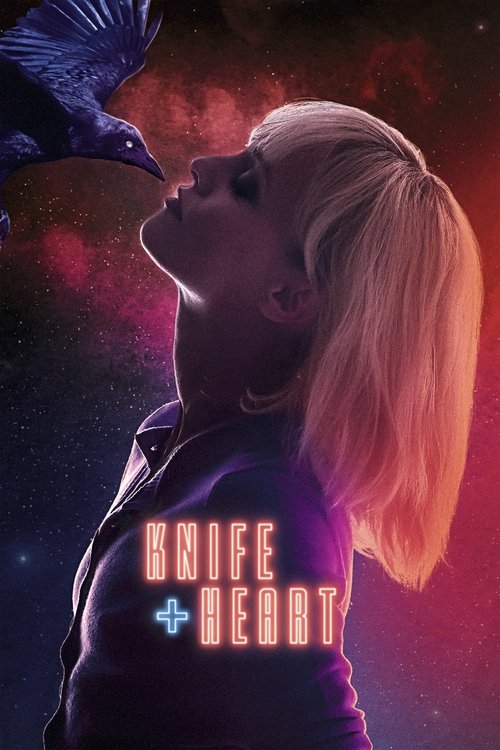
The neo-giallo revival
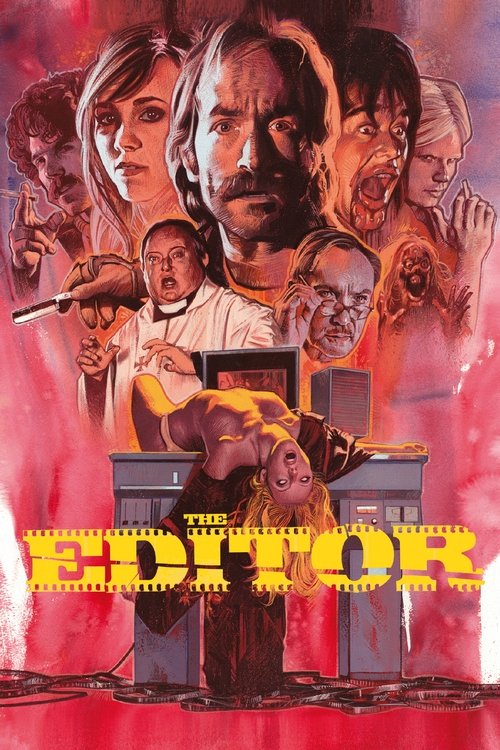
American giallo: De Palma and beyond

The timeline
- 1963Mario Bava's The Girl Who Knew Too Much is generally considered the first giallo.
- 1964Blood and Black Lace fixes the giallo's visual template of style and slaughter. Blood and Black Lace
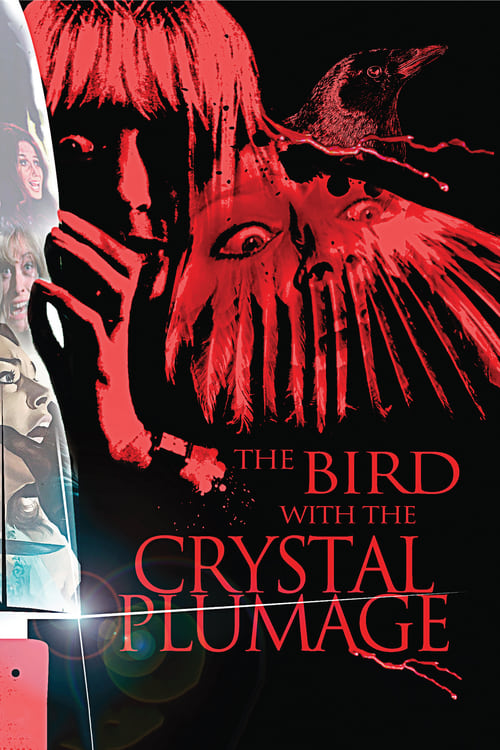
- 1970Dario Argento's The Bird with the Crystal Plumage launches the genre's golden age. The Bird with the Crystal Plumage
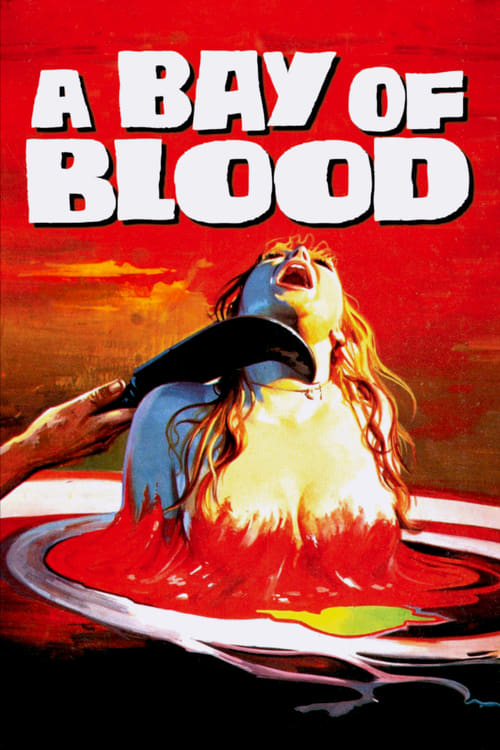
- 1971A Bay of Blood pioneers the body-count structure that slashers would inherit. A Bay of Blood
- 1975Deep Red becomes the giallo's undisputed masterpiece. Deep Red
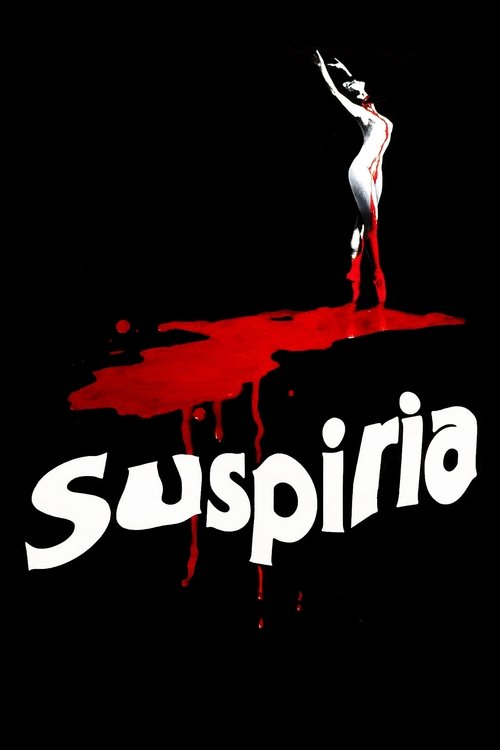
- 1977Suspiria pushes the giallo into supernatural horror. Suspiria
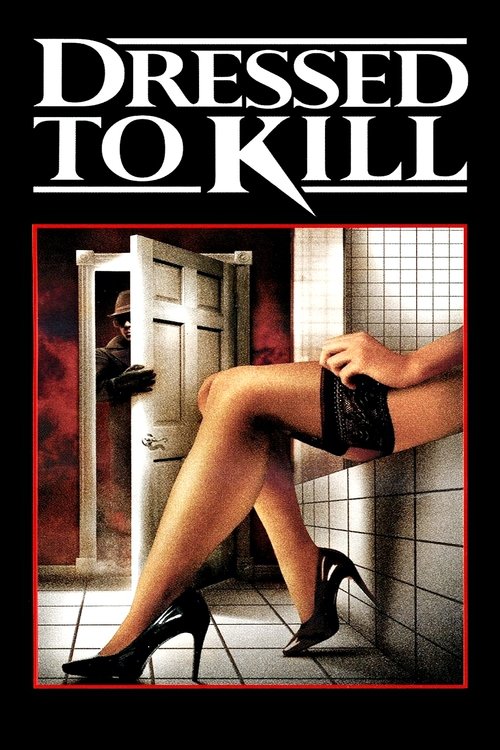
- 1980Brian De Palma's Dressed to Kill carries the giallo's grammar to Hollywood. Dressed to Kill
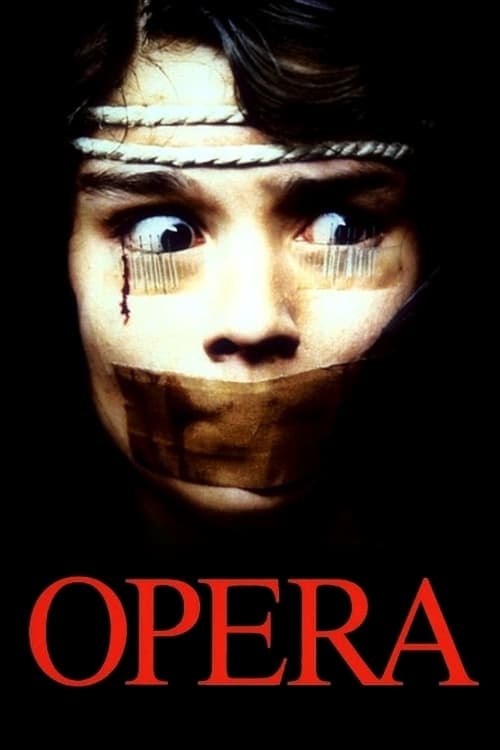
- 1987Opera stands as Argento's last great giallo of the classic era. Opera
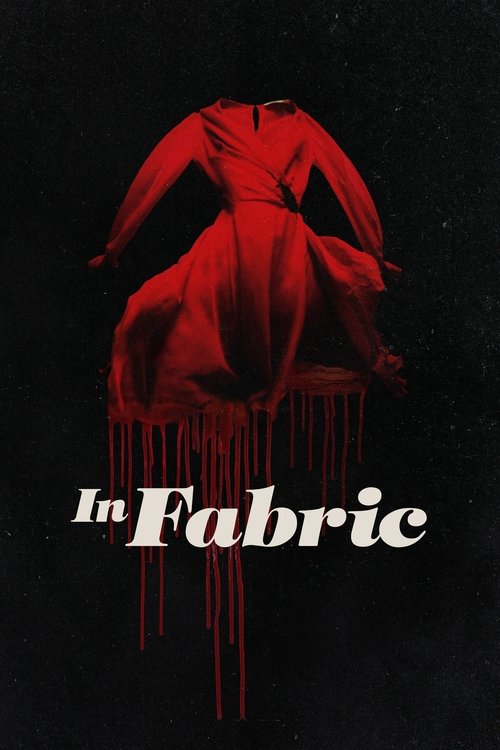
- 2018In Fabric and a wave of neo-giallo carry the black glove into the present. In Fabric
Suspiria is what happens when giallo becomes a nightmare
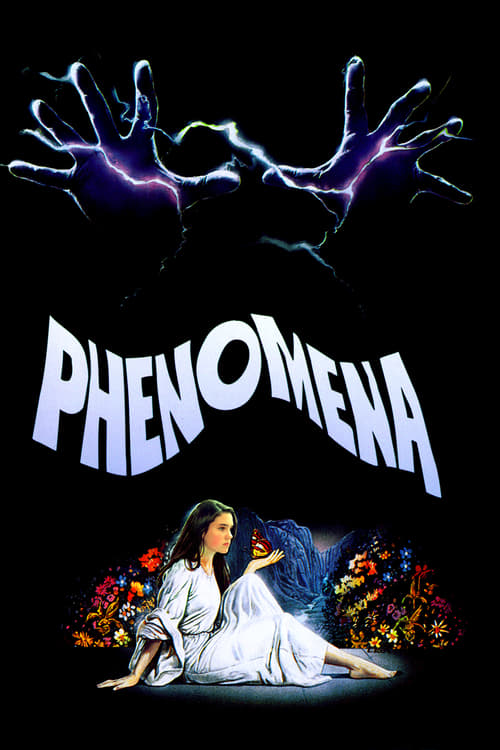
Argento took the giallo's saturated color and dream logic and pushed them past mystery into pure supernatural horror. Set in a German dance academy that is secretly a witches' coven, Suspiria abandons plausible plotting for overwhelming sensory assault: impossible reds and blues, Goblin's shrieking score, and death scenes staged like fever dreams. It is the giallo dissolving into something older and more frightening, and it may be the most beautiful horror film ever made.
In Fabric proved the giallo never died
Peter Strickland, who also made the giallo-obsessed Berberian Sound Studio, built In Fabric as a haunted, deadpan neo-giallo about a cursed red dress that ruins everyone who wears it. It recreates the genre's lurid color, its fetishistic camera and its dream logic, then turns them toward comedy and consumer dread. Strickland understands that giallo was always about texture and atmosphere over plot, and In Fabric is the strangest, most loving entry in the modern revival.
The masters of the genre
Keep exploring
Slashers
Explore the Slashers guide →Frequently asked
What is a giallo?
Giallo is a genre of Italian film, most popular from the 1960s to the 1980s, blending murder mystery, psychological thriller and horror with a heavy emphasis on style, eroticism and graphic, artful violence. Its hallmarks include a mysterious black-gloved killer, convoluted plots, striking colored lighting and memorable scores. The name comes from the yellow covers of the Italian pulp mystery novels that inspired it.
How did giallo influence the slasher movie?
Enormously. Films like Mario Bava's A Bay of Blood pioneered the body-count structure, elaborate murder set pieces and the killer's point-of-view shot that American slashers such as Halloween and Friday the 13th would adopt wholesale. The giallo's masked or gloved, motive-hidden killer is a direct ancestor of the slasher villain.
Who are the most important giallo directors?
Mario Bava is credited with inventing the genre; Dario Argento perfected and popularized it with masterpieces like Deep Red and Suspiria; and Lucio Fulci pushed it toward extreme horror. Other key figures include Sergio Martino, Umberto Lenzi and Aldo Lado. The prog-rock band Goblin and composer Ennio Morricone gave many gialli their unforgettable scores.
Where should I start with giallo?
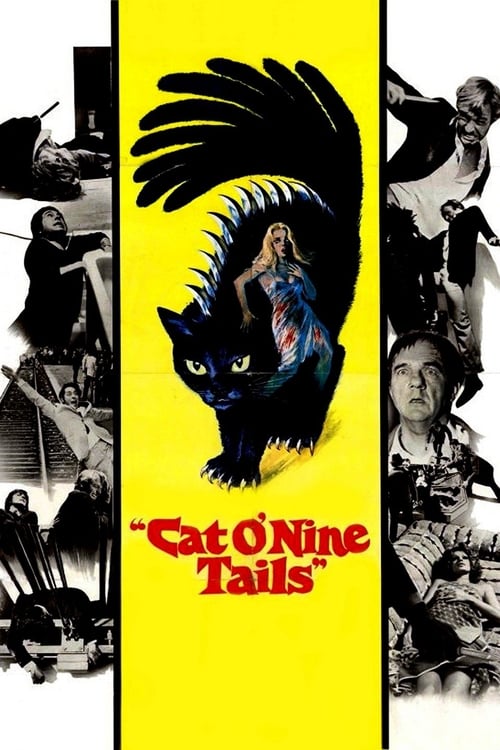
Dario Argento's Deep Red and The Bird with the Crystal Plumage are the best entry points, along with Mario Bava's Blood and Black Lace. Suspiria is the most famous, though it leans into supernatural horror. For a modern take, Berberian Sound Studio and Amer show how the genre lives on.