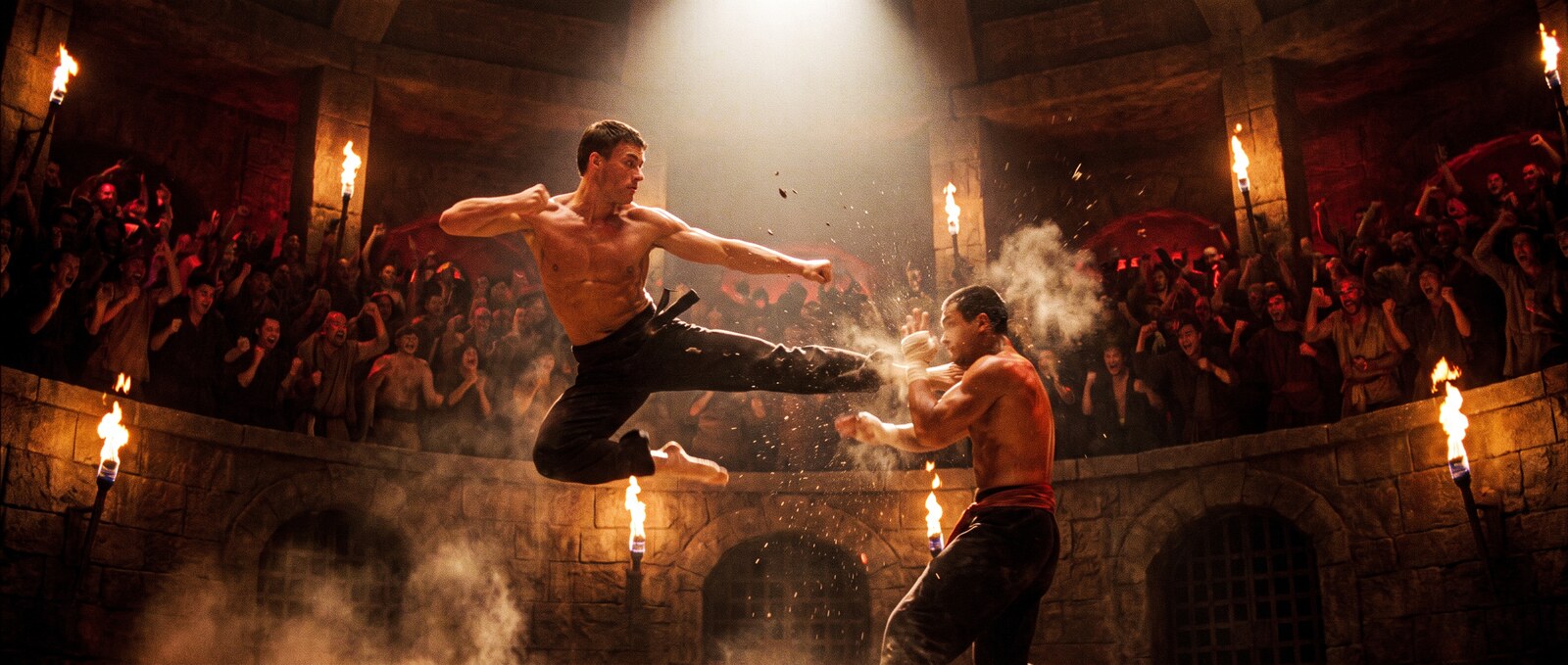

There is no cleaner story engine than a tournament: gather the world's greatest fighters, put them in a bracket, and let them punch their way to a single champion. Bruce Lee's Enter the Dragon gave cinema the template, Bloodsport turned the underground Kumite into a legend, Street Fighter II built an entire video-game genre out of it, and anime like Dragon Ball and Baki made the tournament arc the beating heart of action storytelling.
This is the complete guide across every medium: the classic and underground tournament films, the fighting-game canon from the arcade to today, the great tournament arcs of anime, the underground bare-knuckle sagas, the Karate Kid dojo dynasty, and the MMA cinema that made the cage real.
The essential fighting tournaments
Enter the tournament: the films


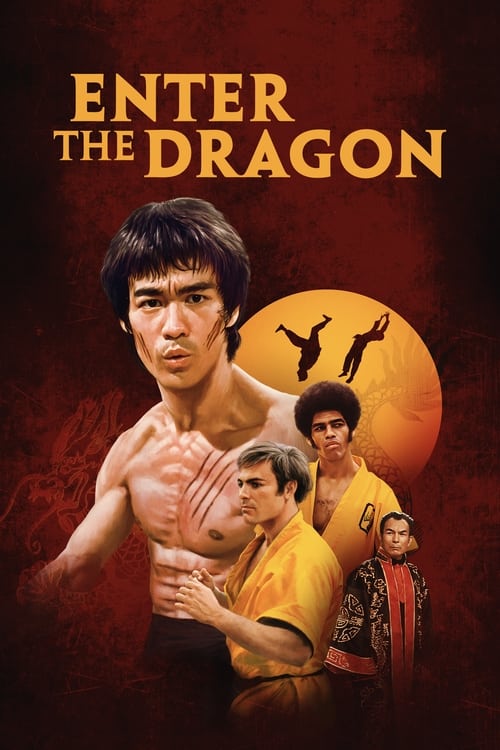
Enter the Dragon is the film that built the genre
Bruce Lee's final completed film gave the martial-arts tournament its definitive shape: a secret island competition run by a villain, fighters from around the world, and a hero who is really there for something more. Lee's speed and charisma made him a global icon overnight, and the mirror-room finale is one of the most imitated sequences in action cinema. Every tournament movie, and half the fighting games, are descendants of this one film.
The fighting game canon
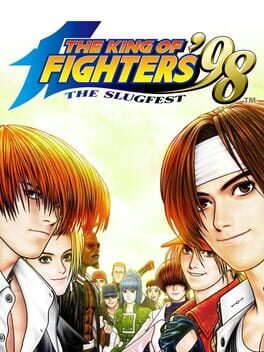
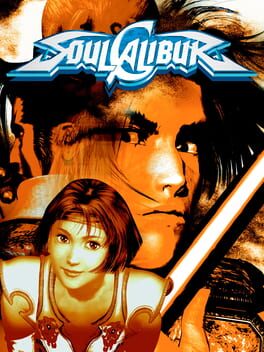
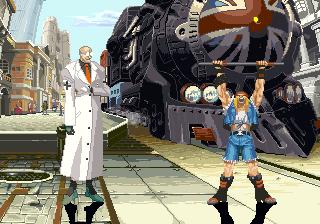
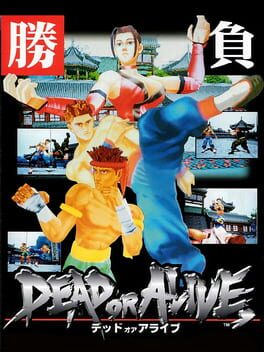
The modern fighting game
The tournament arc in anime
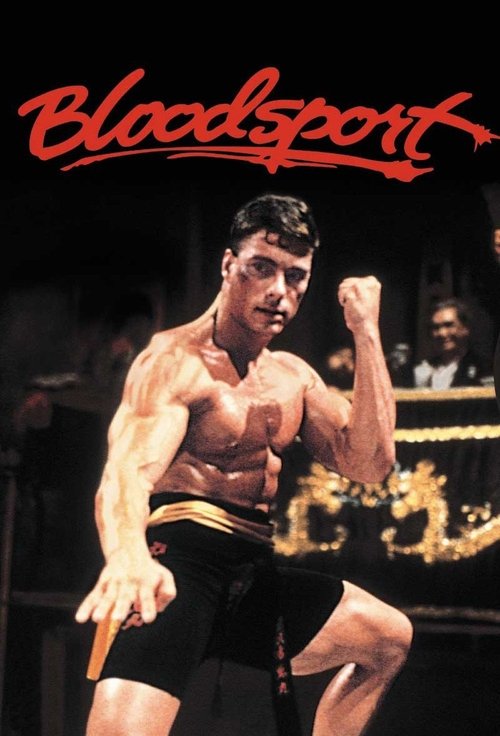
Bloodsport is the tournament movie in its purest form
Loosely based on the supposed real-life exploits of Frank Dux, Bloodsport strips the genre to its essence: a secret full-contact Kumite in Hong Kong, a bracket of colorful fighters, and Jean-Claude Van Damme splitting his way to the final. It is gloriously silly and completely sincere, and it defined the direct-to-video martial-arts boom of the late eighties. When people picture a fighting tournament, they picture this.
Underground fighting
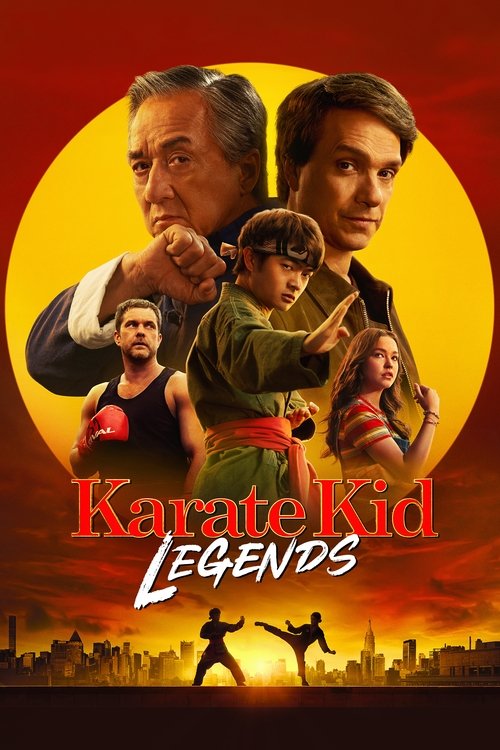
The Karate Kid and the dojo
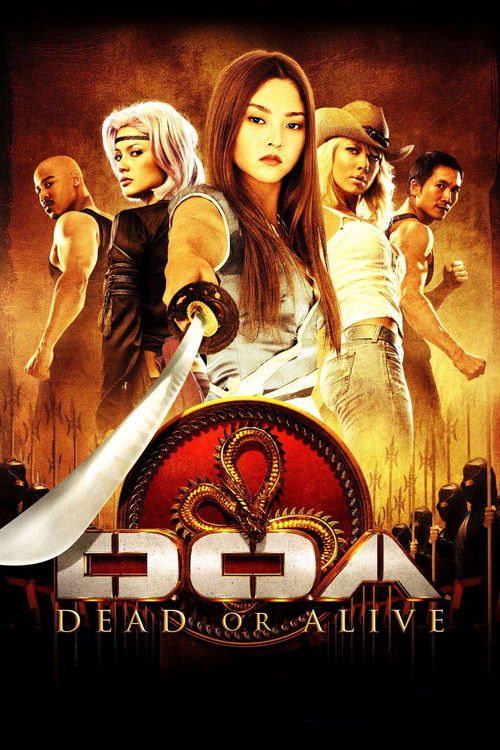
Video-game fighters on film
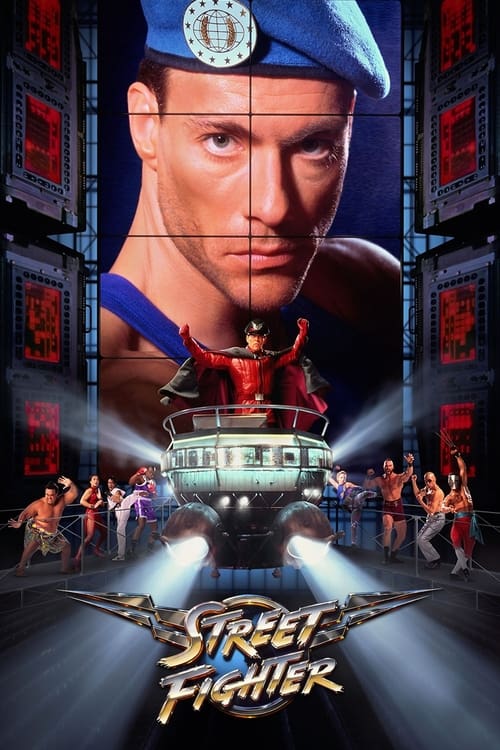
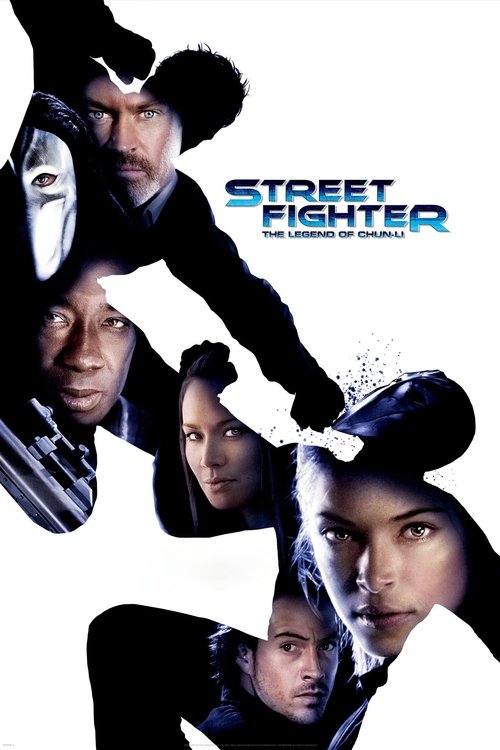
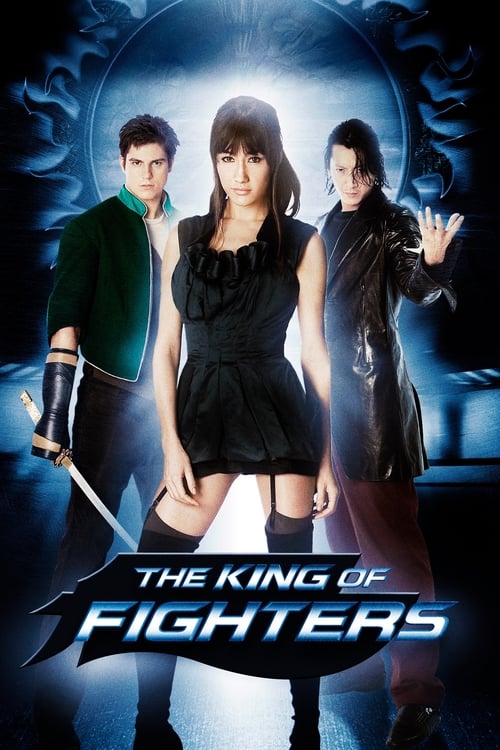
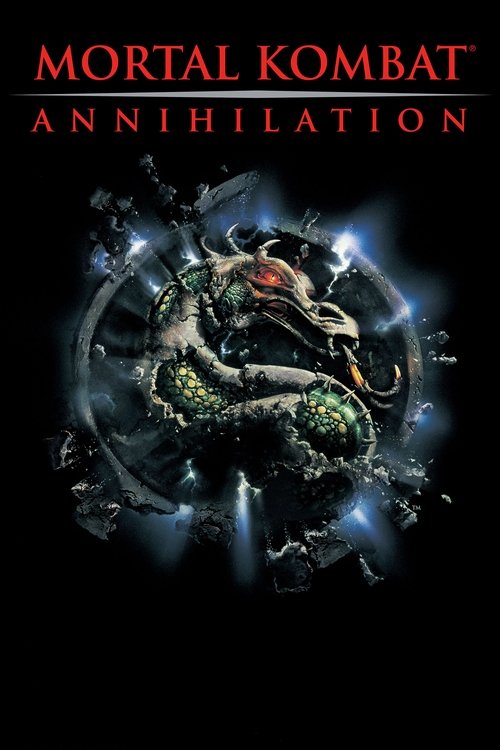
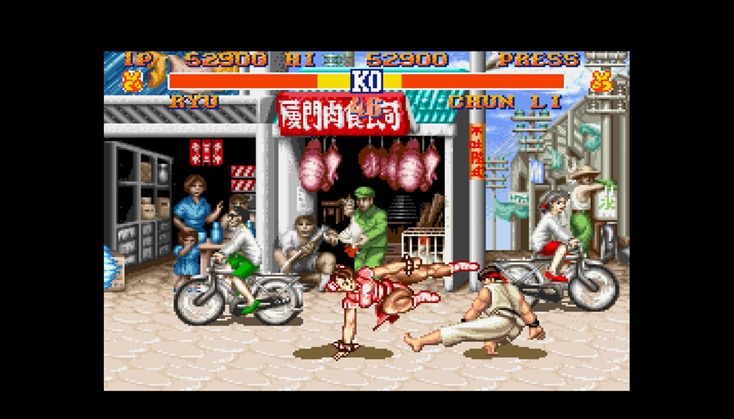
Street Fighter II turned the tournament into a genre
Capcom's 1991 arcade game took the world-warriors-in-a-bracket premise and made it playable, and in doing so invented the modern fighting game. Its roster of national archetypes, its special moves and its two-player rivalry created a competitive culture that runs straight through to today's esports. No single game did more to make the martial-arts tournament an interactive ritual, quarter by quarter, that millions still perform.
MMA and real-fight cinema

The timeline
- 1973Bruce Lee's Enter the Dragon brings the martial-arts tournament to a global audience. Enter the Dragon
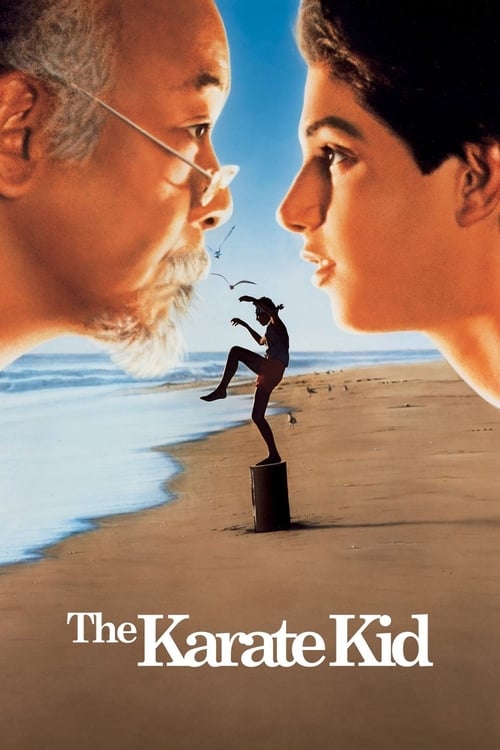
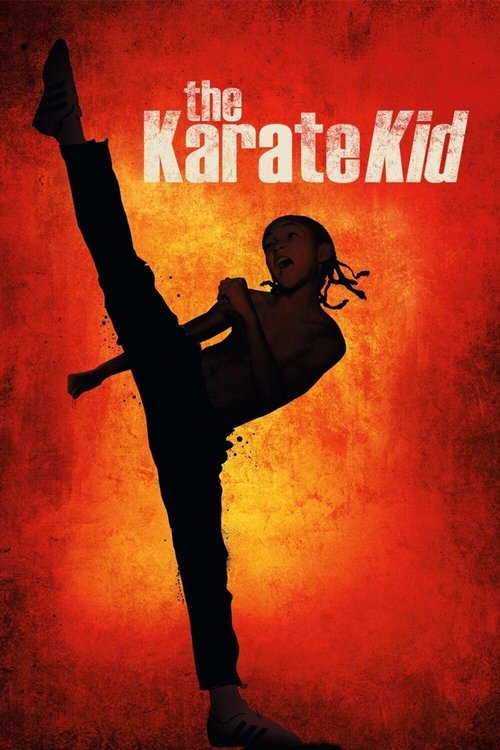
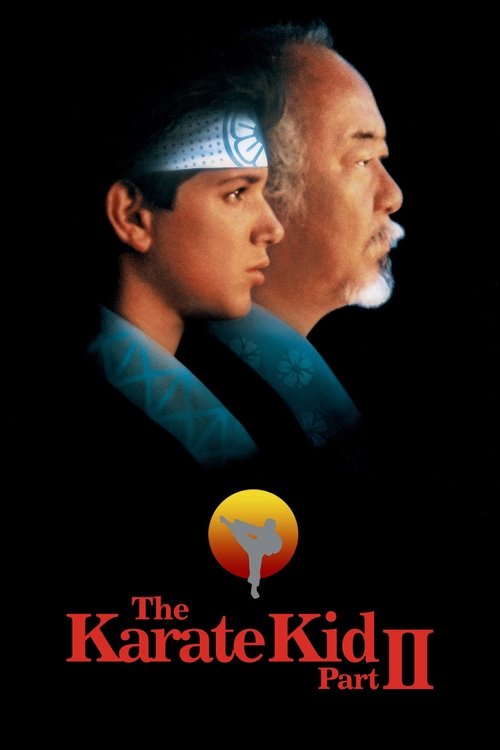
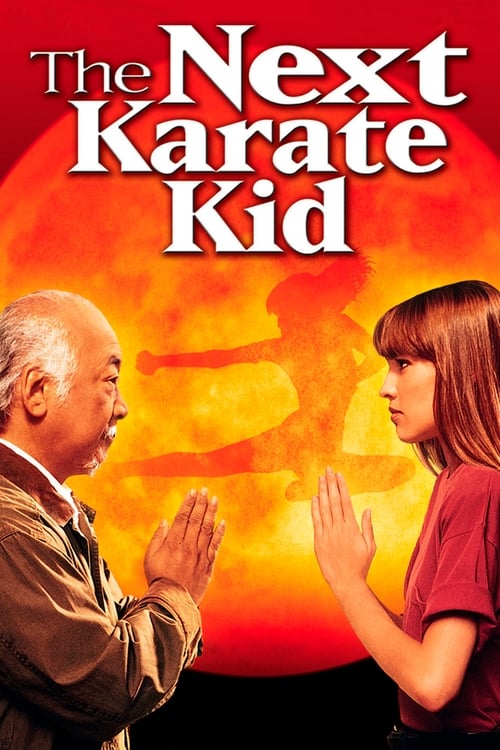
- 1984The Karate Kid makes the underdog dojo tournament a mainstream sensation. The Karate Kid
- 1988Bloodsport codifies the underground full-contact tournament movie. Bloodsport
- 1991Street Fighter II ignites the fighting-game boom and the arcade tournament era. Street Fighter II: The World Warrior (1991)
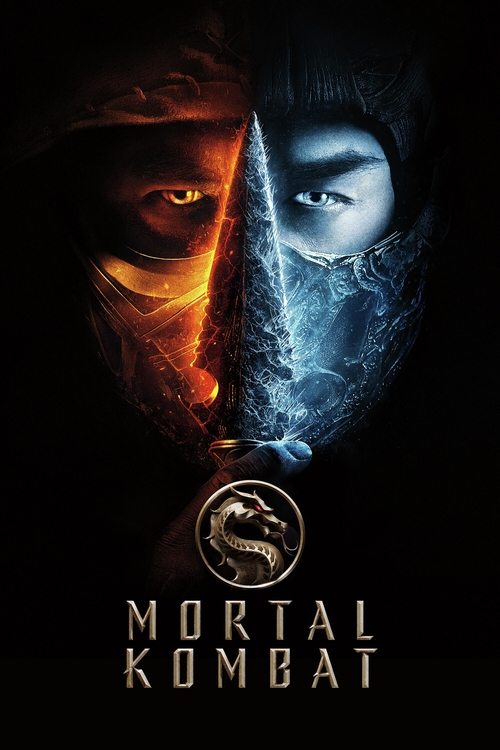
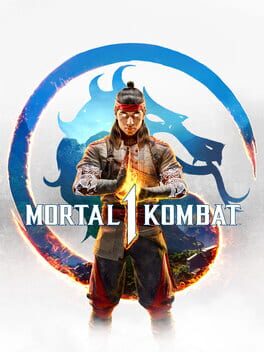
- 1992Mortal Kombat brings brutal spectacle to the fighting-game arms race. Mortal Kombat
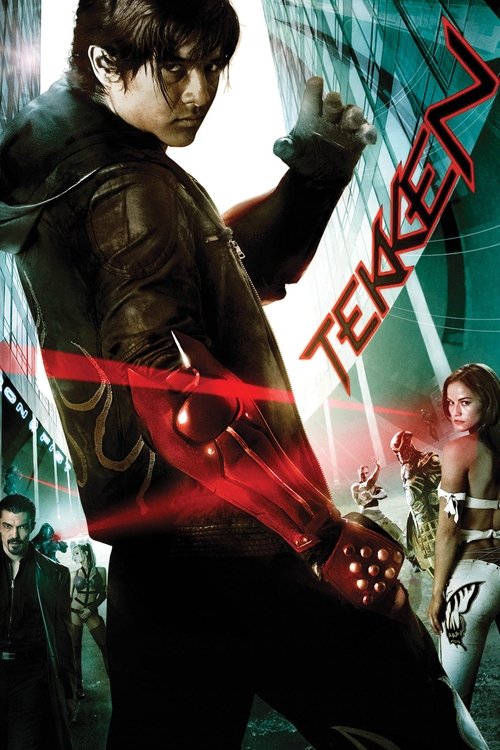
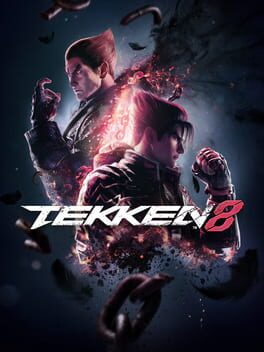
- 1994Tekken moves the fighting tournament into three dimensions. Tekken
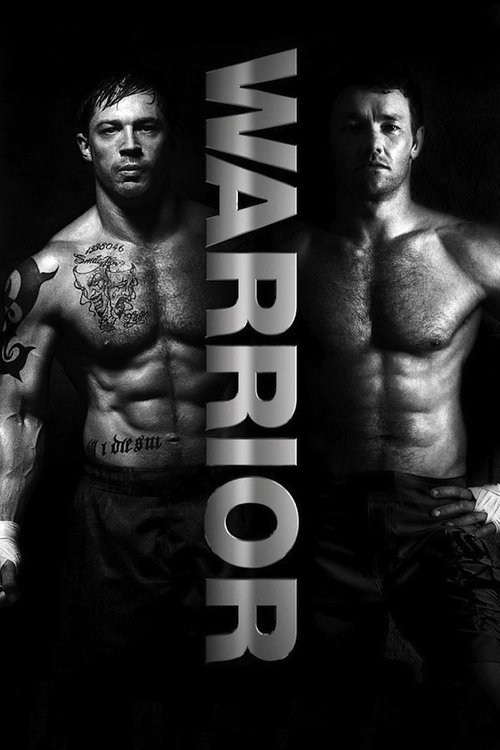
- 2011Warrior elevates the MMA tournament into acclaimed drama. Warrior
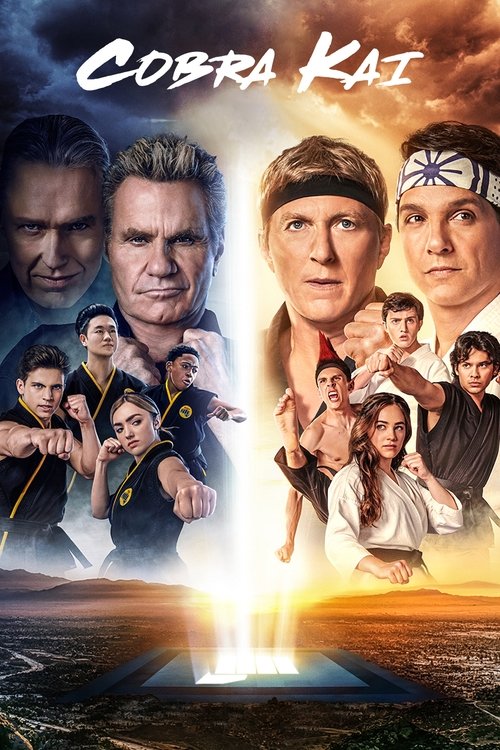
- 2018Cobra Kai revives the Karate Kid saga and its All-Valley tournament. Cobra Kai
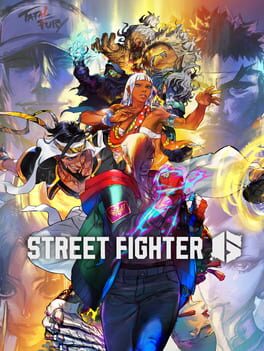
- 2023Street Fighter 6 and Tekken 8 lead a new golden age of the fighting game. Street Fighter 6
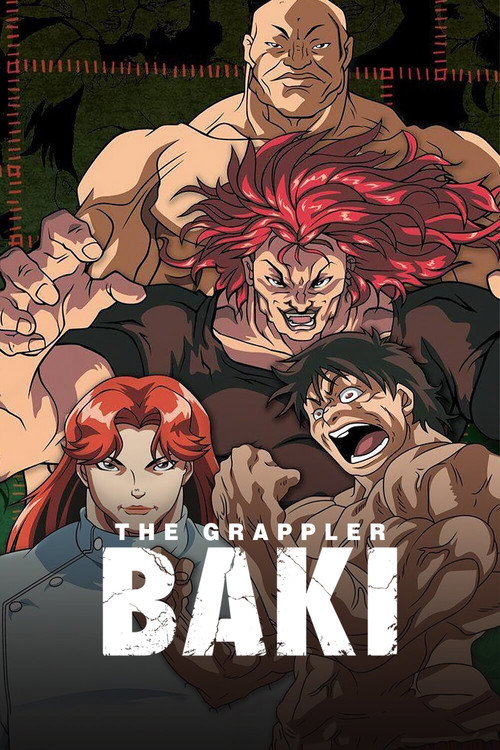
Baki is the fighting tournament taken to its glorious extreme
Keisuke Itagaki's Baki the Grappler is the tournament story pushed past all reason: an underground arena beneath Tokyo where the strongest men on earth, and a few who barely qualify as men, beat each other senseless in pursuit of the title of strongest. Its hyper-muscled art and its absurd, gleeful escalation make it the purest distillation of the genre's appeal. It exists only to stage the next impossible fight.
The champions
Keep exploring
Martial Arts
Explore the Martial Arts guide →Frequently asked
What is the fighting-tournament genre?
It is a story structure, spanning film, games and anime, built around a formal or underground martial-arts competition: a bracket of skilled fighters who face each other in single combat until one champion remains. The format provides built-in escalation, a parade of distinctive opponents and clear stakes. Enter the Dragon, Bloodsport, Street Fighter and countless anime tournament arcs all use it.
What was the first martial-arts tournament movie?
Tournament and challenge fights run through early Hong Kong cinema, but Bruce Lee's Enter the Dragon (1973) is the film that fixed the modern template of a gathered competition of international fighters and carried it to a worldwide audience. Bloodsport (1988) later became the archetype of the underground full-contact tournament film.
Why are tournament arcs so popular in anime?
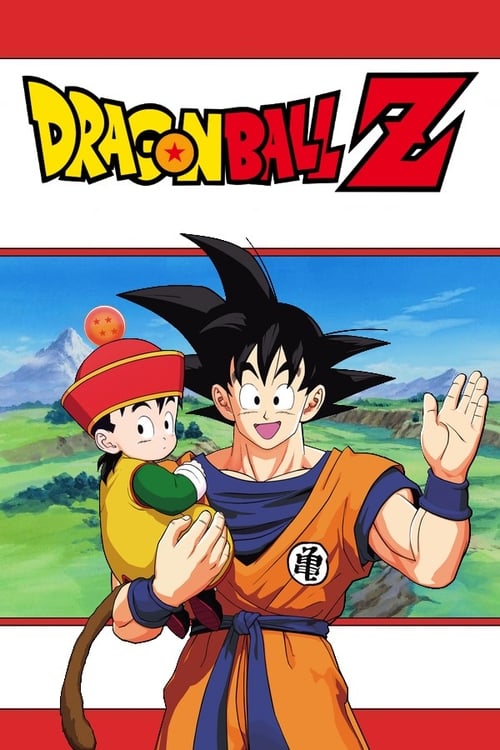
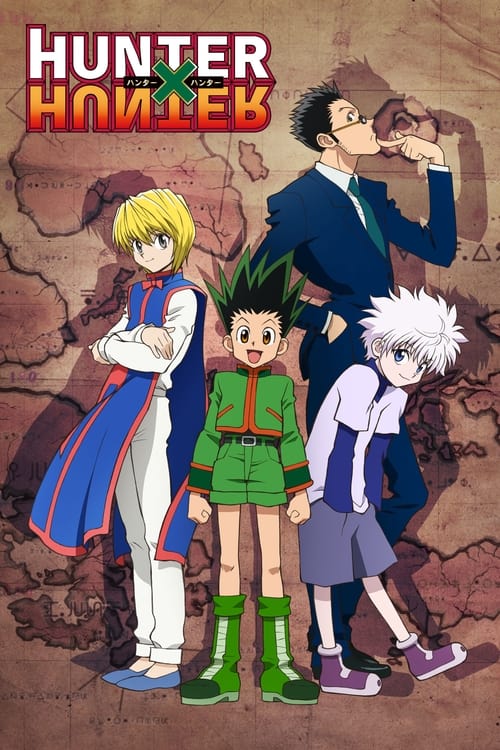
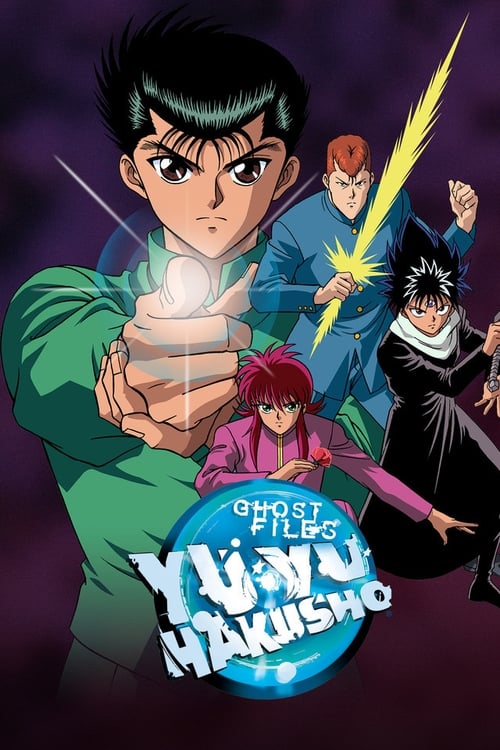
A tournament gives an action series everything it needs at once: a roster of new characters to introduce, escalating one-on-one fights, a clear structure and a built-in finish line. It lets the hero measure their growth against rivals and showcases the power system in controlled bouts. Dragon Ball, Hunter x Hunter, Yu Yu Hakusho and Baki all built landmark arcs this way.
Where should I start with the fighting tournament?
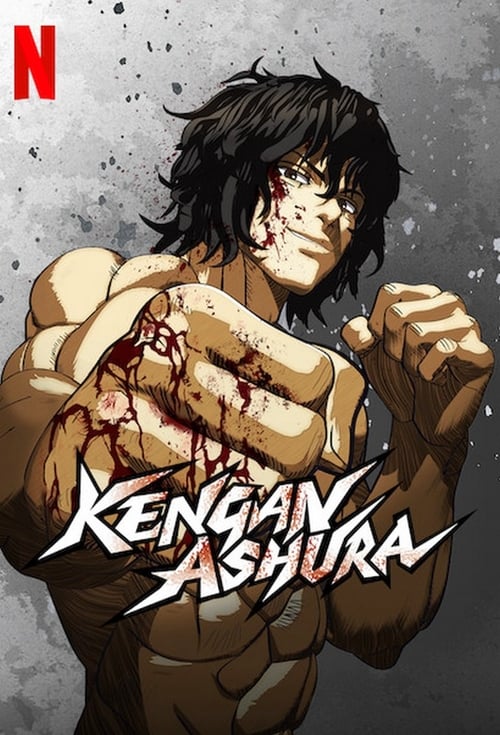
For film, Enter the Dragon and Bloodsport are the essentials, with Warrior for a modern MMA take. For games, Street Fighter II and its descendant Street Fighter 6, plus Tekken and Mortal Kombat. For anime, the tournament arcs of Dragon Ball Z and Hunter x Hunter, and the pure fighting spectacle of Baki and Kengan Ashura.