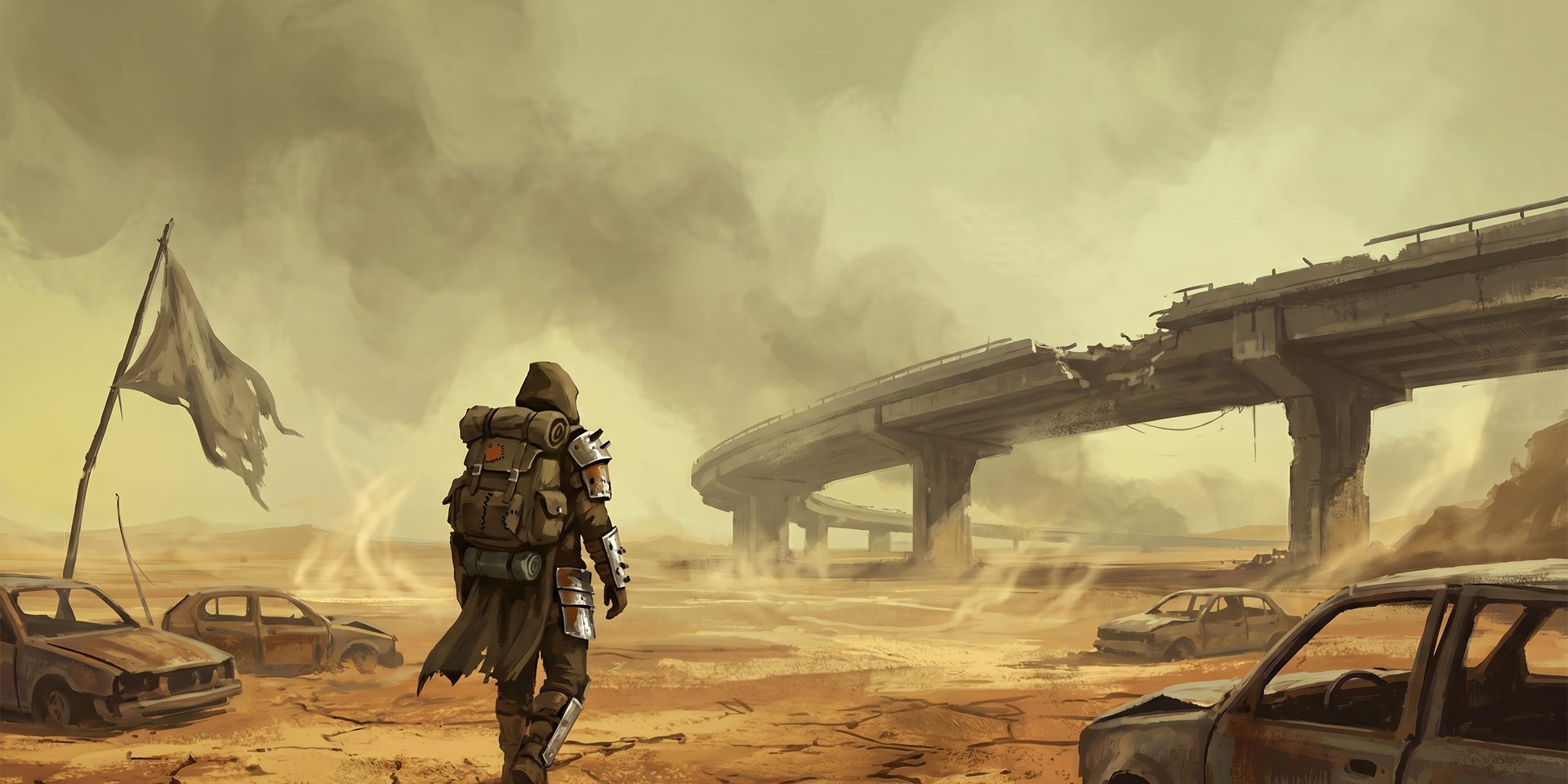

No genre wears the RPG's machinery better than the end of the world. The post-apocalypse strips away kings and chosen ones and leaves exactly what a character sheet measures: what you can carry, what you can survive, and what you are willing to do to a stranger for a can of clean water. Brian Fargo's Wasteland planted the flag in 1988, its spiritual child Fallout perfected the tone in 1997, and the school has been arguing about who inherited the desert ever since: Bethesda's theme parks, inXile's returns to Arizona, and a fierce Eastern European line that grew up on the other side of the Curtain.
This guide covers the whole irradiated family, games first, then the books and films that built the wasteland's imagination. Part of our complete CRPG guide.
The essential wasteland
If the bombs dropped tomorrow, save these first
The dynasty
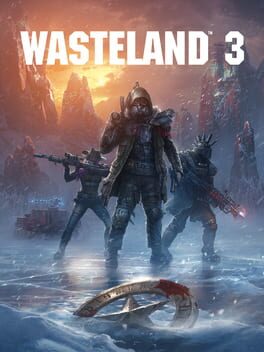
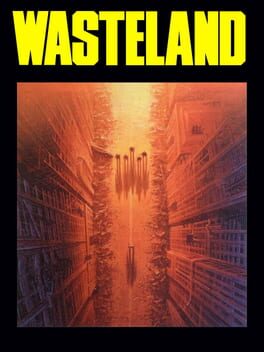
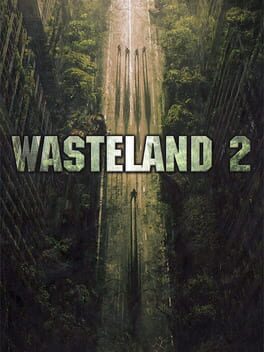
Wasteland begat Fallout; Fallout begat everything. Interplay's two isometric originals set the template, black comedy over real cruelty, builds that rewrite the script, endings that judge you. Bethesda bought the corpse in 2004 and raised it as a first-person open world, to enormous commercial effect and permanent arguments about the soul. And Brian Fargo, who started it all, took Wasteland itself back to Kickstarter and shipped two sequels that remember where the bodies were buried, often literally.
The Wasteland and Fallout dynasty
The 1988 original, Bethesda's open worlds and the crowdfunded returns
The wasteland, year by year
- 1988Wasteland: the desert gets a memory Wasteland
- 1997Fallout: war never changes Fallout: A Post Nuclear Role Playing Game
- 1998Fallout 2 goes bigger, stranger, funnier Fallout 2
- 2008Fallout 3 takes the wasteland first-person Fallout 3
- 2010New Vegas: Obsidian's eighteen-month miracle Fallout: New Vegas
- 2014Wasteland 2: the founder reclaims the desert Wasteland 2
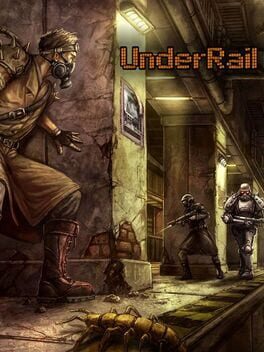
- 2015Underrail sinks the wasteland underground UnderRail
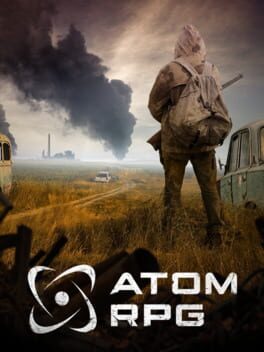
- 2018ATOM RPG and the Eastern school in full bloom Atom RPG
- 2020Wasteland 3 freezes Colorado and sharpens the jokes Wasteland 3
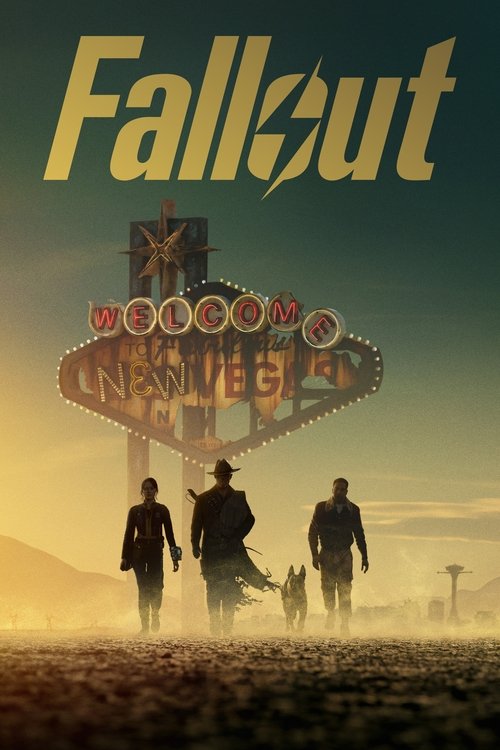
- 2024The Fallout TV series sends the whole world back to the vault Fallout
The Eastern school
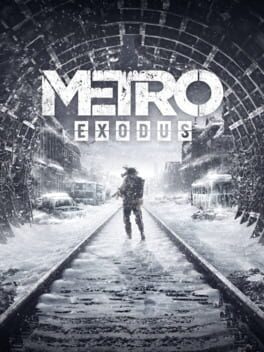
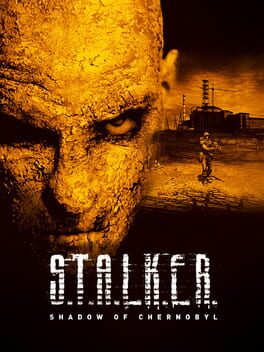
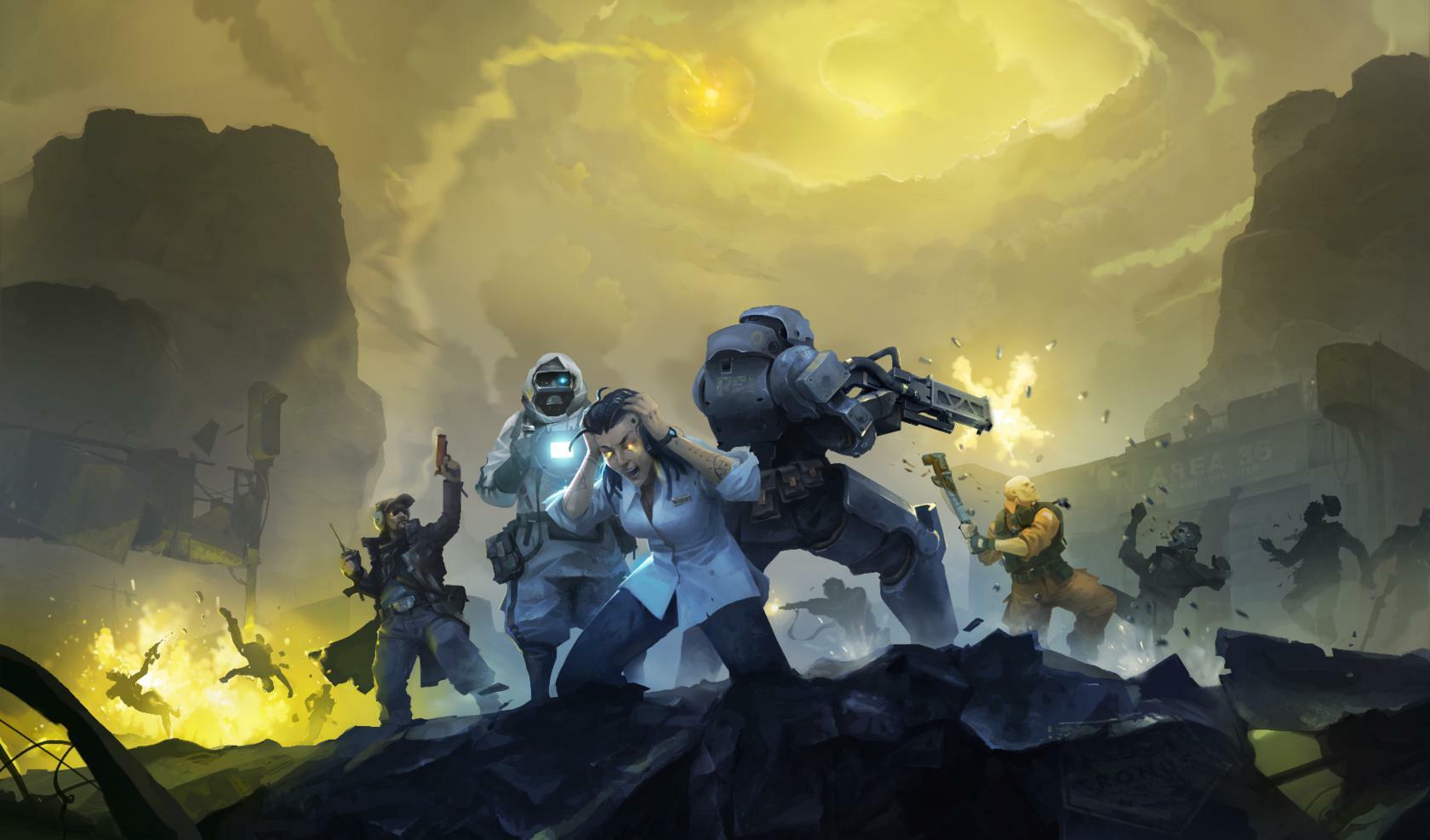
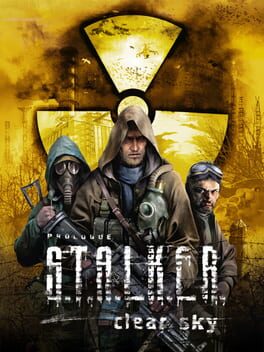
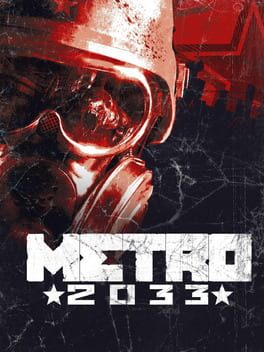
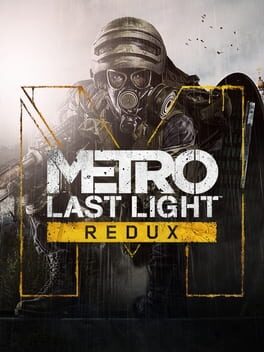
The most vital post-apocalyptic RPGs of the last decade come from the lands that lived under the other side of the Cold War. Underrail, built by a tiny Serbian team, sinks the survivors into a metro system with no surface at all. ATOM RPG plays Fallout's premise straight-faced in the Soviet Union. Encased traps its colonists under an anomalous dome that owes as much to the Strugatsky brothers as to Interplay. And the Ukrainian shooters, S.T.A.L.K.E.R. and Metro, brought the Zone itself: irradiated, beautiful, and utterly indifferent to your quest log.
The Eastern school
The Zone, the metro and the Soviet wasteland
The stranger survivors
The wasteland's weirder, wilder corners
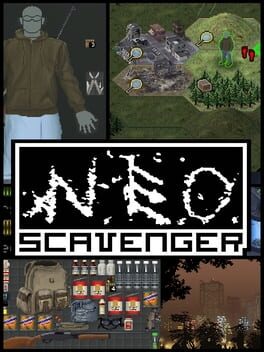
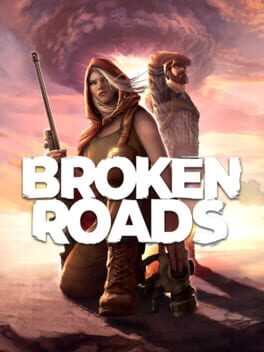
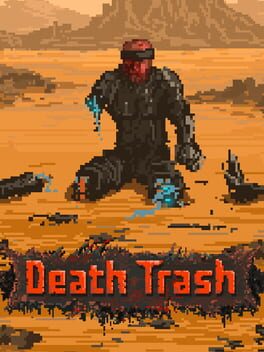
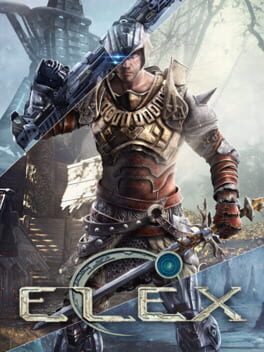
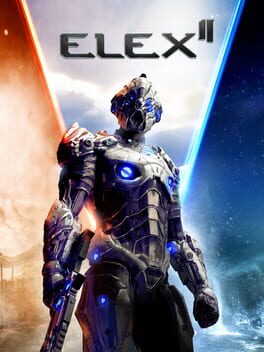
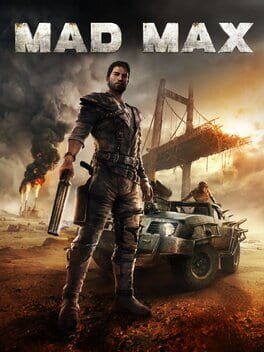
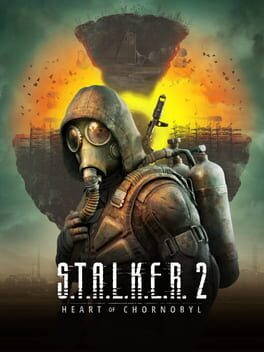
The wasteland does not care about your build. That is what the build is for.CrossBinge
The fiction that built the wasteland
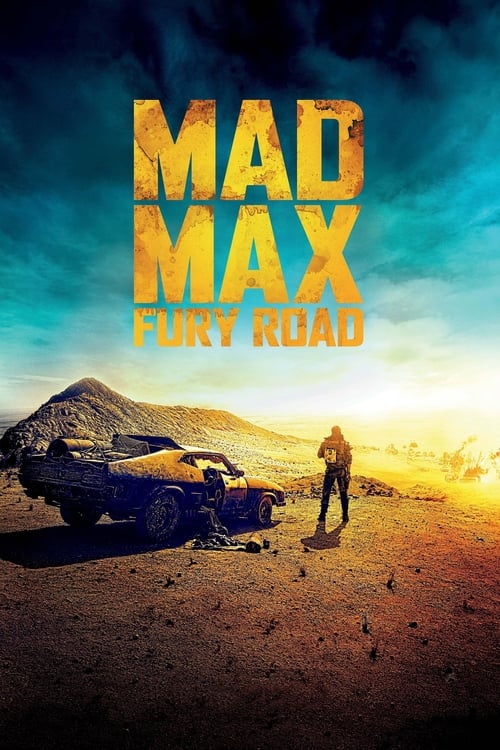
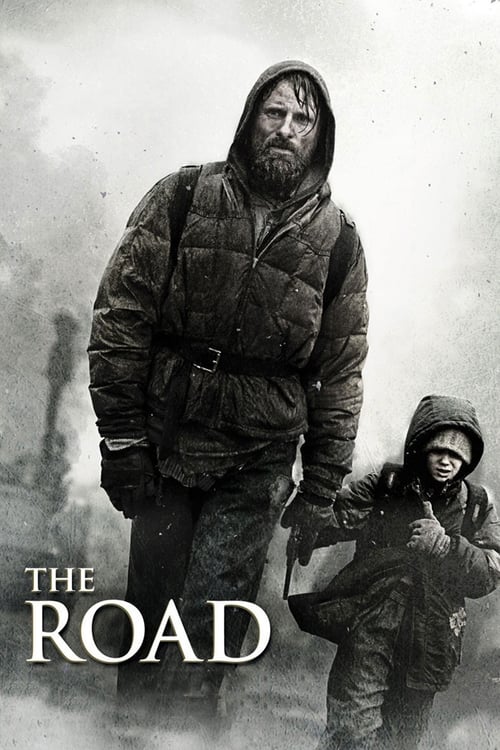
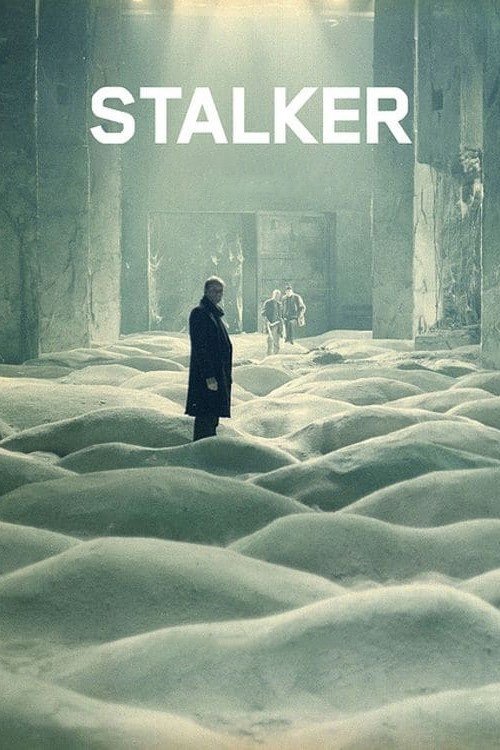
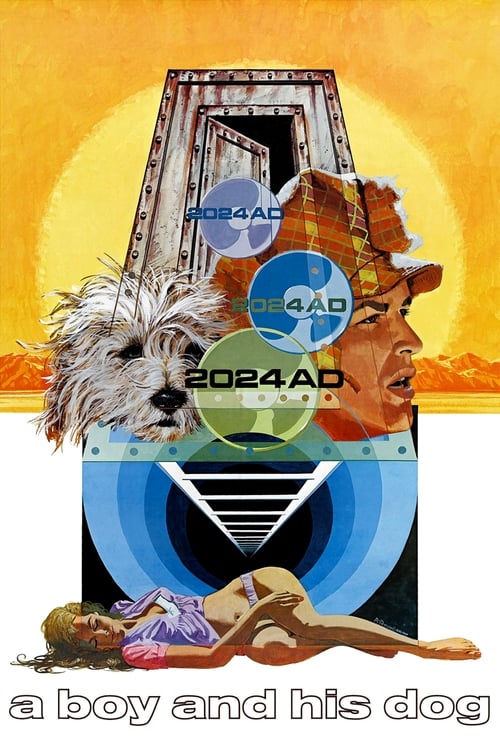
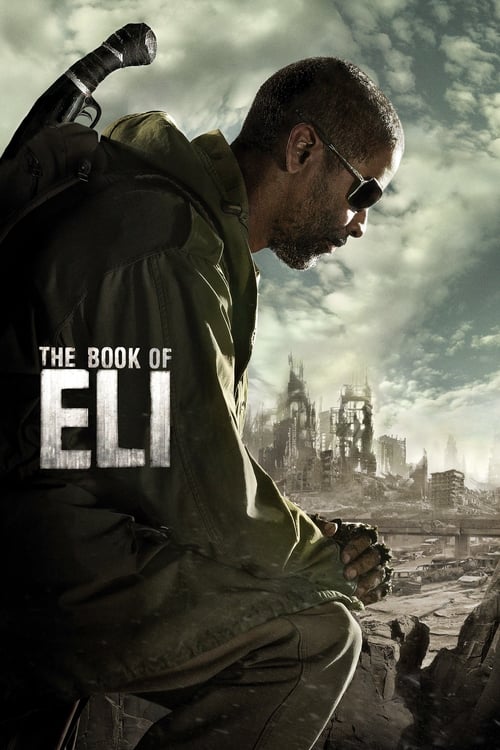
Every vault, zone and glow-in-the-dark ghoul on this page has ancestors on the bookshelf and the screen. The Road is the school's conscience; Roadside Picnic and Tarkovsky's Stalker invented the Zone wholesale; Mad Max gave it engines and leather; and the 2024 Fallout series took the whole aesthetic back to television in triumph.
The wasteland on page and screen
The books and films the genre keeps strip-mining



Keep exploring the CRPG guide
The CRPG: The Complete Guide
Explore the The CRPG: The Complete Guide guide →Frequently asked
Should I play Wasteland before Fallout?
No need. Fallout is the better entry point by decades of interface polish, and Wasteland 2 and 3 stand alone. Play the 1988 original only if you want to see where the school's memory, the world that permanently records your actions, was invented.
What is the best Fallout game?
New Vegas for writing and reactivity, the 1997 original for atmosphere and purity, Fallout 4 for building and shooting. The fanbase treats this as a blood feud; all three answers are defensible, which is why the feud never ends.
Are S.T.A.L.K.E.R. and Metro really RPGs?
They are shooters wearing the school's skin, no character sheets to speak of, but they carry its soul: scarcity, ambient dread, and a world that does not revolve around you. We include them because every wasteland RPG since 2007 borrows from the Zone.