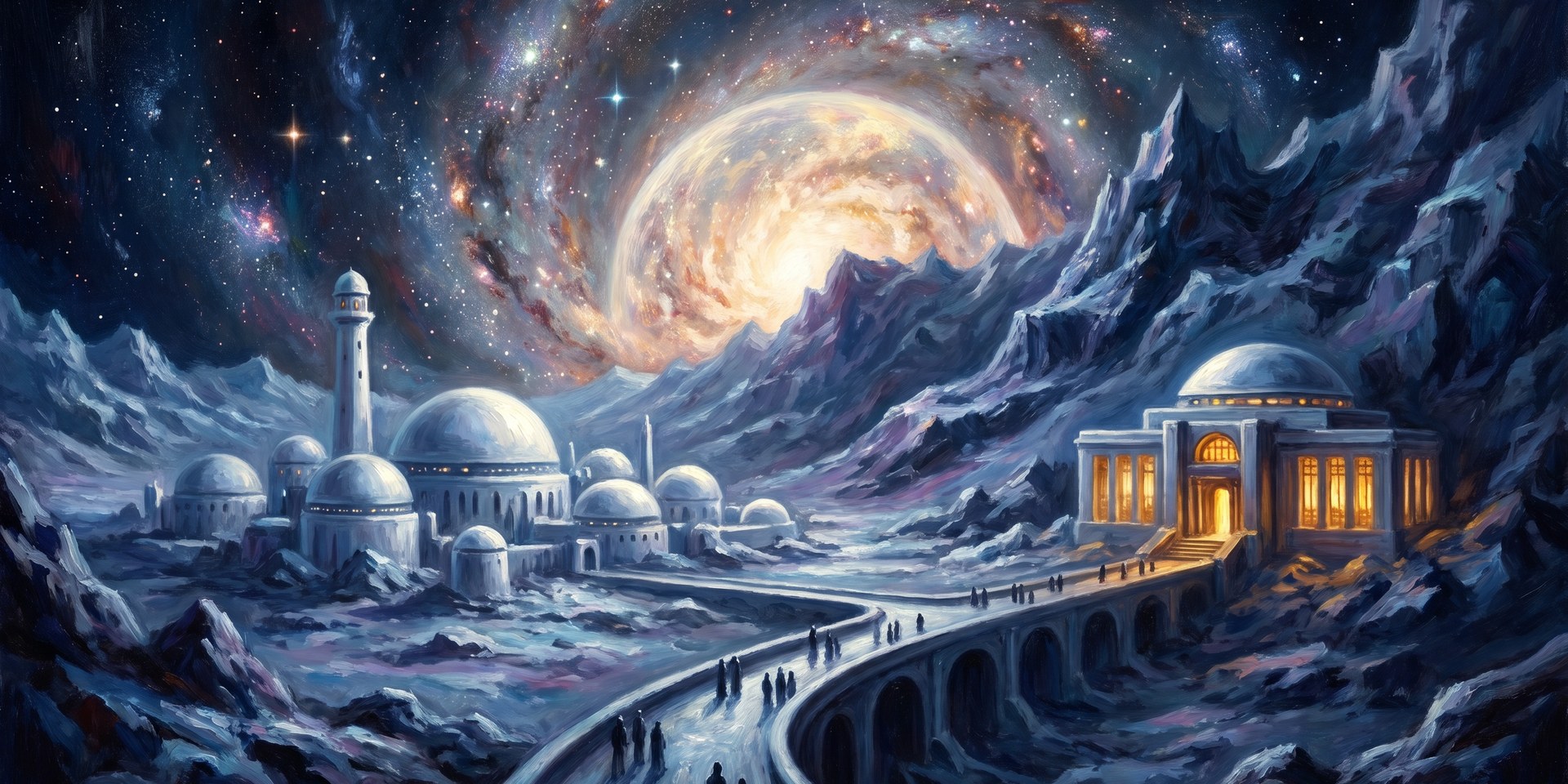

Hari Seldon has done the arithmetic, and the arithmetic says the Galactic Empire is already dead. Psychohistory, his statistical science of human masses, cannot save twenty-five million worlds from thirty thousand years of barbarism; it can only shorten the darkness to a single millennium. So Seldon plants a colony of scientists at the rim of the galaxy and dies, leaving them a plan he refuses to explain, because knowing the plan would break it.
Asimov wrote that premise as a serial in the 1940s, stitched it into the Foundation trilogy in the early 1950s, and returned thirty years later to weld it to his other great cycle, the Robot novels, until nearly everything he wrote shared one future history spanning twenty thousand years. This guide covers the whole architecture: the trilogy, the late sequels and prequels, the Robot mysteries, the Empire novels between them, and the Apple TV+ series that finally put Seldon on screen.
The Foundation trilogy is the boldest structural bet in science fiction
No hero, no ship, no continuing cast: the trilogy's protagonist is a statistical curve. Characters appear, solve one Seldon crisis, and are dust two chapters later, because the real story is the centuries. It should not work, and for seventy years every reader has discovered that it does: the puzzle-box pleasure of watching each crisis resolve exactly as the dead mathematician predicted, and the deeper pleasure of waiting for the day he gets it wrong. Empires of the genre, from Dune to Star Wars, grew in the space this trilogy cleared.

Seventy years of the Plan
- 1950Pebble in the Sky opens the Empire novels Pebble in the Sky
- 1950I, Robot collects the Three Laws stories I, Robot
- 1951Foundation stitches the 1940s serials into a classic Foundation
- 1952Foundation and Empire brings the Empire's counterstrike Foundation and Empire
- 1953Second Foundation completes the original trilogy Second Foundation
- 1954The Caves of Steel invents the robot murder mystery The Caves of Steel
- 1972The Gods Themselves wins Asimov the Hugo and Nebula The Gods Themselves
- 1982Foundation's Edge returns after thirty years and puts Asimov on the bestseller lists for the first time Foundation's Edge
- 1985Robots and Empire welds the two cycles together Robots and Empire
- 1993Forward the Foundation closes the story, published after Asimov's death Forward the Foundation
- 2021Apple TV+ finally brings psychohistory to the screen Foundation
The original trilogy
Three books, four centuries, one Plan


One future history
Read in publication order, the universe assembles itself the way Asimov did: trilogy first, then the 1980s sequels that widen the search for Earth, then the prequels that turn Hari Seldon from a statue into a man. The Robot novels run in parallel, beginning as locked-room mysteries starring the detective Elijah Baley and his android partner R. Daneel Olivaw, and the three Empire novels sketch the millennia between. Asimov spent his final decade connecting them: Robots and Empire is the weld, and one quiet presence turns out to run through the whole structure.
Sequels and prequels
The 1980s return: wider, stranger, more personal


The Robot mysteries are the best on-ramp Asimov ever built
Skip the doorstop reputation and start here: The Caves of Steel is a tight murder mystery in an enclosed future New York, solved by a cop who hates robots and the robot he is forced to partner with. Asimov was a lifelong mystery addict, and it shows; the Three Laws of Robotics become fair-play clues, and every solution turns on how a perfectly logical mind can still be perfectly wrong. That these detective stories quietly become load-bearing beams of his entire future history is the greatest long game in the genre.

The Robot cycle
Elijah Baley, R. Daneel Olivaw and the Three Laws


The Empire novels and the standalones
The connective tissue, and the one Asimov called his favorite


Violence is the last refuge of the incompetent.Salvor Hardin, Foundation
The Good Doctor
Follow Isaac Asimov to his complete catalog, robots and all.
Foundation on screen and its heirs
The adaptation, and the galactic empires that answered Seldon

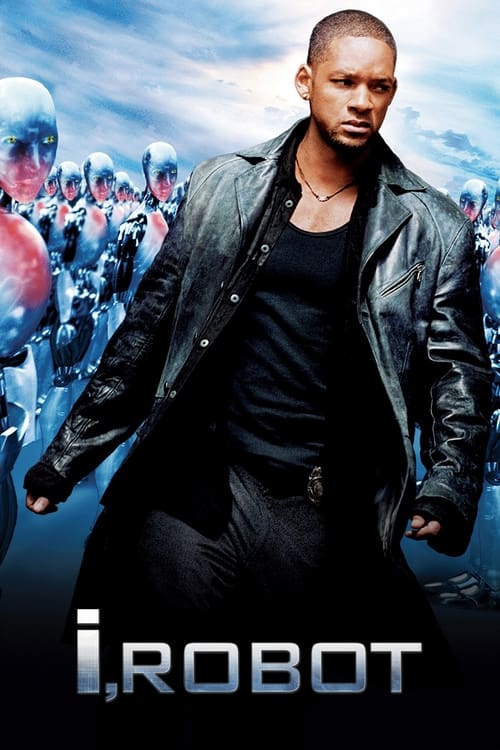
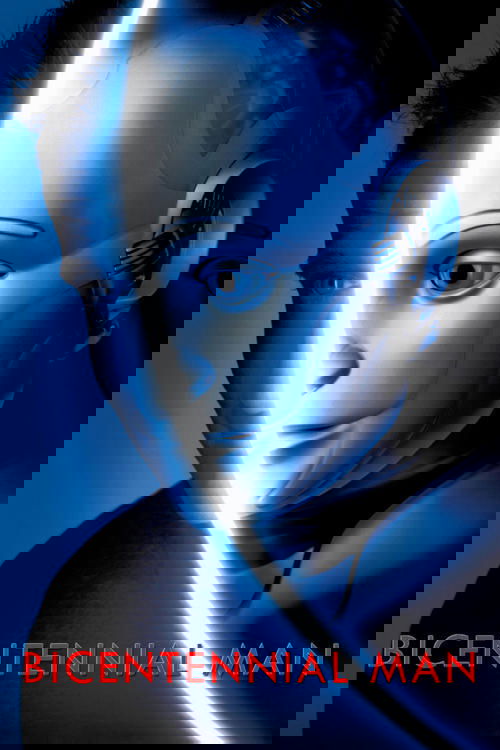
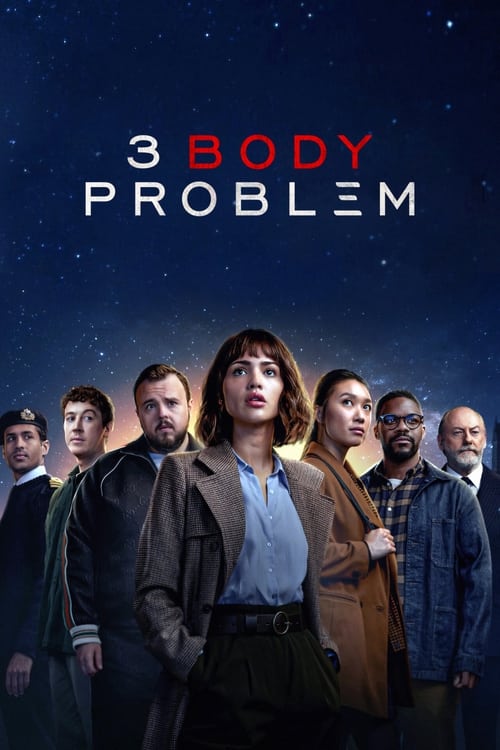


More empires to outlast
Space Opera
Explore the Space Opera guide →Frequently asked
In what order should I read the Foundation books?
Publication order: the trilogy (Foundation, Foundation and Empire, Second Foundation), then Foundation's Edge and Foundation and Earth, then the prequels Prelude to Foundation and Forward the Foundation. Reading chronologically, starting with the prequels, spoils the trilogy's best surprises; almost everyone recommends publication order for a first read.
What is psychohistory?
Asimov's invented science: statistical prediction of the behavior of human populations in the billions, useless for individuals but frighteningly accurate for civilizations, provided the masses never learn what the math says about them. Hari Seldon uses it to foresee the Empire's fall and to design the Foundation as a seed for the next civilization.
Are the Robot books part of the Foundation series?
They started separate and Asimov merged them late. The Caves of Steel and its sequels are standalone robot mysteries until Robots and Empire (1985) and Foundation's Edge onward tie both cycles into one twenty-thousand-year future history. You can read either cycle alone; together they reward the long view.
How faithful is the Apple TV+ Foundation series?
Loosely faithful by design. It keeps Seldon, psychohistory, Terminus and the fall of Empire, then adds continuing characters, genetic-dynasty emperors and action the books never had, because the trilogy's century-hopping structure resists direct filming. Best watched as a lavish variation on the theme.
Did the Foundation trilogy really beat The Lord of the Rings for an award?
Yes. In 1966 the World Science Fiction Convention gave a one-off Hugo for Best All-Time Series, and the Foundation trilogy won it over The Lord of the Rings, Heinlein's Future History, Smith's Lensman and Burroughs' Barsoom. It remains the series' most quoted bragging right.