
Hard science fiction is the branch of the genre that plays by the rules of the universe. No faster-than-light hand-waving, no magic dressed as technology: the drama comes from real physics, chemistry, biology, and engineering, and from characters solving problems the hard way. Orbital mechanics decide the plot. A rescue depends on a fuel budget. The wonder is that reality, followed rigorously, is stranger and grander than any fantasy.
The tradition runs from Arthur C. Clarke and the cool precision of 2001 through the geological patience of Kim Stanley Robinson's Mars, into the lived-in solar system of The Expanse and the potato-farming problem-solving of The Martian. It reaches into cinema, television, and the simulation games that let you fly the equations yourself. Below is the whole flight plan: the essential novels, the screen classics, the modern hard SF renaissance, and the games that make you do the physics.
Essential hard science fiction


The grandmasters


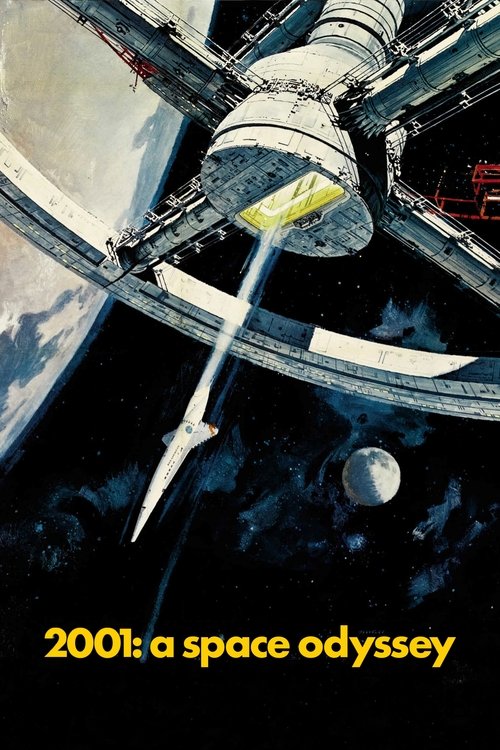
2001 remains the high-water mark of rigorous SF
Kubrick and Clarke built a film where the silence of vacuum is real, the spacecraft obey physics, and the leap from bone to spaceship spans all of human history in a single cut. It refuses to explain itself and trusts you to think. More than half a century on, nothing has matched its combination of scientific rigor and pure awe.
The modern hard SF renaissance


Rigorous science fiction on screen

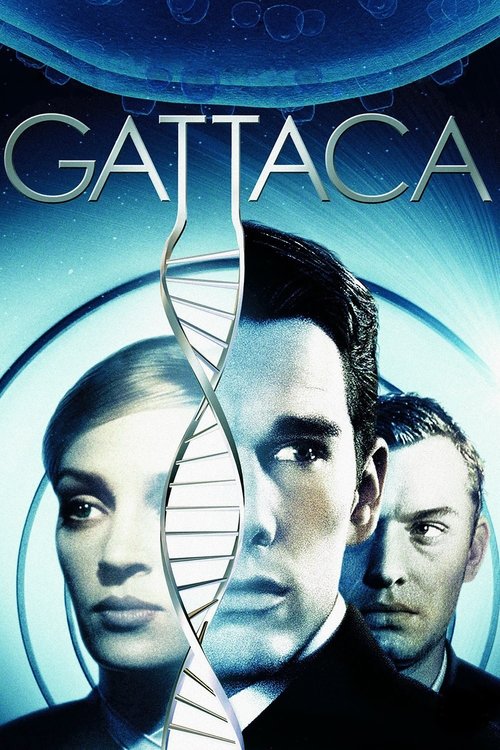
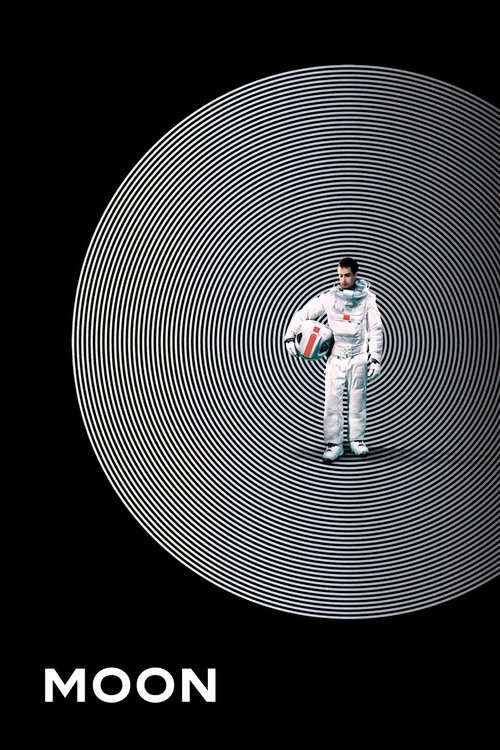
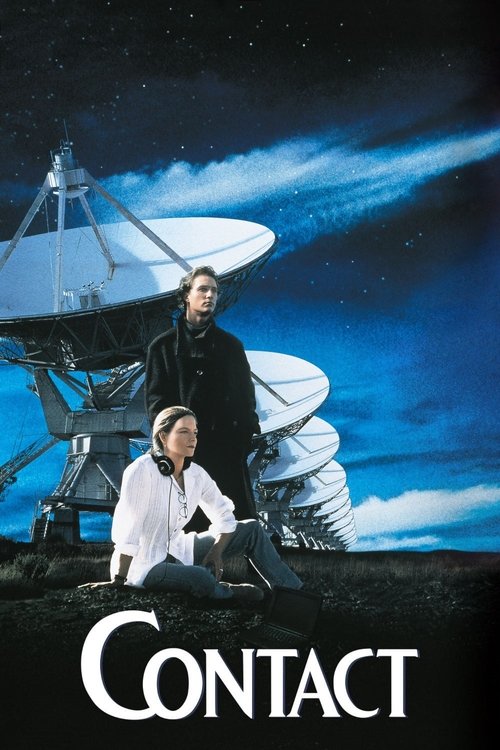
Cerebral sci-fi cinema
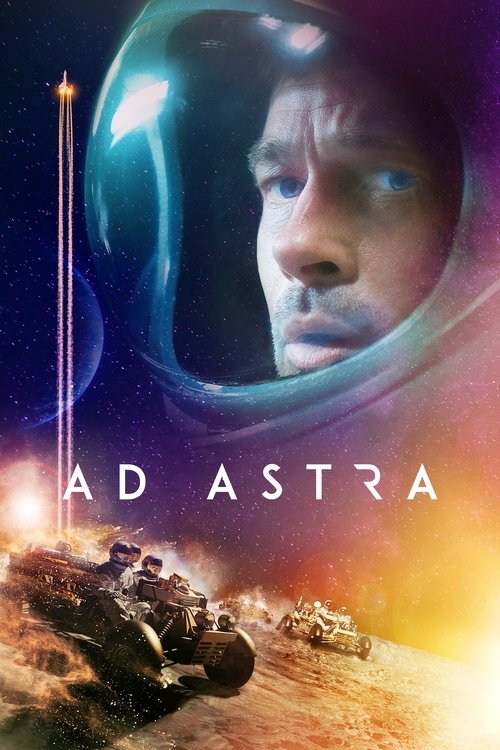


The Martian is hard SF as a page-turning thriller
Andy Weir turned real orbital mechanics, botany, and chemistry into one of the most propulsive survival stories of the century. Every crisis has a real solution grounded in science, and Mark Watney solves them with duct tape and gallows humor. It proved hard SF could top bestseller lists without cheating on the physics once.
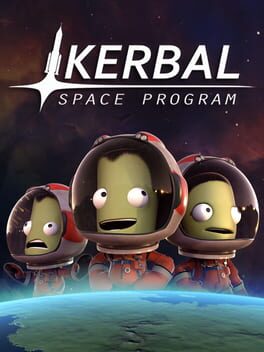
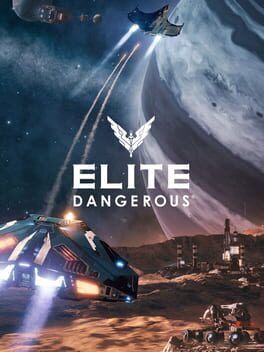
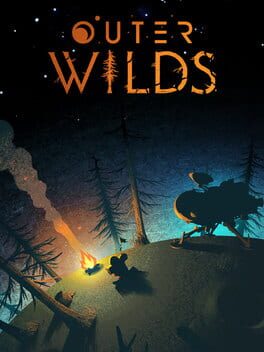
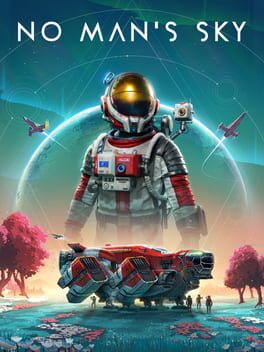
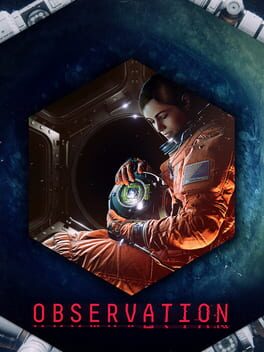
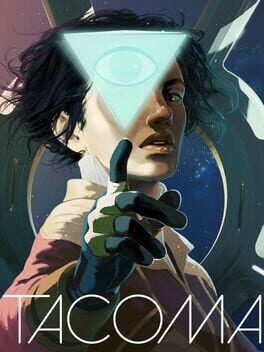
Fly the physics: the games
The timeline
- 19682001 sets the template for rigorous screen SF 2001: A Space Odyssey
- 1973Rendezvous with Rama defines the hard SF novel Rendezvous with Rama
- 1992Red Mars begins Robinson's terraforming epic Red Mars
- 2006Blindsight pushes hard SF into consciousness itself Blindsight
- 2011Leviathan Wakes launches The Expanse Leviathan Wakes
- 2014The Martian and Interstellar bring hard SF to the mainstream The Martian
- 2015Children of Time reinvents the evolutionary epic Children of Time
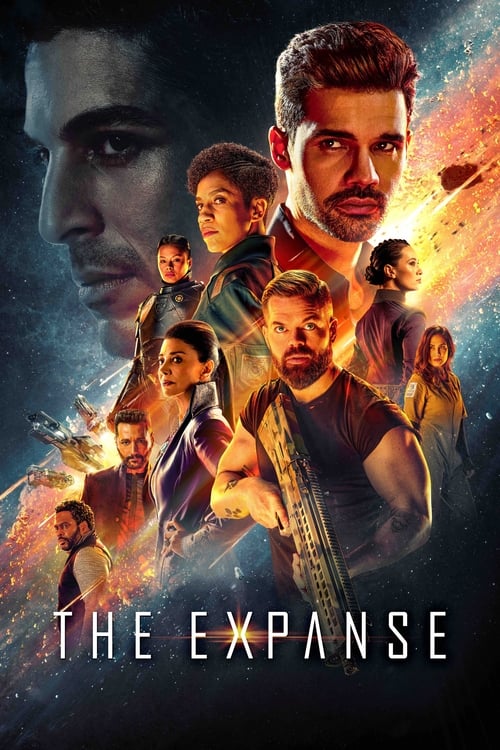
The Expanse is the most realistic space opera ever made
Ships that have to flip and burn to decelerate, the brutal politics of a colonized solar system, the toll of high-g burns on the human body: The Expanse takes the hard SF discipline and scales it up to an epic. It is proof that realism does not shrink the drama, it makes every maneuver feel like it has real weight and cost.
Children of Time is evolution as epic
Adrian Tchaikovsky follows an uplifted species of spiders across thousands of years of real evolutionary pressure, and turns hard biological science fiction into something genuinely moving. It thinks rigorously about how a truly alien intelligence would arise, then dares you to root for it. The best hard SF novel of its decade.
Keep exploring
Megastructures: The Complete Guide to Ringworlds and Big Dumb Objects
Explore the Megastructures: The Complete Guide to Ringworlds and Big Dumb Objects guide →Frequently asked
What is hard science fiction?
Hard science fiction is a subgenre that emphasizes scientific accuracy and logical rigor. It stays faithful to known physics, chemistry, biology, and engineering, avoids unexplained or impossible technology, and often derives its plot directly from real scientific problems, such as orbital mechanics or survival on another world. Arthur C. Clarke's Rendezvous with Rama, Andy Weir's The Martian, and the TV series The Expanse are defining examples.
What is the difference between hard and soft science fiction?
Hard science fiction prioritizes scientific plausibility and technical detail, treating the science as a constraint the story must respect. Soft science fiction is more concerned with characters, societies, and ideas, and is willing to bend or ignore physics for the sake of the story, as with faster-than-light travel or the Force in Star Wars. The line is a spectrum rather than a strict divide, and many great works sit somewhere in between.
Where should I start with hard science fiction?
For an accessible, thrilling entry point, start with Andy Weir's The Martian or the TV series The Expanse. For the classics, Arthur C. Clarke's Rendezvous with Rama and the film 2001: A Space Odyssey are essential. Readers who want something more challenging should try Peter Watts's Blindsight or Adrian Tchaikovsky's Children of Time, and gamers can experience the physics directly in Kerbal Space Program.