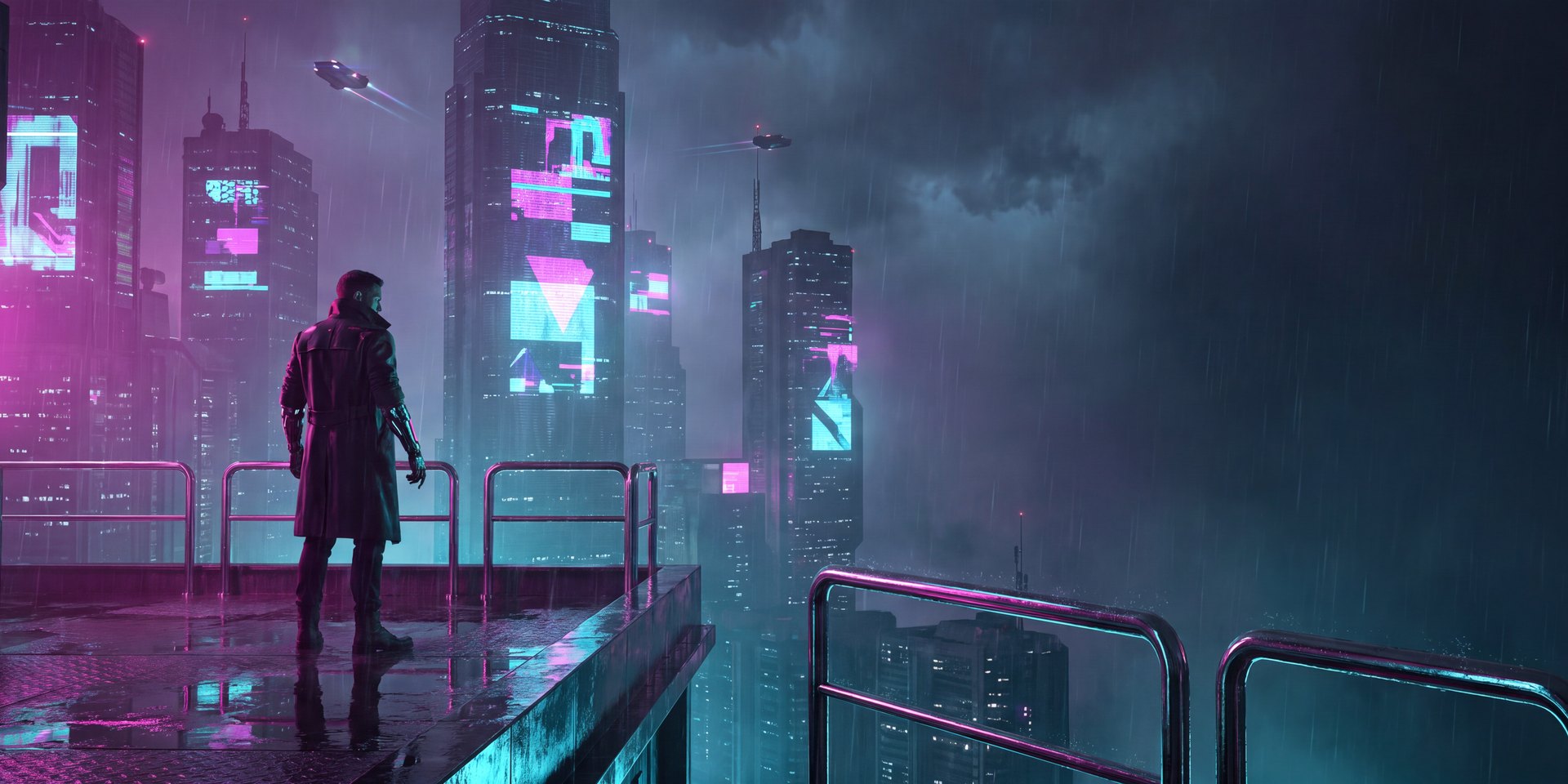

Cyberpunk runs on a single collision: dazzling technology in the hands of megacorporations, and ordinary people scraping by in the neon rain below. William Gibson wrote cyberspace on a manual typewriter in 1984, before he had ever touched a computer, and somehow described the world we now live inside.
This is the full map of the wired world. The novels that predicted the internet, the films that gave the genre its rain-slicked face, the anime that took its ideas furthest, and the games that let you jack in and run the corpo gauntlet. If it is chrome, neon, corporate and paranoid, it is here.
The essential cyberpunk
Start here: the works that define high tech and low life across every medium.







The books that built the future
The novels and stories that wrote the wired world before it arrived.


Neuromancer imagined the internet before it existed
Case is a burned-out console cowboy hustling in the Chiba City sprawl when a dead man hires him for one last job, and in chasing it Neuromancer laid down nearly every image the genre still runs on: the matrix as consensual hallucination, the zaibatsus that outlive nations, the scheming AIs, the mirror-eyed street samurai. Gibson wrote it as noir at amphetamine speed, all attitude and neon, and it turned out to be uncannily predictive; the real internet arrived looking like a shabby draft of his vision. Its DNA runs straight through The Matrix, Deus Ex and Cyberpunk 2077.

Neon on screen
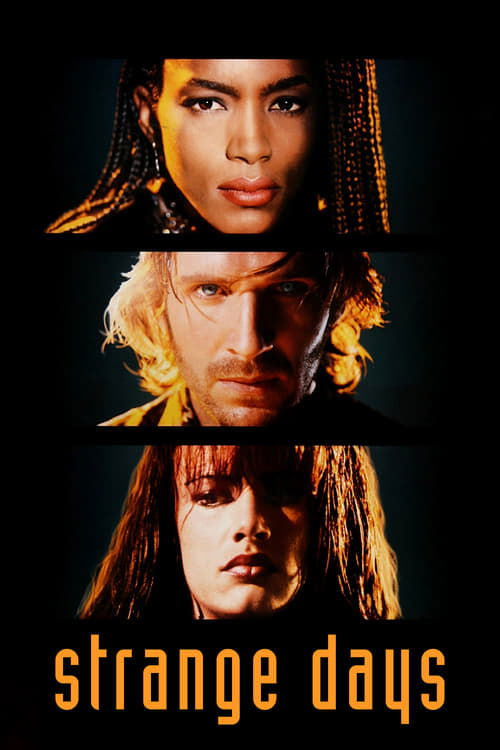
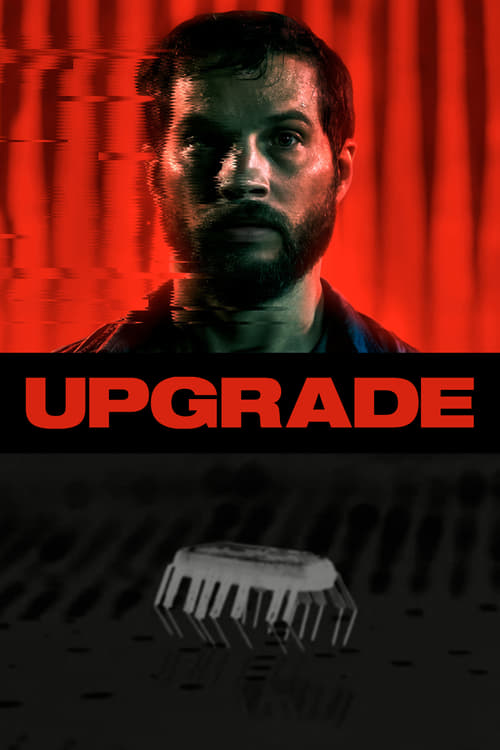
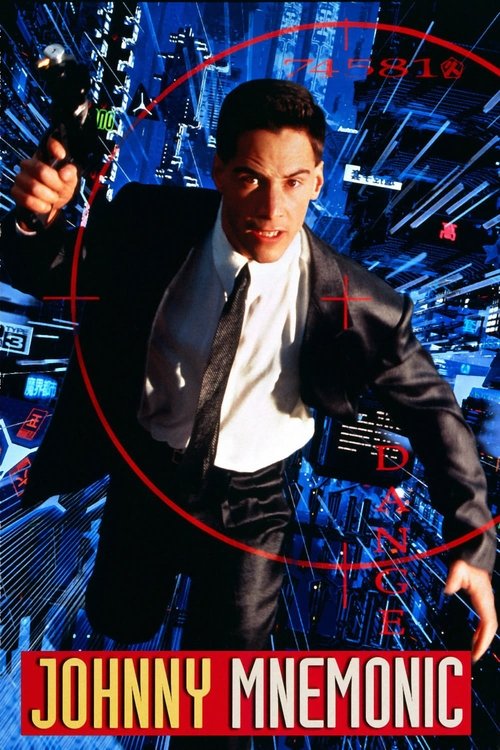
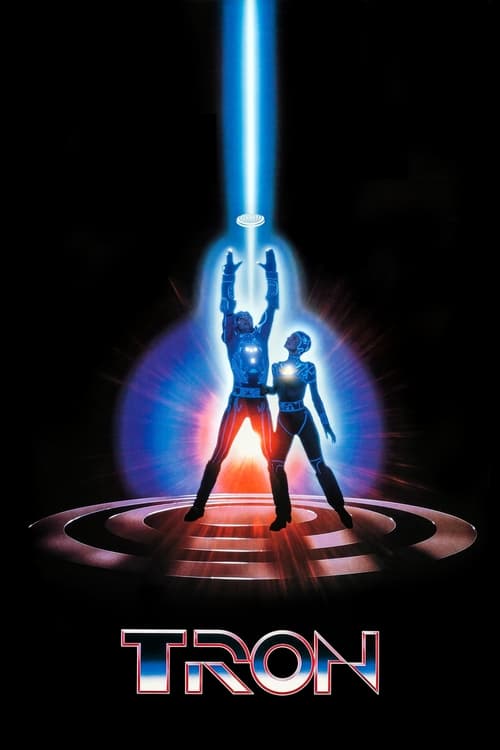
Rain, chrome and corporate skylines: cyberpunk cinema.



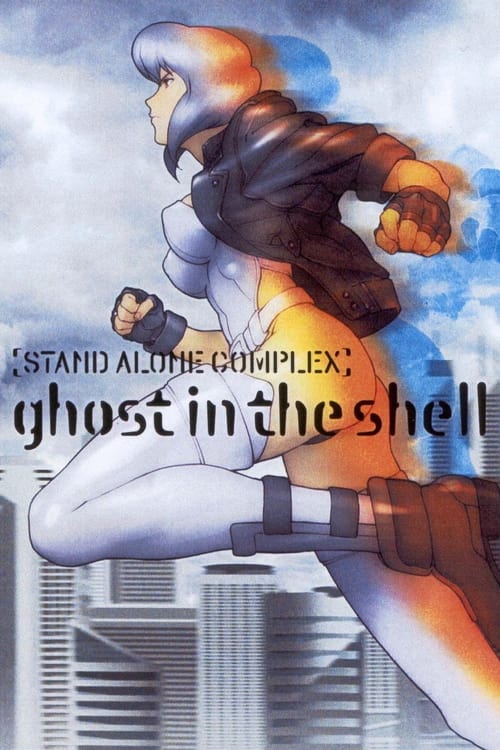
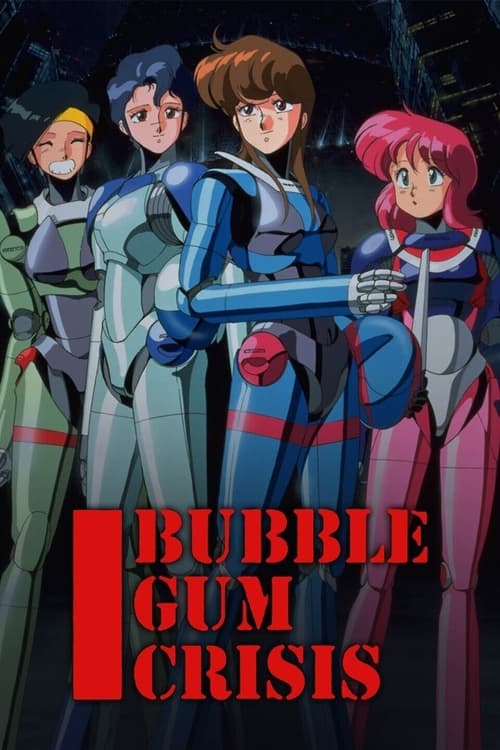
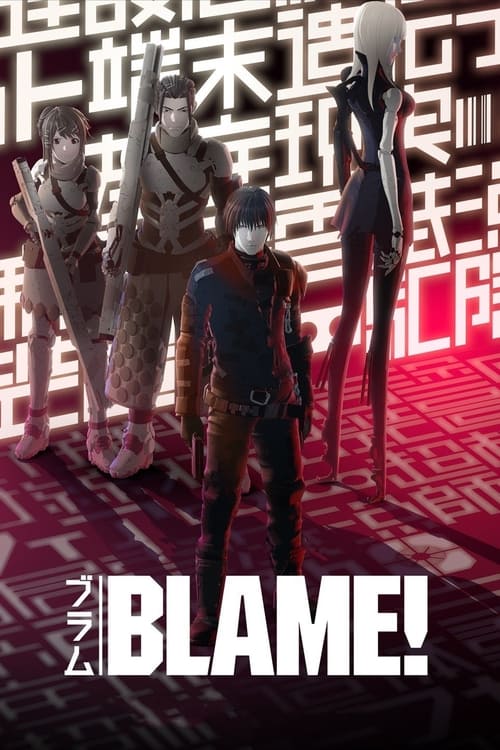
Cyberpunk anime
Japan gave the genre its face; these are the essential animated works.





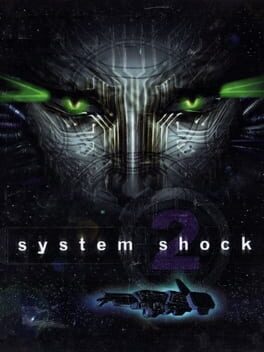
Playable dystopias
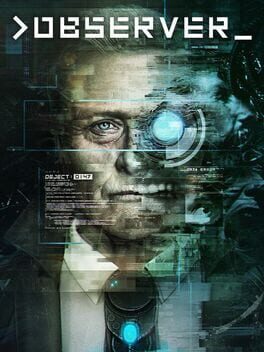
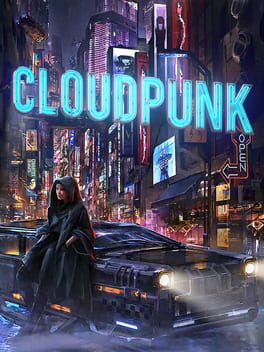
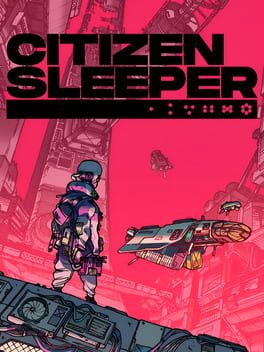
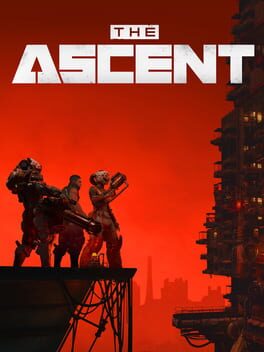
The games that let you jack in, augment up and run the corpo gauntlet.



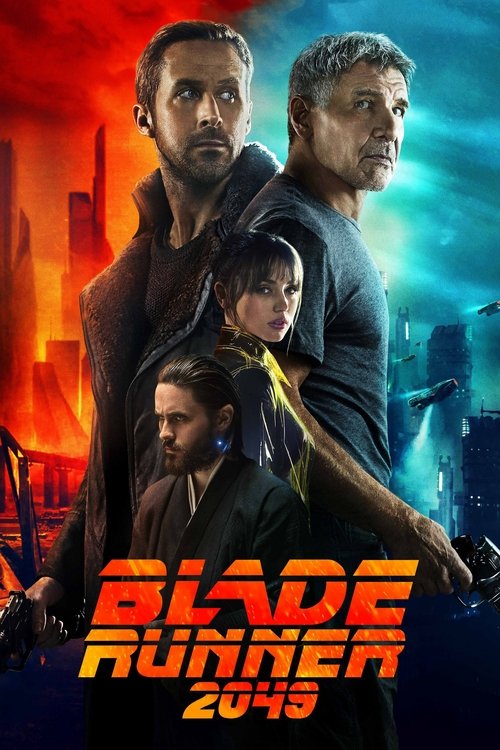
Blade Runner 2049 is the rare sequel that deepens the original
Most legacy sequels strip-mine nostalgia; Villeneuve and Deakins instead asked the harder questions the first film only implied, about memory, manufactured love and what a soul is worth. It is slower, sadder and more beautiful than Blade Runner, and it earns every minute. Thirty-five years is a long time to wait for a follow-up that respects your intelligence.
The Blade Runner lineage
Replicants, empathy tests and the question of what makes us human.



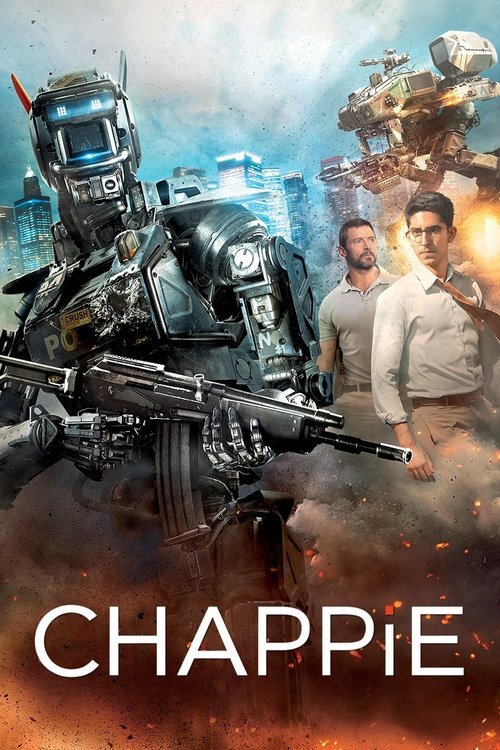

Hackers and the net
Deckers, netrunners and the people who live in the wires.





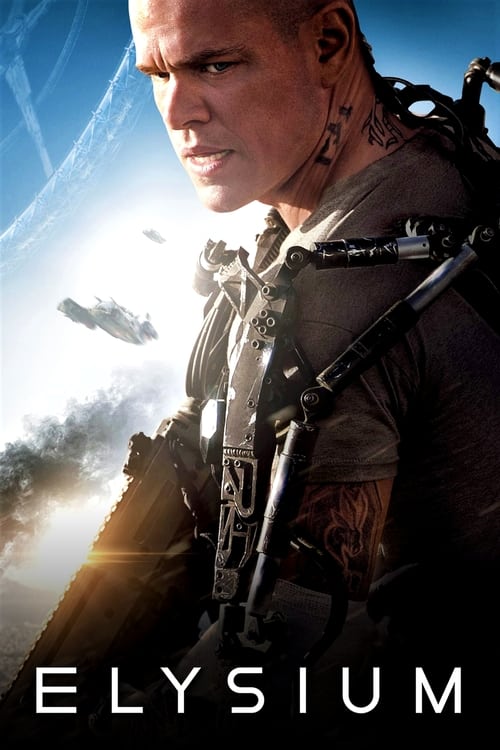
Corpo dystopia
When the megacorporation is the government, the sky and the law.



The anime understood cyberpunk better than Hollywood ever did
While Western studios chased The Matrix's action, Japanese animation spent the 90s and 2000s interrogating the genre's real subject: what happens to the self when the boundary between mind and network dissolves. Ghost in the Shell, Serial Experiments Lain and Texhnolyze are more philosophically ambitious than almost any live-action film. The face of cyberpunk is neon and rain, but its soul is anime.
Cyberpunk on TV
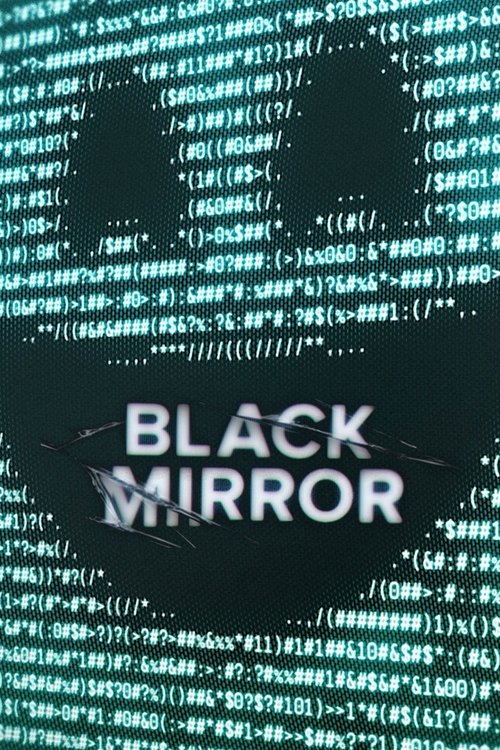
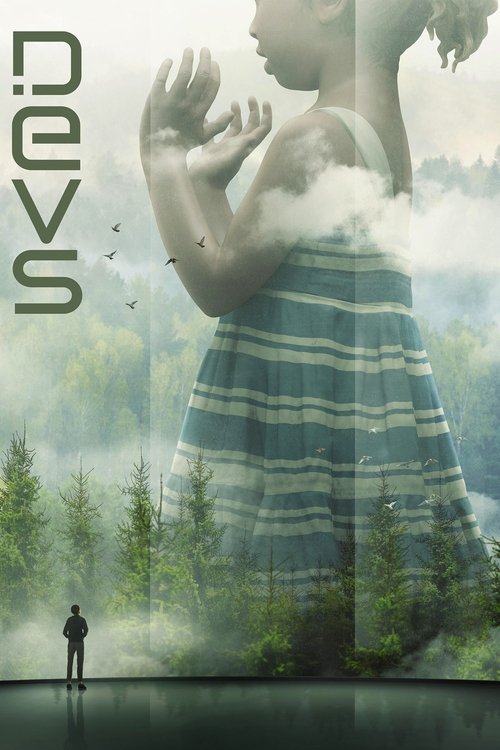
The genre's long-form home, from anthology dread to Night City.

The timeline
- 1968The empathy test Do Androids Dream of Electric Sheep?
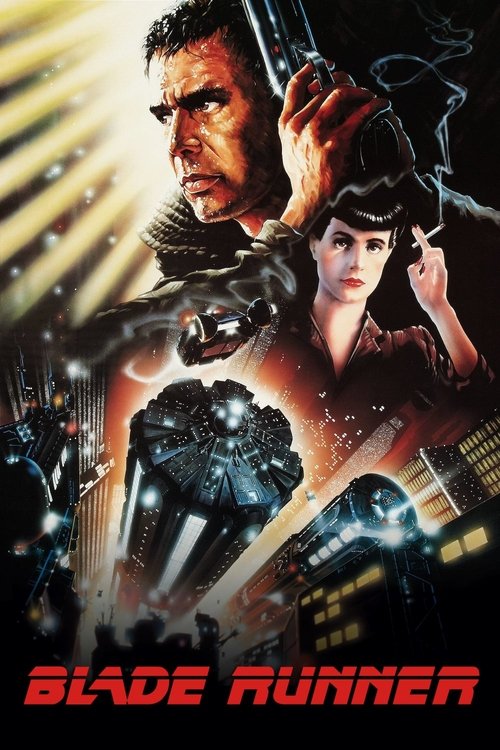
- 1982The look is born Blade Runner
- 1984The genre gets its name Neuromancer
- 1986The manifesto anthology
- 1988Anime breaks through Akira
- 1992Enter the Metaverse Snow Crash
- 1995The ghost and the net Ghost in the Shell
- 1998Dissolving into the Wired Serial Experiments Lain
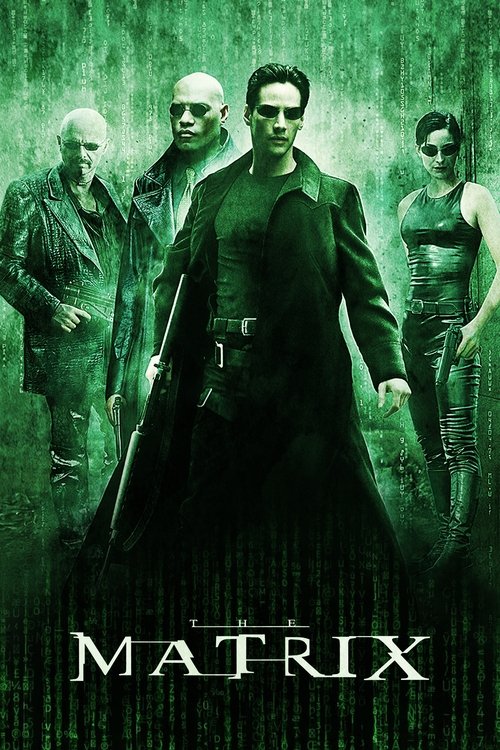
- 1999Reality is a simulation The Matrix
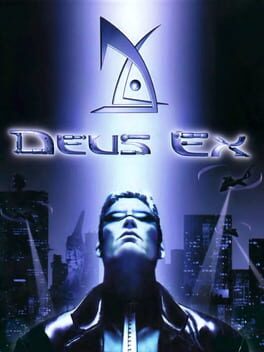
- 2000The immersive-sim benchmark Deus Ex
- 2011Augmentation goes gold Deus Ex: Human Revolution
- 2017The sequel that deepened it Blade Runner 2049
- 2020Welcome to Night City Cyberpunk 2077
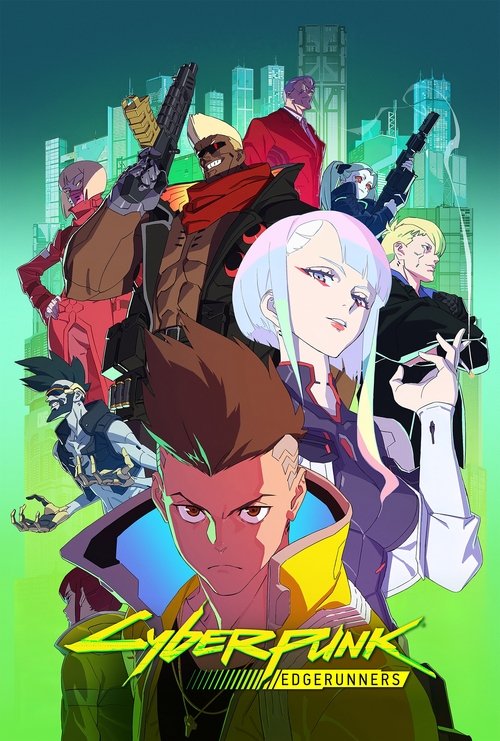
- 2022The anime that redeemed the game Cyberpunk: Edgerunners
Chrome and flesh
Bodies rebuilt, augmented and repossessed: the transhuman edge.


Cyberpunk deep cuts
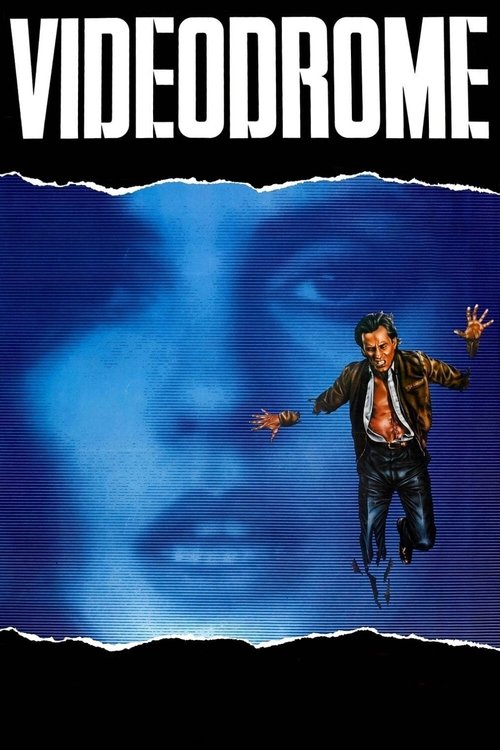
For when you have finished the classics and want the obscure and the strange.

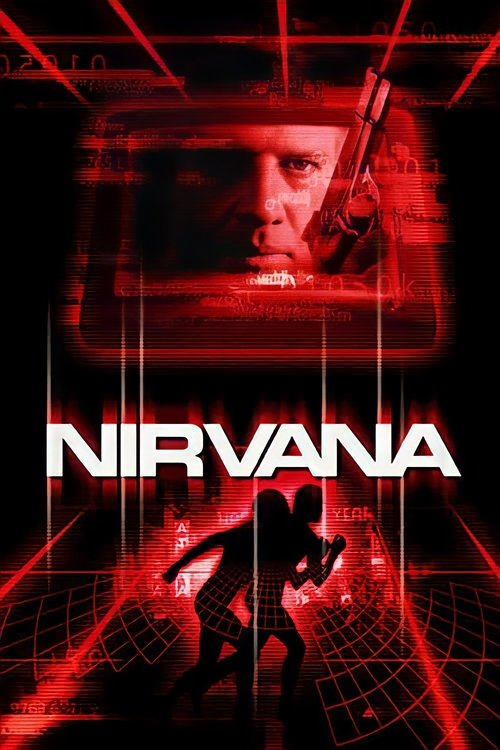




The godfathers
Before the neon: the older works every cyberpunk creator was reading.

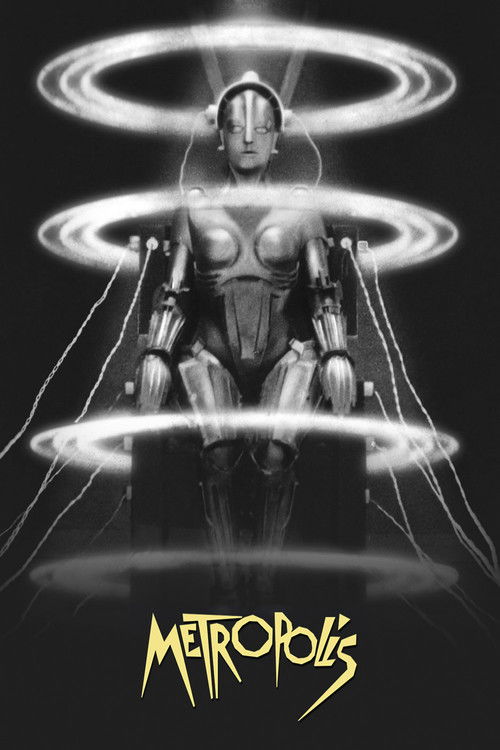

The architects of the wired world
Keep exploring
Cyberpunk & Dystopia
Explore the Cyberpunk & Dystopia guide →Frequently asked
What exactly is cyberpunk?
Cyberpunk is science fiction built on a single collision: 'high tech, low life'. It imagines near futures of dazzling technology (neural implants, artificial intelligence, global networks, cybernetic bodies) controlled by megacorporations, while ordinary people scrape by in neon-lit, rain-soaked, unequal cities. The heroes are usually outsiders (hackers, mercenaries, street samurai) working the margins of a system that owns everything. It is dystopia with style, and it asks what happens to being human when the body and the mind become products.
Where should a complete newcomer start?
For books, read Neuromancer by William Gibson, the novel that defined the genre. For film, watch Blade Runner (1982) for the look and The Matrix (1999) for the ideas at their most kinetic. For anime, Ghost in the Shell (1995) and the recent Cyberpunk: Edgerunners are the perfect entry points. For games, Deus Ex or Cyberpunk 2077 (play it patched, and watch Edgerunners first). Any one of these will show you what the genre does best.
Why is so much of the best cyberpunk Japanese?
Japan embraced cyberpunk early and made it a native form. Katsuhiro Otomo's Akira (1988) and Mamoru Oshii's Ghost in the Shell (1995) exported the genre's visual language worldwide, and series like Serial Experiments Lain, Psycho-Pass and Texhnolyze pushed its philosophical questions further than most live-action films dared. A rapidly modernizing, tech-saturated, densely urban society gave Japanese creators a real-world backdrop that already looked like the future.
What is the difference between cyberpunk and other 'punk' genres?
Cyberpunk is the original, focused on computers, networks and near-future corporate dystopia. Its offshoots swap the technology: steampunk runs on Victorian steam and clockwork, biopunk on genetic engineering (The Windup Girl), solarpunk on sustainable, optimistic green futures (A Half-Built Garden), and post-cyberpunk on more settled worlds where the tech has become mundane (The Diamond Age). They share cyberpunk's interest in who controls transformative technology, but change the setting and often the mood.
Is cyberpunk still relevant, or is it a relic of the 1980s?
It is arguably more relevant now than when it started. We live with the surveillance, corporate data-hoarding, gig-economy precarity, AI and augmented reality that cyberpunk warned about decades ago, which is why recent works like Mr. Robot, Black Mirror, Cyberpunk 2077 and Citizen Sleeper feel less like fantasy and more like commentary. The neon aesthetic is nostalgic, but the genre's core anxieties about power, technology and personhood have only sharpened.
What connects cyberpunk to film noir?
Cyberpunk is often called 'future noir', and the debt is deliberate. It borrows noir's rain-slicked cities, moral murk, hard-boiled loners, femmes fatales and fatalistic mood, then adds neon and neural implants. Blade Runner literally cast a detective (a 'blade runner') hunting fugitives through a shadowy city; Altered Carbon and countless games follow the same template. If you love the /topic/noir 'future noir' row, cyberpunk is where that thread runs into tomorrow.