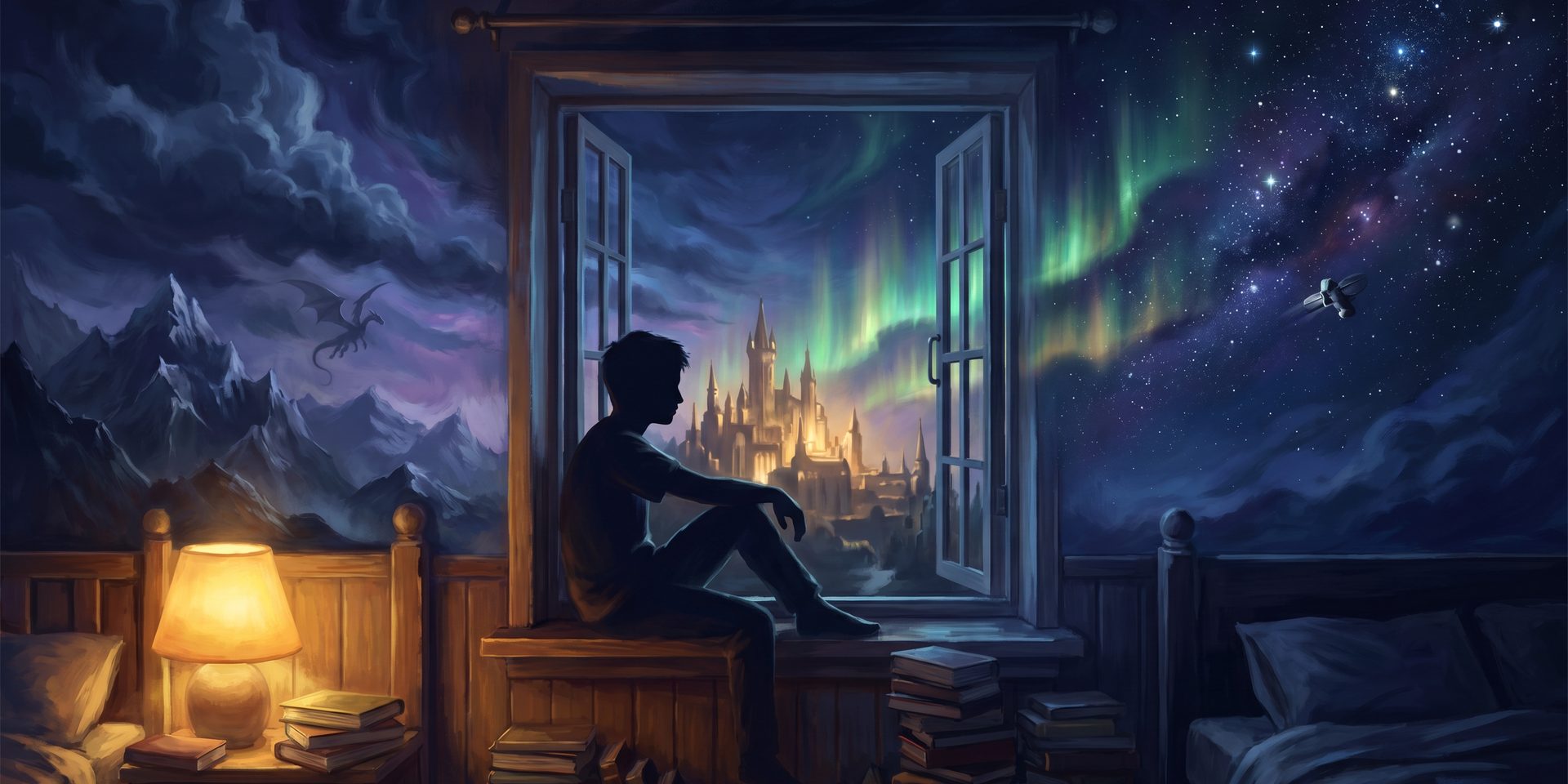

Young-adult fantasy and science fiction is where most readers fall in love with reading, and where publishing keeps rediscovering its future. A wardrobe in a spare room, a letter delivered by owl, a reaping in District 12, an invitation to a fae court: the genre works because it takes the questions of being young, who am I, where do I belong, what am I willing to fight, and gives them worlds big enough to hold the answers.
This is our complete guide. The hub maps the whole territory: the classic portal canon, the dystopia wave that conquered the 2010s, the romantasy boom rewriting the bestseller lists right now, and the spaceships in between. Dedicated guides go deep on each, plus one for the adaptations, because in this genre the book and the screen have always been in conversation.
The essential YA fantasy and science fiction
Twelve doors into the genre, any of them the right first one


The eras
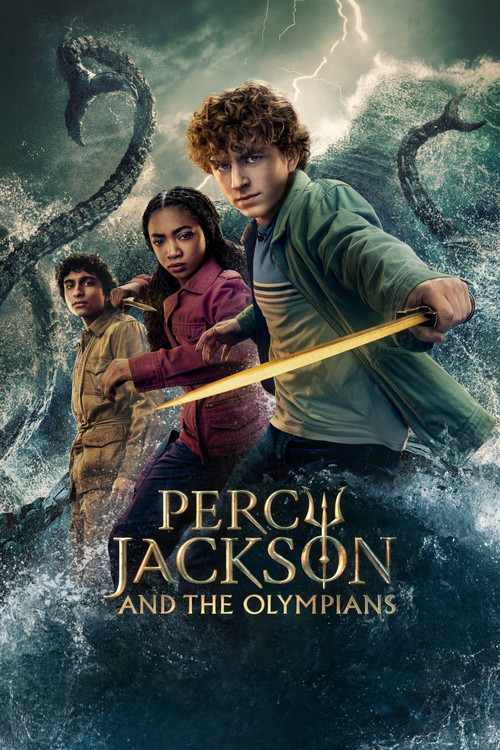
The genre moves in waves, and each wave gets its own guide. The classics built the architecture: Narnia's wardrobe, Earthsea's names, A Wrinkle in Time's tesseract. Harry Potter and Percy Jackson turned the school year and the quest into empires. The Hunger Games detonated the dystopia decade. Twilight begat a paranormal-romance boom that never really ended, it just grew thorns and became romantasy. And through it all, YA science fiction kept the starships and the ethics quandaries stocked.
The portal and quest canon
The wardrobe, the owl post and the demigod summer camp


Half a century of growing up in other worlds
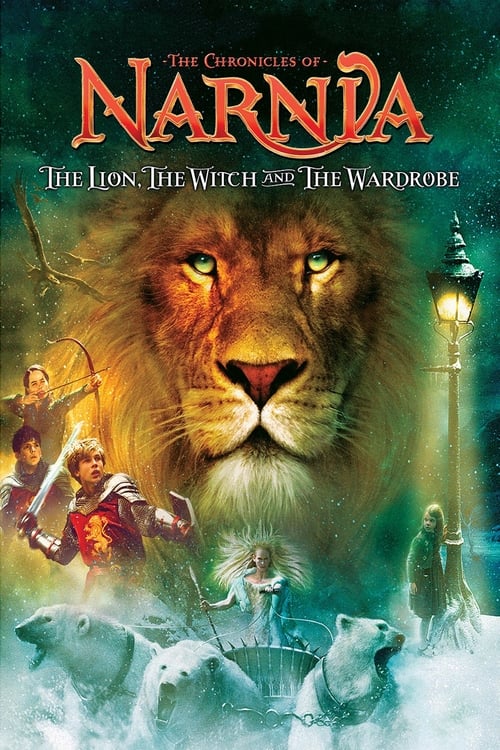
- 1950The Lion, the Witch and the Wardrobe opens the wardrobe door The Lion, the Witch and the Wardrobe
- 1962A Wrinkle in Time folds space for young readers A Wrinkle in Time
- 1968A Wizard of Earthsea teaches the price of power A Wizard of Earthsea
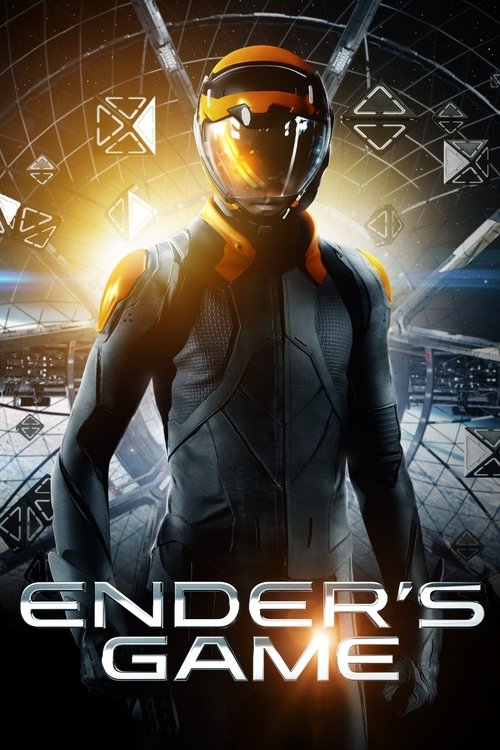
- 1985Ender's Game gives the genre its child strategist Ender's Game
- 1993The Giver makes dystopia a middle-school rite of passage The Giver
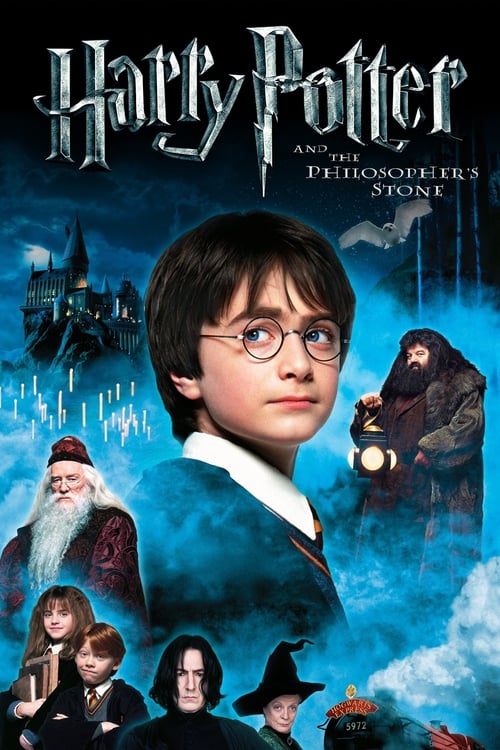
- 1997Harry Potter arrives; reading is never the same Harry Potter and the Philosopher's Stone
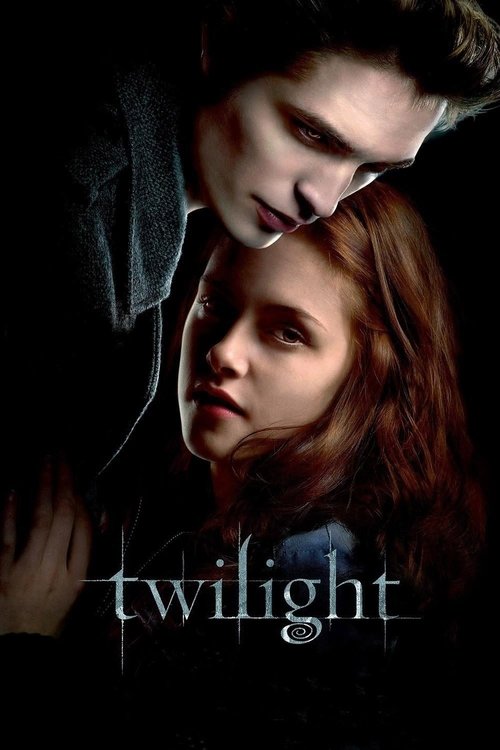
- 2005Twilight ignites the paranormal romance boom Twilight
- 2008The Hunger Games detonates the dystopia decade The Hunger Games
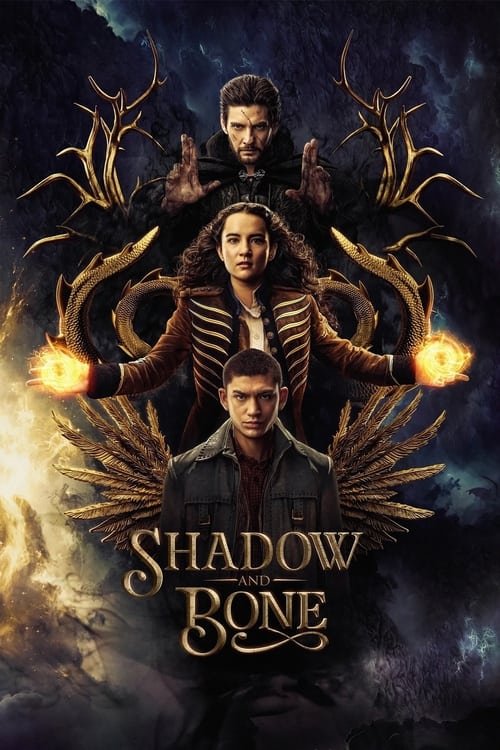
- 2012Shadow and Bone founds the Grishaverse Shadow and Bone
- 2015A Court of Thorns and Roses plants the romantasy flag A Court of Thorns and Roses
- 2018The Cruel Prince makes faerie politics a phenomenon The Cruel Prince
- 2020BookTok begins resurrecting the whole backlist Six of Crows
The Grishaverse and the new fantasy worlds
Bardugo's empire and the world-builders who came after


The genre with a controller
Games with YA hearts: found family, first love and growing up mid-apocalypse
May the odds be ever in your favor.The Hunger Games
From page to screen
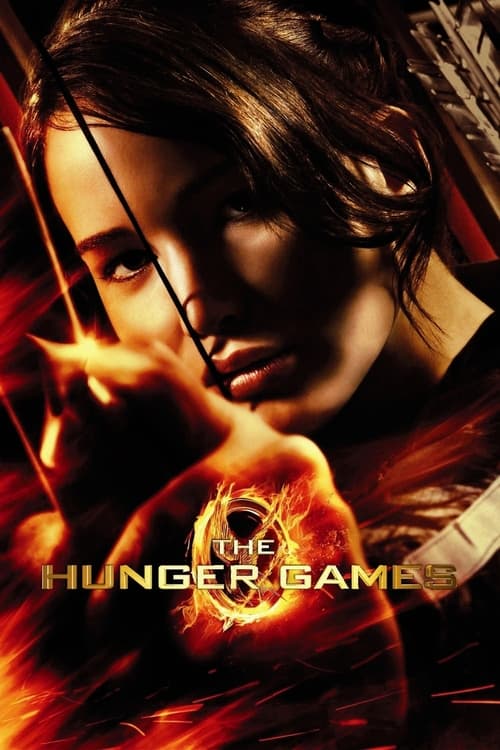
The adaptations that defined the genre on film and TV
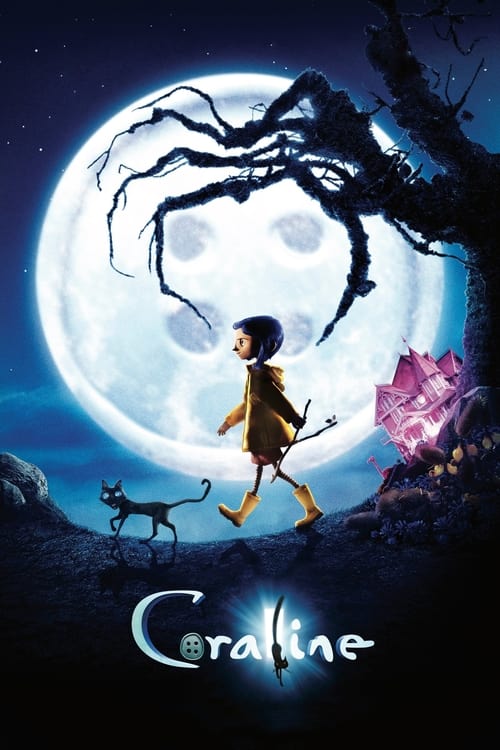
Where to go next
Every shelf below is a full guide: the dystopias that made the arena a metaphor, the romantasy courts rewriting the charts, the portal classics your childhood remembers, the starships and clone wars of YA science fiction, and the adaptation shelf for deciding whether to read or watch first. They interlink, the way the books always did.
The guide continues: the deep shelves
YA Dystopias
Explore the YA Dystopias guide →More worlds to wander
Coming of Age
Explore the Coming of Age guide →Frequently asked
What counts as YA fantasy and science fiction?
Speculative fiction written for roughly ages 12 to 18, with teenage protagonists facing adult-sized stakes. The borders blur constantly: The Hobbit predates the category, Ender's Game was published for adults, yet both live on its shelves, and half the romantasy list is read mostly by adults. Our rule here is lineage and readership, not marketing labels.
Where should an adult start with YA fantasy?
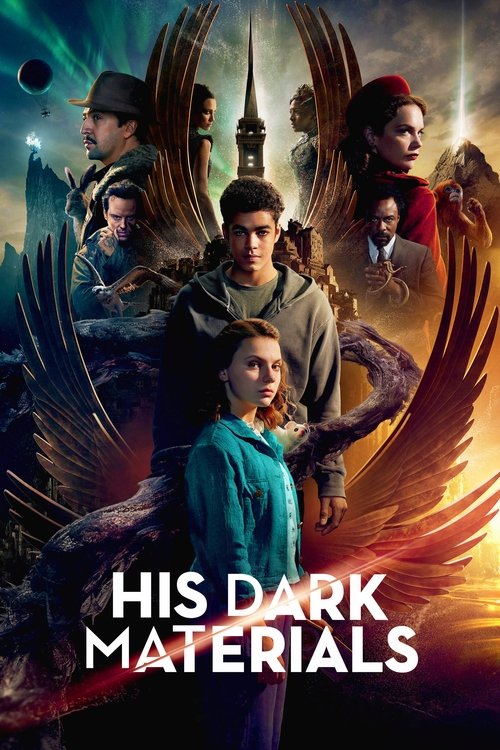
Six of Crows for craft, The Hunger Games for momentum, The Cruel Prince for intrigue. All three read as well at forty as at fourteen. If you want the classics instead, His Dark Materials remains the genre's most ambitious trilogy.
What is the difference between YA fantasy and romantasy?
Romantasy centers the romance as the plot's engine; the fantasy world raises its stakes. YA fantasy may contain romance, but the quest, war or mystery drives the story. A Court of Thorns and Roses is romantasy; Six of Crows is fantasy with feelings. Our romantasy guide covers the boom in detail.
Is the YA dystopia genre dead?
Dormant, not dead. The 2008-2014 wave (Hunger Games, Divergent, Maze Runner) burned out on imitators, but the books never left classrooms or streaming queues, and Suzanne Collins' prequels keep hitting number one. Genres this useful always come back.