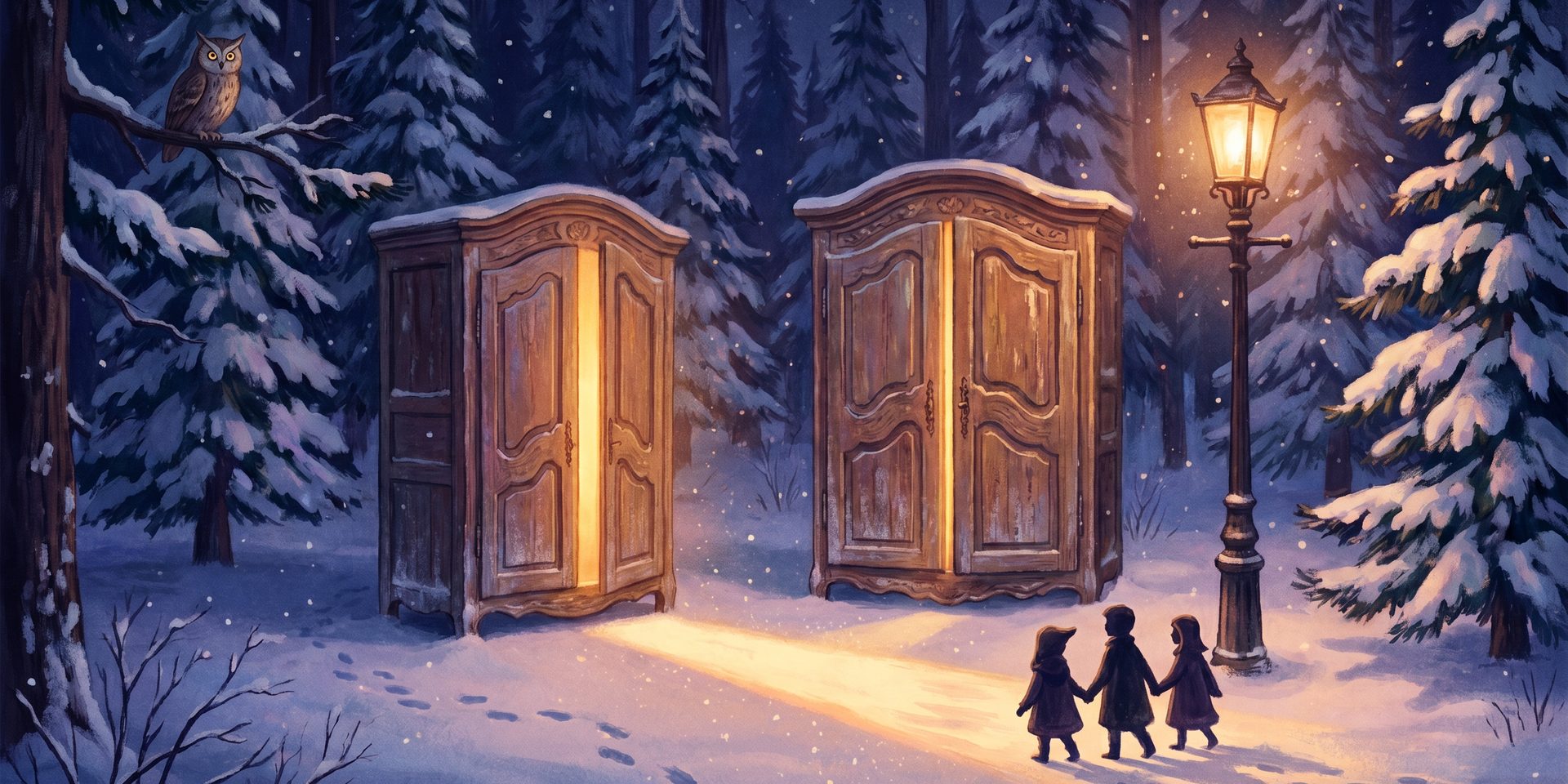

Every fantasy reader remembers their first door. For one generation it was the back of a wardrobe in a spare room; for another, a brick wall behind a London pub tapped in the right order; for another, a summer camp that only takes demigods. The portal story is the genre's founding move because it takes the reader's own geography, a bedroom, a school, a rainy afternoon, and installs a hinge in it.
This guide gathers the canon: the mid-century classics, the empires of the Potter and Percy era, and the books quietly holding the door for the next generation. Part of our complete YA fantasy and science fiction guide.
The essential portal classics
The doors every reader should walk through once


The doors, in order of opening
- 1950The wardrobe opens: Narnia arrives The Lion, the Witch and the Wardrobe
- 1961The Phantom Tollbooth drives through The Phantom Tollbooth
- 1968Earthsea: the wizard school before wizard schools A Wizard of Earthsea
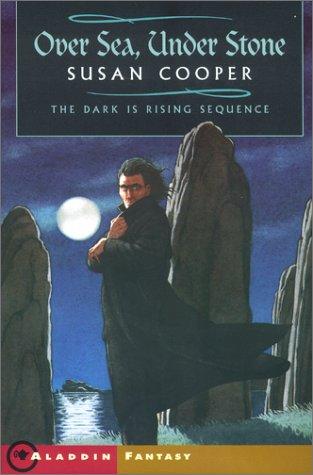
- 1973The Dark Is Rising begins on Midwinter Eve The Dark Is Rising
- 1979The Neverending Story hands the reader the book itself The Neverending Story
- 1986Howl's Moving Castle opens its four-way door Howl's Moving Castle
- 1995Northern Lights and the daemon at your side Northern Lights
- 1997Platform nine and three-quarters opens Harry Potter and the Philosopher's Stone
- 2001Artemis Fowl brings the criminal element Artemis Fowl
- 2005The Lightning Thief makes the myths American The Lightning Thief
- 2011Miss Peregrine's peculiar children pose for the camera Miss Peregrine's Home for Peculiar Children
The empires
Two series turned the doorway into an industry. Harry Potter made the school year itself the portal, seven books, one per grade, the reader aging with the hero, and sold the idea that a children's series could be a cultural event. Percy Jackson did the same for the American myth kid: dyslexia and ADHD reframed as demigod wiring, a summer camp instead of a boarding school, and Rick Riordan's joke-a-page narration hiding real classical scholarship. Between them they built the modern middle-grade-to-YA pipeline every publisher still runs on.
The Potter and Percy era
The series empires and their heirs


The quiet classics and the deep cuts
Doors your library card knew about




Once a king or queen in Narnia, always a king or queen.The Lion, the Witch and the Wardrobe
The doors on screen
The classics as cinema and television
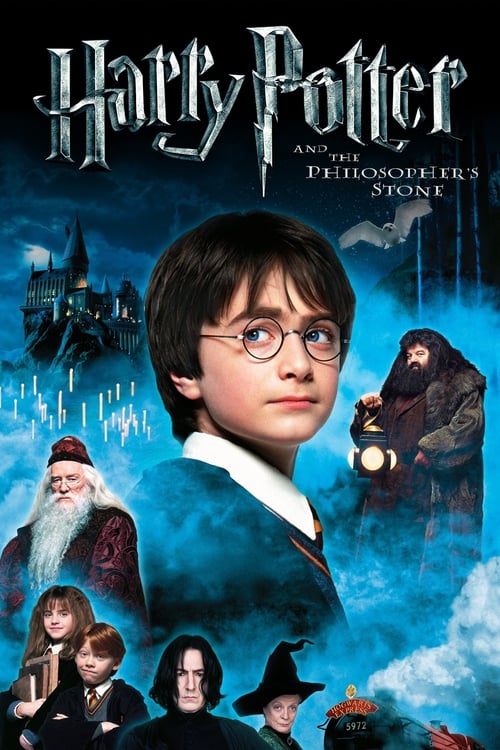 Harry Potter and the Philosopher's Stone
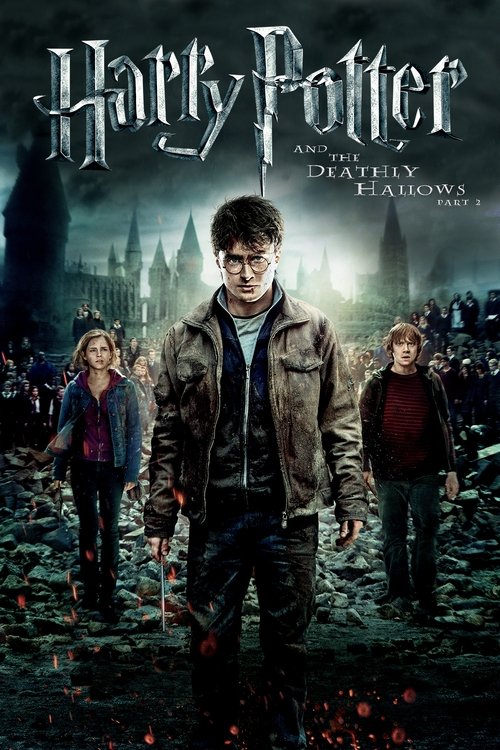 Harry Potter and the Deathly Hallows: Part 2
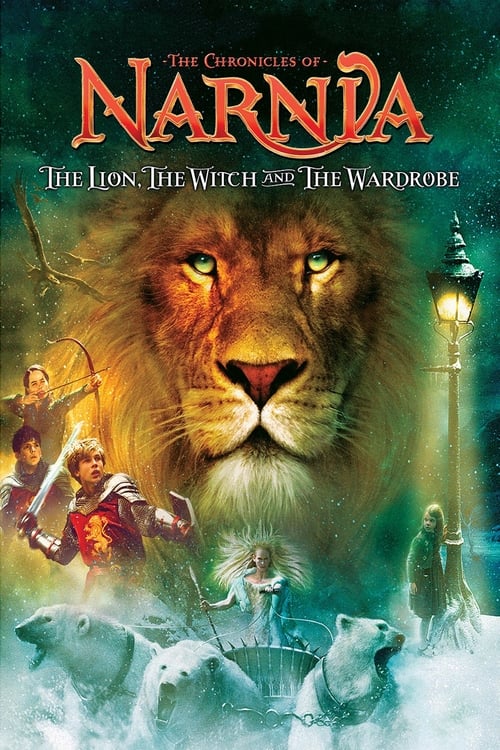 The Chronicles of Narnia: The Lion, the Witch and the Wardrobe
 His Dark Materials
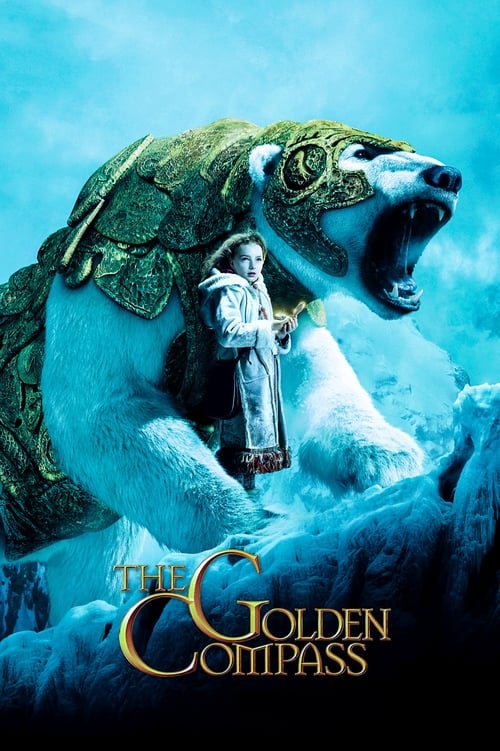 The Golden Compass
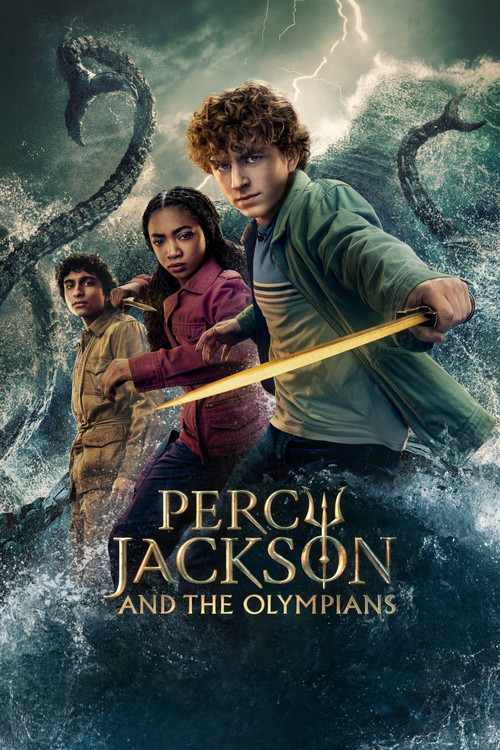 Percy Jackson and the Olympians
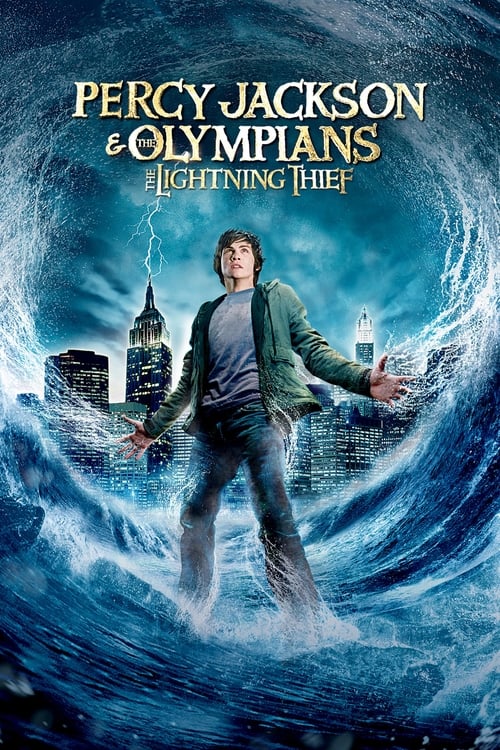 Percy Jackson & the Olympians: The Lightning Thief
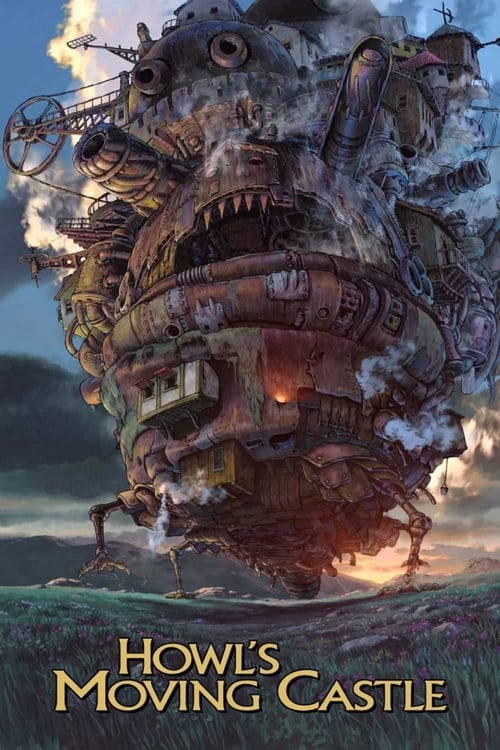 Howl's Moving Castle
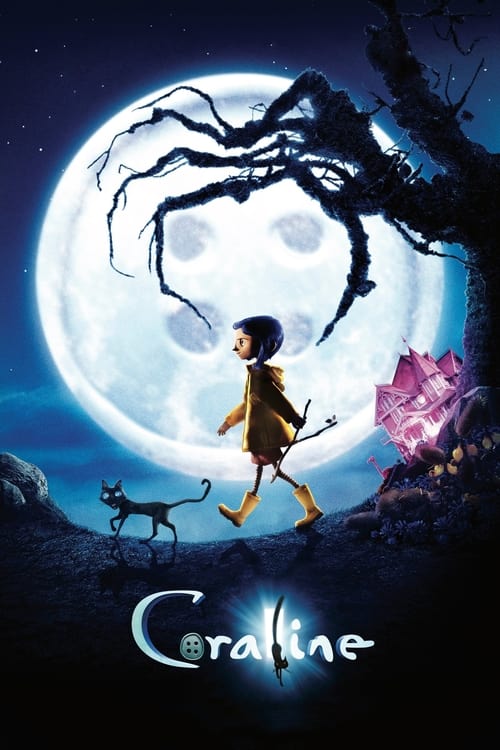 Coraline
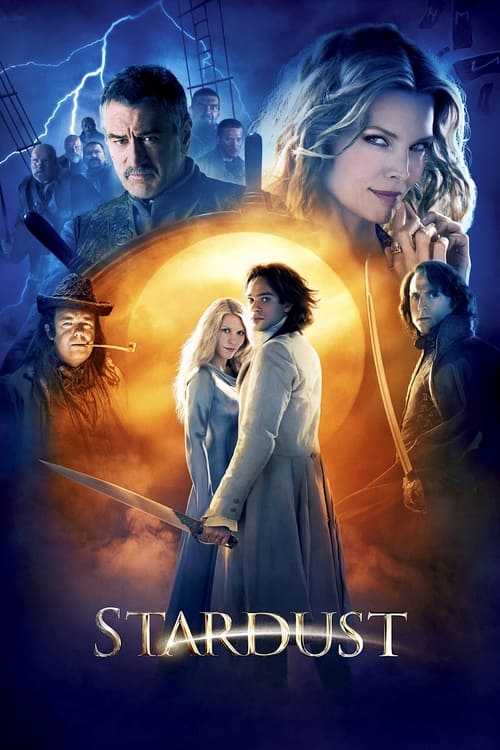 Stardust
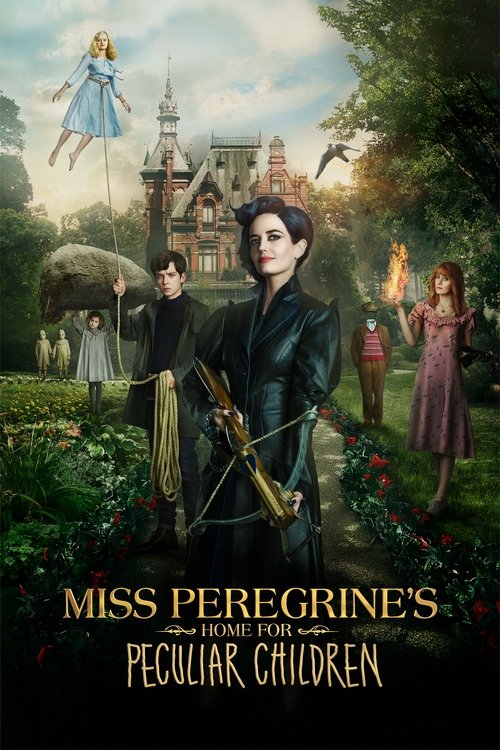 Miss Peregrine's Home for Peculiar Children
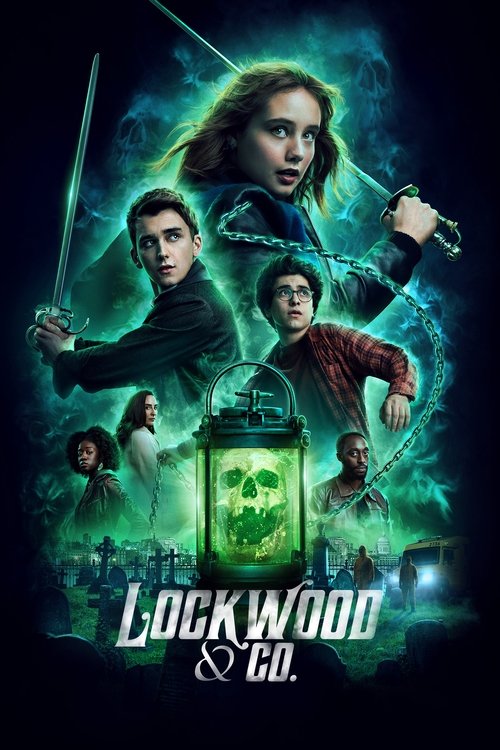 Lockwood & Co.
Keep exploring the YA guide
YA Fantasy & Science Fiction: The Complete Guide
Explore the YA Fantasy & Science Fiction: The Complete Guide guide →Frequently asked
What is portal fantasy?
Fantasy where characters cross from the ordinary world into a magical one through some threshold: a wardrobe, a train platform, a tollbooth, a book. The door matters because it keeps one foot in the reader's reality, which is what makes the crossing feel possible.
What should I read after Harry Potter?
Depends what you loved. The school and the mystery plots: Jonathan Stroud's Bartimaeus and Lockwood & Co. The myth and the humor: Percy Jackson. The moral weight: His Dark Materials or Earthsea. The coziness with teeth: anything by Diana Wynne Jones.
Are these books too young for adult readers?
The classics on this page have outlived every marketing category they were filed under. Earthsea and His Dark Materials are taught in universities; Narnia and Howl's Moving Castle are permanent literature. Reading level was never the point; the doors are.