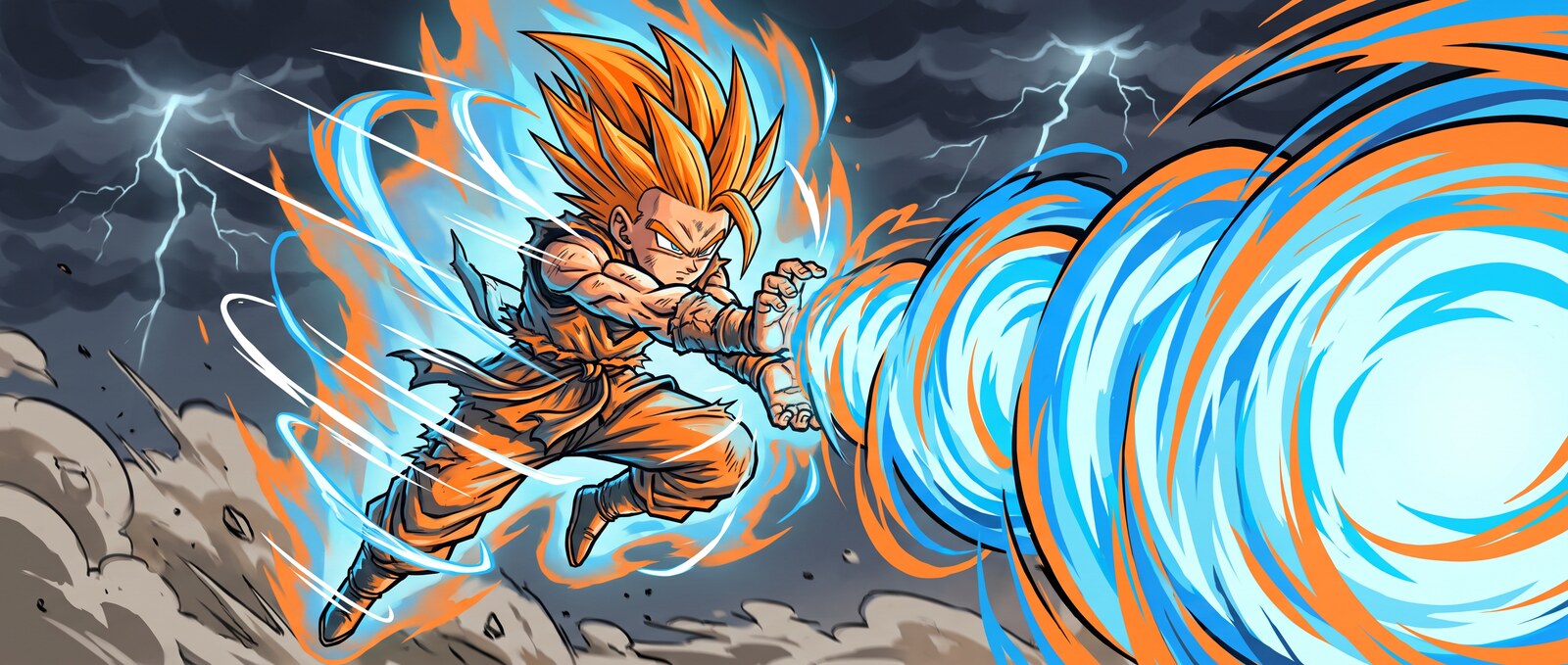

Battle shonen is the most influential storytelling engine anime has ever produced. Aimed originally at teenage boys in the pages of Weekly Shonen Jump, it runs on a handful of unstoppable ideas: a hero who refuses to quit, a rival who pushes him further, a power system with rules you can learn, and a tournament or war that forces everyone to level up. Akira Toriyama codified the template with Dragon Ball, the Big Three of Naruto, One Piece and Bleach turned it into a global phenomenon, and a new generation led by Demon Slayer and Jujutsu Kaisen made it the biggest thing in pop culture.
This is the complete guide across every medium: the 80s and 90s godfathers, the Big Three, the modern titans, the great tournament arcs, the manga to read, the fighting games to play, and the darker series that took the genre somewhere new.
The essential battle shonen


The godfathers: 80s and 90s shonen



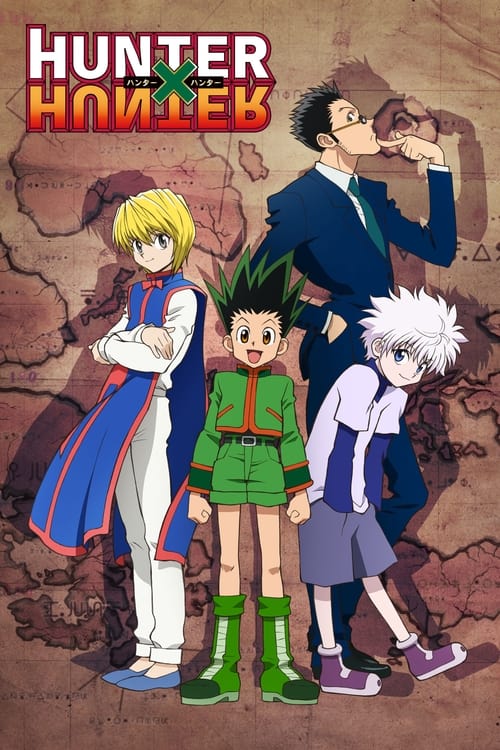
Hunter x Hunter is the smartest shonen ever written
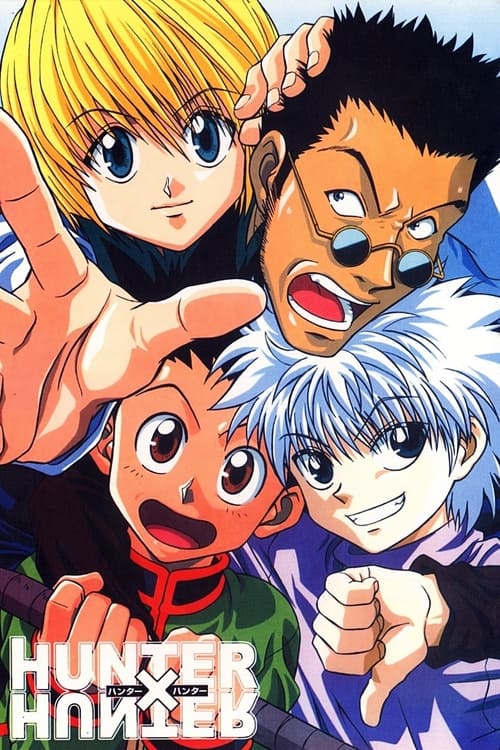
Yoshihiro Togashi took every rule of the genre and rebuilt it with the mind of a tactician. The Nen power system has real, learnable logic, so fights become chess matches rather than shouting contests, and the Chimera Ant arc turns a monster-of-the-week premise into one of the most morally serious stories in all of manga. It is the rare battle shonen that respects its readers enough to let the hero lose, disappear, and be genuinely outmatched.
The modern titans


Tournament arcs done right
Read the manga



One Piece is the most impressive long-form story in any medium
Eiichiro Oda has drawn One Piece continuously since 1997, and the astonishing thing is that setups from the very first arcs still pay off decades later. It is a pirate adventure, a political epic, a comedy and a tragedy at once, built on a single unwavering idea: found family. No other serialized work has sustained this much foreshadowing across this much time without dropping the thread.

Power systems and deconstructions
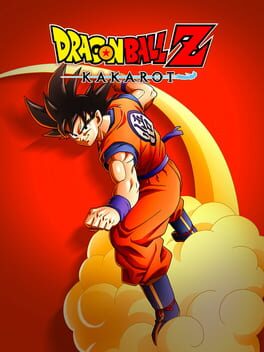
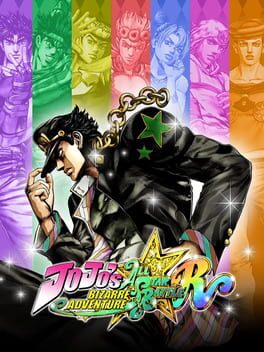
Play the fight: the games
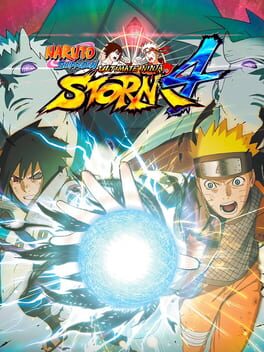
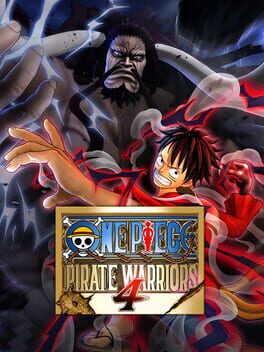
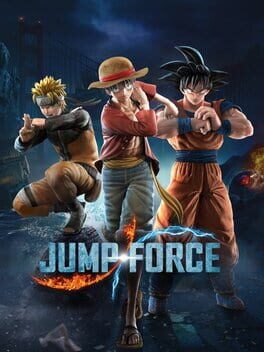
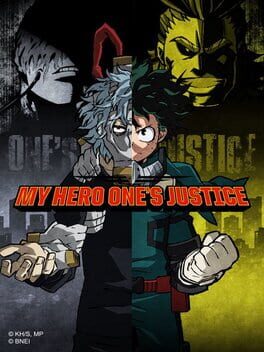
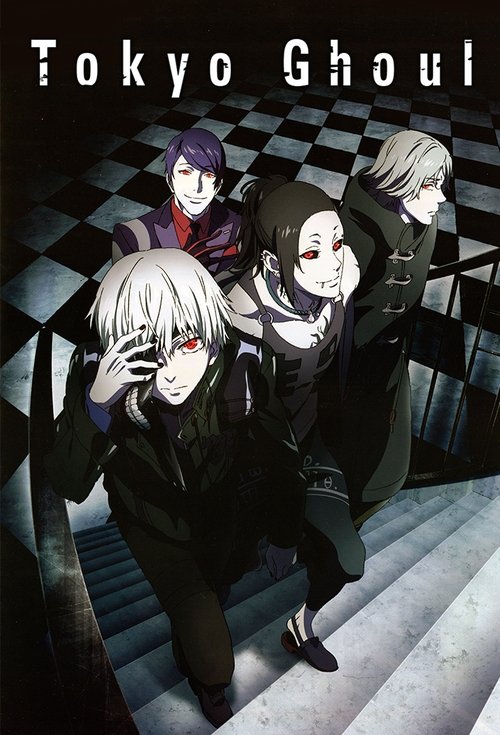
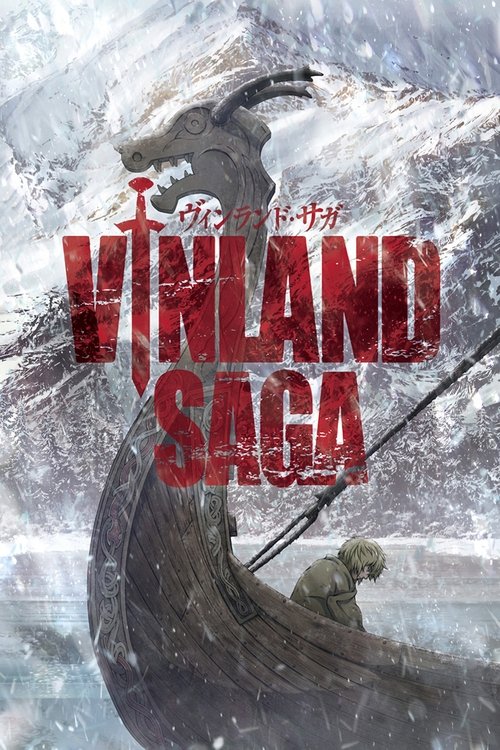
Shonen goes dark

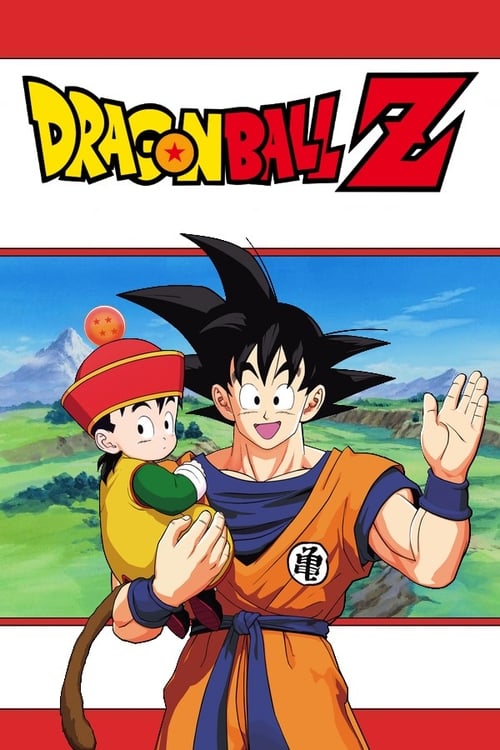
Dragon Ball Z wrote the rules everyone still follows
Power levels, transformations, training arcs, the rival who becomes an ally, the tournament that decides everything: Akira Toriyama's Dragon Ball Z is the template the entire genre is built on. Every hero who screams to unlock a new form owes it a debt. It is not the most sophisticated shonen, but it is the most foundational, and thirty years on its power-up beats still define what the word shonen means.
The over-the-top and the parodies


The timeline
- 1984Akira Toriyama begins Dragon Ball in Weekly Shonen Jump, defining the genre's shape. Dragon Ball
- 1989Dragon Ball Z hits television and turns the power-up battle into a global language. Dragon Ball Z
- 1997Eiichiro Oda launches One Piece, the story that will still be running decades later. One Piece
- 1998Yoshihiro Togashi begins Hunter x Hunter and quietly reinvents how shonen fights can think. Hunter x Hunter
- 1999Masashi Kishimoto starts Naruto, the ninja epic that helped open the West to anime. Naruto
- 2001Tite Kubo's Bleach completes the Big Three that will define 2000s Shonen Jump. Bleach
- 2009Fullmetal Alchemist: Brotherhood sets the gold standard for a complete, faithful adaptation. Fullmetal Alchemist: Brotherhood
- 2016My Hero Academia and One-Punch Man carry shonen into the global streaming era. My Hero Academia
- 2019Ufotable's Demon Slayer redefines what a shonen adaptation can look like. Demon Slayer: Kimetsu no Yaiba
- 2020Demon Slayer: Mugen Train becomes the highest-grossing film in Japanese history. Demon Slayer -Kimetsu no Yaiba- The Movie: Mugen Train
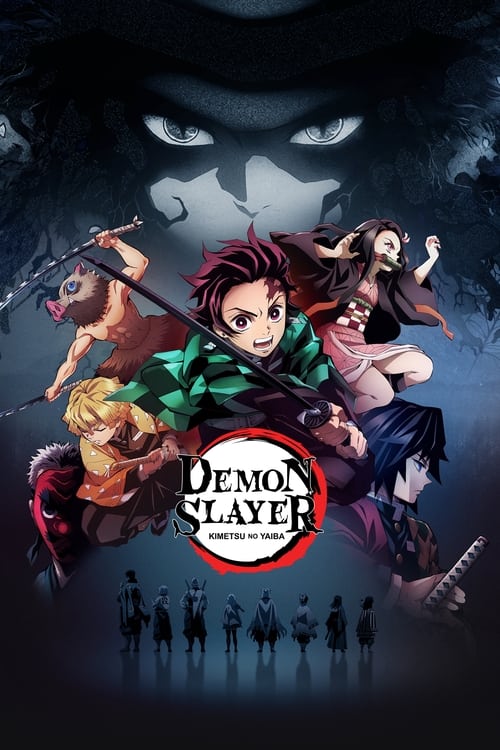
Demon Slayer proved animation itself can be the story
Ufotable's adaptation made the fight choreography and the moving artwork the whole point, and Mugen Train became the highest-grossing film in Japanese history on the strength of it. The manga is a solid, classical shonen; the anime is a technical landmark that showed the industry how far a studio can push a single sword swing. It is the clearest proof that in this genre, production is inseparable from the drama.
The mangaka
Keep exploring
Martial Arts
Explore the Martial Arts guide →Frequently asked
What is battle shonen?
Battle shonen is a genre of Japanese manga and anime built around action and fighting, aimed originally at a teenage-boy (shonen) readership. Its hallmarks are a determined hero, powerful rivals, a rule-based power system, training and tournament arcs, and themes of friendship, effort and never giving up. Dragon Ball, Naruto, One Piece and Demon Slayer are defining examples.
What are the Big Three anime?
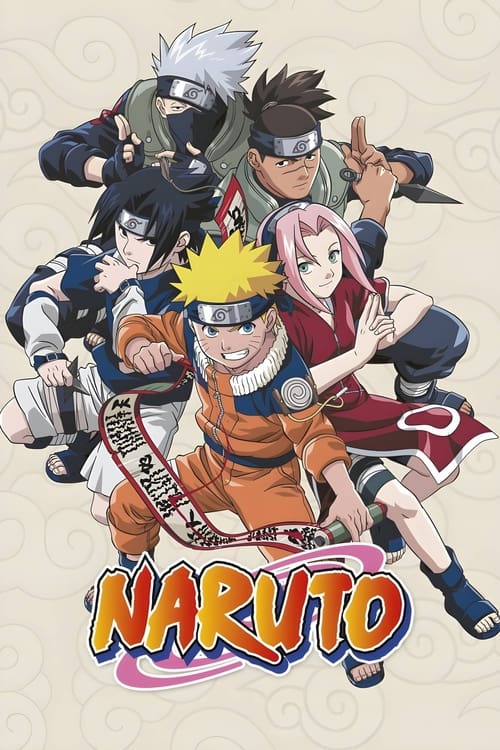
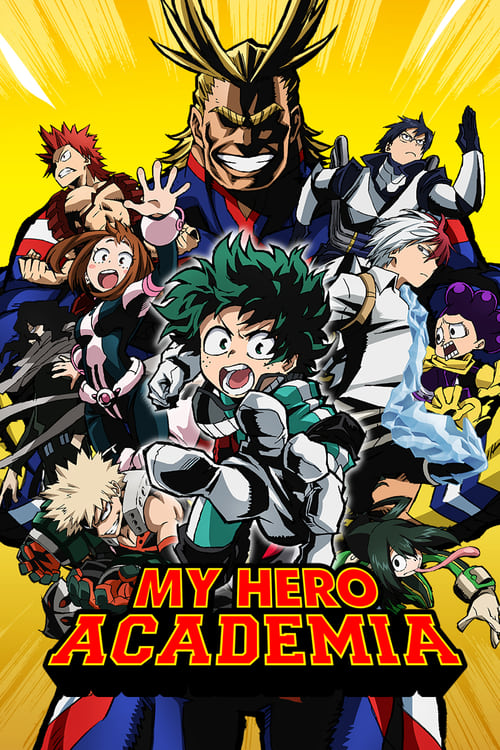
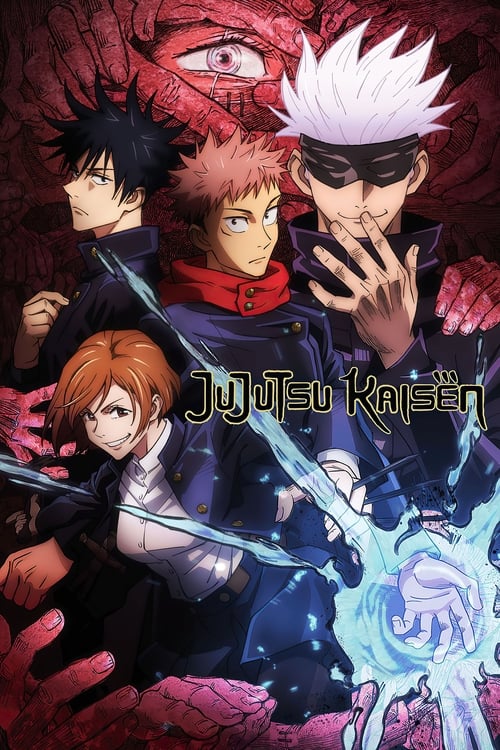
The Big Three refers to Naruto, One Piece and Bleach, the trio of Weekly Shonen Jump series that dominated the magazine and global anime fandom through the 2000s. Dragon Ball is their shared ancestor, and a newer wave led by Demon Slayer, My Hero Academia and Jujutsu Kaisen is sometimes called the modern Big Three.
Where should I start with battle shonen?
Fullmetal Alchemist: Brotherhood and Hunter x Hunter (2011) are the most acclaimed complete stories. Demon Slayer and Jujutsu Kaisen are the best-looking modern entry points. For the classics that started it all, Dragon Ball Z; for the biggest epics, One Piece and Naruto.
Is battle shonen only for kids?
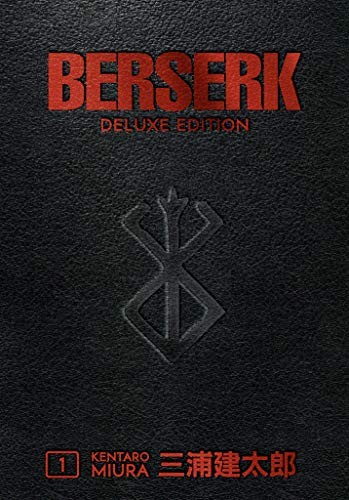
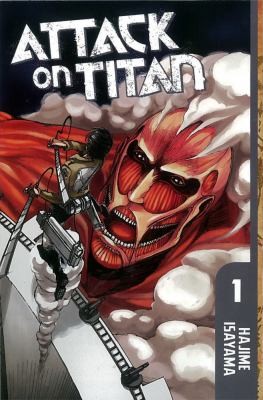
No. While the demographic label means teenage boys, the genre spans everything from all-ages adventure to genuinely dark, violent and philosophically serious work. Series like Hunter x Hunter, Chainsaw Man, Attack on Titan and Berserk deal with war, trauma and morality in ways that resonate far beyond their original audience.