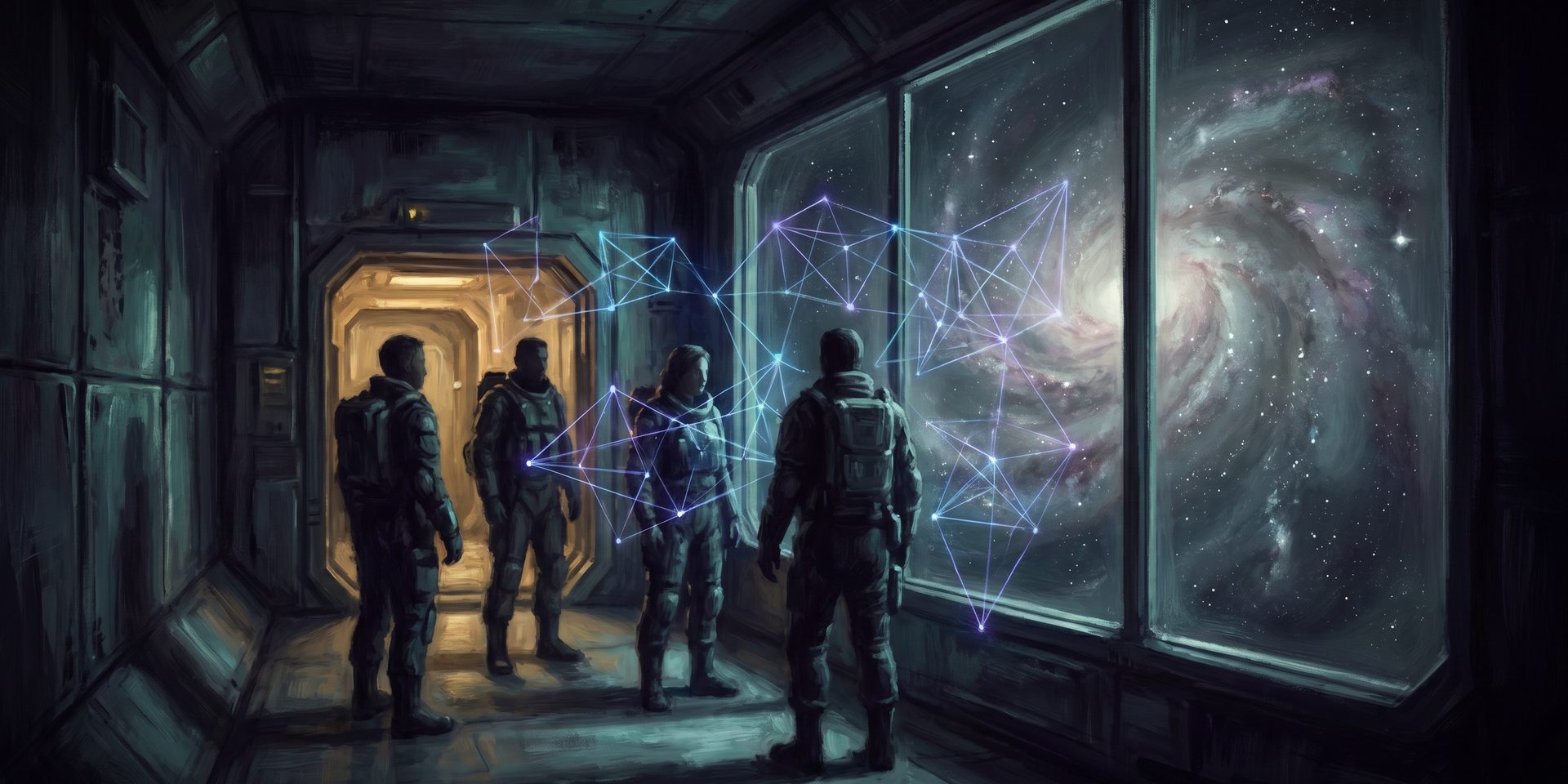

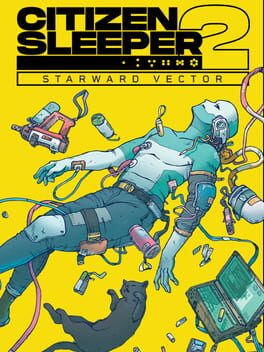
Fantasy built the RPG's body, but science fiction gave it most of its best questions. What do you owe a crew? (Mass Effect.) Is a mind still yours when a corporation holds the lease? (Citizen Sleeper, Cyberpunk 2077.) What does faith look like forty thousand years into the dark? (Rogue Trader.) The sci-fi RPG had to wait for the fantasy boom to subside, Wasteland and Fallout aside, the 90s belonged to elves, but once BioWare put lightsabers on the character sheet in 2003, the stars opened for business.
This guide covers the whole orbit: the BioWare space operas, the immersive-sim line, the Eastern tabletop adaptations and the small brilliant indies. Part of our complete CRPG guide; the irradiated-Earth branch lives in the post-apocalyptic guide.
The essential sci-fi RPGs
The genre's finest hours off-planet

The BioWare orbit
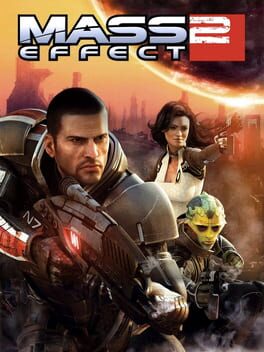
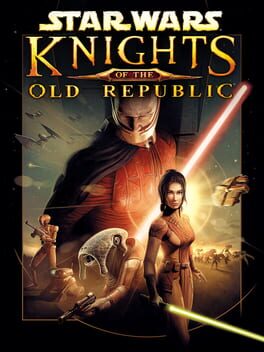
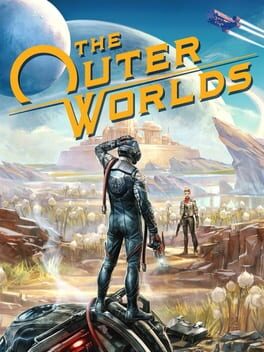
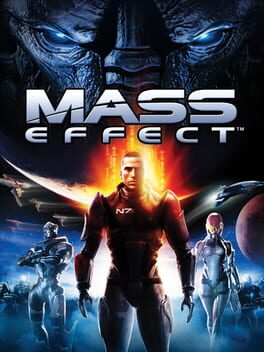
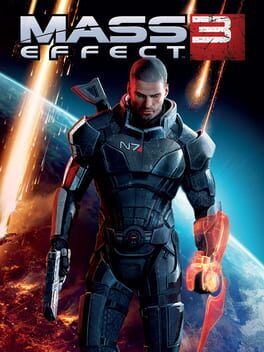
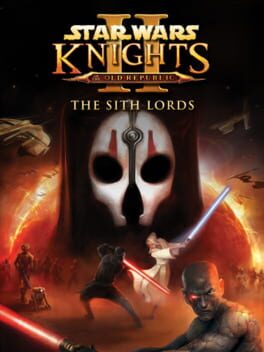
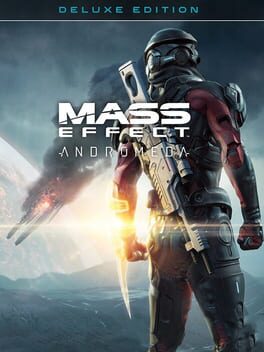
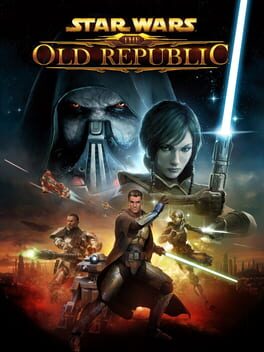
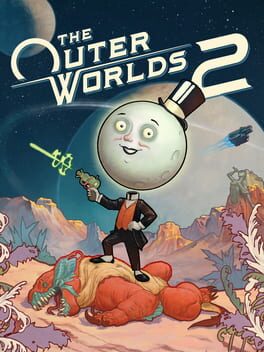
Knights of the Old Republic proved a licensed space opera could carry the genre's full machinery, and its twist remains the reference point for every unreliable protagonist since. Mass Effect converted that confidence into an original universe, three games, one continuous save file, a galaxy that remembered. The line's heirs are everywhere: Obsidian's KOTOR II read the Force like a critic, Andromeda stumbled, and The Outer Worlds distilled the formula into corporate satire.
The space operas
KOTOR, the Mass Effect line and their heirs
The stars, year by year
- 1988Wasteland proves the sheet survives the apocalypse Wasteland
- 1999System Shock 2 fuses the RPG with survival horror System Shock 2
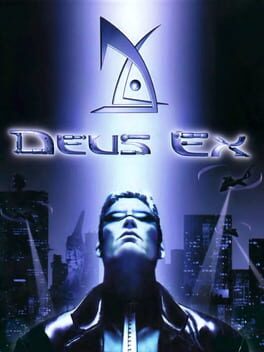
- 2000Deus Ex: the RPG goes first-person and paranoid Deus Ex
- 2003KOTOR: BioWare takes the license to the stars Star Wars: Knights of the Old Republic
- 2007Mass Effect: an original universe with a continuous save Mass Effect
- 2010Mass Effect 2 perfects the crew story Mass Effect 2
- 2017Andromeda stumbles; the indies pick up the torch Mass Effect: Andromeda - Deluxe Edition
- 2020Cyberpunk 2077 launches broken and rebuilds itself into greatness Cyberpunk 2077
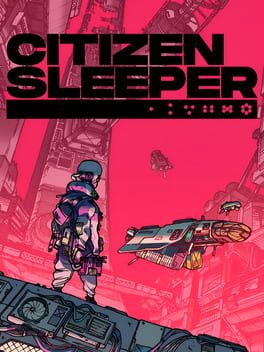
- 2022Citizen Sleeper: the RPG as gig-economy parable Citizen Sleeper
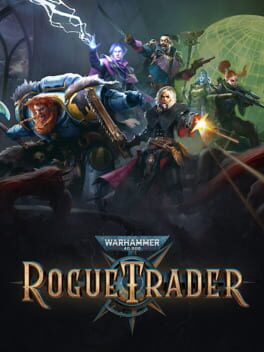
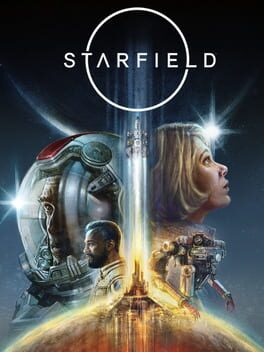
- 2023Starfield goes wide; Rogue Trader goes deep Warhammer 40,000: Rogue Trader
The immersive-sim line and the chrome
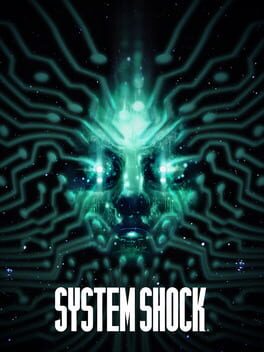
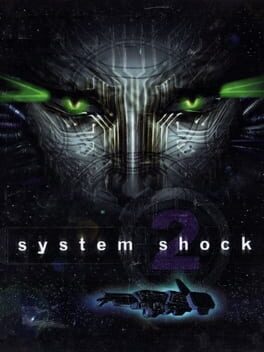
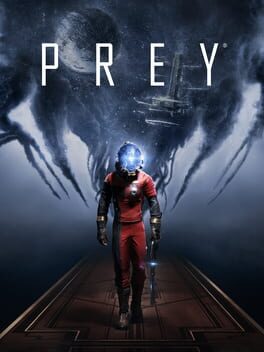
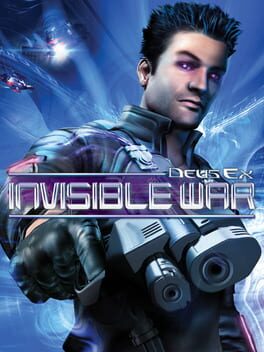
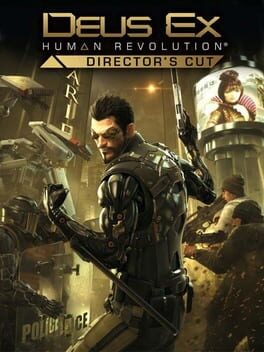
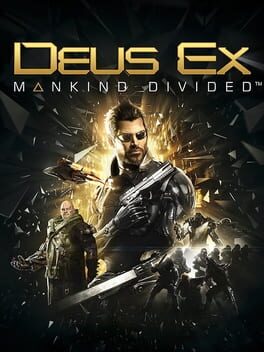
One branch of the sci-fi RPG descends from Ultima Underworld rather than D&D: System Shock's haunted station, Deus Ex's conspiracy where every locked door has three keys, and the modern Deus Ex prequels' golden-age paranoia. Cyberpunk 2077 is this line's blockbuster inheritor, a first-person RPG whose Night City is the densest place the genre has built, and whose post-launch redemption arc ended in one of the best expansions ever shipped.
The immersive sims and the chrome
From System Shock's corridors to Night City's streets
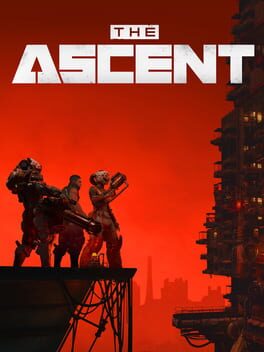
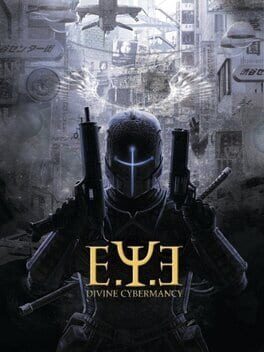
The small brilliant orbit
The indies and oddities keeping the stars strange
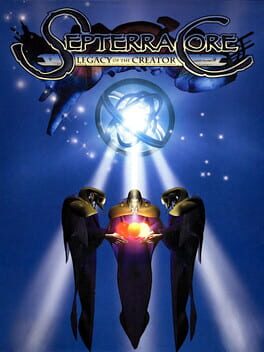
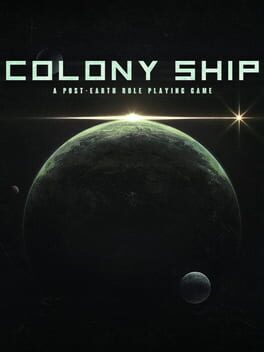
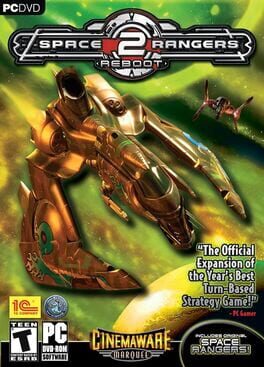
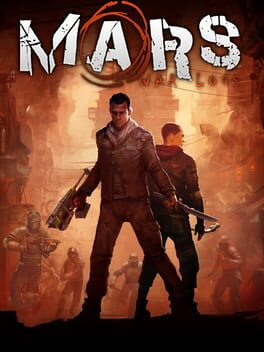
Fantasy asks who you were born to be. Science fiction asks what you are willing to become.CrossBinge
The shelf behind the stars
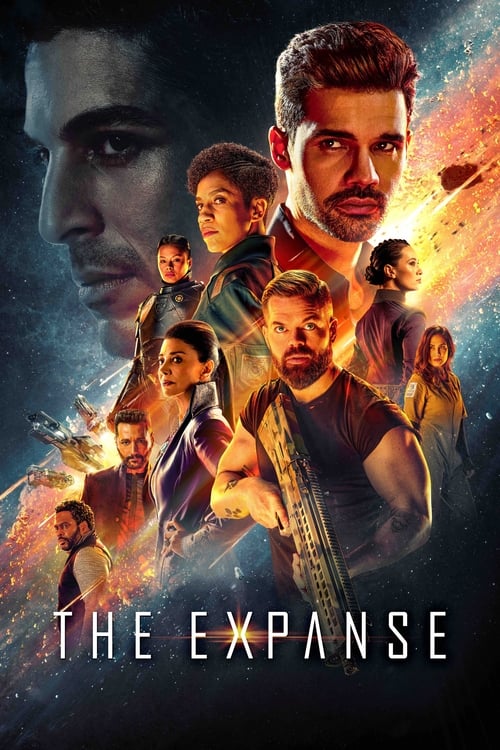
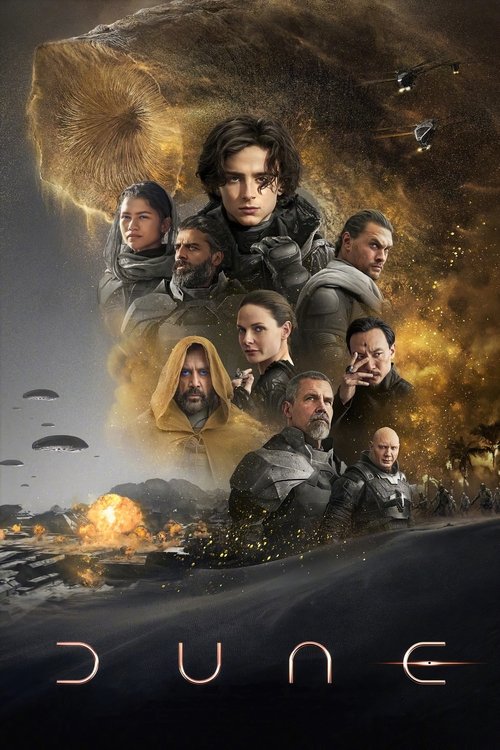
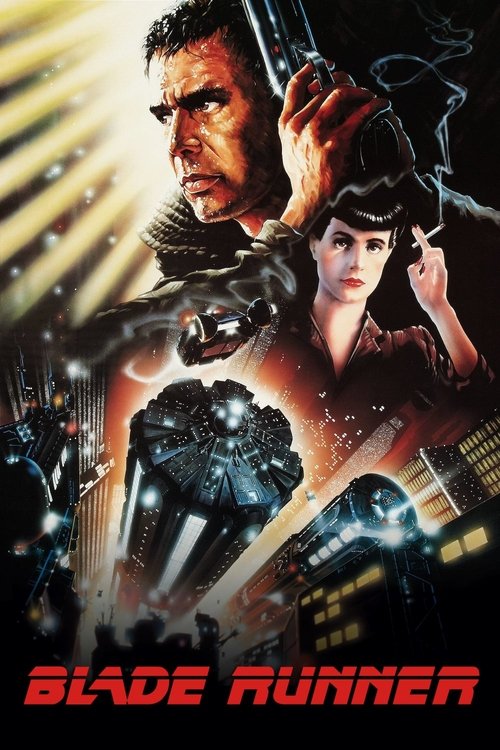
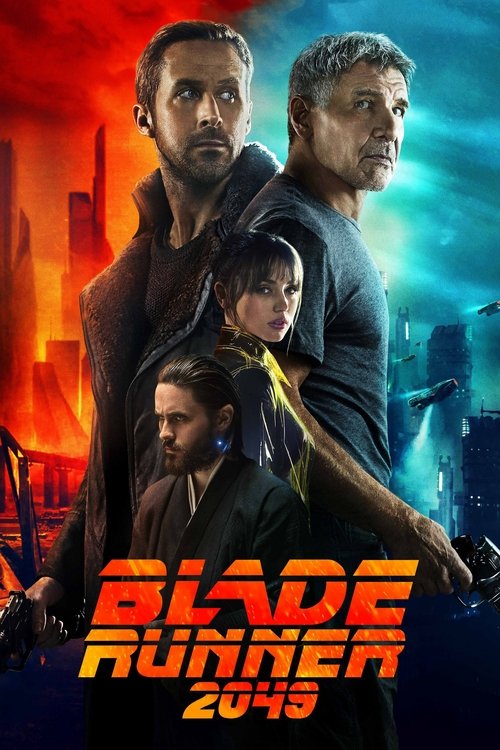
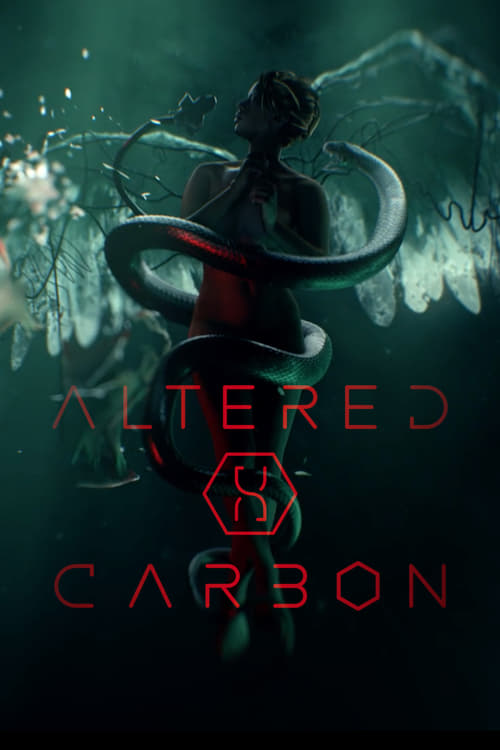
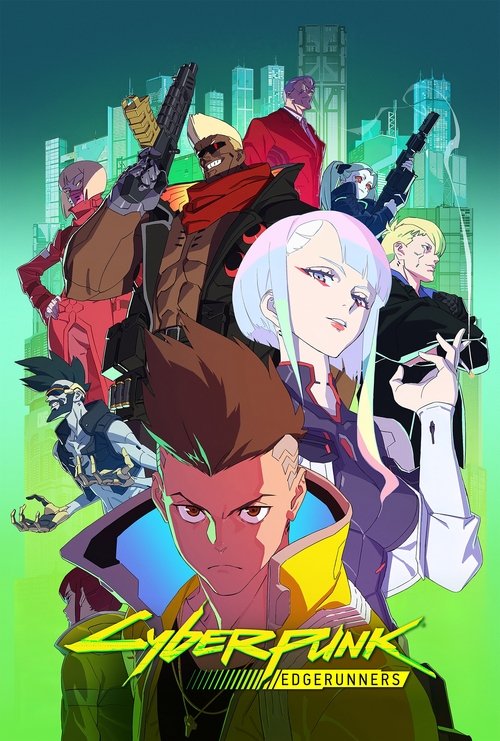
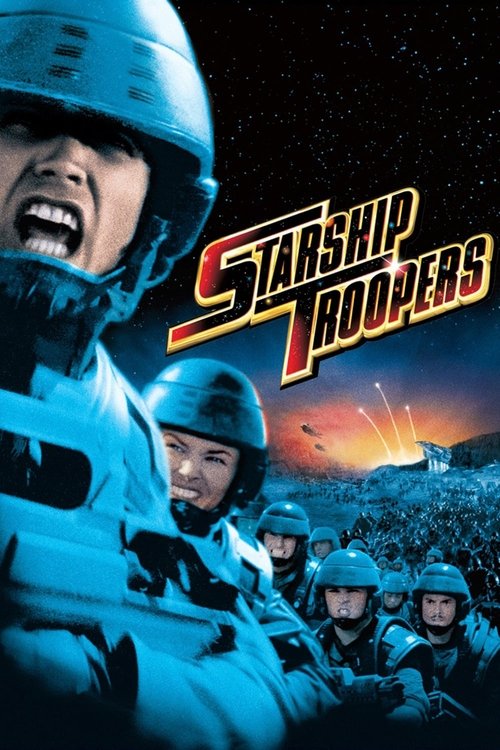
Every RPG on this page is in conversation with the science fiction shelf: Dune's feudal spice politics run under Rogue Trader, Neuromancer and Do Androids Dream under all the chrome, The Expanse under every crew that argues in a corridor.
The fiction behind the games
The books and screens the sci-fi RPG keeps quoting




Keep exploring the CRPG guide
The CRPG: The Complete Guide
Explore the The CRPG: The Complete Guide guide →Frequently asked
What order should I play the Mass Effect trilogy in?
Release order, ideally via the Legendary Edition remaster, and carry your save between games: the trilogy's defining trick is that decisions from 2007 pay off in 2012. Andromeda is a separate story you can take or leave afterward.
Is Cyberpunk 2077 worth playing now?
Yes, emphatically. The 2.0 systems overhaul and the Phantom Liberty expansion rebuilt the game the trailers promised: Night City is the genre's densest place, the builds finally sing, and the expansion is among the best RPG stories of its decade.
Do I need to know Warhammer 40,000 lore for Rogue Trader?
No. The game assumes an intelligent stranger: your rogue trader inherits everything, so exposition arrives naturally, and a built-in lore glossary covers the rest. Knowing the setting deepens the jokes; it is not the price of entry.