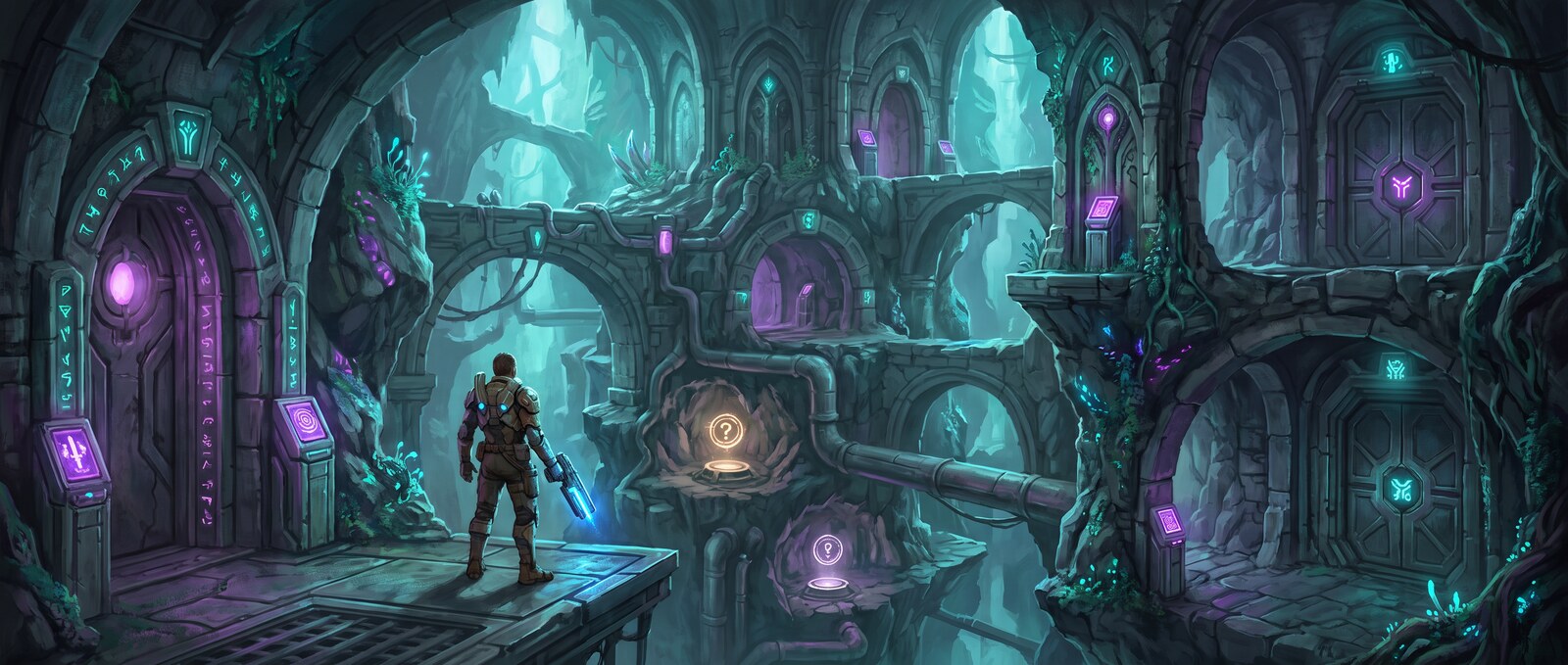

The metroidvania is the genre of the interconnected world. Named for its two founders, Nintendo's Metroid and Konami's Castlevania: Symphony of the Night, it drops you into a single sprawling, hand-crafted map and gates your progress behind abilities: you cannot cross that gap until you find the double jump, cannot open that door until you gain the missiles. The pleasure is in the slow revelation of a place, in backtracking with new power and seeing an old obstacle fall away, in a map that fills in like a memory.
This is the complete guide across the genre: the Metroid and Castlevania series that named it, the modern indie classics, the souls-inflected wave, the atmospheric explorers, and the new generation keeping the map growing.
The essential metroidvanias

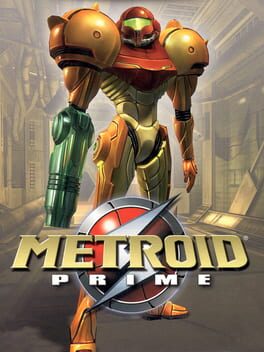
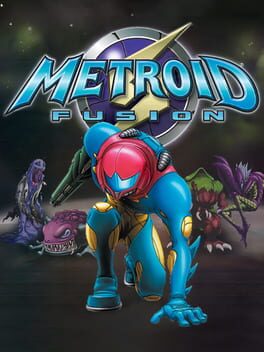
The Metroid series
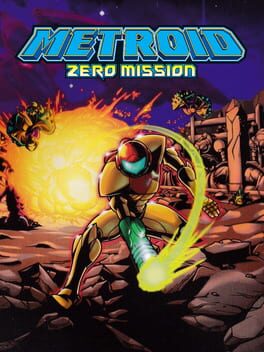
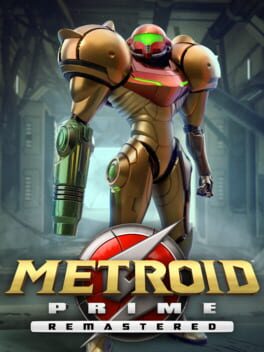
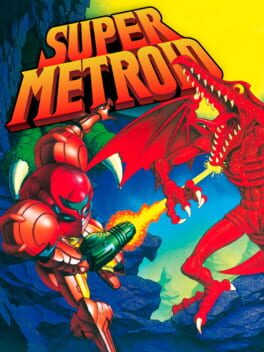
Super Metroid perfected the interconnected world
Nintendo's 1994 masterpiece is the blueprint the entire genre still copies. Its planet Zebes is a single, seamless, brilliantly interlocking maze that teaches you its language without a word of text, rewarding curiosity, punishing carelessness, and turning the acquisition of each new power into a key that reshapes the whole map. Its atmosphere of lonely, hostile alien wonder has never been bettered, and half the genre carries its name for a reason.
The Castlevania series
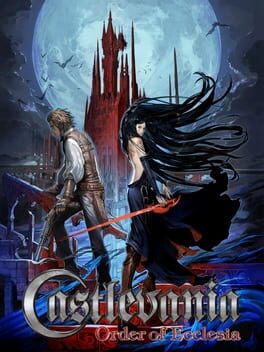
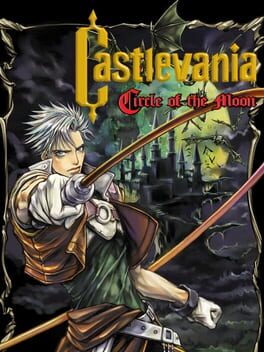

The modern indie classics

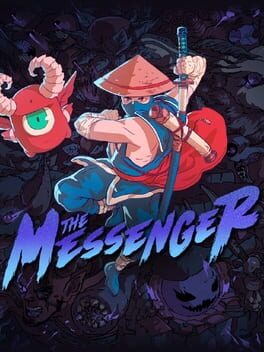
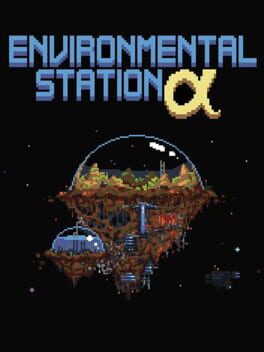
The soulsvania
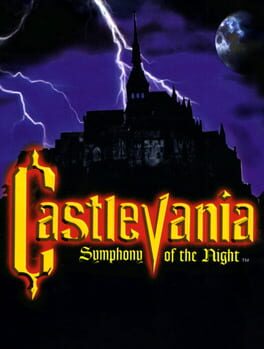
Symphony of the Night gave the genre its other half
Konami took the exploration of Metroid, added the levelling, loot and RPG systems of an action role-playing game, and set it loose in Dracula's vast, gorgeous castle. Castlevania: Symphony of the Night is where the genre got its second name and its love of character progression, of finding a new relic and immediately doubling back to plunder everything it unlocks. Its inverted castle remains one of gaming's great surprises, and its influence is everywhere.
The atmospheric explorers
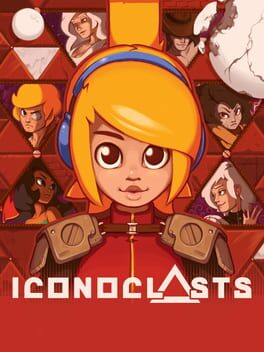
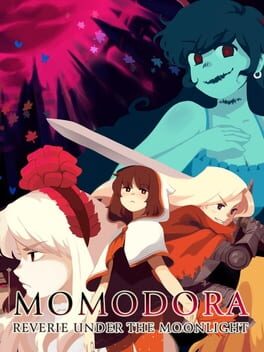
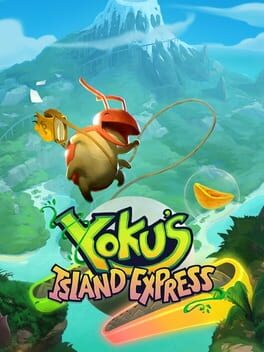
The new wave
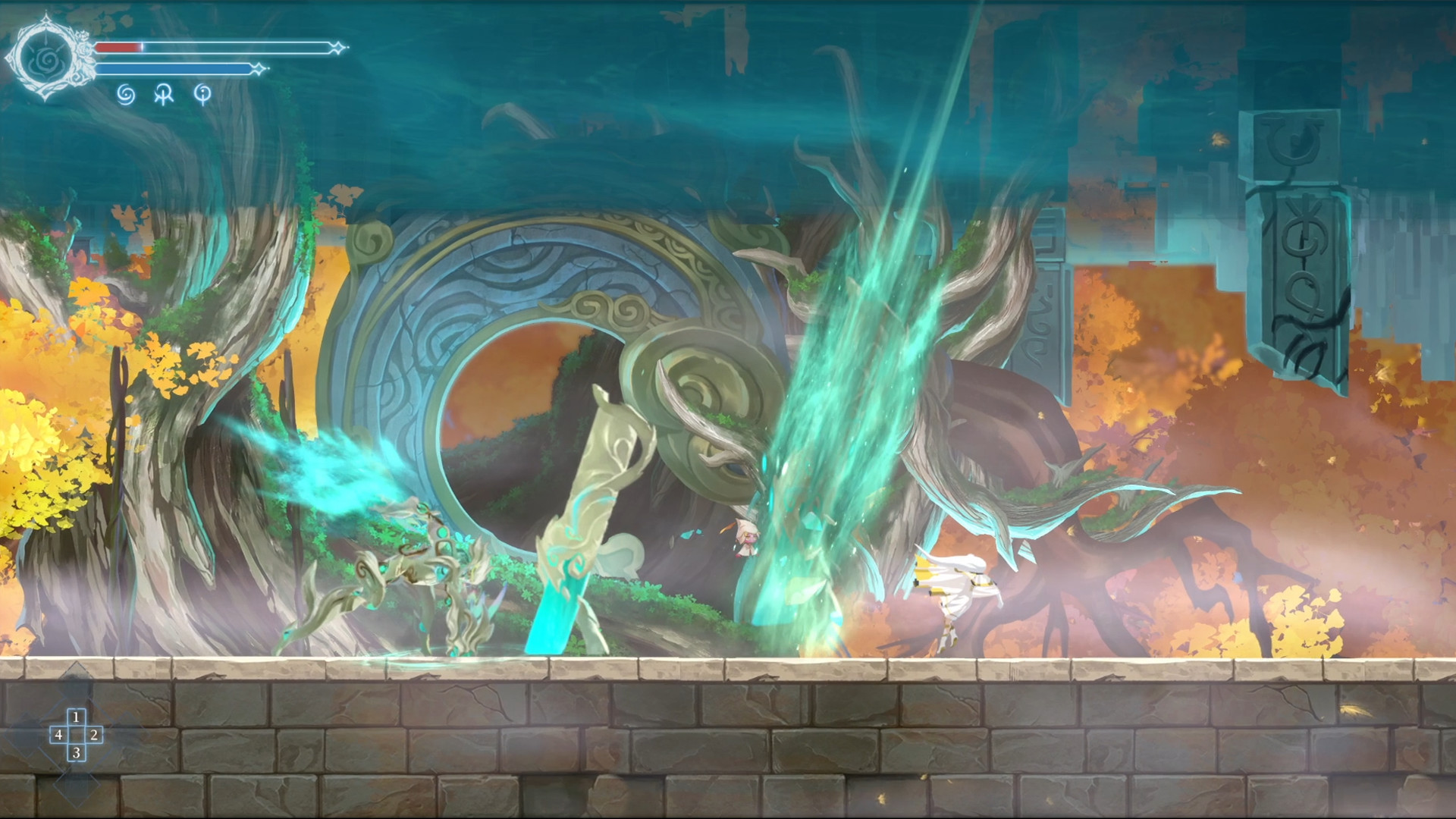


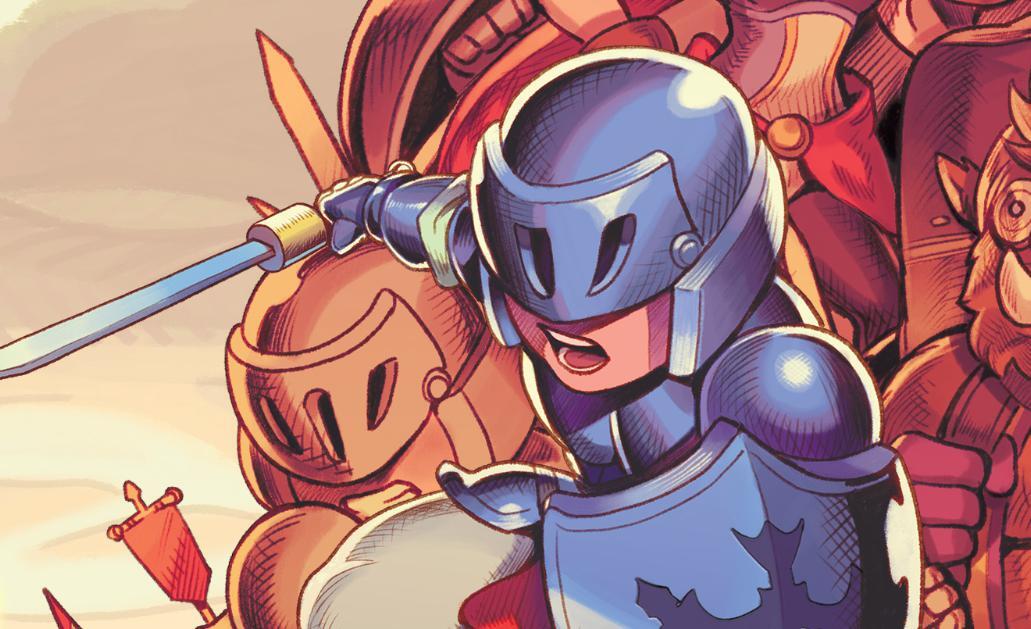
The timeline
- 1986Metroid establishes ability-gated exploration and the interconnected map. Metroid
- 1994Super Metroid perfects the formula and names half the genre. Super Metroid
- 1997Castlevania: Symphony of the Night adds RPG systems and coins Metroidvania. Castlevania: Symphony of the Night
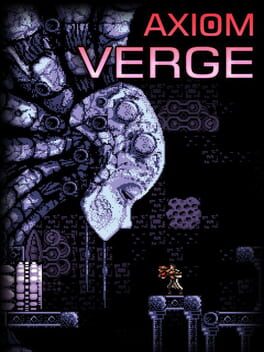
- 2015Ori and the Blind Forest and Axiom Verge lead the indie revival. Ori and the Blind Forest
- 2017Hollow Knight sets a new bar for the genre's scale and craft. Hollow Knight
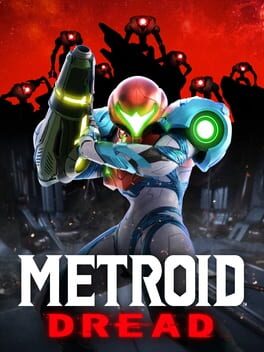
- 2021Metroid Dread returns the founding series after nearly two decades. Metroid Dread
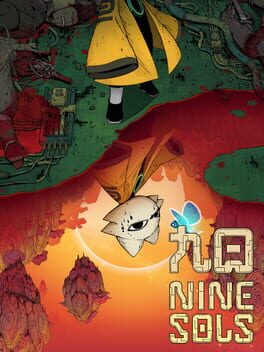
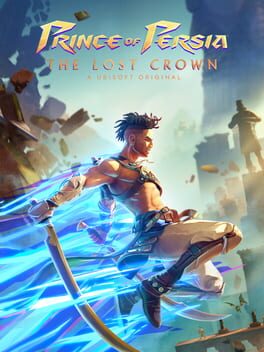
- 2024Prince of Persia: The Lost Crown and Nine Sols prove the genre keeps evolving. Prince of Persia: The Lost Crown
Hollow Knight is the indie masterpiece
Team Cherry's melancholy, beautiful kingdom of Hallownest is the metroidvania at its most complete: an enormous, hand-drawn, interconnected world of ruined civilizations and haunted bugs, dense with secrets, brutal in its optional challenges, and quietly devastating in its storytelling. It respects the player's intelligence utterly, hiding its map, its lore and its best moments for the curious to find. It is, for many, the finest the genre has ever produced.
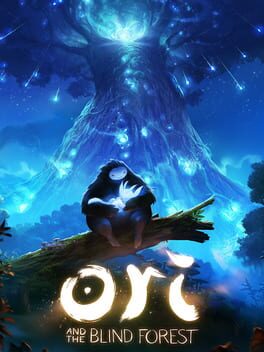
Ori proved the metroidvania could be breathtaking
Moon Studios wrapped tight, demanding platforming and classic ability-gated exploration in some of the most gorgeous art gaming has produced: a luminous, painterly forest world that feels alive in every frame. Ori and the Blind Forest and its sequel pair that beauty with genuine emotional weight and razor-sharp movement, showing that the metroidvania could be a place of wonder and heartbreak as much as of puzzles and power-ups.
Keep exploring
Roguelike & Roguelite: The Complete Guide to Die and Retry
Explore the Roguelike & Roguelite: The Complete Guide to Die and Retry guide →Frequently asked
What is a metroidvania?
A metroidvania is a video-game genre defined by a large, interconnected world that the player explores non-linearly, with progress gated behind abilities or items. You gradually gain powers (a double jump, a dash, a key weapon) that let you reach previously inaccessible areas, encouraging backtracking and the slow revelation of a single sprawling map. The name is a portmanteau of Metroid and Castlevania.
Where does the name metroidvania come from?
It combines Metroid, Nintendo's 1986 series that pioneered ability-gated exploration, and Castlevania, specifically 1997's Castlevania: Symphony of the Night, which added RPG-style progression to that exploration template. The blended term arose among fans and critics to describe games built on those two pillars, and it has since become the standard name for the whole genre.
What makes the metroidvania so satisfying?
The core pleasure is the sense of a world that unfolds as you grow. Because progress is tied to new abilities rather than linear levels, every power-up retroactively transforms the entire map, turning old dead ends into new paths. The result is a constant loop of curiosity, discovery and empowerment, and the deeply satisfying moment of finally opening a door you have been eyeing for hours.
Where should I start with metroidvanias?
Hollow Knight is the most acclaimed modern entry and a natural starting point; Ori and the Blind Forest is beautiful and approachable. For the classics, Super Metroid and Castlevania: Symphony of the Night are essential and still play wonderfully. Metroid Dread is the best recent entry in the founding series.