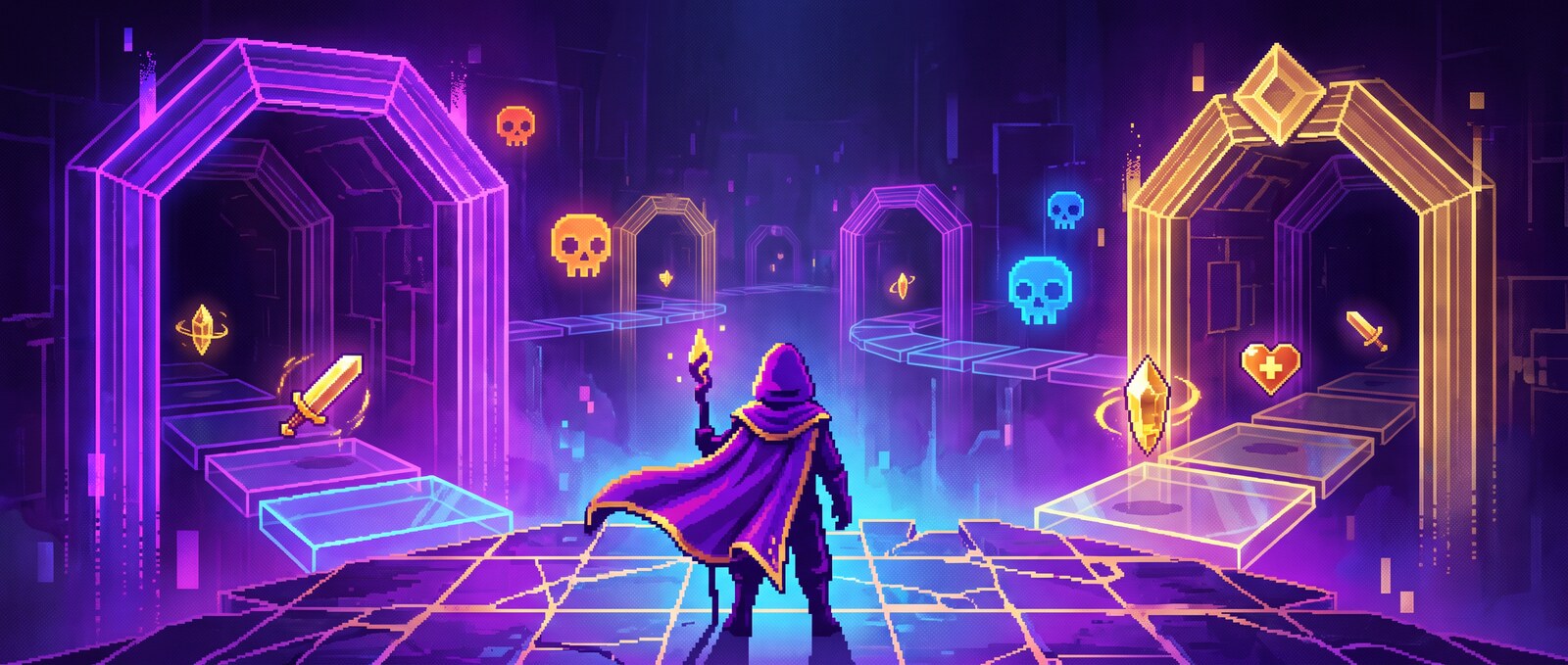

The roguelike is the genre of the perfect run that never comes. Born from a 1980 dungeon-crawler called Rogue, it is built on procedural generation, so every run is new, and permadeath, so every mistake is final. For decades it was a hardcore niche of ASCII dungeons; then a wave of indie developers loosened its rules, added meta-progression, and created the roguelite, and games like The Binding of Isaac, Slay the Spire and Hades turned die-and-retry into one of the most beloved and addictive shapes in all of gaming.
This is the complete guide: the traditional roguelikes, the action roguelites, the deckbuilders, the bullet-heaven survivors-likes, the genre-benders, the dungeon crawls, and the die-and-retry spirit as it echoes beyond games.
The essential roguelikes


The traditional roguelike


Hades made the roguelite a mainstream phenomenon
Supergiant Games solved the roguelite's oldest problem: that repetition can feel like punishment. In Hades, every death sends you back to the House of Hades, where the story advances, characters react, and you grow a little stronger, so failure becomes narrative progress. Add gorgeous art, perfect combat and one of gaming's best ensembles, and you get the game that carried die-and-retry from a hardcore niche to Game of the Year contention and a mass audience.
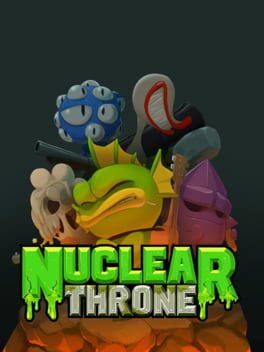
The action roguelite


The roguelike deckbuilder
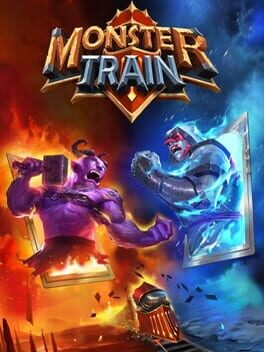

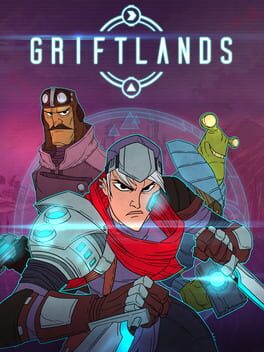
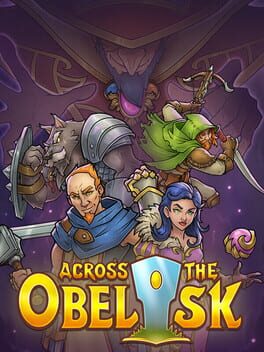
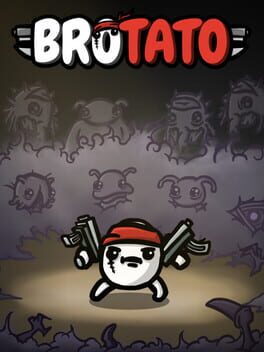
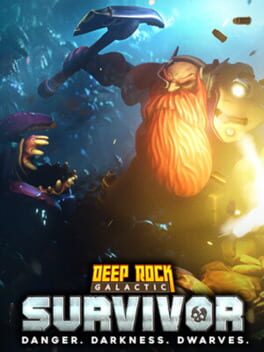
Bullet heaven and survivors-likes
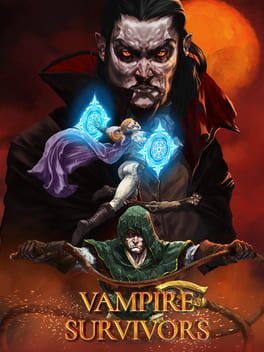

The Binding of Isaac defined the modern roguelite
Edmund McMillen's grotesque, brilliant dungeon crawler took Rogue's procedural death spiral, wrapped it in a disturbing personal fable and an endless deluge of synergistic items, and made discovery itself the reward. Its thousands of item combinations mean no two runs feel alike, and its influence, on item synergy, on run variety, on the whole indie roguelite boom, is impossible to overstate. It is the game that showed how addictive the modern formula could be.
The genre-benders
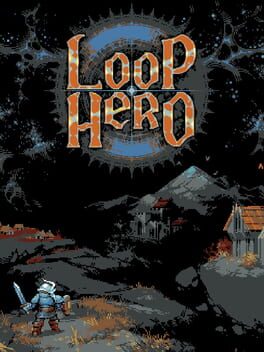
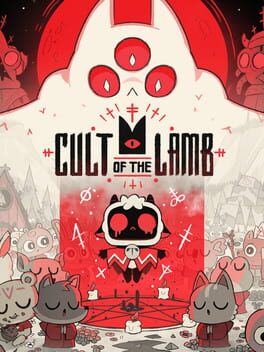
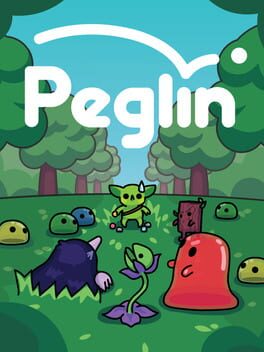
The dungeon crawl
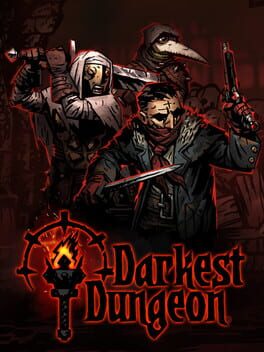
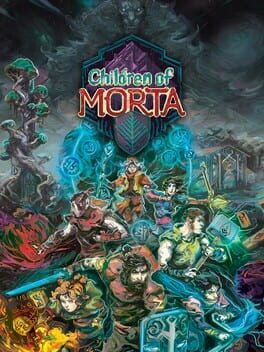
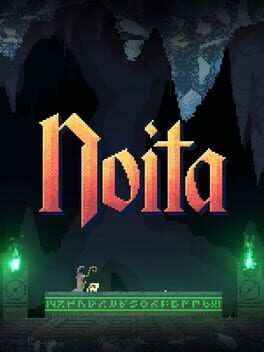
Die, learn, repeat: beyond games



Slay the Spire invented the roguelike deckbuilder
By fusing the procedural runs and permadeath of the roguelike with the deckbuilding of a card game, Slay the Spire created an entire subgenre overnight. Every climb of its spire is a fresh puzzle of drafting, synergy and risk, and the it-just-clicked moment when a deck comes together is one of gaming's great feelings. Monster Train, Inscryption and Balatro all walk through the door it opened.
The timeline
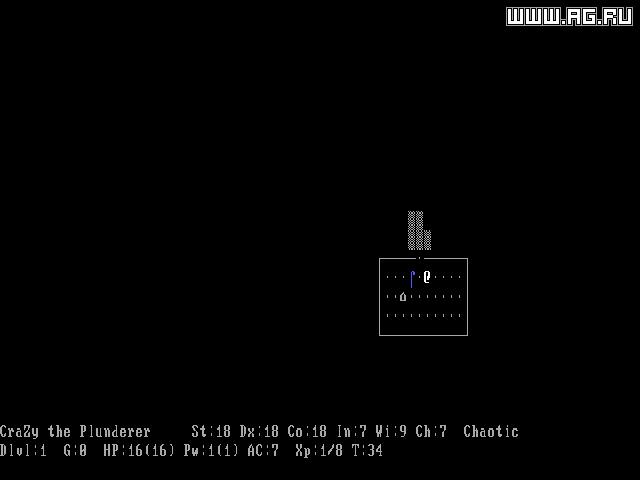
- 1987NetHack begins its decades-long development as the definitive traditional roguelike. NetHack
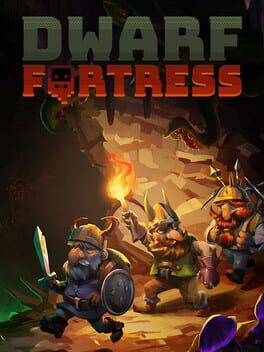
- 2006Dwarf Fortress launches, pushing procedural simulation to its limit. Dwarf Fortress
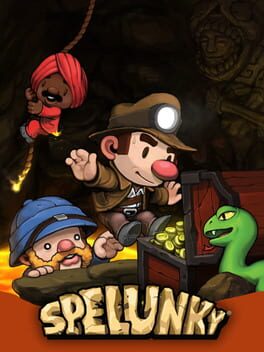
- 2008Spelunky brings the roguelike to the platformer. Spelunky
- 2011The Binding of Isaac sparks the modern roguelite indie boom. The Binding of Isaac
- 2012FTL: Faster Than Light proves the roguelite can work in any genre. FTL: Faster Than Light
- 2017Slay the Spire invents the roguelike deckbuilder. Slay the Spire
- 2020Hades makes the roguelite a Game of the Year phenomenon. Hades
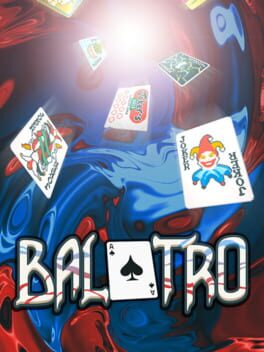
- 2024Balatro shows the genre still has brand-new tricks to play. Balatro
The traditional roguelike is gaming's deepest rabbit hole
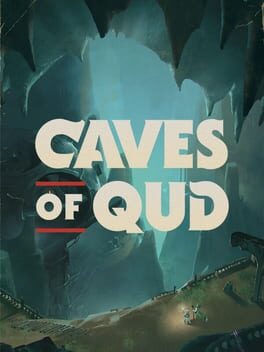
Long before the indie boom, games like NetHack, Dwarf Fortress and Caves of Qud were building worlds of almost unfathomable systemic depth, where the simulation is so rich that players routinely discover interactions the developers never intended. Rendered in ASCII or minimal tiles, unforgiving and near-endless, they ask for real mastery and reward it with stories no scripted game could produce. They are the genre's demanding, magnificent heart.
Keep exploring
The Dungeon Crawler: Grid by Grid Through Gaming's Oldest Genre
Explore the The Dungeon Crawler: Grid by Grid Through Gaming's Oldest Genre guide →Frequently asked
What is a roguelike?
A roguelike is a video-game genre named after the 1980 game Rogue, defined by procedurally generated levels (so each playthrough is different) and permanent death (when your character dies, the run is over and you start again). Traditional roguelikes like NetHack are usually turn-based dungeon crawlers with deep systems, often rendered in ASCII or simple tiles.
What is the difference between a roguelike and a roguelite?
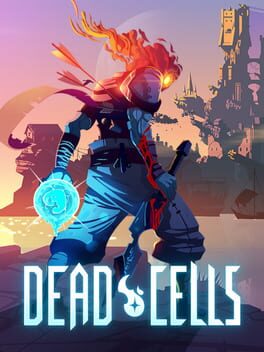
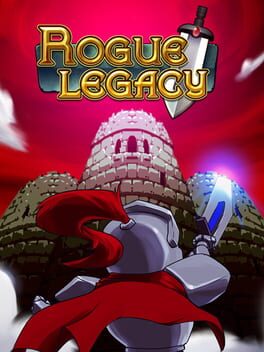
A roguelite (or rogue-lite) keeps the core roguelike ideas of procedural generation and run-based play but softens the purity, most importantly by adding meta-progression: permanent upgrades, unlocks or story that persist across deaths, so every failed run still makes you a little stronger or advances the game. Hades, Dead Cells and Rogue Legacy are roguelites; NetHack and Dungeon Crawl Stone Soup are traditional roguelikes.
Why are roguelikes so addictive?
The combination of high variety and high stakes is powerful. Procedural generation means you never quite know what a run will bring, permadeath makes every decision matter, and meta-progression (in roguelites) guarantees a sense of forward motion even after a loss. Together they create the classic just one more run compulsion, where each attempt is both a fresh start and a step forward.
Where should I start with roguelikes?
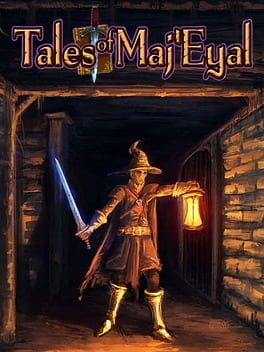
For roguelites, Hades is the most beloved and accessible entry point, followed by Slay the Spire (deckbuilder), Dead Cells (action) and Balatro (cards). For the traditional, deep end of the genre, Caves of Qud or Tales of Maj'Eyal are friendlier than NetHack or Dwarf Fortress, though those two are the legendary summits.