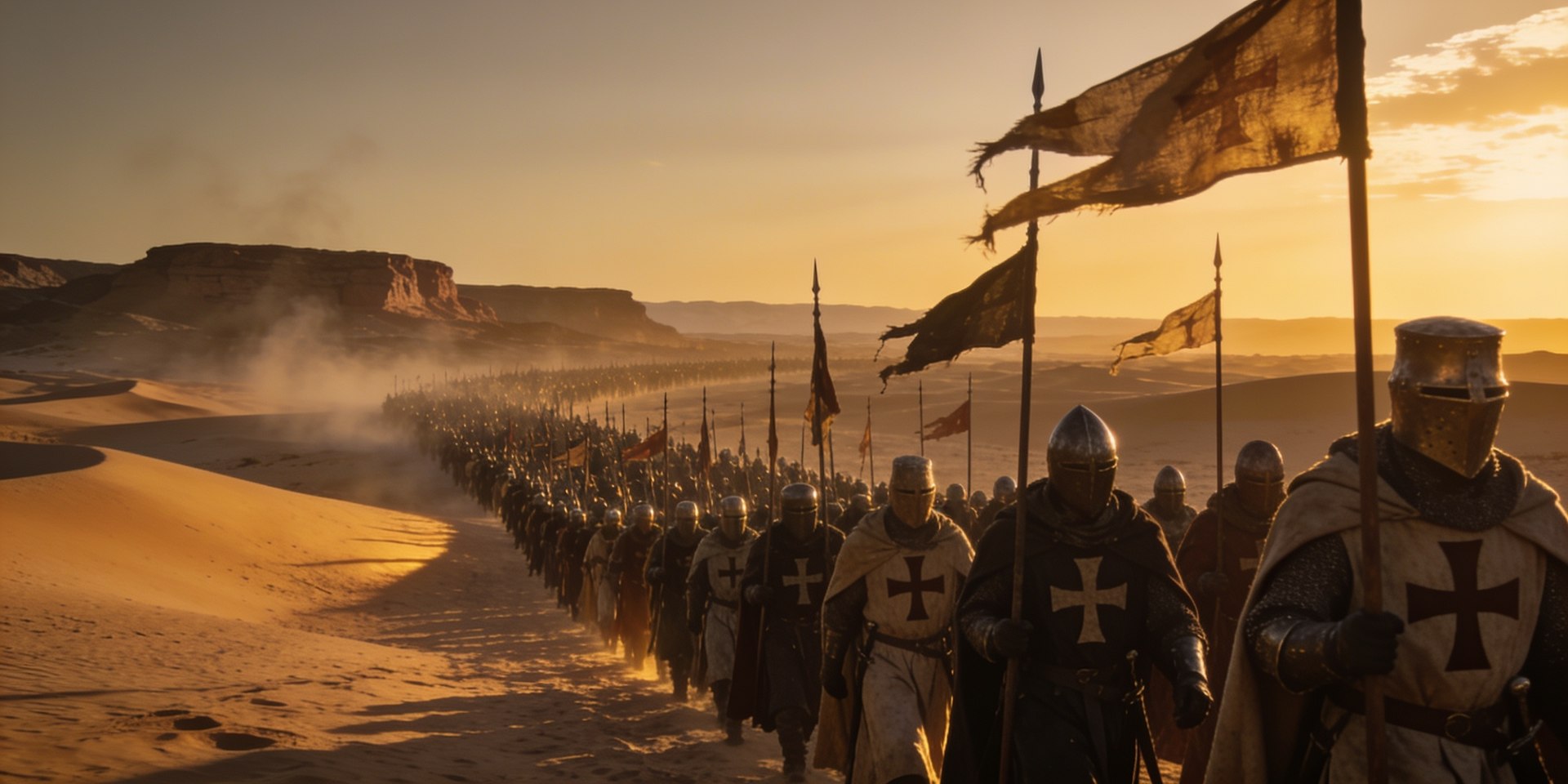

For two hundred years, from Pope Urban's call at Clermont in 1095 to the fall of Acre in 1291, western Europe kept throwing armies at the Levant. The stated goal was Jerusalem. The actual mix was always messier: faith, land hunger, younger sons with no inheritance, Italian merchants who wanted ports, and the simple medieval conviction that dying in the right war bought you heaven. The Crusades are the rare historical subject that storytellers cannot leave alone, because they hand you everything at once: zealotry and cynicism, siege towers and leprosy, a Christian king and a Muslim sultan who genuinely respected each other across a battlefield.
That last point is why the best work in this genre refuses to pick a simple side. Saladin is not a villain. The crusader states were not a colonial cartoon. The fanatics came in every color of cross and crescent, and so did the pragmatists. The films, games and novels gathered here range from the sober (a film that lets you feel the dust and the doubt) to the gleefully strategic (a game where you can marry your way to Jerusalem instead of fighting for it). What they share is a fascination with the moment a faith decides that the sword is a sacrament.
Essential Crusades
The canon: holy war and the road to Jerusalem across every medium
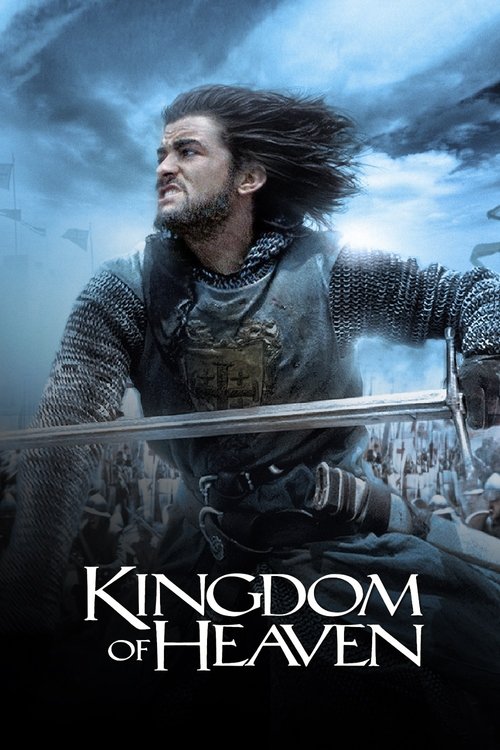


Kingdom of Heaven only became a masterpiece in the director's cut
The version Ridley Scott released to theaters in 2005 was a confused two hours that critics shrugged at. The director's cut runs nearly an hour longer and is one of the great films about faith and doubt. Orlando Bloom's Balian is a blacksmith who does not believe, defending a Jerusalem that everyone is willing to drown in blood, and the film's argument is quietly radical for a war epic: the city is just stones, and the people inside it are worth more than the relic they are killing over.
The genius is Edward Norton's leper king, Baldwin IV, ruling from behind a silver mask, and Ghassan Massoud's Saladin, who takes Jerusalem and then lets its Christians leave alive. When Balian asks him what Jerusalem is worth, Saladin says "nothing," walks away, then turns back and says "everything." That is the whole genre in two words. Seek out the long cut. The short one is a different, lesser film.
The Crusades on film
From the silent-era spectacle to Ridley Scott's siege of Jerusalem
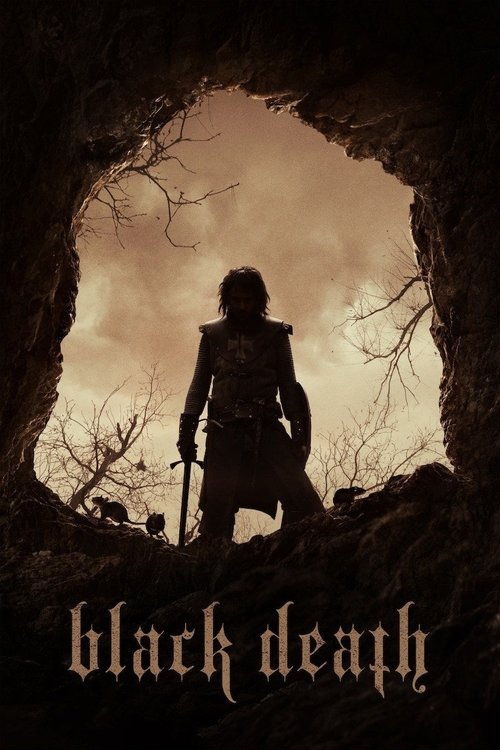
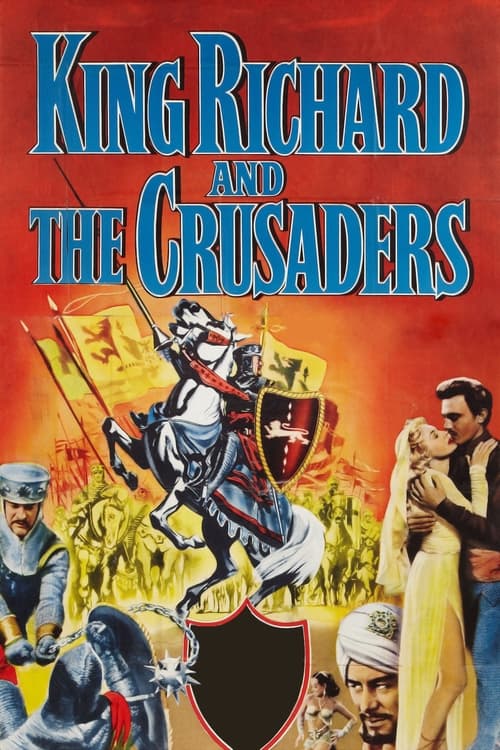
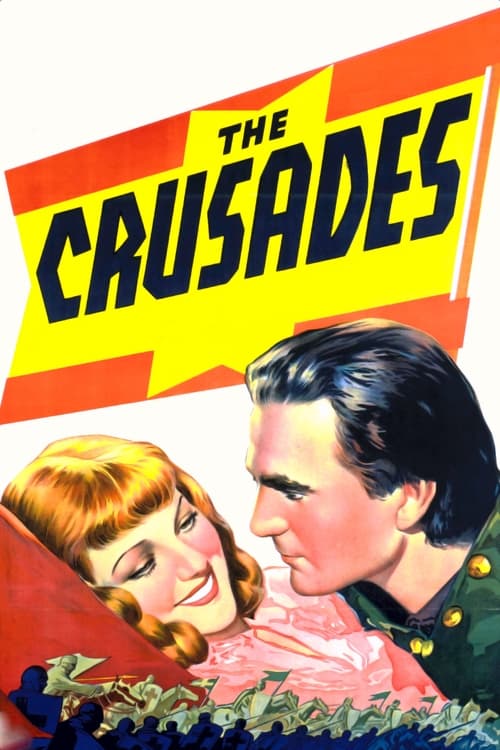
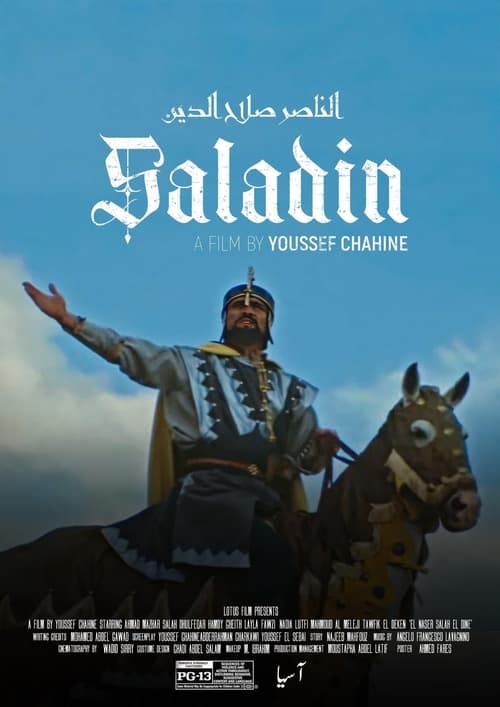
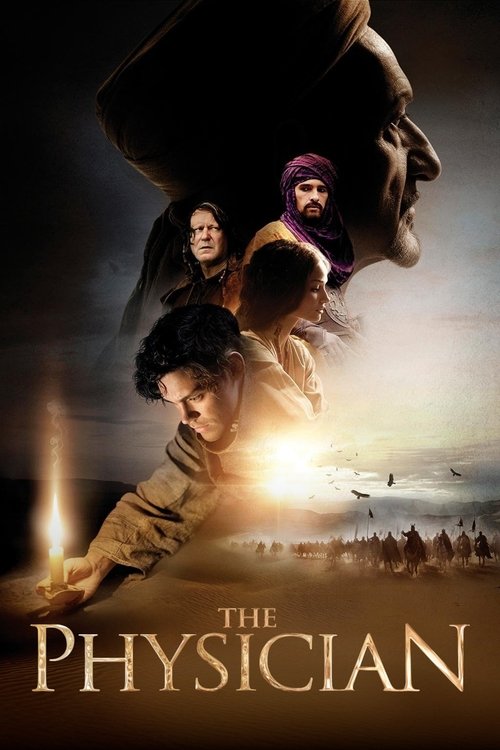
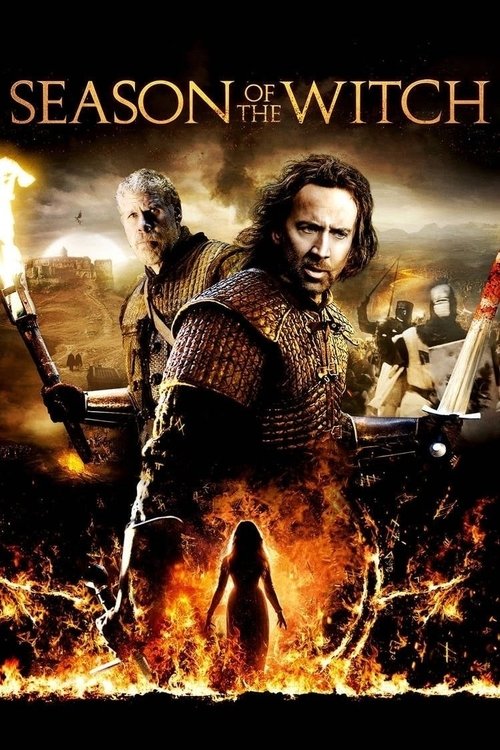
The other side of the wall
The single most useful thing a Crusades story can do is remember that the people on the receiving end had names, armies and chronicles of their own. The Frankish invasions did not arrive in an empty land. They arrived in a sophisticated Islamic world that, at first, barely understood what these filthy northern fanatics wanted, and then organized, under Nur ad-Din and then Saladin, to take everything back.
Amin Maalouf's Les Croisades vues par les Arabes (published in English as The Crusades Through Arab Eyes) rebuilds the entire two centuries from the Arab chronicles, and it is genuinely disorienting in the best way: the heroes are the defenders, the barbarians wear crosses, and the cannibalism at Maarat is recorded by the side that watched it happen. Read alongside Thomas Asbridge's The First Crusade, which narrates the western expedition with the same refusal to flinch, and the whole subject stops being a costume drama and becomes a war between two civilizations that each thought God was watching.
The Crusades on the page
Scott and Eco in fiction, Maalouf and Asbridge in history


Crusader Kings turns holy war into the best soap opera ever coded
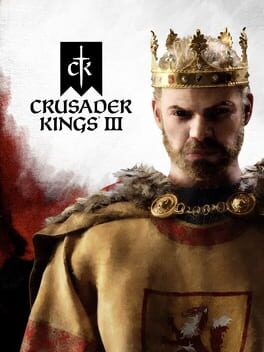
Paradox's Crusader Kings III understands something most war games miss: the medieval world ran on bloodlines, not battle lines. You do not play a country, you play a dynasty, and the Crusades are one tool among many. You can answer the Pope's call and carve out a kingdom in Outremer, or you can ignore Jerusalem entirely and spend three centuries scheming, marrying, assassinating and inbreeding your way across Europe. The holy war is real and consequential, but it competes with your scandalous uncle and your claim to a neighbor's duchy.
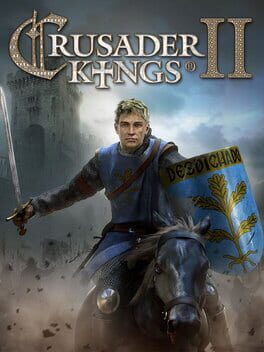
Its predecessor, Crusader Kings II, built the formula and is still beloved for the sheer absurdity its systems produce. Both games are funnier and more human than any straight retelling, precisely because they let you fail at being a crusader in a hundred petty, recognizable ways. The Crusades, it turns out, make excellent strategy because the real ones were also a tangle of ambition wearing a cross.
The Crusades to play
Siege castles, manage dynasties, or stalk the Holy Land as Altair
What is Jerusalem worth? Nothing. And everything.Saladin to Balian, the exchange that defines the whole genre, dramatized in Kingdom of Heaven
Arn is the Crusades epic almost nobody outside Scandinavia saw
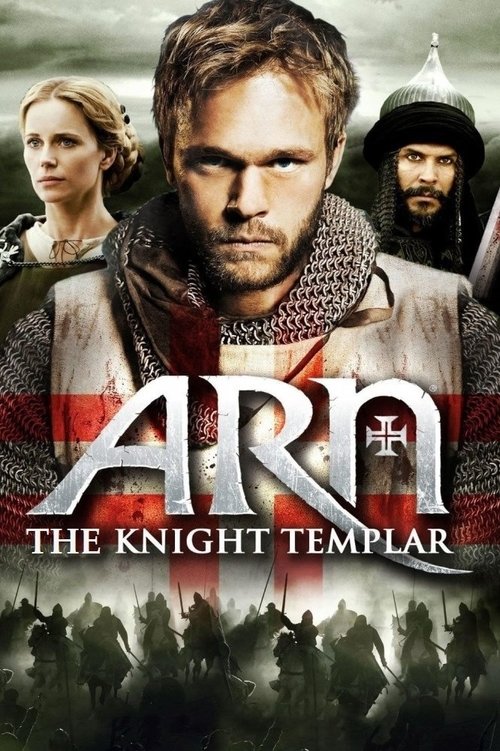
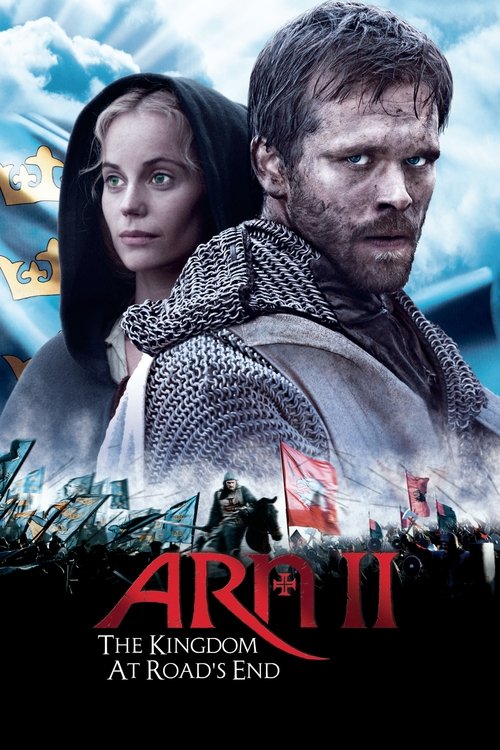
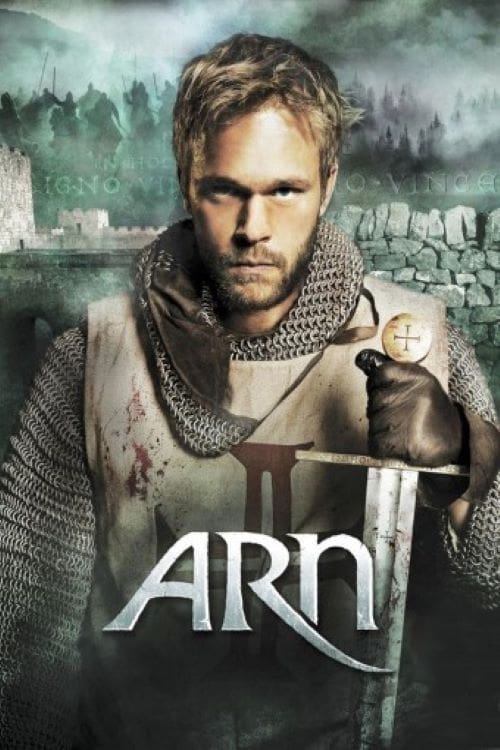
Sweden poured a fortune into adapting Jan Guillou's beloved trilogy about Arn Magnusson, a Swedish knight sent to the Holy Land as penance and forced to serve twenty years as a Templar. The result, Arn: The Knight Templar and its sequel Arn: The Kingdom at Road's End, is a genuinely big, handsome historical epic that frames the Crusades from an unusual angle: a devout northerner caught in someone else's holy war, who comes to respect his Muslim enemies and bring that humility home.
It is patient where a Hollywood version would be loud, and it takes the period detail seriously, from the politics of medieval Sweden to the heat and politics of Outremer. If you liked the long cut of Kingdom of Heaven, this is the deeper cut to find next. It was released both as feature films and as an extended television version, and the longer one is the one to chase.
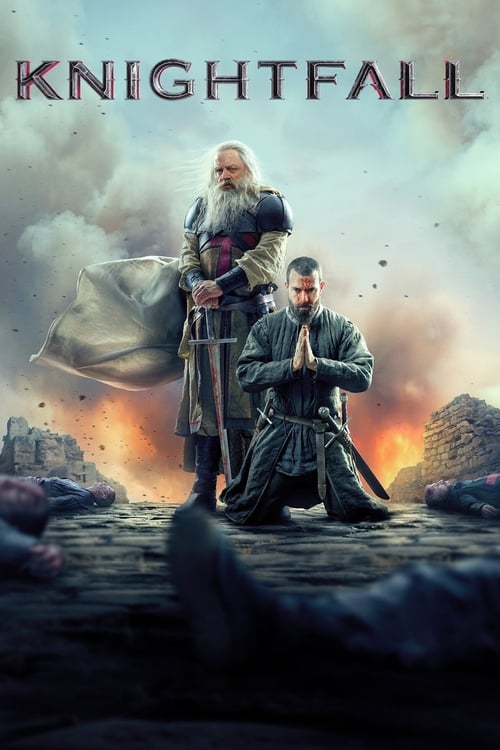
The Crusades on the small screen
Templars, cathedral-builders and the long shadow of the holy wars
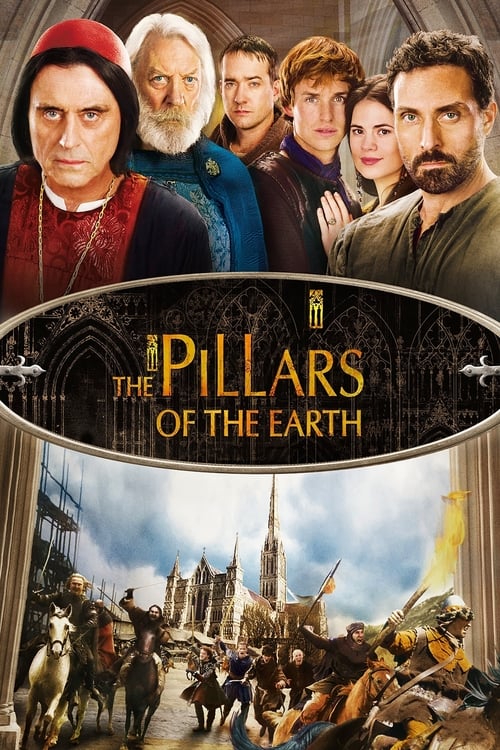
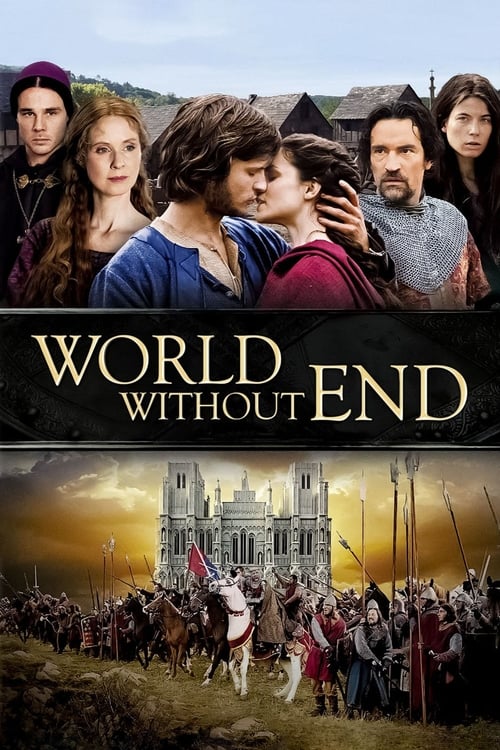
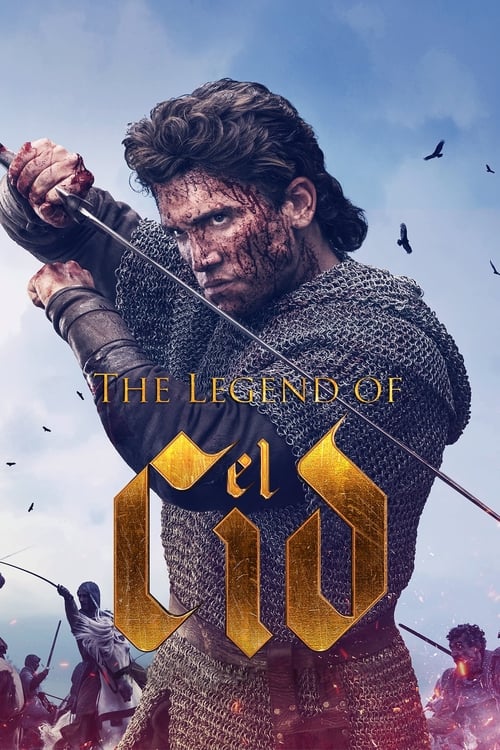
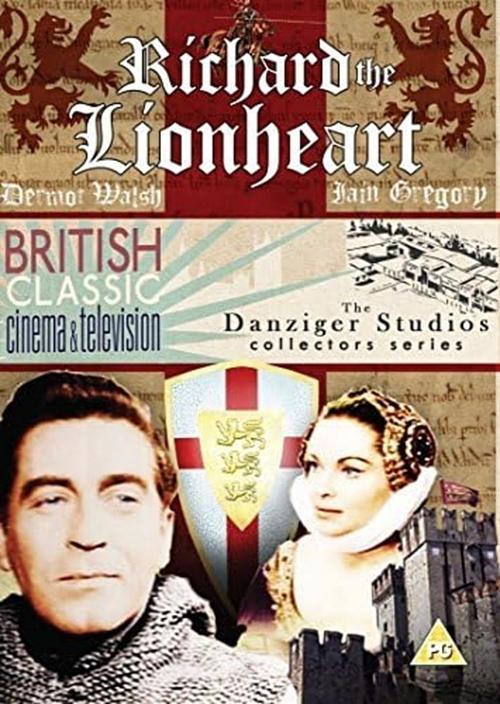
Knights, kings and the wars at home
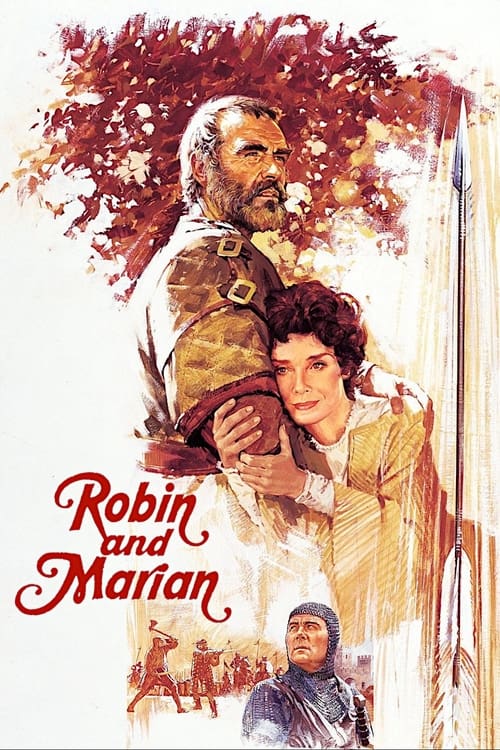
Not every Crusades story crosses the sea. The wars reshaped Europe itself: kings bankrupted their realms to go east, Richard the Lionheart left England in the hands of his scheming brother, and the Templars came home rich enough that a French king eventually had them burned. The Robin Hood legend is downstream of all this, set against an England drained by Richard's ransom while he was off crusading.
That is why this guide reaches for Robin and Marian, an aging-Robin elegy that opens with the absurd futility of Richard's final siege, and for Ivanhoe, Walter Scott's foundational novel of a returning crusader navigating a fractured England. The Crusades are not only the siege of Acre. They are also the empty throne back home, the debt, and the men who came back changed, or did not come back at all.
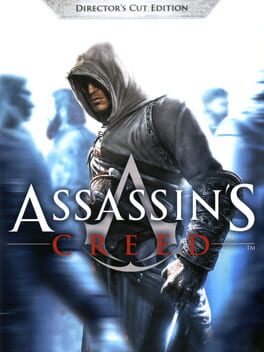
Assassin's Creed started here, in the Holy Land, and it has never been better set
Before the franchise sprawled across every era in history, the very first Assassin's Creed dropped you into 1191, the Third Crusade, as Altair stalking the rooftops of Jerusalem, Acre and Damascus. The original game is repetitive by modern standards, but no later entry has matched the eerie specificity of that setting: a Holy Land caught between Richard's Crusaders and Saladin's armies, with the assassin moving through both like a rumor.
The Third Crusade is the perfect backdrop for the series' central idea, that history is a war of hidden orders, because it really was a moment when faith, politics and murder were impossible to tell apart. Play it for the place, not the parkour. The dusty, sun-blasted cities of Outremer have never been rendered with this much conviction since.
Crusaders at home: kings, outlaws and returning knights
The wars that drained Europe, and the legends that grew in the gap