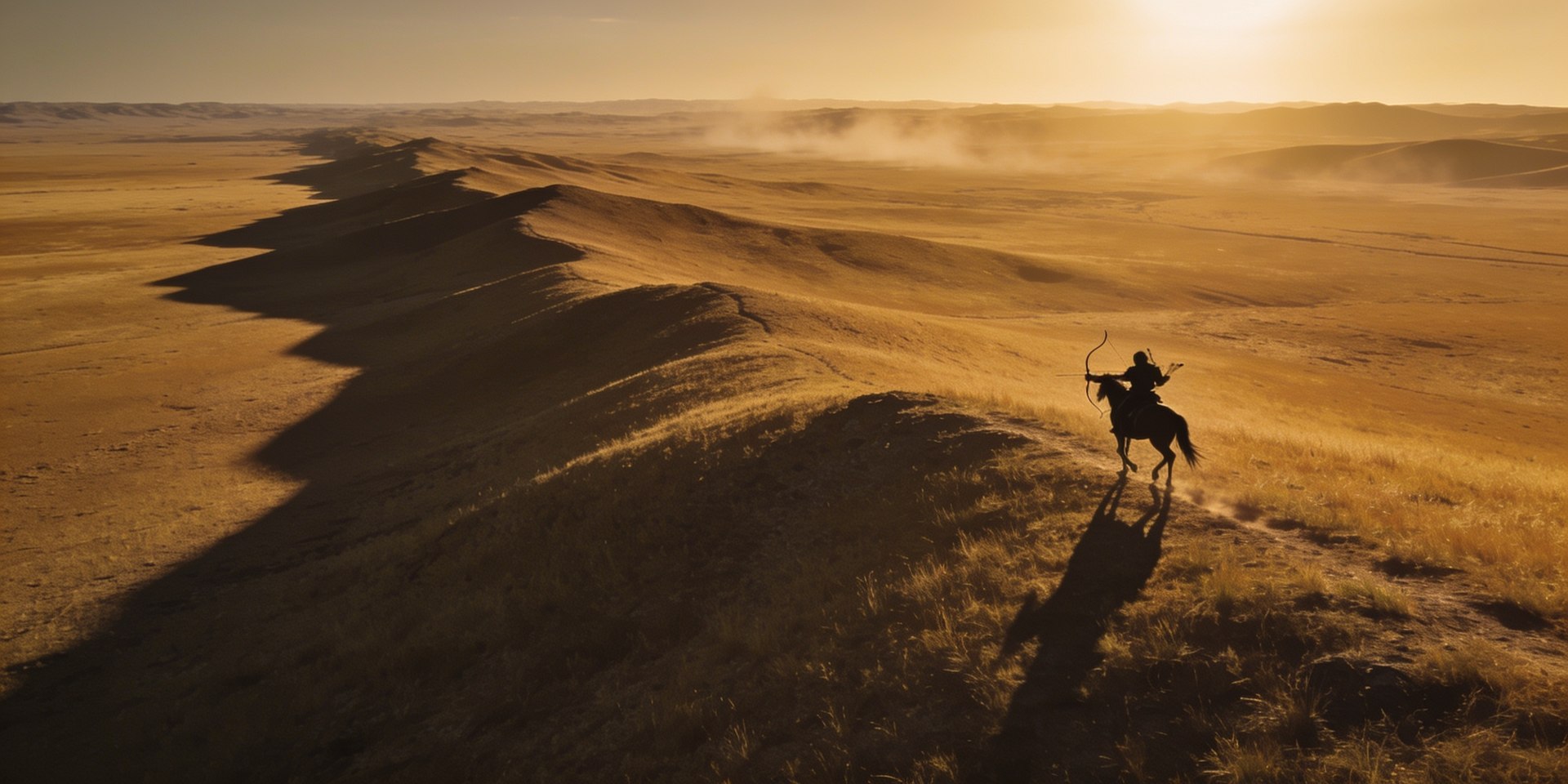

In a single lifetime, a boy born into a feuding clan on the Mongolian steppe welded the warring nomad tribes into one nation and then turned that nation loose on the settled world. Genghis Khan and his heirs built an empire that stretched from the Sea of Japan to the gates of Vienna, the largest contiguous land empire in history, and they did it on horseback. The story refuses to sit still. It is a war epic, a survival drama, a study in logistics and terror, and, depending on who is telling it, either the bloodiest catastrophe of the medieval world or the moment Eurasia first became a single connected place.
That double vision is what makes the Mongols such fertile ground across media. A film wants the lone rider against the snow. A grand-strategy game wants the supply lines, the remount herds, the feigned retreat that breaks an enemy line. A novelist wants the man inside the legend, the orphan who was once called Temujin. The best work on this list refuses to flatten the Mongols into either noble savages or a faceless horde. They were administrators and assassins, religiously tolerant and brutally efficient, and they changed the map of the world in the time it takes most empires to organize a census.
Essential Mongol Empire
The canon across film, television, games and the page
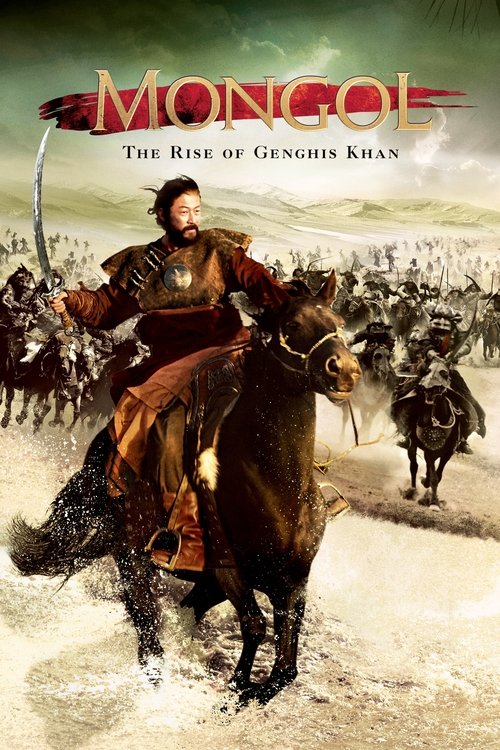



Mongol is the rise-of-Genghis film everyone should start with
Sergei Bodrov's Mongol: The Rise of Genghis Khan (2007) is the rare historical epic that treats Temujin as a person before it treats him as a conqueror. It covers only the first half of his life, the captivity, the exile, the long climb back, and ends roughly where most films would want to begin. That restraint is the point. By the time the cavalry charges arrive, you understand the man they belong to. Shot across Mongolia, Kazakhstan and China with a largely Asian cast speaking Mongolian, it looks and sounds like nowhere else, and the steppe itself becomes a character: vast, indifferent, beautiful and lethal.
It earned an Academy Award nomination for Best Foreign Language Film and was meant to be the first of a trilogy that never fully arrived. Even as a standalone, it is the most honest screen portrait of the young Khan we have.
The Khan on film
From Bodrov's steppe epic to Hollywood's stranger attempts
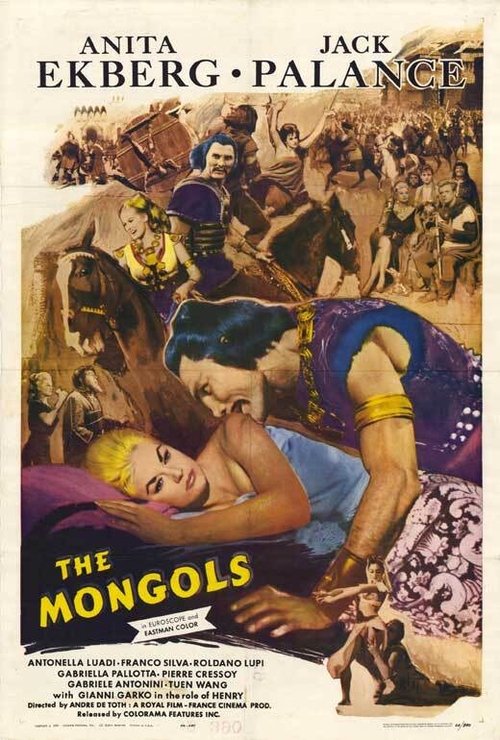
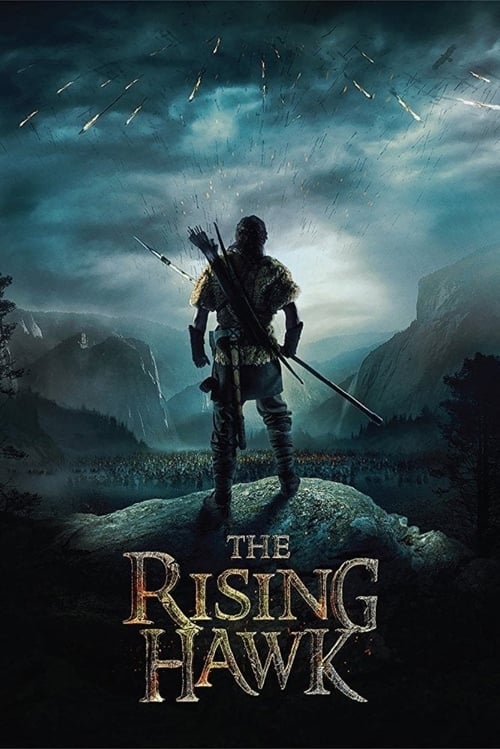
The horse, the bow and the grass
The Mongol military machine ran on grass. Every warrior rode with a string of remounts, which meant an army that could move faster and farther than any settled power believed possible, appearing where it should have been weeks away. The composite recurve bow let a rider loose arrows at the gallop, even while wheeling away in the feigned retreat that lured heavy knights into the open. None of this was magic. It was the everyday skill of a people who lived their whole lives in the saddle, turned to war.
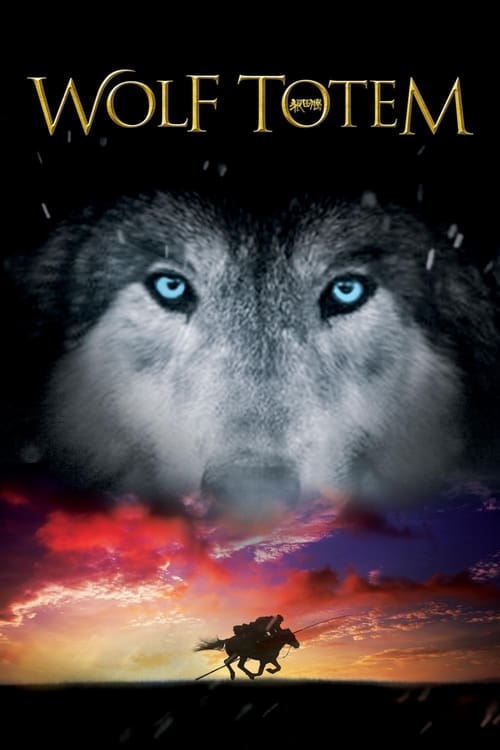
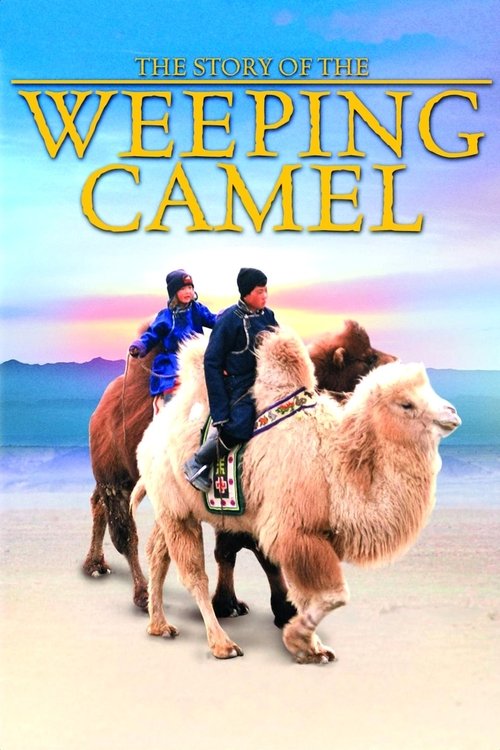
The films that understand this are not always the ones about Genghis himself. Wolf Totem follows a student sent to Inner Mongolia who comes to understand the grassland through its wolves, the same predators the Mongols studied and admired. The Story of the Weeping Camel is a quiet documentary-drama about a herder family in the Gobi that shows the nomadic life the empire grew out of, unchanged in its essentials a thousand years on. To watch them is to understand what the chronicles could never quite explain: where the speed, the patience and the cruelty all came from.
Steppe and saddle on screen
Nomads, warrior queens and the grassland that made them
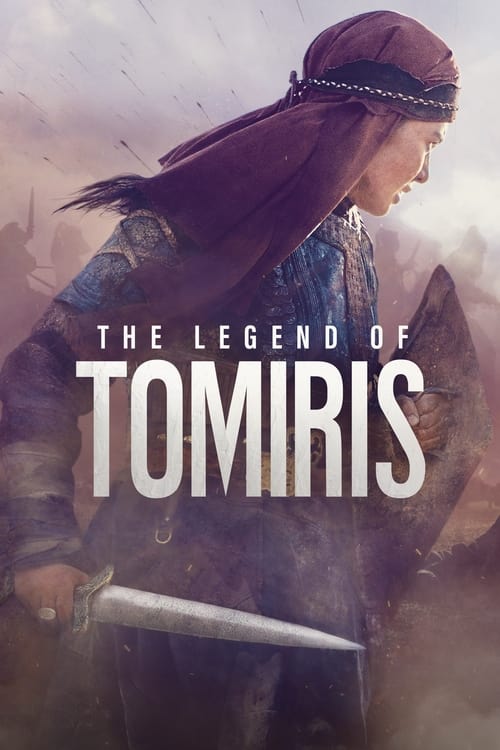
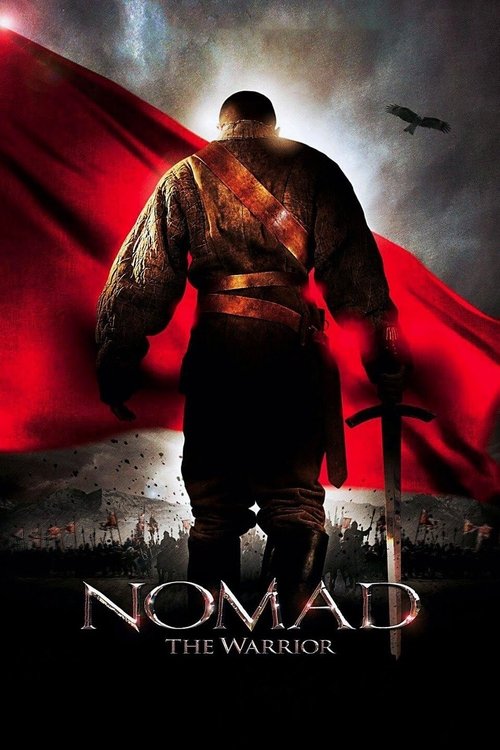
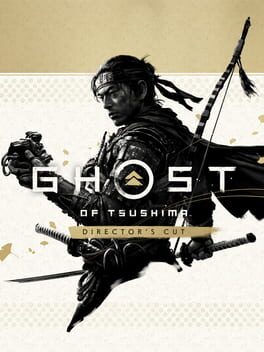
Ghost of Tsushima makes you feel the invasion from the other side
Most Mongol stories are told from inside the horde. Ghost of Tsushima flips the camera. You play Jin Sakai, one of the last surviving samurai on the island of Tsushima during Kublai Khan's 1274 invasion of Japan, watching an honorable but doomed way of war collide with an enemy that does not fight by your rules. The Mongols here are not cartoon villains. They are organized, multilingual, ruthlessly effective, and led by a general who has clearly done this many times before. The horror of the game is the slow realization that fighting fair is how you lose.
It is also one of the most beautiful open worlds ever built, all wind-bent pampas grass and red maple and golden light. As a portrait of what it felt like to be on the receiving end of Mongol expansion, nothing else in any medium comes close.
Empires to command
Grand strategy, open-world cavalry and the logistics of conquest
Grand strategy understands the Mongols better than cinema does
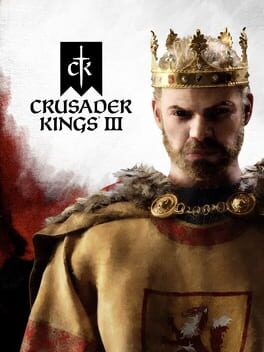
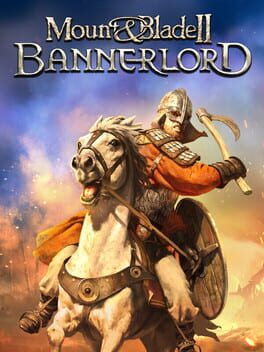
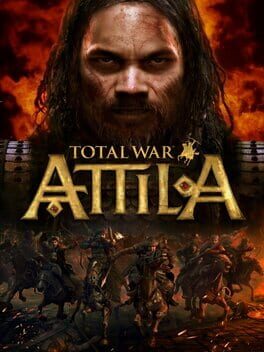
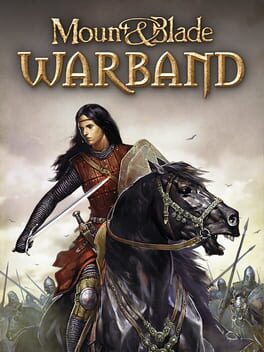
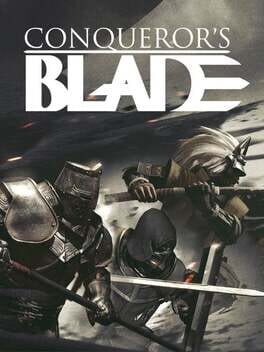
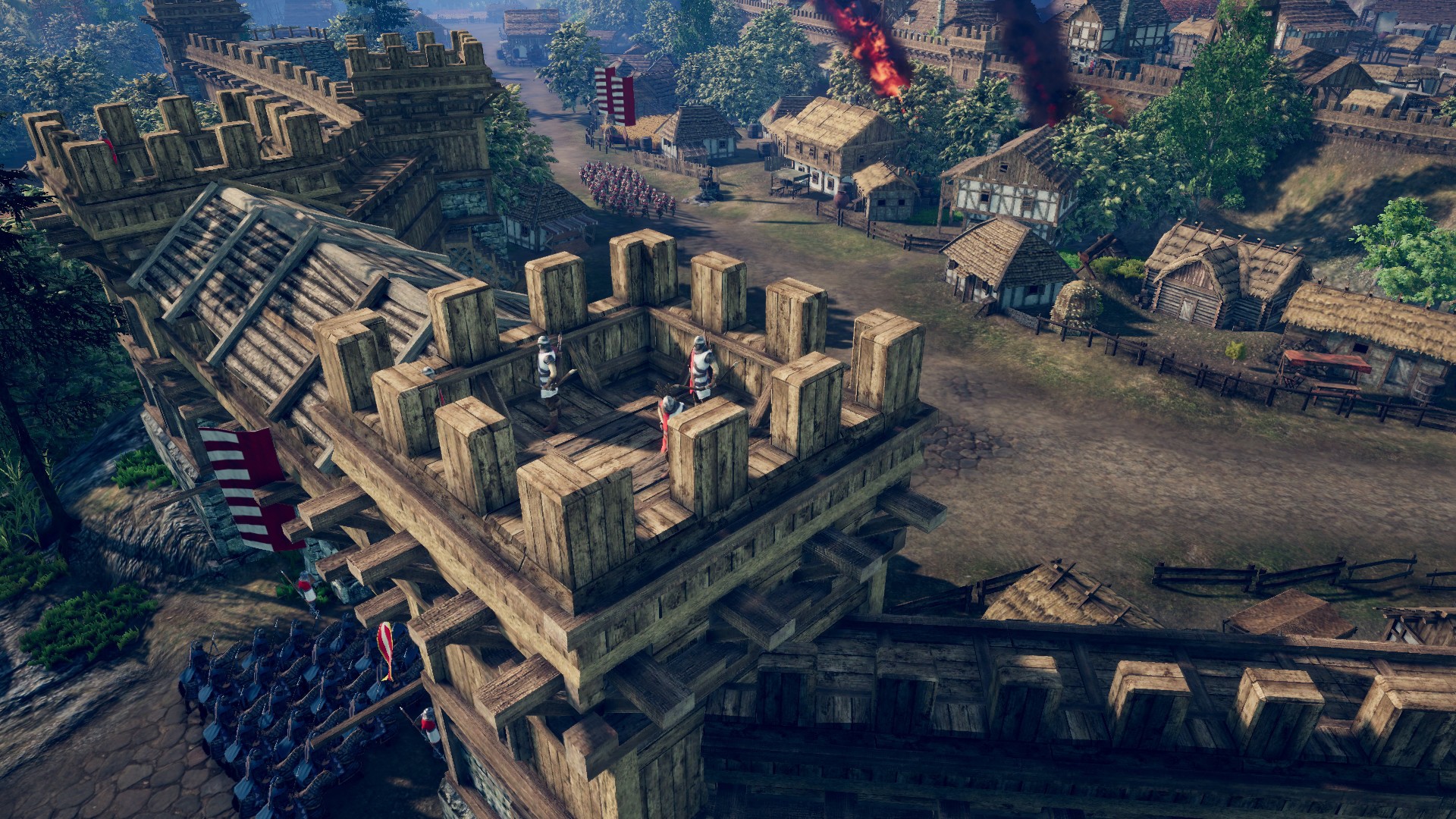
Film loves the cavalry charge. Strategy games love the thing that actually won the wars: movement, supply and the cold arithmetic of who can be where, when. In Crusader Kings III you can play a steppe khan and feel how an empire built on personal loyalty and partible inheritance tends to shatter the moment its founder dies, which is exactly what happened to the Mongols. Total War: Attila models the terror of a mounted horde sweeping in from the east, while Mount and Blade II: Bannerlord drops you onto the saddle of a faction whose whole identity is the horse archer.
These games make a real argument: the Mongol conquests were less a miracle than a system. Remount herds, disciplined feigned retreats, the integration of conquered engineers and a postal-relay network that moved orders across continents. Play long enough and you stop asking how they won and start asking how anyone ever stopped them.
The empire on television
Netflix, Kublai's court and the chronicles dramatized
The greatest happiness is to scatter your enemy and drive him before you, to see his cities reduced to ashes.A saying long attributed to Genghis Khan; whether he said it or not, it shaped how the world remembered him
The books that built the legend
The Mongols left fewer records of their own than the peoples they conquered, which is why so much of what we think we know comes from outsiders: Persian historians, Chinese officials, a Venetian merchant. Marco Polo's Travels described the court of Kublai Khan to a Europe that could barely believe it, and whether every detail is true matters less than the fact that it became the West's first window onto the wealth and order of the Mongol world.
The novelists came later and went inside. Conn Iggulden's Conqueror series, which opens with the volume catalogued here simply as Khan, follows Temujin from outcast boy to world conqueror with a propulsive, blood-and-dust momentum. And the histories keep coming, because the empire keeps demanding reassessment: was this the great catastrophe of the medieval world, or the connective tissue that linked East and West for the first time? The honest answer is that it was both at once, and the best books on the page refuse to choose.
The empire on the page
Marco Polo, the chronicles and the novelists who rode after them


Marco Polo went west, the Mongols went everywhere
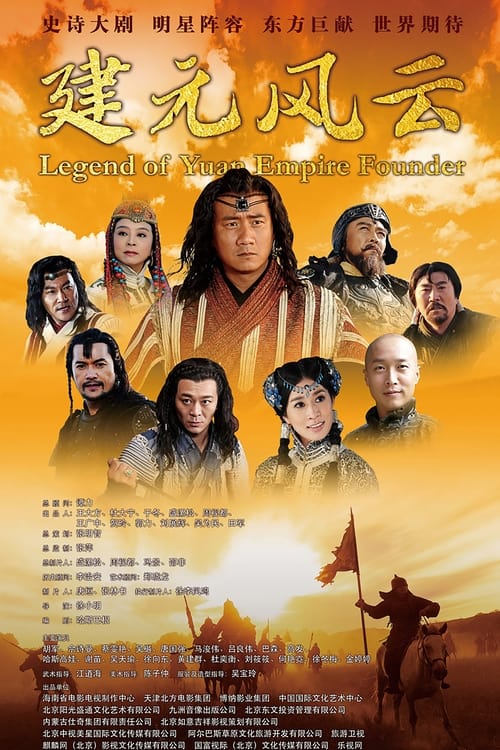
Netflix's Marco Polo (2014) was an expensive swing that critics treated harshly and audiences quietly loved. Its real subject is not the Venetian traveler at all but the court of Kublai Khan, the grandson who completed the conquest of China and ruled an empire his grandfather could only ride across. The show is uneven, but it is gorgeous, and it understands something most Mongol drama misses: that the empire's second act was about governing, not just conquering, and that holding an empire that vast was a harder problem than winning it.
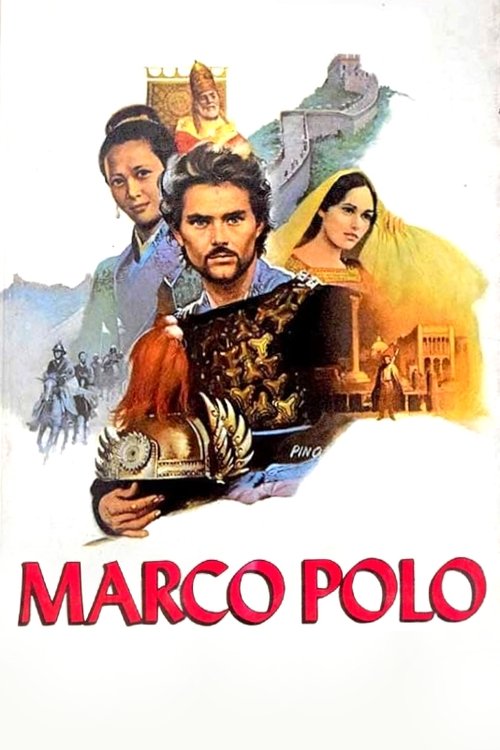
If you want the period rendered with a little more restraint, the 1982 miniseries Marco Polo remains a serious, lavishly mounted account of the same journey. Between them they bookend forty years of trying to put the Mongol century on a screen.