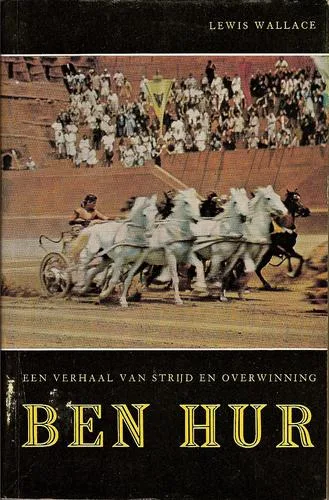
Ben Hur (1900)
Ben Hur is a 1900 fiction book written by Lew Wallace.
Lew Wallace's Roman epic follows Judah Ben-Hur, a Jewish prince in Jerusalem whose boyhood friendship with the Roman tribune Messala curdles into betrayal. Falsely accused, Judah is condemned to the galleys as a slave, and his long road back winds through Roman society toward a famous chariot race in the arena. Wallace sets this tale of vengeance and honor against the life of Christ unfolding in the background. First published in 1880, the story grew into a stage spectacle with live horses and, later, celebrated films. Its blend of adventure and faith made it one of the best-selling novels of its century.
Similar books
Explore Ben Hur guides
Ben Hur in our writing
- Companion guide: The Roman Empire
A few thoughts on Ben Hur
Judah's fall from privilege into bondage and his return through the arena will resonate with fans of Spartacus: House of Ashur, another tale of Roman slavery and blood sport. Ridley Scott's Gladiator hits the same notes of betrayal and vengeance, and William Wyler's 1959 Ben-Hur remains the definitive screen version of the chariot race.
Roman-empire stories of vengeance and rebellion against imperial power
Ben-Hur turns Judah's fall from Jerusalem prince to galley slave into a story of vengeance against Rome, and these picks share that charge against imperial power. Gladiator sends a wronged man into the arena hunting revenge, the 1959 Ben-Hur film brings Judah's chariot race to the screen, Spartacus: House of Ashur follows a slave uprising against Roman rule, and Asterix turns Gaulish resistance to Rome into a running joke.
True stories of enslavement, exile, and survival against long odds
Ben-Hur sends Judah from a comfortable life into slavery on a Roman galley, and his climb back to freedom sits alongside these true accounts of struggle. Narrative of the Life of Frederick Douglass traces one man's road out of American slavery, Fear No Evil follows a Soviet dissident's years in the Gulag, Refugee follows children fleeing persecution toward safety, and Into Thin Air pushes climbers past the edge of survival.
Ancient-world epics of glory, duty, and war beyond Rome
Ben-Hur is Lew Wallace's own epic of ancient honor and war set against the life of Christ, and these picks widen that ancient-world canvas. The Song of Achilles follows Greek warriors chasing glory at Troy, Gorin no sho lays out a samurai's code of duty and strategy, Kingdom follows generals clashing across ancient China's Warring States, and 300 sends Spartan soldiers to hold a mountain pass against the Persian empire.
Historical action games where a hero reclaims a family's stolen honor
Ben-Hur turns a betrayal by a friend into years of plotting a return to reclaim his name, and these action games chase that reclaimed-honor arc. God of War sends Kratos through Norse myth shadowed by his past, Assassin's Creed II follows Ezio hunting the men who executed his family, Assassin's Creed Brotherhood keeps that vendetta running through Rome, and Assassin's Creed III follows Connor through a revolution built from betrayal.