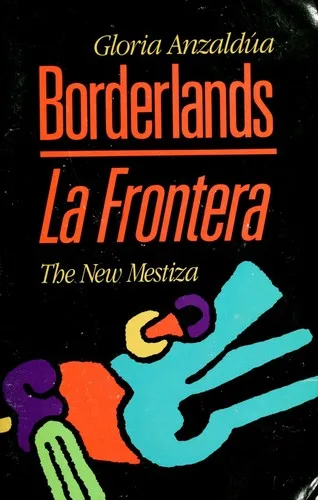
Borderlands/La Frontera (1987)
Borderlands/La Frontera is a 1987 mexican american women book written by Gloria Anzaldúa.
Gloria Anzaldua writes from the seam where Mexico meets Texas, and from the deeper borders inside a Chicana, lesbian, working-class woman living between languages. Part memoir, part history, part poetry, this 1987 collection treats the border as more than a fence. It is a wound, a state of mind, a place where cultures grind against each other and something new gets made. Anzaldua moves between English, Spanish, and Nahuatl without apology, coining the idea of the new mestiza who holds contradiction rather than resolving it. A foundational text of Chicana thought and border feminism.
Similar books
Explore Borderlands/La Frontera guides
A few thoughts on Borderlands/La Frontera
Anzaldua's border is geographic and psychological at once, so the strongest companions sit outside the page. Gregory Nava's film El Norte follows siblings fleeing north into that same in-between country, and the songs of Lila Downs cross the Spanish-English divide Anzaldua lived inside. Both carry the mestiza consciousness she named.
Nonfiction that coins the term for a system we couldn't see before
Borderlands/La Frontera gives a name to something that had none, the wound of living between two languages and two countries, the new mestiza. The New Jim Crow does the same work for mass incarceration, renaming a system everyone had learned to call something else. Manufacturing Consent names the propaganda model underneath a free press, and No Logo names the brand itself as the new site of power.