
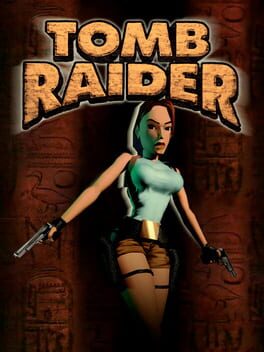
In 1996 a British publisher put a game about a pistol-wielding archaeologist on the shelves, and video games were never quite the same. Tomb Raider made Lara Croft the first true video game superstar, a face on magazine covers and cinema screens, and it turned Eidos Interactive into a giant almost overnight. But Lara was only the start. Over the next decade Eidos assembled an astonishing stable: the immersive sims of Deus Ex and Thief, the cold precision of Hitman, the dark fantasy of Legacy of Kain, the tactics of Commandos. For a while, if a game was smart, stylish and a little bit dangerous, there was a good chance Eidos published it.
This is the era's map: the Tomb Raider saga, the stealth and immersive-sim classics, and the rest of a remarkable catalogue.
The essential Eidos
Start here


The house that Lara built
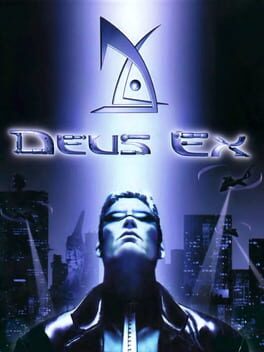
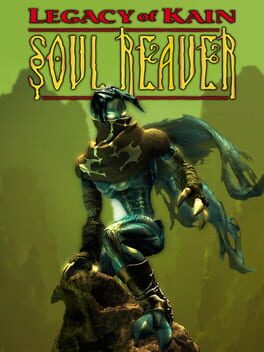
Tomb Raider's success gave Eidos the money and the confidence to bet on ambitious, grown-up games, and its taste was extraordinary. It backed Warren Spector's Ion Storm and the Looking Glass veterans as they built Deus Ex and Thief, the games that perfected the immersive sim. It gave IO Interactive room to invent Hitman. It let Crystal Dynamics reinvent Legacy of Kain as the haunting Soul Reaver. For a decade, Eidos was where the clever, systemic, slightly subversive games found a home.
The Tomb Raider saga
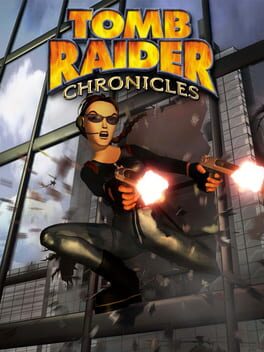
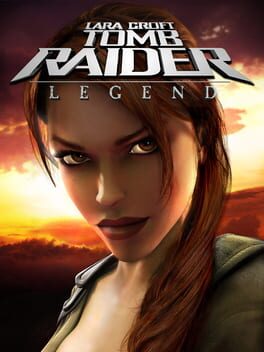
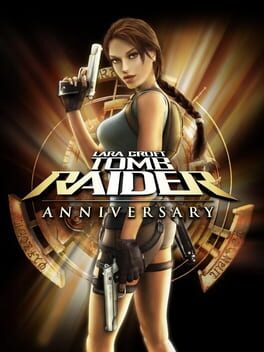
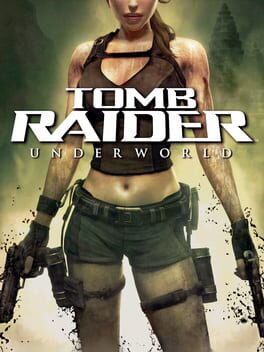
Lara Croft, from the classics to the reboot's eve

The immersive sims and the stealth classics
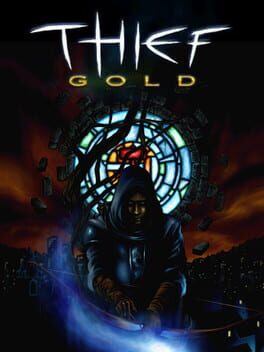
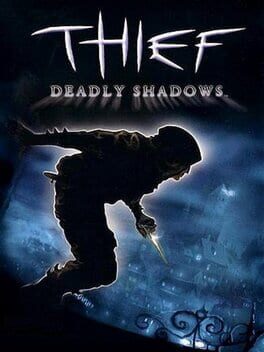
Deus Ex, Thief and the art of the shadow


The Hitman contracts
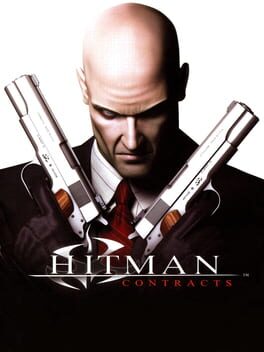
Agent 47 and the perfect, invisible kill


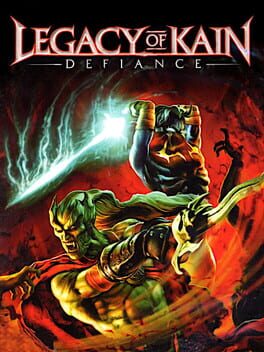
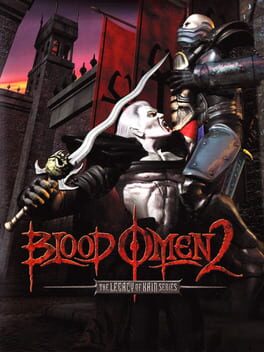
Kain, Commandos and the rest of the catalogue
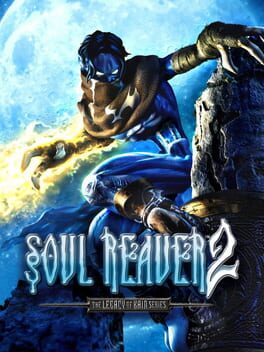
Dark fantasy, tactics and cult classics





A short history of Eidos Interactive
- 1996Tomb Raider launches, makes Lara Croft a superstar, and turns Eidos into a major publisher.
- 1998Thief: The Dark Project invents the first-person stealth game for Eidos.
- 1999Legacy of Kain: Soul Reaver and Commandos broaden the catalogue's reach.
- 2000Deus Ex and Hitman: Codename 47 arrive, two future franchises in one year.
- 2001A Tomb Raider film starring Angelina Jolie makes Lara a Hollywood property.
- 2006Hitman: Blood Money perfects the assassination sandbox.
- 2009Square Enix acquires Eidos; Eidos-Montreal later revives Deus Ex.
The people behind the Eidos era
The creators and studios Eidos built its golden age on. Follow any of them to their full catalogue.
Keep listening on Podfriend
Shows and themes that go deep on this era of gaming.
More golden-age studios
Every studio in the series. More on the way.
For one remarkable decade, a British publisher gathered more genre-defining games under one logo than almost anyone before or since. That was Eidos.
Frequently asked
What is Eidos Interactive best known for?
Publishing Tomb Raider and making Lara Croft a global icon, and for a golden-age catalogue that included Deus Ex, Thief, Hitman, Legacy of Kain and Commandos. Eidos was one of the leading British game publishers of the late 1990s and 2000s.
Did Eidos make Deus Ex and Thief?
Eidos published them. Deus Ex was developed by Warren Spector's Ion Storm and Thief by Looking Glass Studios, both carrying forward the immersive-sim design pioneered at Looking Glass. Eidos gave those teams the backing to build them.
Who created Lara Croft?
Lara Croft was created by Toby Gard at Core Design for Tomb Raider (1996), which Eidos published. She went on to appear in films, comics and advertising, becoming one of the most recognisable characters in gaming.
What happened to Eidos?
Eidos was acquired by SCi Entertainment in 2005 and then by Square Enix in 2009. Its studios, including Eidos-Montreal, went on to revive Deus Ex and continue Tomb Raider, before later ownership changes.