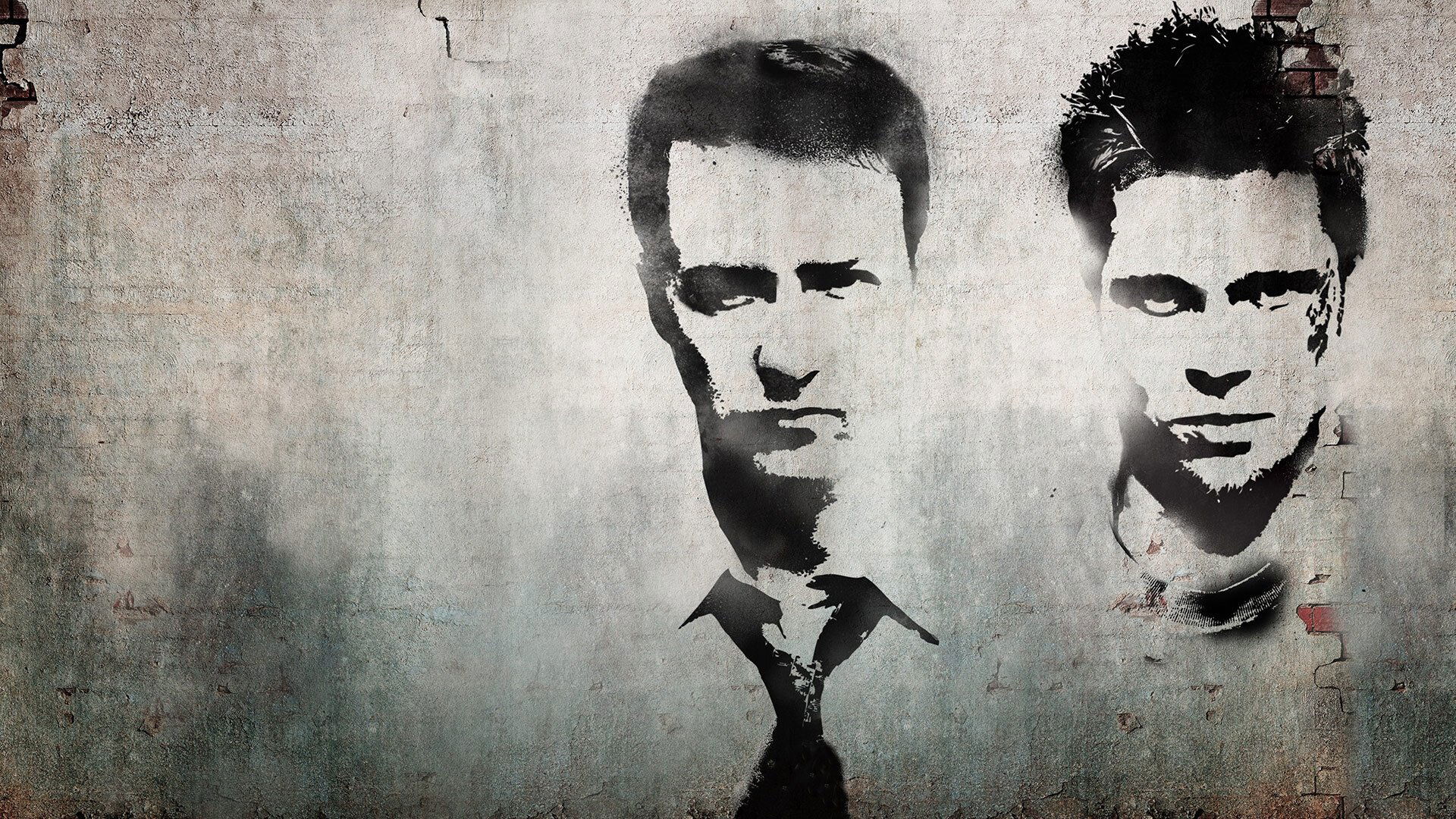

The novel no one expected to become a Villeneuve film
José Saramago published O Homem Duplicado in Portuguese in 2002, translated into English as The Double in 2004. A history teacher named Tertuliano Máximo Afonso rents a video on a whim and spots an extra in the background who shares his exact face. What follows is a meditation on identity, will, and the unsettling logic of selfhood, written in Saramago's characteristically demanding style: long paragraphs, minimal punctuation, dialogue folded into the text without quotation marks or attribution tags. The novel is comic as well as sinister, and the ending is genuinely strange.
Canadian director Denis Villeneuve, working with writer Javier Gullón, optioned the book and relocated the story to a sun-bleached, spider-infested Toronto. The resulting film, Enemy, premiered at the Toronto International Film Festival in 2013 and was released theatrically in 2014. It strips the novel of its ironic authorial voice and replaces it with dread: the yellow color grade, the recurring spider imagery, and Jake Gyllenhaal's doubled performance together produce something that feels less like an adaptation and more like a fever dream extracted from the source material. Villeneuve has described the film's spiders as symbols of control and feminine authority within the story, which is not quite what Saramago wrote but is coherent with it.
Beyond the Villeneuve film, Saramago's O Homem Duplicado has not been widely adapted for screen or stage. The novel exists in a particular tradition of literary doppelganger fiction that includes Dostoevsky, Nabokov, and Borges, and that lineage has generated many parallel films, plays, and novels, but the Saramago text itself has so far produced only this one screen version.
The Enemy timeline
- 2002Saramago publishes O Homem Duplicado in Portuguese O Homem Duplicado
- 2004English translation published as The Double O Homem Duplicado
- 2013World premiere at Toronto International Film Festival Enemy
- 2014Wide theatrical release in North America Enemy
The film surpasses its source
Saramago's novel is playful and distanced, narrated with an ironic remove that keeps the horror manageable. Villeneuve throws that safety away. The spiders are not in the book; the color grade is not in the book; the final image is not in the book. And yet Enemy captures something true about the novel's psychological core: the terror that an identical self might simply outmaneuver you and take your place, without any of the literary winking Saramago uses to soften the blow. The film is harder, stranger, and more frightening than what it came from.
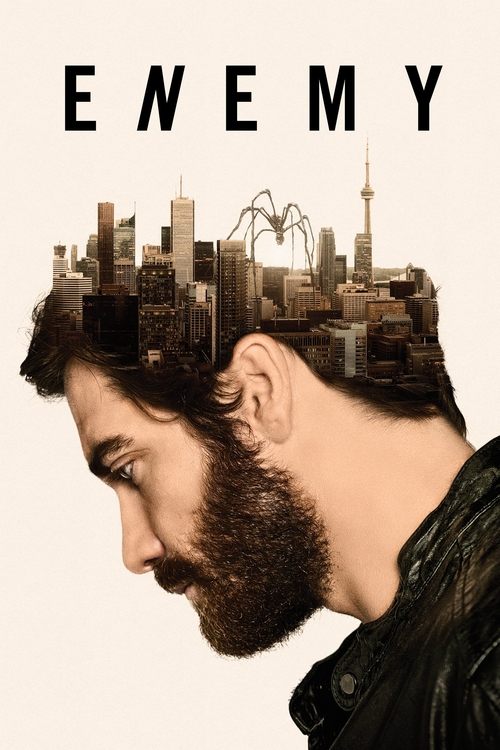
Read the novel for what the film refuses to explain
Enemy is deliberately cryptic and resists straightforward interpretation. Saramago's O Homem Duplicado is not cryptic at all. It is a lucid, often funny account of what a man does when he finds his exact physical copy, and Saramago walks through the logic with almost bureaucratic precision. Reading the novel after watching the film does not demystify the movie, because Villeneuve was not being faithful, but it does show you the raw material and how thoroughly it was transformed.

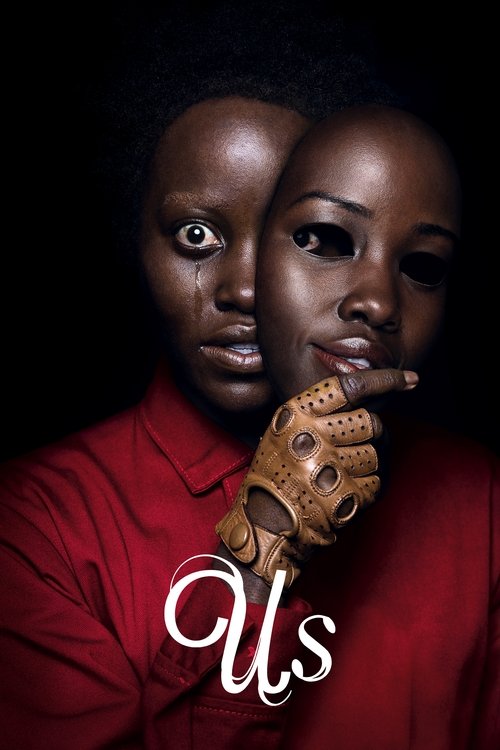
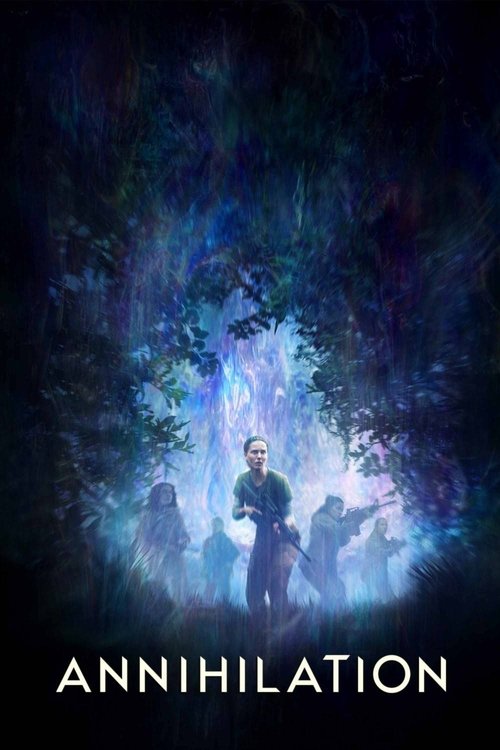
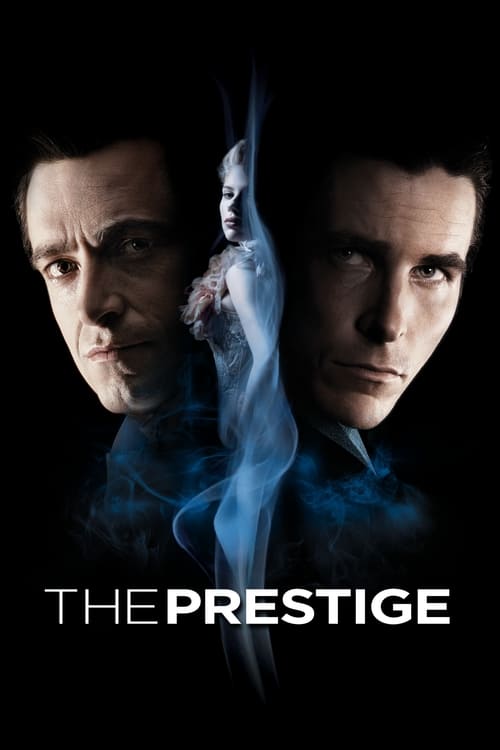
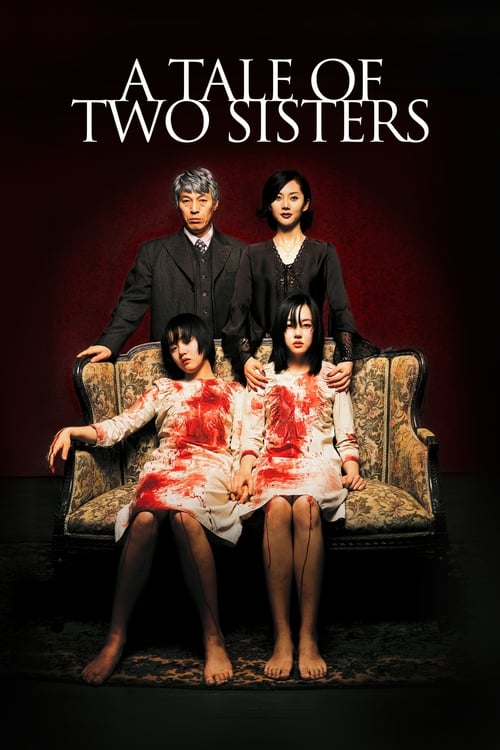
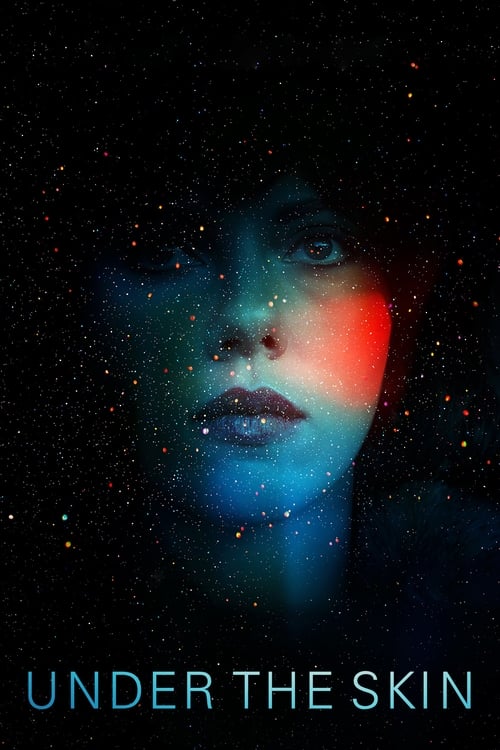
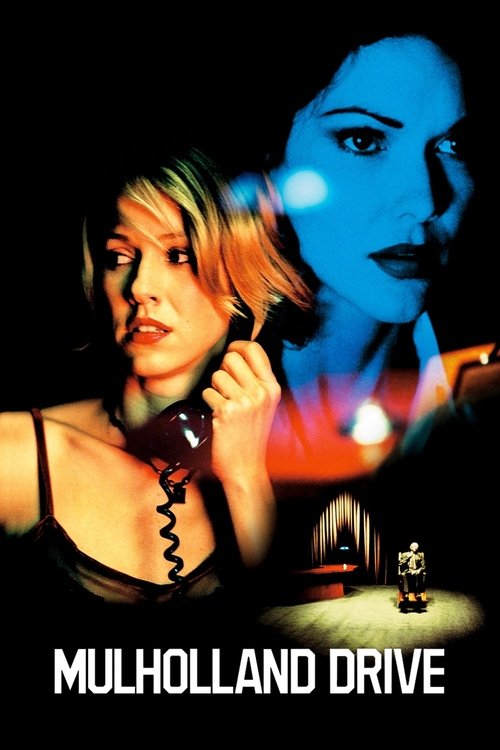
If you love Enemy: doppelgangers and doubles on screen
Films about the terror of an identical other self




If you love Enemy: literary doubles and identity horror
The novels and stories Enemy is in conversation with


If you love Enemy: controlled dread on screen
Films that share Enemy's precision, unease, and refusal to comfort


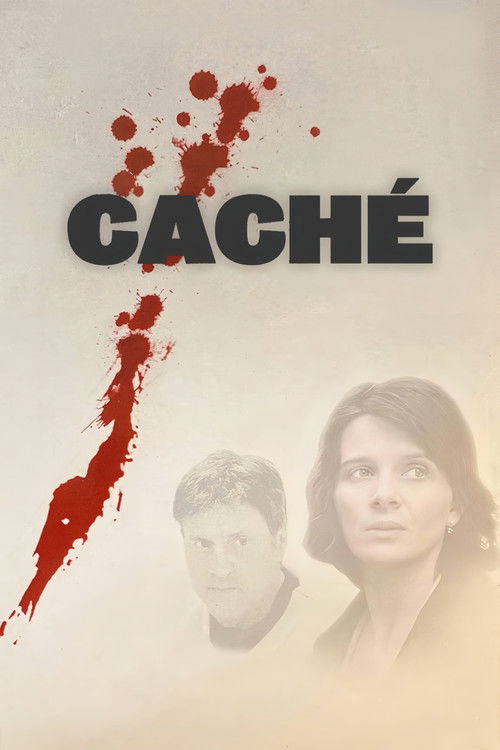

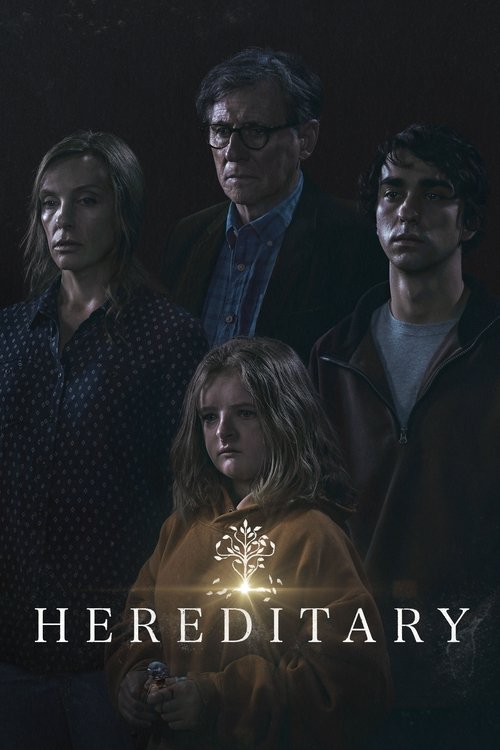
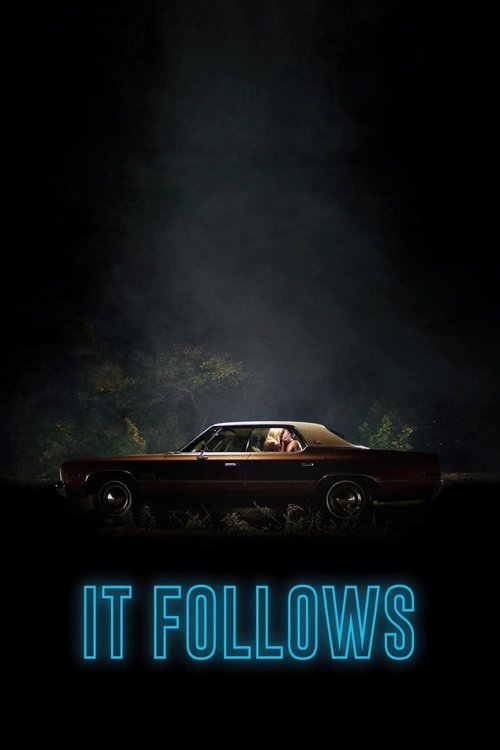
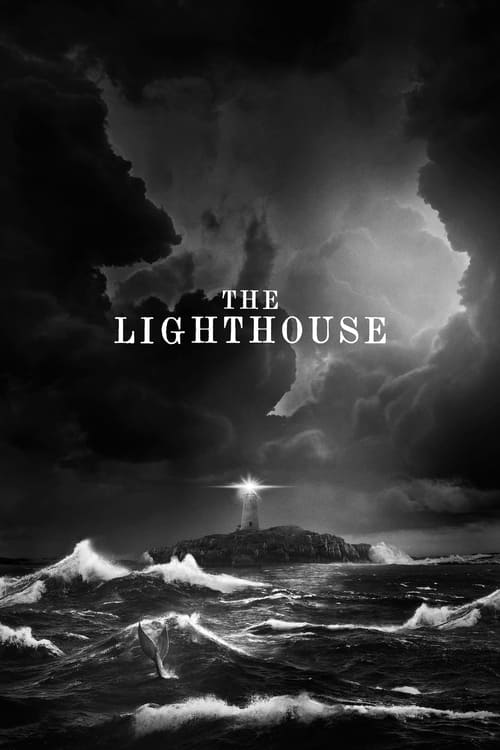
More doubles and mind-bending dread
Mind-Bending Films and Series
Explore the Mind-Bending Films and Series guide →Chaos is order yet undeciphered.Epigraph to Enemy (2013), attributed to Jose Saramago