
Post-apocalyptic fiction is not really about catastrophe. It is about what human beings do after the systems that held them together fall away. The plague, the bomb, the flood, the collapse: these are just the starting gun. What fans of this genre chase is the specific feeling of a world stripped to essentials, where survival forces characters to confront who they actually are. The best post-apocalyptic work is less about the end of civilization and more about whether civilization was worth saving in the first place. Whether set in a blasted American midwest, a frozen Europe, or a flooded coast, the genre asks the same question: what do we owe each other when everything is gone?
Essential Post-Apocalyptic Films
The genre's defining movies, from quiet devastation to kinetic fury

Series That Live in the Ruins
Television that builds whole worlds from what is left behind
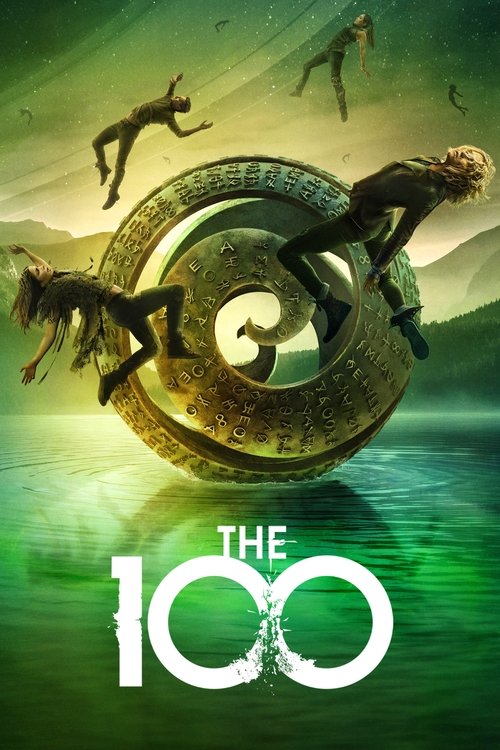
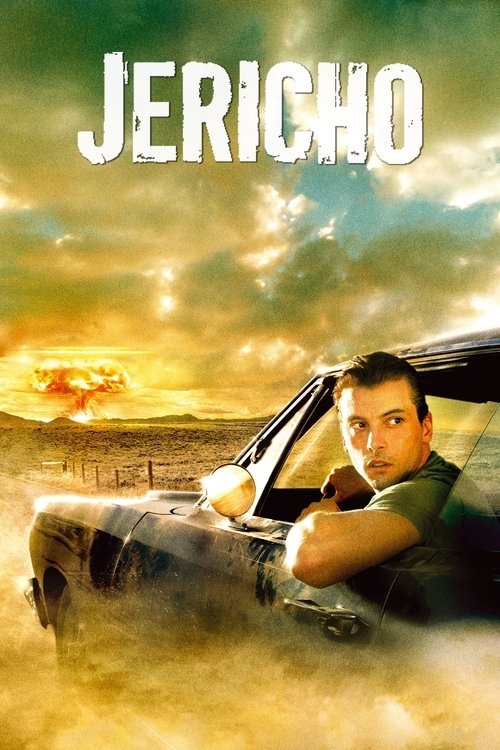

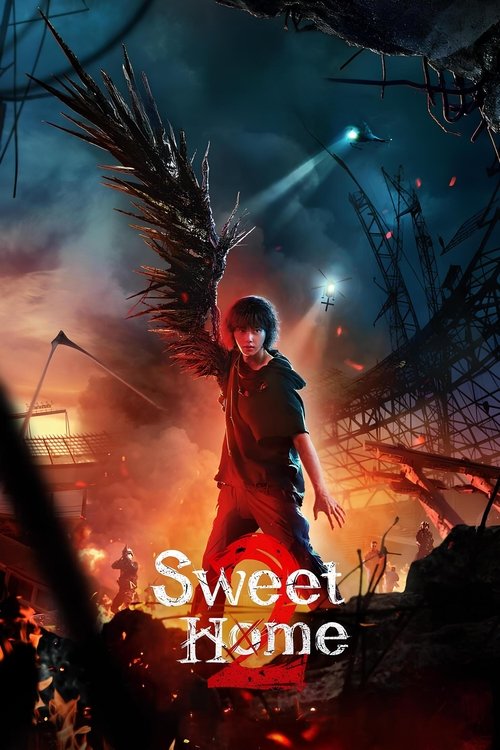
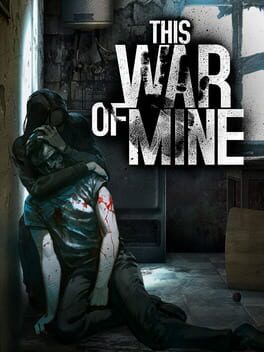
Games Where the World Already Ended
Interactive survival at its most atmospheric and brutal



Novels That Defined the Genre
The books that imagined civilization's end before the screens caught up


The Quiet Apocalypse Hits Harder
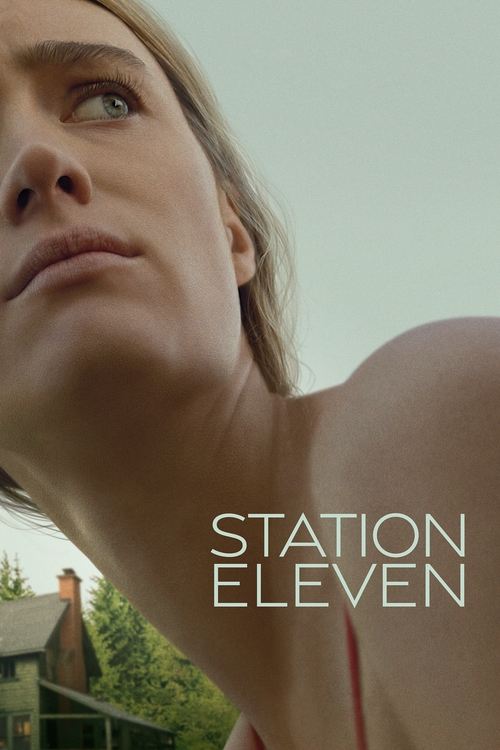
The most disturbing post-apocalyptic work is rarely the loudest. Cormac McCarthy's The Road and Emily St. John Mandel's Station Eleven both understand that real dread lives in the silence where ordinary life used to be. A gas station stripped bare, a piano no one will ever play again: these details do more damage than any explosion. The genre's quietest entries ask you to grieve for the mundane, which turns out to be the hardest grief of all.
The Best Apocalypses Are Political
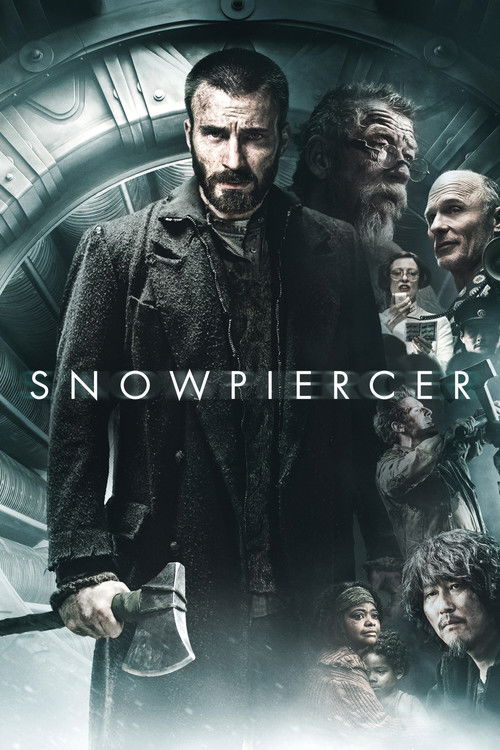
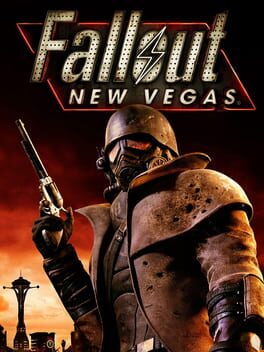
Octavia Butler's Parable of the Sower, published in 1993, describes a collapsed United States where income inequality has gutted public safety and a charismatic demagogue is rising to power. The specifics feel almost reckless now. The post-apocalyptic genre has always done its best work when it uses catastrophe as a lens on the present rather than an escape from it. Snowpiercer, Children of Men, and Fallout: New Vegas all understand that the systems which fail in these stories are already failing in ours.
Games Let You Actually Live There
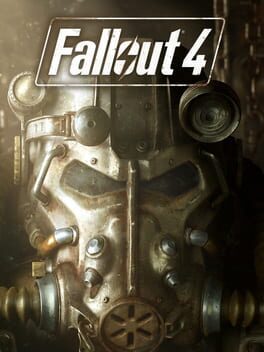
No other medium can make you feel the weight of a post-apocalyptic world the way a game can. Spending forty hours scavenging the Commonwealth in Fallout 4, or crossing Seattle in The Last of Us Part II, does something that a film's two hours cannot: it makes the world yours. The best games in this genre treat exploration as the primary emotional act. Finding a note written by someone long dead in a ruined apartment hits differently when you have already spent hours learning to care about that apartment.
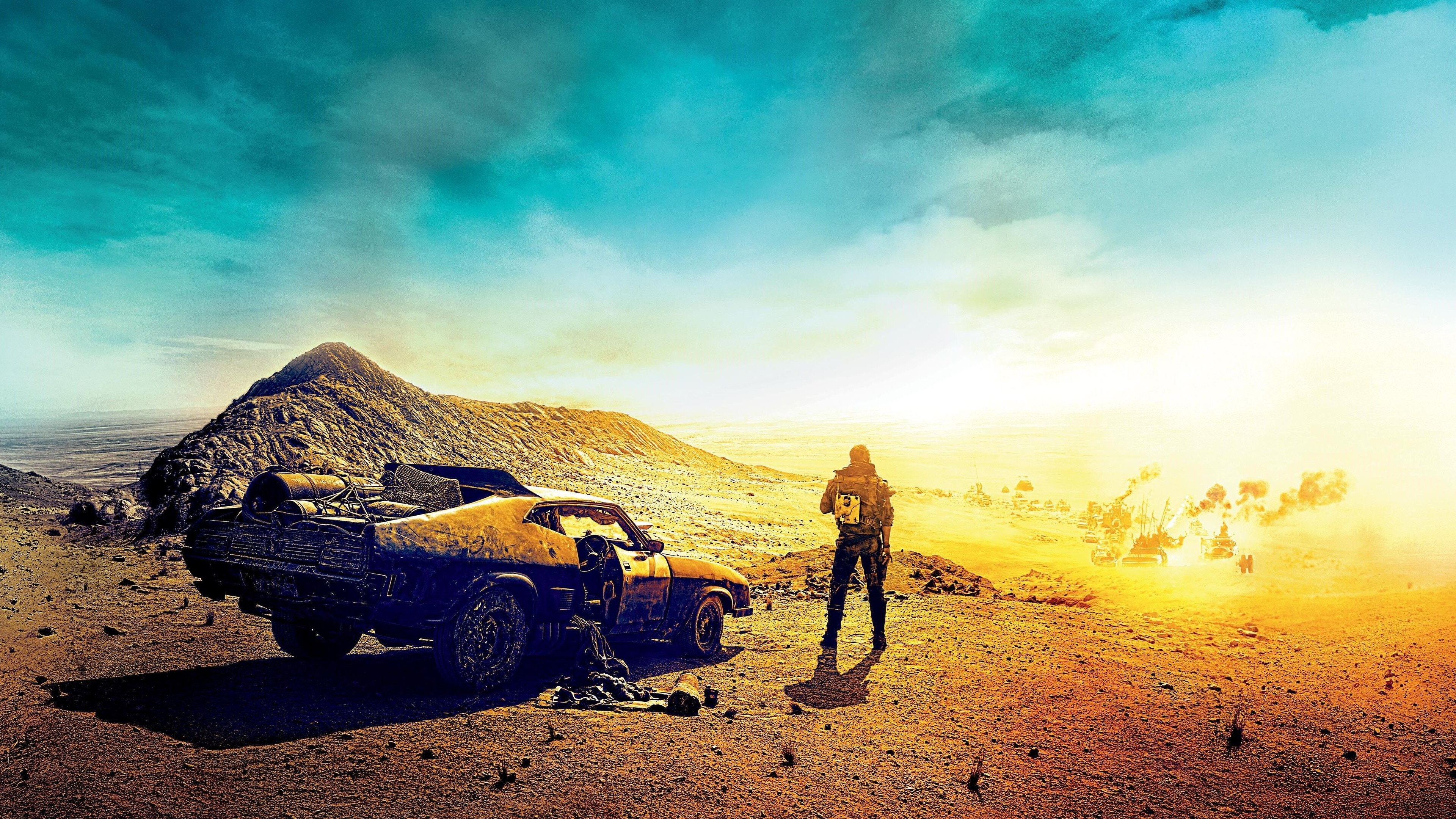
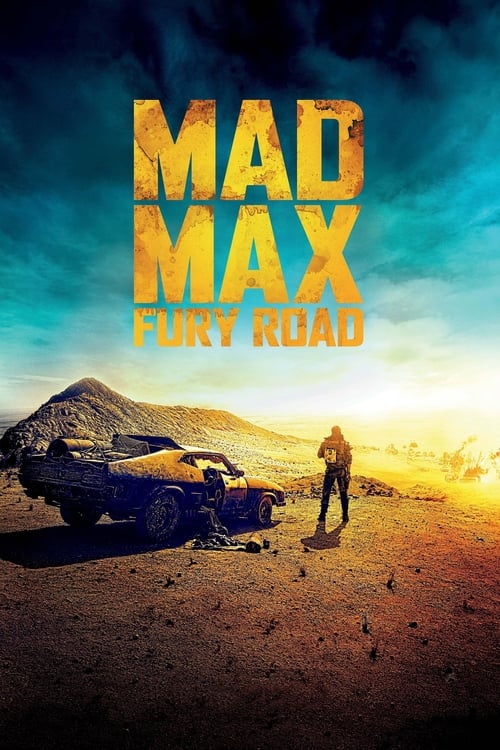
Fury Road Changed the Aesthetic Permanently
Before Mad Max: Fury Road, post-apocalyptic fiction had a fairly fixed visual grammar: grey palettes, ruined cities, scavenged tech. George Miller's 2015 film blew that open. The chrome-spray, the War Boys' nihilistic religion, Immortan Joe's water-as-power economics: it invented an entire culture from scratch and wore it visibly on every frame. The film proved that world-building does not require exposition. Every costume and vehicle choice in Fury Road tells you how this society works without a single line of dialogue explaining it.
A History of the End of the World
- 1949George R. Stewart's Earth Abides establishes the solitary survivor novel: a man watching civilization slowly unmake itself after a plague.
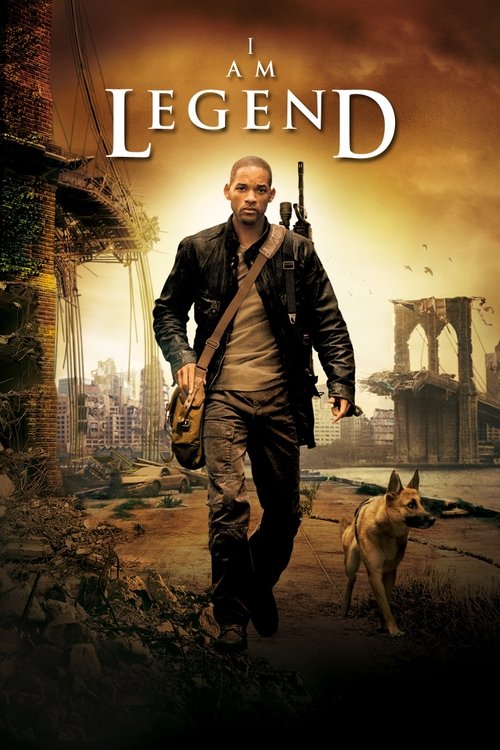
- 1954Richard Matheson publishes I Am Legend, a novella that reframes the zombie story as existential loneliness and inverts the monster myth. I am Legend
- 1959A Canticle for Leibowitz: Walter M. Miller Jr. traces civilization's multi-millennium cycle of collapse and rebirth through a monastic order. A Canticle for Leibowitz
- 1979Mad Max opens in Australian cinemas, combining car-culture nihilism with frontier lawlessness to launch the definitive post-apocalyptic film franchise. Mad Max
- 1985Fallout's spiritual ancestor Wasteland is released, establishing the irradiated American southwest as video gaming's signature post-apocalyptic setting. Wasteland
- 1997Fallout arrives on PC, combining 1950s retrofuturism with hard role-playing choices to define a generation of open-world post-apocalyptic games. Fallout 3
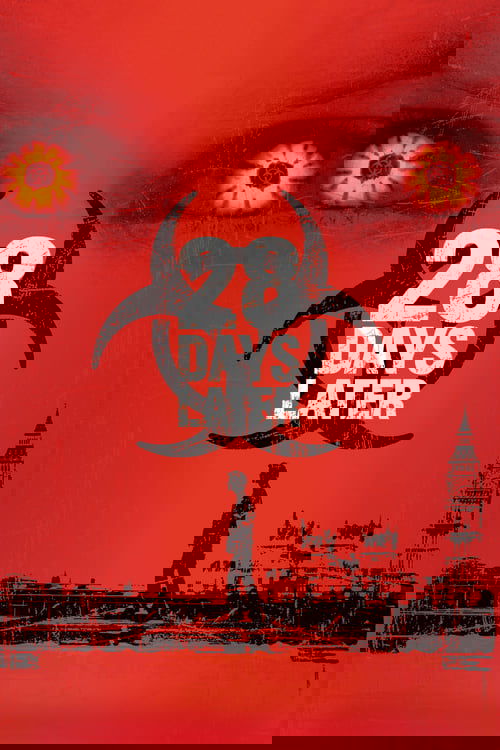
- 200328 Days Later reinvents the zombie film as social collapse thriller, shot on DV to make London's emptiness look genuinely uncanny. 28 Days Later
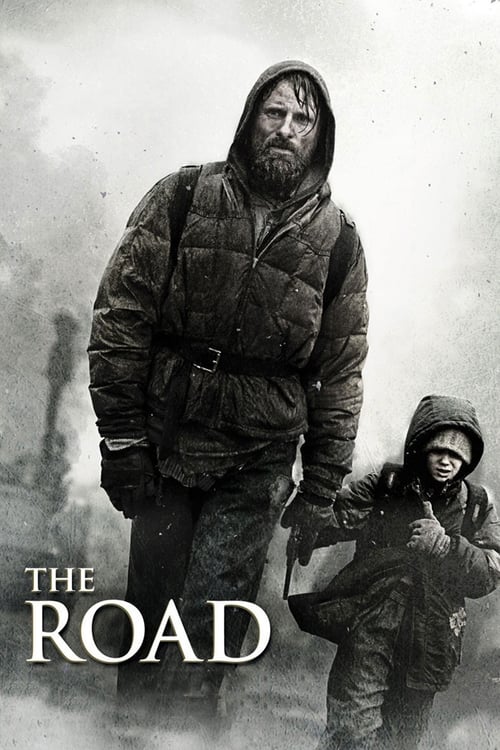
- 2006The Road is published. Cormac McCarthy's prose strips everything back to a man, a boy, and a road, and makes it feel like the whole world. The road
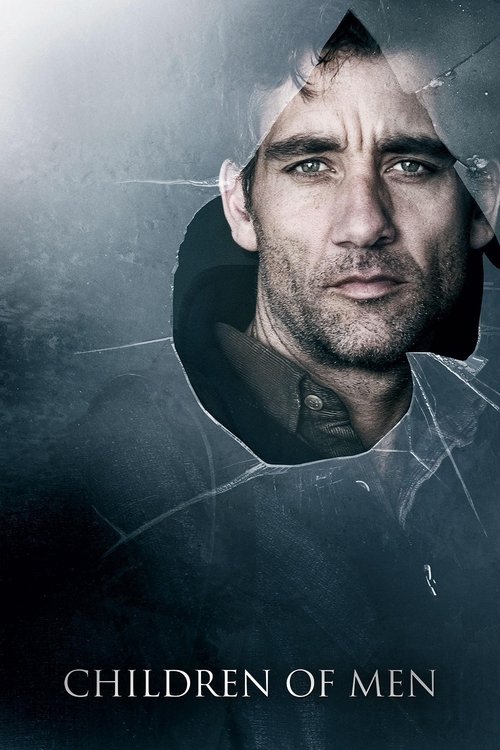
- 2006Alfonso Cuaron's Children of Men reframes infertility as civilizational collapse, setting the bar for realist near-future filmmaking. Children of Men
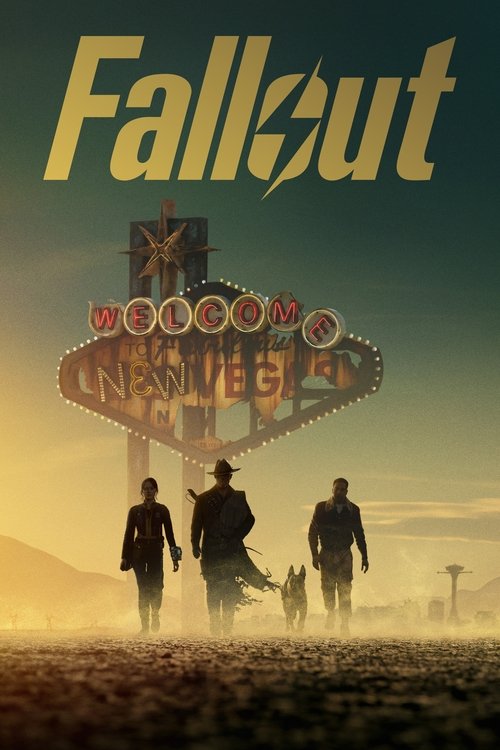
- 2010Fallout: New Vegas deepens the franchise's moral complexity, asking hard questions about ideology and power in a ruined Mojave desert. Fallout: New Vegas
- 2013Station Eleven is published. Emily St. John Mandel mourns the specifics of the world we lost rather than celebrating the survivors who remain. Station Eleven
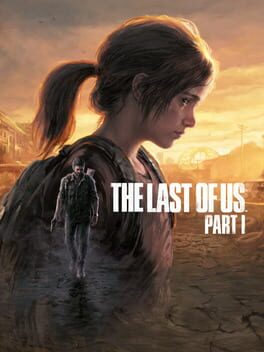
- 2013The Last of Us sets a new standard for narrative in games, using a fungal apocalypse as backdrop for a father-daughter survival story. The Last of Us Part I
- 2015Mad Max: Fury Road reinvents post-apocalyptic cinema's visual language, conducting an entire chase film as a two-hour action poem. Mad Max: Fury Road
- 2022Station Eleven (HBO) proves the novel's quiet grief adapts to television, winning critical acclaim for its non-linear structure and hopeful undertone. Station Eleven
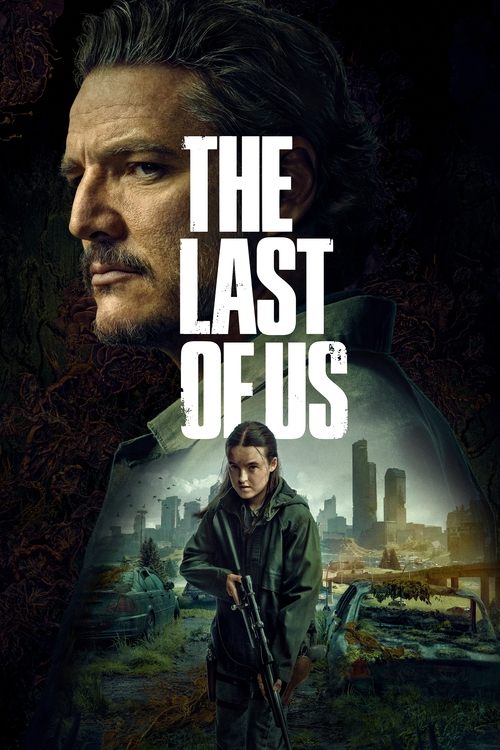
- 2023The Last of Us (HBO) becomes the most-watched video game adaptation in history, confirming the genre's crossover reach across every medium. The Last of Us
- 2024Fallout (Amazon Prime) brings the games' sardonic retrofuturism to a live-action series, earning immediate renewal on the strength of its world-building. Fallout
After the end: survival and ruin
After the End
Explore the After the End guide →The world didn't end. It just changed so much that the people who loved it couldn't recognize it anymore.Emily St. John Mandel, Station Eleven