

The decade games grew up
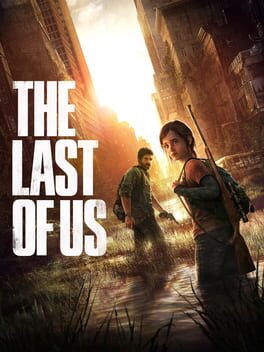
The 2010s began with a question nobody was quite ready to answer: could games be art? By 2019, the question felt quaint. This was the decade that gave us The Last of Us and Dark Souls, Disco Elysium and Minecraft, Undertale and Red Dead Redemption 2. It was a decade of sprawling open worlds and tiny bedroom projects, of studios cracking blockbuster formulas and solo developers quietly rewriting them. The canon hardened fast, but it also surprised. Some of the most important games of the era sold modestly, reviewed quietly, and then spent five years quietly colonizing everyone's all-time lists. This is our accounting of the decade: the consensus heavyweights, the critical darlings who deserved every word, and the ones the industry somehow let slip past the awards podium.
The decade's defining works
The games that shaped what the 2010s meant
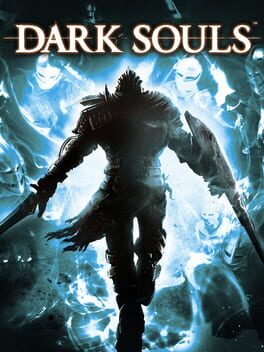
Dark Souls is the decade's most important game
Dark Souls did not invent difficulty, but it invented the conversation. Every game released after 2011 was measured against it, dismissed against it, or openly inspired by it. The Soulslike genre it spawned became the decade's most argued-over label. More importantly, it proved that withholding information, punishing failure, and trusting the player completely could produce something deeply, unexpectedly emotional. The decade's most imitated game is also, still, its most singular.
The awards podium
Game of the Year winners and critical consensus favorites
The snub that still stings: Disco Elysium in 2019
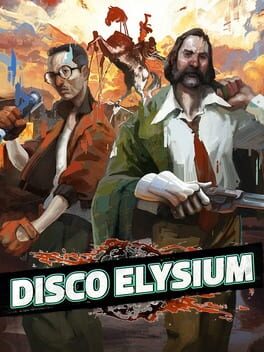
Disco Elysium won multiple awards at the 2019 Game Awards, which sounds like a happy ending. It is not. The game arrived speaking a language most of the industry was not fluent in: literary, politically serious, structurally unlike anything else. Its critical reception was rapturous but its commercial footprint was modest, and the conversation around it narrowed to 'the RPG with no combat,' as if that were its whole personality. It deserved to anchor the decade's retrospectives the way The Last of Us does. It still doesn't.
The crowd favorites
Beloved by millions, and rightly so


The decade, year by year
- 2010Open world reborn Red Dead Redemption
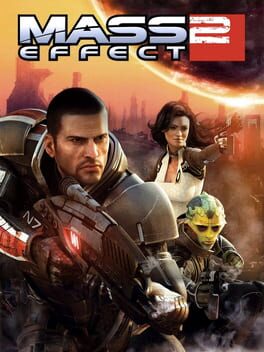
- 2010A sequel that outdid everything Mass Effect 2
- 2011Punish and reward Dark Souls
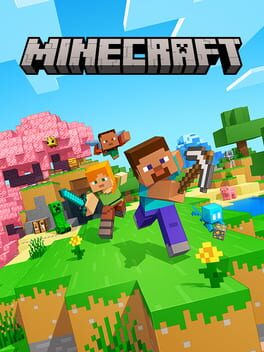
- 2011The world is yours to build Minecraft
- 2011The RPG that ate a generation
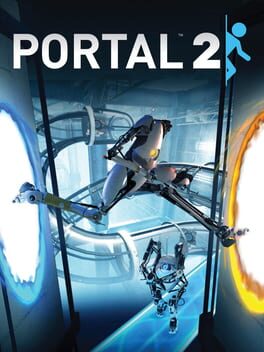
- 2011Co-op as comedy Portal 2
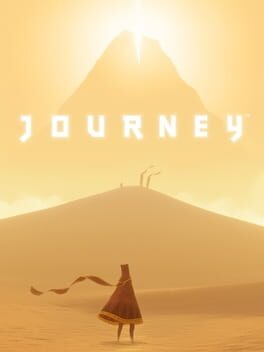
- 2012Brutality and beauty Journey
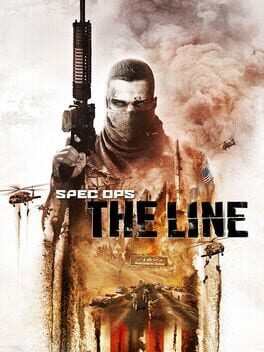
- 2012A satirist gets a weapon Spec Ops: The Line
- 2013The year games got serious The Last of Us
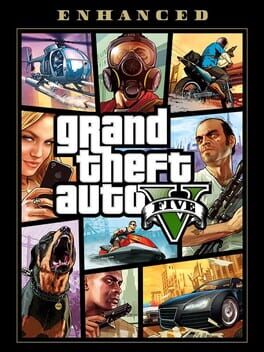
- 2013Still selling fifteen years later Grand Theft Auto V Enhanced
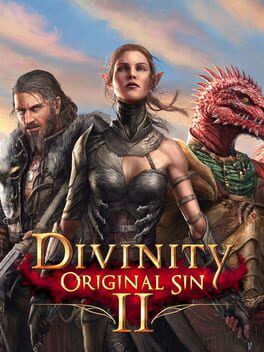
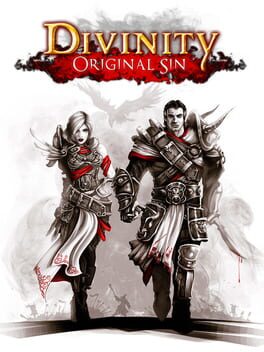
- 2014The game that refused to stay in its lane Divinity: Original Sin
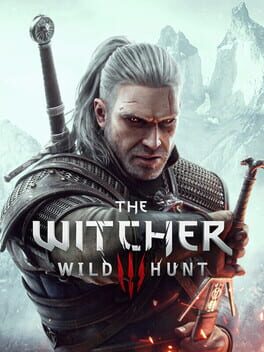
- 2015100 hours that felt earned The Witcher 3: Wild Hunt
- 2015A child with a flower Undertale
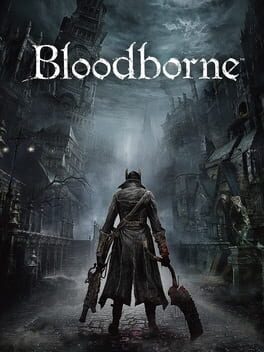
- 2015Gothic horror perfected Bloodborne
- 2016A farmer in his bedroom changes the genre Stardew Valley
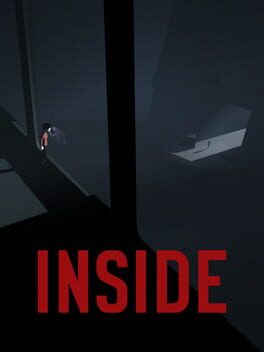
- 2016Silence and shadow Inside
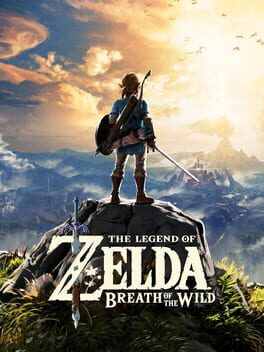
- 2017Reinvention of an icon The Legend of Zelda: Breath of the Wild
- 2017Androids dreaming
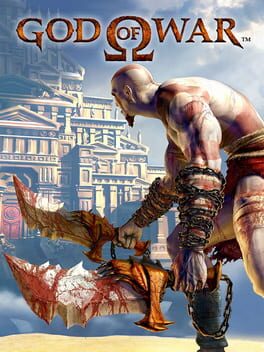
- 2018A god who learned to feel God of War
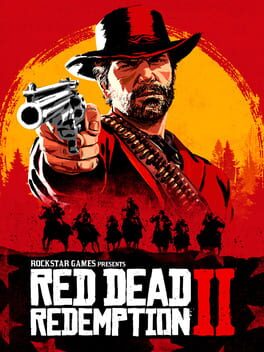
- 2018Ten years in the making Red Dead Redemption 2
- 2019A detective novel as RPG Disco Elysium
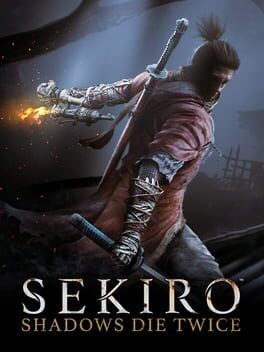
- 2019Katana as argument Sekiro: Shadows Die Twice
The critical darlings
Scores in the high nineties, influence that keeps compounding

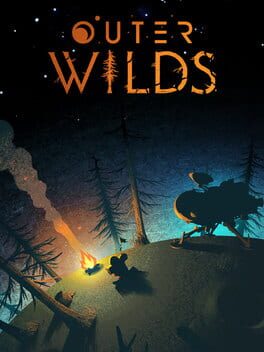
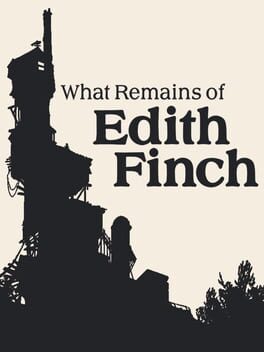
Outer Wilds is the best game nobody has finished
The problem with recommending Outer Wilds is that describing what happens in it destroys it completely. Its entire structure is a secret. What can be said: it is built around the single best eureka feeling of the decade, the moment when a dozen separate observations click into one answer. People who finish it describe it in terms usually reserved for novels or films. People who don't finish it almost always quit in the first two hours, before the mechanism is clear. It is a game that demands patience from the exact audience that would love it most.
The bold swings
Games that tried something strange and mostly pulled it off
The 2010s gave us a generation of designers who had grown up with games and had things to say with them. That showed.CrossBinge editors
Overlooked at the time
Undersold, under-awarded, and now impossible to argue against
The most overrated game of the decade: Skyrim
Skyrim is not a bad game. It is an extraordinary world-building achievement and a genuinely important commercial moment. But it is also shallow in almost every direction that matters to the games that followed it: its writing is thin, its systems are incoherent by design, its characters are furniture. The decade spent enormous energy on games that learned from Skyrim's successes. It spent almost none on the fact that The Witcher 3, released four years later, made it obsolete on nearly every axis. That Skyrim still gets re-released while The Witcher 3 is described as its improvement tells you something about the power of arriving first.
Genre standouts
The game each genre produced that nobody can argue with
What the decade left behind
For all its achievements, the 2010s were also the decade of the live-service pivot, the loot box controversy, the crunch expose. Some of the most technically impressive games of the era (Destiny, No Man's Sky at launch, Anthem) arrived either broken or hollowed out by monetization logic. No Man's Sky is a special case: it became a genuine redemption story over several years of free updates, but the 2016 version was a cautionary tale the whole industry watched. The decade that produced Journey also produced the gambling mechanics that eventually triggered parliamentary hearings. Both things are true, and any honest accounting of the era holds both.
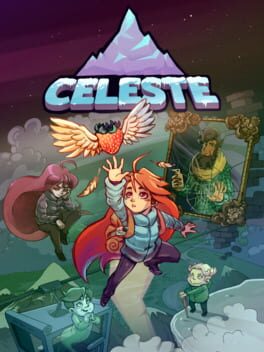
The games that aged best are overwhelmingly the ones that were finished: Celeste, Return of the Obra Dinn, Into the Breach. Complete, authored, singular. The ones that aged worst are the ones designed to never end, and mostly didn't know what to say once you showed up.