
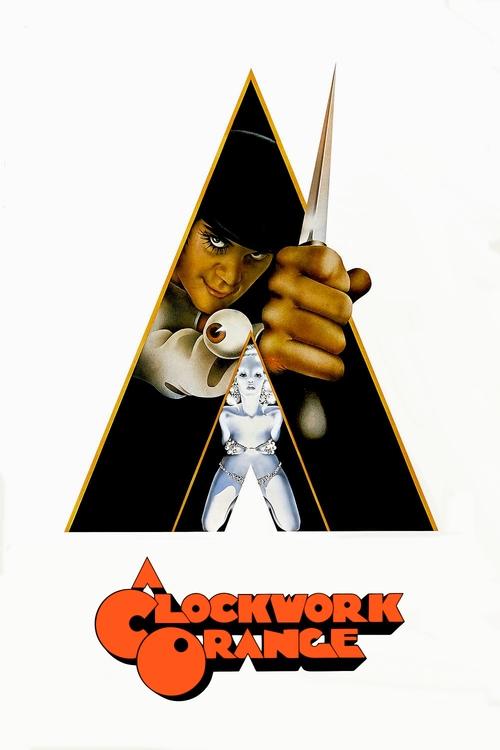
Stanley Kubrick adapted Anthony Burgess's 1962 novel into something that still feels dangerous sixty years on. What fans chase is not just the ultraviolence: it is the icy formal control wrapped around moral chaos, Alex DeLarge's unreliable charisma, and Kubrick's refusal to offer comfort or condemnation on equal terms. The film posits that a society which removes free will to manufacture goodness has committed an evil at least as profound as the crimes it suppresses. That tension, style weaponized against ethics, is the through-line every work below shares in some form.
Essential A Clockwork Orange
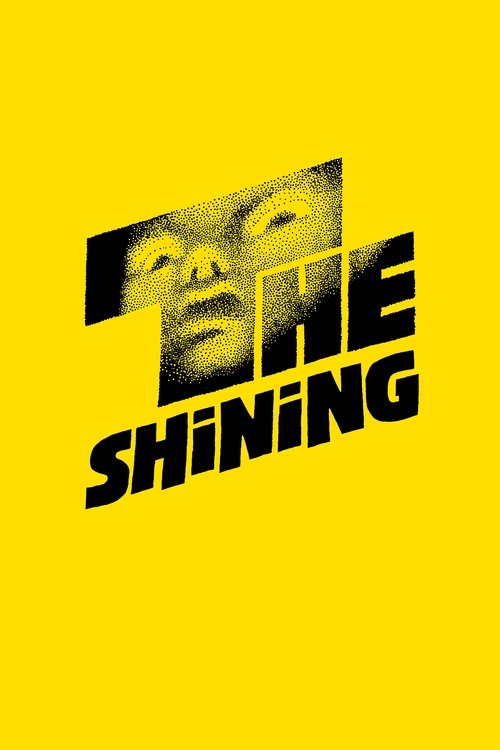
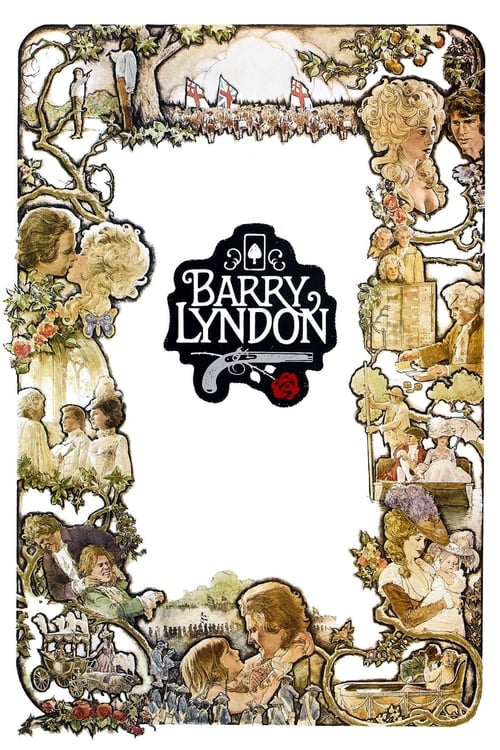
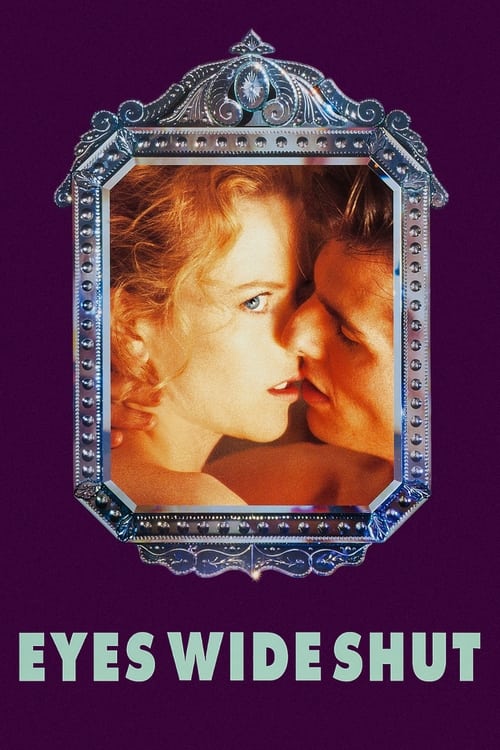
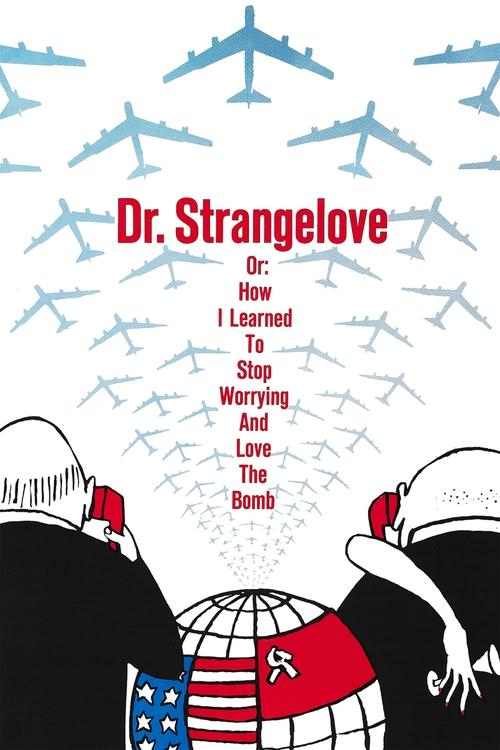
The film's own key works: the source novel plus Kubrick's surrounding canon

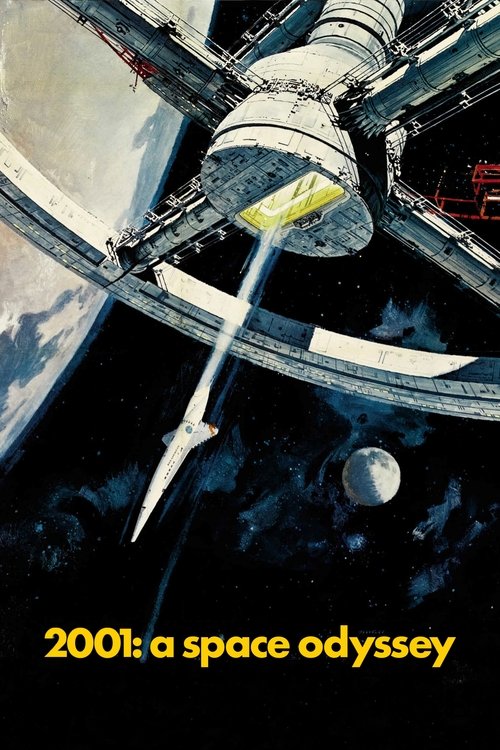
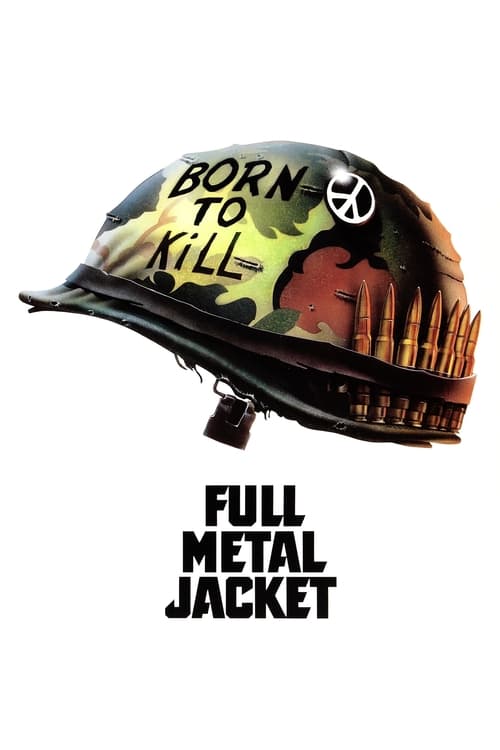
Kubrick's Cold Gaze
Kubrick's most distinctive gift is distance: he frames horror with the same precision he would frame a still life, forcing you to feel complicit in what you are watching. Full Metal Jacket applies that same dissociation to the Vietnam War machine. Eyes Wide Shut uses it on bourgeois desire. The common thread is a director who never lets the audience off the hook by providing an easy emotional exit.
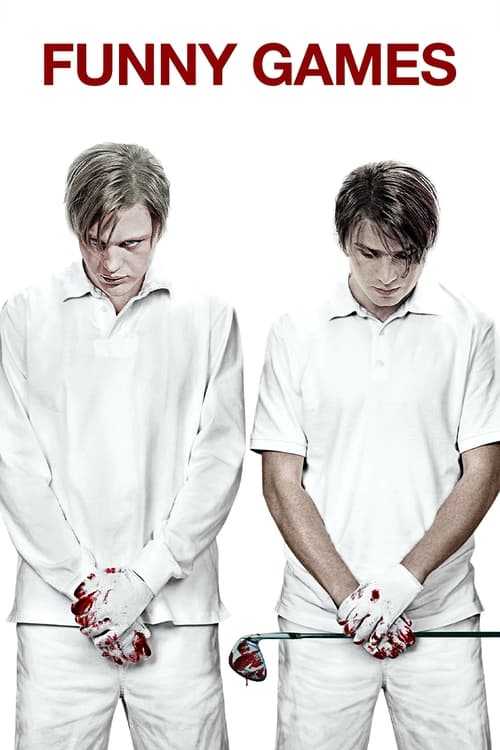
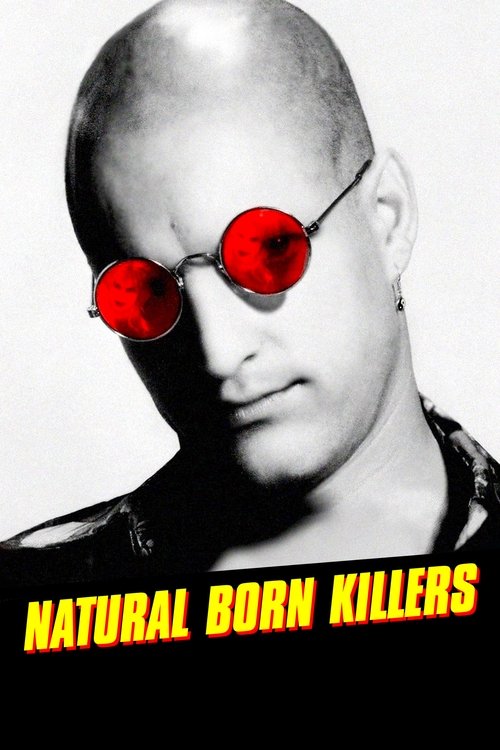
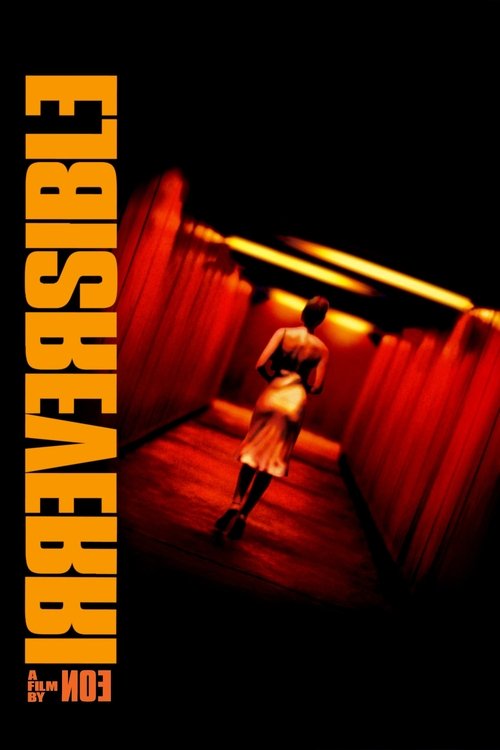
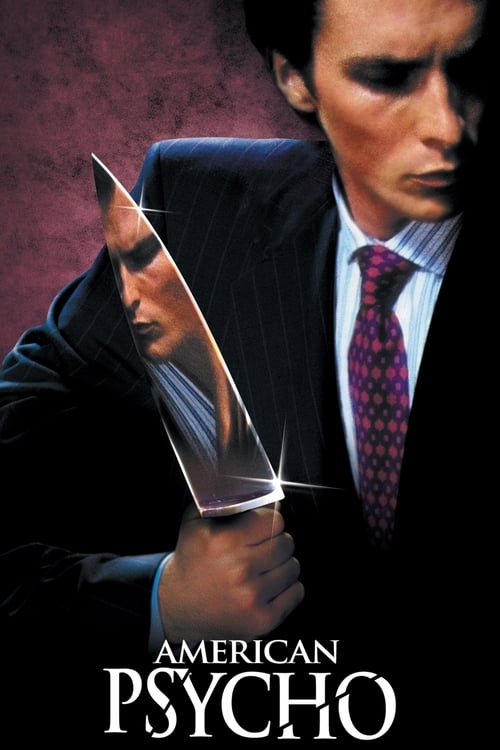
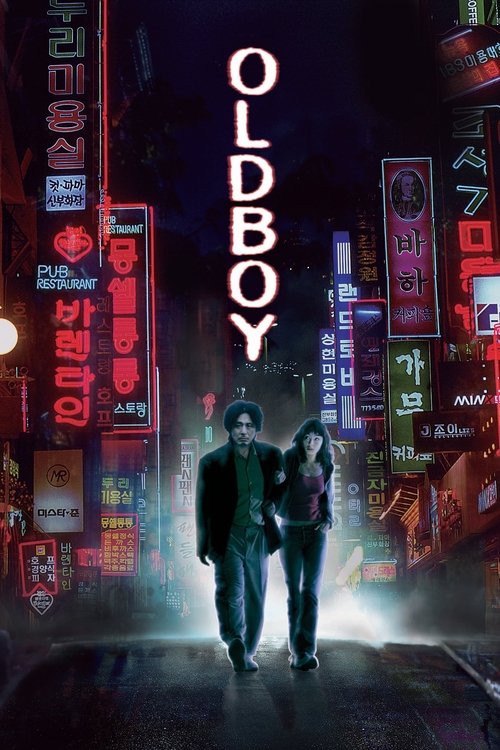
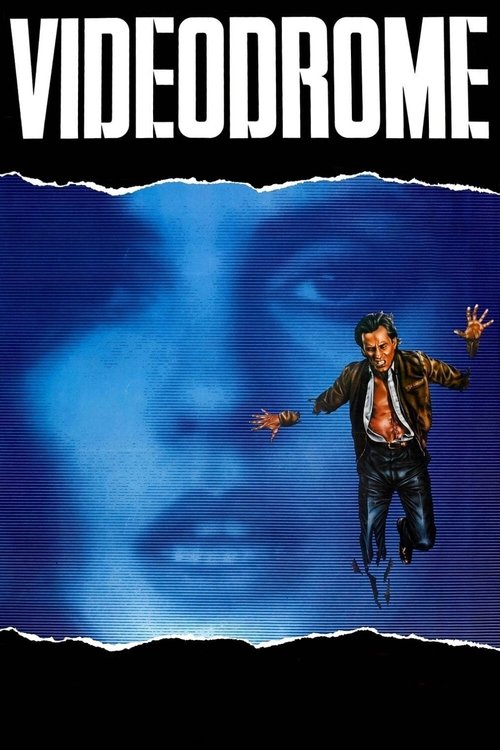
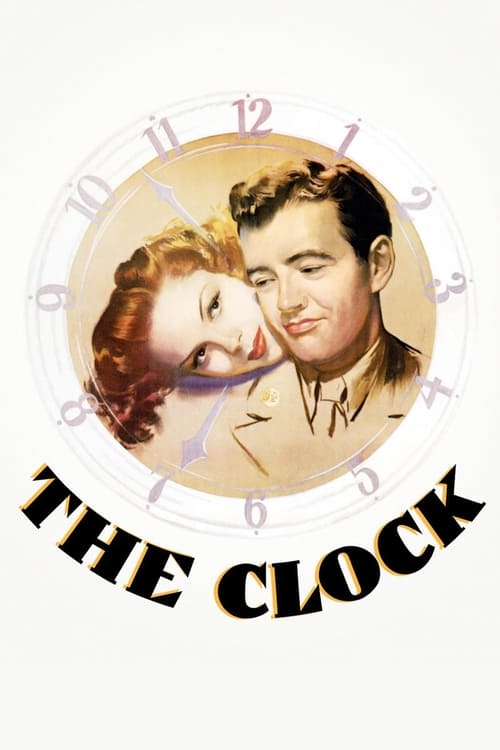
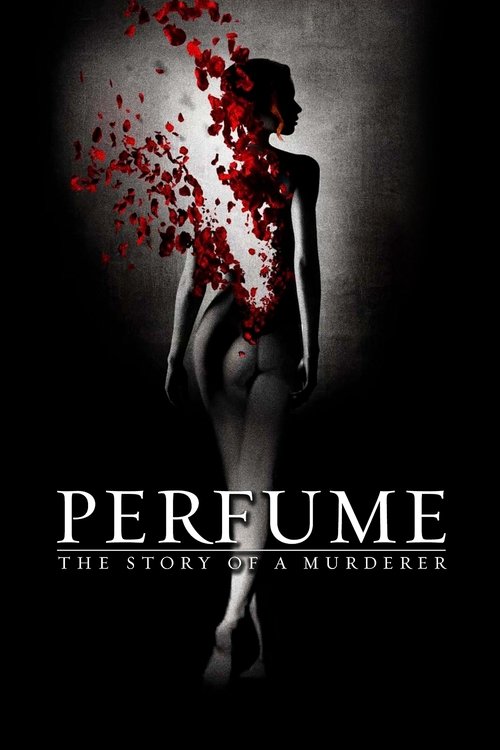
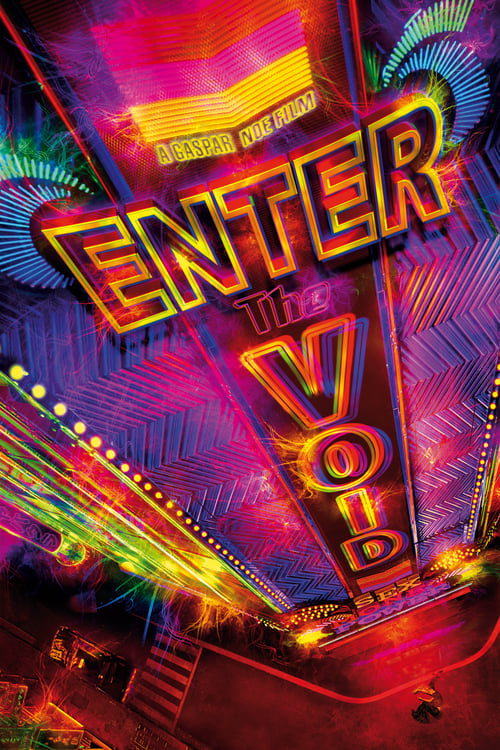
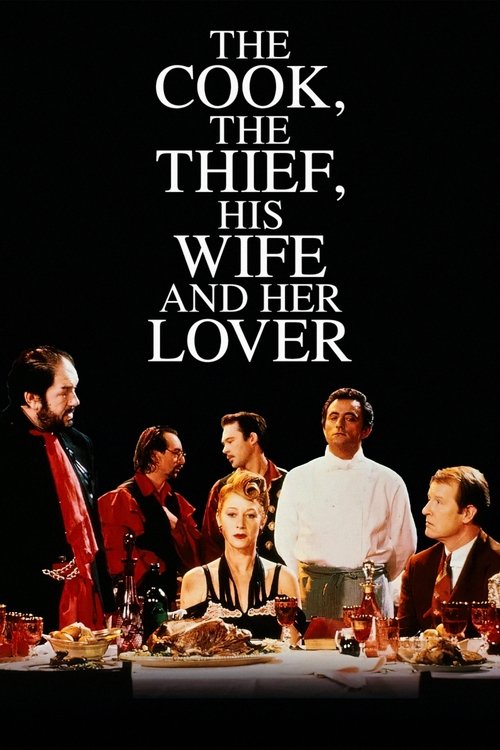
Same-Vibe Films: Style, Provocation, and Moral Ambiguity
Films that weaponize visual beauty against comfortable ethics


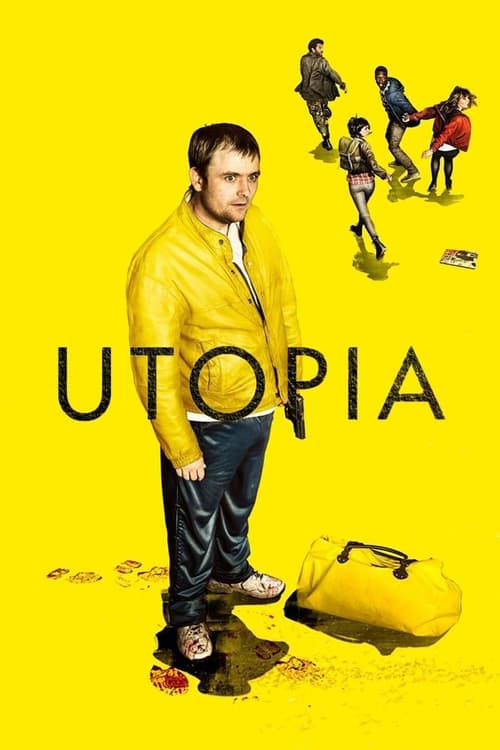
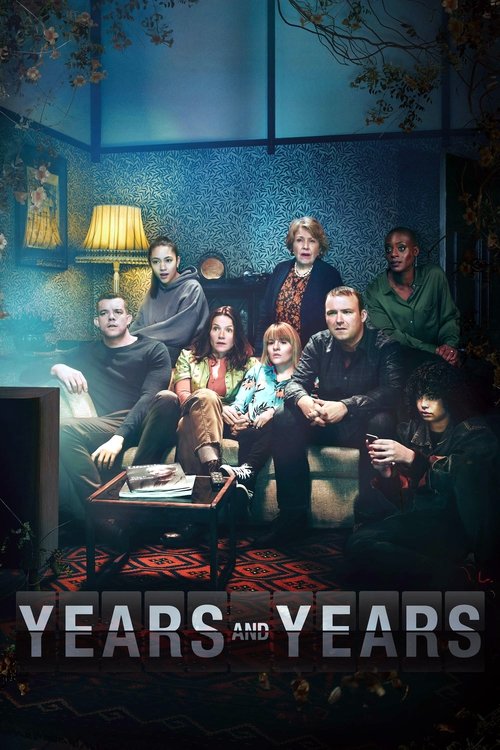
Series in the Same Vein
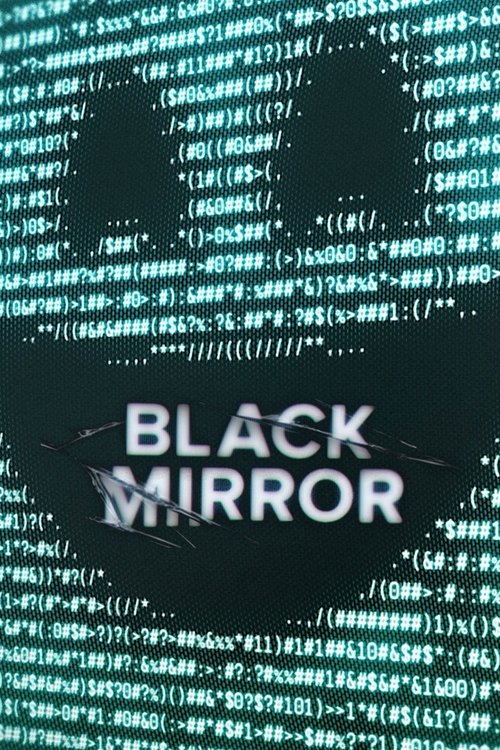
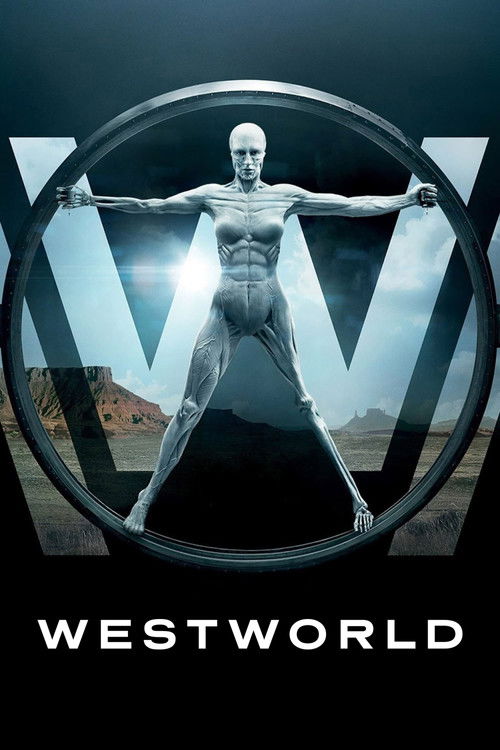
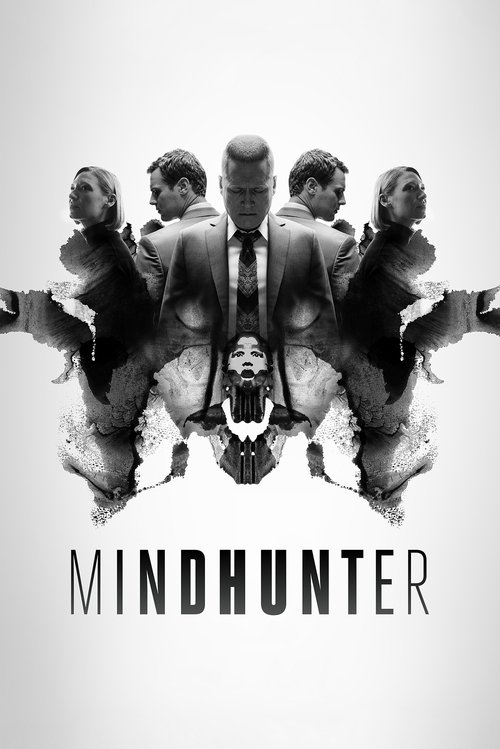
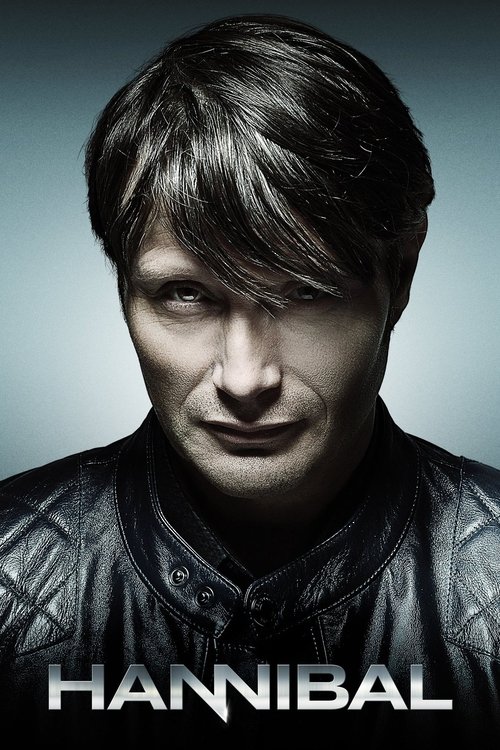
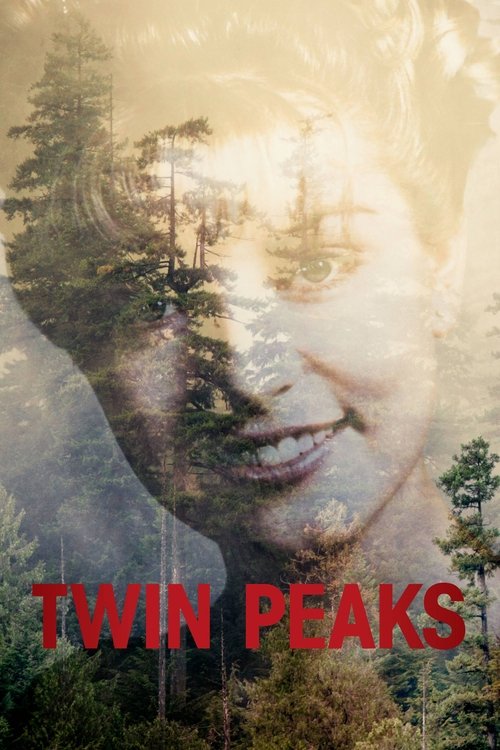
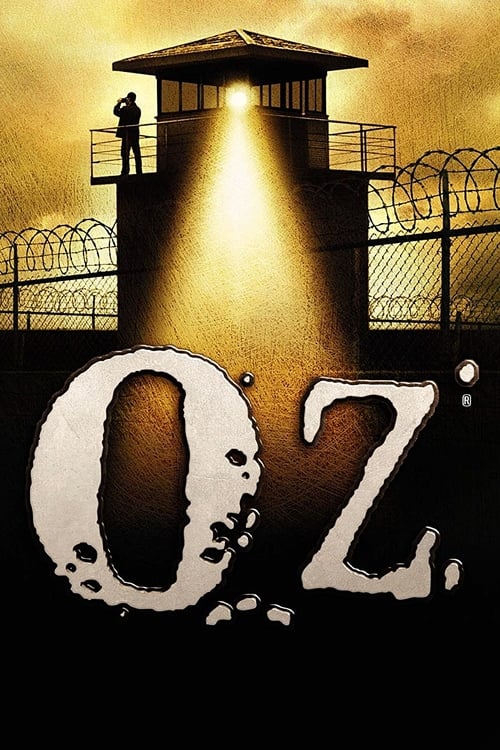
Television that shares the film's interest in violence, control, and unreliable protagonists
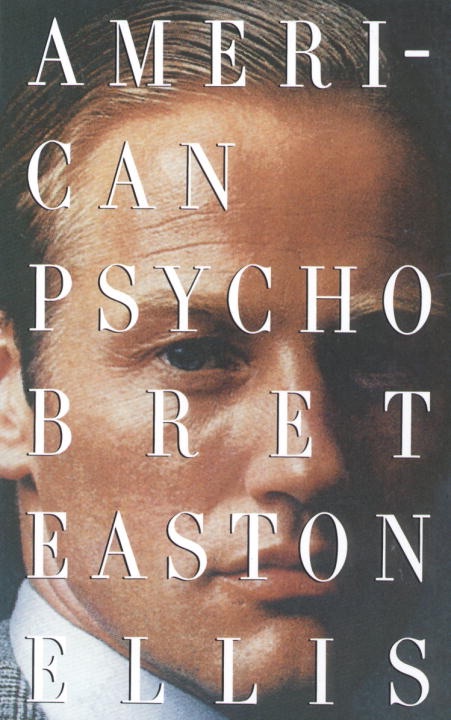
Books for the Same Restless Mind
Novels that share Clockwork Orange's fury at control, language, and the self




Burgess Against the Dystopia Canon
Anthony Burgess wrote A Clockwork Orange as a rebuke to utopian social engineering, not a celebration of violence. His nadsat slang (a blend of Russian and Cockney) serves a precise purpose: it distances the reader from Alex's crimes just enough to keep reading, then pulls the distance away at the worst moment. Orwell's Nineteen Eighty-Four and Huxley's Brave New World deal in the same central anxiety, though Burgess insists on the theological dimension both largely avoid: that goodness without choice is not goodness at all.
Games Sharing Its DNA
Games that explore violence as system, identity as performance, or societies gone wrong




The Score as Weapon
Wendy Carlos's Moog-synthesizer reworkings of Beethoven, Rossini, and Purcell are inseparable from the film's violence. Kubrick used classical music as ironic counterpoint before, but here the juxtaposition goes further: Alex genuinely loves Ludwig van, which means the music the audience associates with high culture becomes tainted by what it accompanies. The score does not comment on the action. It participates in it.
Music: The Score and Its Kin
From Wendy Carlos's Moog Beethoven to albums that share Clockwork Orange's cold electricity
A Clockwork Orange Through Time
- 1962Anthony Burgess publishes the novel, complete with the redemptive Chapter 21 that American editions initially cut A Clockwork Orange
- 1971Kubrick's film premieres, immediately banned in the UK after alleged copycat incidents; Kubrick himself requests the withdrawal A Clockwork Orange
- 1973Wendy Carlos's full soundtrack album released, formalizing the film's musical legacy
- 1979Joy Division release Unknown Pleasures, whose cold post-punk shares the film's aesthetics across a generation of British youth Unknown Pleasures
- 1993The UK ban quietly lapses after Kubrick's death in 1999; the film returns to British cinemas in 2000 A Clockwork Orange
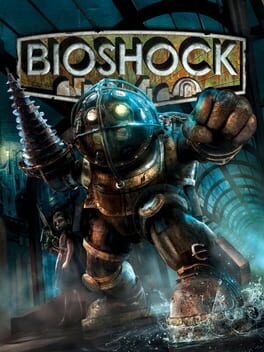
- 2007BioShock arrives on consoles, translating the film's questions about free will and conditioning into interactive form BioShock
- 2012The BFI places A Clockwork Orange among the 100 greatest British films ever made A Clockwork Orange
Goodness comes from within. Goodness is chosen. When a man cannot choose, he ceases to be a man.Father Priest, A Clockwork Orange (1971)
Why Hotline Miami Is the Game Version
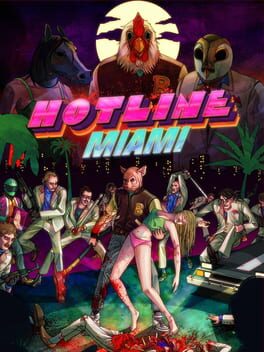
Hotline Miami asks you to commit extreme violence through a retro visual language that makes it feel like play, then forces you to walk back through the bodies you left. The discomfort is the point. Kubrick used the same mechanism: Alex's charming narration keeps you on his side long past the point where you should not be. Both works understand that style is not neutral, and that enjoying something does not absolve you of what you enjoyed.