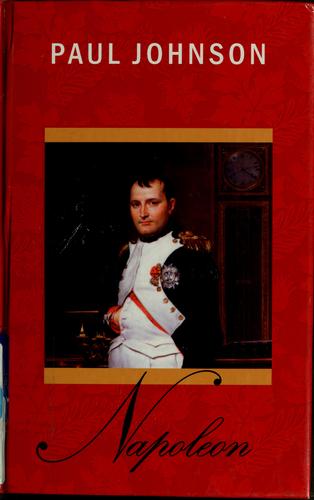

Anthony Burgess wrote with the velocity of a man who believed he was dying. Misdiagnosed with a brain tumour in 1959 and given a year to live, he produced five novels in twelve months to secure royalties for his wife. He didn't die. He kept writing anyway, turning out 33 novels, biographies of Shakespeare and Joyce, symphonies, screenplays, and one of the most linguistically inventive sentences in 20th-century fiction. The through-line a Burgess fan loves is the same in every medium: language weaponised, morality stress-tested, society shown as the real ultraviolence. Whether it is Alex and his droogs, Napoleon carving up Europe, or the dystopia of Enderby's poetry-writing in a bathroom, Burgess always asks: what does it mean to choose, and can a society ever let you?
Essential Anthony Burgess
The books that define him, from the notorious to the unjustly overlooked


From Page to Screen: Burgess Adaptations
His work translated into film and television, faithfully and otherwise
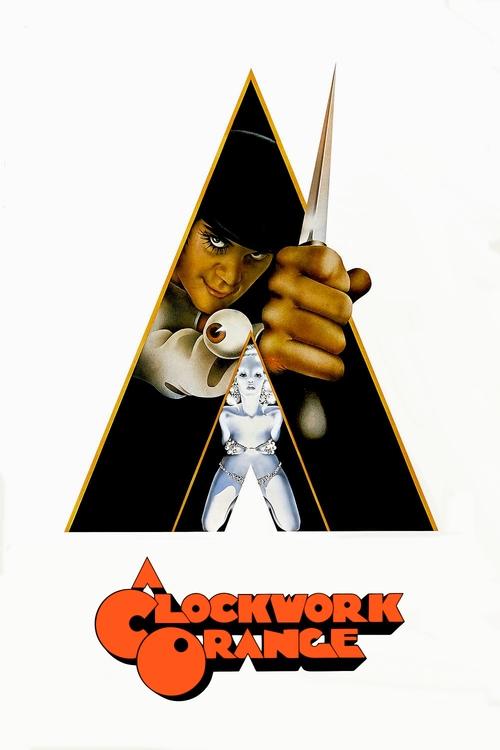

If You Love A Clockwork Orange: Dystopia and Social Control on Film
Cinema that interrogates the machinery of society with the same cold fury
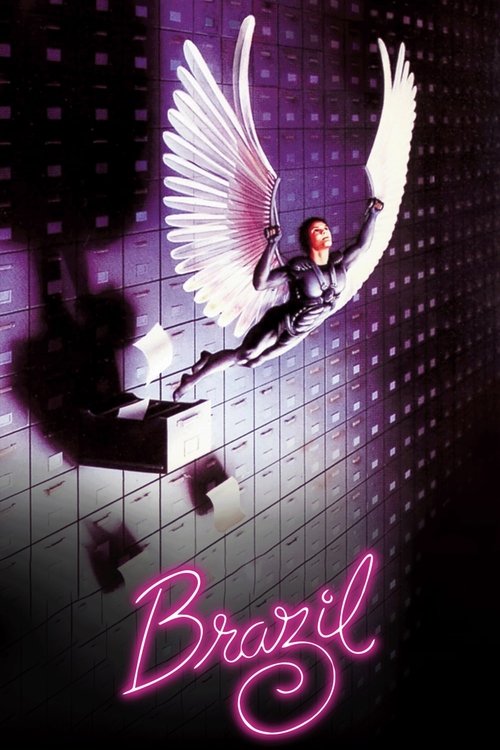
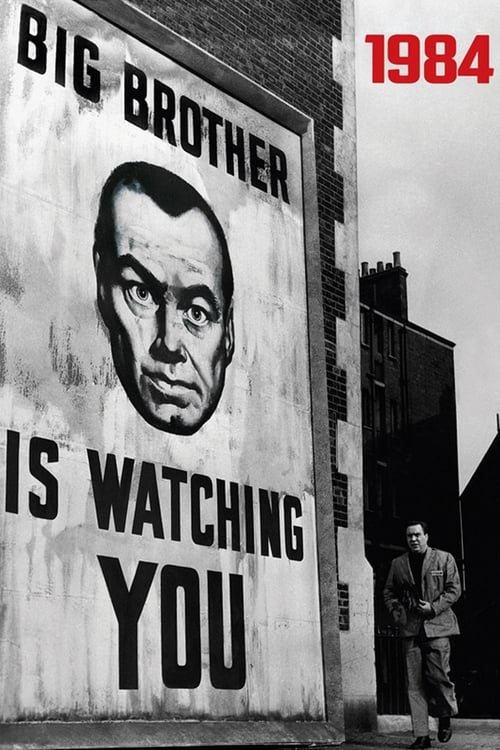
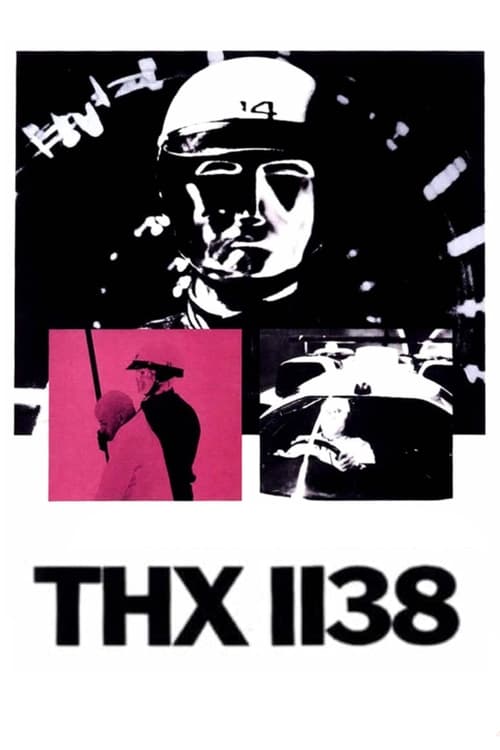


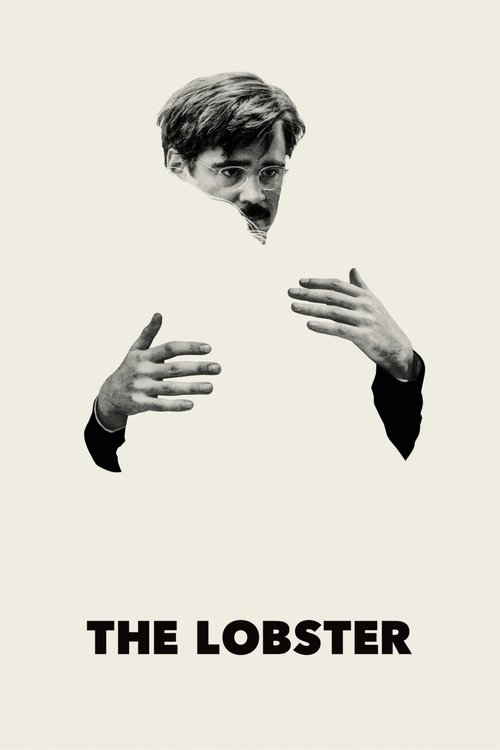
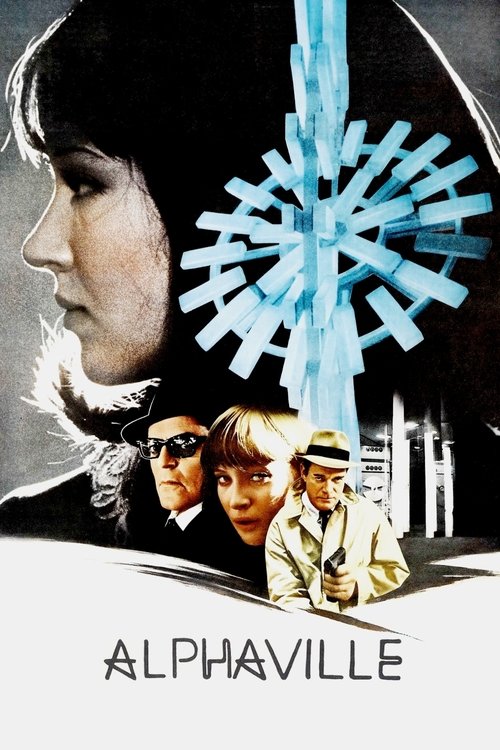

Dystopia and Power on Television
Series that carry the same satirical darkness into serialised form


Writers in the Same Dark Key: Authors to Read Next
Novelists who share Burgess's obsessions with language, violence, satire, and free will


Games That Play With Violence and Choice
Interactive works that force the same moral reckoning Burgess built on the page

Kubrick Gave Alex a Face Burgess Never Wanted Him to Have
Stanley Kubrick's film is one of the great screen adaptations, and Anthony Burgess resented it for the rest of his life. The problem was not the violence; the problem was the ending. The American edition of the novel dropped Burgess's 21st chapter, in which Alex outgrows his brutality and begins to grow up. Kubrick filmed from that truncated text. What was meant to be a novel about the possibility of moral development became, on screen, a nihilist icon. Burgess spent decades insisting the missing chapter existed, that the story had a point. The film is extraordinary and the argument is worth sitting with: what do we lose when we cut the redemption from a story about whether redemption is possible?
Earthly Powers Is the Novel He Should Be Famous For
The opening line of Earthly Powers is among the most famous in 20th-century British fiction, but the rest of the novel is obscure in the way that long, ambitious, difficult books become obscure: people agree it is important and do not finish it. That is a shame. Spanning most of the 20th century through the memoirs of an aged homosexual novelist modelled loosely on Somerset Maugham, it is Burgess's attempt at a grand Catholic-humanist reckoning with evil, charisma, and what saints cost the people around them. It is funnier and stranger than its reputation as a doorstop suggests. If you have only read A Clockwork Orange, Earthly Powers is the place to go next.
Nadsat Is the Purest Version of What Language Can Do in Fiction
Inventing a dialect for your protagonist is a party trick. Inventing one so precisely calibrated that a reader absorbs it unconsciously and begins to understand it without being told is something else. Burgess built Nadsat from Russian roots, Cockney rhyming slang, and a few coinages of his own, and then trusted readers to catch up. By the end of A Clockwork Orange most readers have internalised the vocabulary. That process -- the way language shapes what you can think and feel -- is the real subject of the book. The droogs speak Nadsat; the State speaks the language of therapy; neither is innocent.
The Wanting Seed Predicted Something We Are Still Living Through
Written in 1962, the same year as A Clockwork Orange, The Wanting Seed is Burgess at his most sardonic. The novel swings between two poles of government response to overpopulation: a permissive Pelagian phase that celebrates homosexuality and non-reproduction, and a Augustinian phase of brutal authoritarian repression, cycling endlessly. Burgess thought societies oscillate between these poles rather than progressing. The book is lighter in tone than A Clockwork Orange, almost farcical, which makes its diagnosis land harder. It deserves to be read alongside Huxley and Orwell as a third English dystopia, meaner and funnier than either.
Anthony Burgess: A Life in Provocations
- 1917Born John Burgess Wilson in Manchester, England
- 1940Serves in the British Army Education Corps during the Second World War
- 1956First novel, Time for a Tiger, published under the Burgess pseudonym
- 1959Misdiagnosed with an inoperable brain tumour; writes five novels in one year
- 1962A Clockwork Orange published; The Wanting Seed published the same year A Clockwork Orange
- 1968Enderby Outside published, completing the core Enderby sequence
- 1971Kubrick's A Clockwork Orange released; Burgess's relationship with the film sours immediately A Clockwork Orange
- 1974Napoleon Symphony published, a novel structured as a Beethoven symphony Napoleon
- 1980Earthly Powers published, widely regarded as his masterwork Earthly Powers
- 1993Dies in London, aged 76, still writing
Dystopia, free will, and conditioning
Dystopian Societies
Explore the Dystopian Societies guide →The wish to hurt, the momentary intoxication with pain, is the loophole through which the pervert climbs into the minds of ordinary men.Anthony Burgess, A Clockwork Orange