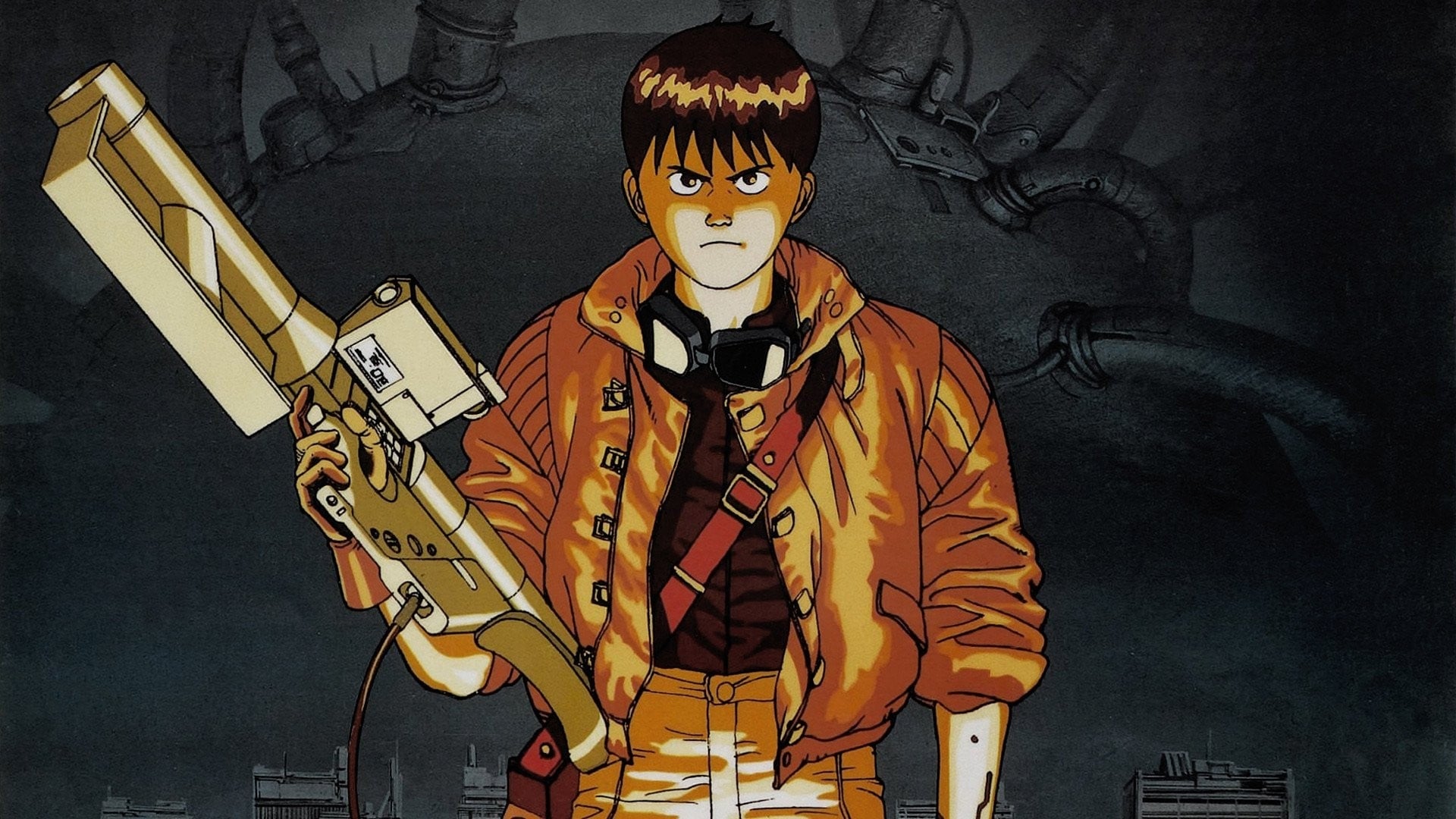

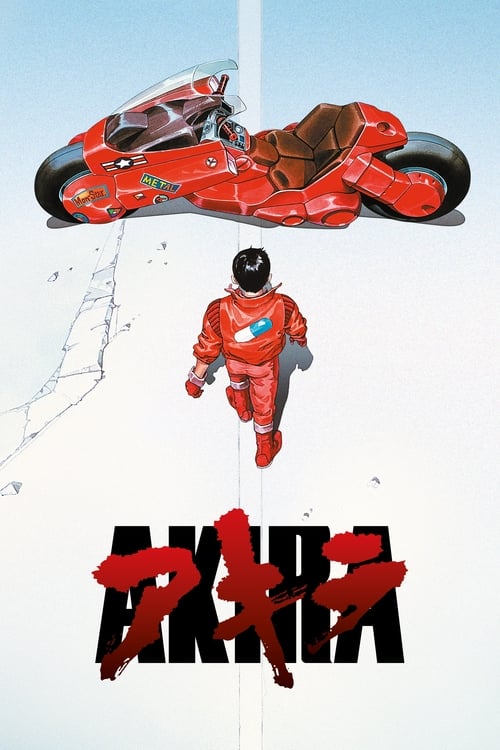
Before Akira, most Western audiences thought animation meant children's fare. Katsuhiro Otomo's 1988 film changed that in under two hours. Set in a decaying Neo-Tokyo rebuilt after a mysterious 1988 explosion, it follows teenage biker Kaneda and his psychically unstable friend Tetsuo through a city on the verge of another catastrophe. The hand-drawn detail is staggering even now: 68 minutes of lip-sync to pre-recorded dialogue, cel animation running at 24 frames per second, a city that breathes with crowds, construction cranes, and protest smoke. What holds fans is not just the spectacle but the feeling underneath it: institutions rotting from within, youth with nowhere to put their rage, and the terrifying question of what happens when power exceeds the ability to control it. Otomo had already spent nearly a decade building the same story in manga form, and that density shows. Every frame carries weight.
Essential Akira
The film, the manga, and the closest the franchise has come to a sequel

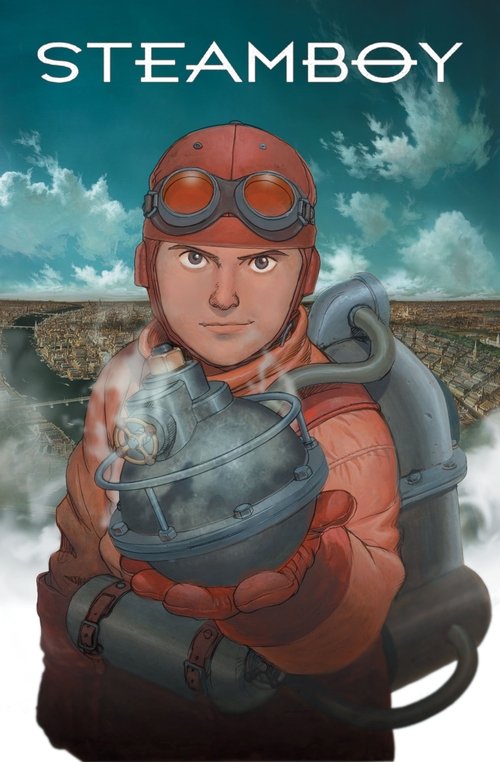
If You Love Akira: Anime That Hit as Hard
Series and films that carry the same voltage
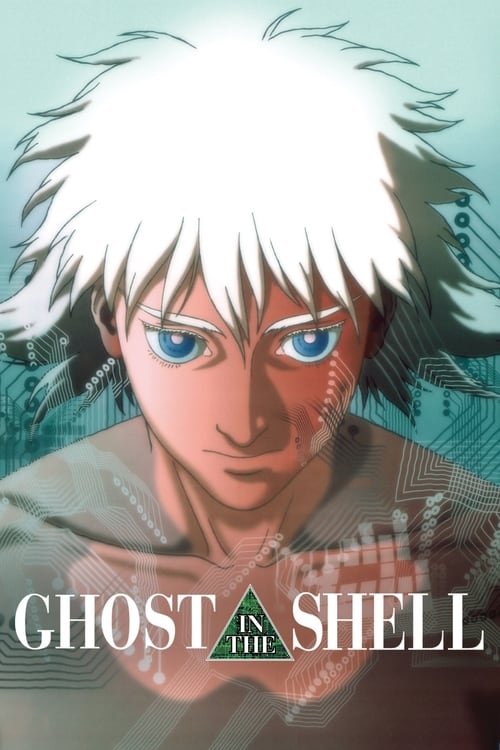
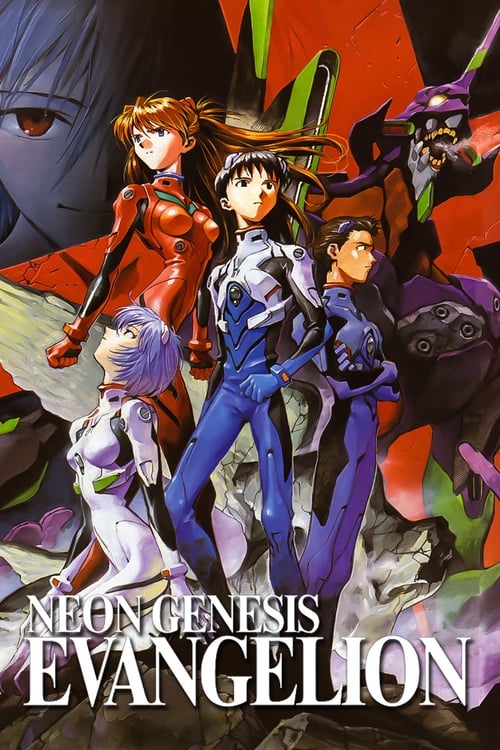
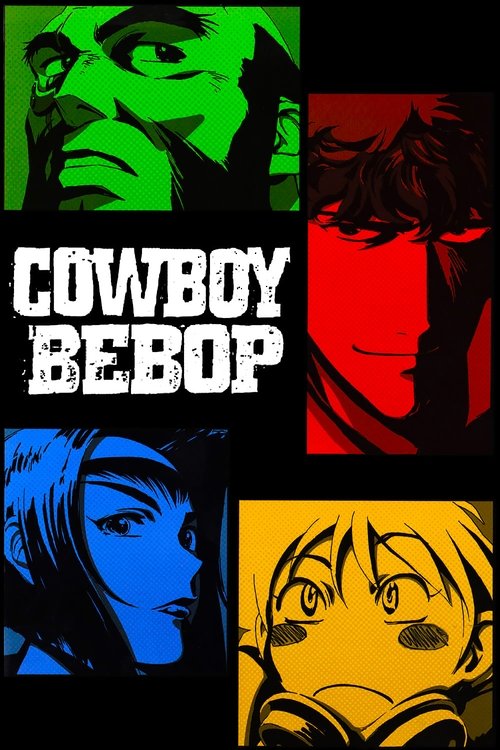

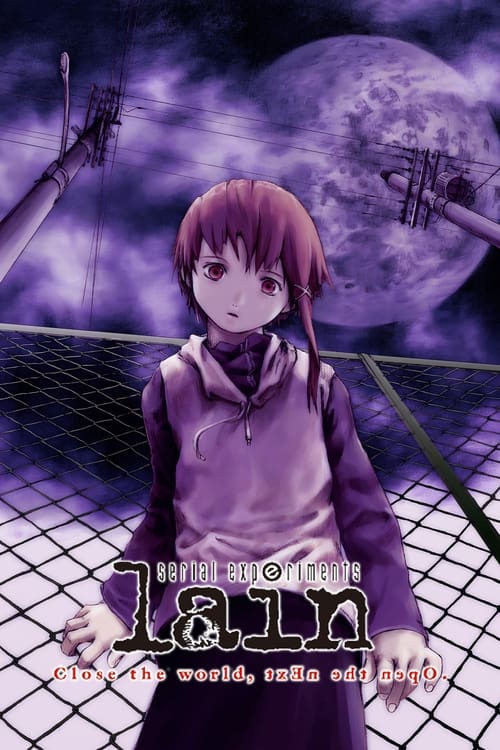

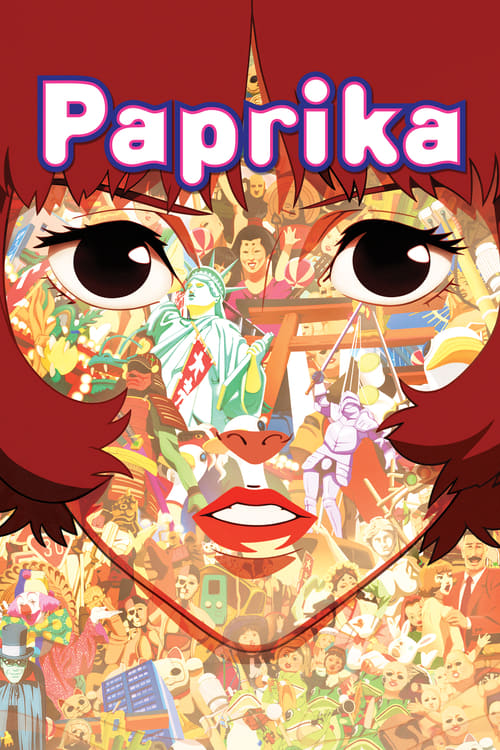
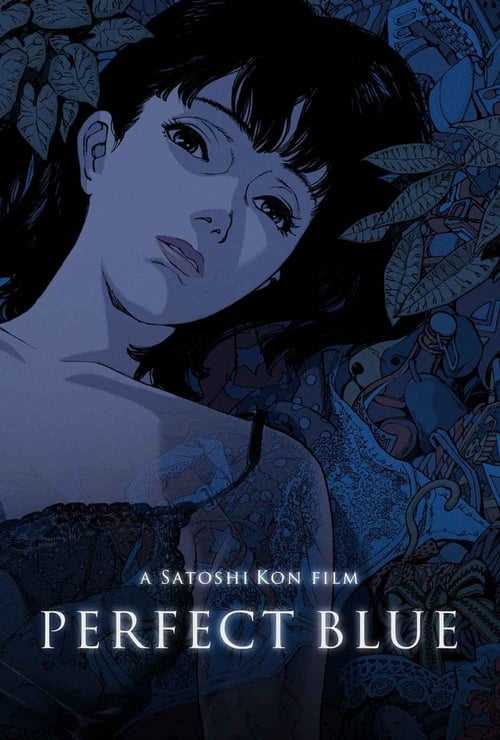
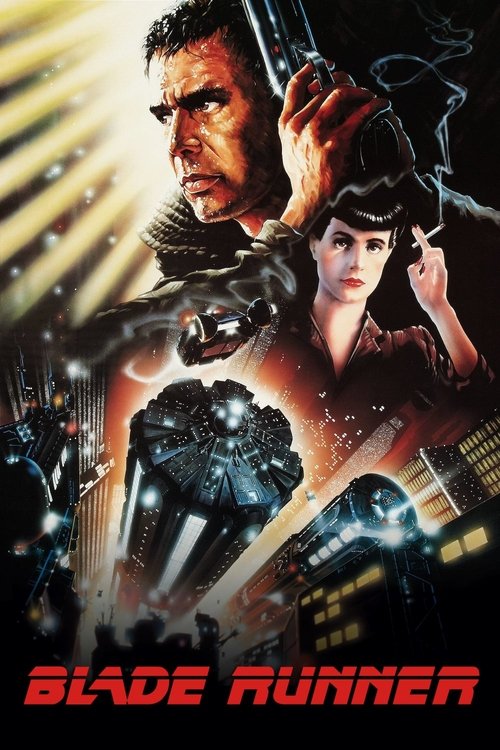
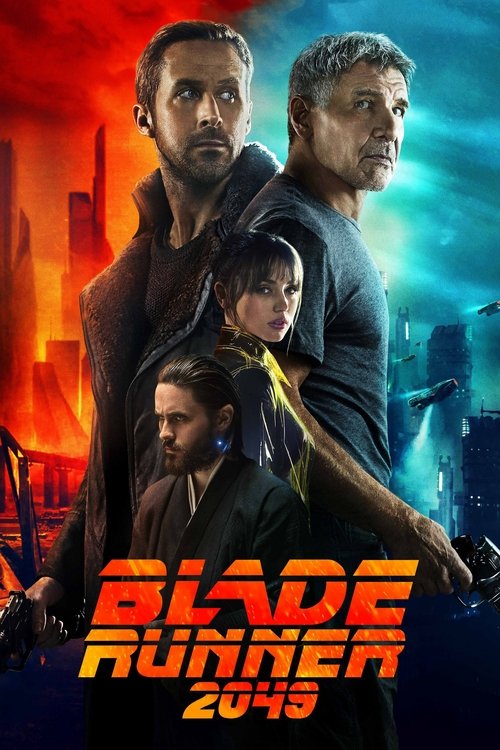
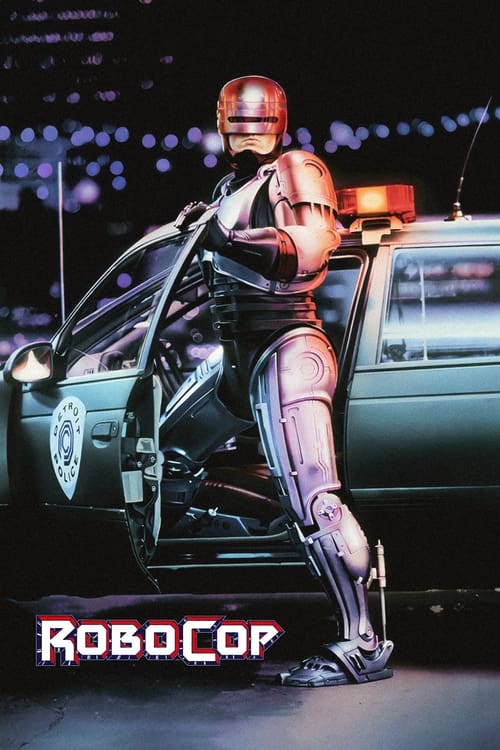
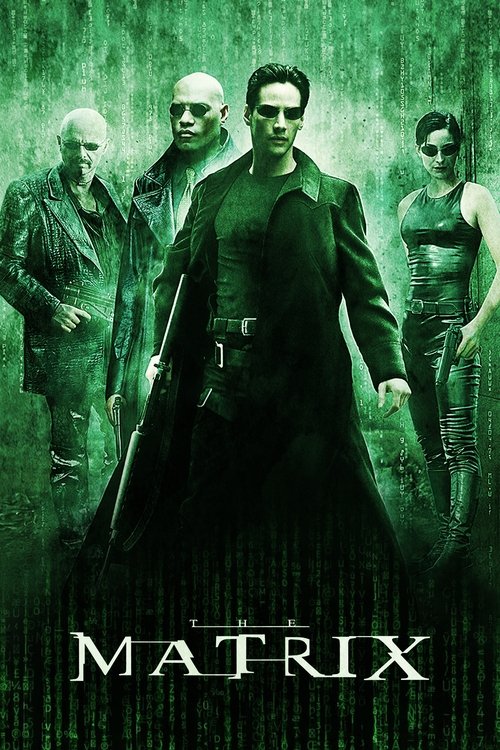
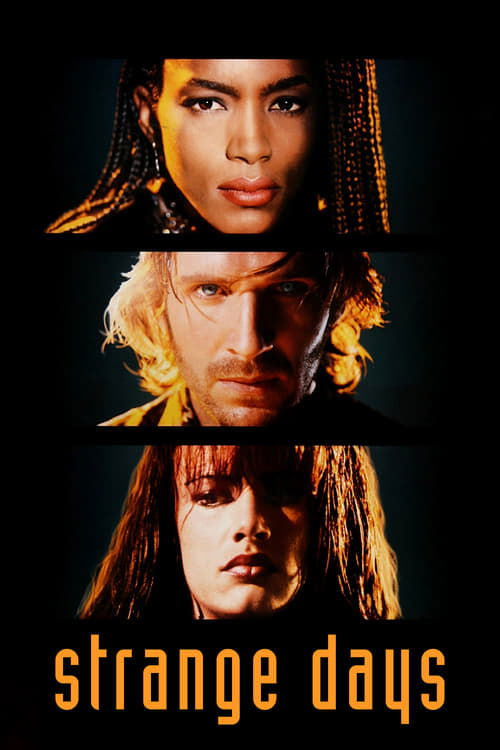
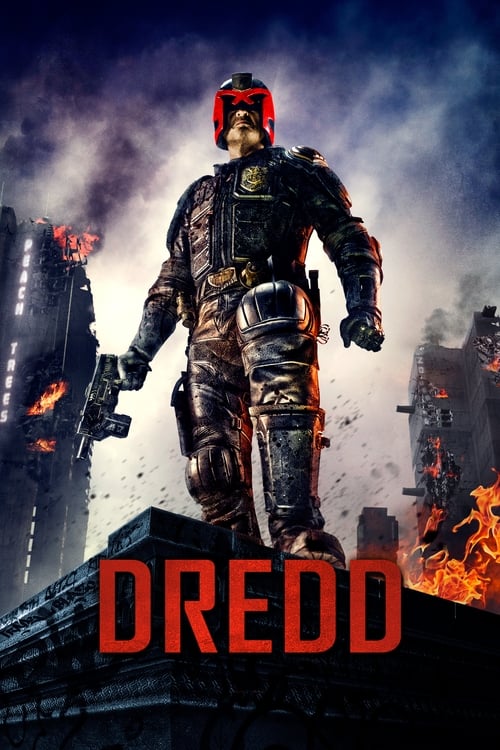
If You Love Akira: Cyberpunk and Dystopia on Screen
Live-action films sharing Akira's decayed-future energy

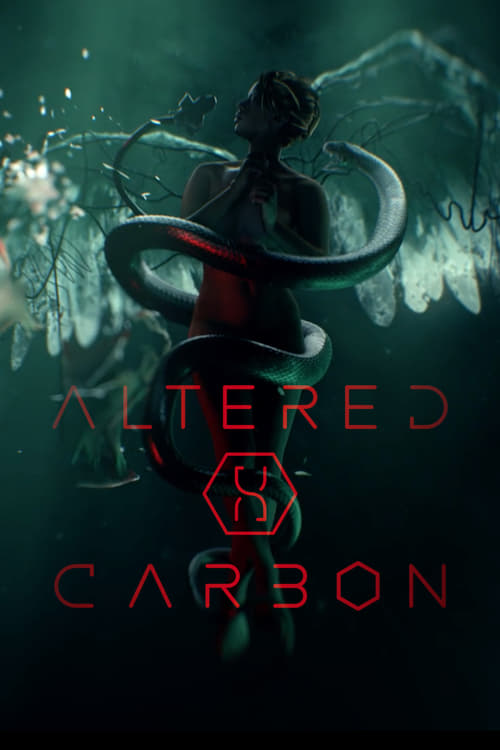

If You Love Akira: Books That Built the Genre
The novels behind cyberpunk and the manga that expanded Otomo's world


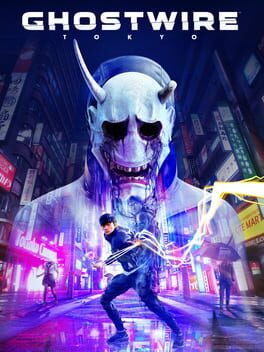
If You Love Akira: Games in the Same Frequency
Games that channel biopunk chaos, psychic power, and neon-soaked cities

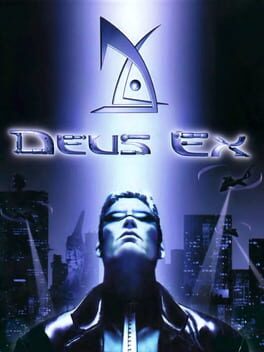

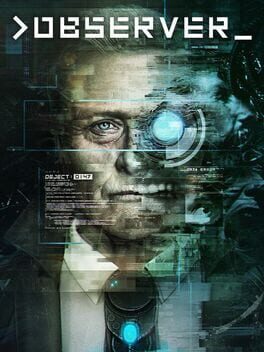

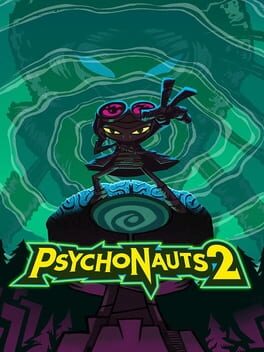
The Manga Is a Different Work, Not Just a Longer One
Otomo's six-volume manga ran from 1982 to 1990, meaning the film was made while the story was still unfinished. The film compresses, rearranges, and concludes differently. The manga gives far more space to Colonel Shikishima, to the orphaned psychic children, and to the political machinery behind the military experiments. Reading both rewards you with two distinct experiences: the film as a kinetic 124-minute provocation, the manga as a slow-building study of how societies eat their own young. Start with the film, then read the manga if the world refuses to leave you alone.
Ghost in the Shell Asked the Same Questions and Refused the Same Answers
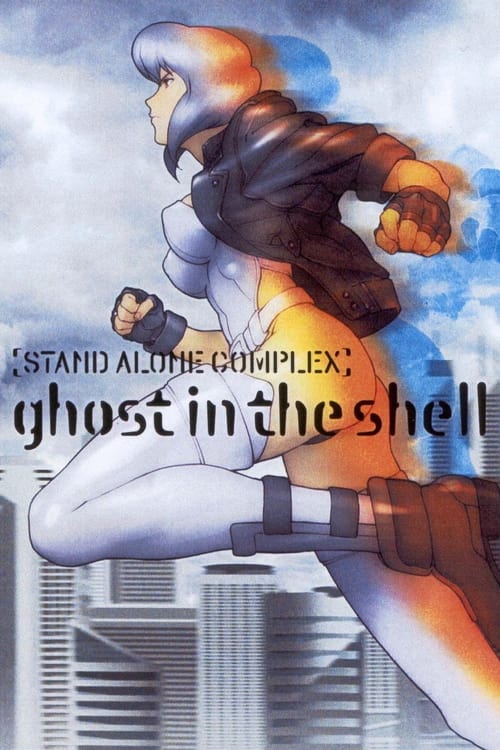
Released six years after Akira, Mamoru Oshii's Ghost in the Shell (1995) is the other half of the conversation. Where Akira asks what uncontained power does to a body, Ghost in the Shell asks what distributed consciousness does to identity. Both films use the city as a philosophical argument. Both refuse resolution. Fans who stop at one are missing the diptych. The Stand Alone Complex TV series then expanded that argument across 52 episodes without losing its grip.
Cyberpunk 2077 Is the Closest a Game Has Come to This Feeling
After years of games that borrowed Akira's aesthetic without its weight, Cyberpunk 2077 finally arrived with a city that feels like it could collapse under its own contradictions. Night City has the same logic as Neo-Tokyo: rebuilt on a disaster no one has fully processed, governed by forces that treat people as resources, and populated by characters whose ambitions exceed the systems meant to contain them. The psychic-amplification arc of Akira and the Silverhand storyline rhyme more closely than the genres suggest.
Neuromancer Wrote the World Akira Animated
William Gibson's 1984 debut novel gave the genre its vocabulary (cyberspace, the console cowboy, the zaibatsu) two years before Otomo finished his manga's first volume. The influence runs in parallel rather than direct lineage, but reading Neuromancer alongside Akira reveals how much the cyberpunk moment was in the air across Tokyo and Vancouver simultaneously. Gibson's Sprawl Trilogy, Snow Crash by Neal Stephenson, and Philip K. Dick's earlier paranoid futures form the literary foundation under everything Otomo built visually.
Neo-Tokyo and Beyond: A Chronology
- 1982Katsuhiro Otomo begins serializing the Akira manga in Young Magazine Akira, Vol. 2
- 1984William Gibson's Neuromancer establishes the cyberpunk novel Neuromancer
- 1988The Akira film premieres in Japan, produced with an unprecedented budget for anime Akira
- 1989A Super Famicom and later NES game adaptation releases in Japan
- 1990Otomo completes the manga six volumes after the film already rewrote the ending Akira, Vol. 2
- 1995Ghost in the Shell continues anime's philosophical run at cyberpunk Ghost in the Shell
- 1995Neon Genesis Evangelion reframes mecha and psychic amplification as trauma Neon Genesis Evangelion
- 1998Serial Experiments Lain interrogates identity in a networked world Serial Experiments Lain
- 2000Deus Ex brings Otomo-adjacent conspiracy and augmentation to PC gaming Deus Ex
- 2020Cyberpunk 2077 delivers the most Akira-adjacent open world yet built Cyberpunk 2077
Neo-Tokyo cyberpunk and anime SF
For Fans of Ghost in the Shell
Explore the For Fans of Ghost in the Shell guide →Otomo did not make an anime film that happened to be about the future. He made a film about what cities do to people, and set it forty years ahead so we could see it clearly.CrossBinge editors