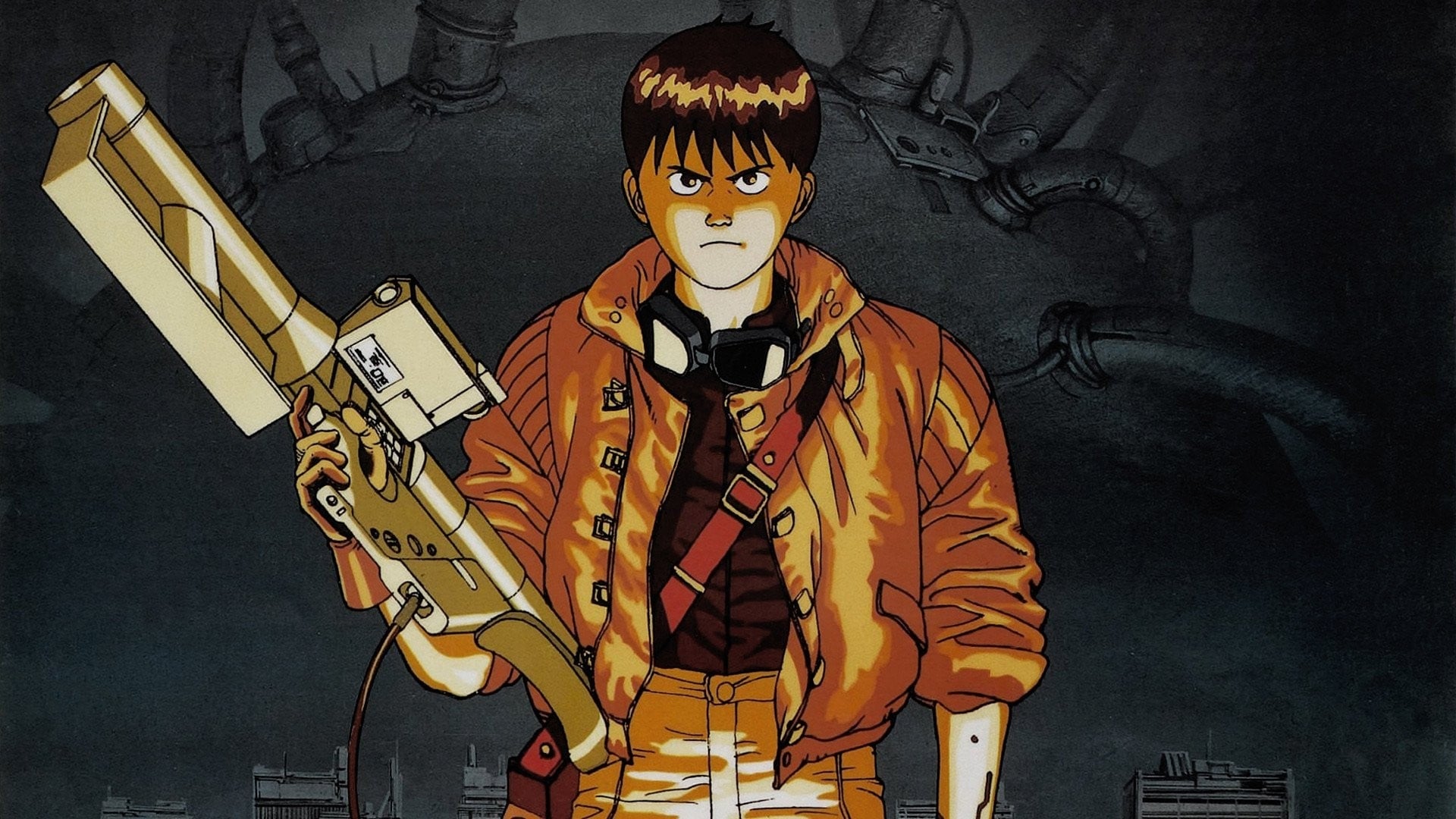

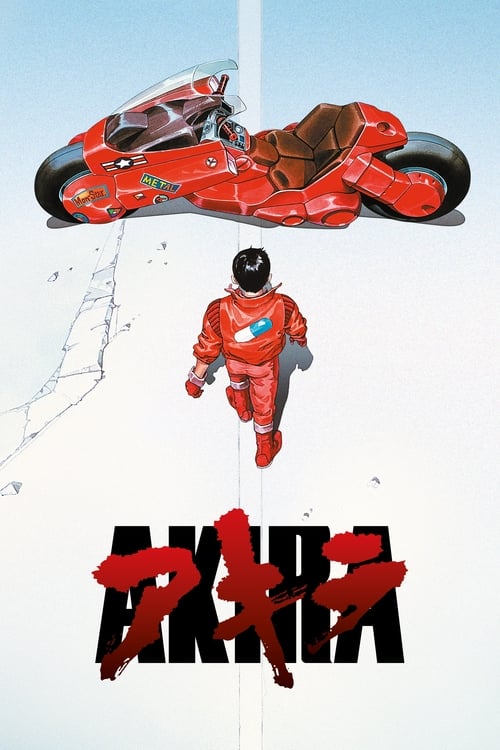
Katsuhiro Otomo began serializing Akira in 1982 and finished it in 1990, producing 2,000 pages of dense, precisely drafted ink that no one has matched since. Set in Neo-Tokyo, a rebuilt megalopolis rising over the crater left by a psychic detonation in 1988, the story follows teenage biker Kaneda and his childhood friend Tetsuo, whose exposure to government ESP experiments triggers a chain reaction of political collapse, military coups, and reality-warping psychic escalation. What fans chase in Akira is a specific combination: kinetic action that uses every millimeter of the page, world-building delivered through texture rather than exposition, and a sense that the catastrophe unfolding is both inevitable and somehow earned. Otomo's 1988 animated film condenses the manga's first half into 124 minutes and remains one of the most technically ambitious anime productions ever made; the two versions illuminate each other, but neither replaces the other. Both belong in any serious engagement with the work.
Essential Akira
Otomo's own works, from the manga to the film that changed animation

The Manga That Stands Alongside It
Japanese comics that share Akira's ambition, scope, and visual intensity


Anime That Carries the Same Energy
Films and series that inherited Akira's aesthetic and its stakes

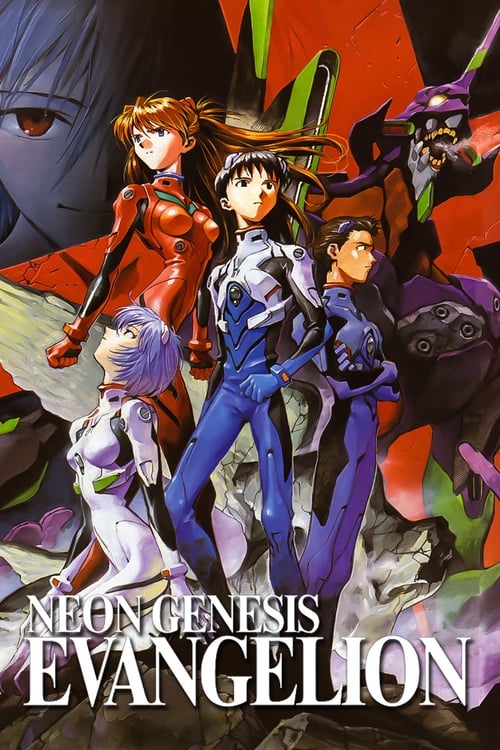
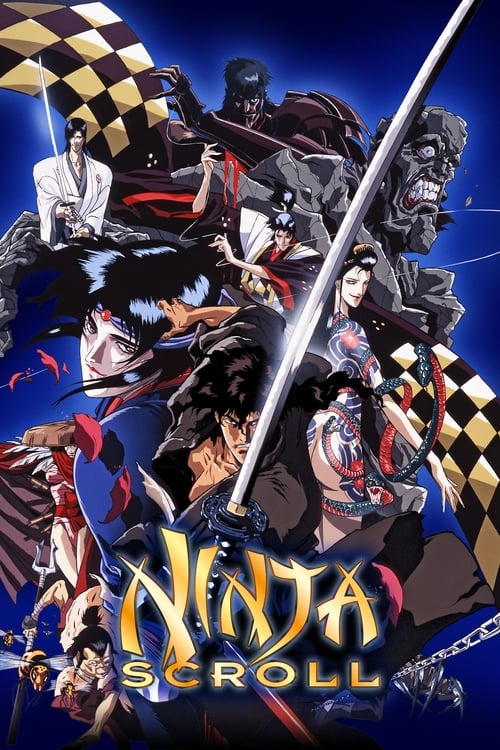


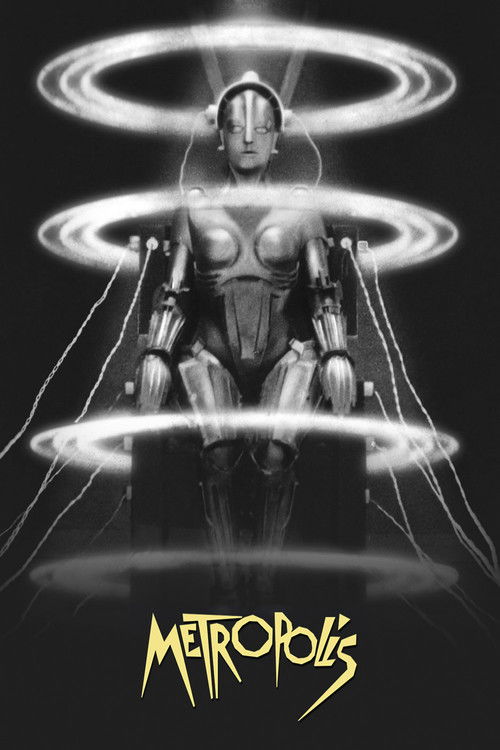

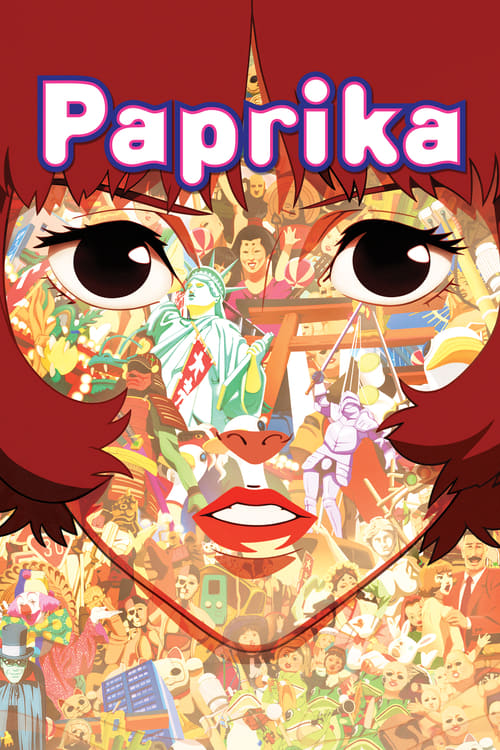
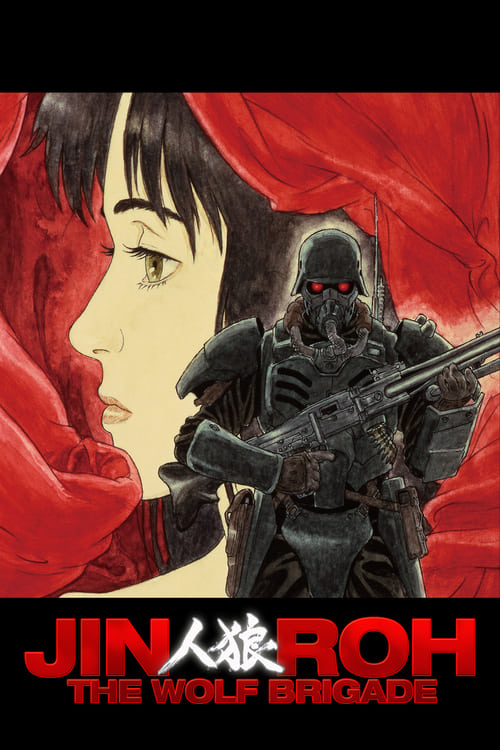
Live-Action and Western Films in the Same Vein
Megacity decay, psychic power, and the body pushed past its limits
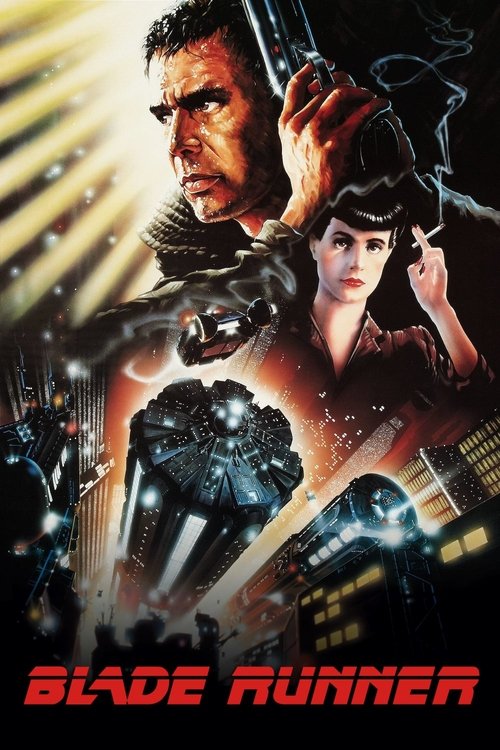
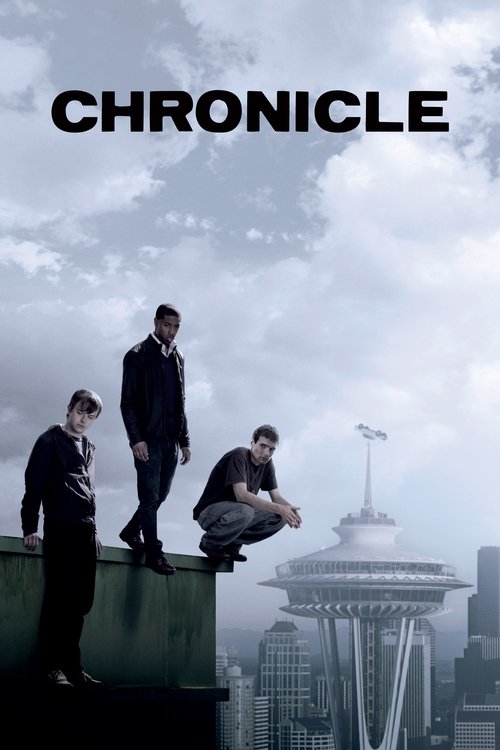
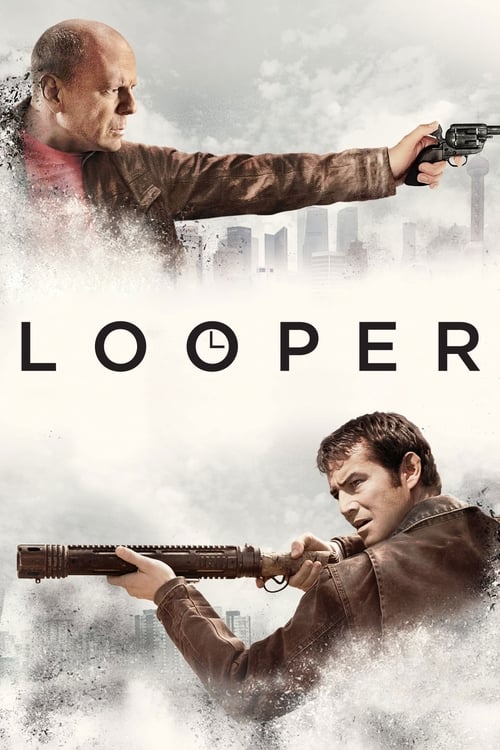
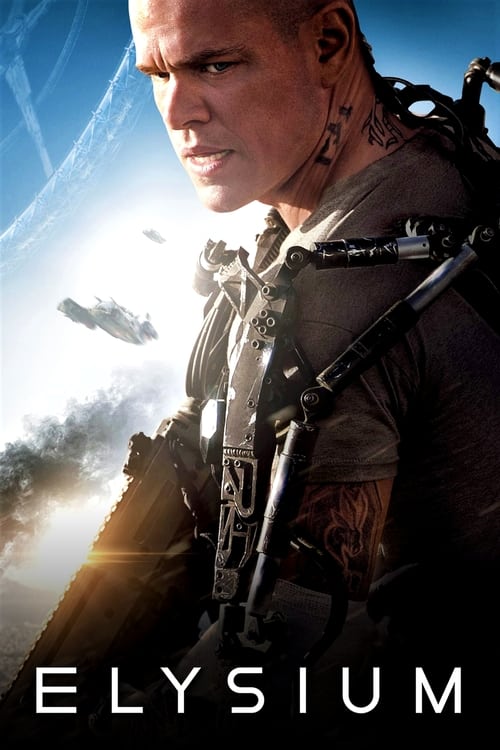
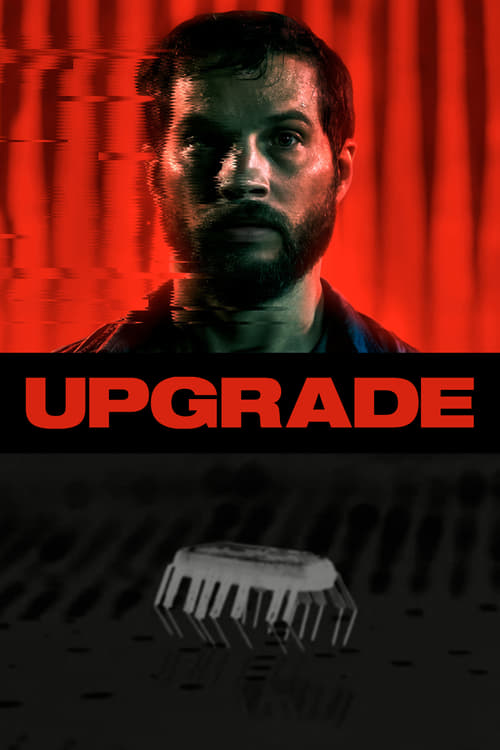
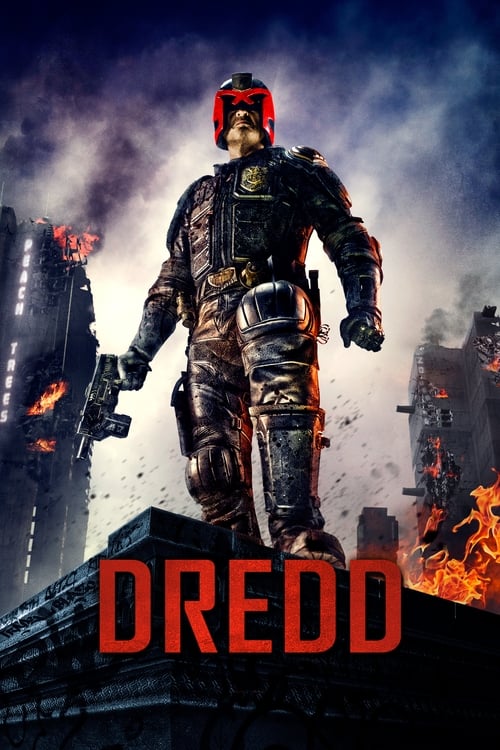
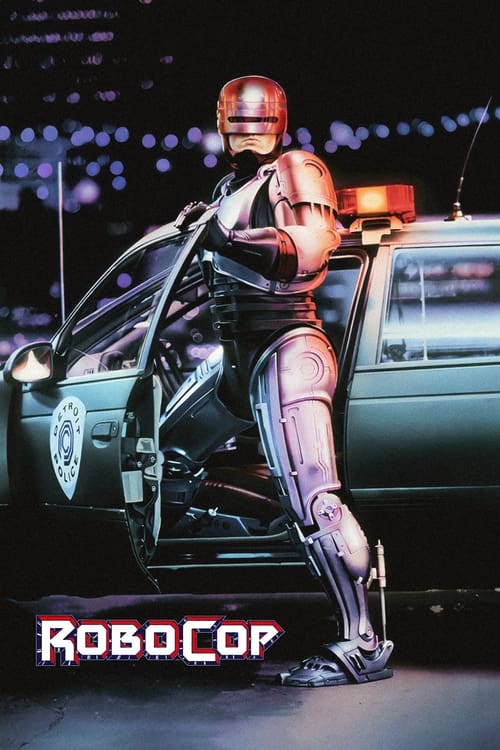
Books and Novels in the Cyberpunk Lineage
Science fiction that shares Akira's obsessions: urban rot, technology, and what power does to the body


Games That Live in the Same City
Cyberpunk streets, telekinetic combat, and urban apocalypse in interactive form

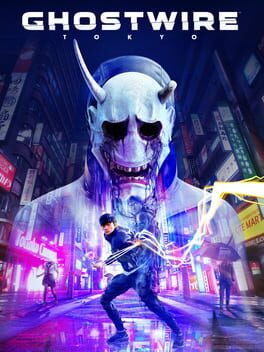
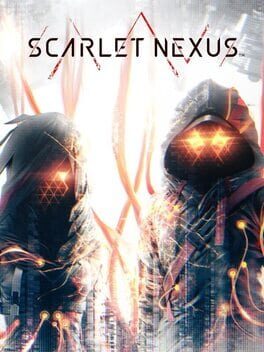
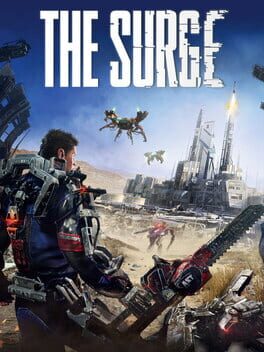
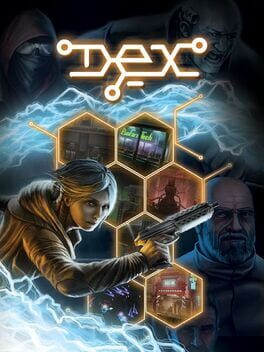
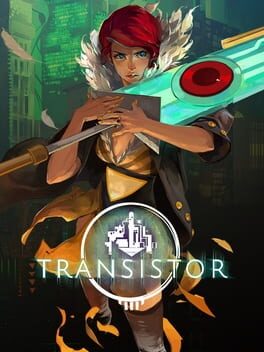
The Manga Leaves the Film Behind
Otomo's 1988 film is a landmark, but it covers roughly half the manga's story and compresses Tetsuo's arc in ways that blunt the horror of what he becomes. The manga's final three volumes go somewhere the film never reaches: a genuine reckoning with what psychic power means for human identity and political organization. Readers who only know the film are missing the argument Otomo was actually making.
Blame! Is What Akira's World Would Look Like in a Century
Tsutomu Nihei's Blame! takes Akira's crumbling megacity premise and extends it into pure architectural horror: a structure that has grown for a thousand years, consuming everything, governed by no one. Where Akira is about power and who holds it, Blame! is about infrastructure that has outlived its creators. Together they form a complete picture of what cities become when human control fails.
Ghost in the Shell Takes the Philosophical Question Further
Where Akira focuses on the body as a site of violence and transformation, Masamune Shirow's Ghost in the Shell asks what the self even is when the body is replaceable. Motoko Kusanagi is the logical extension of Tetsuo's trajectory: a person so altered by technology that the question of original identity is genuinely unanswerable. Both manga and both films reward reading in conversation with each other.
Cyberpunk 2077 Is the City Akira Described
Night City is the most complete three-dimensional realization of the visual language Otomo established: the layered megablock architecture, the gap between corporate vertical and street-level chaos, the bodies modified past recognition. Playing Cyberpunk 2077 after reading Akira is a reminder of how much the entire cyberpunk genre owes to six volumes of manga serialized in the 1980s.
Akira and the Works It Shaped
- 1982Akira begins serialization in Young Magazine Akira, Vol. 2
- 1984Nausicaa of the Valley of the Wind, volume 1 (Miyazaki)
- 1985Neuromancer wins the Hugo and Nebula; cyberpunk crystallizes as a genre Neuromancer
- 1988Akira animated film premieres, redefines anime production standards Akira
- 1989Ghost in the Shell manga begins serialization
- 1990Akira manga concludes with volume 6 Akira, Vol. 2
- 1995Ghost in the Shell film by Oshii arrives; Akira's DNA visible throughout Ghost in the Shell
- 1997Blame! begins serialization
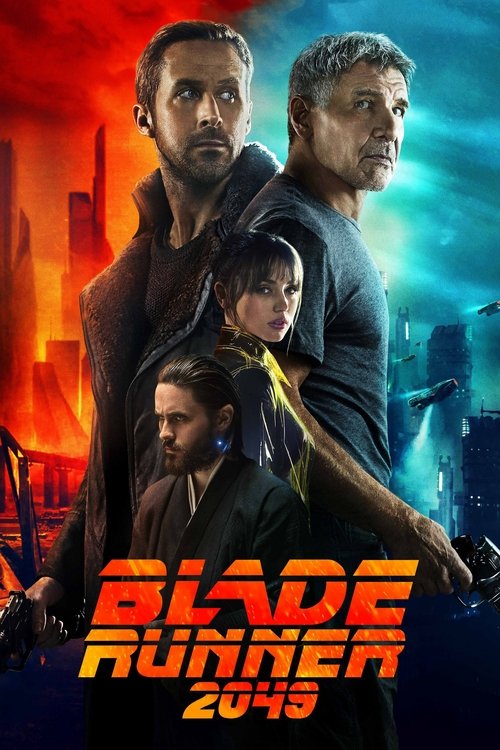
- 2017Blade Runner 2049 extends the cyberpunk city into a new generation Blade Runner 2049
- 2020Cyberpunk 2077 releases, a direct spatial heir to Otomo's Neo-Tokyo Cyberpunk 2077
More cyberpunk and synthetic flesh
Cyberpunk & Dystopia
Explore the Cyberpunk & Dystopia guide →Otomo drew Neo-Tokyo as a place that had already survived one catastrophe and was building toward another. That tension, between reconstruction and collapse, is the feeling every successor work has been trying to recreate.CrossBinge editorial