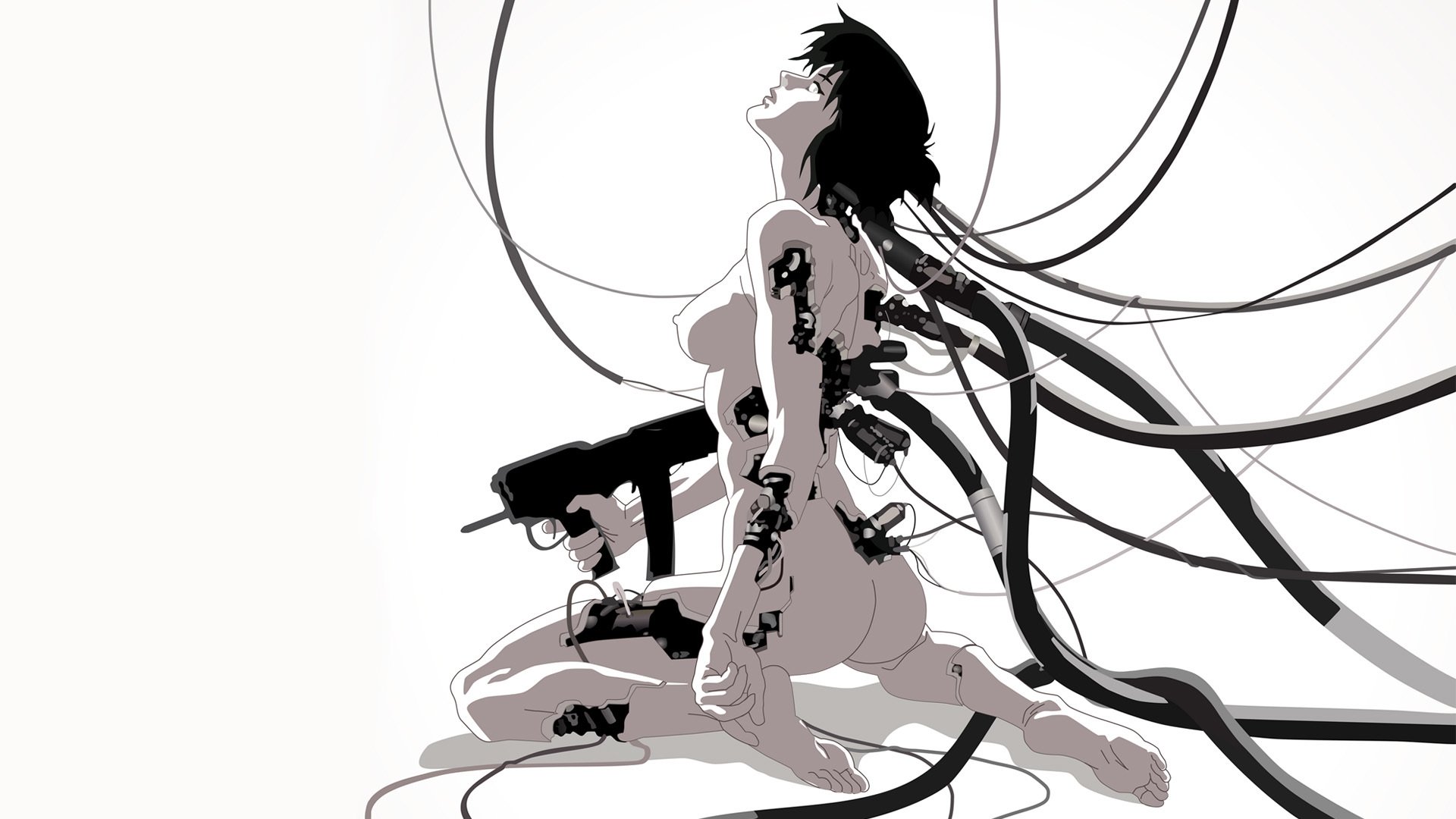

Ghost in the Shell began as Masamune Shirow's manga serial in 1989 and grew into one of the most influential science-fiction franchises ever created. The thread running through every film, series, game, and page is the question of identity under technological pressure: Major Motoko Kusanagi is a full-body cyborg whose brain is the only biological remnant, and the series uses that premise to interrogate memory, individuality, and what a self actually consists of. Mamoru Oshii's 1995 film adaptation brought that philosophy to world cinema and left a visible mark on the Wachowskis, on James Cameron, on every serious cyberpunk work that followed. Fans of Ghost in the Shell tend to have a specific appetite: they want science fiction that takes ideas seriously, worlds built with genuine architectural detail, and a mood that holds beauty and dread at the same time.
Essential Ghost in the Shell
The franchise's own primary works, from the founding manga to the series that expanded its world

If You Love the Philosophy: Anime That Thinks
Series and films that share Ghost in the Shell's commitment to ideas, not just spectacle
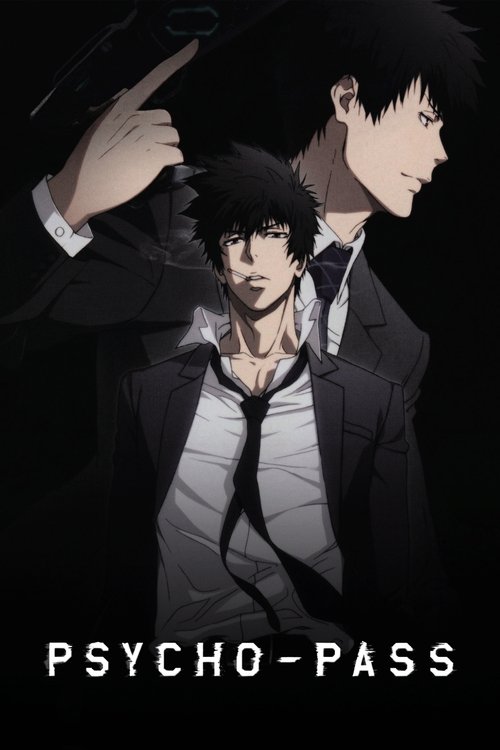
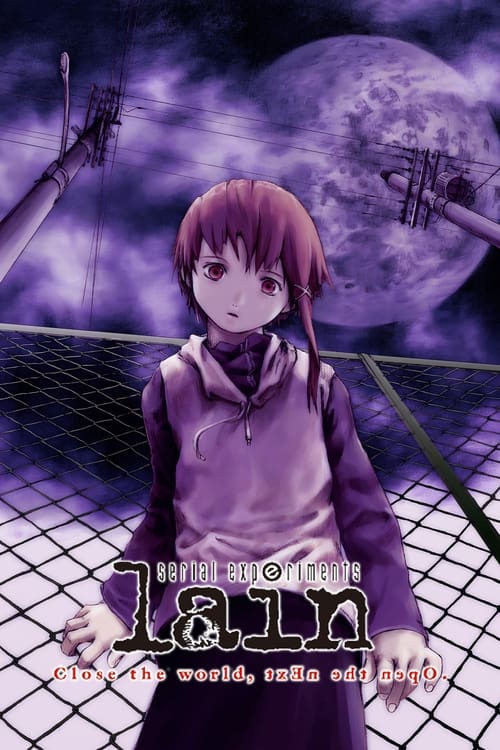
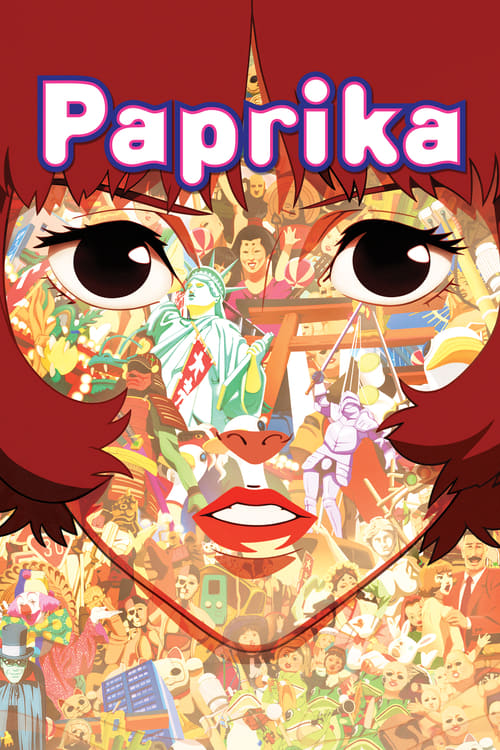
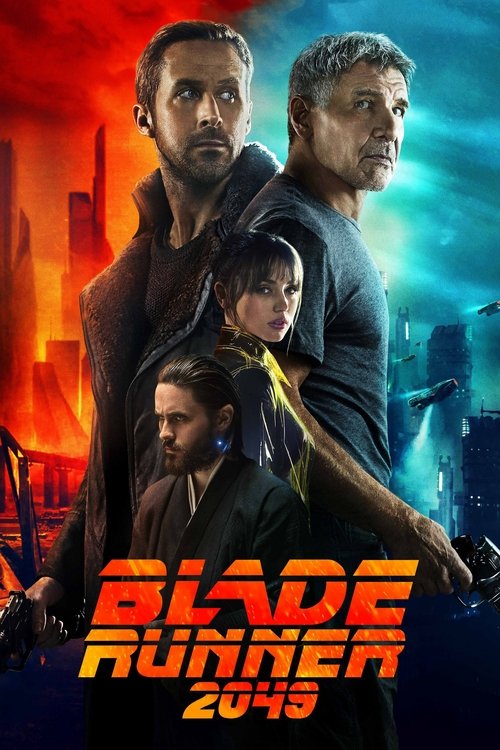
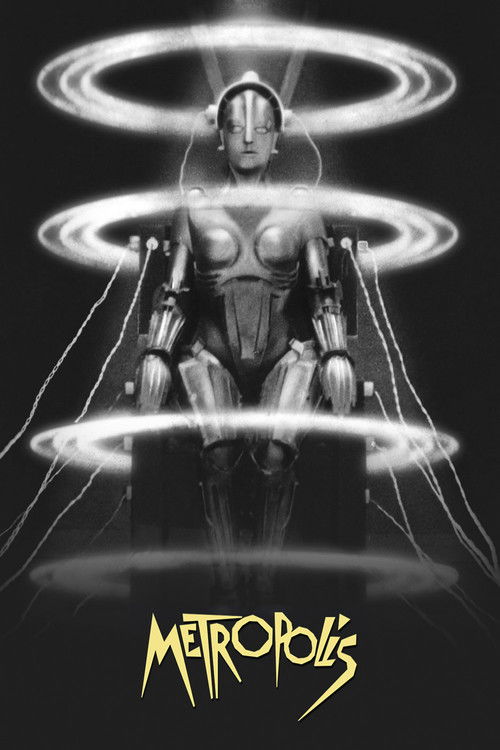


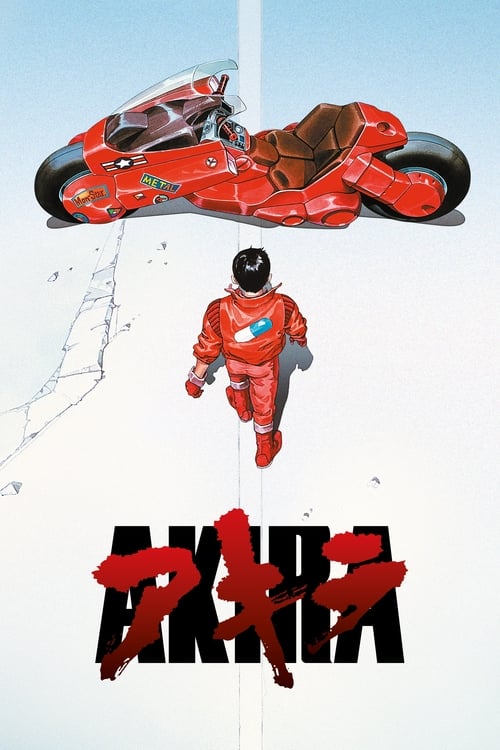
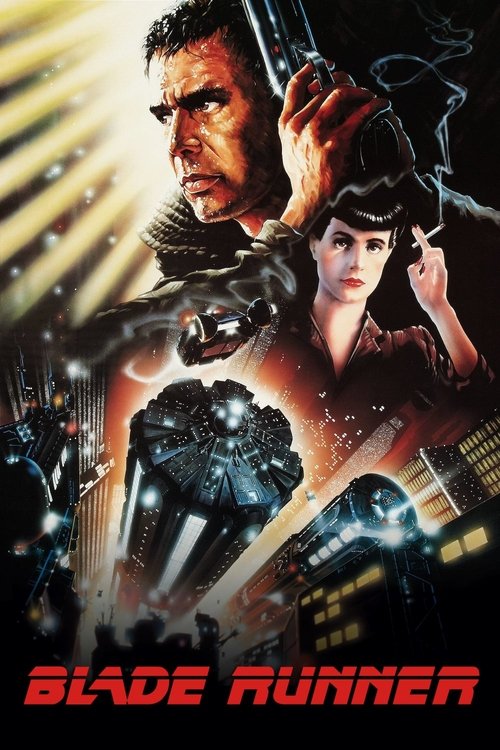
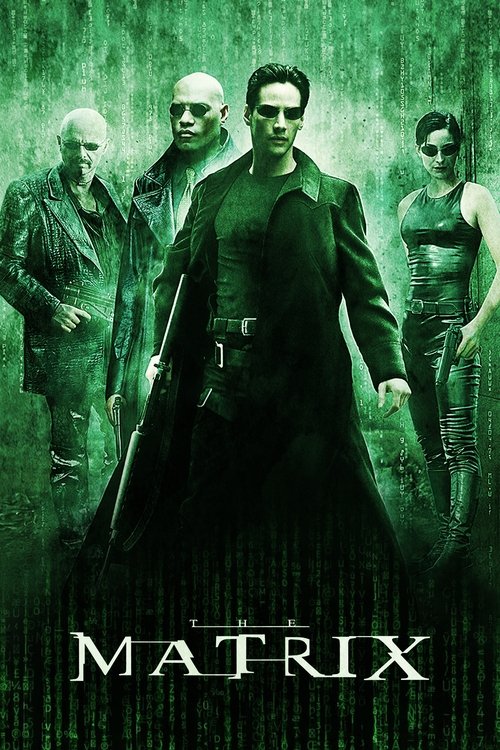
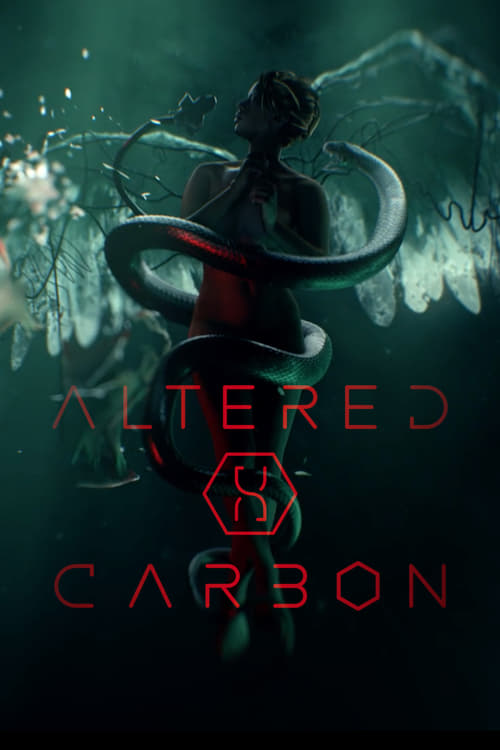
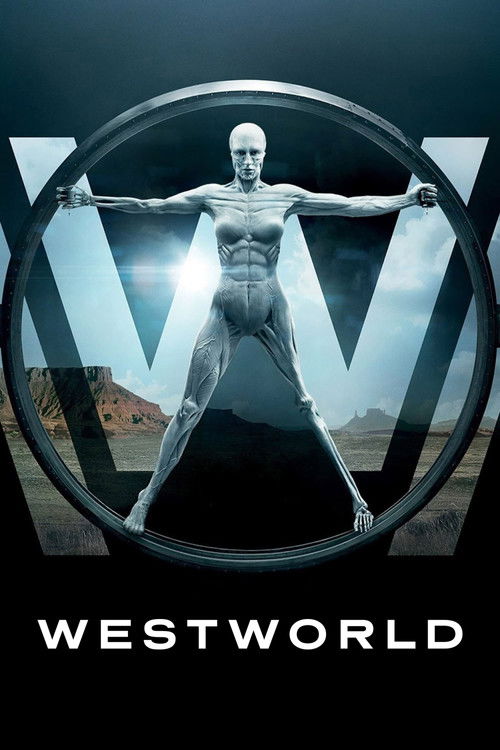
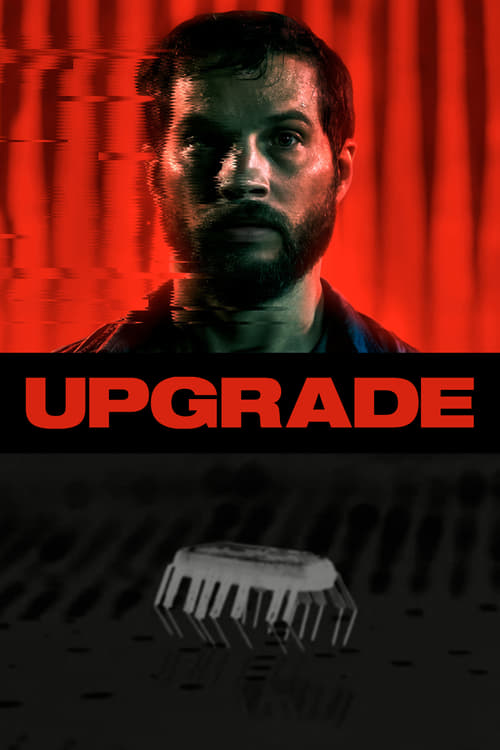
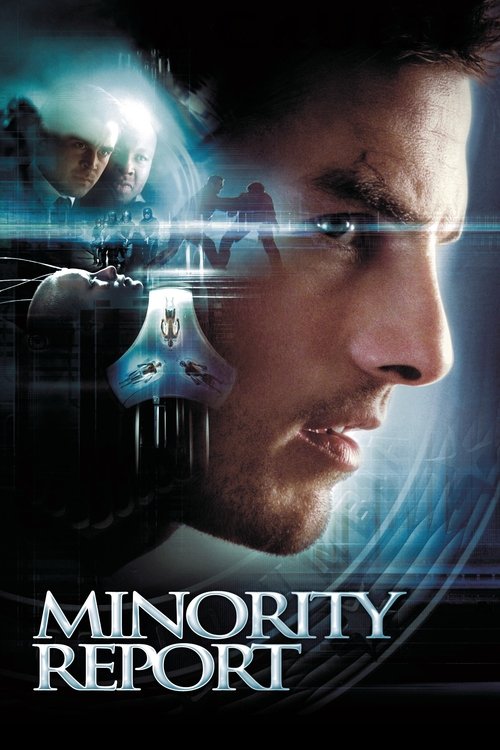
Cyberpunk Cinema and Television
Live-action films and series that occupy the same neon-drenched, surveillance-haunted world

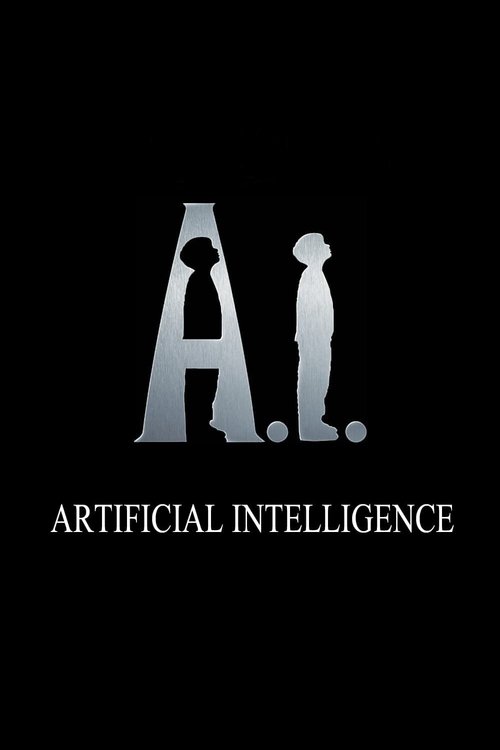

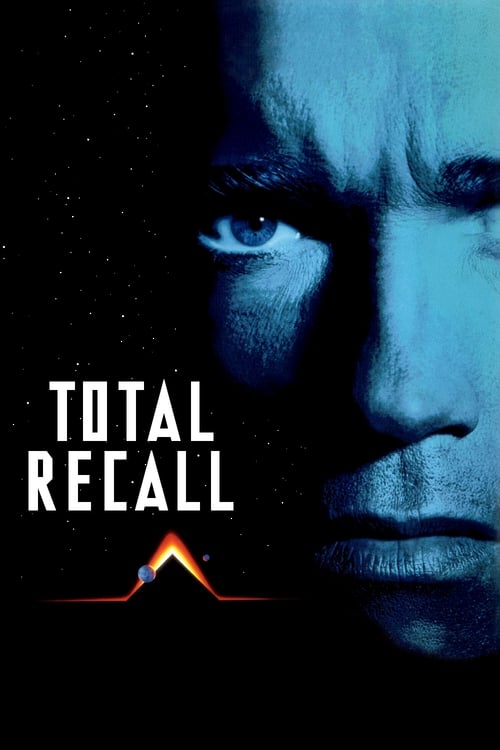
Books That Share the DNA
Novels and manga that explore identity, consciousness, and the blurred line between human and machine


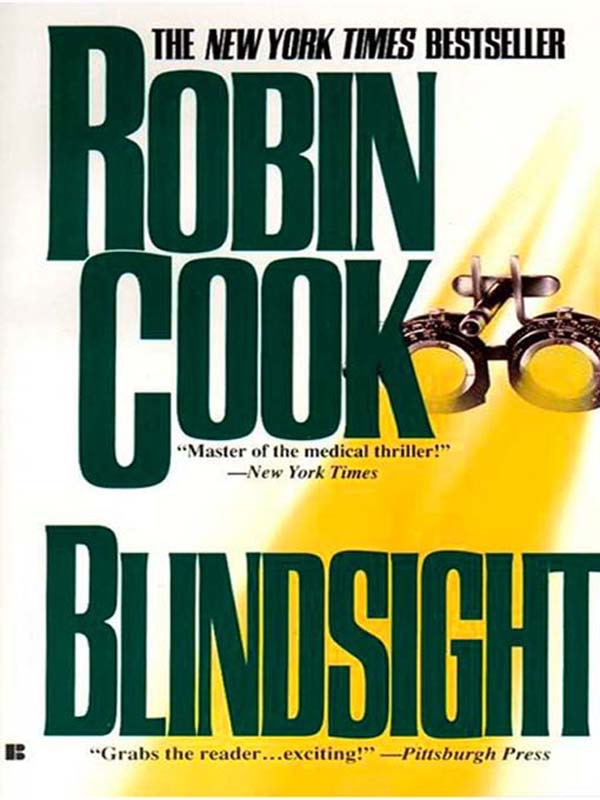


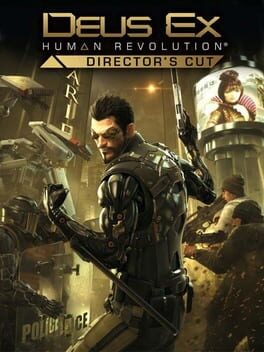
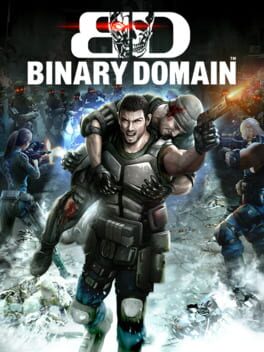
Games for the Cyborg Mind
Games that share Ghost in the Shell's stealth-action rhythm, transhumanist unease, or cyberpunk world-building



The 1995 Film Changed Everything
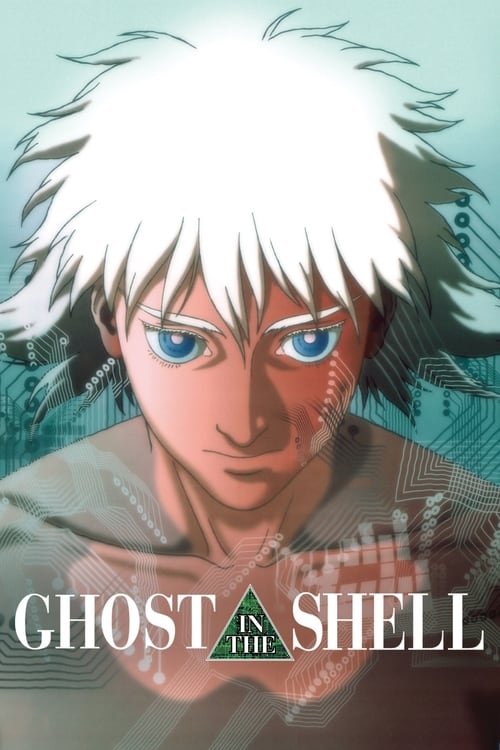
Mamoru Oshii's 1995 Ghost in the Shell is not simply a great anime film. It is one of the founding documents of modern science fiction cinema. The opening sequence alone, in which the Major undergoes a thermoptic camouflage dive, laid out a grammar of cyberpunk imagery that dozens of subsequent films borrowed without credit. Oshii slowed everything down, lingered on the city, and allowed the philosophy to breathe in ways TV animation could not. The result is a film that rewards multiple viewings because the argument it is making about consciousness and personhood deepens each time.
Stand Alone Complex Solved the Franchise's Hardest Problem
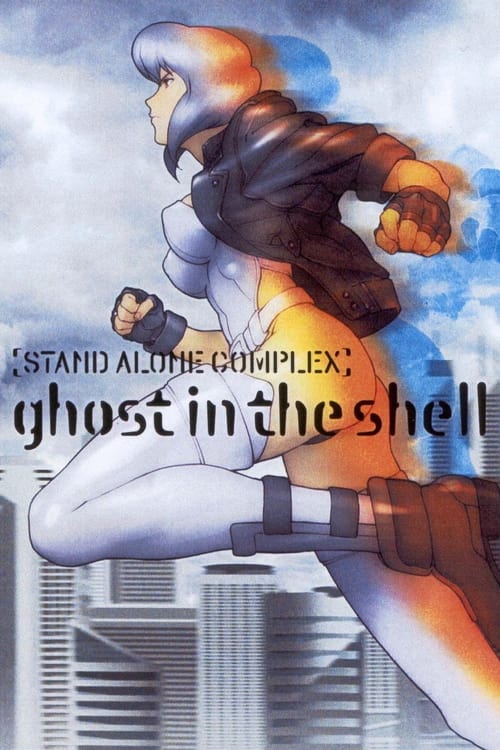
Expanding the mythology of Ghost in the Shell without Oshii's direction should not have worked. Kenji Kamiyama's Stand Alone Complex series not only worked but produced what many fans consider the definitive version of the Major. The format, alternating standalone procedural episodes with a long-form conspiracy arc, let the series sketch a fully realized society rather than a mood-piece. The Tachikomas, child-voiced spider tanks with emergent curiosity about their own souls, carry the philosophical weight more lightly and more effectively than the films' heavier dialogue. The second season, 2nd GIG, deepens that model with a refugee storyline that has only gained relevance since.
Cyberpunk Games Finally Caught Up
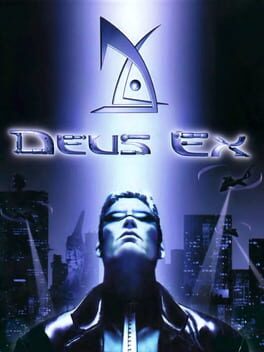
For years, games set in cyberpunk worlds aped the surface of Ghost in the Shell (wire-frame hacking sequences, thermoptic camouflage, cyborg soldiers) without engaging the underlying questions. That changed with NieR: Automata, which used its action-game structure to ask what purpose, memory, and sacrifice mean to beings who know they can be copied and reset. Deus Ex: Human Revolution is a more direct heir: Adam Jensen is a reluctant cyborg navigating a world divided over augmentation, and the game's corporate conspiracy has the same texture as a Section 9 investigation. Cyberpunk 2077, for all its rocky launch, ultimately delivered one of the most detailed visions of the kind of city the 1995 film implied.
The Books That Built the World Ghost in the Shell Inherited
Masamune Shirow has cited William Gibson as an influence, and the cyberpunk literary tradition that runs from Neuromancer through Snow Crash is the direct ancestor of the Major's world. Gibson invented the vocabulary: cyberspace as a place you go, corporations as the real governments, the street finding its own uses for things. Shirow took that vocabulary and asked the more specifically Japanese philosophical question about the self that is the franchise's actual heart. For fans approaching the books from the anime direction, Do Androids Dream of Electric Sheep? is the most direct bridge: a bounty hunter, artificial humans with implanted memories, and the unanswerable question of what distinguishes real empathy from a convincing simulation.
The Ghost in the Shell Timeline
- 1989Masamune Shirow's manga begins serialization in Young Magazine
- 1995Mamoru Oshii's theatrical film premieres, later cited by the Wachowskis and James Cameron Ghost in the Shell
- 2002Kenji Kamiyama's Stand Alone Complex series begins, expanding the universe into a full society Ghost in the Shell: Stand Alone Complex
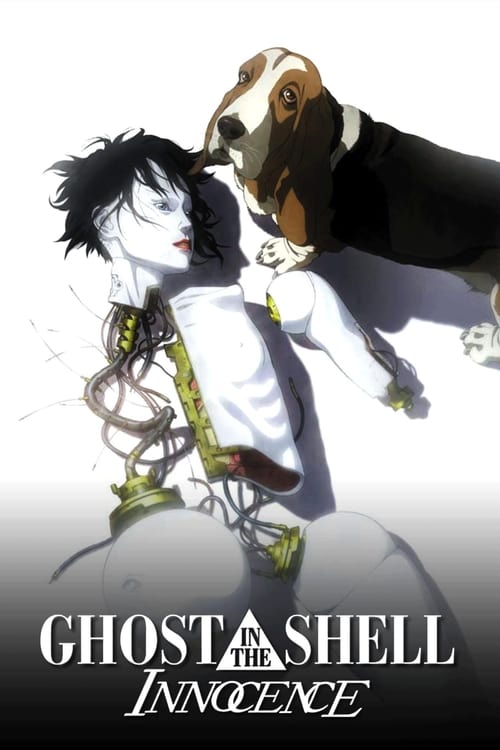
- 2004Oshii returns with Innocence, a contemplative philosophical sequel Ghost in the Shell 2: Innocence
- 2004Second season of Stand Alone Complex opens, adding a refugee political arc
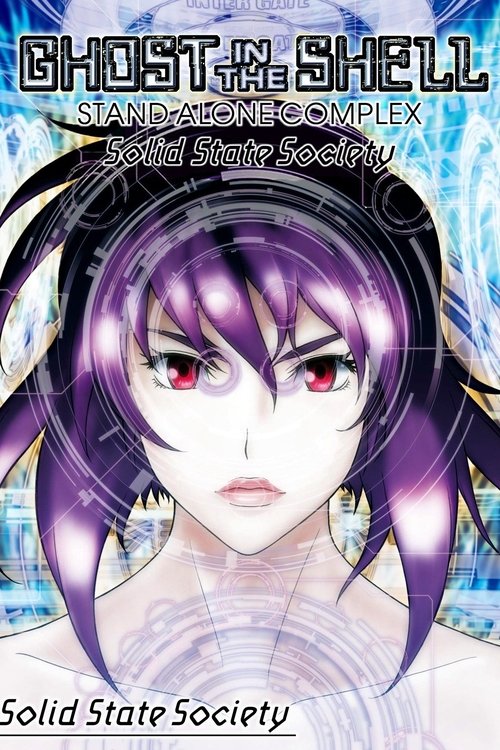
- 2006Solid State Society TV film concludes the Stand Alone Complex continuity Ghost in the Shell: Stand Alone Complex - Solid State Society
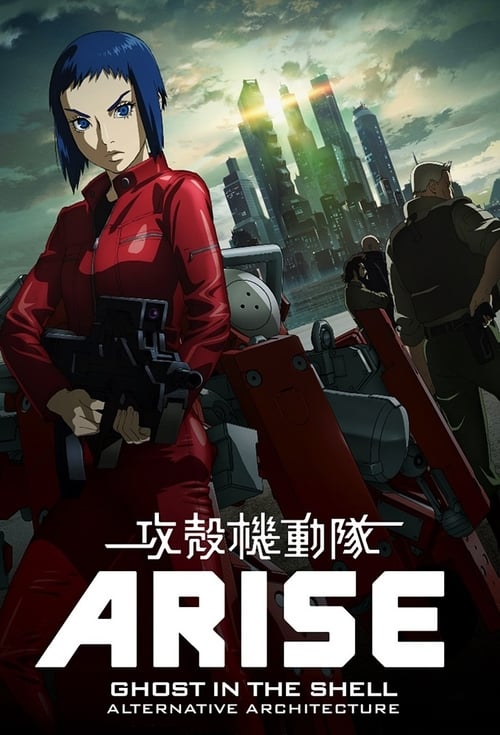
- 2013Arise OVA series launches, rebooting the Major as a younger operative Ghost in the Shell: Arise - Alternative Architecture
- 2017Live-action Hollywood adaptation with Scarlett Johansson released Ghost in the Shell
- 2020SAC_2045 Netflix series arrives, continuing the Stand Alone Complex lineage in CG animation Ghost in the Shell: SAC_2045
More Cyberpunk and Cyborg Identity
Cyberpunk & Dystopia
Explore the Cyberpunk & Dystopia guide →If we did not have a ghost, we would not need a shell. The franchise's real subject has never been the machine. It is the part that wonders whether it is still human.CrossBinge