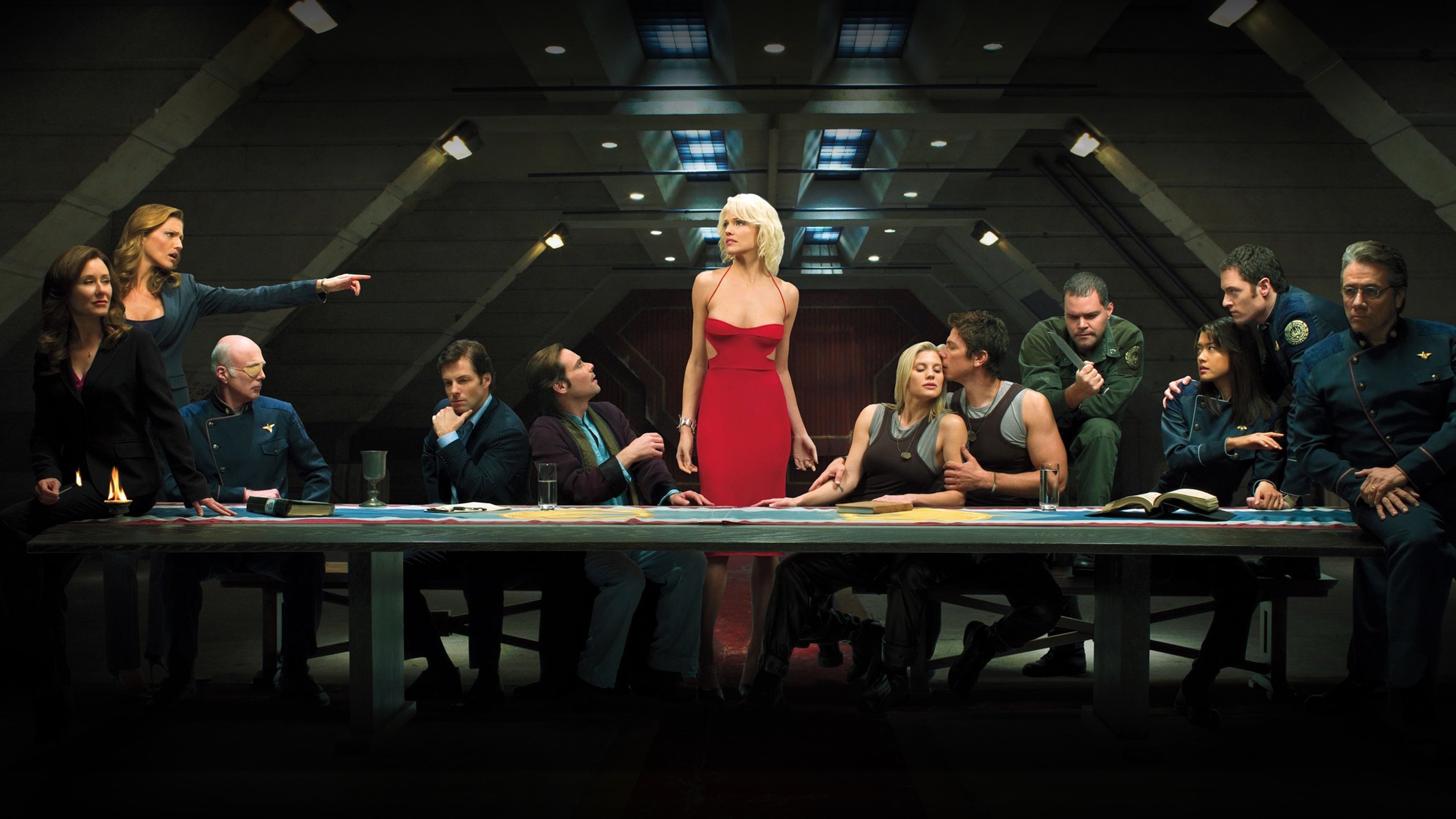

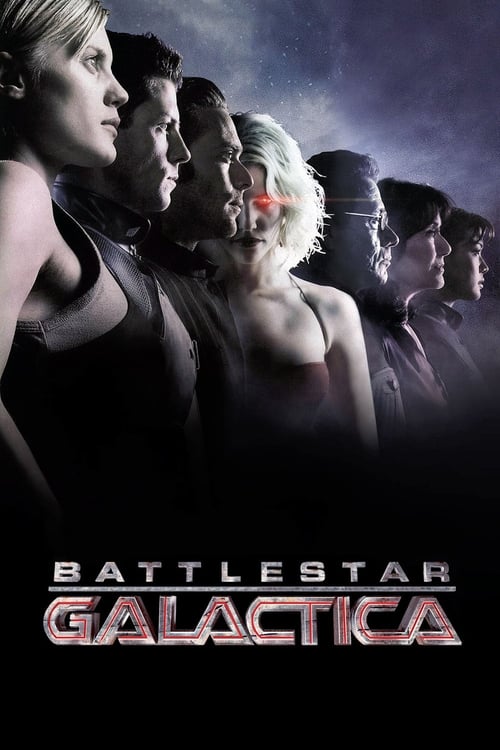
Ronald D. Moore's 2004 reimagining of Battlestar Galactica reset the standard for prestige science fiction on television. The Colonial fleet, fleeing a Cylon holocaust with fewer than 50,000 survivors, is not a story about ray-guns and alien monsters. It is a story about democracy under siege, about torture and its price, about what separates a person from a machine. The series ran four seasons on Sci Fi Channel (2004-2009), beginning with a 2003 miniseries that reintroduced the premise of the 1978 original. Its central tension: the Cylons look human now. Some of them do not even know what they are. If the enemy is indistinguishable from the crew, who gets to decide who deserves rights? That question never fully resolves, and that is exactly what makes the show worth revisiting.
Series That Match the Pressure
Science fiction and drama that sustain the same moral and political weight




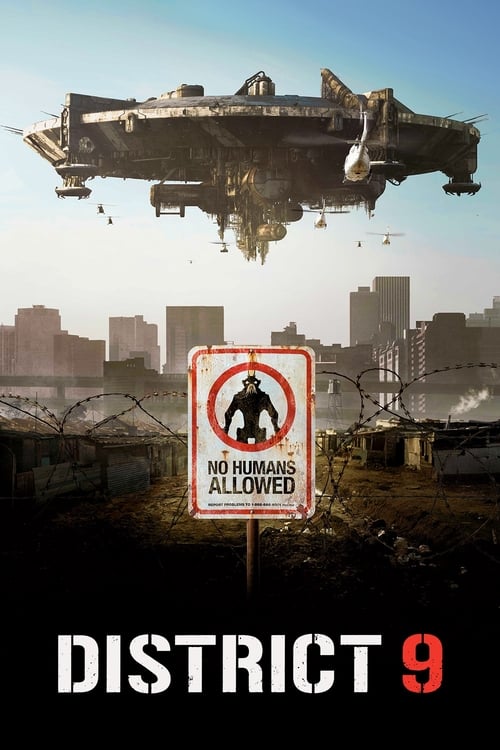
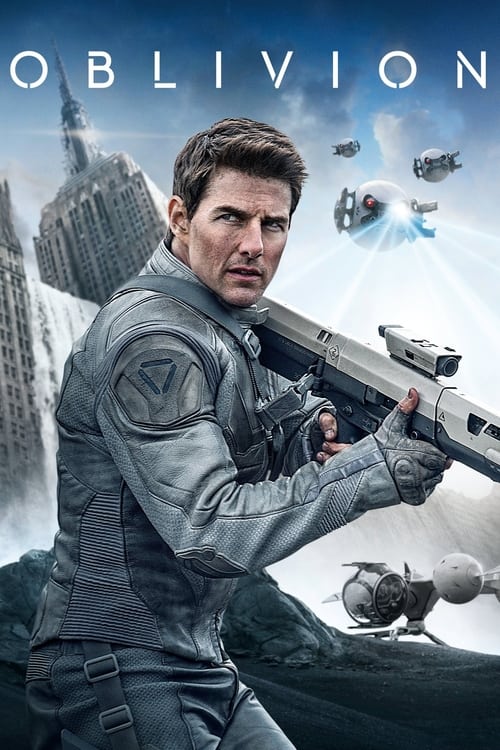
Films in the Same Register
Cinema that asks hard questions about identity, survival, and what humanity costs



Books That Occupy the Same Space
Science fiction literature built on politics, artificial life, and the collapse of civilization




Games About Survival and Hard Choices
Games that put you in command with no clean options

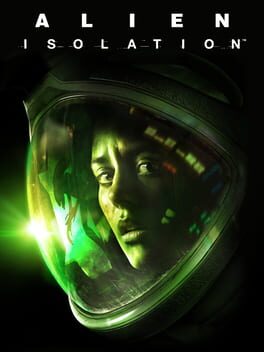


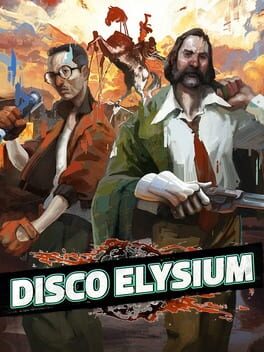

The Pilot Is Still the Best Thing on Television
The 2003 miniseries did something that most pilot episodes avoid: it let things go badly from the very first hour and did not walk it back. The Colonial fleet is not crippled in a fight it might still win. It is obliterated. Forty billion people are dead before the opening titles have fully registered. Moore and writer David Eick refused the rescue fantasy. That commitment to consequence is the entire tone of the show in two hours.
The Expanse Picked Up Where BSG Left Off
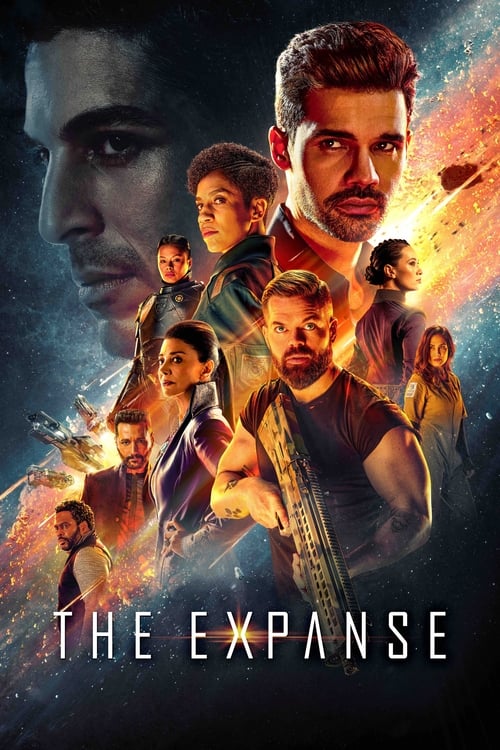
When Battlestar Galactica ended in 2009, science fiction television left a gap that took years to fill. The Expanse (2015-2022), adapted from James S.A. Corey's novel series, fills most of it. Both shows treat space as genuinely hostile, politics as genuinely messy, and characters as genuinely breakable. The Expanse adds harder science and loses some of BSG's theological overtones, but the moral complexity is comparable. Watch them back to back and you get a near-decade of prestige space opera that earns every death.
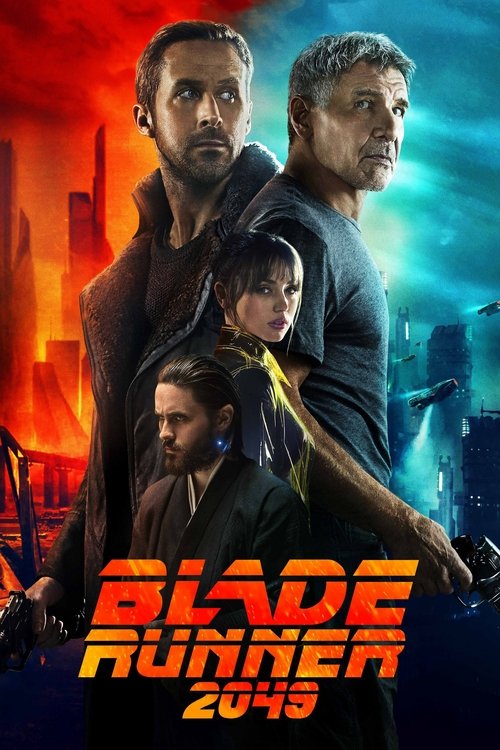
Blade Runner 2049 Is the Closest Cinema Gets to BSG's Core Question
Philip K. Dick asked whether androids dream of electric sheep in 1968. Blade Runner made the question visual in 1982. Denis Villeneuve's 2049 sequel finally pushes past the premise into what Battlestar Galactica spent four seasons examining: not whether artificial beings are conscious, but what follows from the answer. K's arc, like the Final Five's, is not a mystery to be solved but a condition to be lived with. The film is patient in a way blockbusters rarely are.
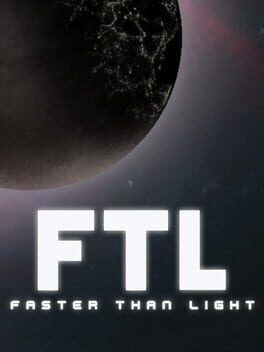
FTL Puts You Inside the Fleet
Faster Than Light (2012) is the closest a game has come to BSG's procedural dread. You are always outnumbered, your crew is always exhausted, your hull is always one bad jump from critical. The permadeath roguelike structure means every decision carries the same weight as a Colonial fleet vote: someone is not making it out. There is no canonical ending where everyone survives, which is, in retrospect, the most BSG design choice possible.
A Brief History of Battlestar Galactica
- 1978Original series premieres on ABC, created by Glen A. Larson Battlestar Galactica
- 1980Short-lived sequel series attempts to continue the story Galactica 1980
- 2003Ronald D. Moore and David Eick's reimagining miniseries airs on Sci Fi Channel Battlestar Galactica
- 2004Weekly series launches; becomes a critical landmark for prestige TV Battlestar Galactica
- 2007Razor TV movie fills in the backstory of the Pegasus Battlestar Galactica
- 2009Series concludes its fourth and final season Battlestar Galactica
- 2010Caprica prequel series explores the creation of the Cylons Caprica
- 2012Blood and Chrome webseries depicts the First Cylon War Battlestar Galactica
Survival, identity, and what makes us human
For Fans of The Expanse
Explore the For Fans of The Expanse guide →So say we all.Battlestar Galactica, 2004-2009