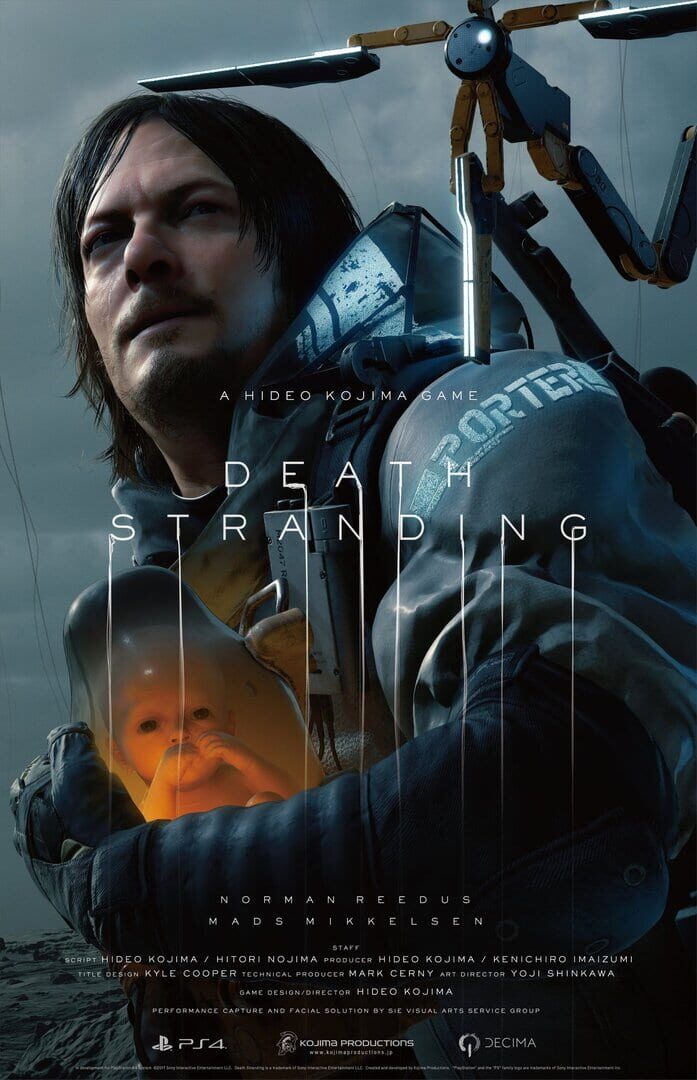

Death Stranding asks a question few games dare to: what if the act of delivery, of crossing impossible distances to hand something to another human, were the entire point? Hideo Kojima's first post-Konami work is a game about disconnection as catastrophe and reconnection as heroism. It layers ghost mythology, quantum physics, and grief into a slow-burn road narrative that rewards patience the way few games ever have. The through-line is loneliness made physical, and the strange warmth that comes from leaving a rope for a stranger you will never meet.
Essential Death Stranding
Kojima's delivery epic and its roots in the Metal Gear saga
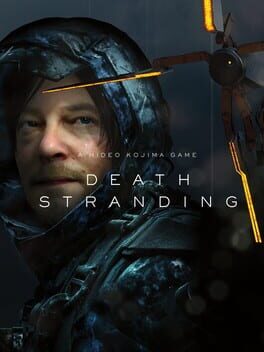
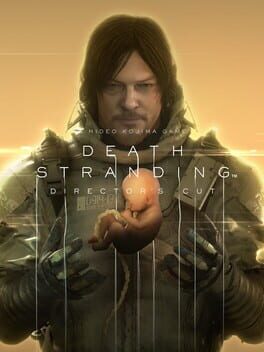

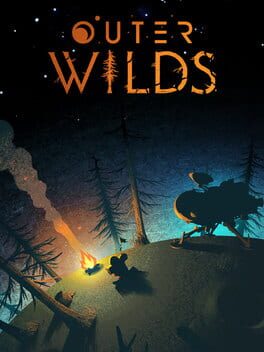
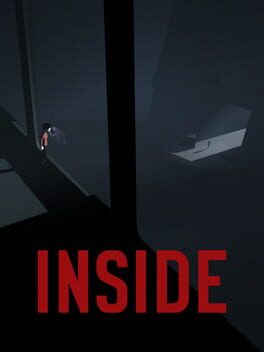
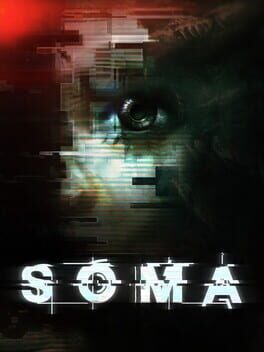
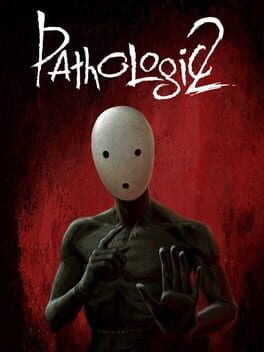
Games That Walk in Silence
Atmospheric, slow-burn narrative games where the journey is the point
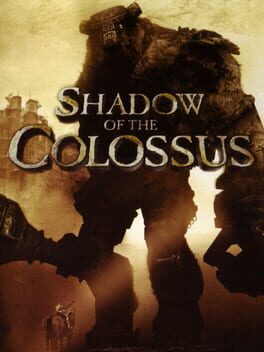
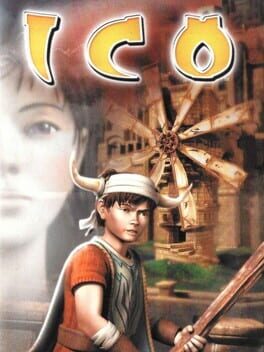
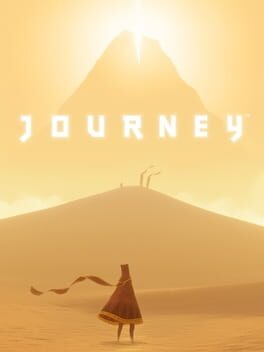

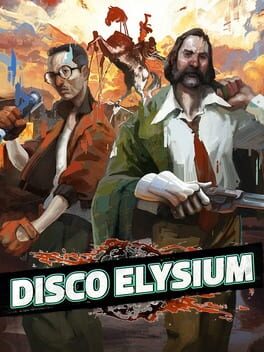
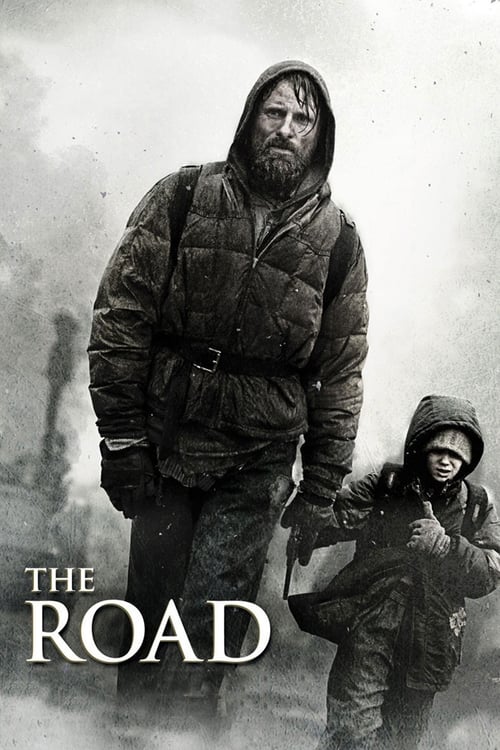
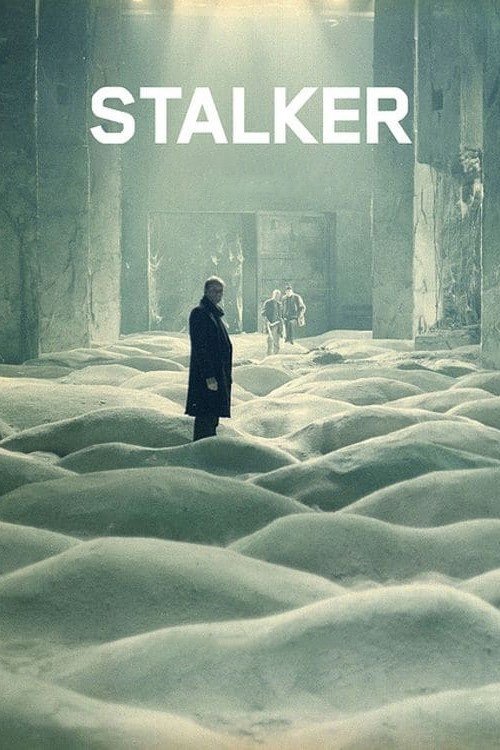
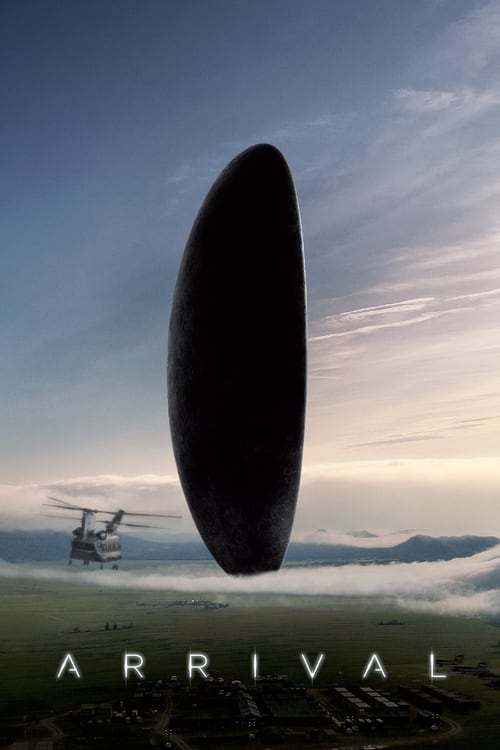
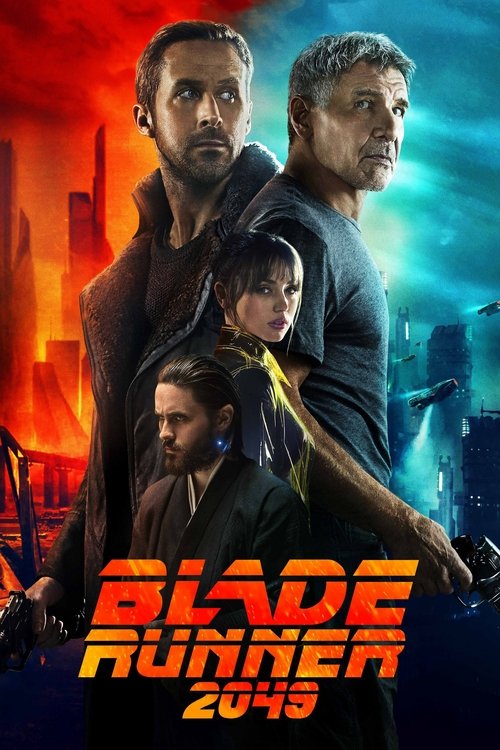
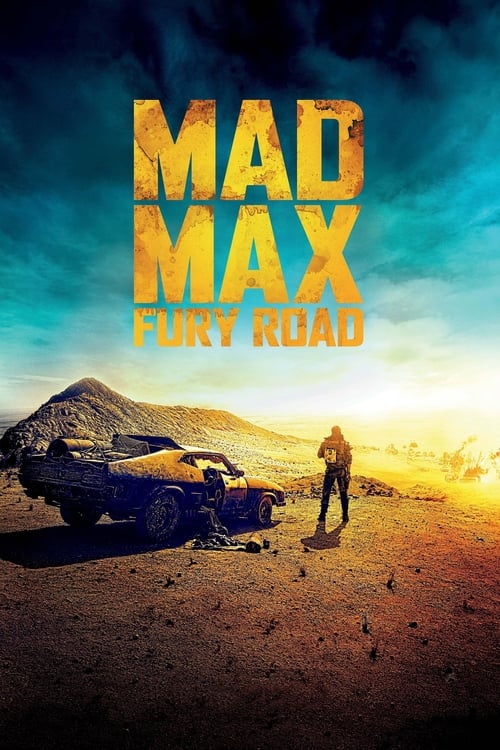
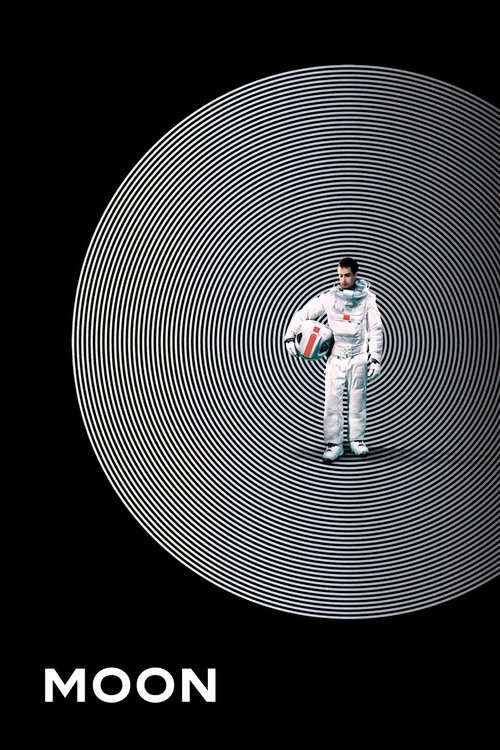
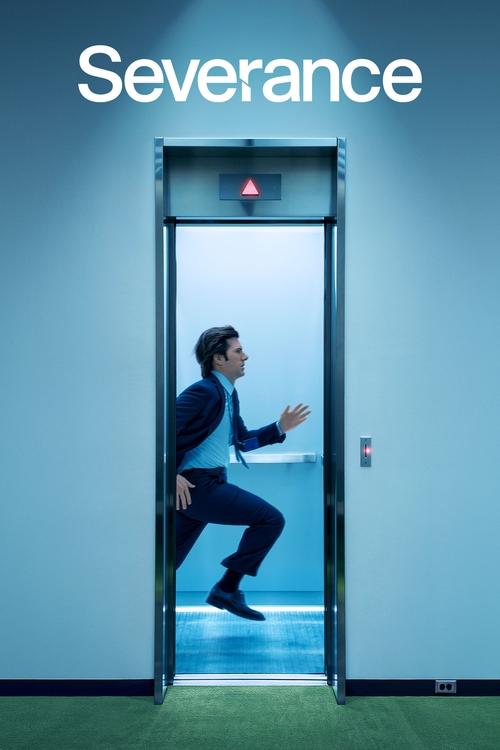
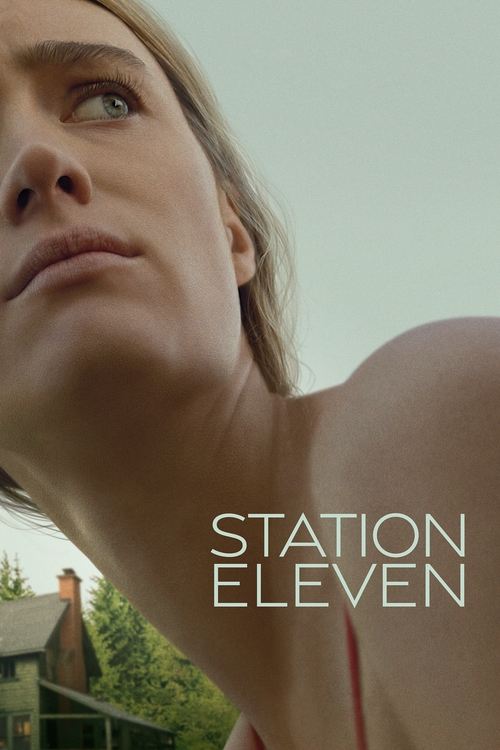
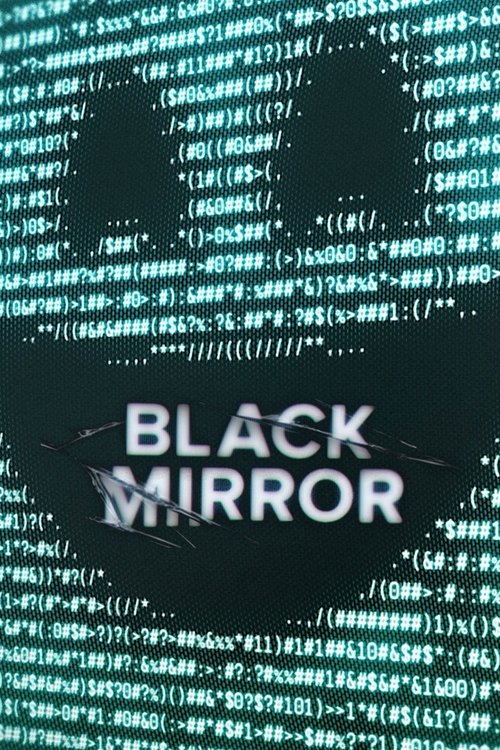
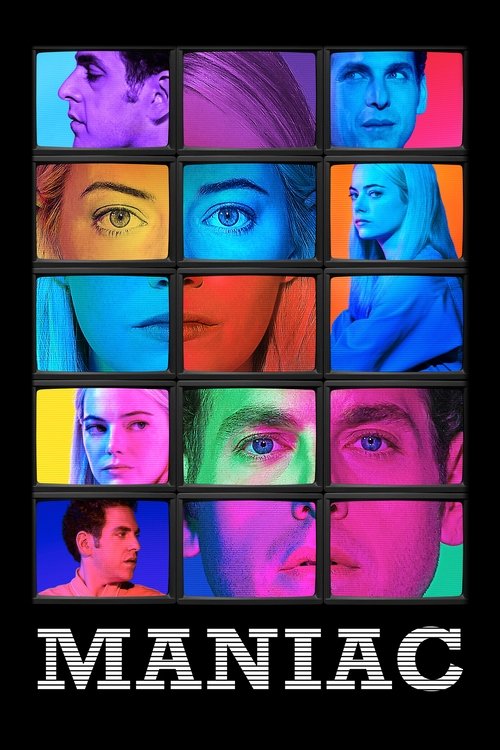
Cinematic Desolation
Films and series with the same post-apocalyptic isolation and emotional weight

Weird, Literary Science Fiction
Novels that sit at the edge of surreal and speculative, the way Death Stranding does


The Walk Is the Game
Death Stranding was dismissed on release as a game where you just walk and deliver packages. That dismissal misses the point entirely. The physicality of traversal, the weight of cargo, the danger of rushing, the satisfaction of a zipline built exactly where you needed one: these are not thin mechanics filling time between cutscenes. Kojima made walking itself feel consequential, and that is a genuine design achievement. The game trusts you to find meaning in repetition, the way a long hike does.
Kojima Is Not Subtle, and That Is Part of It
Every Kojima game eventually reveals that it is also a lecture on identity, nuclear deterrence, information warfare, or grief. Death Stranding goes harder than any of them: it literalizes connection as its central mechanic and names the villain Higgs and the protagonist Sam Porter Bridges without a trace of irony. This is maximalism as philosophy. You either surrender to the sincerity or you bounce off it. Fans of his work have long since made their peace with the sermon, and found that the sermon is usually right.
Post-Apocalypse as Grief Landscape
The best post-apocalyptic fiction is not really about collapse. It is about loss: of people, of routine, of the assumption that tomorrow exists. Death Stranding, The Road, Station Eleven, and The Leftovers all use catastrophe as a frame for grief work. They ask what you carry forward, what you owe the dead, and whether community is worth rebuilding. The answer, in all of them, is yes, but the cost is made visible and real.
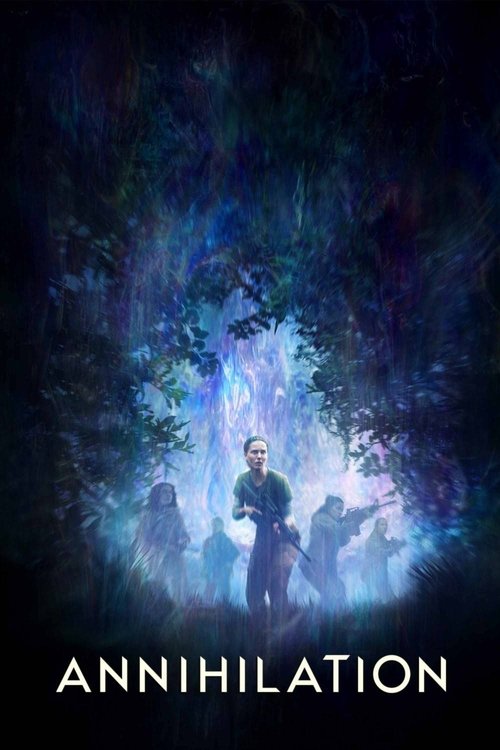
Annihilation and the Unknowable Zone
Jeff VanderMeer's Southern Reach trilogy and Alex Garland's film adaptation share Death Stranding's core anxiety: that some forces are genuinely beyond human comprehension, and that the worst response to them is the assumption that they can be controlled or fully understood. Area X, the Beach, and the Backrooms are the same space redrawn. They reward explorers who accept ambiguity and punish those who demand clean answers.
Kojima: A Creative Timeline
- 1987Metal Gear released on MSX2, introducing Solid Snake and stealth as a genre Metal Gear
- 1998Metal Gear Solid redefines cinematic game storytelling on PS1 Metal Gear Solid
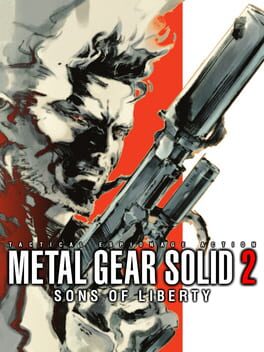
- 2001MGS2 drops its infamous identity-and-simulation twist on players Metal Gear Solid 2: Sons of Liberty
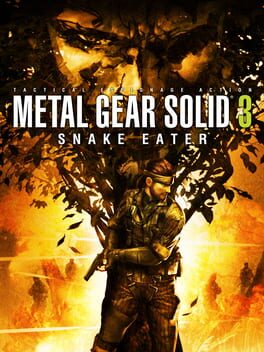
- 2004MGS3 takes the series to the Cold War with a stripped-back survival system Metal Gear Solid 3: Snake Eater
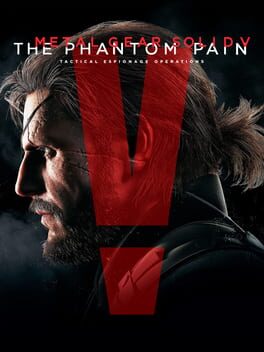
- 2015MGSV: The Phantom Pain releases, Kojima departs Konami Metal Gear Solid V: The Phantom Pain
- 2019Death Stranding launches, Kojima Productions' debut title Death Stranding
- 2021Director's Cut expands Death Stranding with new missions and systems Death Stranding: Director's Cut
More isolation, survival, and connection
For Fans of Hideo Kojima
Explore the For Fans of Hideo Kojima guide →The strand connects us all. What you deliver is not just cargo. It is proof that someone tried.Death Stranding