

Metal Gear Solid is the rare franchise that makes you feel the weight of what a soldier carries before he pulls a trigger. Hideo Kojima's series turned Cold War paranoia, nuclear proliferation, and the ethics of obedience into something that plays like a blockbuster thriller and reads like a philosophy seminar. The hook is stealth, but the through-line is identity: who made you, who controls you, and whether you can ever be more than the mission you were born to complete. Fans of MGS are drawn to work that treats tension as an intellectual game, that hides its biggest arguments inside its most spectacular setpieces, and that refuses to let genre comfort get in the way of an uncomfortable question.
Essential Metal Gear
The core Kojima canon, in order of impact

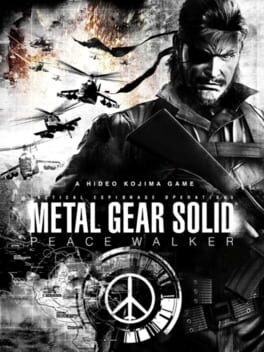
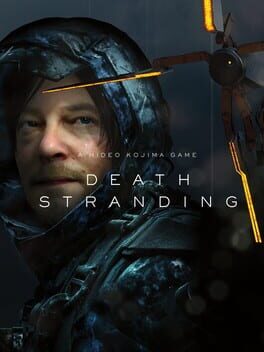

If You Love the Stealth and Cinematic Tension
Games that match the tactical patience and dramatic payoff
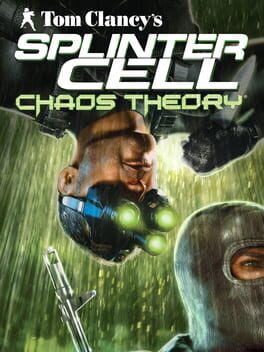
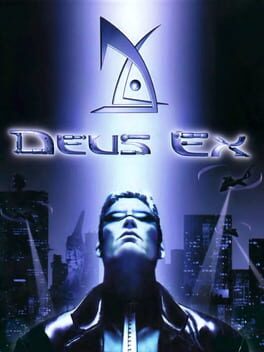
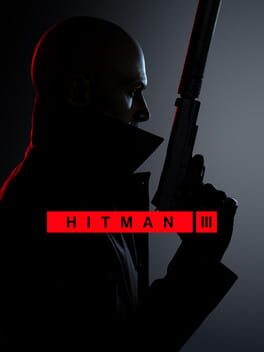
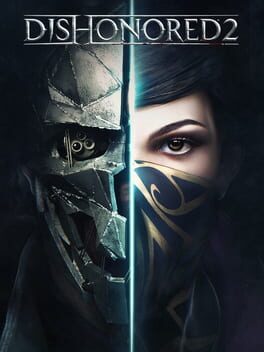
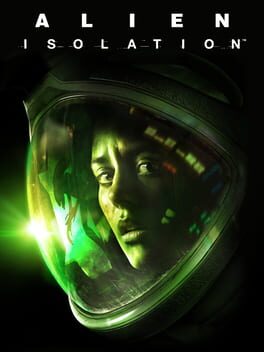

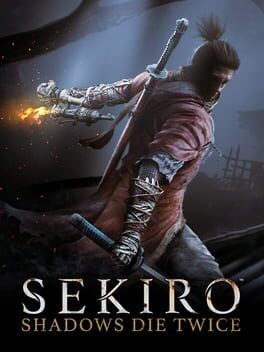

If You Love the Cold War Paranoia and Spy Craft
Films and series steeped in the same ideological shadow war





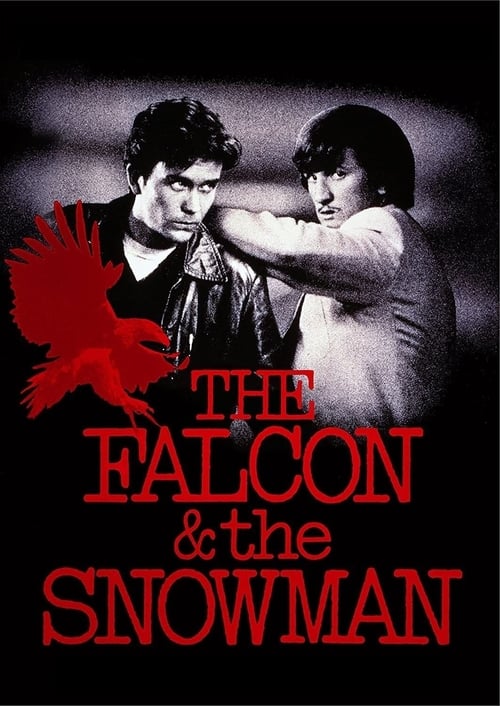
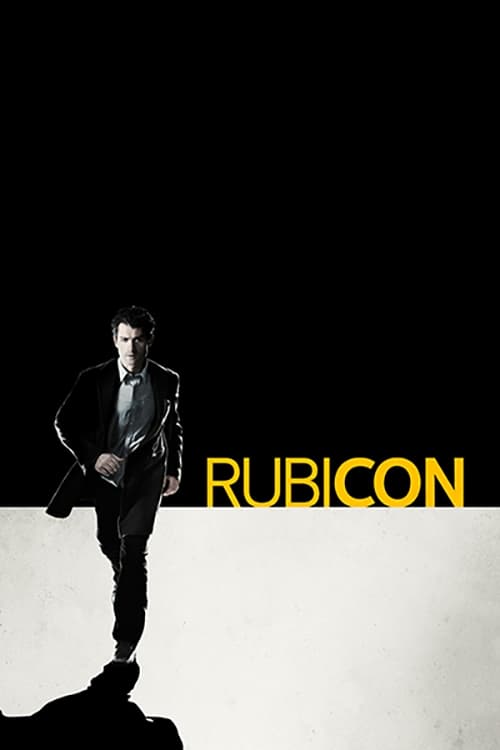
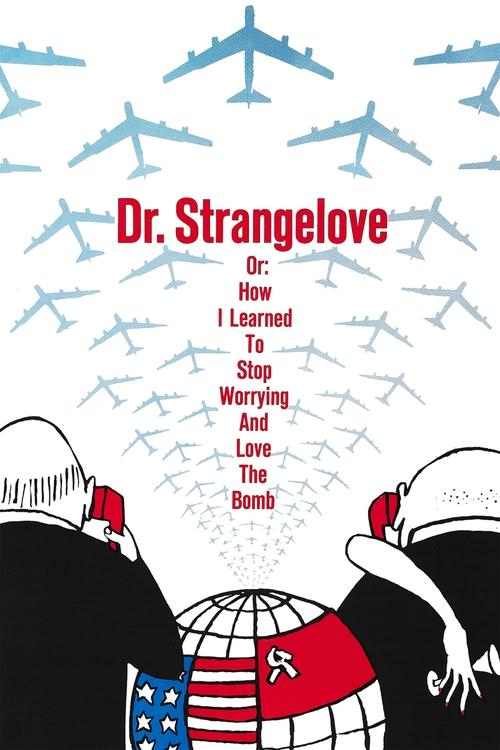
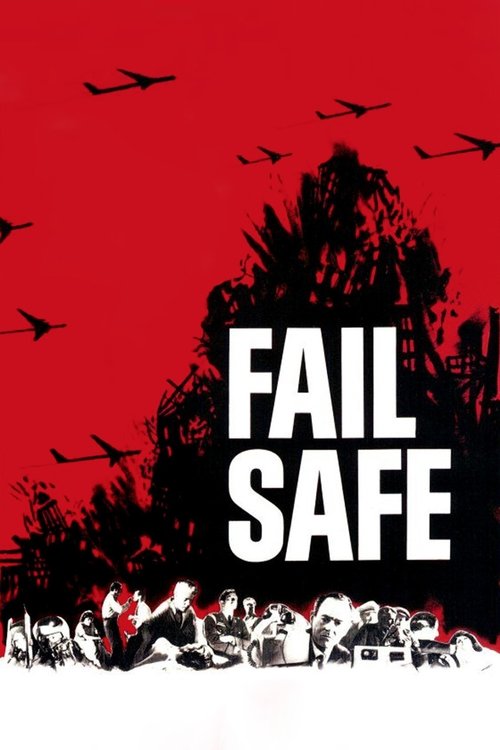
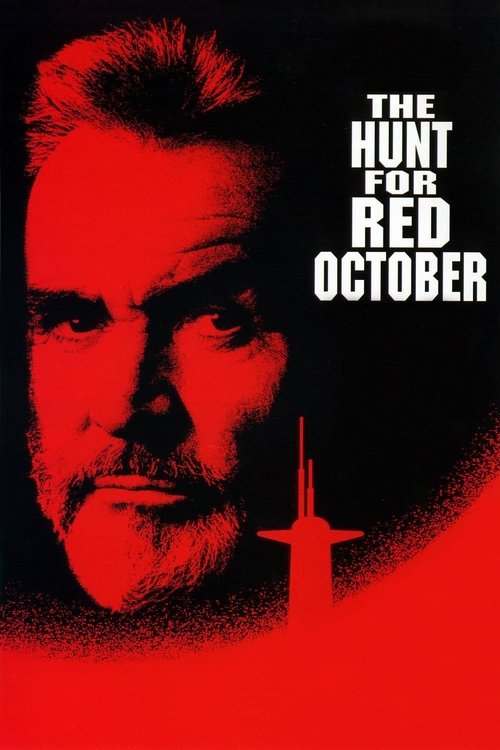
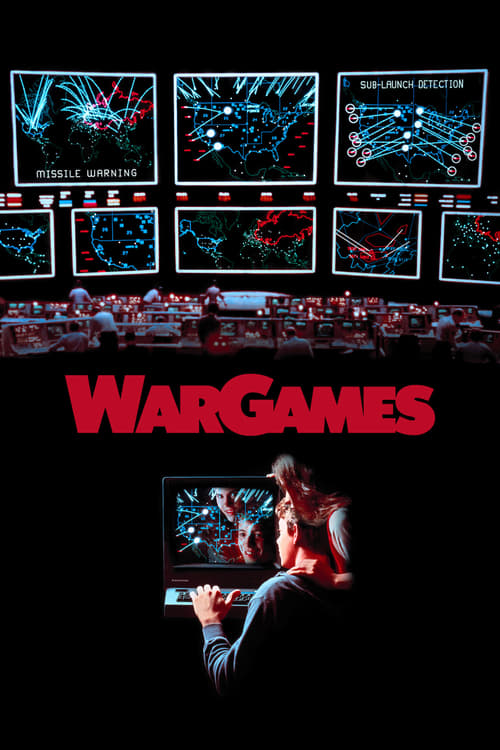
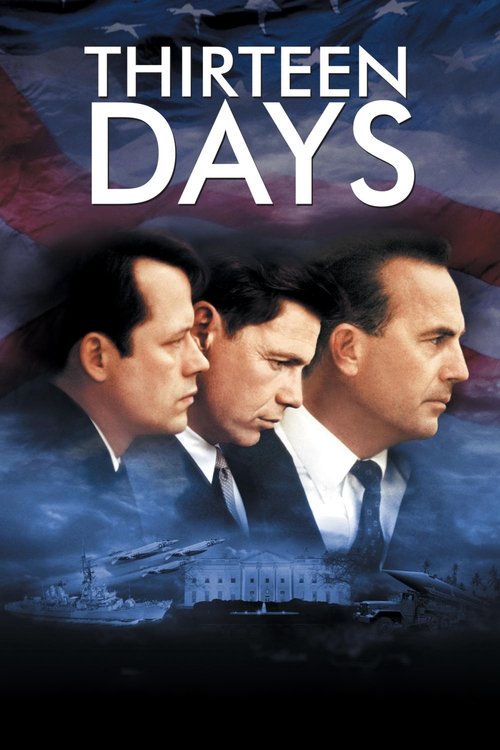
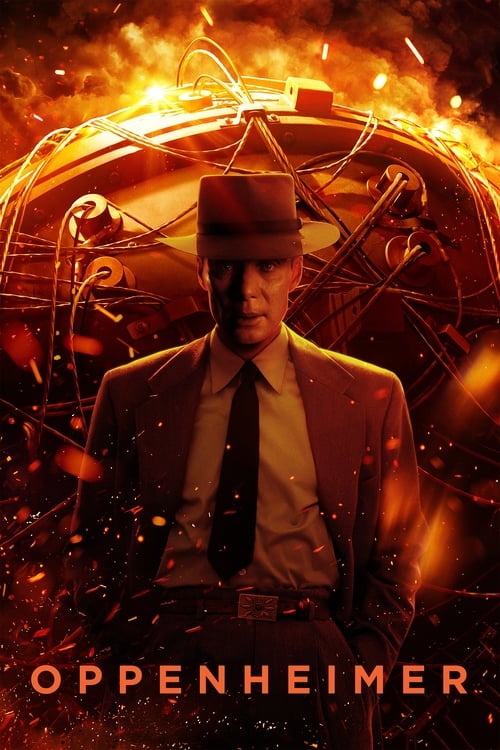
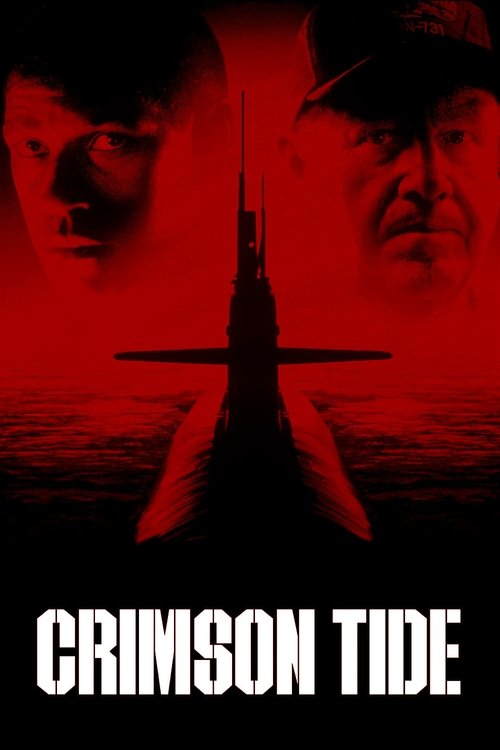
If You Love the Political Thriller and Nuclear Dread
Cinema that shares MGS's anxiety about power, deterrence, and the bomb

If You Love the Techno-Thriller Novels and Cold War Lit
Books that run on the same voltage as a codec call at midnight


Metal Gear Solid 3 Is the Greatest Spy Story Ever Told in Any Medium
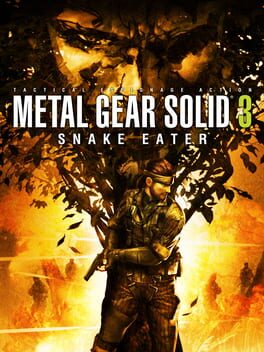
Snake Eater does something almost no action game attempts: it makes you grieve the enemy. The Cobra Unit bosses are tragic figures, not obstacles. The final confrontation between Naked Snake and The Boss reframes every preceding hour as a question about loyalty vs. ideology, and it lands harder than most literary fiction on the same subject. The jungle survival mechanics are a delivery system for one of the most emotionally precise stories the spy genre has produced.
Sons of Liberty Predicted the Information War Two Decades Early
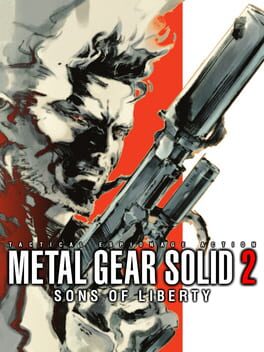
Released in 2001, MGS2 argued that the gatekeepers of information would become more powerful than any nuclear state, and that manufactured consensus was the new weapon of mass destruction. Raiden's crisis of identity was widely mocked at the time as whiny metafiction. Replayed today it reads as a near-perfect diagnosis of social media, algorithmic control, and the death of agreed-upon reality. It is uncomfortable to admit how right it was.

Death Stranding Is MGS in a Different Key
Stripped of military genre dressing, Death Stranding reveals what Kojima has always been building toward: a meditation on connection, isolation, and what we carry for each other. The gameplay loop, derided as "walking," is actually the argument. Every successful delivery is a proof-of-concept that humanity cooperates better than it destroys. It is the most optimistic thing Kojima has ever made, and that is only visible if you know how dark the rest of his work gets.

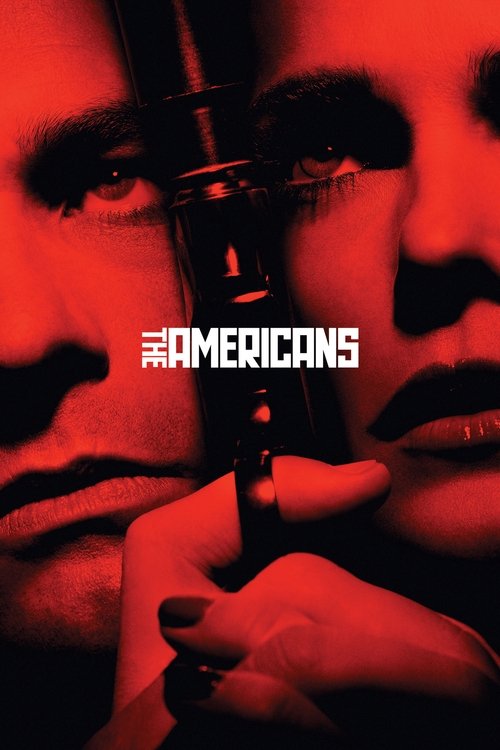
The Americans Fills the Emotional Gap MGS Leaves Open
Metal Gear's spies operate at the level of myth. The Americans brings the same Cold War machinery down to ground level: two KGB officers living undercover in suburban Virginia, navigating the distance between the mission and the people they have become. Where MGS asks about the soldier and the state, The Americans asks about the person inside the operative. They are the same question from opposite ends of the telescope.
A Cold War of Games and Stories
- 1962Cuban Missile Crisis, the hinge point MGS3 builds its entire drama around
- 1963The Spy Who Came in from the Cold published, defining the morally exhausted spy The Spy Who Came in from the Cold
- 1964Dr. Strangelove released, establishing the nuclear-farce genre MGS repeatedly riffs Dr. Strangelove or: How I Learned to Stop Worrying and Love the Bomb
- 1984The Terminator and Red Storm Rising both arrive, fixing the era of techno-dread Kojima grew up absorbing
- 1987Original Metal Gear on MSX2 establishes the formula: one man, nuclear mech, all guards alert Metal Gear
- 1998Metal Gear Solid redefines what a game story could do Metal Gear Solid
- 2001MGS2 releases; its critique of information control is almost universally missed at the time Metal Gear Solid 2: Sons of Liberty
- 2004Splinter Cell: Chaos Theory sets the stealth-game high-water mark Tom Clancy's Splinter Cell: Chaos Theory
- 2004MGS3: Snake Eater; the series peaks emotionally in a Soviet jungle Metal Gear Solid 3: Snake Eater
- 2010MGS: Peace Walker on PSP; the series reinvents itself around base-building and Cold War Latin America Metal Gear Solid: Peace Walker
- 2013The Americans premieres on FX; the Cold War spy drama finds its definitive TV form The Americans
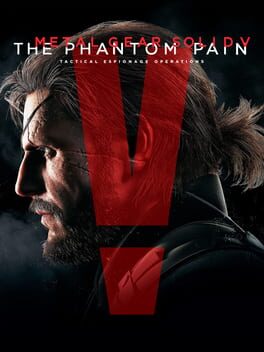
- 2015MGS V: The Phantom Pain; the most mechanically sophisticated and emotionally fractured entry Metal Gear Solid V: The Phantom Pain
- 2019Death Stranding: Kojima goes solo and makes a game about carrying things for other people Death Stranding
- 2023Oppenheimer arrives; nuclear-dread cinema finds its biggest audience in decades Oppenheimer
Stealth, conspiracy, nuclear dread
For Fans of Hideo Kojima
Explore the For Fans of Hideo Kojima guide →The best action is to not act. The best spy story ends before it begins. The best Kojima game makes you question whether you should have pressed start.CrossBinge editorial